
Can You Mow After a Frost? Your Practical Guide to Winter Lawn Care
You see the white frost on your grass and wonder if grabbing the mower is a smart move or a costly mistake. Let’s get right to the point so you can make a confident choice.
This article will walk you through the real risks of mowing frozen grass, how to check if your lawn is safely dormant, and the money-smart timing for a winter cut.
I’ve learned these lessons through cold mornings with my own mower, Max, protecting my lawn year after year.
At a Glance: Key Factors for Frosty Mowing
Can you mow after a frost? The short answer is maybe. It all depends on the state of your lawn at that exact moment. The best time of day and season to mow can guide your decision.
I never just look at the clock or the calendar. I go outside and check three things. Treat these as your non-negotiable rules.
- The grass must be completely thawed.
- The grass must be bone dry, with no morning dew or frost melt.
- The grass should still be actively growing, not fully dormant.
If any one of these isn’t true, I put Max the mower back in the garage. The core risk is simple but serious. Mowing frozen grass doesn’t cut it. It shreds it.
Think of a frozen grass blade like a celery stick straight from the fridge. It’s rigid and brittle. Bend it and it snaps with a messy break, not a clean cut. Your mower blade does the same thing to frozen grass.
What Really Happens When You Mow Frozen or Dormant Grass?
When you run the mower over grass that’s still frozen, the blades are solid. They don’t bend. They shatter. Imagine dragging a piece of glass across a concrete floor. That’s the kind of damage we’re talking about.
A sharp mower blade is meant to make a swift, clean slice. This seals the wound on the grass blade quickly. A shattered cut is jagged and torn. It leaves a wide-open wound on every single grass blade you mow. To preserve that clean cut, regularly sharpen and balance your lawn mower blade. A well-maintained blade reduces stress on the mower and helps your lawn recover faster.
These ragged tears are the real problem, turning your lawn into a buffet for winter fungi and an easy target for drying winds. The plant can’t heal the damage properly when it’s cold, so disease spores and moisture loss waltz right in.
The result isn’t pretty. A few days later, you’ll see it. Instead of a tidy green carpet, you get a lawn dotted with ugly brown, white, or gray streaks. It’s the grass blades dying back from the tips where they were mutilated.
I learned this the hard way in a shady corner I call Patch. Eager for a final trim one late fall morning, I mowed when a light frost was still melting. A week later, Patch looked scorched. It took until spring for that area to fully recover, teaching me more patience than any weed ever could.
When Is It Actually Safe to Mow After a Frost?
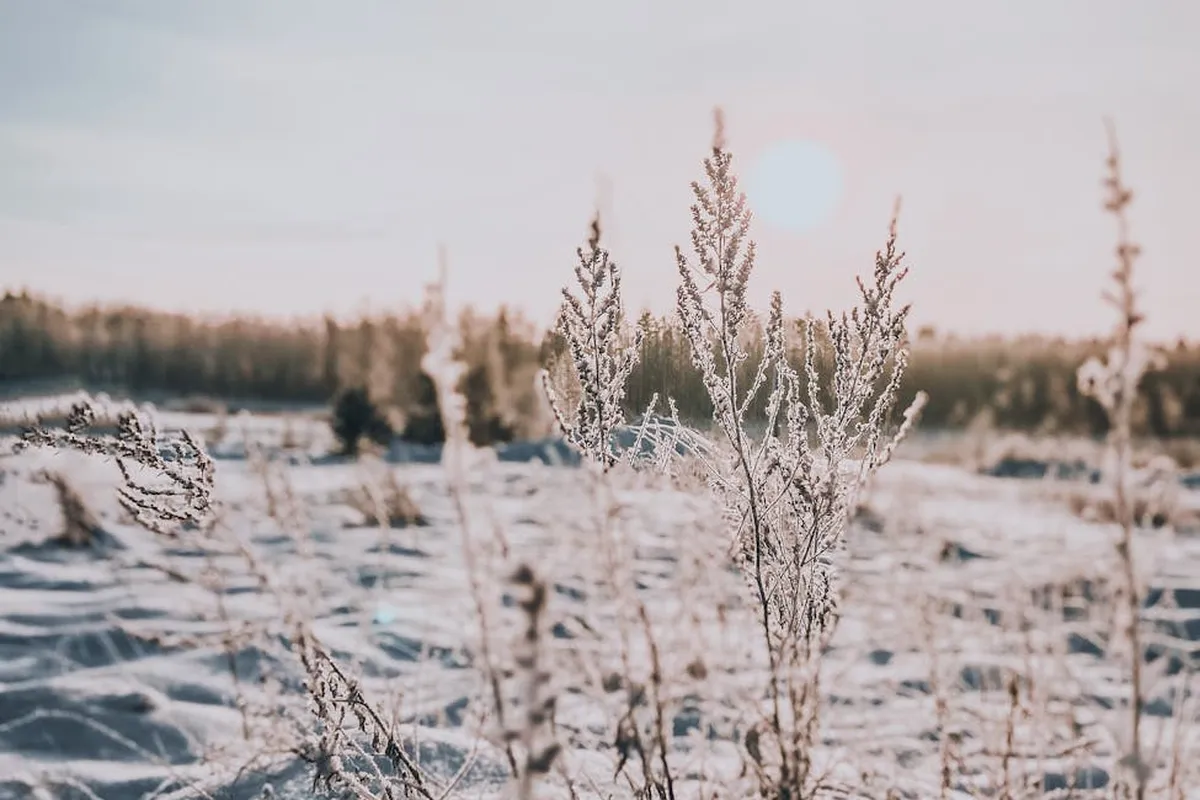
Here’s the golden rule I follow every single fall and early spring. Wait for all the frost to melt, then wait again until the grass is bone dry. Not damp. Not dewy. Dry.
You’re looking for air temperatures to reliably stay above 40°F, and ideally closer to 50°F, for a few hours. This gives the soil and grass blades time to truly thaw and lose that brittle, frozen feeling. Mowing when it’s 35°F and “the frost is mostly gone” is asking for trouble.
It’s easy to confuse dormant grass for dead grass. Dormant grass is tan or brown but the crown at the base is still firm and alive. Dead grass pulls up easily, roots and all. Even though dormant grass is alive, mowing it while frozen or waterlogged can damage that vital crown, setting back its spring green-up.
My favorite field test is simple. Walk across the lawn. If your footprints linger in the grass, looking flat and dark for more than a few seconds, the ground is too soft or the blades are too limp to mow. It’s telling you to wait.
Greedy Grass Pro Tip: The safest, most patient strategy is to wait until the afternoon on a clear day after a frost. Let the sun and warmer air do all the thawing and drying work for you. Your lawn will thank you for the extra few hours. That approach pairs well with our lawn care maintenance tips, including mowing height and proper turf recovery after frost. More lawn care maintenance tips will follow in the next steps.
Common Frosty Mowing Mistakes (And How to Avoid Them)
We’ve all been tempted to get the job done. I’ve learned from these mistakes so you don’t have to.
Mistake 1: The Invisible Morning Frost
The sun is up, the sky is clear. You figure the frost is gone. But a thin, clear coat of ice can cling to the grass blades, nearly invisible. Mowing over this shreds the grass.
Before you start the engine, run your hand over the grass. If it feels crisp and crackles, or your hand comes away wet and cold, frost is still present. Go have another coffee and wait.
Mistake 2: The Dull Blade Double-Damage
A dull mower blade is bad any time. On frost-touched grass, it’s a disaster. Instead of a clean cut, it tears and frays the already stressed grass blades, opening the door for disease.
Sharpen your mower blades in late fall as a key part of winter prep. My mower, Max, gets a fresh edge before his long winter nap. That way, his first cut in iffy weather is still a clean one. If your blade is nicked or dull, sharpen it—or replace the blade for a clean, even cut. Keeping a sharp, fresh blade on hand makes winter prep feel complete and eases the first cut when spring arrives.
Mistake 3: Bagging the Winter Blanket
This time of year, grass clippings are free fertilizer and a light insulating layer. Leaving them on the lawn after mowing lets them decompose and nourish the soil. Bagging them removes this benefit and can stress the soil.
Always mulch mow after a frost. Let those fine clippings fall back to the soil. They return nutrients directly to the roots and help protect the crown from temperature swings, which is great for the soil life we want to encourage.
Mistake 4: Being a Slave to the Schedule
Your calendar doesn’t control your lawn’s growth. The weather does. Trying to get “one last perfect cut” on December 1st because you always do is a recipe for damaging mowing.
Let the lawn tell you when it’s done. If it hasn’t grown in two weeks, it’s done for the season. Put the mower away. The final height should be a bit shorter to prevent matting, but the timing should be based on growth, not the date.
Better Winter Tasks: What to Do Instead of Mowing
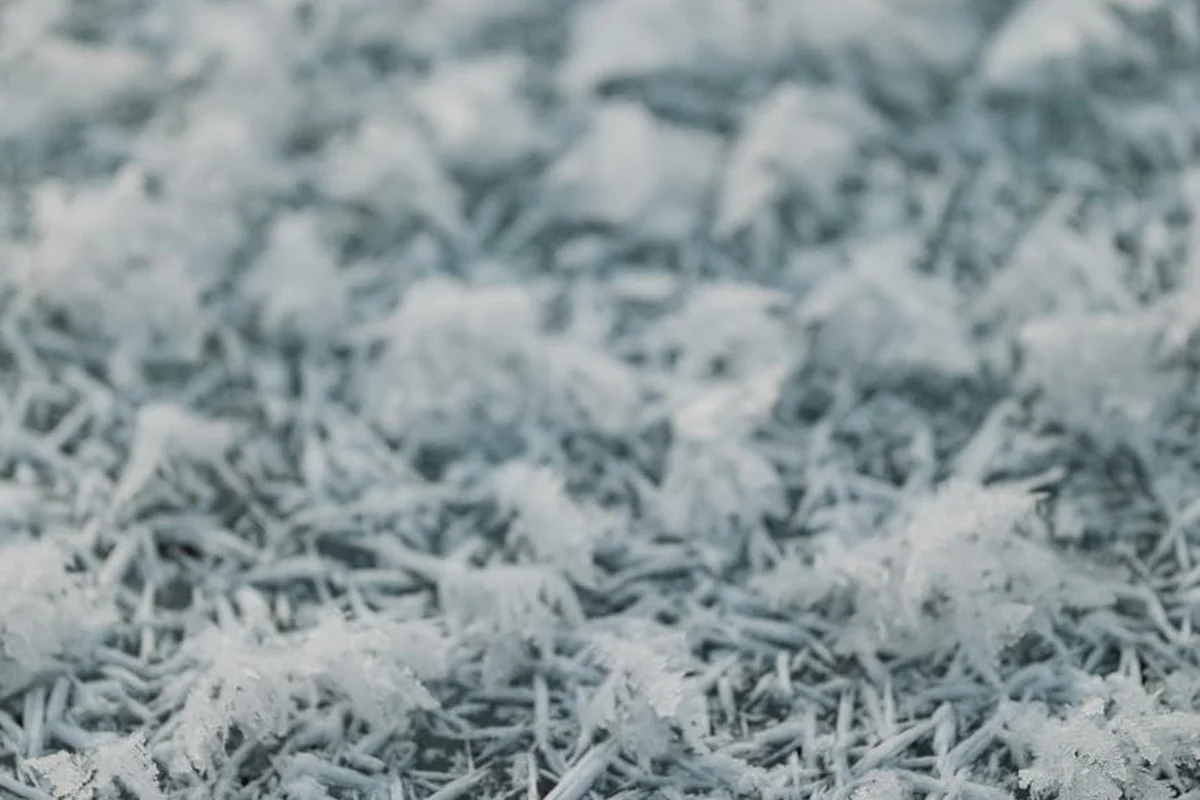
If the grass is frozen or asleep, put the mower away. You have better things to do. This is your chance to set yourself up for an easier spring.
Give “Max” Some Love
Your mower worked hard all year. Now is the time for a proper service. I give my zero-turn a full weekend of attention.
- Clean the deck thoroughly. Scrape off all the caked-on grass. This prevents rust and helps your mower cut cleanly next season.
- Change the oil and the spark plug. It’s cheap insurance for a quick start in March.
- Add a fuel stabilizer to the gas tank and run the engine for a few minutes. This keeps the fuel from going bad and gumming up the carburetor over the winter.
A serviced mower is a reliable mower, and you won’t be scrambling for repairs when the first cut of spring arrives.
Handle Leaves and Debris Gently
You don’t want a thick, wet blanket of leaves smothering the grass all winter. A gentle raking or a pass with a leaf blower is fine.
Avoid aggressive dethatching or power raking. The grass crowns and roots are vulnerable right now. You want to remove the debris, not tear up the lawn itself.
Take a Soil Test
This is the single best planning task you can do. A soil test tells you exactly what your lawn needs, so you don’t waste money on guesswork fertilizers in the spring. Understanding how to interpret soil test results is essential for effective lawn care. In the next steps, we’ll show you how to read and apply those results to your lawn.
You send a small sample to your local cooperative extension office. The report comes back showing your soil’s pH and nutrient levels. It’s like getting a doctor’s note for your lawn.
Walk Your Lawn and Take Notes
Put on a jacket and walk every inch. Look for the thin spots, the areas where moss creeps in, or where “Patch” and his weed friends have taken hold.
I use my phone to take pictures and make a simple list. This becomes my spring overseeding map. Knowing exactly where to focus saves time and seed.
Prepare Your Watering Systems
This is “Sunny’s” offseason. Drain your garden hoses and store them indoors. For in-ground irrigation, you need to blow out the lines with an air compressor to prevent freezing and cracked pipes.
Protecting your irrigation now prevents very expensive and soggy problems later.
Help! I Already Mowed Too Soon. What Now?
It happens. Maybe the frost was light, or you were in a rush. You mowed and now there are ugly, whitish-tan tips on your grass blades. First, take a deep breath.
Do not panic. Grass is incredibly resilient and wants to grow. You haven’t killed your lawn, but you have stressed it. Here’s how to help it bounce back.
Do Not Fertilize
This is a common reaction, but it’s the wrong one. The grass is injured and dormant. It cannot use the nutrients in fertilizer or a “winterizer” product.
Applying fertilizer now is wasteful and can even pollute local waterways as it washes away unused.
Reduce Traffic on the Damage
Keep foot traffic, kids, and pets off the burned areas. Those fragile grass crowns are easily damaged further, and wet winter soil compacts fast under pressure.
Compacted soil makes it harder for roots to recover and breathe when spring comes.
Plan for Early Spring Watering
Mark your calendar. When you get your first sustained warm spell in early spring, give the entire lawn a deep, slow watering. This helps rehydrate the crowns and roots, signaling them to wake up and start growing.
Think of it as the lawn’s first big glass of water after a long nap.
Overseed in the Spring
Plan to overseed those damaged areas when soil temperatures are right in the spring. The existing grass will recover, but overseeding fills in the gaps faster, improving density and crowding out weeds.
Use this as an opportunity to improve your lawn. Choose a high-quality seed blend that matches your sun and shade conditions. Next, explore grass seed types to decide which to buy for your yard. This can help you choose the right seed for your climate and maintenance needs.
Trust the Process (And the Forums)
If you scroll through lawn care forums on Reddit or other sites, you’ll see this question every winter. The advice is always the same: be patient when you prepare and winterize your lawn for cold weather.
Time and proper spring care are the true cures. Your lawn has survived worse. Give it a chance to show you how tough it really is. A timely spring lawn fertilization can give it the boost it needs. With the right nutrients, it will rebound and thrive this season.
Your Frosty Mowing Questions, Answered
What’s the magic temperature number I should wait for?
Forget the exact number on the thermometer and focus on the grass itself. Wait until the air has been consistently above 40°F (ideally 50°F) for a few hours, and the lawn passes the dry, crunchy-free hand test.
How do I know for sure if my lawn is dormant and not dead?
Give a brown patch a gentle tug. If the grass resists and the crown at the soil line feels firm, it’s just sleeping. If it pulls up easily with no roots, that spot has checked out for good.
Is morning or afternoon better for mowing after a frosty night?
Afternoon, always. Let the greedy sun do the heavy lifting of thawing and drying your lawn completely. A morning mow often means cutting damp, stressed grass, which is an open invitation for trouble.
Should I mow shorter or less often as winter approaches?
Mow at your regular height until growth stops, then do your final cut slightly shorter to prevent matting. Never mow on a schedule-only mow when the grass has actually grown enough to need it.
Can I put down fertilizer or weed killer right after a frost?
Absolutely not. Dormant or frozen grass can’t absorb nutrients or herbicides effectively, wasting your money and product. Save all treatments for when the lawn is actively growing and the weather has truly stabilized.
Final Thoughts on Frosty Mowing
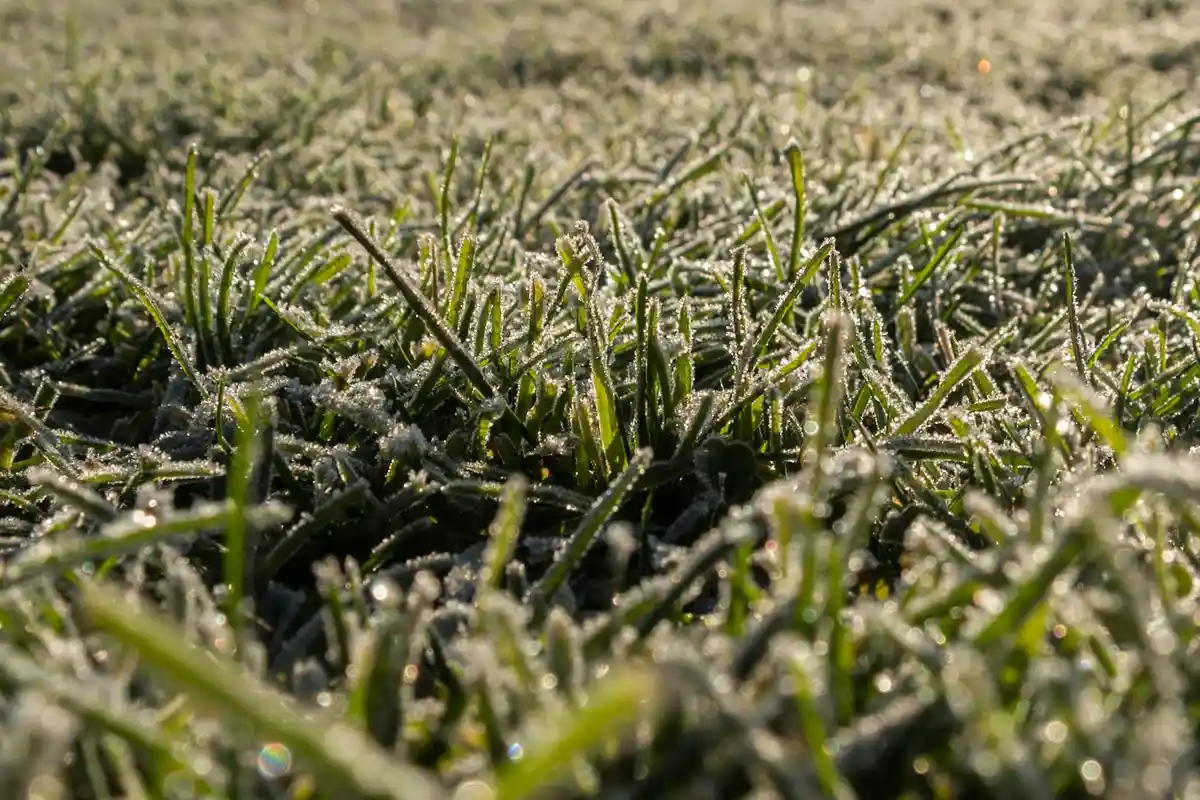
The golden rule is simple: if the grass is frozen, put the mower away. Wait for the afternoon sun to do its work and for those blades to soften up before you even think about starting Max. This one patient habit protects the grass you’re trying so hard to grow.
Taking care of your lawn means working with the weather, not against it. Every small choice, from holding off on a frosty cut to selecting pet-safe products, adds up to a healthier green space for your family and the local bees and butterflies.
Deep Dive: Further Reading
- r/lawncare on Reddit: Is it okay to mow lawn after frost
- Mowing Grass after Frost, what is the best way? – Garden Tool Expert
- Can you mow after a hard frost? | Houzz Forum
- Can You Mow After Frost or Freezing Temps?? // Final Leaf Cleanup – YouTube
- Mowing after frost | Lawn Care Forum
Written by Ria Carrington. Ria is an avid lawn care enthusiast and advisor. No lawn is unsalvagable when Ria is at work. She has helped countless homeowners breath new life into their dying lawns. She has a B.Sc in Agriculture and brings practical advice combined with knowledge of plant science and her decade worth of hands on experience.