
What Are the Essential Lawn Care and Maintenance Tips for Homeowners?
Looking at your lawn can feel overwhelming, like a long to-do list that keeps growing. You are not alone, and a great lawn is more about smart habits than endless work.
We will cover the five non-negotiable jobs that protect your investment, how to time them with the seasons for maximum impact, and the tools that save you both money and weekends.
I have learned this through five years of trial and error with my own lawn, adjusting the deck on Max, my zero-turn mower, more times than I can count.
At a Glance: Your Lawn Care Game Plan
Don’t let the noise overwhelm you. Taking care of your lawn boils down to four big ideas. Think of this as your quick-start guide. You can handle this.
- Mow High. I set my mower deck high. Tall grass shades the soil, keeps roots cool, and chokes out weeds. It’s the single easiest thing you can do to improve your lawn’s health.
- Water Deep. My setup, Sunny, runs less often but for longer. Deep, infrequent watering trains roots to grow down, not up. A thirsty lawn is a weak lawn.
- Feed for Health, Not Just Color. Fertilizer is food, not a magic paint. Use slow-release blends. Time your feeding for when your specific grass type is hungry, not just when you want it greener.
- Know Your Foundation. What’s under your grass matters more than what’s on top. A five-minute soil test tells you more than a year of guessing.
Stick to these principles and you will build a lawn that resists problems instead of constantly fighting them.
The First Step: Know Your Lawn’s Foundation
Think of this like meeting a new neighbor. You need to know their name and what makes them tick. For your lawn, that’s your grass type and your soil. Everything else, from when you mow to what you feed it, depends on this.
Is Your Grass Cool or Warm?
This is the big split. It dictates your entire calendar.
Cool-season grasses (like Tall Fescue, Kentucky Bluegrass) thrive in spring and fall. They grow like crazy when the soil is between 50-65°F. Summer heat stresses them out. They’re common from the Midwest through the Northeast and into the Pacific Northwest. In different climates, warm-season grasses perform better during hot summers. This highlights how climate shapes the choice between cool-season and warm-season varieties.
Warm-season grasses (like Bermuda, Zoysia) love the heat. They hit their stride in the hot summer months when soil temps are above 70°F. They turn brown and go dormant after the first hard frost. You’ll find them from the Southeast across the Southern half of the U.S.
Not sure? Get down and look. Tall Fescue has wide blades with visible veins, like a sturdy ribbon. Bermuda grass has fine, narrow blades and sends out runners along the ground. A quick photo and a search in a lawn forum can clear it up in minutes.
Your Soil: Sponge or Sieve?
This is where the real magic happens, underground. You need to know what you’re working with. I learned this the hard way with my problem area, Patch.
Grab a shovel and a jar. Dig up a slice of soil about 6 inches deep from a few spots in your yard. Mix it in a bucket, fill a mason jar about one-third with your soil, then top it off with water. Shake it hard for a minute and let it sit for 24 hours.
The layers will tell the story. Sand will settle at the bottom almost immediately. Silt will form a middle layer. Clay will be a fine layer on top. The perfect “loam” is a fairly even mix of all three.
Soil that’s heavy on clay acts like a sponge. It holds water and nutrients really well, but it can get waterlogged and hard. Soil that’s mostly sand acts like a coffee filter. It drains fast, which is great for air, but water and food wash right through it.
Knowing this tells you how to water and what to add. My clay-heavy soil needs aeration to let air in. Sandy soil needs organic matter to help it hold onto the good stuff.
This step answers “how do you maintain your lawn” at the most basic level. You’re working with the lawn you have, not the one you wish you had.
The Seasonal Rhythm: What to Do and When
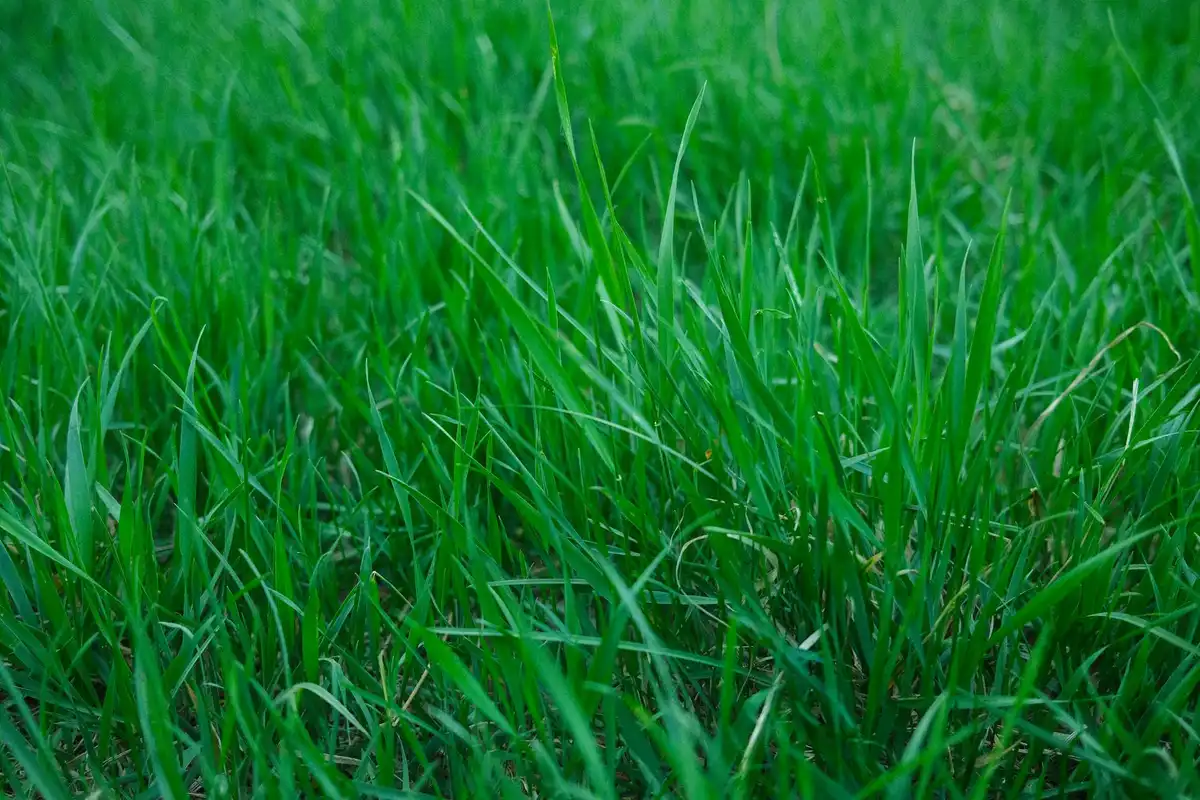
Lawn care isn’t about constant work, it’s about doing the right thing at the right time. Think of it like a predictable dance with the weather. Follow this seasonal checklist to stay in step.
Spring Wake-Up Call
Your lawn is stretching after its winter nap. This is your chance to set the tone for the whole year. If you’re searching for lawn care tips for spring, this checklist is your answer.
- First Mow with Patience: Wait until the grass is actively growing, usually after a few warm days. Set your mower to its highest setting for that first cut. I never let Max take more than the top third of the blade off. This protects the tender new growth and strengthens the roots.
- Apply Pre-Emergent: This is your most important weed defense. Apply a product like Prodiamine when soil temperatures consistently hit 50-55°F. It forms a barrier in the soil to stop weed seeds from sprouting, making summer much easier.
- Gentle Fertilization: Use a light, slow-release fertilizer to give the grass a gentle nudge. Avoid heavy feeds that force rapid, weak growth.
- Check Sunny’s Setup: Run each zone of your drip irrigation or sprinklers. Look for leaks, clogged heads, or misaligned spray patterns. Fixing Sunny now saves water and heartache in July’s heat.
- Rake and Tidy: Gently rake out any remaining leaves or winter debris to let light and air reach the soil.
Summer Survival Guide
Heat and drought are the main enemies. Your job shifts from growing grass to helping it endure.
- Mow High and Let it Lie: Raise your mower deck one or two notches. Taller grass shades the soil, conserving moisture and blocking weeds. Leave the clippings on the lawn as a natural, nitrogen-rich mulch.
- Water Deeply, Not Often: Replace frequent sprinkles with one or two deep waterings per week, aiming for about an inch of water total. This trains roots to grow deep into the soil, searching for moisture.
- Spot Treat Weeds: Hand-pull weeds or use a targeted, pet-safe herbicide. Avoid broad spraying in the heat, as it can stress the lawn.
- Watch for Pests: Look for irregular brown patches or signs of insects. Early detection means a simpler, more targeted fix.
- Hold the Fertilizer: I don’t feed my lawn in the peak summer heat. It can burn the grass and promote disease. Let it rest.
Fall Renovation & Repair
Fall is the superstar season for lawn care. The soil is warm, the air is cool, and grass is eager to grow. These are the core lawn care tips for fall that deliver the biggest impact.
- Core Aeration: Rent a core aerator or hire a pro. It pulls out plugs of soil, relieving compaction. This lets water, air, and nutrients reach the roots, which is like a deep breath for your lawn. Do this first, before overseeding.
- Overseed Thin Areas: After aeration, spread grass seed over thin or bare spots. The seed will fall into the open holes for perfect soil contact. Keep the seed moist until it germinates.
- Apply Your Key Fertilizer: This is the most important feeding of the year. Use a fall-formulated fertilizer to encourage strong root growth. The grass will store these nutrients and use them to green up quickly next spring.
- Final Weed Control: Apply a fall pre-emergent to tackle winter annual weeds like poa annua. Spot spray any lingering perennial weeds.
- Keep Mowing: Continue mowing as needed until the grass stops growing. That final cut should be slightly shorter to prevent matting under winter snow.
Winter Watch
Your lawn is dormant, but there’s still work to do to protect your investment and prepare.
- Winterize Max: I give my mower a full service. Change the oil, clean or replace the air filter, add fuel stabilizer, and store it in a dry place. A happy mower makes for a happy spring.
- Protect from Salt and Compaction: Avoid piling snow containing road salt onto grass areas. Try not to walk or park on frozen lawns, as this compacts the soil and damages grass crowns.
- Plan for Next Year: This is the time to research. Look at your notes from the past year. Did Patch the shady corner struggle? Maybe it’s time to consider a shade-tolerant grass mix or a different ground cover for that spot.
- Clean and Sharpen Tools: Sharpen your mower blades and other garden tools so they’re ready for action.
Common Lawn Care Mistakes (And How to Skip Them)
I see these errors all the time, and I’ve made a few myself. Let’s fix them before they happen. This is the practical advice you’d find in a good lawn care tips reddit thread, straight from experience.
Mistake: Cutting the grass too short (scalping).
Result: The grass gets stressed, roots weaken, and sunlight hits the soil, inviting every weed seed to a party.
Fix: Raise your mower deck. For cool-season grasses, never cut below 3 inches, especially in summer.
Mistake: Watering a little bit every day.
Result: Roots stay lazy and shallow near the surface. The first hot, dry week will turn your lawn brown.
Fix: Water deeply and infrequently. Teach your grass to be thirsty and resilient by encouraging deep root growth.
Mistake: Over-fertilizing or fertilizing at the wrong time.
Result: You force rapid, weak growth that’s more susceptible to disease, drought, and pests. Excess fertilizer can also run off and pollute waterways.
Fix: Follow the seasonal schedule. Feed in spring and fall with measured, slow-release products. More is not better.
Mistake: Using the wrong product for your grass type or problem.
Result: Wasted money and time, with no improvement or even damage to your lawn.
Fix: Know your grass. Is it Kentucky Bluegrass, Fescue, or Bermuda? Read product labels thoroughly. A weed killer for Southern lawns can kill Northern grasses.
Troubleshooting Your Problem Spots
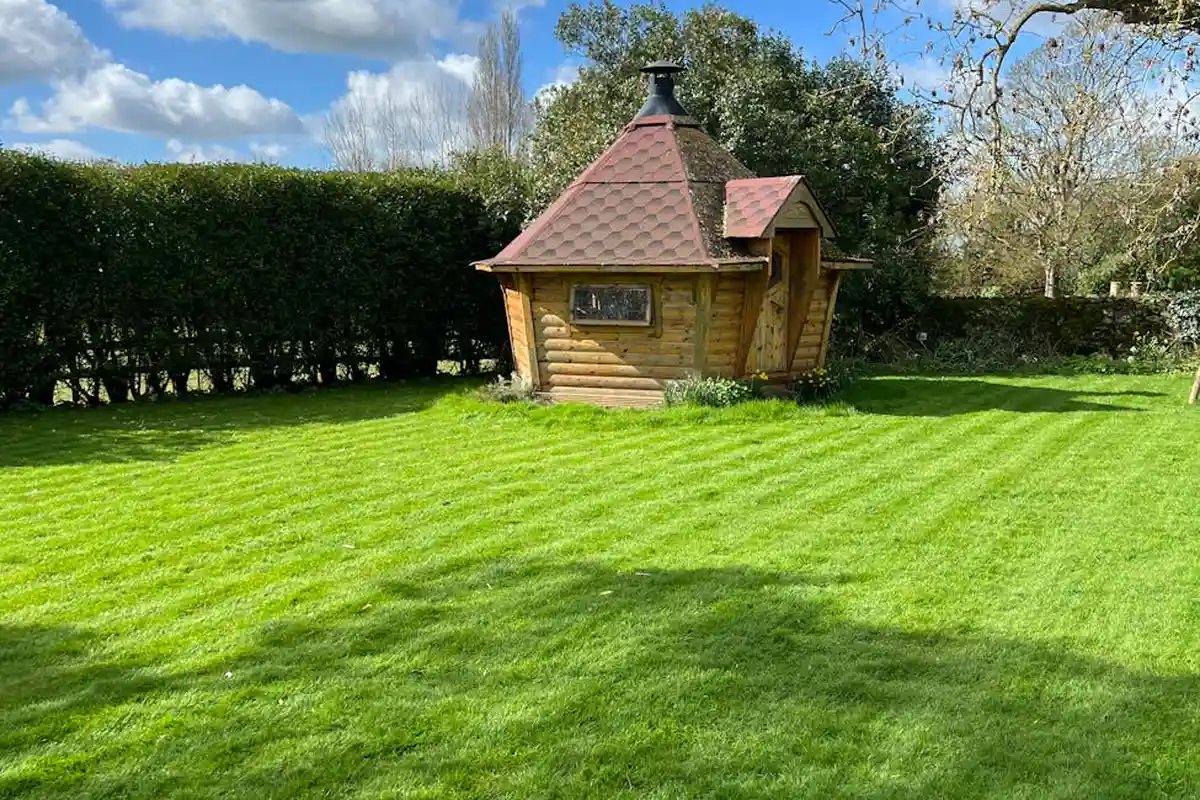
Every lawn has its puzzles. My shady corner, I call it Patch, taught me that. You can’t just throw the same solution at every problem. You need to play detective first. Here’s how to diagnose the most common issues you’ll find in your yard, especially in shady areas.
Brown Patches
Nothing makes your heart sink faster than a coffee-stain brown spot on your green carpet. The first instinct is to drown it with the hose, but that can make things worse. You need to figure out the “why” before the “fix.”
If you see brown patches, run through this checklist in order.
- Check for pet activity. Dog urine is high in nitrogen and salts, burning the grass. The center is often dead brown, with a dark green ring around it.
- Feel your soil. Is it bone dry and hard? Or is it soggy and muddy? Both extremes cause brown grass.
- Look at the grass blades. Are they cut cleanly, or are they shredded and frayed at the top? A dull mower blade tears grass, leaving a white, ragged tip that turns brown.
- Examine the pattern. Are the patches circular, irregular, or in lines? Circular spots with a smoky gray or pinkish edge often point to fungus, especially after humid weather.
For dog spots, flush the area with water immediately. For dull blades, sharpen them. For fungus, improve air flow and avoid evening watering. Most brown patches recover with the right simple fix.
Thinning Grass
This is when your lawn looks see-through, like a thin rug. You can see more soil than grass. This is usually about the lawn not getting what it needs to be thick and strong.
Thinning grass is a cry for help, usually about food, light, or air.
- Check the light. Has a tree grown shadier over the years? Grass needs sun. Patch survives on just 4 hours of morning light.
- Think about your soil. Is it hard as concrete? Grass roots can’t breathe or drink in compacted soil.
- Consider your mowing. Cutting too short, called scalping, stresses grass and makes it thin out over time.
- Remember your last meal. When did you last feed your lawn? Grass needs steady nutrients to grow thick.
The fix is often a two-step process. First, aerate in the fall to relieve compaction. Then, overseed with a shade-tolerant grass mix for thin, shady areas to fill in the bare spots.
Weeds Taking Over
Weeds are opportunists. They move into thin, weak, or bare soil. If you see more weed than grass, the weed is not your real problem. It’s a symptom of your lawn’s health.
A lawn full of weeds tells you the grass is losing the competition for space and resources.
- Identify the main weed. Is it a broadleaf like dandelion, or a grassy weed like crabgrass? This changes your plan of attack.
- Ask why it’s there. Crabgrass loves thin, bare soil in full sun. Moss loves wet, compacted, shady soil.
- Look at your mowing height. Taller grass shades the soil, preventing many weed seeds from sprouting.
Pulling by hand works for a few. For many, a targeted, pet-safe herbicide helps. But the permanent fix is always to grow thick, healthy grass that leaves no room for weeds. Mow high and feed regularly to crowd them out.
Spongy Feel
If your lawn feels bouncy or spongy underfoot, like walking on a wet mattress, you have a thatch problem. Thatch is a tight layer of dead grass stems and roots that builds up between the soil and the green grass.
A little thatch is good insulation, but more than half an inch is a barrier that hurts your lawn. It blocks water, air, and nutrients from reaching the soil. The roots start growing in the thatch instead of the soil, making the lawn weak and thirsty.
To check, cut a small, deep slice out of your lawn with a shovel and look. You’ll see a brown, matted layer. The fix is simple: dethatch. I use a manual thatching rake for small areas. For big lawns, you can rent a power dethatcher. Do this in your grass’s peak growing season so it can recover fast.
Grass-Specific Guides: Tailoring Your Approach

Lawn care isn’t one-size-fits-all. What makes a Bermuda grass lawn sing will make a Tall Fescue lawn struggle. You need to know your grass type. It’s like knowing if you’re caring for a cactus or a fern.
Know Your Grass Type
Most home lawns fall into two big families: Warm-season grasses that love summer heat, and cool-season grasses that thrive in spring and fall. Here’s how to care for the most common types.
| Grass Type | Best Mowing Height | Watering Needs | Best Time to Renovate |
| Bermuda Grass (Warm-season) | 1 – 1.5 inches | Deep, infrequent soaks. Drought-tolerant once established. | Late spring to early summer, when soil is warm. |
| Tall Fescue (Cool-season) | 3 – 4 inches | Regular, deep watering, especially in summer heat. | Early fall. Spring is a second choice. |
| Kentucky Bluegrass (Cool-season) | 2.5 – 3.5 inches | Needs consistent moisture, less drought-tolerant. | Early fall is ideal. |
Caring for Bermuda Grass Lawns
Bermuda is the athlete of the lawn world. It loves full, blazing sun and grows aggressively in the heat. You need to mow it low and often with a sharp blade. Letting it get tall weakens it. It goes dormant and turns brown with the first hard frost, which is normal. It greens up again in late spring when the soil is consistently warm. The number one mistake I see is watering it too much. It has deep roots and prefers a good drink followed by time to dry out.
Caring for Tall Fescue Lawns
Tall Fescue is the tough, reliable workhorse for many yards. It handles heat better than other cool-season grasses and tolerates some shade. The key is to mow it high. Those tall blades shade the soil, keeping roots cool and preventing weeds. It stays green in winter but can struggle in peak summer heat. Water it deeply once or twice a week, and never in the evening to avoid fungus. Fall is its prime time for seeding, feeding, and overall care.
The Special Case: Newly Seeded or Sodded Lawns
Whether you seeded bare soil or laid down fresh sod, a new lawn is a high-priority baby. It needs constant, gentle attention for the first month, especially when it comes to watering new grass seed.
The golden rule for new grass is to keep the top inch of soil constantly moist, but never soggy. This means light, frequent watering, sometimes 2-3 times a day for the first two weeks. You are guarding against the tiny roots drying out. Do not mow until the grass is at least one-third taller than your target mowing height. And do not walk on it or let pets on it until it’s firmly rooted. This patience pays off with a strong, established lawn that can handle regular care.
Tool Talk: Working Smarter, Not Harder
I used to think the secret was just buying the biggest, shiniest tool. Turns out, it’s about treating the ones you have right. A little basic care turns a frustrating chore into a smooth Saturday morning routine.
Maintenance That Makes the Job Easier
Think of your tools as teammates. When they’re in good shape, the whole team wins. Here are three things I do religiously that save me hours.
First, sharpen Max’s blade. A dull mower blade doesn’t cut grass, it tears it. Those ragged tips turn brown, stress the plant, and invite disease. A sharp blade gives a clean cut, which keeps your grass greener and healthier with less work from you. I do it every 20-25 hours of mowing, and I also make sure to sharpen and balance the lawn mower blade. Just listen for a ragged sound instead of a crisp swish.
Second, calibrate your spreader. This is the single biggest mistake I see. If your spreader is off, you’re wasting money on fertilizer or baking your lawn with too much weed killer. Spend five minutes before each season dialing in your settings; it guarantees you put down exactly what your lawn needs, no more and no less.
Third, clean your mower deck. After mowing, especially if the grass was damp, I always hose out the clippings stuck under Max. Caked-on grass blocks airflow, makes your mower work harder, and can lead to rust or uneven cuts. A quick blast keeps everything running smoothly for years. It’s one of the basic maintenance tasks that can help fix common lawn mower problems.
Simple Upgrades That Matter Most
You don’t need a garage full of gear. Focus on these three affordable upgrades that deliver serious results.
- A Sharp Blade (or Two): This isn’t just maintenance, it’s an upgrade. Buy a second blade for your mower. When one gets dull, swap it out and sharpen the old one at your leisure. You’ll always have a sharp cut ready to go.
- A Cheap Soil Probe: This is your lawn’s truth-teller. Stop guessing about water. A simple metal probe tells you if the soil is dry six inches down, which is where you want the roots to chase moisture. It’s like a thermometer for your lawn’s thirst.
- A Hose Timer for Sunny: Hand-watering is inefficient and easy to forget. A basic battery-operated timer on your drip system or sprinkler means Sunny waters at 6 AM, exactly when you want, even if you’re sleeping. It saves water and ensures consistency.
Safety for Your Family (Including the Bees)
Our lawns are part of a bigger home. What we do affects our pets, our kids, and every pollinator buzzing by. Safe storage and application isn’t an extra step, it’s the foundation.
Always store fuels, fertilizers, and any chemicals in a locked cabinet or shed, far out of reach. I keep my few needed products on a high shelf in a locked toolbox. Treat every product, even organic ones, with respect and assume it could be dangerous if misused.
When applying anything, follow the label to the letter. More is not better. Avoid spraying on windy days to prevent drift onto flower beds where bees are working. I usually apply granular products in the early evening when bees are less active and water them in right away. It’s a simple habit that protects the good guys while you handle the weeds.
Greedy Grass FAQ: Your Quick Lawn Care Questions, Answered

I’m a total beginner. What’s the ONE thing I should do first?
Mow high, right now. Set your mower to its highest setting and never cut more than the top third of the grass blade. This single act shades the soil, strengthens roots, and starts crowding out weeds with zero extra products. Fine-tuning your lawn mower cutting height will help you keep these benefits consistent. Learn how to adjust cutting height for different grasses and growth conditions.
What’s a simple trick to get a greener lawn without more fertilizer?
Leave the grass clippings on the lawn after you mow. They decompose quickly, acting as a free, natural nitrogen-rich mulch that feeds the soil and helps retain moisture for that greedy thick grass you want.
Spring is here. What’s my non-negotiable first task?
Apply a pre-emergent weed preventer when soil temperatures hit 50-55°F. This creates a barrier against weed seeds, stopping crabgrass and other invaders before they can even sprout and steal resources from your grass.
How do I “winterize” my lawn in the fall for a stronger spring?
Core aerate and overseed. Aerating relieves soil compaction so air, water, and food can reach the roots, while overseeding fills in thin spots with fresh grass to crowd out future weeds.
I live in a transitional state like Virginia. What’s the key to success?
Know if you have a cool-season or warm-season grass, as your entire calendar depends on it. Then, time your major feeding and renovation projects for the fall (for cool-season) or late spring (for warm-season) when your grass type is actively growing roots.
Keeping Your Lawn Healthy and Happy

The best tip I can give you is to pick a simple routine and stick with it. Your lawn thrives on consistency, whether that’s a regular mowing height or a set watering schedule, more than on any single miracle product.
A great lawn is a responsibility we share with our local environment. I’ve learned that choosing pet-safe solutions and leaving a few clover patches for the bees makes the green space behind my house feel even better.
Relevant Resources for Further Exploration
- Lawn Care Best Practices: A Step-by-Step Maintenance Guide
- Basic Lawn Care and Maintenance Tips
- Beginner’s Guide to Lawn Care
- Year Round Lawn Care Schedule and Tips For Maintaining Your Lawn | ScottsMiracle-Gro US
Written by Ria Carrington. Ria is an avid lawn care enthusiast and advisor. No lawn is unsalvagable when Ria is at work. She has helped countless homeowners breath new life into their dying lawns. She has a B.Sc in Agriculture and brings practical advice combined with knowledge of plant science and her decade worth of hands on experience.