
When Should You Mow the Lawn? The Real Best Time for Your Grass
You’ve probably heard conflicting advice on when to cut the grass, leaving you wondering if you’re helping your lawn or quietly stressing it out.
This guide breaks down the simple science behind timing your cuts, covering the best time of day for a clean cut, how your mowing schedule must change with the seasons, and the direct lawn health benefits of getting the timing right.
I’ve learned this through years of weekend routines with my mower, Max, dialing in a schedule that builds a thicker lawn while saving time and effort.
At a Glance: Your Quick-Start Mowing Guide
Let’s skip the fluff. Good mowing isn’t complicated if you follow a few core rules. Think of these as your non-negotiable basics, like checking your oil before a long drive with Max.
- Never mow soggy grass. Wet soil compacts under the mower’s weight. Wet grass clumps, clogs your deck, and tears instead of cutting cleanly.
- Follow the 1/3 Rule. Never cut off more than one-third of the grass blade’s height in a single mow. This keeps the root system strong and prevents shock.
- Aim for the right daily window. The sweet spot is late morning, after the dew has dried but before the afternoon heat, or early evening, allowing time to dry before nightfall.
- Keep your blade sharp. A dull blade shreds grass tips, turning them brown and opening the door for disease. It sounds like a ripping, not a crisp snap.
The best time to mow is when the grass is dry, the sun isn’t blazing, and your mower blade is sharp. Get these three things right, and you’re 90% of the way there.
Why Your Mowing Schedule is a Big Deal
Timing isn’t just about convenience. It’s about plant health. Think of your lawn like a patient recovering from surgery. You want to operate when conditions are best for healing.
Mow in the heat of a July afternoon, and you’re scorching fresh, open wounds on each grass blade. The plant loses moisture rapidly and goes into panic mode. Cutting at the wrong time weakens your grass, making room for weeds and disease. A stressed lawn is a thin lawn. Weeds like crabgrass see thin, weak grass as a welcome mat.
Mow right at dusk or when dew is settling, and you create a perfect, damp habitat for fungus to spread. That’s how you get nasty spots of brown patch or dollar spot. The grass stays wet for hours, and fungi love a long, damp party.
I learned this the hard way with Patch, my shady problem corner. I used to trim it last on my evening rounds, when it was already damp and cool. It was always the first place I’d see fuzzy mold on the blades and the first spot where clover would march in. Once I started hitting it in the late afternoon when it was fully dry, the grass thickened up and fought back. The difference wasn’t overnight, but in one season, Patch went from my nemesis to just another part of the lawn.
Your schedule is your strategy. A good one builds a resilient lawn. A bad one invites trouble.
How Early (or Late) Can You Actually Mow?
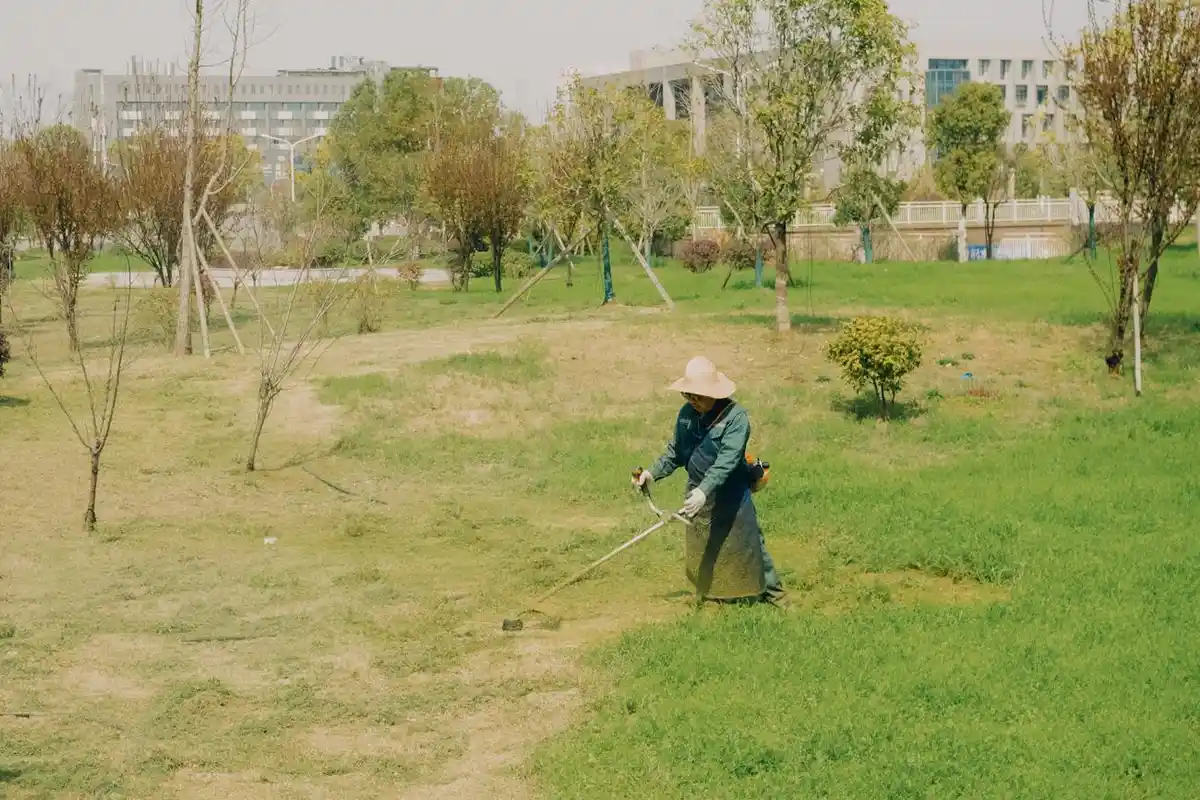
So, how early in the morning can you mow? I get asked this all the time. My honest, neighborly advice is to wait until at least 8 or 9 AM. I know the urge to get it done with your coffee is strong. I’ve been there, keys in hand, ready to fire up Max. But mowing on wet, dewy grass does more harm than good.
The best mowing window for your lawn’s health is usually from mid-morning to late afternoon. This is when the grass is dry, standing tall, and ready for a clean cut. Let’s break down what happens at different times.
The Morning Mow: Dealing with Dew
Mowing in the early morning, while the grass is still wet with dew, creates a mess. Wet grass blades clump together instead of being cleanly sliced. These clumps can smother the grass underneath and create a perfect, damp home for fungus. Wet grass also sticks to your mower’s deck and blades, making the cut uneven and forcing your machine to work harder. I’ve spent too many afternoons scraping a wet, matted paste out of Max’s undercarriage to recommend this. To keep you and your equipment safe, there are real risks and precautions when mowing wet grass. We’ll highlight practical tips in the next steps.
The Afternoon Mow: Beating the Heat
Late morning through early afternoon is often the sweet spot. The dew has burned off, and the grass is perky. Your mower makes a crisp, clean cut, and the clippings scatter thinly to break down and feed the soil. Just watch the peak summer heat. Mowing during the hottest part of a scorching day can shock your grass, leaving the fresh-cut tips vulnerable to sunburn. If it’s blazing, aim for late afternoon instead, when the sun’s intensity starts to fade.
The Evening Mow: A Risky Dampness
Finishing up by early evening is fine. But once the sun goes down, problems start. Nighttime brings cooler air and moisture back to the lawn. Grass cut in the evening dampness doesn’t have time to heal before night falls. Those open cuts stay damp for hours, which is an open invitation for disease and fungal issues to take hold. It’s like going to bed with a wet bandage on a scrape.
So, what’s the simple rule? It’s the one I follow every weekend. Wait until the morning dew has fully evaporated, but finish before the evening dampness sets in. The test is easy. Walk across your lawn in old shoes. If your footprints disappear as the grass springs back, and your shoes stay mostly dry, you’re good to go. If the grass stays matted down or your shoes get wet, grab another cup of coffee and wait an hour.
Your Seasonal Mowing Effect Checklist
Let’s walk through the year with your mower. I’ve spent weekends with Max, my zero turn, learning how timing changes everything. Follow this season by season guide to keep your lawn thick and resilient.
Spring
Spring is about encouraging growth. Your grass wakes up hungry as temperatures rise. I start with Max’s deck set high, then lower it a notch each cut for a few weeks. Cut frequently, about twice a week when growth is fast, to push the grass to spread and thicken. This frequent trimming trains each plant to grow sideways. The damp, loamy smell after aeration is your signal to begin. I see my lawn fill in bare spots every spring with this method.
Summer
Summer heat demands a different plan. Taller grass shades the soil, keeping roots cool and saving water. I raise Max’s deck to its highest setting. Cut less often, perhaps every 10 to 14 days, to reduce stress and help your lawn resist drought. Sunny, my drip irrigation, supports this, but longer blades mean less evaporation. Cutting too short now invites brown patches and weeds.
Fall
Fall mowing prepares your lawn for winter. The crisp snap of grass blades tells me it’s time to adjust. I gradually lower Max’s deck each cut until the grass is about 2 inches tall. That height is a good target, but you should adjust your lawn mower cutting height as the season changes. A quick height check before each pass helps prevent scalping and matting. Gradually lowering the height in fall prevents matting under snow and cuts disease risk. Even Patch, my shady trouble corner, looks better after a clean, shorter cut before frost. Skip this, and you might face mold next spring.
Winter
When growth stops, your mowing should too. Grass goes dormant in winter for most areas. To protect the lawn, stop mowing before winter sets in. This helps the grass harden for dormancy. Stop mowing completely once the grass stops growing, usually after the first hard frost. Never cut frozen or soggy ground. You will damage the turf and compact the soil. I park Max in the shed and wait for spring’s first green shoots.
Raise your mower deck in summer heat and lower it gradually in the fall for a healthier lawn year round. This simple shift makes a huge difference.
Greedy Grass Pro Tip: The Weekly Check
Forget a rigid calendar. Your lawn tells you when it needs a cut. Try my 60 second test, the “pull and measure” method. Grab a handful of grass blades and pull them upright. If they stand taller than your ideal mowing height, it’s time to fire up Max. For cool season grasses, aim for about 3 inches. For warm season, aim for 2 inches. Different grass types have their own ideal mowing heights. Knowing your grass type helps you tailor the right height for your turf. A set weekly schedule is less important than responding to how your grass actually grows. Weather, rain, and temperature change growth rates. Some weeks you cut twice. Other times, once is plenty. This responsive approach keeps your lawn crisp without overwork.
Best Mowing Time by Grass Type: Cool, Warm, and the Tough Middle

Your grass type decides your mowing schedule. It’s like having a puppy versus a senior dog. One needs multiple walks a day, the other is happy with a slow stroll around the block. The biggest mistake I see is treating a fescue lawn like a Bermuda lawn, or vice versa. Let’s sort them out. From there, we’ll dive into mowing cadence and fertilizing schedules for a healthy lawn. Small changes now pay off with greener, stronger turf.
The Grass Type Breakdown
This simple table shows the core difference. Think of “peak season” as when your grass is putting on its most vigorous growth, begging to be cut.
Cool-season grasses crave fall mowing, while warm-season grasses hit their stride in summer. My own lawn is fescue, and I spend more time on Max the mower in October than I do in July. It’s counterintuitive, but that fall growth is building strong roots for the next year. Understanding the difference between cool-season and warm-season grasses is key to proper lawn care.
Surviving the Transition Zone
If you live in the middle of the country, my sympathies. The “Transition Zone” is where neither pure cool-season nor pure warm-season grass is perfectly happy. It’s a constant battle. You might see people with crispy brown Bermuda in July and struggling fescue in August.
My tip? Lean into drought-tolerant, transitional blends. Tall Fescue varieties, especially the newer turf-types, handle summer heat better than other cool-season grasses. Some Zoysia grasses can tolerate cooler temps better than Bermuda. Choosing a grass bred for your specific struggle is the first step to a saner mowing calendar.
In these areas, your mowing schedule will flip-flop. You’ll have a busy spring and fall like a cool-season lawn, but you must also keep up with summer mowing to prevent thatch, unlike a true cool-season grass. It’s more work, but a sharp mower blade and consistent height are your best friends here.
Your Actionable Mowing Timeline for the Year
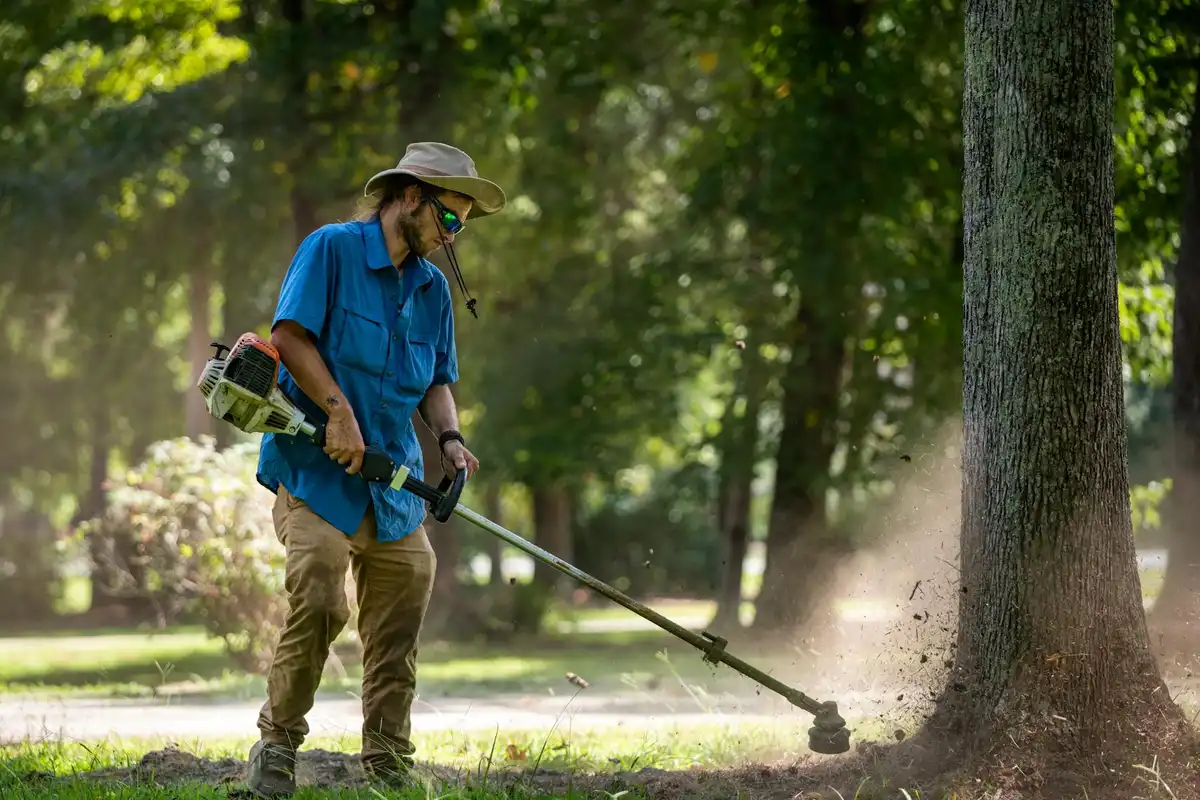
Forget complicated charts. Here’s my real-world, month-by-month guide for managing your cool-season or warm-season lawn. It’s the rhythm I follow with Max, my zero-turn.
Late Winter / Early Spring (March – April)
This is wake-up time. The ground is soft, and growth is slow but starting.
- Mowing: Wait. Don’t mow until the grass is actively growing and needs it. For cool-season grasses, that first cut is a signal. Set your mower high, around 3.5 to 4 inches, to shade out early weed seeds.
- Quick Chore: Before that first mow, walk your lawn. Check for winter damage, clear debris, and give Sunny, your irrigation, a quick visual check for leaks or broken heads from frost heave.
Your first cut isn’t just a trim; it’s a strategic move to encourage thick growth and crowd out problems before they start.
Late Spring (May – June)
Growth hits its peak. This is when your routine gets established.
- Mowing: Mow often. For cool-season grasses, you might mow every 5-7 days. For warm-season grasses like Bermuda or Zoysia, growth takes off, needing cuts every 4-5 days. Keep those blades high (3-4 inches for cool-season, 2-3 inches for warm-season) to build drought resilience.
- Quick Chore: After mowing, take two minutes to clean your mower deck. A quick hose-off prevents clumping and disease spread. Pair this with a deep watering session if rain is scarce, aiming for early morning.
Frequency beats severity. Taking off only the top third of the grass blade each time keeps your lawn stress-free and dense.
Summer (July – August)
Heat is the boss. Your job is to reduce stress.
- Mowing: Time of day is critical. Mow in the cooler morning or evening hours, never in the midday heat. Raise your mower height another half-inch. Grass grows slower now, so you’ll mow less often, maybe every 7-10 days.
- Quick Chore: This is the season to really listen to your lawn. If you see footprints lingering (a sign of wilt), it’s time for Sunny to do her work with a deep, infrequent watering. Check Patch, that shady spot, for moss or thinning and note it for fall renovation.
Mowing in the heat of the day is an open invitation for browning and stress; treat your lawn like you’d treat yourself on a hot day.
Early Fall (September – October)
This is the golden window, especially for cool-season grasses.
- Mowing: Growth surges again with cooler temps. Return to a more frequent schedule. Gradually lower your mower height by half an inch over a few cuts to prepare for overseeding, if that’s your plan, but never scalp it.
- Quick Chore: Coordinate mowing with feeding. I mow a day or two before I apply a fall fertilizer. The shorter grass lets granules reach the soil, and the fresh cut encourages the lawn to absorb those nutrients as it focuses on root growth.
Fall mowing sets the stage for spring success by directing energy to the roots, where it matters most.
Late Fall (November – Onward)
The final act. The goal is to put the lawn to bed healthy.
- Mowing: Make the final cut of the season slightly shorter, about 2.5 inches, to prevent matting under snow and reduce rodent habitat. But don’t cut after the grass has stopped growing for the year.
- Quick Chore: After the last mow, winterize your system. Drain Sunny’s drip lines to prevent freezing. Give Max a full clean, sharpen the blades, and stabilize the fuel before storing him for winter.
Coordinating Mowing with Feeding & Watering
Think of these tasks as a team, not separate chores. Mowing high supports deep watering by encouraging deep roots. Watering in the early morning gives the grass blades time to dry before nightfall, which pairs perfectly with an evening mow to reduce disease risk. Always mow a day or two before applying granular fertilizer or pre-emergent; a shorter canopy helps the product reach the soil, and the fresh cut gets the lawn ready to use those nutrients. For liquid applications, mowing a day after gives the product on the leaf blades time to work. It’s a simple dance that makes everything more effective.
Getting Your Mower Ready for Prime Time
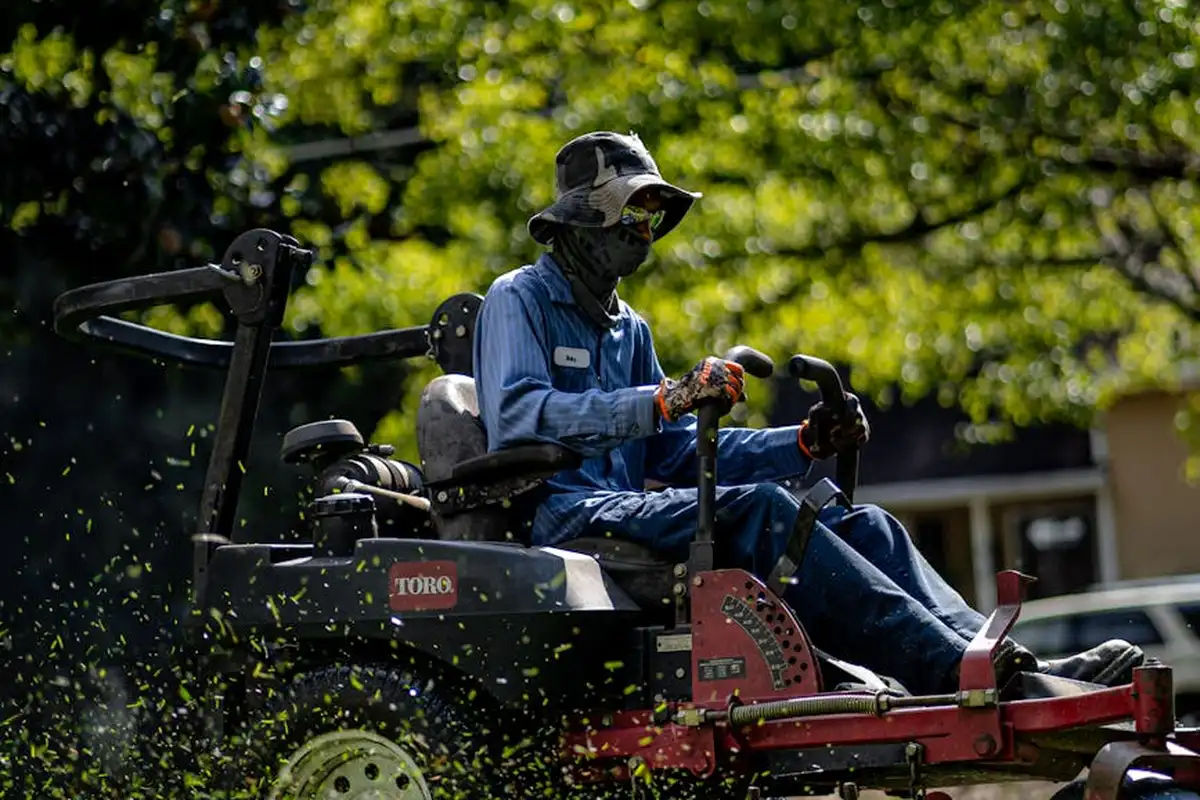
You can plan your mow for the perfect time, but it means nothing if your mower isn’t ready. A dull blade ruins everything.
Think of your grass blade like a green straw. A sharp mower blade slices it clean. A dull blade mashes and tears it, leaving a ragged, brown tip. That ragged wound loses more water and is an open door for disease.
How to Check Your Blade Sharpness (The Easy Way)
You don’t need special tools for a basic check. I do this every few weeks during peak season.
- Disconnect the spark plug wire. Safety first, always.
- Tip the mower on its side (check your manual for the correct side to avoid oil leaks).
- Look at the cutting edge. Are there visible nicks or dents? Feel it carefully with your thumb. Does it feel rounded over or still have a distinct, sharp edge?
- For a simple test, try to cleanly slice a piece of plain paper. A sharp blade will cut it. A dull one will just tear it.
A sharp mower blade makes a clean cut that heals fast, a dull one shreds and stresses the grass. I sharpen my blade every 20-25 hours of mowing. It’s a 20-minute job that makes all the difference.
The Five-Minute Pre-Mow Check
Before you even pull the starter cord, run through this quick list. It takes five minutes and saves you headaches.
- Tire Pressure: Soft tires can scalp your lawn or leave uneven ruts. Keep them firm and even.
- Clean Deck: Grass clumps stuck underneath block airflow and give you a terrible cut. Hose it out or scrape it clean.
- Clear the Area: Walk the lawn first. Pick up sticks, toys, and dog bones. Hitting something can dull your blade instantly or, worse, turn it into a dangerous projectile.
- Fuel Check: Running out of gas halfway through is a weekend buzzkill.
Max’s Lesson in Reliability
My zero-turn, Max, is five years old and starts on the first pull every time. It’s not luck. It’s because I never skip these small acts of care. I change his oil at the end of each season. I use a fuel stabilizer. I wipe him down after a muddy mow.
That reliability means when I see the perfect weather window to mow, Max is ready. I’m not wrestling with a stubborn engine or fixing a flat tire while the dew dries up. The machine becomes a trusted partner, not a problem.
Treat your mower well, and it will return the favor with a cleaner, healthier cut, no matter what time of day you choose to mow.
Mowing, Your Neighbors, and Community Harmony
Mowing isn’t just about your grass. It’s a sound that carries. That rumble from Max, my zero-turn, is the sound of Saturday morning to me, but it might be the sound of a ruined nap to someone else. Being a good lawn steward means thinking about the people around you.
Noise is the big one. Most towns have quiet hours, often from around 9 or 10 PM to 7 or 8 AM. I learned this the hard way years ago with an over-ambitious evening edge-trimming session. Always check your local noise ordinance; it’s the simplest rule to follow and shows you respect the community’s peace. Beyond the law, there’s just being considerate.
Weekday Warrior or Weekend Warrior?
People always ask about the best day to mow. From a pure neighborly perspective, a weekday afternoon is often your golden ticket. Many folks are still at work, and the sound of lawn care blends into the daytime hum. Weekend mornings, especially before 9 AM, can feel like an intrusion. Sunday morning? I avoid it. For many, it’s a quiet time for family, coffee, and rest. Starting up a loud mower feels disrespectful. Of course, regular lawn maintenance is essential for keeping your grass healthy, regardless of the day you choose.
If your schedule only allows for weekend mowing, aim for a solid mid-afternoon block, when the expectation for noise is higher and you’re less likely to bother anyone. It’s a simple courtesy that goes a long way.
The Quiet Power of Battery Mowers
This is where technology can be a great neighbor. Modern battery-powered mowers are a game-changer for community harmony. They run at a conversational hum instead of a roar. This opens up your mowing windows. You can comfortably mow earlier in the morning to beat the heat or later in the evening to catch the cool air without feeling like you’re disturbing the block.
I use a battery push mower for my trickier spots near fences and beds, and the difference is astounding. Investing in a quiet mower is one of the most considerate upgrades you can make for your home lawn care. It lets you care for your lawn on your schedule while keeping the peace. If you’re weighing options, a quick electric battery lawn mowers comparison can help you pick a model that fits your yard, focusing on run time and ease of use. A concise comparison can highlight key factors like battery type, runtime, and cutting performance.
More Than Just a Nice Lawn
A well-kept lawn that’s also quietly maintained builds trust. It shows you care about your property and your place in the neighborhood. It’s about leaving grass clippings on the lawn (a free fertilizer!) to reduce mess, keeping your mower blades sharp for a clean cut that’s healthier for the grass, and minding the clock. When you mow thoughtfully, you’re not just growing grass; you’re growing goodwill. Your lawn becomes a quiet, green asset to the whole street, not a source of weekly noise complaints. That’s the mark of a true lawn steward.
Greedy Grass FAQ: Your Quick Mowing Questions, Answered
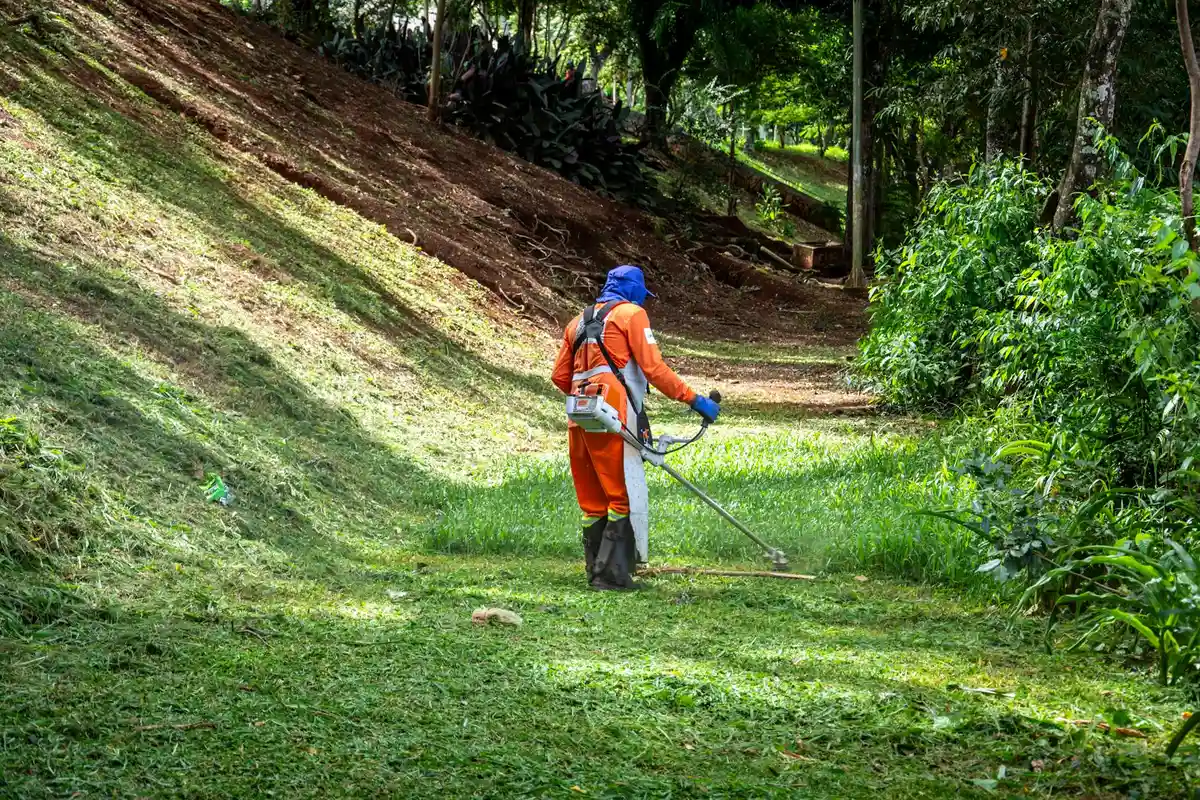
What’s the one time of day I should never mow, no matter what?
Never mow right at dusk or when evening dew is settling. Those damp, open cuts are a direct invitation for fungus to move in and wreck your lawn’s health.
Do you have a free, printable mowing timeline checklist I can use?
You bet-I’ve built a simple, greedy-approved seasonal checklist to keep you on track. Focus on the core tasks like blade height changes and feeding times; it cuts through the clutter.
How do I adjust my mowing timeline for a mix of grass types in my yard?
Mow according to the dominant grass type, but watch for stress in the minority. In tricky transition zones, let current growth and weather guide your schedule more than a fixed calendar.
What are the best mower tires to prevent tearing up my lawn?
Opt for wide tires with even pressure to avoid ruts and soil compaction. Keep them firm and clean-soft, muddy tires will scalp your grass and leave unsightly tracks.
Can you share a simple weekly mowing schedule template?
Forget a rigid template; use my 60-second “pull and measure” test each week instead. If the grass stands taller than your ideal height, fire up the mower-it’s that responsive approach that builds thickness.
Final Mowing Tips for a Healthier Lawn
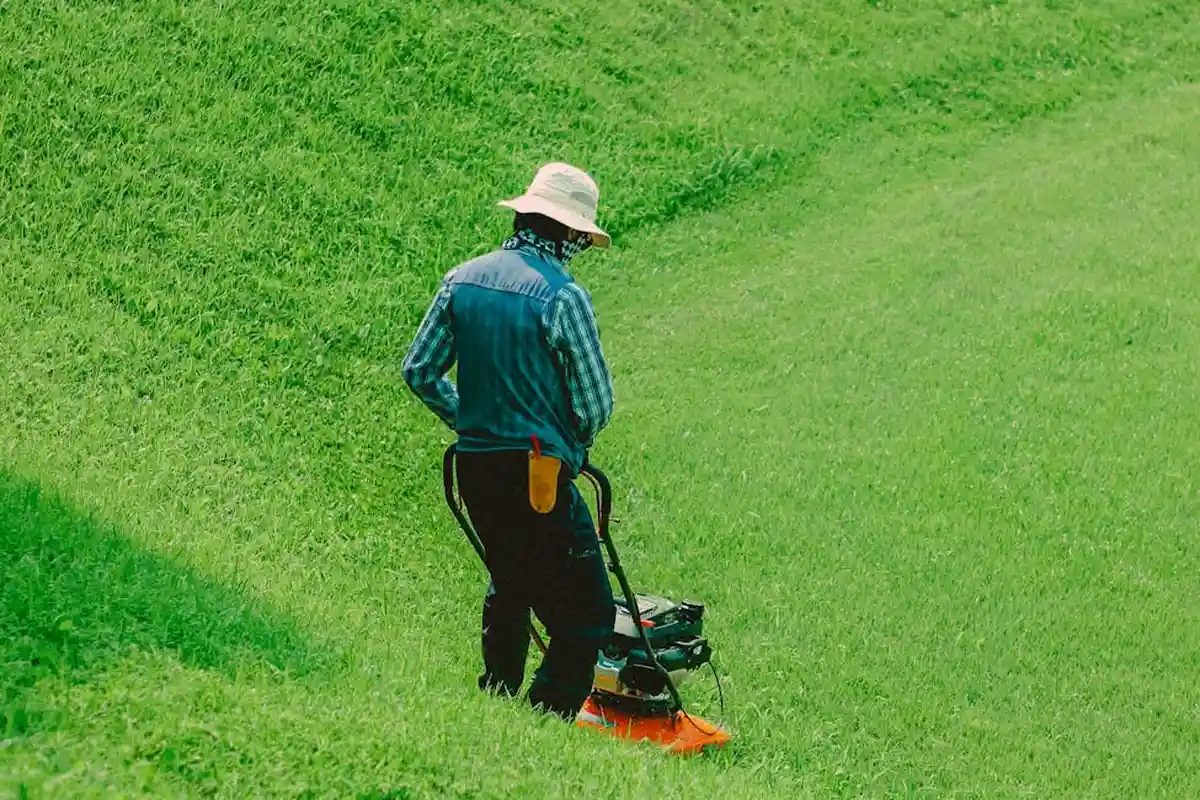
For the thickest lawn, match your mowing time to your grass type. Set your mower high and stick to a regular schedule, letting the grass recover before the hottest or coldest parts of the day hit it.
Your lawn is a living part of your home’s ecosystem. I learn something new from my own yard, and Patch’s stubborn weeds, every season, and a little care goes a long way for the bees and butterflies too.
Expert Resources and Citations
- Here’s How Often You Should Mow Your Lawn
- Recommended Lawn Mowing Heights By Season (Spring, Summer, Fall) | Davey Blog | Davey Tree
- mowing – How often should you mow a growing lawn? – Gardening & Landscaping Stack Exchange
- 3 Signs It’s Time To Start Mowing Your Lawn Again
- How to Know When It’s Time to Stop Mowing Your Lawn for the Year
- This Is the Best Time to Mow a Lawn-and the Worst
- When is the best time to get lawn mowings in South Jordan, UT? | South Jordan Lawn Mowing
Written by Ria Carrington. Ria is an avid lawn care enthusiast and advisor. No lawn is unsalvagable when Ria is at work. She has helped countless homeowners breath new life into their dying lawns. She has a B.Sc in Agriculture and brings practical advice combined with knowledge of plant science and her decade worth of hands on experience.