
What Should You Do with Grass Clippings After Mowing?
You just finished mowing and now face a decision about those clippings. I get it, that pile can feel like a chore, but it’s actually free lawn food waiting to be used.
This guide walks you through your best options, covering mulching them back into the turf, bagging for a cleaner look, and composting for your garden.
I’ve tested every method on my own lawn over countless weekends with Max, my zero-turn mower, to find what delivers results without waste.
At a Glance: Your Quick Guide to Grass Clippings
You just finished mowing. Now you have a bag or a trail of clippings. What’s next? Most of the time, the answer is simpler than you think.
The Three Best Moves for Your Clippings
For a healthy lawn and less work, you have three great options.
- Leave them on the lawn. This is my default, and I call it a free lunch for your grass.
- Add them to your compost pile. They are a fantastic “green” material that heats up the pile.
- Use them as mulch in garden beds. A thin layer around plants suppresses weeds and conserves water.
The One Reason to Bag Them
There are only two real reasons I ever attach the bagger to Max, my mower. The first is if I’ve let the grass grow too tall and the clippings will smother the lawn underneath. The second, and most important, is if I see signs of a serious lawn disease. If your grass is sick, you should bag and remove the clippings to prevent spreading it. For a healthy lawn, bagging is almost always unnecessary extra work—one of many mowing myths to overlook.
The Golden Rule for Disappearing Clippings
Want those clippings to vanish like magic? Follow the “One-Third Rule.” Never cut off more than one-third of the grass blade height in a single mowing. This keeps the clippings short and light. They’ll fall down to the soil surface, out of sight, and begin breaking down almost immediately. It’s the simplest trick for a cleaner look, especially when tackling a lawn that has been neglected.
Are Grass Clippings Good for Your Lawn? (The Short Answer is Yes)
Let’s settle this once and for all. Those clippings aren’t trash. They are a resource. Leaving them on the lawn is often called “grass-cycling,” and it’s the easiest win in lawn care.
Think of clippings as a slow-release fertilizer you don’t have to buy or spread. As they decompose, they return a significant amount of nitrogen-the nutrient that makes grass green-right back to the soil. It’s like getting a rebate on your last fertilizer application.
This process feeds the real heroes: the microbes and earthworms in your soil. Those clippings are like fast-food for worms, a quick, moist meal they turn into valuable castings. This microbial activity improves your soil structure over time, making it better at holding water and nutrients. I’ve seen the area around Patch, my stubborn shady spot, improve slowly just from this simple habit.
Breaking Down the Thatch Myth
Many homeowners worry clippings will create thatch, that dense layer of dead stems that can choke a lawn. I had the same fear years ago. Here’s the truth: grass clippings are about 90% water. They decompose incredibly fast. Thatch is built from tougher, woody stems and roots that break down slowly. Leaving your clippings does not cause thatch buildup; it actually encourages the microbial life that helps decompose thatch.
The proof is in the lawn. After a full season of mowing with the mulching plug and following the one-third rule, I noticed my lawn needed less synthetic fertilizer to stay deep green. The spring green-up was more uniform, and the soil had that damp, loamy smell of health after aeration. It wasn’t an overnight miracle, but a steady, quiet improvement that saved me time and money.
The Smartest Things to Do With Your Grass Clippings
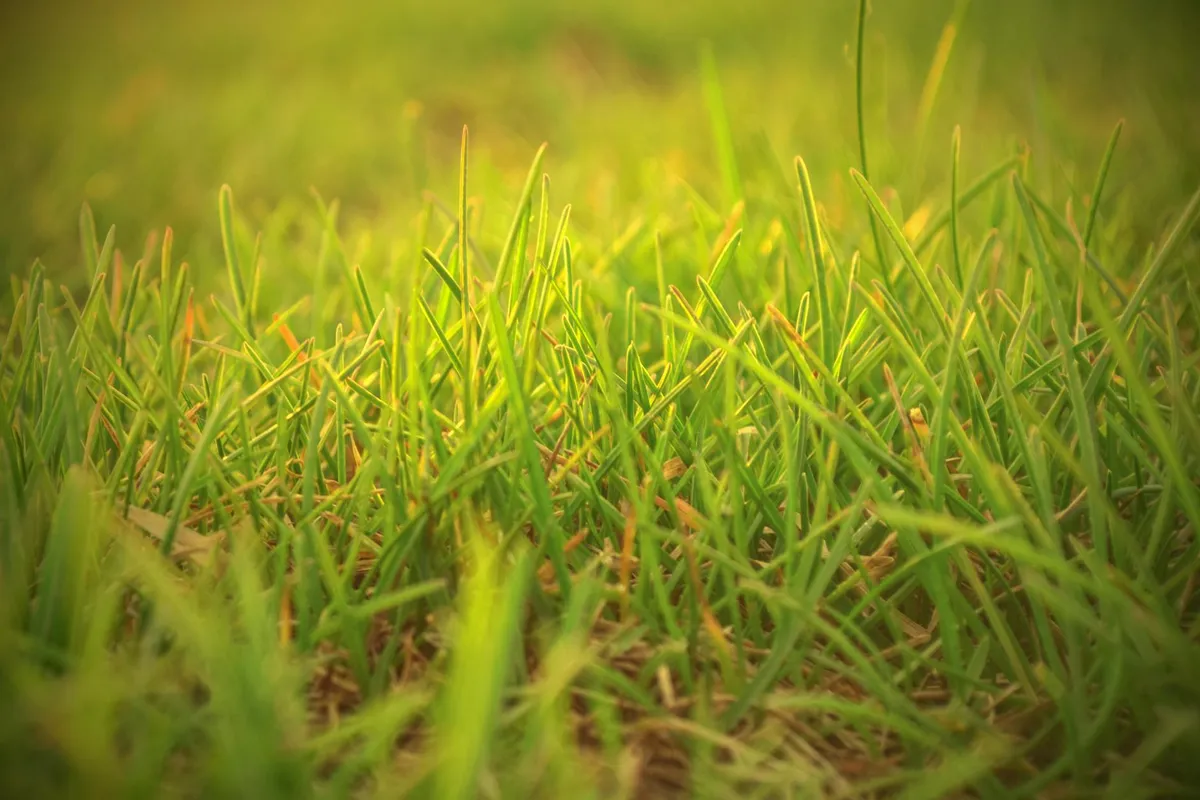
Option 1: Leave Them on the Lawn (The Easiest Win)
This is my default move. It saves time, feeds the lawn, and makes sense. The trick is following the one-third rule. Never cut off more than one-third of the grass blade’s height in a single mow.
Cutting more than that creates long, wet clumps. They smother the grass underneath, blocking light and air. You’ll see yellow patches a few days later where those clumps sat, and that’s an invitation for weeds. I learned this the hard way after a rainy week when I let the grass get too tall and tried to fix it all at once with Max.
To make this work, you mow more often, especially during the spring growth spurt. For cool-season grasses like Kentucky Bluegrass or Fescue, that might mean mowing every 4-5 days. For warm-season grasses like Bermuda or Zoysia, it could be every 5-7 days when they’re actively growing. It sounds like a lot, but each session is quicker because you’re only trimming a little.
Option 2: Feed Your Compost Pile
Fresh grass clippings are “green” gold for your compost. They’re packed with nitrogen, which heats up the pile and breaks things down.
You can’t just dump a mountain of clippings in, though. If you add too many “greens” without “browns,” you’ll get a slimy, stinky mess that attracts flies. Browns are carbon-rich materials like dried leaves, shredded cardboard, or straw. They balance the moisture and add bulk.
Think of it like a lasagna. For every bucket of fresh grass clippings (your green layer), add about two buckets of browns. Mix it or layer it. A simple handful of finished garden soil or old compost tossed into the mix introduces the right microbes to kickstart the whole process. That’s my pro tip for getting black gold faster.
Option 3: Use Them as Garden Mulch
Your vegetable garden or flower beds will thank you. Grass clippings make a fantastic, free mulch that conserves water and suppresses weeds as they break down. They are a great alternative to mulched leaves for healthier grass.
Spread a thin layer, only about an inch or two deep, around your plants. Keep it away from plant stems to prevent rot. A thick mat of fresh clippings can get hot, repel water, and create a barrier that’s bad for the soil.
To avoid matting, let your clippings dry and turn a little crispy on a tarp for a day first. This is the perfect use for the clippings from that one section you missed last week that’s now twice as tall as the rest of the lawn. Patch, my weedy corner, doesn’t produce much, but the clippings from around it always go straight to the tomato plants.
Common Grass Clipping Mistakes and How to Avoid Them
Bagging Out of Habit (The Big One)
Let’s be honest. Do you bag your clippings because you should, or because you always have? For years, I bagged simply because that’s what my dad did. It took breaking the habit to see the benefits of leaving them be.
There are only a few good reasons to bag clippings. Bag if you have a visible thatch layer over half an inch thick, as more clippings will make it worse. Bag if you’re fighting an active lawn disease like fungus, to avoid spreading spores. And definitely bag if you let the lawn get so tall that mowing will create those smothering clumps we talked about. Otherwise, you’re just working harder and throwing away free fertilizer.
Creating a “Hot” Compost Pile
I mentioned the slimy mess earlier, but it’s worth its own warning. An unbalanced pile with too much grass smells terrible. It’s a sour, ammonia-like odor you can’t miss.
This “hot” pile isn’t cooking properly. The fix is simple and non-negotiable. Always, always mix your nitrogen-rich grass clippings with carbon-rich brown material. See a pile of last fall’s leaves in the corner? Perfect. Have some torn-up newspaper or cardboard from packages? Even better. Turn the pile with a fork to mix in air, and the smell will clear up as the balance is restored.
Illegal or Rude Disposal
Never dump grass clippings into a storm drain, ditch, stream, or public park. It seems harmless, but it’s not. In waterways, clippings decompose and suck oxygen out of the water, harming fish and other wildlife. It can also clog drains and contribute to flooding.
Dumping them over your fence into a neighbor’s yard or a wooded area is just rude (and often illegal). So what should you do if you have too many clippings to compost or mulch? Most towns have a solution.
Search for “[Your Town] yard waste disposal” online. You’ll likely find that your municipality offers curbside pick-up for yard waste in paper bags or a specific bin, or has a local transfer station where you can drop it off for free or a small fee. They’ll compost it on a large scale. It’s the responsible way to handle the excess.
What If You Have Too Many Clippings? Managing the Overflow
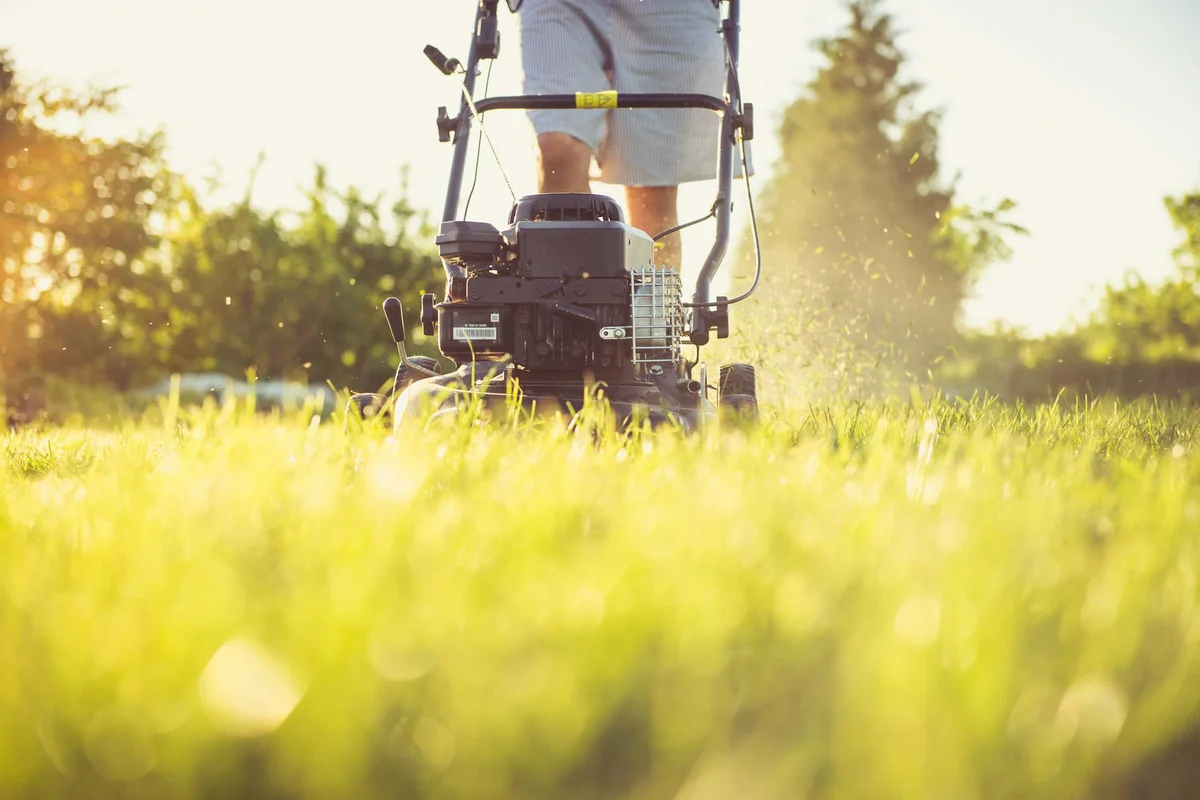
When You’ve Let the Lawn Get Too Long
Life gets busy. A rainy week, a vacation, and suddenly your lawn looks more like a meadow. I’ve been there. The worst thing you can do is try to hack it all down in one pass.
Your mower, even a trusty one like Max, will choke. The cut will be ragged, and you’ll smother the grass with a thick mat of clippings. This mat blocks sunlight and air, creating a perfect spot for disease. It’s like mulching done wrong.
The smart fix is a two-step mow, which gives your grass a chance to recover without shock.
- Set your mower to its highest setting for the first cut. You’re just taking the top off, maybe removing the top third of the grass blade.
- Bag these first, heavy clippings. There are simply too many to leave on the lawn.
- Wait two or three days, then mow again at your normal height.
- This second, lighter cut can be mulched right back onto the lawn.
This method is gentler on the grass plants and prevents the clutter that turns into thatch.
Dealing with a Clogged Mower Deck
Mowing damp or overgrown grass has a distinct sound. Instead of Max’s usual steady hum, you’ll hear the engine laboring with a chugging, strained noise. That’s the sound of wet clippings packing into the deck.
If you ignore it, your cut quality plummets and you strain the mower. A quick clean-out after mowing wet grass saves you a major headache later.
Here’s my routine. After I’m done mowing and the engine is completely cool, I tip Max back (always toward the air filter side, never the carburetor side) and use a hose to rinse out the caked-on green sludge. A putty knife helps scrape the stubborn bits. Let it air dry before your next use. It takes five minutes and keeps your mower running like it should.
When Bagging Is Necessary: How to Dispose of Grass Clippings Responsibly
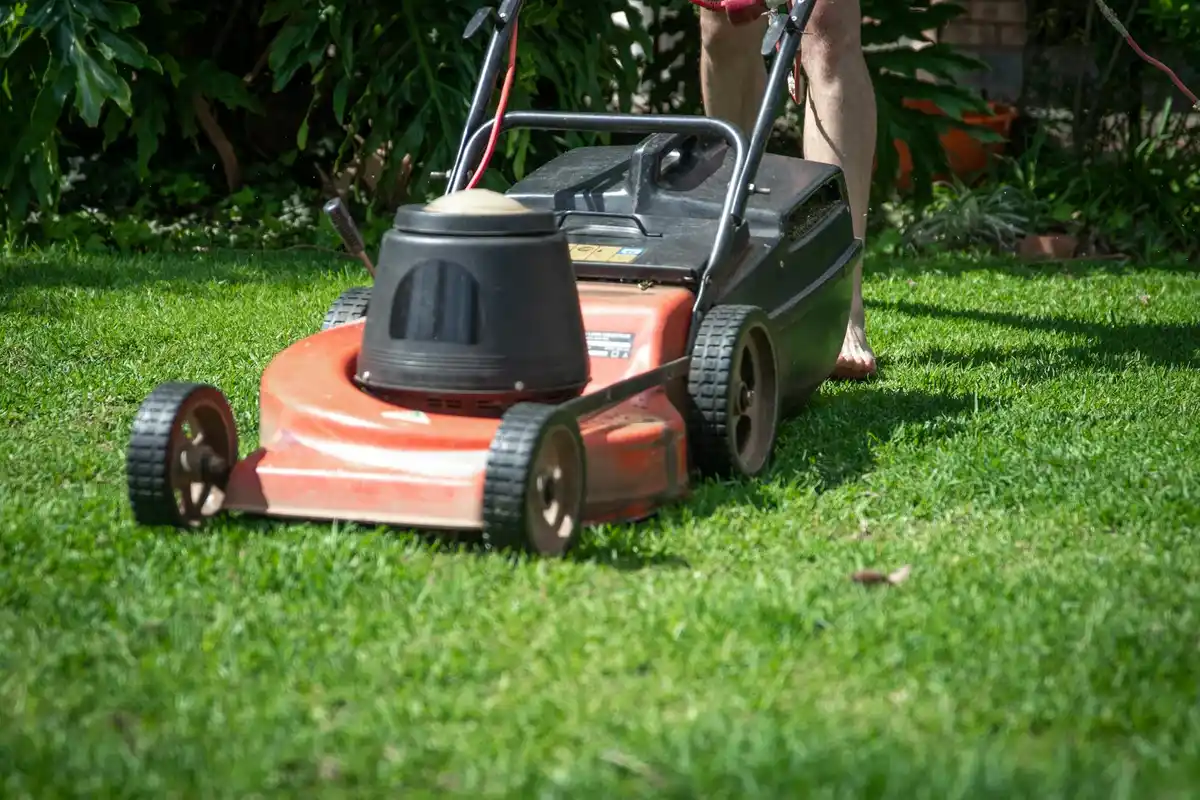
Sometimes, you just have to bag. Maybe you’re fighting a disease, you’ve got a massive overflow, or you’re collecting clippings for compost. Getting rid of them the right way matters.
Your first and easiest option is your municipality’s yard waste program. Most towns offer curbside pickup for a defined season. You’ll usually need to use specific paper bags or a marked bin they provide.
If curbside isn’t available, look for a local drop-off. Transfer stations, recycling centers, or designated compost facilities often accept yard waste for a small fee. I call ahead to check their hours and what they accept.
I need to be very clear here. Please do not put bagged grass clippings in your regular household trash. It’s wasteful, it often violates local ordinances, and it fills landfills with material that should be recycled into compost or mulch.
Folks often ask me about the cost. Does the town charge for bags? Is drop-off free? The truth is, it varies wildly by where you live. A fee from five years ago is likely outdated. The only way to know for sure is to check your town or county’s public works website. They have the current rules and rates.
Your Grass Clippings Disposal Questions, Answered
1. What’s the absolute best thing to do with my grass clippings?
Leave them right on the lawn! If you mow regularly, they’re a free fertilizer that feeds your grass and improves the soil. Bagging them is usually just extra work for you and robs your lawn of nutrients—especially if you’re mulching.
2. I have to bag a huge amount of clippings. Where can I get rid of them near me?
Your best bet is to search online for “[Your Town Name] yard waste disposal” or “[Your County] transfer station.” Most municipalities have a specific program for grass and leaves, offering either curbside pickup or a local drop-off site.
3. Does it cost money to drop off grass clippings at a transfer station?
It depends entirely on your local rules. Some places offer free drop-off for residents, while others charge a small fee per bag or load. A quick call to your town’s public works department will give you the current, accurate details.
4. I’ve heard I shouldn’t put bagged clippings in the trash. Is that true?
Yes, that’s correct. It’s often against local ordinances and fills landfills with perfect compost material. Always use your municipal yard waste service or compost them yourself-it’s the responsible way to handle the overflow.
5. What’s my move if my town doesn’t offer yard waste pickup?
Don’t dump them! Look for a community compost site or a local farm or gardener who would take them. Your last resort is a private landscaping company that accepts drop-offs; they’ll usually compost it commercially.
Keeping Your Lawn Green and Healthy
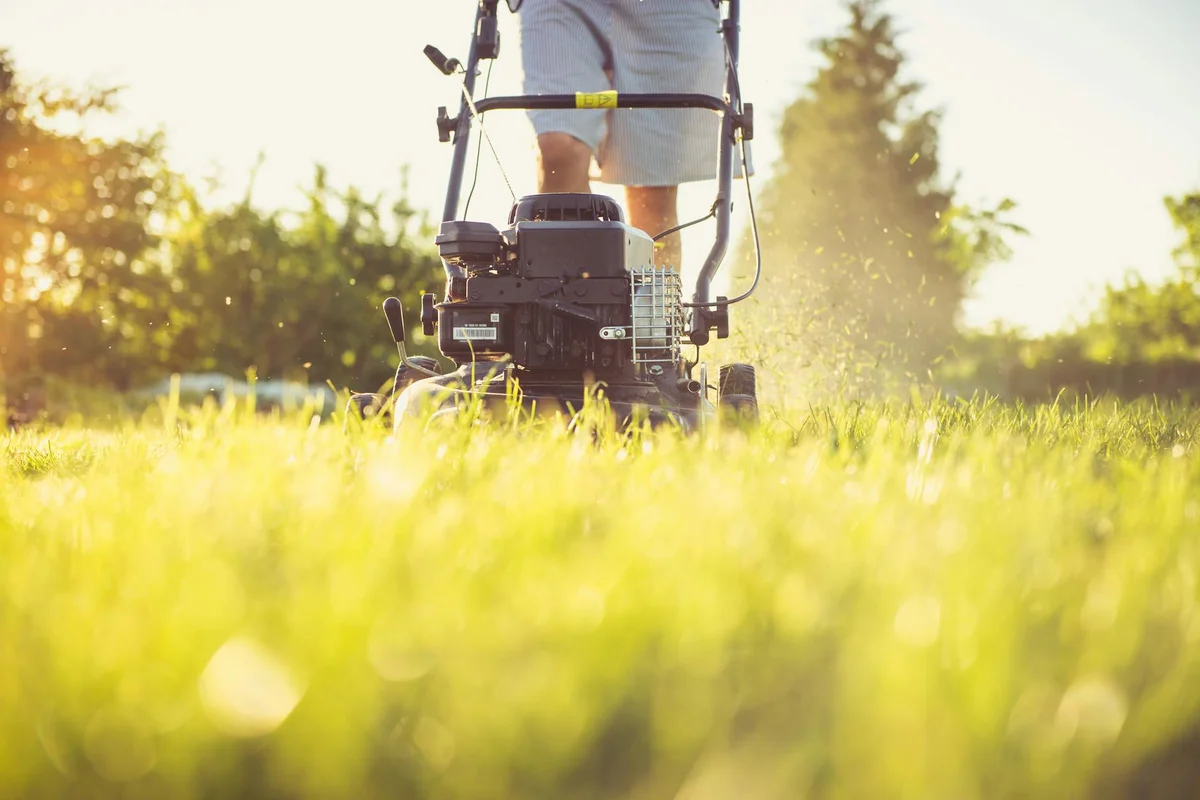
The simplest, most effective thing you can do is let your grass clippings fall back onto the lawn as free mulch. This single habit feeds your soil, reduces thatch, and helps your grass stay thick.
Good lawn care is about making smart, simple choices that work for your home and the environment. Those quiet, consistent wins are what make your lawn, and your neighborhood, a little greener. They are the kind of smart, simple choices that service providers like Greedy Grass make their specialty.
Sources and Additional Information
- What to do with lawn clippings | UMN Extension
- How Does Leaving Grass Clippings on the Lawn Help You?
- Are Grass Clippings Good for My Lawn? | Lawn Doctor Blog
- What to Do With Grass Clippings After Mowing – Bob Vila
- Leave grass clippings on the lawn for a greener, healthier yard …
Written by Ria Carrington. Ria is an avid lawn care enthusiast and advisor. No lawn is unsalvagable when Ria is at work. She has helped countless homeowners breath new life into their dying lawns. She has a B.Sc in Agriculture and brings practical advice combined with knowledge of plant science and her decade worth of hands on experience.