
How Do You Fertilize When Overseeding Without Wasting Money or Grass?
You want a thick, lush lawn from overseeding, but you’re worried the wrong fertilizer will burn your investment or leave it weak. I get it.
We will cover the perfect timing to feed new grass, the safest starter fertilizers to use, and how to check product labels for compatibility.
I’ve learned this through trial and error over many seasons, fine-tuning my approach with every pass of Max and every adjustment to Sunny’s schedule.
At a Glance: Your Overseeding Fertilization Cheat Sheet
My favorite time of year is that sweet spot in early fall. The nights get cool, the summer heat breaks, and the soil is still warm. This is your golden window for overseeding because it gives new grass seedlings weeks of ideal growing conditions before winter dormancy. To hit it right, I don’t guess. I use a simple soil thermometer. I wait for the soil at a 2-inch depth to consistently read between 65 and 75 degrees Fahrenheit.
Why New Grass Craves Phosphorus
Think of a new grass seed like a newborn. Its first job isn’t to grow tall. Its first job is to build a strong root system to drink water and gather food. That’s where phosphorus comes in. Phosphorus (the middle number in an N-P-K ratio) is the key nutrient for encouraging robust root development in young grass plants. A good starter fertilizer will have a higher proportion of phosphorus compared to nitrogen.
Look for bags labeled as “Starter Fertilizer” with an N-P-K ratio like 10-20-10, 16-24-12, or 24-25-4. The exact numbers vary, but that high middle number is what you want for your seeding project.
The One Rule for Application Order
This is non-negotiable from my years of fixing thin spots like “Patch” in my yard. You must apply your fertilizer after you have spread your grass seed. Putting fertilizer down first and then seeding on top of it is a common error. It can lead to uneven germination and might even damage some of the delicate new roots as they try to grow through a concentrated band of nutrients.
The best practice is to spread your seed, then go over the same area with your starter fertilizer. This places the nutrients right in the zone where the new roots will be searching.
The Absolute “Weed & Feed” Warning
Listen closely, because this is the mistake I see most often. A standard “Weed & Feed” fertilizer contains herbicides designed to kill broadleaf weeds (like dandelions) or crabgrass. These herbicides do not know the difference between a weed and your expensive new grass seedlings; they will kill everything. Using a Weed & Feed product at the same time as overseeding will result in a complete waste of your time, seed, and money.
Separate your tasks. Handle weed control weeks before you plan to seed, or wait until the new grass has been mown 3-4 times in the spring. After seeding, mow the newly seeded lawn for the first time when it reaches the recommended height. The initial cut helps the stand thicken and makes weed control easier.
Quick-Release vs. Slow-Release: A Simple Analogy
You have two main choices for nitrogen, the first number in the N-P-K ratio.
- Quick-Release Nitrogen is like fast food for your lawn. It’s available to the plant almost immediately, giving seedlings a rapid green-up and initial boost. The downside is it doesn’t last long and, if over-applied, can easily “burn” tender grass.
- Slow-Release Nitrogen is the home-cooked meal. It feeds the grass gradually over several weeks as temperature and moisture release it. This provides a steady, consistent growth without the risk of a surge that can harm young plants. For overseeding, a starter fertilizer with at least some slow-release nitrogen is the safer, smarter choice.
Common Mistakes and How to Avoid Them
1. The “Weed & Feed” Catastrophe
Let’s get more specific on this big one. The herbicides in these products, like 2,4-D or dicamba, are absorbed through the leaves or roots of plants. Your fragile new grass seedlings are supremely vulnerable. Applying a Weed & Feed will cause the seedlings to wither, turn yellow or purple, and die, often within days of emergence. The fix is simple: read the product bag carefully. If it says it controls weeds, put it back on the shelf until your overseeding project is long finished.
2. Missing the Fertilizer Schedule
Timing is everything. Fertilizing too late in the fall, after soil temperatures drop below 55°F, is a problem. The grass roots slow their uptake, and a late fertilizer application can promote tender top growth that gets wiped out by the first hard frost. Your final fall feeding should be done early enough that the grass has stopped vertical growth but the roots are still active, which is usually about 4-6 weeks before your expected first frost.
Fertilizing *before* you seed, as mentioned, is also poor timing. It wastes nutrients that will wash away or feed existing weeds, not your new grass. Getting the lawn fertilization seeding timing right is key to establishing healthy turf.
3. Burning Your New Lawn
“Fertilizer burn” happens when salts in the fertilizer draw moisture out of the plant tissues. Seedlings have almost no defense against this. You avoid burning by always following the label’s application rate exactly and using a calibrated spreader. Never think “a little extra will help.” It won’t. Watering immediately after applying fertilizer is also critical, as it washes the granules off the grass blades and into the soil where they belong.
This is where my drip system, “Sunny,” really shines, providing a gentle, deep watering that helps move nutrients down without washing away the seed.
4. Skipping the Soil Prep
Throwing seed and fertilizer on hard, compacted soil is like trying to plant a tree in a parking lot. The roots can’t penetrate, water pools or runs off, and the fertilizer just sits on the surface. Core aeration is the single best thing you can do before overseeding because it creates direct pathways for roots, water, and fertilizer to reach the soil. Core aeration improves fertilizer effectiveness and enhances soil health. A healthier soil profile supports better root growth and turf resilience.
Those little soil plugs left on the surface break down and add organic matter. Without this step, a significant portion of your fertilizer investment is literally wasted, unable to get to where the new grass needs it most. Take the time to prep. Your results will be thicker, and the fertilizer will work much harder for you.
How Do You Time Fertilizer with Overseeding?

Getting this right is the most critical step for success. It’s the difference between a thick, green patch that lasts for years and a sprout that fizzles out in a few weeks. Think of it like feeding a baby. You need the right food at the right moment for them to grow strong.
For cool-season grasses like fescue, bluegrass, and ryegrass, Fall is the undisputed champion. Spring is the backup plan you use when you have no other choice.
You find your local timing by checking soil temperature, not the air. You want the soil to be consistently between 50-65°F. This is the sweet spot where grass seed wakes up and gets growing. I use a simple meat thermometer pushed a few inches into the soil in a few shady spots. When it reads in that range for a few days, you’re in business.
Fertilize too early and you feed the existing lawn, not the new seed. This can force a big growth spurt that actually weakens your grass before winter. Fertilize too late and those tender new roots won’t have the energy to dig in deep before the cold hits, leaving them vulnerable, especially when it comes to winter lawn care.
Timing your fertilizer with your seed is the single biggest factor in whether your new grass survives its first year. When you’re planning a grass seed for a lawn project, this timing matters at every step. It helps your seeds establish quickly and evenly.
The Perfect Fall Window
Aim for a 6 to 8 week period before your area’s average first hard frost. This window gives you everything you need.
In the first 2-3 weeks, the seed germinates in the cool, moist soil. The starter fertilizer you applied is right there, fueling the development of those first tiny roots. For the next 4-5 weeks, the seedlings put all their energy into establishing a deep root system to survive the winter. That’s the magic. You’re building a foundation, not just top growth.
This fall timing lets the young grass focus on building deep roots without the stress of summer heat or aggressive weed competition.
What If You Miss Fall? Spring Overseeding Plans
Spring overseeding is a tighter, more challenging schedule. The window is shorter because you must get it done after the soil warms up but before summer heat slams the door shut.
You’re fighting more competition. Weeds are germinating aggressively in the spring warmth, fighting your new grass for space, light, and nutrients. You also have the looming threat of summer heat stress. If those spring-sown roots aren’t incredibly deep by early summer, a hot, dry week can wipe them out. It’s a race, and the finish line comes fast.
Spring overseeding requires more vigilance with watering and weed control to give your new grass a fighting chance against the season. Knowing the best time to overseed and reseed your lawn helps with germination and long-term resilience.
What Kind of Fertilizer Should You Use for Overseeding?
This is about choosing the right “food” for baby grass. You wouldn’t give a newborn a steak, right? New seedlings have different nutritional needs than your established lawn.
The most important nutrient for new seed is Phosphorus. It’s the root builder. While Nitrogen (N) makes the grass blades green and grow tall, Phosphorus (P) directs energy down into the soil to create a strong, resilient plant.
You’ll find this on every fertilizer bag as the N-P-K ratio. The three numbers represent the percentage of Nitrogen, Phosphorus, and Potassium. For overseeding, you want the middle number (Phosphorus) to be the highest.
Starter Fertilizer: The Go-To Choice
A starter fertilizer is simply one formulated with extra phosphorus to promote root growth. It’s the perfect match for your new seed. Choose the best lawn starter fertilizer to give your grass the right nutrients from the start.
Look for bags with N-P-K ratios like 10-20-10, 18-24-6, or 24-25-4. That high middle number is what you’re after. I typically use a product with a ratio around 10-20-10 for my fall overseeding projects.
It helps by being immediately available to the germinating seed. The phosphorus fuels the development of the root system, which is the only job the new grass has. A strong root means a plant that can access water during dry spells and anchor itself firmly.
Using a high-phosphorus starter fertilizer is the most direct way to give your new grass the foundation it needs to thrive.
Organic vs. Synthetic Options
Both paths can get you a great lawn. The choice often comes down to your philosophy and timeline.
Organic options, like bone meal or other natural starter blends, are derived from plant and animal sources. They are inherently safe for pets and kids once applied and are great for soil life. The trade-off is speed. They need soil microbes to break them down, so they release nutrients slowly. This is fine for the long haul, but may not give that initial, quick boost a fall seeding window demands.
Synthetic, or conventional, starter fertilizers are mineral salts that plants can use almost immediately. When applied as directed (which is non-negotiable), they provide fast, reliable results. This predictable kickstart is often ideal for getting seedlings established in a narrow seasonal window.
Whichever you choose, the key is using it responsibly: follow label rates exactly, water it in thoroughly, and keep pets off the area until the granules are fully dissolved and absorbed. This protects your pets, prevents runoff into waterways, and keeps pollinators safe. A healthy lawn starts with practices that are safe for everything in your yard.
Should You Fertilize Before or After Putting Down Seed?

I fertilize after putting down the seed, every single time. Putting fertilizer down first is a common mistake that can actually harm your new grass.
Think of it like making a bed. You wouldn’t put the blankets on first and then try to shove the fitted sheet underneath. You start with the sheet (the seed), making sure it has direct contact with the mattress (the soil). Fertilizer goes on top like the blanket, covering and nourishing what’s already in place.
Here’s my weekend-tested, step-by-step process that I use in my own yard.
- Mow your existing lawn short and bag the clippings.
- Run a core aerator over the area if you have one, or vigorously rake the soil to open it up.
- Spread your grass seed evenly. I like to go over the area twice in perpendicular directions.
- Lightly rake the seed so about a quarter of it is buried. You want good soil contact, not to bury it an inch deep.
- Now, walk back to the shed and grab your bag of starter fertilizer.
Applying the fertilizer on top of the seed creates a protective, nutrient-rich layer that shields the seed and places food exactly where the emerging roots will find it. If you fertilize first, those nutrients can get washed down too deep for the tiny new roots to reach, or worse, they can burn delicate seedlings trying to sprout. This method puts the buffet right at the baby grass’s doorstep.
How Soon Can You Fertilize After Overseeding?

You can fertilize immediately. I often do it the same afternoon, right after I finish raking in the seed. The goal is to get that starter fertilizer down and then start your watering routine without delay.
The product you choose is critical here. You want a starter fertilizer. Look for a bag where the first number (Nitrogen) is equal to or lower than the third number (Potassium), like a 10-10-10 or a 24-25-4. These blends are formulated for root development, not just top growth, which is exactly what your new seedlings need. I always check for one that’s pet-safe once it’s watered in.
For application, I trust my broadcast spreader. A drop spreader is fine for tight spaces, but for covering my whole yard, the broadcast style gets it done evenly and fast. I set the spreader to the rate listed on the fertilizer bag, fill the hopper, and make my passes, just like I did with the seed. Overlap your wheel tracks slightly to avoid any missed stripes.
The moment you finish spreading the fertilizer, your next job is to water gently and consistently. This step is non-negotiable. A soft spray from the hose or your irrigation system, like what my setup Sunny provides, washes the fertilizer granules off the grass blades and into the soil where they can start dissolving. More importantly, it begins the crucial process of keeping the seedbed consistently damp. Those first two weeks are all about moisture management.
If you get this sequence right-seed, fertilize, water-you’ve set the stage for a thick, successful stand of new grass. It’s what finally helped me win the battle with that stubborn Patch in my backyard.
Can You Use a “Weed & Feed” When Overseeding?
No. Don’t do it. It will work against everything you’re trying to achieve.
I know the idea is tempting. You see a few dandelions poking through, and you think you can feed the new grass and kill the weeds in one easy step. It’s a trap. The herbicide in “Weed & Feed” products is not selective enough for this job. It’s designed to kill broadleaf plants, and your tender, freshly sprouted grass seedlings are, biologically, very vulnerable plants. It will damage or kill them.
Think of it this way: you’re trying to grow a new baby, but you’re feeding it food laced with poison meant for its older, weedier siblings. The results are predictable and bad.
The safe path is to separate the tasks. Handle weed control well before you plan to overseed, ideally by 4-6 weeks. If you have weeds after seeding, you have to be patient. Wait until the new grass has been mown at least 3-4 times before considering a spot treatment with a very careful, selective herbicide. I’ve learned patience from dealing with Patch, my stubborn shady spot. Sometimes the best tactic is to let the new, thick grass crowd out the weeds over time.
Slow-Release or Quick-Release Fertilizer: Which is Better?
It’s not about which is better overall, but which is better for the specific job of getting new grass started. You need both at different times.
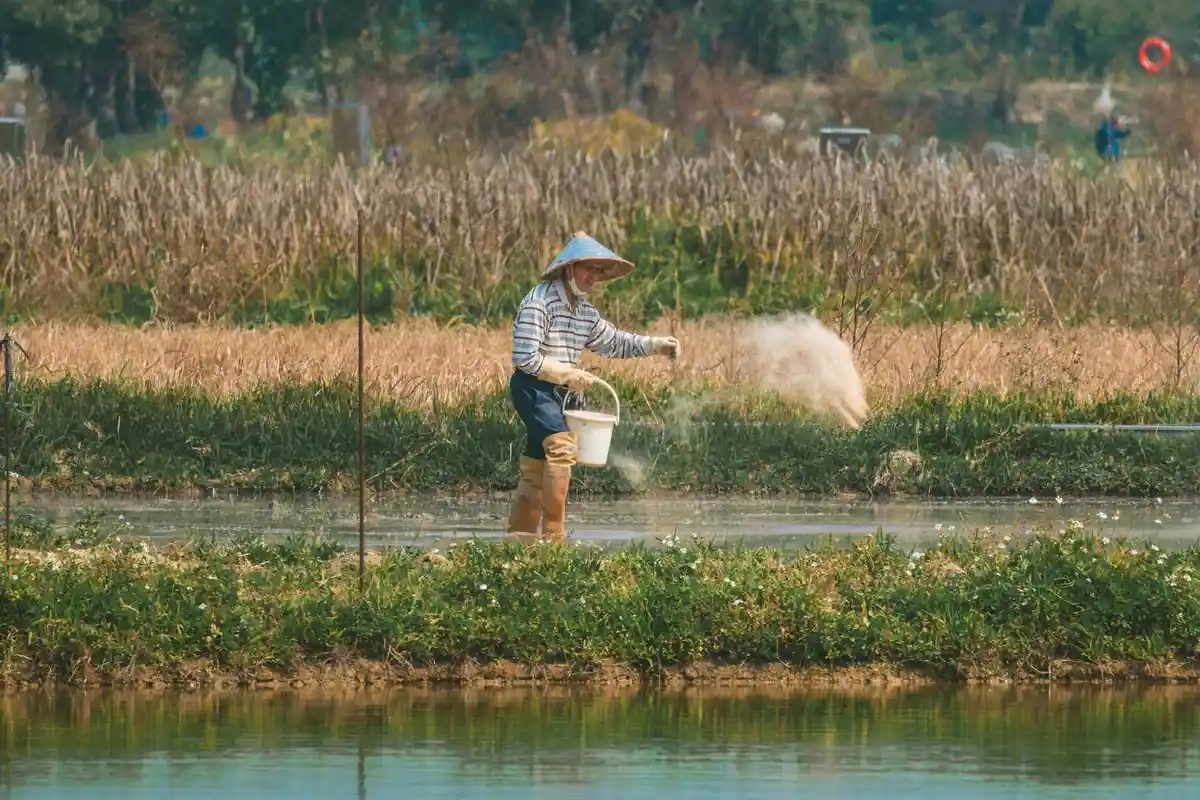
Imagine quick-release fertilizer is a big, sugary snack. It gives your grass a huge, immediate burst of energy to push out of the seed and grow those first few blades. Slow-release fertilizer is more like a balanced, home-cooked meal. It provides steady, consistent nutrition over weeks or even months.
My recommended strategy is to use a starter fertilizer with quick-release nitrogen when you seed, then follow up with a slow-release fertilizer about 6-8 weeks later. The starter fert is the jump-start. The slow-release feeding is what builds strong roots and sustains the grass as it matures, setting you up for a healthier lawn next season.
Let’s talk about slow-release on its own. The big pro is it’s far less likely to burn your lawn. It feeds gradually, so there’s no huge nutrient surge that can stress or kill grass, especially in heat. It also means you feed less often. The cons? It’s more expensive per bag, and you won’t see that dramatic “green-up” in 5-7 days. It’s a long-term play. For your follow-up feeding after overseeding, it’s the perfect choice. You’ve already got the grass up; now you want to build it up properly without any risk.
Products That Work Well Together
Think of overseeding like building a sandwich. You need the right layers in the right order for the best result. The wrong combination just makes a mess.
The goal is to pair products that support new grass growth without competing with it or causing harm. Here’s what plays nicely in the sandbox.
The Core Trio for Success
This is your essential starter kit. I use this exact combo every fall in my own yard.
- Grass Seed: This is obvious, but choose a quality seed blend suited for your sun and shade. Don’t cheap out here.
- Starter Fertilizer: This is the secret weapon. Unlike regular lawn food, starter fertilizer is high in phosphorus, the nutrient that fuels root development. Those tiny new grass plants need to establish roots first, not push out top growth.
- Organic Topdressing (like Peat Moss): This is your mulch. A thin layer (about 1/4 inch) spread over the seed keeps it moist, protects it from birds, and prevents it from washing away in a rain. I love the damp, earthy smell of peat moss when I water it in.
The “Do Not Disturb” List
Some common lawn products are bullies to baby grass. Keep these far away from your overseeding project.
- Weed & Feed Products: These combine fertilizer with herbicides meant to kill broadleaf weeds. The herbicides will also kill your expensive new grass seed. It’s a total waste.
- Broad-leaf Herbicides: Any product specifically for killing dandelions, clover, or other weeds should not be used for at least 4-6 weeks before or after seeding. Check the label-it will scream this warning at you.
- Heavy Rollers: You might think pressing seed into the soil is helpful. It’s not. A heavy roller compacts the soil, creating a hard surface those delicate new roots can’t penetrate. If you must, use a light, empty roller or simply walk over the area.
Optional Helpers (The Nice-to-Haves)
If you want to give your new grass an extra boost, consider a gentle, organic helper.
A biostimulant, like one derived from kelp or containing humic acids, can encourage stronger root growth and help the grass handle stress. Think of it as a vitamin supplement, not a meal. It’s not required, but I’ve used a kelp-based spray on “Patch,” my problem area, and saw the new grass establish faster and thicker.
These are safe, gentle, and won’t interfere with your core trio of seed, starter fertilizer, and topdressing.
Your Overseeding Fertilizer Questions, Answered
How soon after overseeding can I apply fertilizer?
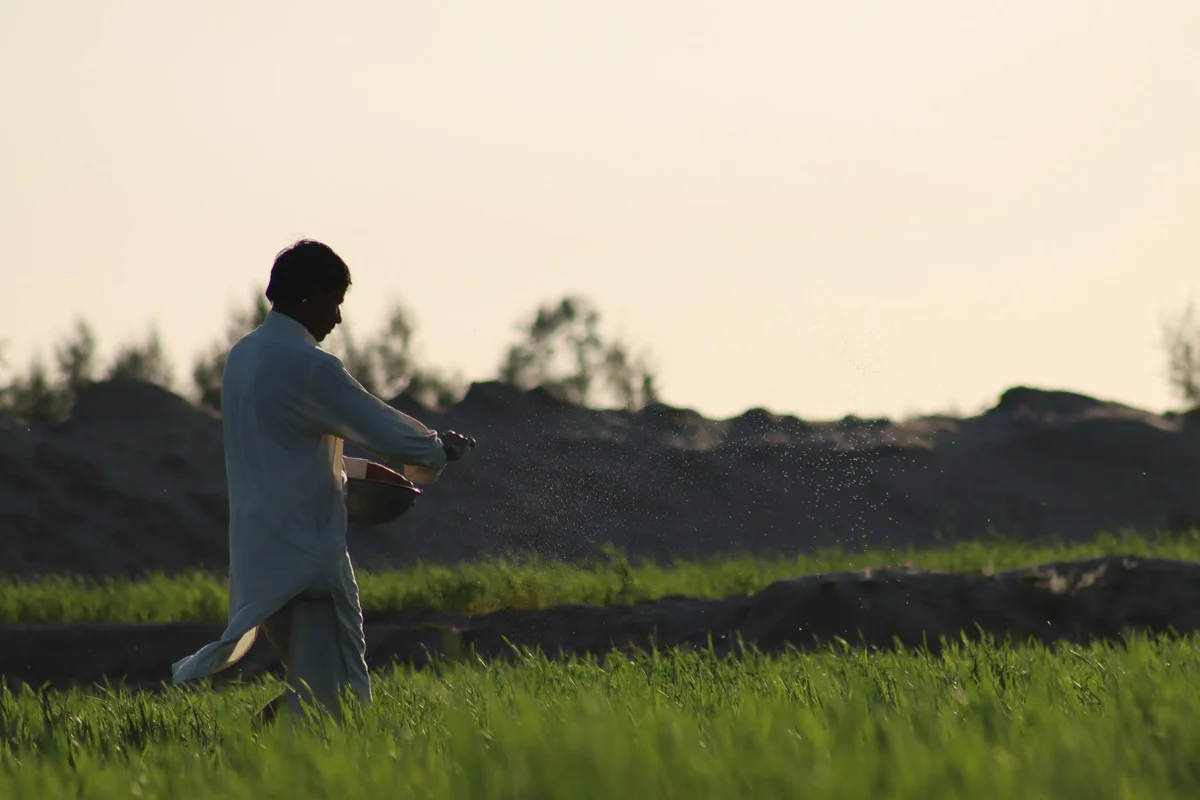
Apply your starter fertilizer immediately after spreading the seed, even the same day. This places the nutrients right where the new roots will grow and kicks off your critical watering routine.
What type of fertilizer should I use when overseeding?
Grab a “Starter Fertilizer” with a high middle number (phosphorus) on the bag, like a 10-20-10. This specific blend is baby food for grass, fueling strong root development instead of just top growth.
Is it safe to use organic fertilizers when overseeding?
Absolutely, they’re safe for pets and soil life, but understand they work slower. For a fall seeding’s tight window, a synthetic starter often gives the quicker, more reliable boost new seedlings need.
How do starter fertilizers specifically help with overseeding?
Their extra phosphorus acts like a root-building coach, directing the seedling’s energy downward. This creates a deep, resilient foundation, which is the only job that baby grass has.
What’s the one rule for fertilization timing with new seed?
Always fertilize after you’ve spread the seed, never before. This simple order protects delicate seedlings and puts the buffet of nutrients exactly where their first tiny roots can find it.
Feeding Your Lawn After Overseeding

The single best thing you can do is time it right. Get your seed and a starter fertilizer down together, then wait at least two weeks before you even think about a regular, nitrogen-heavy feed. That initial patience gives your baby grass the head start it needs without getting burned.
Always read the label on any product you use, both for your family’s safety and for the bees and butterflies visiting your yard. Your lawn will tell you what it needs next; the real secret is just paying attention to it.
Research and Related Sources
- Preparing Lawn for Overseeding: The Complete Homeowner’s Guide | TruGreen
- Can You Overseed And Fertilize At The Same Time? | Heron Home & Outdoor
- How to Fertilize, Water, and Mow Your Lawn after Overseeding
Written by Ria Carrington. Ria is an avid lawn care enthusiast and advisor. No lawn is unsalvagable when Ria is at work. She has helped countless homeowners breath new life into their dying lawns. She has a B.Sc in Agriculture and brings practical advice combined with knowledge of plant science and her decade worth of hands on experience.