
Do Lawn Starter Fertilizers Really Work? (A Smart Homeowner’s Guide)
You’re standing in the store, looking at bags of fertilizer and wondering if that “starter” blend is worth your money or just a clever upsell.
Let’s get straight to the point. This article will walk you through exactly what starter fertilizer does for young grass, when it’s a must-have versus a maybe, the key numbers to look for on the bag, and how to apply it without wasting a single granule.
I’ve put these products to the test over years of reseeding my own lawn, learning what gives new grass that thick, jump-start it needs.
At a Glance: Key Takeaways
Before you buy a bag, here’s the simple truth about starter fertilizer.
- It provides a targeted nutrient boost, high in phosphorus, to help new grass seeds or sod develop strong roots quickly.
- Using it can lead to a thicker, more established lawn that better competes against weeds and handles dry spells.
- It’s a one-time application at planting, not a product you use all season long.
The most critical step isn’t buying fertilizer, it’s testing your soil. A test tells you exactly what your dirt is missing, so you don’t waste money or add nutrients your lawn doesn’t need.
Look for an N-P-K ratio where the middle number (Phosphorus) is high and balanced, like a 10-10-10 or a 20-10-10. That P is the root-building powerhouse.
Think of starter fertilizer as baby formula, packed with what’s needed for early growth. Your regular lawn fertilizer is more like adult multivitamins, meant to maintain an already healthy system. Fertilize lawn safely and effectively by choosing the right product and following proper timing and application guidelines. This approach helps maximize results while minimizing risk to people, pets, and the environment.
Starter Fertilizer 101: What It Is and Why It’s Special
Starter fertilizer is a specific mix of nutrients designed to give new grass the best possible start in life. Whether you’re laying sod, spreading seed, or patching bare spots, this is your go-to product for that first feeding.
Regular lawn fertilizer is for upkeep. It’s often high in nitrogen (the first number) to keep your existing grass green and growing. Starter fertilizer is for construction. It has a more balanced or phosphorus-heavy blend to build the root system from scratch. It’s the difference between giving a teenager a protein shake and making sure a newborn gets the right milk. Understanding your lawn’s fertilizer needs and when to apply it helps ensure effective results. This sets the stage for an appropriate application plan tailored to your turf.
This brings us to the big question: what’s the difference between fertilizer and starter fertilizer? It all comes down to the middle number on the bag, the phosphorus (P). Phosphorus is the key nutrient for developing strong, deep roots, which is the single most important goal for new grass. A mature lawn might not need much extra P, but baby grass craves it.
The “Cast” Connection: How Patch’s Corner Taught Me About Roots
I learned this lesson the hard way in the spot I call Patch, a shady corner where grass always struggled. For years, I’d throw down seed and regular fertilizer. The grass would sprout, look okay for a month, then get thin and pathetic by midsummer. I blamed the shade, the trees, everything but my method.
One fall, I finally used a proper starter fertilizer when overseeding. The grass came in thicker, sure, but the real proof came weeks later. I pulled a small plug to check the soil. Instead of the weak, sparse roots I was used to, I felt a dense, tangled mat. It was a damp, loamy web that held the soil firmly together. That dense root zone was what kept the grass resilient.
The feel of those strong roots in my hands was the moment I truly understood what starter fertilizer buys you: not just top growth, but an underground foundation. Patch is still a challenge, but now it has the root system to fight for itself.
The Effectiveness Test: Do Starter Fertilizers Really Work?
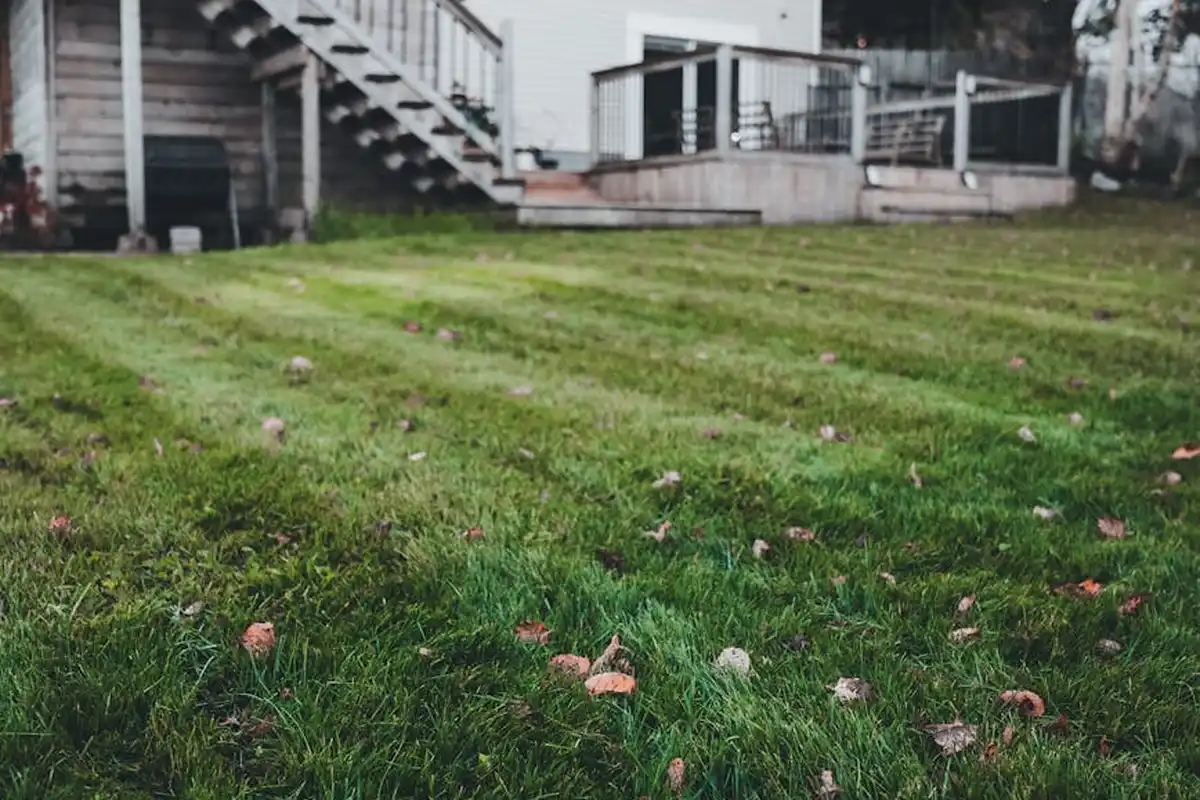
Do they work? Yes. A quality starter fertilizer applied correctly gives new grass a serious advantage. Think of it like a balanced breakfast for an athlete, not a magic pill. It sets the stage. The real work happens in the soil.
You’ll see the effectiveness in two clear ways: faster root establishment and a quicker green-up.
Do They Help Grass Roots Grow Faster and Stronger?
Phosphorus, the middle number on the bag, is the key player here. It’s the nutrient that fuels root cell division and growth. New seedlings have tiny, fragile roots. A starter fertilizer provides a ready supply of phosphorus right where those baby roots can reach it.
Without it, the grass has to scavenge for nutrients in the soil, which can be slow. With it, the seedlings get a head start. Imagine two kids running a race. One starts at the line. The other gets a five-yard lead. That’s the difference starter phosphorus can make.
Those stronger roots developed now mean your grass will be more drought-tolerant and resilient later in the season. It’s an investment in the future of your lawn.
Do They Get Nutrients to New Grass Quicker?
Absolutely. Starter formulas are designed for speed. The nutrients are in forms that dissolve quickly in water. This lets the new grass blades and roots absorb them almost immediately. You’ll often see a noticeable “green-up” in new sod or seedlings within a week or two.
Contrast this with many standard maintenance fertilizers. Those often use slow-release nitrogen to feed the lawn over 6-8 weeks, which is great for established grass. But new grass needs food now, not a delayed buffet. The quick hit from a starter meets that urgent need, especially when considering the timing for lawn fertilization and seeding.
When Might a Starter Fertilizer Not Be Worth It?
A starter fertilizer might be an unnecessary expense in a couple of situations. The biggest one is if your soil test shows very high or excessive levels of phosphorus. Adding more won’t help and can even be detrimental to the local environment.
For overseeding a small, thin patch in an otherwise healthy lawn, the cost and effort might outweigh the benefit. The existing soil might have enough nutrients to support the new growth. For a full lawn renovation or new sod installation, it’s almost always worth it.
Remember, fertilizer is a helper, not a foundation. Building healthy soil with good organic matter is the real long-term goal. My shady spot, Patch, taught me that no amount of fertilizer fixes compacted, poor soil. You have to fix the soil first.
Your Choosing Guide: Picking the Right Starter Fertilizer
Standing in the garden center aisle can be overwhelming. Use this simple checklist to pick the right bag for your job.
Step 1: Know Your N-P-K Numbers (The Big Three)
Every bag has three numbers like 10-10-10 or 5-15-5. This is the N-P-K ratio. Nitrogen (N) is for green, leafy growth. Phosphorus (P) is for strong roots and seedlings. Potassium (K) is for overall plant health and stress tolerance.
For most new lawns, a balanced ratio like 10-10-10 or 15-15-15 is perfect. It provides everything in equal measure.
If you’re seeding in poor soil or a challenging area, look for a ratio with a higher middle number, like 5-15-5. This gives an extra boost of that crucial root-building phosphorus.
Step 2: Synthetic or Organic? The Quick Comparison
You have two main paths. Synthetic fertilizers give fast, precise results. The nutrients are readily available. Organic options, like those based on bone meal or manure, feed the soil biology, which in turn feeds the grass slowly over time.
For pet-safe and pollinator-friendly practices, organics are often the top choice as they improve the soil ecosystem. Many synthetic starters are also safe once watered in. Always check the label for any warnings.
My personal take? I use a synthetic starter when I put down new seed. I want that speed. But for long-term soil health, I’m a big fan of organic amendments and top-dressing. My lawn needs both tactics.
Step 3: Check for “Extras” That Make a Difference
Look for bags that include mycorrhizae. These are beneficial fungi that form a partnership with grass roots, helping them absorb more water and nutrients. It’s like giving your roots a bigger search party.
Iron is another great extra. It promotes a deep green color without forcing a huge growth spurt, so you mow less on delicate new grass.
Avoid “weed and feed” combo products for new grass. The herbicide in them can damage or kill your tender seedlings. Weed control comes later, after the grass is established.
Step 4: Bag Size and Form (Granular vs. Liquid)
Buy only what you need for your square footage. An extra bag will just sit in your shed and can absorb moisture. Granular fertilizer is the classic choice. It’s easy to apply with a spreader (my method with Max the mower in tow) and generally has a long shelf life when stored in a cool, dry place.
Liquid starter is great for small patches or if you want to mix it in a tank sprayer. It acts very quickly but may require more frequent application.
How long is starter fertilizer good for? A sealed bag of granular fertilizer can last for years if kept dry. Once opened, try to use it within the season. Clumped, wet fertilizer has gone bad. For liquid concentrates, follow the expiration date on the bottle. Proper storage is the key to making your purchase last.
The Application Playbook: How to Use Starter Fertilizer
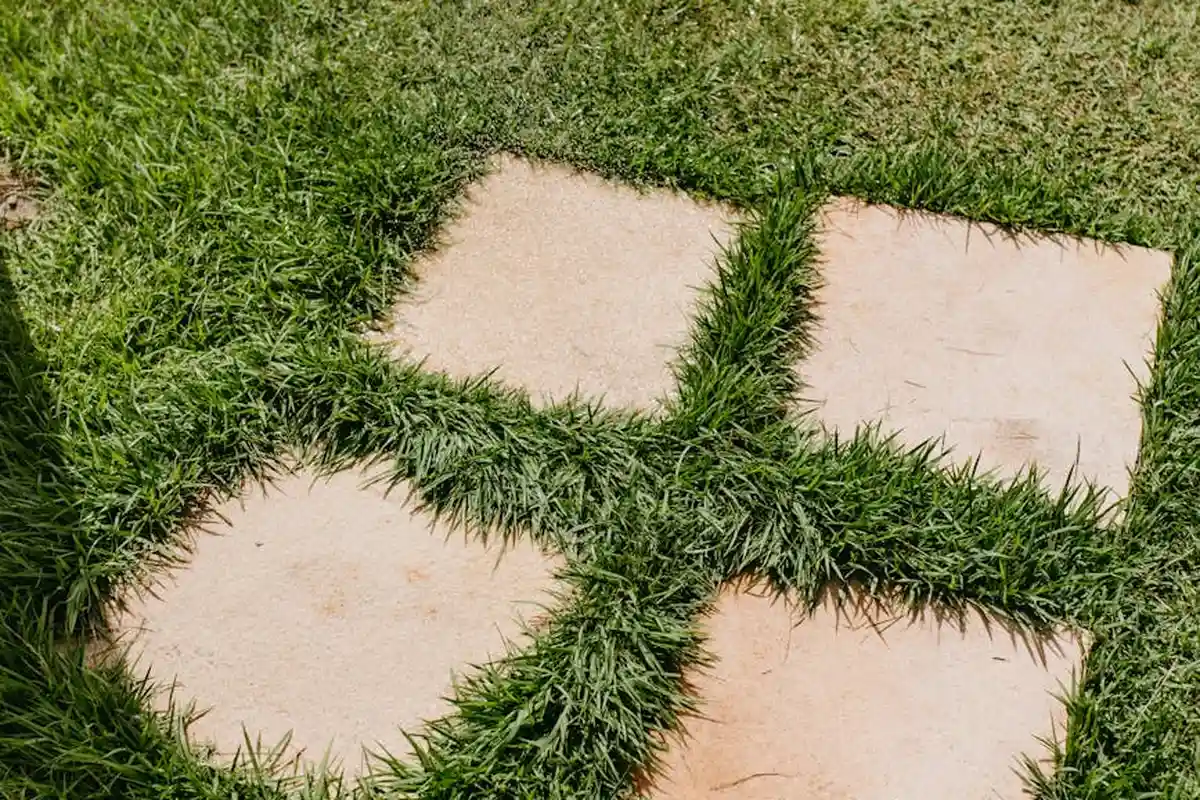
Think of this as your game plan. Follow these steps in order for a lawn that starts strong.
Before You Start: The Non-Negotiable Soil Test
Never skip this. Applying fertilizer without testing your soil is like gassing up Max without checking the oil. You might move, but you risk damaging the engine. A soil test tells you exactly what your lawn needs.
You can buy a simple kit from a garden center or, for a more detailed report, send a sample to your local university extension office. It’s an easy process. They tell you what to do.
Look for two key numbers on the report: soil pH and phosphorus level. If your pH is off, grass can’t use nutrients, no matter how much fertilizer you add. And if your soil already has plenty of phosphorus, adding a high-phosphorus starter is a waste and can harm local waterways.
For Seeding a New Lawn: The Timing Tango
This is the classic use. The sequence is everything. Get it right for a thick, even start.
- Prepare your soil. Remove debris and rake it smooth. You want a clean, level seedbed.
- Apply the starter fertilizer. Use a broadcast spreader for even coverage. This step comes before the seed.
- Sow your grass seed evenly across the area.
- Lightly rake the area. This gently mixes the seed and fertilizer granules into the top half-inch of soil.
- Water with Sunny’s gentle setting. You want consistent moisture, not a flood.
Putting the fertilizer down before the seed is critical-it places the nutrients right where the new roots will grow and prevents burning those tender first sprouts. A good visual cue? After raking, the granules should just disappear into the top inch of soil.
For Laying Sod: The Instant Gratification Method
Sod gives you an instant lawn, but it’s under major stress. It needs to knit its roots into your soil, fast. Starter fertilizer is the welcome meal that encourages that bonding. To help it take hold, we’ll cover how to fertilize newly installed sod. This quick step sets up strong root growth and a lush, durable lawn.
- Prepare the soil. Level it and give it a good drink so it’s moist, not muddy.
- Apply the starter fertilizer directly onto the prepared soil.
- Lay your sod rolls immediately after applying the fertilizer.
- Water deeply. This presses the sod roots down into the fertilized soil, “gluing” them to their new food source.
That immediate boost of phosphorus helps the sod roots push down and establish in your soil, rather than just sitting on top of it. It turns that roll of grass into your lawn much quicker.
Pitfalls to Avoid: Common Mistakes with Starter Fertilizers

We’ve all made lawn care mistakes. I’ve learned more from fixing my errors in Patch’s corner than from any perfect result. Here’s how to sidestep common stumbles.
Overapplication: More Is Not Better
It’s tempting to think extra fertilizer means extra-green grass. It doesn’t. It means trouble. Fertilizer salts can pull moisture right out of grass blades, causing “burn.”
You’ll see the signs: the tips of your new grass turn yellow or crisp brown, like they’ve been lightly singed. Always follow the application rate on the bag exactly, and use a spreader-never guess by hand. A spreader controls the flow and prevents hot spots of too much product.
Can starter fertilizer be overused? Absolutely. Beyond burning your lawn, excess phosphorus runs off with rain into storm drains and local waterways, feeding harmful algae blooms. It’s bad for the environment and a waste of your money.
Wrong Timing: Don’t Jump the Gun or Miss the Window
Timing is your secret weapon. Apply a starter fertilizer too early, before seeding or sodding, and rain can wash those valuable nutrients away. Apply it too late, after seedlings are already up, and you miss the critical early root boost.
Link your timing to soil temperature, not just a date on the calendar. For cool-season grasses, that magic window is when soil temps are consistently between 50-65°F. A simple meat thermometer pushed a few inches into the soil can tell you. This ensures the food is there right when the new grass is ready to eat. That precise range mirrors the ideal temperature for grass seed germination. Sticking to it helps ensure even germination and a strong start for your lawn.
Skipping Soil Prep: Trying to Fertilize Your Way Out of Trouble
This is the biggest hope I see. No bag of fertilizer, starter or otherwise, can fix bad soil. If your ground is hard-packed clay or full of rocks and construction debris, grass roots cannot penetrate.
Fertilizer just sits on the surface. No fertilizer fixes compacted or rocky soil; you have to fix the soil first. Core aeration improves fertilizer effectiveness and soil health. It helps nutrients reach the root zone. For small areas or existing thin lawns, use a core aerator. For a full renovation, till in some compost.
Your goal is soil that feels loose and crumbly, with that damp, loamy smell of a healthy garden. That’s the foundation your starter fertilizer is meant to enhance.
Product Smart: Types of Starter Fertilizers to Consider
Not all bags of starter fertilizer are the same. Think of them like different tools in your shed. You wouldn’t use a leaf blower to edge your sidewalk. Picking the right type for your specific job makes everything easier and gives you better results.
Balanced Synthetic Granulars: The Reliable Workhorse
This is the type you’ll find everywhere, from big-box stores to your local garden center. They are your standard, no-fuss option. I’ve used them on new lawns for years, and Max the mower has rolled over plenty of grass that started with this kind of seed.
These fertilizers are cost effective for covering large, bare areas. The granules are easy to spread with a broadcast or drop spreader. Just be sure to calibrate your spreader correctly to avoid stripes.
The most important step is to water them in immediately after application. The nutrients are locked in those little granules. Water acts like a key, dissolving them so the food can reach the new grass roots. If you have a system like my drip setup, Sunny, you’re all set. Otherwise, a good soaking with a sprinkler does the trick.
Organic or Bio-Stimulant Blends: The Soil Builders
If synthetic granules are a quick, balanced meal, these products are a long-term nutrition plan for your soil. They often contain ingredients like bone meal, kelp meal, and humic acids. Some even include beneficial microbes and fungi.
They feed new grass slowly and gently. More importantly, they improve your soil’s texture and biology over time. This means better water retention and stronger root systems down the road.
This category is perfect if you’re committed to building healthier soil from the ground up, not just feeding the grass. The results aren’t as instantly visible, but your lawn will be more resilient. I use these blends in tricky spots like Patch, where improving the soil itself is half the battle. Understanding the lawn soil composition purpose helps you target amendments for texture, drainage, and nutrients to strengthen the root system. So you’re not just feeding the grass—you’re shaping the soil itself.
Starter Fertilizers with Weed Prevention: Handle With Care
These products combine starter fertilizer with a pre-emergent herbicide. They sound like a convenient two-in-one solution, but you must be very careful.
They are designed for seeding into completely bare soil, not for overseeding an existing lawn. The pre-emergent in them works by creating a barrier in the soil that stops seeds from sprouting. This includes weed seeds, but it can also stop your new grass seed if the product isn’t perfectly timed or applied.
My advice is almost always to keep these two jobs separate. Feed your new grass with a plain starter fertilizer first. Let it germinate and get established. Then, deal with any weeds that pop up later with a targeted post-emergent spray. It’s an extra step, but it’s safer and guarantees you won’t accidentally sabotage your own hard work.
Your Starter Fertilizer Questions, Answered
1. Can I just use my regular lawn fertilizer instead of a starter blend?
I wouldn’t. Regular fertilizer is often too high in nitrogen, which pushes leafy growth on top when your new grass desperately needs to build roots below. Starter’s balanced or phosphorus-heavy mix is the right fuel for the foundation.
2. Is starter fertilizer necessary for overseeding my existing lawn?
For a full renovation, absolutely-it gives the new seed a fighting chance. For overseeding a few thin patches in healthy soil, you can likely skip it, as your existing lawn’s root system has already done some of the soil-building work.
3. Can I mix starter fertilizer with grass seed in my spreader?
Don’t do it. You’ll get uneven coverage, risking clumps of too much fertilizer that can burn seedlings and bare spots with none. Always apply the fertilizer first, then seed, and lightly rake them both in for perfect placement.
4> What’s better for patching bare spots: a granular or liquid starter?
For quick, small patches, a liquid starter is your go-to-it acts fast and is easy to apply. For larger areas, stick with granular and a spreader; it’s more economical and gives you consistent, long-lasting feed right in the root zone.
5. I missed the starter fertilizer at seeding. Can I apply it a few weeks later?
You can, but you’ve missed the prime window for that critical root boost. Apply a half-strength dose to young seedlings to still offer support, but water it in deeply immediately to avoid burning their tender blades.
Getting Your Lawn Started Right
Starter fertilizers work best when you match them to your soil’s specific needs. A simple soil test tells you what to look for, so you can apply a product that helps new grass roots establish quickly and strongly.
Use any fertilizer with care, following labels to protect pets and beneficial insects. Prioritize pet-safe formulations and timing to keep curious pets safe. I find that paying attention to how your lawn responds each year is the best way to grow your skills and a healthier yard. If you need guidance, look for lawn fertilizers labeled safe for pets and apply only as directed.
Further Reading & Sources
- Lawn Starter Fertilizer vs Regular Fertilizer
- 9 FAQs About Applying Starter Fertilizer to Your Lawn
- All About Starter Fertilizer • GreenView
- Lawn Starter Fertilizer: The Essential Guide for New Grass and Sod
- Starter Fertilizer worked great on established lawn | Houzz Forum
Written by Ria Carrington. Ria is an avid lawn care enthusiast and advisor. No lawn is unsalvagable when Ria is at work. She has helped countless homeowners breath new life into their dying lawns. She has a B.Sc in Agriculture and brings practical advice combined with knowledge of plant science and her decade worth of hands on experience.