
What Do Those Fertilizer Numbers on the Bag Actually Mean for Your Lawn?
Staring at the wall of bags at the garden center is confusing. You’re not just picking a brand; you’re picking a recipe for your grass.
We will cover decoding the three-number code, what each nutrient really does for your soil and grass, and how to pick the right ratio without wasting your money.
I’ve tested more bags than I can count over the years to get my lawn thick, learning what’s worth the cash and what’s just fancy packaging.
At a Glance: Your NPK Cheat Sheet
Before we get into the weeds, here are the key things to remember every time you pick up a bag.
- NPK stands for Nitrogen, Phosphorus, Potassium. These are the big three nutrients your grass craves.
- The three numbers, like 24-0-6, show the percentage of each nutrient in the bag. The rest is filler material to help it spread evenly.
- Think of it this way: a 50-pound bag of 10-10-10 contains 5 pounds of actual nitrogen, 5 pounds of phosphorus, and 5 pounds of potassium. The other 35 pounds is carrier.
- Nitrogen (N) is for green, leafy, top growth. It’s the fuel for your mower.
- Phosphorus (P) is for building strong roots and helping new grass establish. It’s the underground architect.
- Potassium (K) is for overall health, stress relief, and disease resistance. It’s your lawn’s immune system.
- Always start with a soil test. Guessing your lawn’s needs can waste your money and create more problems than it solves.
Cracking the Code: What Are Those Three Numbers?
You see them on every bag: 24-0-6, 32-0-4, 10-10-10. It looks like a secret code, but it’s just the fertilizer’s label, called the “grade” or analysis.
Simply put, these numbers tell you the guaranteed percentage, by weight, of the three primary nutrients inside. They always appear in the same order: Nitrogen (N), Phosphorus (P), and Potassium (K).
Sometimes you’ll see the Phosphorus and Potassium listed as P2O5 and K2O. Don’t let that scare you. That’s just the scientific way they measure the available phosphate and potash. For our purposes, just look at the number.
My favorite way to explain it is to think of fertilizer as a multivitamin for your lawn. If you were buying a vitamin bottle, you’d look to see how much Vitamin C or D was in each pill. The NPK numbers are the same-they tell you the “dose” of each key nutrient in every scoop of fertilizer.
Let’s make it concrete. Grab that hypothetical 50lb bag of 10-10-10 fertilizer again.
- The first number (10) is Nitrogen. 10% of 50lbs is 5lbs of actual Nitrogen.
- The second number (10) is Phosphorus. That’s another 5lbs.
- The third number (10) is Potassium. Yep, 5lbs more.
Add it up: 15lbs of total nutrients. The remaining 35lbs in the bag is inert filler. This is why reading the numbers matters-a bag with a 32-0-4 analysis packs a much bigger punch of nitrogen in the same amount of product.
The Nitrogen Effect: The Green Machine Fuel
Nitrogen is what your lawn uses most of. It’s the key player in chlorophyll production, which is what makes grass green. It promotes that lush, leafy, vertical growth we all love to see (and mow).
If your lawn is looking a little hungry, nitrogen deficiency is often the culprit. You’ll see a pale yellow-green color and growth will seem to crawl. I’ve stood in my own yard and noticed Patch looking washed out compared to the rest-a sure sign it was time for a feeding.
For most lawns, a good rule of thumb is to apply between 0.5 and 1 pound of actual nitrogen per 1,000 square feet during a single feeding. You calculate this based on the first number on the bag. A higher first number means you use less product to deliver the same amount of nitrogen.
Not all nitrogen is created equal. Some sources release their green-giving power fast, giving you a quick jolt of color. Others are slow-release, feeding the grass steadily over weeks. This is a big deal for preventing burn and keeping growth even, which we’ll get into more later.
The Phosphorus Push: Building Strong Roots Underground
While nitrogen handles the show above ground, phosphorus is busy below the surface. It’s critical for developing strong, extensive root systems and aiding in energy transfer within the plant. It’s the MVP for new seedlings trying to get established.
You might see a “0” in the middle of the NPK sequence on many general-purpose lawn fertilizers. There’s a good reason for that. Phosphorus runoff into waterways can fuel algae blooms, so many regions restrict or ban its use in lawn fertilizers unless a soil test proves a deficiency.
Established lawns with good soil often need very little extra phosphorus. That’s why you’ll see high-phosphorus fertilizers labeled specifically as “Starter Fertilizer.” To decide what to use, you’ll want guidance on how to choose lawn starter fertilizers. This helps you pick a product that supports early root growth and matches your soil profile.
Save that high-phosphorus fertilizer for when you’re putting down new seed, laying sod, or repairing bare spots. That initial root-building boost is exactly what new grass needs. For your existing, thick lawn, a middle number of 0 or a very low number is usually perfect.
The Potassium Kicker: The Lawn’s Immune System
Think of potassium as your lawn’s all-around wellness supplement. It doesn’t directly cause greening or root growth, but it regulates dozens of processes that keep the plant healthy. It improves drought tolerance, strengthens cell walls against disease, and helps grass withstand temperature extremes, both hot and cold.
If nitrogen is the athlete and phosphorus is the engineer, potassium is the coach and doctor rolled into one. It’s the stress reliever. A lawn with good potassium levels will bounce back faster from a tough mowing, a dry spell, or a cold snap.
Deficiency signs are subtler but include weak growth, thin turf, and a lawn that seems to get sick or show wear more easily. It just lacks vigor.
Boosting potassium is a smart move in late summer or early fall to prep your lawn for winter stress, and again in late spring if you know a hot, dry summer is coming. Look for a fertilizer where the third number (K) is relatively high compared to the first, like a 20-0-10 blend. My go-to fall feed is higher in potassium-it’s like giving the lawn a good coat before the frost sets in.
How to Pick Your Potion: Choosing the Right NPK Ratio

Here’s the secret every bag of fertilizer won’t tell you: there is no single “best” ratio.
Choosing one is like a chef picking spices. You wouldn’t use the same amount of salt for every dish. Your lawn’s perfect blend depends on three things: what your soil lacks, how old your grass is, and what time of year it is.
To pick your potion, you need to answer three simple questions: What does my soil need? What is my lawn’s life stage? What season is it?
Guessing here is how you end up feeding weeds, burning grass, or just wasting money. I learned this the hard way with Patch, my shady problem area. Throwing random fertilizer at it did nothing but make the moss happier. To directly answer a common question, a “balanced fertilizer” like 10-10-10 gives equal parts of each main nutrient. It’s a general-purpose option, but it’s rarely the precise tool your specific lawn needs.
The Soil Test: Your Lawn’s First Physical
Before you buy a single bag, get a soil test. This is the non-negotiable first step. It’s the difference between taking a wild guess and following a doctor’s prescription.
A soil test tells you exactly what’s missing, taking all the mystery out of choosing an NPK ratio. It answers the question “How do soil tests help with fertilizer selection?” with hard numbers, not hunches.
Getting one is simple. Here’s how I do it every other year:
- Use a clean trowel to take thin slices of soil from 5-6 spots in your lawn, about 3-4 inches deep.
- Mix these slices together in a clean bucket. Let the sample dry out.
- Send this mixed soil to your local university cooperative extension office. You can find a kit online or at a garden center. It usually costs less than a bag of premium fertilizer.
- Wait for the report. It will list your soil’s pH and the exact levels of Nitrogen, Phosphorus, and Potassium.
The report tells you precisely what to add. If your Phosphorus (P) is already high, using a starter fertilizer is wasteful and can harm local waterways. If your Potassium (K) is low, you’ll know to seek out a blend with a higher last number for fall. It turns fertilizer shopping from overwhelming to straightforward.
Seasonal Strategies & Lawn Life Stages
Your lawn’s needs change with the calendar and its age. Think of it like your own routine-you eat differently in summer than in winter, and a teenager needs different food than a toddler.
For an established lawn, follow this simple seasonal guide:
- Spring (Greening-Up): Use a balanced ratio (like 20-5-10) or one slightly higher in Nitrogen. This encourages thick, green leaf growth to recover from winter.
- Summer (Survival Mode): In the heat, go easy. Use a low-Nitrogen, slow-release fertilizer or skip feeding altogether, especially with warm-season grasses. High nitrogen in summer stress can burn your lawn.
- Fall (Roots & Resilience): This is the most important feed. Switch to a fertilizer where the last number (Potassium-K) is high, like a 10-0-20 or similar. Potassium builds strong roots and disease resistance, preparing your grass for winter cold and stress.
Now, for lawn life stages. This is where many get tripped up.
What is the best fertilizer for new grass seed or sod? The answer is always a “starter fertilizer.” These have a high middle number (Phosphorus-P), such as 10-20-10. Phosphorus is critical for strong, fast root development in seedlings. It’s like baby formula for new grass. Fertilize newly installed sod soon after laying to help roots establish quickly. A starter fertilizer supports that early growth and resilience.
What is the best fertilizer for established lawns? Once your grass is mature, it rarely needs extra phosphorus. Your soil test will confirm this. An established lawn thrives on a maintenance diet focused on Nitrogen for green growth and Potassium for health, like a 24-0-8 or a similar ratio based on your test.
Finally, let’s address the classic: “Can I use 10-10-10 fertilizer on my lawn?” You can, but you probably shouldn’t make a habit of it. It’s a general-purpose blend. If your soil is truly deficient in all three nutrients equally, it’s fine for a one-time feed. But most soils aren’t perfectly balanced. Using 10-10-10 repeatedly often means over-applying nutrients your lawn doesn’t need while under-feeding the ones it craves. It’s a blunt tool when your lawn deserves a precise one.
Beyond the Big Three: Reading the Whole Fertilizer Label
You found the bag with the right NPK numbers for your grass type. Good start. But if you stop there, you are missing the full story. I learned this after a season of feeding my lawn and still seeing Patch, that shady corner, struggle with pale color.
The smart move is to flip that bag over and read the “Guaranteed Analysis” list, which is like the nutrition facts label on your food. This list shows you everything in the bag, not just the headline NPK actors.
The secondary nutrients-Calcium, Magnesium, and Sulfur-are the supporting cast. They do not get top billing, but your lawn needs them. Calcium helps build strong cell walls in grass blades. Magnesium is central to chlorophyll, the stuff that makes grass green. Sulfur aids in nutrient uptake and overall plant health. Think of your soil like a kitchen sponge; these nutrients help it hold water and nutrients better for the grass roots.
Then come the micronutrients, like Iron, Manganese, and Zinc. You only need tiny amounts, but they are vital. Iron, in particular, gives your lawn that deep, rich green color without pushing excessive, weak growth the way too much nitrogen can. It is a secret weapon for a lush look, and I always look for it in my fertilizer for the front yard.
Finally, you will see “inert ingredients” or filler listed. This is not a scam. Filler is usually something like clay or granular sand. It is there to bulk up the concentrated nutrients so your spreader can distribute them evenly. Without it, you would have pure nutrient clumps that burn your lawn in some spots and leave it hungry in others. I once used a product with poor filler on Max’s first outing of the spring, and I spent weeks mowing over faint fertilizer stripes. Never again.
Quick-Release vs. Slow-Release Nitrogen: The Race vs. the Marathon
Let me answer the question directly. The difference between quick-release and slow-release nitrogen is all about timing and how the grass gets fed.
Quick-release nitrogen is water-soluble. It dissolves fast and hits the grass roots almost immediately. You will see a rapid green-up in just a few days. It is like a sugar rush for your lawn-intense energy that fades quickly. The problem? That fast action comes with a higher risk of burning the grass blades if you apply too much or if it is hot and dry. It can also wash away with heavy rain or irrigation, which is a waste of your money and not great for the local waterways where Sunny’s runoff goes.
Slow-release nitrogen is different. It is either coated with a polymer or comes from organic sources. This coating or natural structure breaks down gradually, releasing a little bit of nitrogen to the grass roots over several weeks. Slow-release nitrogen is like a hearty, balanced meal for your lawn-it provides steady, sustained energy for thick, healthy growth. It is far safer, reducing the risk of burn, and it promotes stronger roots.
I always advocate for fertilizers with a high percentage of slow-release nitrogen. Here is why it matters for you. A steady feed means your grass grows evenly, so you mow less often and get a denser turf that crowds out weeds naturally. More importantly, it aligns perfectly with pet-safe and pollinator-friendly practices. There is no chemical surge that could risk your dog’s paws, and the reduced runoff means cleaner water for bees and butterflies visiting your clover. Look for a label that specifies the percentage of slow-release nitrogen; aiming for 50% or more is a solid rule for a healthy, responsible lawn.
The Organic Route vs. The Synthetic Path

This is where the big decision comes in. You’re staring at the shelf, and you have to pick a team. On one side, you have the organic options. On the other, the synthetic, or “chemical,” fertilizers.
Let’s break them down.
The Slow Food Movement for Your Soil
Organic fertilizers come from plant, animal, or mineral sources. Think of Milorganite, corn gluten meal, bone meal, or even the compost from your own backyard pile.
These are like a home-cooked meal for your lawn’s soil. They have to be broken down by the billions of microbes and earthworms living in your dirt before the grass roots can actually use the nutrients.
This slow release process is the biggest pro and con of organics. It means you won’t see a dramatic “green-up” in 48 hours, but it also means the food is served over weeks, leading to steady, even growth without the risk of burning your lawn if you apply a little extra.
Because they feed the soil life, they improve soil structure over time, making it better at holding water and nutrients. They’re also extremely safe for kids, pets, and pollinators the moment they’re applied.
The trade-off? Those NPK numbers on the bag are always much lower, like a 6-4-0. You’re not getting a huge shot of nitrogen all at once.
The Precision Tool in Your Shed
Synthetic fertilizers are manufactured. They provide nutrients in forms that are immediately available to the grass plant. You’ll see them with higher, precise NPK ratios like 24-0-6 or 32-0-10.
I think of these like the throttle on my mower, Max. A quick, deliberate input gets a direct and powerful response. You apply a synthetic, and you often get that satisfying deep green color in just a couple of days.
The speed and precision of synthetics come with a need for careful handling. Because the nutrients are so readily available, applying too much or at the wrong time (like in peak summer heat) can literally burn your grass, leaving yellow or brown streaks. They don’t do much to build your soil’s long-term health on their own.
How to Choose Your Fighter
So, which path do you take? I tell my neighbors it comes down to your goal for this season.
- Are you trying to rehab a tired, thin lawn quickly? A synthetic fertilizer can give you the fast growth and color to compete with weeds and fill in bare spots.
- Is your focus building healthier soil for the long haul, or is your lawn a playground for pets and kids? The safety and soil-building benefits of organic are hard to beat.
I’ve learned patience from that shady Patch in my yard. Sometimes slow and steady really does win the race.
Truth is, most dedicated homeowners I know, including myself, use a blend of both strategies throughout the year. It’s not an all-or-nothing choice.
You might use a synthetic in the early spring for a quick green-up, then switch to organics for the summer to feed the soil safely in the heat. Or use an organic as your base program and keep a synthetic on hand for a specific, targeted boost when the lawn looks like it needs a quick pick-me-up.
Your lawn’s diet, just like yours, can benefit from a balanced approach.
How Often and How Much: The Art of Feeding, Not Stuffing
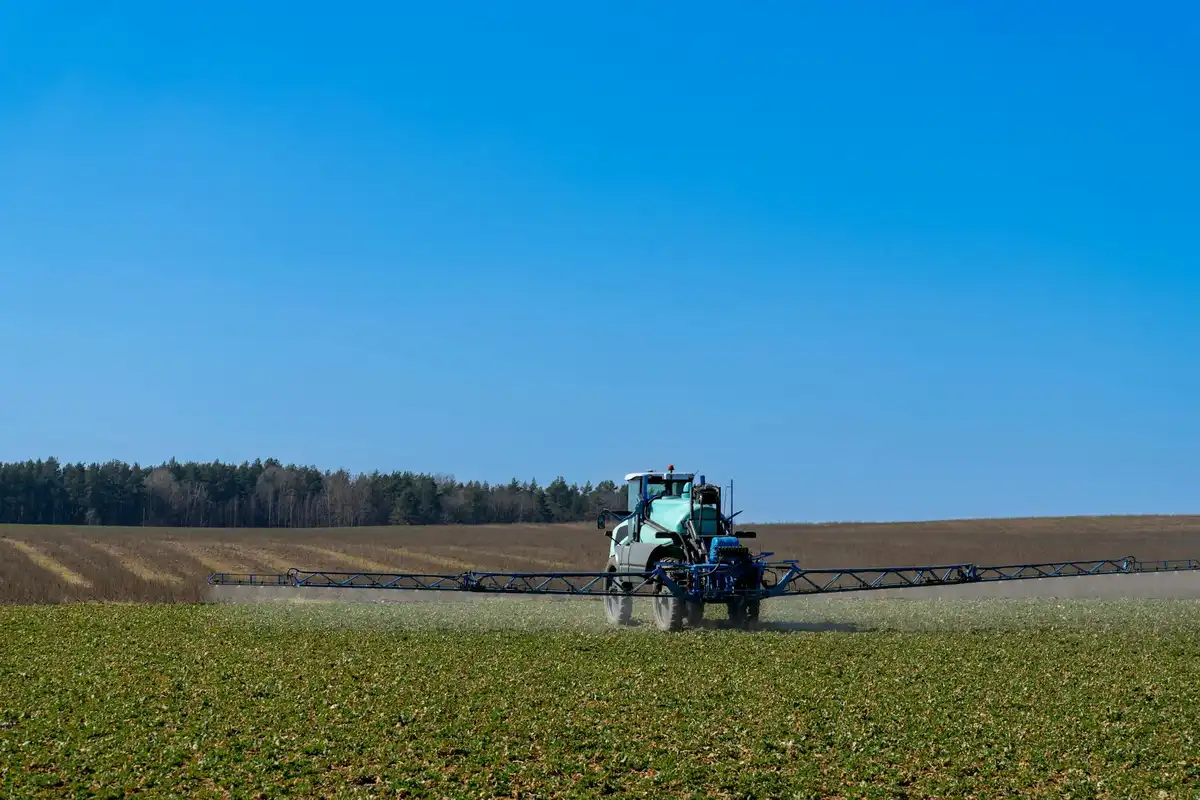
Think of your lawn like a hungry teenager. It needs regular meals, but you don’t just hand it the whole fridge. Most lawns do well with a few solid feedings a year. Cool-season grasses (like fescue or Kentucky bluegrass) typically want food in the early fall and again in the late spring, for a total of 2 to 4 times a year. Warm-season grasses (like Bermuda or Zoysia) are active in the heat, so they often appreciate 3 to 5 feedings from late spring through summer.
The single biggest mistake I see is overfeeding, a costly error that hurts your lawn more than it helps. More fertilizer is not better. It forces weak, fast growth that can’t fight off disease, and it stresses the grass plants.
So, how much do you actually put down? This is where those bag numbers come in handy. Every bag tells you how many pounds of actual nitrogen it contains per 1,000 square feet. For most lawns, you want to apply about 1 pound of actual nitrogen per 1,000 square feet in a single feeding.
Let’s do the math. You have a 20-0-5 fertilizer and a 5,000 square foot lawn. The first number (20) is the percentage of nitrogen by weight. A lawn fertilizer calculator can translate these numbers into the exact amount you’ll need to apply to your 5,000 sq ft lawn. That way you know the proper rate in pounds per 1,000 sq ft without guessing.
- You need 1 lb of nitrogen per 1,000 sq ft. For 5,000 sq ft, you need 5 lbs of total nitrogen.
- Your bag is 20% nitrogen. To find how much product gives you 5 lbs of nitrogen, divide: 5 lbs ÷ 0.20 = 25 lbs.
- You would need to spread 25 pounds of that 20-0-5 fertilizer to feed your whole lawn correctly.
Setting my spreader for the right rate took a few tries with Max. I started on a low setting, did a test pass on my driveway, and measured what came out. Taking ten minutes to calibrate your spreader saves you from a season of trouble.
Spotting (and Stopping) Too Much of a Good Thing
Can you over-fertilize your lawn? Absolutely, and it’s heartbreaking to see. The signs are clear if you know what to look for. You might see yellow or brown streaks or patches within a day or two, which is fertilizer “burn” from salts. The grass might grow absurdly fast but feel limp and weak. Over time, you’ll get a thick layer of thatch and more fungal diseases, as the grass is too succulent to defend itself.
What are the signs of over-fertilization? Look for a crust of fertilizer on the soil, strange streaking patterns from your spreader, and grass that wilts or turns color despite plenty of water. I learned this lesson on a corner Patch used to occupy, and it set my progress back a month.
This isn’t just bad for your lawn. Excess fertilizer washes away with rain or irrigation, running into storm drains and local waterways. This pollutes rivers and lakes, harming fish and encouraging nasty algae blooms. Feeding your lawn correctly is a key part of being a good neighbor to your local ecosystem.
If you’ve put down too much, don’t panic. Your first job is to dilute and flush those salts from the soil. Give the area a deep, heavy watering for several days in a row. This helps move the excess fertilizer down and away from the grass roots. Then, be patient. Don’t apply anything else-no more fertilizer, no weed killer. Let the grass recover on its own. It might take a few weeks, but grass is resilient. Sometimes, the best tool in your shed is a little restraint.
Common Lawn Care Mistakes and How to Avoid Them
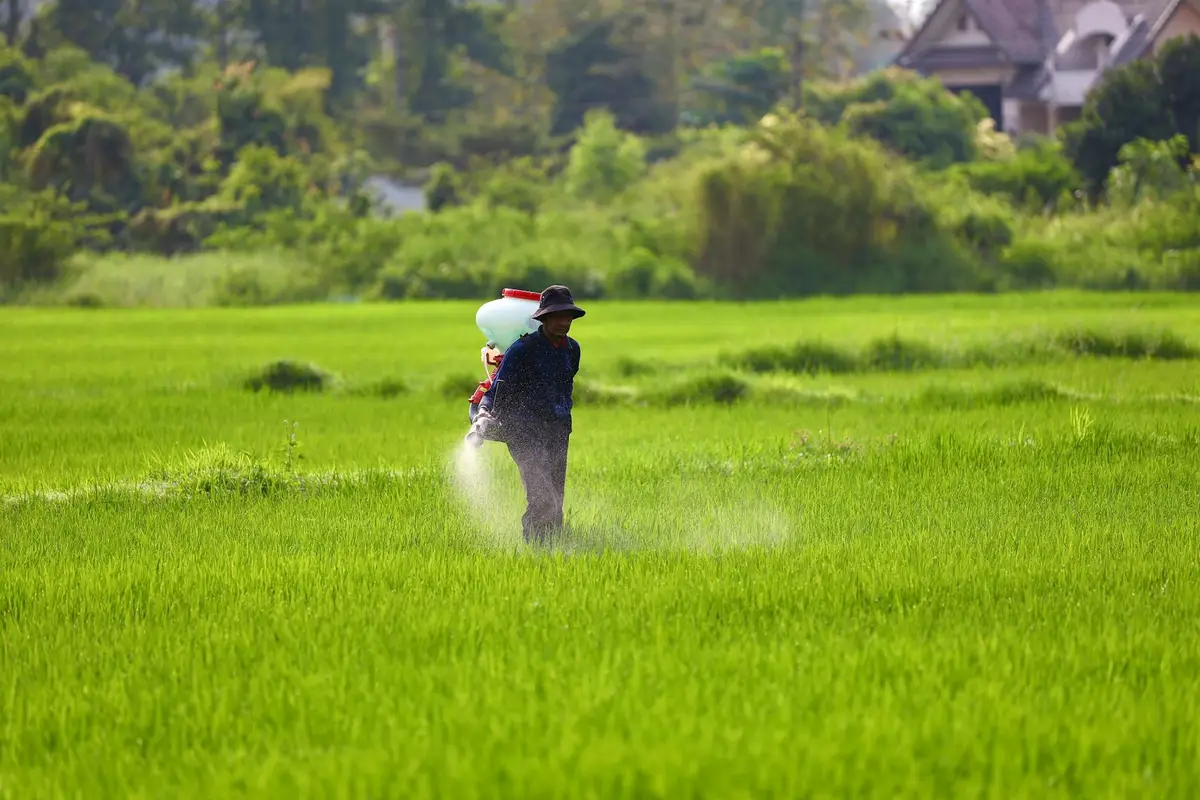
Getting the numbers right is the first big step. But the next step is applying that knowledge correctly. I’ve made these errors myself, especially back when I was just starting out. Here are the most common fertilizer flubs and how to dodge them.
Guessing Instead of Soil Testing
You wouldn’t guess your child’s shoe size every year. You measure. Treat your soil the same way. Guessing what it needs wastes money and can create bigger problems, like promoting weeds that thrive on excess nutrients your grass can’t use.
The fix is simple: get a soil test every 2-3 years. It’s a small investment that tells you exactly what’s missing and saves you from buying and applying the wrong stuff. Your local cooperative extension office usually offers this service for a small fee.
Using the Wrong Ratio for the Season
A lawn’s diet changes with the seasons, just like ours. Feeding it a high-nitrogen “growth spurt” food in the heat of summer is like eating a big sugary dessert before a marathon. It stresses the plant, making it vulnerable to disease and drought.
Match your NPK to the time of year. In spring and fall, a balanced or nitrogen-heavy mix supports growth. In the stressful summer, a low-nitrogen, higher-potassium fertilizer helps with heat and drought tolerance.
Applying Before Heavy Rain (Causing Runoff)
This is the classic “wash your money down the drain” mistake. I’ve done it, watching a forecasted light shower turn into a downpour an hour after I finished fertilizing. The granules dissolve and get washed straight into the storm drain, polluting waterways.
Always check a reliable weather forecast and aim for a clear 24-48 hours after application. Light, steady rain is okay and can even help water the fertilizer in, but a heavy storm is a deal-breaker.
Ignoring Slow-Release Options
Quick-release fertilizer is like giving your lawn a shot of espresso. It greens up fast but fades just as quickly, often leading to a cycle of frequent feeding and uneven growth spurts. This can also burn the grass if over-applied. Slow-release fertilizers provide a steadier, longer-lasting feed, reducing spikes and the risk of scorch. Understanding the difference between slow-release and quick-release options can help you plan a more balanced feeding schedule.
Choose fertilizers with a good percentage of slow-release nitrogen, often listed as “WIN,” “PCU,” or “SCU” on the bag. They feed the grass steadily over 6-8 weeks, promoting thicker, more resilient growth and reducing the risk of burn. My lawn looks more consistent since I made this switch, especially compared to the results from quick-release fertilizers (see how different fertilizers compare).
Applying to Wet Grass
Walking on wet grass with a spreader compacts the soil. More importantly, those damp fertilizer granules can stick to the grass blades like glue. When the sun comes out, the concentrated moisture and fertilizer can scorch the blades, leaving yellow streaks wherever you walked.
Wait for the morning dew to dry off before you start your fertilizer pass with Max. Your grass should be dry to the touch. This ensures the granules fall to the soil where they belong.
Using “Weed and Feed” Products Incorrectly
These combo products are a hammer when you often need a scalpel. They apply herbicide over your entire lawn, even areas without weeds. This is wasteful and can harm the soil life you’re trying to encourage. In my shady “Patch,” it never solved the root issue.
Spot-treat weeds with a dedicated liquid herbicide and feed your lawn separately with a straight fertilizer. This targeted approach uses fewer chemicals, saves money, and is much better for your lawn’s overall ecosystem. It takes a little more time, but the results are worth it.
Your Lawn’s Diet Plan: Quick Fertilizer FAQs
How do I choose the right NPK ratio for my lawn?
Start with a soil test to see what’s missing, then match the ratio to the season. For example, use a higher-potassium blend in the fall to prep for winter stress.
What is the difference between quick-release and slow-release nitrogen?
Quick-release gives a fast green-up but risks burn and runoff, like a sugar rush. Slow-release feeds steadily over weeks for thicker, safer growth-it’s the marathon meal your lawn craves.
How often should I fertilize my lawn?
Most lawns thrive on just 2-4 feedings a year; overfeeding causes weak growth. Time these meals for key moments like early fall and late spring for the best results.
Can I over-fertilize my lawn, and what are the signs?
Absolutely, and it’s a costly mistake. Look for yellow or brown streaks (burn), crusty fertilizer residue, and grass that grows fast but feels limp and weak.
How do I decide between organic and synthetic fertilizers?
Choose organic for safe, soil-building meals over time, and synthetic for a precise, quick green-up. This ties into how organic and synthetic fertilizer choices affect overall lawn health. Balancing the two strategies supports soil biology and turf resilience. Many greedy lawns benefit from using both strategies throughout the year.
Putting It All Together for a Greener Lawn

The biggest win is matching the numbers on the bag to what your soil actually needs. Start with a simple soil test, then let those NPK numbers guide you to a thicker, healthier lawn. It turns a guess into a plan.
Remember, a great lawn is part of a healthy yard. I always choose pet-safe fertilizers and keep an eye out for the bees buzzing around Sunny’s flowers. Watch how your grass responds, learn from spots like Patch, and you’ll build a lawn that looks good and feels right—especially when using pet-safe fertilizers.
References & External Links
- What Is NPK in Lawn Fertilizer? Meaning, Ratios & Benefits
- Fertilizer Labels: What N-P-K Numbers Mean
- NPK Explainer – Here’s What Those Fertilizer Numbers Mean | Gardening Know How
- NPK: What It Stands for & Its Importance in Lawn Fertilizers | ETCH Outdoor Living
Written by Ria Carrington. Ria is an avid lawn care enthusiast and advisor. No lawn is unsalvagable when Ria is at work. She has helped countless homeowners breath new life into their dying lawns. She has a B.Sc in Agriculture and brings practical advice combined with knowledge of plant science and her decade worth of hands on experience.