
Ever Wonder Why Your Fertilizer Isn’t Working Like It Should?
If you feel like your fertilizer just vanishes into the ground without giving you the thick, green payoff you paid for, the problem might not be the bag-it could be your soil.
We will cover what core aeration actually does, how it supercharges your fertilizer’s effectiveness, and the long-term benefits it brings to your soil’s health.
I’ve learned this through years of hands-on trial and error in my own yard, with my zero-turn Max carving the lines and my irrigation system Sunny watering it all in.
At a Glance: Key Takeaways
Here’s what you need to know, quick and straight.
Core aeration punches direct pathways for fertilizer and water to get to the roots, where your grass actually needs them. Liquid aeration can reach the root zone with less disruption. A quick comparison of liquid and core aeration can help you pick the best approach for your lawn.
If your soil feels hard as a brick and water just pools or runs off, this is your best fix. It breaks up that compaction.
The best time to do it is during your grass’s peak growing season, so it can recover fast. For cool-season grasses, that’s early fall or spring. For warm-season grasses, aim for late spring to early summer.
Think of it as a single job that upgrades your whole lawn system. It makes fertilizer work better, helps water sink in, and wakes up the beneficial life in your soil.
What Is Core Aeration and How Does It Actually Work?
Core aeration is simple. A machine pulls up small, solid plugs of soil and thatch from your lawn. This leaves behind empty holes, which helps improve soil aeration and lawn health.
I call the leftovers “dirt cigars.” They’re about the size of your finger and you’ll see them scattered everywhere. Don’t rake them away right off. As they break down, they return valuable soil and microbes right back to the surface.
Here’s the best way I can explain it. Imagine a kitchen sponge that’s been squished down and dried hard. If you pour water on it, the water just slides off. But if you poke holes all through it first, the water can finally soak in. Core aeration does that for your lawn.
You might see tools that just spike the ground with solid tines. That’s spike aeration. It’s better than nothing, but it can actually push and compact the soil sideways around the hole. Core aeration is superior because it physically removes a plug of material, creating real space for air, water, and roots to expand.
You have a few options for tools. For a small patch, a manual step-on aerator works but it’s a workout. For a typical yard, a tow-behind model you pull with your riding mower (like my trusty Max) gets the job done. For large properties, hiring a pro with a big commercial aerator is often the easiest route. Choosing the right aeration equipment depends on the size and type of your lawn.
How Core Aeration Supercharges Your Fertilizer
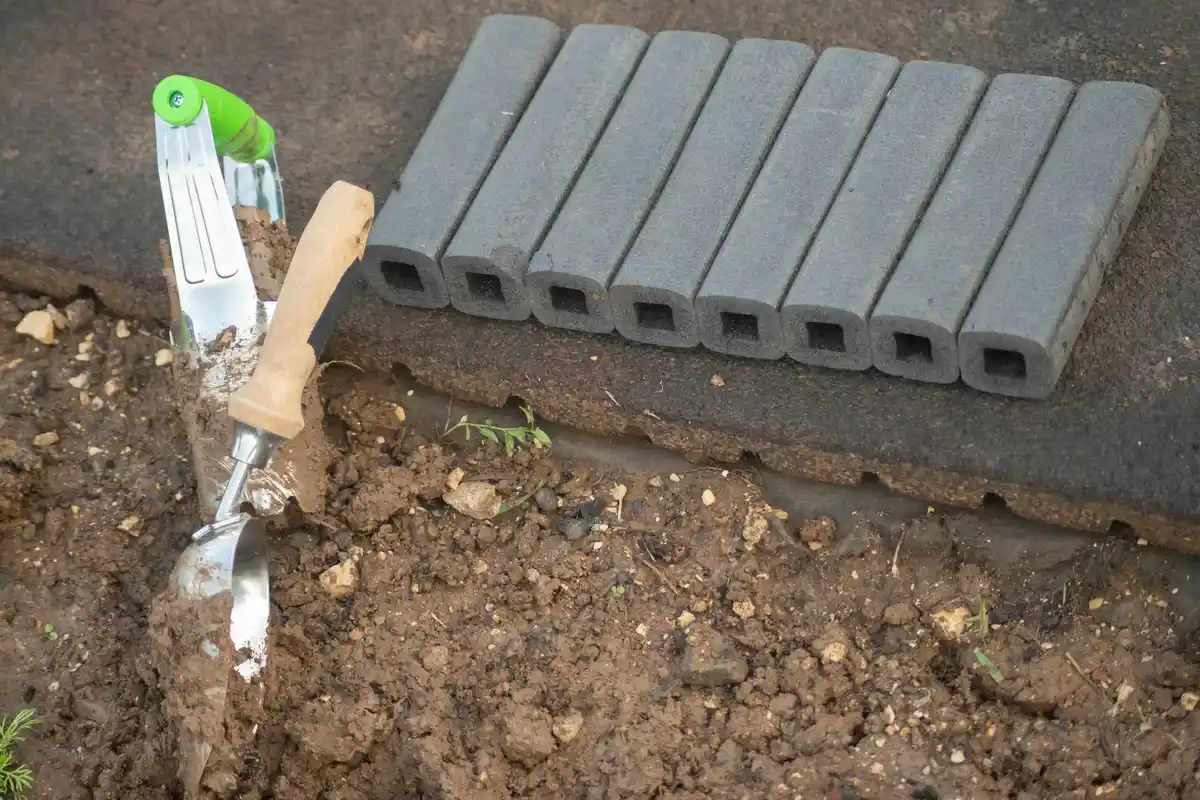
Think about the last time you walked on soggy ground. Your feet sink in and leave a print. Now imagine your whole family, your dog, and your mower doing that week after week. The soil underneath gets pressed down, hard. This compacted soil acts like a wall.
That wall blocks the fertilizer you spread from ever reaching the root zone where your grass can actually use it. The granules just sit on top, waiting for the next rain to wash them into the street or down the storm drain. I’ve seen it happen in my own yard. It’s frustrating and a total waste of money.
Core aeration punches right through that wall. The machine pulls out those little plugs of soil, creating thousands of open channels. Suddenly, those fertilizer granules have a direct pathway down. They can slip right into the soil and get to work.
This direct access changes everything for your grass roots. They don’t have to struggle through hard dirt to find food. They can grow deeper and stronger because the nutrients are right there. A deeper root system uses water and fertilizer far more efficiently.
The clear result is that less of your expensive fertilizer runs off or washes away, so you get more value from every single bag you buy. Your lawn gets fed, and you don’t feel like you’re throwing money into the gutter.
Here’s the practical tip I follow every season. The absolute best time to fertilize is right after you aerate. Don’t wait. I like to mow the lawn a bit shorter than usual, run Max the mower with the aerator attachment, then go right behind him with the spreader. The fertilizer falls into those fresh holes for maximum effect.
What Fertilizers Work Best After Aeration?
With all those new channels open, you want to use them wisely. My go-to is always a slow-release, granular fertilizer. These products feed the lawn steadily over weeks. They won’t dump all their nutrients at once and overwhelm the grass. The new pathways help distribute that steady food supply deep into the soil profile.
I also lean toward organic or natural-based fertilizers after aerating. Why? Because aeration encourages a healthy soil microbiome. Those little microbes are your best friends. They break down organic matter and make nutrients available to roots. Using an organic fertilizer supports this whole underground community you just invited to the party. It’s a better long-term investment in your soil’s health.
Be cautious with quick-release synthetic fertilizers, especially the “weed and feed” types. Your lawn is in a slightly vulnerable state right after aeration. A harsh, fast-acting chemical fertilizer can stress the grass when you want it to recover and thrive. It can also harm the soil life you’re trying to encourage, unlike organic alternatives.
If you’re unsure, here’s a simple move. Grab a basic soil test kit after you aerate. Those holes make it easy to get a good sample. The test will show you exactly what your soil is still lacking. Then you can tailor your fertilizer choice to fix those specific deficiencies, nothing more and nothing less.
The Bigger Picture: Core Aeration and Total Soil Health
Aeration does so much more than just help fertilizer work. It fixes the soil’s entire living environment. It’s like opening the windows in a stuffy room.
First, it physically breaks up compaction. Roots need to breathe. In hard soil, they can’t. They stay short and weak. After aeration, they get the oxygen they need to expand and dig deep. This builds a lawn that handles heat and drought much better.
Next, look at water. In compacted soil, water pools on the surface or just runs off. After aeration, water infiltration improves dramatically. The holes let rain and irrigation soak in deeply to the root zone. This means less wasteful runoff, fewer muddy puddles, and a lawn that stays greener with less water from Sunny, my drip system. It’s a win for your bill and the local water table.
It even helps manage thatch naturally. Thatch is that spongy layer of dead stems between the grass and soil. A little is good, too much is bad. The soil plugs pulled up during aeration are filled with microorganisms. As these plugs break down on the surface, those microbes get to work eating away at the thatch layer, breaking it down into useful organic matter.
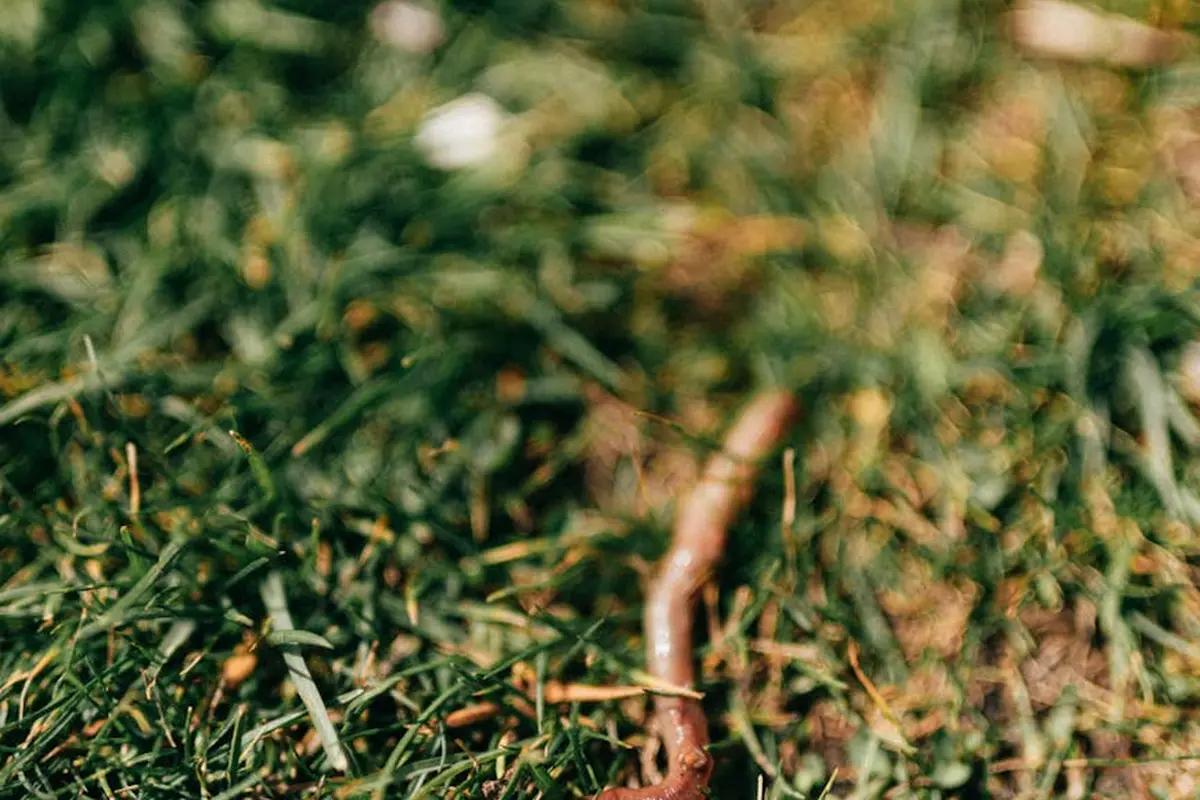
Finally, those holes create crucial space for life. Beneficial insects, earthworms, and the whole microbial community move into these new tunnels. This creates a healthier, more active soil ecosystem that supports your grass from the ground up. It’s a simple step that has a ripple effect, making your lawn more resilient and alive—especially when combined with other methods to improve soil quality and drainage.
When to Aerate and How Often: Your Seasonal Guide
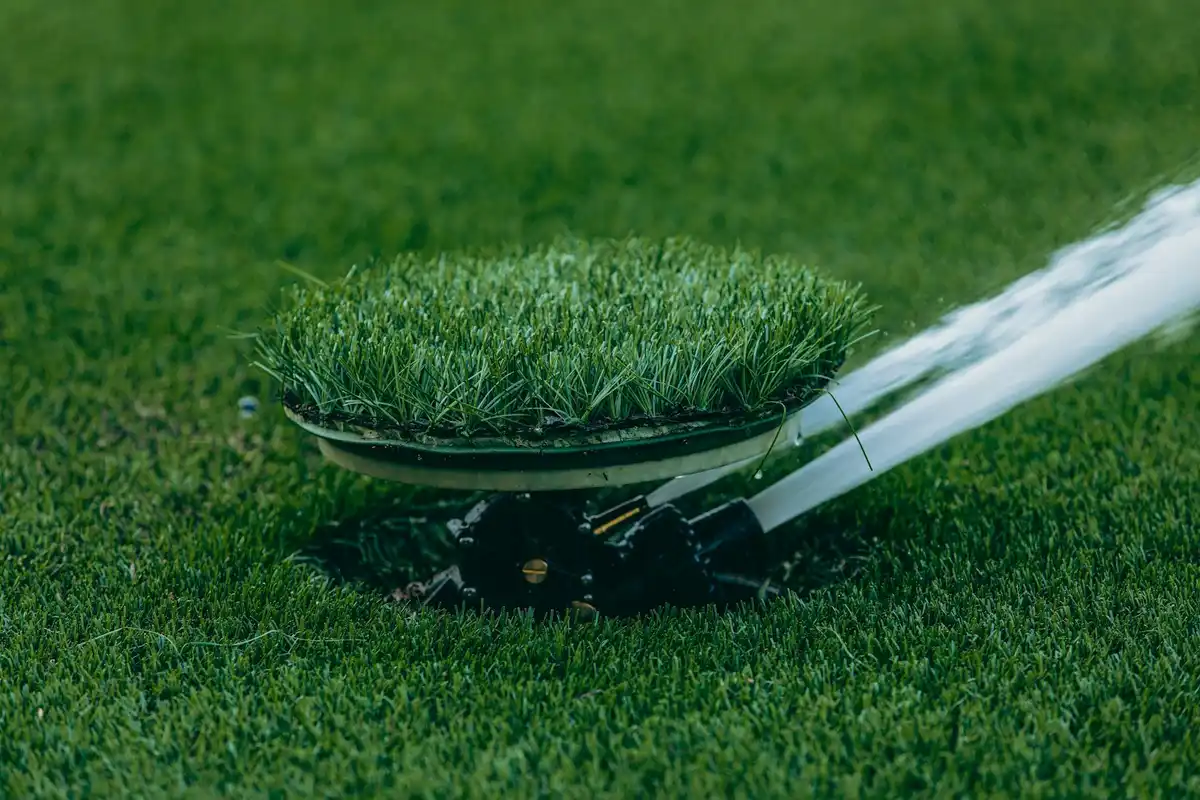
Timing is everything. You want to aerate when your grass is in its prime growing season, ready to heal and fill in those holes with vigorous new roots. Aerating at the wrong time, like during summer heat stress or winter dormancy, just creates an open wound for weeds.
For my cool-season grass friends with tall fescue or Kentucky bluegrass, you have two good windows. Early fall is the absolute sweet spot. The soil is still warm, autumn rains are coming, and the grass is growing like crazy to store energy for winter. Spring is your second choice, but do it early, just as the lawn wakes up. Avoid late spring; you’ll just invite crabgrass into those perfect little seedbeds.
If your lawn is warm-season grass like Bermuda or Zoysia, your window opens later. Aim for late spring through early summer, right when it kicks into high gear. This gives it the entire growing season to recover and thicken up.
Most lawns do just fine with a single aeration once a year. I put Max to work on my main yard every fall like clockwork. But if you have heavy clay soil that packs down like pottery or a backyard that doubles as a soccer field, you might need to do it twice a year-once in the prime season and once again as a follow-up.
Not sure if it’s time? Try the screwdriver test. Go out to a spot that gets some traffic and try to push a standard screwdriver into the soil. If you have to really lean on it, your soil is too compacted. It’s time.
Does My Lawn Need This? The Telltale Signs
You don’t need a soil test to see the most common problems. Just take a slow walk and look for these clues.
First, check the soil itself. After a dry spell, does the ground look cracked? After a rain, does water sit on the surface in puddles for hours instead of soaking in? These are classic signs of compaction, where the soil particles are so squeezed together they act like pavement.
Walk on the lawn. Does it feel soft and spongy underfoot, almost like a cheap carpet pad? That’s a thatch layer. But poke your finger through that sponginess. If you hit hardpan just an inch down, you’ve got a double whammy-thatch on top of compacted soil. The water and nutrients are stuck in the thatch, unable to reach the roots where they’re needed.
Look at the grass. Is it thin, despite you feeding it? Does it turn a stressed, dull green or brown at the first sign of summer heat? When fertilizer can’t penetrate compacted soil, your grass is literally starving on a full plate. You’ll see this in Patch, my problem area, every single July until I aerated.
Finally, know your ground and your household. Heavy clay soil is a given; it needs help every year. Also, pay special attention to the paths people and pets always take, the goalie zone in front of the soccer net, or anywhere you’ve had heavy equipment. These are your compaction hotspots.
The Hands-On Guide: DIY Aeration vs. Hiring a Pro
You can rent the machine, or you can hire the crew. I’ve done both, and the right choice comes down to your lawn’s size and your own back.
How to Aerate Your Lawn, Step-by-Step
Think of this like mowing, but for your soil. A little prep makes it smooth.
- Water First. About 24 hours before you plan to aerate, give your lawn a solid soak. You want the soil moist, like a well-wrung-out sponge, so the tines can sink in deep and pull clean plugs.
- Mark Your Sprinklers. Grab some flags or even plastic knives. Find and mark every sprinkler head and any shallow utility lines. Trust me, hitting one with the aerator is a terrible, yard-flooding sound you don’t want to hear.
- Make Two Passes. Go over your lawn once in one direction. Then, go over it again, perpendicular to your first pass. This criss-cross pattern gives you the best coverage.
- Leave the Plugs Alone. The machine will litter your lawn with soil cores. It looks messy, but leave them. They’ll break down in a week or two with rain and mowing, acting as a free top-dressing.
Renting a Machine vs. Using a Manual Tool
Your tool choice decides how sore you’ll be tomorrow.
For most lawns, a gas-powered core aerator rental is the way. It’s heavy, but it does the real work. You guide it, and the weight drives the tines. I can do my entire front and back yard with Max parked in the driveway in about two hours.
Manual step-on aerators or those fork-like tools are only for very small patches, like my problem area, Patch. They require serious leg strength and time. For anything over 1,000 square feet, you’ll regret it.
Rent the machine for lawns bigger than a postage stamp; your body will thank you.
What a Professional Service Does (And What It Costs)
A pro crew shows up with industrial gear, often a tractor-pulled aerator. They work fast, they know how to navigate slopes, and they handle the cleanup if you ask. You’re paying for their heavy equipment and their time.
Costs vary, but you can typically expect to pay between $75 to $200 for an average residential yard. It’s a premium for convenience and power.
DIY or Pro? How to Decide
Here’s my simple rule of thumb. Tackle it yourself if your lawn is flat, under half an acre, and you can handle a bulky machine. The rental fee is usually under $100 for a few hours.
Consider calling a pro if you have a large property, steep hills, or soil so compacted you can barely push a screwdriver into it. Their equipment is better suited for those challenges.
What to Do Right After Aeration
This is when your lawn is wide open and ready for help. Don’t waste the opportunity.
- Fertilize. Apply your chosen fertilizer within 48 hours. Those open holes are direct pathways for nutrients to reach the root zone.
- Overseed (Optional). If you have thin spots, this is the perfect time. The seed falls into the holes, gets perfect soil contact, and is protected from birds.
- Water Regularly. Keep the soil consistently moist for the next two weeks, especially if you seeded. This is Sunny’s time to shine, or it’s your cue to be diligent with the hose.
Common Core Aeration Mistakes and How to Avoid Them
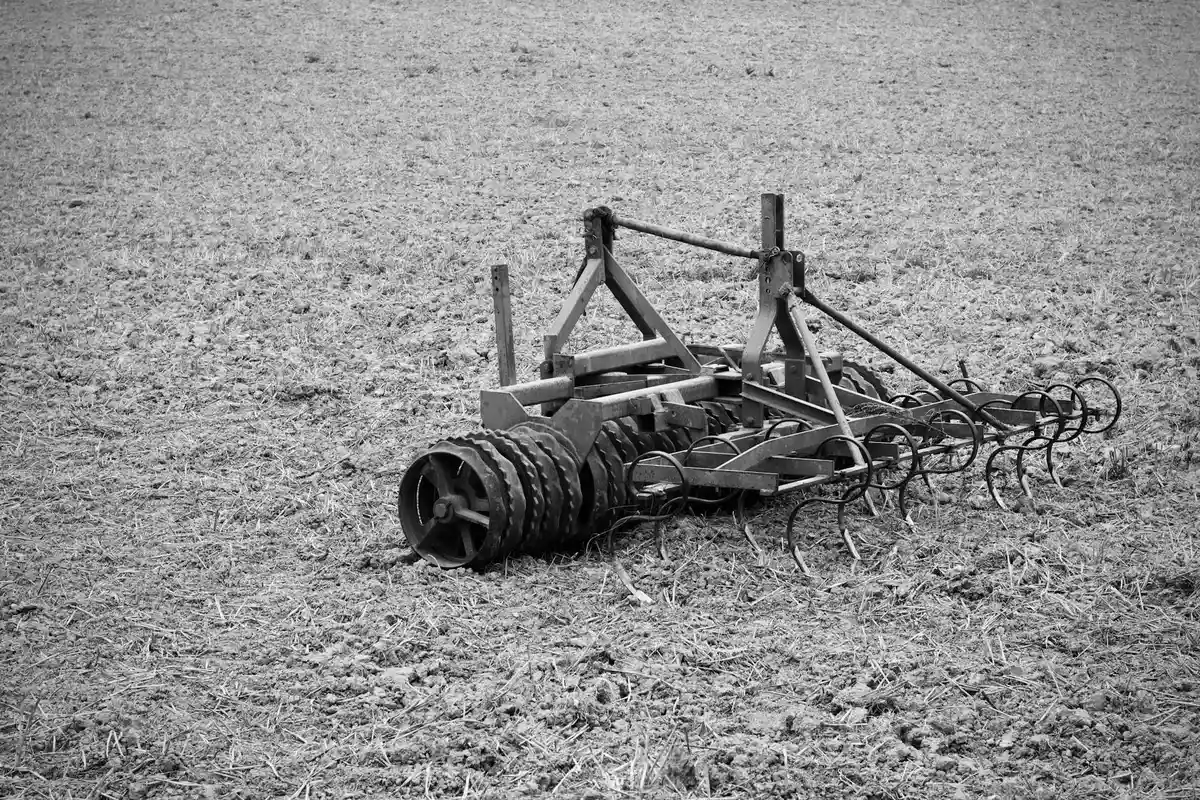
I’ve made some of these. Learn from my weekend errors so yours goes smoother.
Aerating at the Wrong Time
Timing isn’t just about the season; it’s about the soil’s condition that very day. Aerating when the ground is bone-dry is like trying to punch holes in concrete. The tines will just bounce. Aerating when it’s a soupy mud pit will create a gloopy mess and rip grass roots.
The sweet spot is moist soil, the day after a good watering or rain. It should give way easily but not stick to your shoes.
Raking Up the Plugs
It’s tempting to clean up those dirt worms. Resist. Those plugs are pure, mineral-rich soil from down below. As they break down, they act as a natural top-dressing, improving the soil layer right at the surface. Mow over them after a few days to speed things up.
Only Making One Pass
A single pass leaves too much untouched ground between holes. Your goal is about 15 to 20 holes per square foot. When you’re done, your lawn should have a dimpled texture, like a golf ball. If it doesn’t look thoroughly pockmarked, you didn’t make enough passes.
Using Spike Aerators Instead of Core Aerators
Those shoes with spikes or tools that just poke holes compress the soil sideways. They don’t remove a plug. This can actually make compaction worse around the hole.
Always use a core aerator that pulls out a plug of soil. That physical removal is what creates space for air, water, and roots.
Neglecting Post-Care
Aeration is an opening act, not the whole show. If you don’t follow up with fertilizer and proper watering, you’re missing the main point. The holes will close up within a few weeks. You have a short window to deliver benefits to the root zone. Don’t let it slam shut.
When This Guide Isn’t Enough: Calling in the Experts
Core aeration is a fantastic tool in our kit, and Max the mower sure appreciates a smoother ride. But sometimes, what you’re dealing with goes beyond what a standard rental machine and a weekend can handle. Sometimes you’re dealing with more stubborn turf issues. For those moments, our lawn aeration necessary guide outlines the signs and timing to know when aeration is truly needed.
Knowing when to bring in a professional isn’t admitting defeat; it’s about applying the right tool for the job.
Extreme, “Concrete-Like” Soil Compaction
You’ll know this type. The shovel barely dents it, water pools on top for hours, and the grass is thin and stressed. This isn’t just a few traffic paths; it’s the entire lawn feeling like a parking lot.
While a standard aerator pulls plugs, severely compacted soil might need a deeper, more aggressive approach called deep-tine or fracture-tine aeration. These professional machines penetrate much deeper, shattering the hardpan below the surface that a regular aerator can’t reach.
Major Drainage Issues Needing Grading or Subsurface Work
If you have areas where water consistently stands for a day or more after rain, aeration alone won’t fix it. This is often a grading or subsurface drainage problem.
Think of it like this: aeration helps a damp sponge absorb water better, but if your yard is shaped like a bowl, you’re still filling the bowl. Pros can assess the land’s slope and install solutions like French drains or regrade the soil to move water away from your house and lawn.
Large-Scale Lawn Renovation Projects
Planning a full lawn makeover? Aeration is a key step in a coordinated plan that often includes overseeding to boost germination and establish a thicker, healthier lawn. A professional service can efficiently combine aeration with other intensive work on the same visit.
- Power seeding or slit-seeding right after aeration for perfect seed-to-soil contact.
- Top-dressing with compost to dramatically improve soil structure in thin areas.
- Applying specialized liquid amendments or fertilizers directly into the aeration holes.
They have the heavy-duty equipment to do this quickly and uniformly over a large area, saving you weeks of piecemeal work.
Physical Limitations or Very Large Properties
Let’s be real. Maneuvering a heavy, self-propelled aerator up a hill or across an acre is hard work. If you have physical constraints or a yard so big that renting equipment becomes impractical, calling a pro is the smart move.
They show up with a truck, do the job in a fraction of the time, and haul the equipment away. Your back and your weekend will thank you.
Smart Lawn Keeping Means Using All Your Resources
I’ve learned a lot from my stubborn corner, Patch. Sometimes the best tactic is a new one. Calling in a certified lawn care company for these tougher jobs gets you expert diagnosis, commercial-grade equipment, and a guaranteed result.
It frees you up to focus on the regular maintenance that keeps a healthy lawn thriving, which is where you really get to enjoy the fruits of your labor.
Your Core Aeration Questions, Answered
What’s the real difference between core aeration and just poking holes?
Spiking or poking holes simply compacts soil sideways. True core aeration removes a plug of soil, creating genuine space for roots to expand and breathe, which is why it’s the only method I recommend.
Can core aeration actually fix my hard, compacted soil?
Absolutely. By physically removing those soil cores, it shatters compaction layers, turning your “concrete” lawn back into a soft, welcoming bed for deep, greedy roots.
What’s the best fertilizer to use right after I aerate?
Go for a slow-release granular or organic fertilizer. Those fresh holes will shuttle the nutrients deep, feeding the roots directly and building your soil’s health for the long haul.
How will I know if my lawn is screaming for aeration?
If water pools on the surface instead of soaking in, or your lawn feels hard and spongy underfoot, it’s time. Your grass is starving for air, water, and food it can’t reach.
How does aeration make my lawn better at handling water?
It turns your lawn from a water-repellent brick into a thirsty sponge. The holes let rain and irrigation soak in deeply to the roots, reducing wasteful runoff and creating a drought-resilient lawn.
Final Mow and Move
The core message is simple: let your soil breathe before you feed it. Plan to aerate in the fall or spring, then follow up with your fertilizer to make every granule count for a thicker, greener lawn.
Always choose lawn care inputs that are safe for pets and pollinators, because a healthy yard is part of a bigger ecosystem. Your next step is just to watch how your grass responds-that’s where the real learning happens.
Related Guides and Information
- Your Fertilizer Is Not Working? Here Is Why. |
- 7 Signs Your Lawn Fertilizer Isn’t Working-And How To Fix It
- Why Isn’t My Lawn Responding to Fertilizer?
- Fertilizer Application Mistakes: 7 Reasons It’s Not Delivering Results –
- 7 Signs Your Lawn Fertilizer Isn’t Working-And How To Fix It – AOL
Written by Ria Carrington. Ria is an avid lawn care enthusiast and advisor. No lawn is unsalvagable when Ria is at work. She has helped countless homeowners breath new life into their dying lawns. She has a B.Sc in Agriculture and brings practical advice combined with knowledge of plant science and her decade worth of hands on experience.