
Should You Fix Your Lawn Mower Yourself or Call a Pro?
Hearing that engine sputter or seeing it refuse to start can turn a simple lawn day into a frustrating puzzle. Let’s figure out if this is a quick fix for you or a job for someone with the right tools.
This guide will walk you through the clear signs you can handle repairs at home, the costly problems that demand a professional, and a honest cost-benefit check of your time versus your wallet.
I’ve kept my own mower, Max, running for five seasons by knowing when to grab my wrench and when to make the call.
At a Glance: Your Quick-Start Repair Guide
Let’s get straight to it. Most mower fixes are about simple maintenance you can handle in an afternoon. If you’re facing lawn mower problems, basic maintenance can fix them quickly. But some jobs need a pro’s touch. Here’s my rule of thumb from years with Max, my trusty zero-turn.
- You can probably DIY if: The mower won’t start, runs rough, has a dirty air filter, needs an oil change, or a simple blade sharpening.
- Call a pro if: You hear loud grinding or knocking from the engine, feel intense shaking through the handles (more than normal vibration), see smoke or oil leaks, or if the repair involves opening the engine block or transmission.
Before you touch a single bolt, always disconnect the spark plug wire. This is non-negotiable. It’s the one step that prevents the engine from accidentally starting and turning the blade while your hands are near it.
With safety first, gather these basic tools. You likely have most already.
- A basic socket and wrench set.
- Flat-head and Phillips screwdrivers.
- A sturdy pair of work gloves.
- A solid block of wood (to wedge the blade in place when removing it).
Max is going on five seasons strong because I handle the simple stuff myself and know when to hand him off to a specialist. It saves money and keeps him running right.
What’s That Noise? Diagnosing Common Mower Problems
Your mower talks to you. A sputter, a groan, a new rattle each tells a story. Here’s how to listen and what to do.
Mower Won’t Start
This is the most common headache. Work through these three checks in order.
- Check the fuel. Old gas is the number one culprit. If it’s been sitting over a month, drain it and put in fresh fuel. I think of old gas like stale bread, it just won’t work right.
- Check the spark plug. With the wire disconnected, remove the plug. Is it fouled with black gunk or cracked? A new plug is a cheap and easy fix. Just ensure the gap is set correctly.
- Check the battery (for electric start). Listen for a weak, slow cranking sound. A simple trickle charge might bring it back to life. If it’s more than a few years old, it might be time for a replacement.
Mower Runs Rough or Dies
If it starts but sounds sick or quits under load, you’re likely looking at an airflow or fuel delivery issue.
A clogged air filter chokes the engine. Pop off the cover and pull out the filter. If it’s foam, wash it with soapy water. If it’s paper, give it a few firm taps on a hard surface to knock the dust loose. If it’s soaked in oil or falling apart, replace it. It’s a five-minute job.
Next in line is the fuel filter, a small canister in the fuel line. If it looks dark inside or you’ve never changed it, swap it out. It’s like a coffee filter for your engine, and a clogged one starves it.
This is also the answer to the common question, “How do I fix my slow lawn mower?” A mower that lags and lacks power is usually begging for a clean air filter, fresh fuel, and a sharp blade.
Excessive Vibration or Strange Noises
This is your signal to pause. A little shaking is normal, but a new, intense shudder you can feel in your teeth is a red flag.
First, check for a bent blade. With the spark plug disconnected and the block of wood wedging the blade, try to spin it by hand. Look for any wobble or obvious damage. A bent blade is an easy DIY replacement.
If the blade is straight and true, the vibration is likely internal. A deep knocking, grinding, or screeching from the engine or deck is a complex mechanical problem. This is when you call a pro. Trying to fix a failed bearing or internal engine damage without the right tools and knowledge can turn a repair bill into a full machine replacement.
The Saturday Morning Fix: Simple DIY Repairs You Can Handle
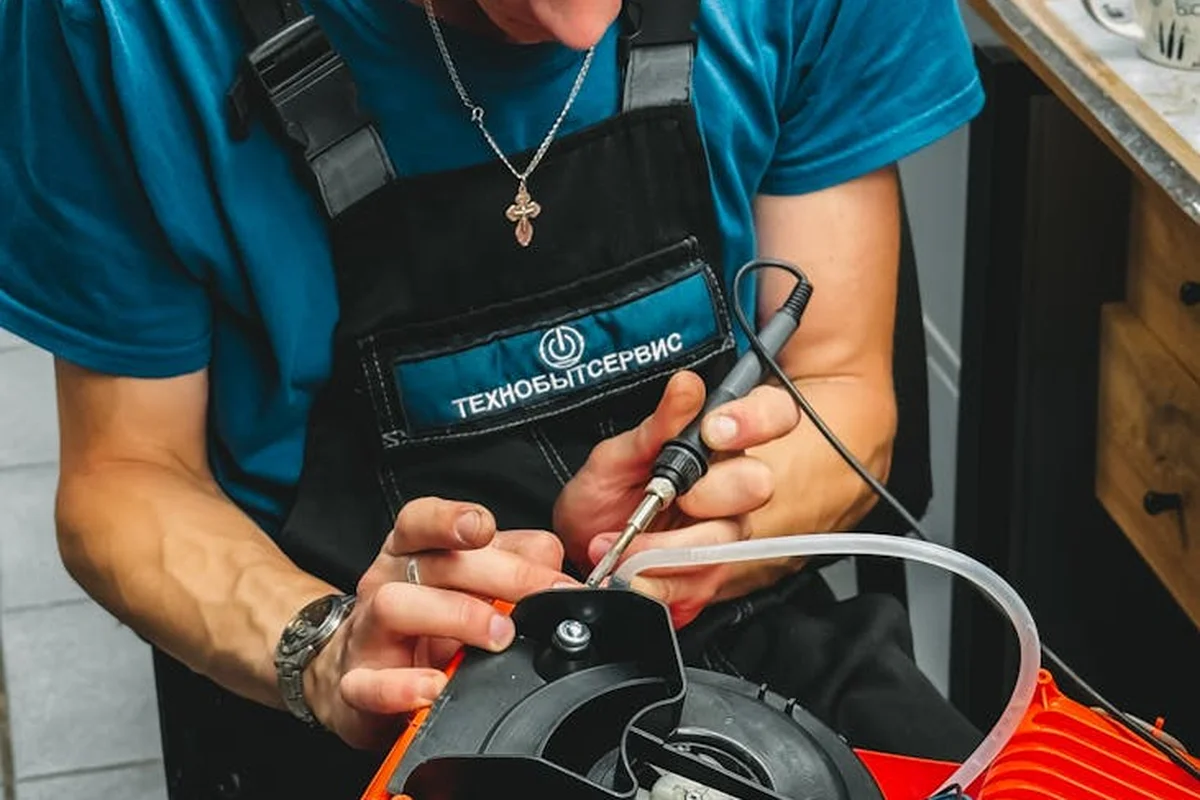
Every lawn mower, from a simple push model to my zero-turn Max, needs regular love to run right. Many fixes are simple and safe for a Saturday morning. A quick service tune up lawn mower can prevent most mid-season breakdowns. It’s a small investment that pays off in reliable starts and longer blade life. They keep your grass healthier and save you money.
Sharpen or Replace the Blade
A dull blade doesn’t cut grass. It tears and shreds it. Those ragged tips turn brown, stress the plant, and invite disease. A sharp blade gives a clean, green cut that heals fast. You can handle this with basic tools.
Always block the blade with a wedge of wood before you touch it. Safety glasses are non-negotiable.
- Disconnect the spark plug wire. This is your most important safety step.
- Tilt the mower carefully (with the air filter side up if it’s gas) and block the blade so it can’t spin.
- Use a socket wrench to remove the bolt holding the blade. It’s often on tight, so use a long wrench for leverage.
- Before you remove it, mark the blade’s orientation with chalk so you put it back the same way.
- Sharpen it with a file or grinder, keeping the original angle. A new blade costs about $20 and is often the smarter choice.
- Tighten the bolt back on firmly.
Replace the Spark Plug
A worn spark plug makes your mower hard to start and run rough. Compare an old plug to a new one. The electrode on the old one will be rounded and blackened. The new one will be sharp and clean. That wear means it’s time to change the lawn mower spark plug. Next, we’ll show you how to change it.
Most plugs need a specific “gap” between the electrodes. Use a gap tool, a cheap little metal card from any auto store. Slide the correct thickness between the electrodes and gently bend the top one until it just touches. It’s a satisfying, precise little job.
Clean or Replace the Air Filter
Your mower’s engine needs to breathe. A clogged filter chokes it, wasting fuel and power. Paper filters are common. Once they’re dirty, you replace them. Foam filters you can wash in soapy water, let dry completely, and then add a few drops of fresh oil before putting them back. It’s essential to clean your lawn mower’s air and fuel filters regularly to ensure optimal performance.
A clean air filter is the easiest engine maintenance you can do.
Pull the filter out. If you hold it up to the sun and can’t see light through it, it’s time for a change. It’s a five-minute swap.
Clean the Mower Deck
Grass clippings stick to the underside of the deck, especially when the grass is damp. This caked-on layer affects everything. It ruins airflow, which gives you an uneven cut. It holds moisture against the metal, causing rust. It’s a breeding ground for fungus that can spread to your lawn.
Think of it like not washing a blender after making a smoothie. After you mow, while the mower is cool, scrape it out with a putty knife or brush. Once a season, give it a proper scrub with a degreaser and hose.
Replace the Fuel Filter (If Accessible)
Many mowers have a small, clear filter in the fuel line between the gas tank and the engine. Its job is to catch gunk. Over years, it can turn dark brown and restrict fuel flow.
If you see one, this is usually a simple fix. Pinch the clamps on either side, slide them off, pull the old filter out, and push a new one in. Just make sure the fuel line arrows point toward the engine.
Hands Off the Wrenches: When to Call a Professional Technician
Knowing when to stop is just as important as knowing how to start. Some problems are safety hazards. Others are money pits for a DIYer. Calling a pro isn’t admitting defeat. It’s being smart with your time, your wallet, and your fingers.
The Sounds and Smells of Big Trouble
Listen to your mower. A steady knocking or rattling from inside the engine block is bad news. It often means internal parts are worn or broken.
Look at your oil. If you see tiny metal shavings glittering in it on the dipstick, that’s from internal wear. See blue or white smoke pouring from the exhaust? That’s often burning oil or coolant, signaling major seal or gasket failures.
These are internal engine failures. This is the technician’s domain, not yours.
Hydraulic and Electrical Gremlins
My zero-turn, Max, runs on hydraulic pumps and motors. If he starts leaking orange fluid or loses power to one drive wheel, I call my shop. Diagnosing and resealing these systems requires special tools and knowledge.
The same goes for electrical issues beyond a disconnected wire. If you’re chasing a short circuit that blows fuses, you can lose a whole weekend to frustration. A good tech has wiring diagrams and testers to find it in an hour.
The Time vs. Money Test
Be honest with yourself. If a repair needs $150 in special tools you’ll use once, plus a full weekend of your time, is it worth it? Compare that to the shop’s labor quote. Often, the pro is cheaper when you value your own time.
Is It Worth Repairing?
Use the simple 50% rule. If the repair estimate is more than half the value of your current mower, replacement is often the better financial choice. For an old, basic push mower, a $300 engine rebuild doesn’t make sense. For a newer rider like Max, a $500 repair to get five more years might.
What Does Professional Service Cost?
Prices vary by region and shop, but you can expect general ranges. A standard annual tune-up (sharpening the blade, changing the oil and filter, cleaning the air filter, checking spark plugs) often runs between $100 and $200.
Major repairs climb quickly. Replacing a carburetor might be $200-$400. Fixing a hydrostatic transmission or internal engine work can easily reach $500 to $1,000. Always get a written estimate first.
Non-Negotiable Safety Warnings
Two areas demand extreme caution. First, any repair involving springs under high tension, like those on drive belts or clutch assemblies. A spring that slips can launch with bone-breaking force.
Second, the fuel system. Never work on a fuel tank or carburetor near a spark, flame, or on a hot engine. Gasoline vapors are incredibly flammable. If you smell gas strongly or see a leak, that’s a sign to step back and call for help.
Finding a Trusted Pro: Your Local Repair Shop Guide

So, you’ve decided a pro is the right call. Good move. The next step is finding someone you can actually trust with your machine. This isn’t just about getting it fixed. It’s about finding a partner who will keep your mower running for seasons to come.
Start Local, Not Corporate
Skip the big-box store service counter for this search. Instead, walk into a local, independent hardware store or a dedicated garden center. The folks there live and breathe this stuff. They see the same repair shops in town every week, and they know who does honest, quality work. I’ve gotten my best recommendations from the guy behind the counter at my local hardware store who remembered I bought a specific brand of oil filter. That local knowledge is pure gold.
Look for the Authorization
Once you have a few names, check if they’re an authorized service center for your mower’s brand. This matters. Authorized shops have direct access to manufacturer parts and training. They know the quirks of your specific model. When my zero-turn, Max, needed a new spindle, I took him to an authorized Toro shop. They had the exact part in stock and knew the torque specs by heart. It was worth the peace of mind.
The Estimate is Non-Negotiable
A clear, written estimate before any work begins is the hallmark of a reputable shop. They should explain what they think is wrong, what parts are needed, and the labor cost. If a shop gives you a vague guess over the phone or says they’ll “just start digging in,” thank them for their time and hang up. You deserve to know what you’re paying for.
Do Your Digital Homework
Whether you’re searching for ‘lawn mower repair Chattanooga’ or ‘lawn mower repair Dayton Ohio,’ the same rules apply. Pull up the shop’s Google Business profile. Read the reviews, but pay more attention to the owner’s responses. Do they handle complaints professionally? Also, look at the photos. A clean, organized shop floor tells you a lot about how they’ll treat your equipment. Choosing a local lawn mower repair service puts you in touch with technicians who understand your area’s equipment quirks. A nearby provider often offers faster turnaround and clearer warranties, with the convenience of in-person support.
Is the Repair Worth It? Know Your Mower’s Age.
Before you agree to a major repair, like an engine overhaul, ask yourself a tough question: is the mower worth it? Think of engine hours like miles on a car. A typical residential walk-behind mower engine can last 500-1000 hours with good care. A heavier-duty zero-turn might go 1500+ hours. If your mower is near the end of its expected life and the repair bill is high, it might be time to start shopping. Investing in a major fix on a very old, worn-out machine is often like putting a new roof on a house with a crumbling foundation.
Your Lawn Mower Repair Questions, Answered
How do I choose between two highly-rated local repair shops?
Go visit them in person and trust your gut. The shop that’s clean, organized, and happy to give you a clear, written estimate is the one that will treat your mower right. If you want a quick baseline, a lawn mowing price estimator can show typical costs. You can compare estimates while still relying on the in-person service.
What questions should I ask when I call a shop for an estimate?
Always ask if they are an authorized service center for your mower’s brand and what their labor rate is. A confident, upfront answer means they’re transparent and trustworthy.
Does professional repair work come with a warranty?
A reputable shop will always warranty both their parts and labor, typically for 30 to 90 days. This is your guarantee that they stand behind their work to keep your grass greedy.
Is there a best or worst time of year to take my mower in for service?
The absolute worst time is the first warm Saturday of spring-everyone else has the same idea. Beat the rush by taking it in during late winter or right after the mowing season ends in the fall.
What exactly should I bring with me when I drop off my mower?
Bring the mower itself and your owner’s manual if you have it. The most helpful thing you can give the technician is a simple note describing the exact problem and any strange noises it makes. If your lawn mower won’t start, note whether it cranks, sputters, or clicks. This helps tailor the next troubleshooting steps you’ll review.
Your Mower, Your Choice: A Homeowner’s Take
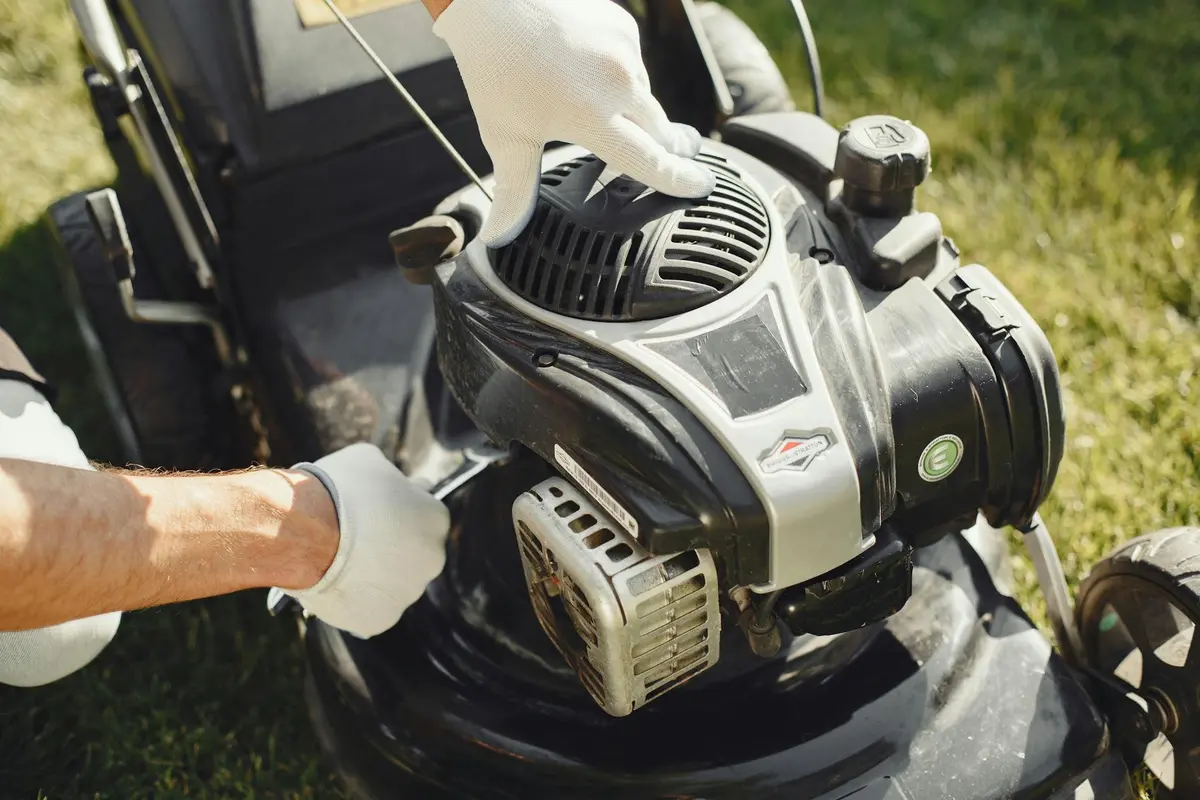
The clearest line I draw is between maintenance I can do with my basic tools and repairs that need a specialist’s bench. Keep your hands dirty with seasonal tune-ups and blade care, but respect the complexity of carburetors and transmissions by calling in a pro.
A well-kept mower, like my old Max, uses less fuel and oil, which is a quiet win for your yard and the environment. I figure out something new about lawn care each year, and you will too, just by paying attention to what your grass and your equipment tell you. That same mindful approach helps you achieve a healthy, beautiful lawn you can enjoy all season.
Sources and Additional Information
- Easy DIY lawn mower repairs | Sears
- Lawn Mower Repairs – YouTube
- How to Repair a Lawn Mower Engine. : 11 Steps (with Pictures) – Instructables
- 11 Simple Ways to Repair a Lawn Mower – wikiHow
- r/homeowners on Reddit: I fixed my lawnmower by myself
- DIY Repairs – Lawn Mowers + Maintenance – Pinterest
Written by Ria Carrington. Ria is an avid lawn care enthusiast and advisor. No lawn is unsalvagable when Ria is at work. She has helped countless homeowners breath new life into their dying lawns. She has a B.Sc in Agriculture and brings practical advice combined with knowledge of plant science and her decade worth of hands on experience.