
How Do You Overseed and Fertilize Your Lawn This Fall for a Lush Spring?
Is your lawn looking thin and tired after a long summer? A strategic fall plan can transform it into a thick, green carpet ready for spring.
We will cover finding the right timing for your grass type, preparing the soil without breaking your back, selecting cost-effective seed and fertilizer, and the straightforward watering and care to lock in results.
I’ve fine-tuned this process over years of weekend battles with my own yard, getting maximum green for my dollar.
At a Glance: Key Takeaways for Fall Overseeding and Fertilizing
Do this right in the fall, and your spring lawn will practically take care of itself. You get a thick, green carpet that crowds out weeds and bounces back from summer stress.
The single most important thing is timing your work to soil temperature, not a date on the calendar.
Think of it as a one-two punch for your grass. Overseeding fills in all the thin and bare spots. The right fall fertilizer tells your grass to grow deep roots, not just top leaves.
This isn’t a summer-long project. You’re looking at a focused effort over a few key weekends. The payoff lasts for seasons.
Why Fall is Your Lawn’s Best Friend
Spring gets all the glory, but fall does all the hard work. Your lawn knows this. As nights get cooler, cool-season grasses like fescue, rye, and bluegrass wake up from their summer slump. They want to grow.
In fall, the soil is still warm from summer, but the air is cool. This is the perfect recipe for seed germination and root growth. Weeds like crabgrass are winding down and dying. The milder sun and more reliable rain (or from my friend, Sunny, the irrigation) mean new seedlings won’t get baked or dried out in a day.
Compare this to spring. You’re fighting a tidal wave of weed seeds, and just as your new grass gets going, the summer heat hits it. Fall gives your grass months of gentle, strong growth before it has to face a real challenge.
The Sweet Spot: When to Start Your Fall Lawn Care
Forget Labor Day as a strict deadline. Your real guide is a soil thermometer. You can get one for a few dollars at any garden store.
For cool-season grasses, aim to sow seed when your soil temperature is consistently between 50 and 65 degrees Fahrenheit. At this range, seeds germinate quickly, and young grass develops strong roots before the ground freezes.
How do you check? Push the thermometer into the soil in a few spots first thing in the morning. Take the reading about 2 inches deep. I start checking mine in early September.
Timing looks different depending on where you live. In a place like North Carolina, you might be overseeing from late September into October. Up in Ontario, you’d want to be done by mid-September. The goal is to have your new grass mowed at least 2 or 3 times before the first hard frost.
Apply your fall fertilizer about 6 to 8 weeks after you put the seed down. This gives the seedlings time to establish, then feeds them for that final, crucial root-building push.
Does Your Lawn Even Need This? A Simple Check
Not every lawn needs a full overhaul. Walk your property and look closely. Do you see more soil than grass in some spots? Are there thin areas where weeds easily pop up? I have a spot I call “Patch” that reminds me every year.
Try this quick test. Find a thin area, grab a small handful of grass blades, and give a gentle, upward tug. If a clump of grass pulls out easily with little to no soil attached, you have a root problem that overseeding can help fix. Healthy grass should grip the soil firmly.
Even a lawn that looks okay can benefit. Overseeding is how you keep it thick and competitive. A dense lawn is your best, natural defense against weeds and disease. It’s like giving your turf a yearly booster shot. If you’re seeing bare ground or your grass fails the tug test, it’s time to act.
Gathering Your Gear: What You’ll Need

Think of this less like a shopping trip and more like gathering tools for a weekend project. You probably own most of this already.
Choosing the Right Seed: Match Your Lawn’s Personality
First, know your grass. Is your lawn mostly cool-season grasses like Kentucky Bluegrass or Tall Fescue? Or is it warm-season like Bermuda or Zoysia? You need to match it. Overseeding a warm-season lawn with cool-season seed is a recipe for a brown, dead patch come summer.
For most home lawns, I look for a durable blend. A mix of Tall Fescue and a little Kentucky Bluegrass handles foot traffic well and looks great. If you have trees, get a blend with fine fescues, which are more shade-tolerant. That’s what finally worked for my problem area, Patch.
Buy seed based on the square footage of your lawn, not just the lowest price on the bag. A cheap bag full of filler seed and weed seeds costs you more in the long run. Consider the different grass seed types and blends that best fit your climate and sun exposure. This helps ensure a healthy, uniform lawn season after season.
Picking the Perfect Fall Fertilizer
Look at the three numbers on the bag, like 24-0-10. These are Nitrogen (N), Phosphorus (P), and Potassium (K). For fall, you want a “winterizer” formula. That means a higher last number (Potassium). Potassium strengthens grass roots for the cold months ahead.
Nitrogen feeds the grass. Slow-release nitrogen is your friend. It feeds the lawn steadily over weeks, unlike fast-release that can cause a flush of weak growth. I look for fertilizers where at least half the nitrogen is slow-release.
Always check the label for pet-safe and pollinator-friendly claims, and opt for fertilizers without added weed killers during an overseeding project. You want to feed the new grass, not risk harming it.
Tools of the Trade: From Max to Your Watering Can
Here’s your checklist. You don’t need the pro-grade stuff.
- Mower: Good old Max. You’ll need him to cut the grass short first.
- Rake: A sturdy leaf rake to clear debris and scratch up bare spots.
- Seed Spreader: A simple broadcast or drop spreader makes life easy.
- Core Aerator: For lawns bigger than a postage stamp, rent one for an afternoon. It’s worth every penny.
- Watering Tool: This is Sunny’s time to shine. A hose with a gentle sprinkler or your irrigation system is perfect.
An optional but helpful tool is a soil thermometer. Sticking it in the ground tells you when soil temps are ideal for seeding (around 50-65°F for cool-season grass).
The Step-by-Step Guide to Overseeding and Fertilizing
This is your game plan. You can tackle it over a Saturday and Sunday.
Step 1: Prep Your Canvas – Mow and Clean Up
Start by mowing your lawn shorter than usual, down to about 2 inches. This lets sunlight and seed reach the soil. Bag the clippings or rake them up.
Clear away every leaf, stick, and toy left on the lawn. Anything left behind will smother your new seed and create a bald spot. This simple cleanup is the most important first step for fall lawn care.
Step 2: Open the Soil – The Power of Aeration
If your soil is hard or compacted, seed will just sit on top and struggle. Aeration fixes that. A core aerator pulls out small plugs of soil, creating holes.
These holes are perfect for seed, water, and fertilizer to get down to the roots. Think of it like loosening a kitchen sponge that’s been squeezed tight. Now it can actually absorb water again. Go over your lawn once, then go over it again in a different direction for good coverage.
Step 3: Spread the Seed – Even Coverage is Key
Check your seed bag for the rate, usually in pounds per 1,000 square feet. Measure your lawn’s area (length x width) to figure out how much you need for optimal grass seed application rates.
Load your spreader and set it to the recommended setting. Walk at a steady pace in straight lines, like mowing. For the best coverage, split your seed in half and spread one half walking north-south, and the other half walking east-west. This cross-hatch pattern misses fewer spots.
Step 4: Feed the Future – Applying Fall Fertilizer
You can fertilize right after spreading the seed. Use your spreader again, following the bag’s settings for your lawn size.
Water the lawn lightly immediately after applying the fertilizer. This washes the granules off the grass blades and activates them, but it should be a gentle sprinkle so you don’t wash the seed into piles.
Step 5: The Drink of Life – Watering Your New Lawn
This step cannot be skipped. The new seed must stay constantly moist to sprout.
For the first two weeks, water lightly 2 to 3 times a day. You just want to dampen the top half-inch of soil. Think of a morning dew, not a thunderstorm. If you get a good rain, you can skip a session. If it’s unusually hot and windy, you may need to water a little more. The goal is to never let the seeded area dry out completely.
Step 6: The Gentle Touch – Post-Seeding Care
Be patient. Wait to mow until the new grass blades are about 3 inches tall. Set your mower high for that first cut. For best results, follow proper lawn mowing techniques.
Keep pets and foot traffic off the area for at least 3 weeks. Those tiny new roots are fragile. If the new grass is growing well by late fall, a light application of a winterizer fertilizer can give it one last boost before winter dormancy.
Common Pitfalls and How to Dodge Them

Everyone makes a misstep now and then. I know I have. The trick is to see these not as failures, but as the best way to learn what your lawn truly needs. Let’s walk through the most common oversights so your fall project stays on track.
Mistake 1: Seeding Too Early or Too Late
Timing is everything. Seed too early in late summer, and the soil is still too warm. The new grass germinates only to get cooked by a late heatwave. Seed too late, and those baby seedlings won’t have the root strength to survive their first hard frost.
The fix is simple: ignore the calendar date and trust your soil temperature. That 50-65°F window is the sweet spot. I keep a cheap soil thermometer in my garage. Poke it into the ground in a few spots in the morning for a true reading. Think of it like testing bath water for a baby-you want it just right.
Mistake 2: Skimping on Water
This is the big one. Grass seed is not a “set it and forget it” project. Those tiny seeds need consistent moisture to sprout. Let them dry out just once during the first two weeks, and you can kiss that germination goodbye.
I learned this the hard way with “Patch,” my problem corner. I got busy, forgot to set “Sunny” my drip system on a timer, and we had a breezy, sunny day. Came home to a bone-dry patch of dirt where seeds should have been swelling. Total loss.
Your best defense is a simple system you don’t have to remember. Set phone alarms, use a hose timer, or better yet, put “Sunny” on a schedule. The goal is light, frequent watering to keep the top inch of soil damp like a wrung-out sponge.
Mistake 3: Using the Wrong Fertilizer
Grabbing any bag of fertilizer from the shelf is a recipe for disappointment. A high-nitrogen “spring & summer” blend applied in the fall is a classic error. That nitrogen pushes rapid green leaf growth, which is the last thing you want as winter approaches.
Think of it like this: a fall lawn is building its winter pantry underground, not throwing a party up top.
You want a fall-specific fertilizer, often called “winterizer,” that’s higher in potassium (the third number on the bag). Potassium strengthens cell walls, builds deep roots, and improves overall stress tolerance for the cold months ahead. It’s the difference between a plant that survives winter and one that thrives through it.
Mistake 4: Forgetting About Weed Control
Here’s the tricky part. You want to prevent winter annual weeds like poa annua, but most standard pre-emergent herbicides (like prodiamine or dithiopyr) will also prevent your new grass seed from germinating. It creates a real conflict.
My general rule is this: if you are overseeding heavily to repair your lawn, skip the standard pre-emergent in the fall. Focus on growing thick grass, which is the best long-term weed control.
If you have a severe weed history and must use a pre-emergent, the only seed-safe option I use is mesotrione (sold as Tenacity). It gives new grass a fighting chance by suppressing weeds without blocking your chosen seed. It’s a specialized tool, not a cure-all, but it solves this specific fall dilemma.
Mistake 5: Walking on the Lawn Too Soon
New seeds are barely anchored. Tiny seedlings are incredibly fragile. Walking, playing, or letting pets run across the seeded area can press seeds too deep, displace them, or snap the young shoots.
I give a seeded area a solid 3-4 weeks of no traffic after seeding, until I’ve done the second mow on the new grass. The first mow of the newly seeded lawn should come once the blades are tall enough, and I trim only lightly to avoid stressing the young grass.
A visual reminder works wonders. I use a few cheap garden flags or some string and stakes to mark the area. It tells my family, the dog, and even me to take the long way around. Protecting that young grass is a short-term sacrifice for a long-term, lush lawn.
Your Fall Overseeding Questions, Answered (The Greedy Grass Way)
What’s the real cost if I hire someone to overseed my lawn in North Carolina?
Professional overseeding here typically runs $90-$180 per 1,000 square feet, including seed, labor, and aeration. Doing it yourself cuts that cost by more than half, putting your money into premium seed and fertilizer instead.
Is there a specific nighttime temperature I should watch for when overseeding?
Absolutely. Consistently cool nights between 50-65°F are perfect, as they signal the grass to focus energy on root growth. If nights are still consistently above 70°F, hold off-your seed thinks it’s still summer party time.
How do I adjust the watering schedule once the new grass sprouts?
Once you see a green fuzz, switch from light, frequent watering to deeper, less frequent soaks to encourage roots to chase moisture down. Watering 1-2 times per week, applying about an inch of water each time, builds a drought-tolerant, greedy root system.
I live in Ontario. Do I need to change any steps because our fall is shorter?
Yes-your timeline is compressed, so skip any steps you can’t get to and focus on the core trio: aeration, seeding, and relentless watering. The most critical adjustment is seeding by early September to guarantee those 2-3 mows before the first hard frost.
Can I mix different grass seeds when overseeding, or is that a mistake?
Stick with a quality blend designed to work together, not a random mix you create. The right blend, like a Tall Fescue/Kentucky Bluegrass mix, ensures uniform color and growth habit, so your lawn looks thick and cohesive, not patchy.
Putting It All Together for a Greener Tomorrow
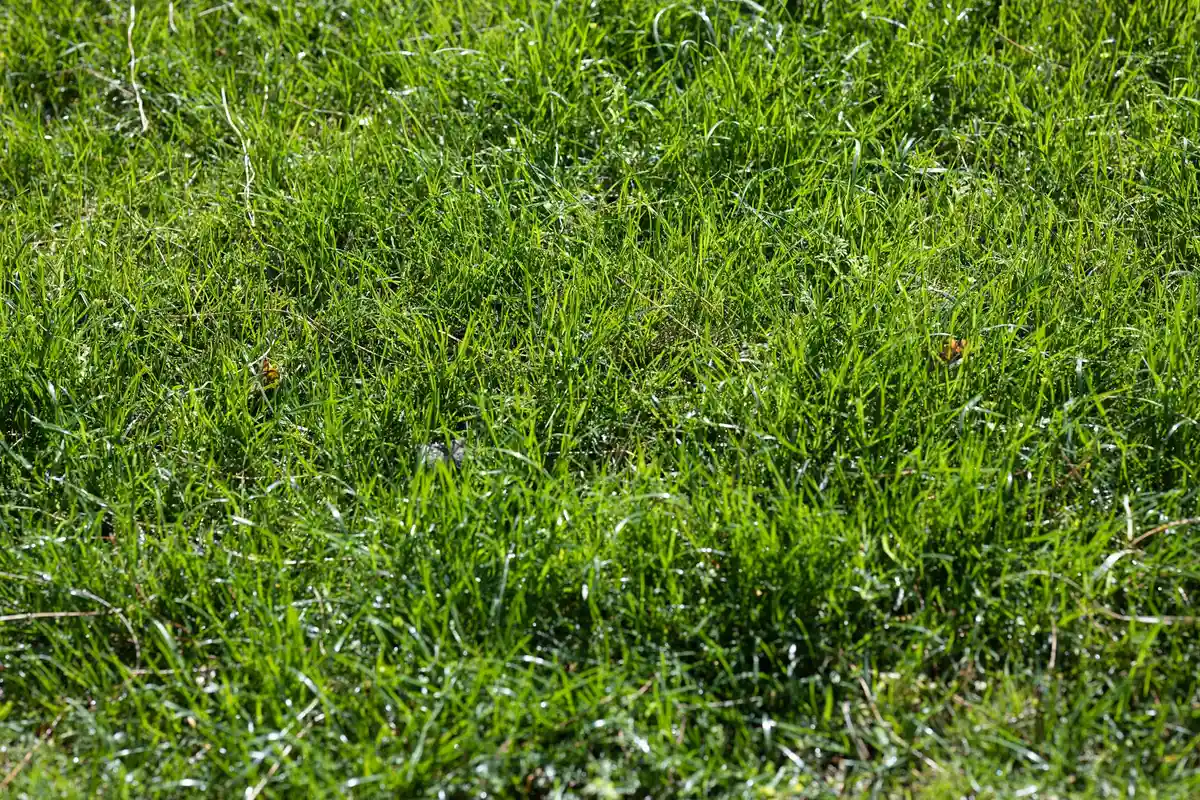
The single most important thing you can do is get your seed down while the soil is still warm, and then keep it consistently damp until it sprouts. Nail that timing and aftercare, and you’ve already won most of the battle for a thicker lawn.
As you move forward, remember that a healthy lawn starts with responsible choices. I always reach for pet-safe fertilizers and avoid harsh chemicals, because a beautiful yard should be a safe place for everyone, including the bees and butterflies. Your lawn, from the thriving areas to stubborn spots like my Patch, is your best teacher if you take the time to watch and learn from it each season.
Related Guides and Information
- Things to Never Do to Your Lawn in Fall | Milorganite
- Fall Fertilizer Program – After overseeding?! | Lawn Care Forum
- r/lawncare on Reddit: What fertilizer to use in the fall for overseeding?
Written by Ria Carrington. Ria is an avid lawn care enthusiast and advisor. No lawn is unsalvagable when Ria is at work. She has helped countless homeowners breath new life into their dying lawns. She has a B.Sc in Agriculture and brings practical advice combined with knowledge of plant science and her decade worth of hands on experience.