
How Do You Mow Your Lawn Without Risking a Mishap?
That first pull of the cord feels routine, but a moment’s distraction can turn a simple Saturday chore into a real problem. I want to help you mow with confidence, not concern.
This guide will walk you through the practical steps I use every time, covering gearing up correctly, doing a quick pre-mow check, handling hills safely, and the right way to finish up.
I’ve put these habits to the test over countless hours on my mower, Max, keeping my weekends productive and safe.
At a Glance: Key Safety Takeaways
Before you even think about pulling the starter cord, get these rules in your head. They are not suggestions. They are the simple, non-negotiable foundation that keeps you and everyone around you safe.
- Clear the area of every single stick, toy, and stone. A mower blade can turn anything into a dangerous projectile.
- Never, ever mow wet grass. It’s slippery for you, clogs the mower, and makes the blade throw water and debris unpredictably.
- Wear proper footwear. Sturdy, closed-toe shoes with a good grip are your best defense against slips and blade contact.
- Keep all kids and pets completely indoors and away from the mowing area. No exceptions, no “they’ll stay on the porch.”
- Always turn off the mower and wait for all moving parts to stop before unclogging the deck or performing any check.
Treat these five rules like the law of your lawn, and you’ve already won most of the safety battle.
Gear Up and Prep Your Space: The Safety Foundation
Safety starts before the engine roars. It’s in what you put on and what you do to your yard. Think of this as your pre-game ritual.
Dress for the job, not for the couch. I learned this the hard way years ago when a tiny piece of gravel ricocheted off my shin. Your basic safety armor is simple:
- Sturdy shoes or boots. No sandals, no old sneakers with holes.
- Long pants. Denim or canvas protects your legs from flying debris and itchy grass.
- Safety glasses. They cost a few dollars and save your eyesight from hidden twigs or dust.
- Hearing protection. My mower, Max, is a dependable beast, but he’s loud. A simple pair of earmuffs makes a world of difference after 30 minutes.
Next, you need to walk your lawn. I mean really walk it, slowly, looking at every square foot. You’re hunting for hazards. Pick up every dog bone, toy car, and stray stick. Feel for hidden holes or ruts left from winter that could catch a mower wheel and send you lurching forward.
This five-minute walk is the single most effective thing you can do to prevent a disaster.
Timing matters too. Mowing in the late afternoon, after the morning dew has dried but before the evening light gets low, is your sweet spot. You get a dry, stable surface and full visibility. Finally, this isn’t a family activity. Kids and pets are curious and fast. The rule is simple: they are inside, or they are in a fenced area well away from where you are working. No debates.
What Should You Check on Your Mower Before You Start?
Your mower is a tool, and a sharp, well-maintained tool is a safer tool. Give it a quick once-over every time. Here’s my pre-start checklist that I run through with old Max:
- Check the fuel in a well-ventilated area, away from your house or any spark. If you need to refuel, let the engine cool completely first.
- Inspect the blade. Is it securely fastened? Is it sharp and undamaged? A dull blade tears grass, inviting disease, and requires more power to spin, stressing the engine.
- Clear the mower deck of any packed-in grass clippings or mud. A clean deck gives a better, safer cut and prevents rust.
- Know your machine’s safety features. This is where the manual is your friend. Locate the engine kill switch. Find the lever that safely disengages the blade drive. You don’t want to be searching for these in a moment of urgency.
A two-minute check can prevent a thrown blade, a fire hazard, or a frustrating breakdown halfway through the job. It’s a habit that pays off every single time you mow.
Safe Operation for Your Mower Type
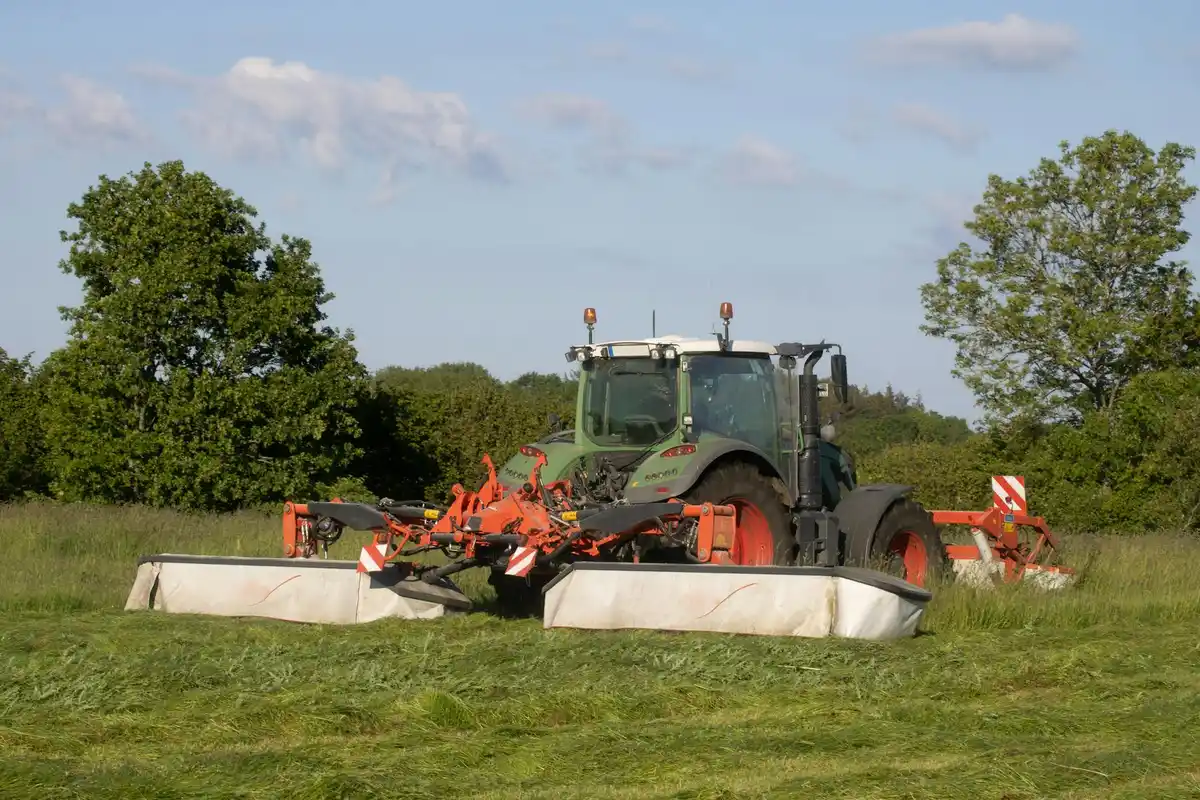
You wouldn’t drive a sports car and a pickup truck the same way. Your mower needs the same thoughtful approach. The risks change with the machine, whether it’s a riding mower or a push mower, so let’s break it down.
Push Mower & Walk-Behind Safety
This is where most of us start. That simple machine still demands respect. Your biggest enemy here is gravity on a slope.
Always mow across a slope, never straight up or down. Going up, you risk the mower rolling back onto you. Going down, you could lose footing and pull the mower over your feet. Side-to-side cuts keep you stable, despite some myths about mowing techniques.
Use the “push, don’t pull” technique. When you need to change direction, walk the mower around in an arc in the direction the blades rotate. Never pull it backward toward your feet. Your toes are no match for that spinning blade.
I know the discharge chute or safety guard can seem like a nuisance, especially when bagging. Never remove it. That guard is there to stop rocks, sticks, and other debris from becoming dangerous projectiles.
Riding Mower & Tractor Safety
You feel king of the hill on a riding mower. But hills are where these machines can betray you. That high center of gravity is a tipping hazard.
If a slope looks steep enough to make you nervous, it probably is. A good rule is to avoid any incline where you feel like you might slide off the seat. If you must mow it, go straight up and down the slope, never across. Mowing across a steep hill with a rider is asking for a rollover. Regular maintenance for sloped yards matters—check blade sharpness, tire pressure, and fuel levels. A well-tuned mower is safer to use on inclines.
Safe starts and stops are critical. Always set the parking brake before you get off. Always turn the engine off. I make it a ritual: brake, neutral, off, key out. Only then do I swing my leg over.
And please, no passengers. There is no safe seat for a friend or child. The operator zone is for one person only.
Zero-Turn Mower Safety (A Note from Max)
My guy Max is a beast. He’s fast and agile, but that agility comes with a learning curve. Those pivoting front wheels are fantastic for trimming but unstable on slopes.
A zero-turn can tip over on what seems like a gentle bump. The front wheels can dip or catch, pivoting the whole unit. Treat every slope with extreme caution, and if in doubt, use a walk-behind for that section.
When you’re new to a zero-turn, practice turns in an open area. Use slow, controlled movements on the lap bars. Jerky motions can spin the mower or throw you from the seat. Getting familiar with zero-turn mower features—like lap-bar steering and deck-height adjustments—will help you apply these tips safely. Understanding how these features work makes practice smoother and safer.
Keep everything inside the frame. Hands on the lap bars, feet flat on the floorboard. It’s tempting to stick a foot out to “feel” the edge, but that’s a good way to run over your own foot or catch it on something.
Common Lawn Mowing Mistakes (and How to Avoid Them)
We all get tempted to cut corners. I’ve done it. But these shortcuts often lead to a worse lawn or a trip to the clinic. Let’s fix these common errors.
Mowing wet grass is a triple threat. First, wet blades tear instead of cut, leaving a ragged, brown tip. Second, the clumps it leaves can smother the grass underneath. Third, a wet deck is a clogged deck, and wet grass on your shoes is like walking on ice. This is why it’s important to understand the risks and precautions when mowing wet grass.
Rushing the job makes you miss things. You might not see that dog toy, a fallen branch, or a patch of poison ivy. A hurried cut is often an uneven cut. Fatigue sets in faster, and tired operators make mistakes. Put on some music, set a steady pace, and give the job the focus it needs.
Improper hill mowing is a a top cause of accidents. To recap: with a walk-behind, mow across the slope. With a rider, go straight up and down. With a zero-turn, seriously consider if you should be mowing that hill at all.
When you hear a strange noise or see grass stop flowing, your mower is clogged. The rule here is absolute. Turn the mower off. Wait for all motion to stop. Then, disconnect the spark plug wire. Now you can safely clear the chute with a stick or your hands. This one step prevents devastating injuries.
Gasoline is dangerous. Never add fuel to a hot engine or a mower that’s just been running. The heat from the engine block or muffler can ignite fumes. Always fuel up outside, away from your garage, water heater, or any potential spark. Let the mower cool down first.
Tools You’ll Need for Safe Mowing and Maintenance
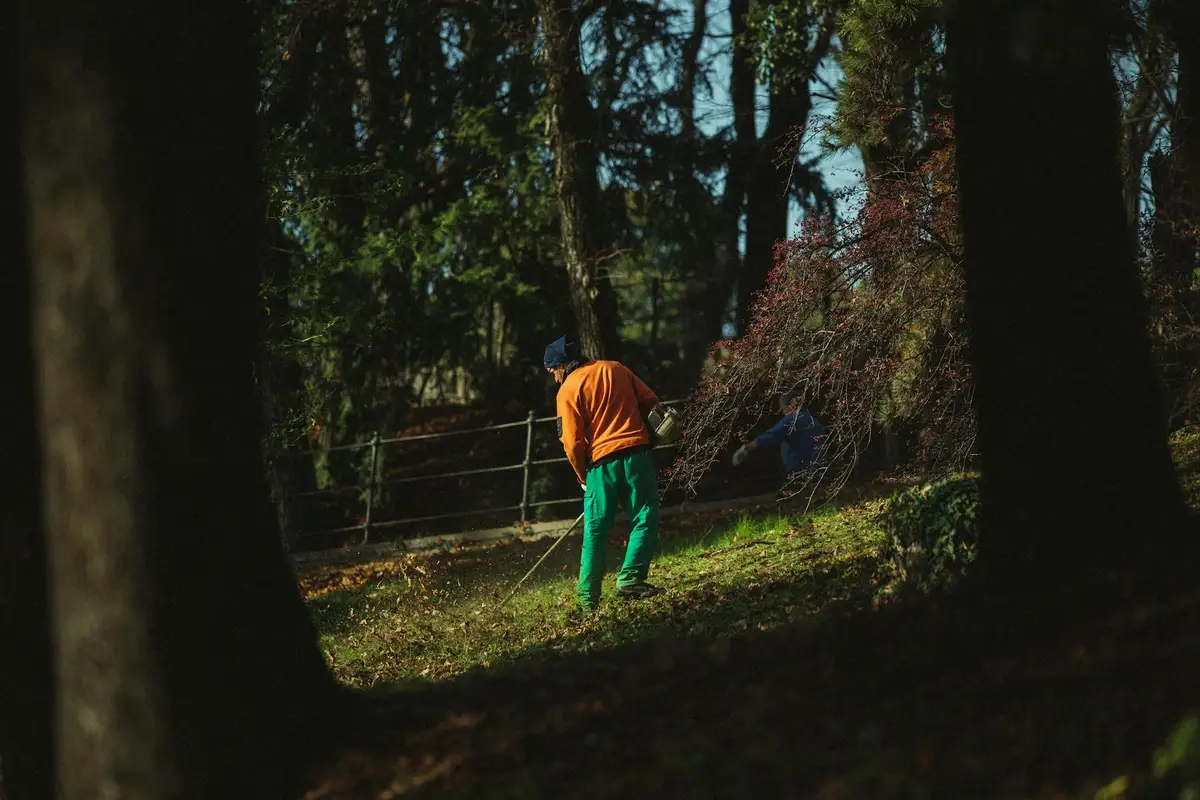
Think of your mowing gear like a uniform for the job. You wouldn’t cut down a tree in flip-flops and sunglasses. Your lawn deserves the same respect for your safety and its health.
Dressing right is the first, simplest line of defense. Good maintenance keeps your machine predictable and reliable. Here’s the straightforward kit I always use before I even think about starting Max up.
Your Personal Safety Gear (The Non-Negotiable Uniform)
This isn’t about looking professional. It’s about finishing the job with all your fingers, toes, and hearing intact. I treat putting these on like buckling a seatbelt.
- Safety Glasses: A stray pebble, a snapped piece of twig, or a clump of dry thatch can rocket out from under the deck. Regular sunglasses can shatter. Proper wrap-around safety glasses stop debris that could cost you an eye.
- Hearing Protection (Muffs or Plugs): Your mower is loud. A typical riding mower runs at about 85-90 decibels. That’s enough to cause hearing damage over time. I use earmuffs because they’re easy to slip on and off when I need to listen for something.
- Sturdy Leather Gloves: These are for handling the machine, not necessarily for mowing. When you check the blade, clean the deck, or refuel, gloves protect your hands from sharp edges, hot metal, and pinches. The leather gives you a solid grip, too.
- Sturdy, Closed-Toe Boots with Good Tread: I’ve learned this the hard way. Athletic shoes slip on damp grass. Sandals are an invitation for disaster. A pair of work boots with a non-slip sole keeps you firmly planted, especially on slopes, and protects your feet if you need to nudge something or if the mower rolls back.
Basic Maintenance Tools (Your Pre-Flight Checklist)
Keeping your mower in good shape is a safety practice. A well-maintained machine behaves predictably. A neglected one can buck, stall, or throw a blade. These tools live in my garage, right next to Max.
- Socket Wrench Set (for blade removal): You need to check and sharpen your blade often. A dull blade tears grass, leaving a ragged, brown tip that invites disease. A socket wrench that fits your mower’s blade bolt is the key to doing this job easily and safely.
- Blade Balancer or a Simple Nail: After sharpening, a blade must be balanced. An unbalanced blade causes violent vibration that shakes bolts loose and wears out the mower spindle. A cheap cone balancer or even just hanging the blade on a nail through its center hole will show you which side is heavier.
- A Sturdy Jack or Pair of Ramps: Never just tip your mower on its side, especially if it’s a riding mower or has a liquid-cooled engine. Oil and fuel can go where they shouldn’t. A good jack or ramps let you safely lift the front or side to inspect the underside, clean the deck, and service the blade.
- Fuel Stabilizer: This is for long-term safety. Gas left in the tank over the off-season breaks down into a gummy varnish that clogs your carburetor. Adding a stabilizer to your last tank of the season prevents frustrating and potentially dangerous starting problems when spring arrives. It’s a five-minute task that saves hours of repair headaches.
Your Lawn Mowing Safety Questions, Answered
What’s the safest way to handle a surprise rock or stick while I’m mowing?
If you hear that awful “clunk,” immediately release the blade control and shut off the engine. Let everything come to a complete stop before you even think about investigating-your blade is a hungry beast, and you are not its snack.
How should I store my gasoline and oil to keep my shed safe?
Always use approved, clearly labeled containers and store them in a cool, well-ventilated shed, away from your water heater or any spark source. This keeps volatile fumes contained and prevents a greedy fire from wanting your whole garage.
Can my kids “help” with lawn care in any safe way?
Absolutely, but only after the mower is off, cool, and put away. Give them the important job of the final walk-behind debris pickup with you-it teaches responsibility and keeps them safely engaged while you supervise.
What’s the biggest risk with an electric mower that gas mower users don’t have?
That power cord is a tripping and cutting hazard. Develop a mowing pattern that always keeps the cord behind you and leading back to the outlet, so you never have to mow over it or risk slicing through the line.
Why is cleaning my mower after use considered a safety step?
A clean mower deck prevents rust and corrosion that can weaken metal, and it stops dried grass from becoming a fire hazard next to a hot engine. A little post-mow TLC keeps your machine predictable and reliable for next time.
Staying Safe for Many Summers to Come
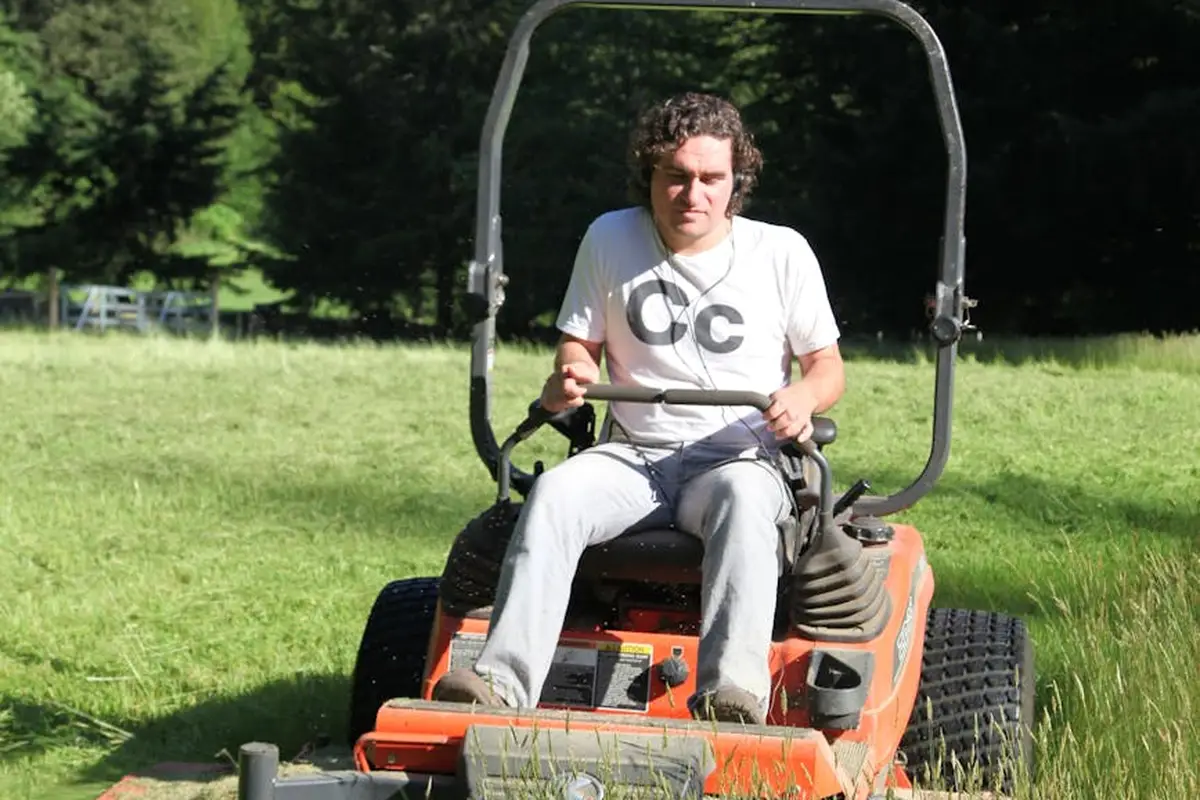
If you remember one thing, let it be this: always take two minutes for a slow walk around your yard before you even turn the key. That simple habit prevents the vast majority of mower mishaps. Pair it with sturdy shoes and sharp blades, and you’re building a safety routine that becomes second nature. If you ever run into a mower that won’t start, a quick troubleshooting checklist can help you pinpoint the issue. The same careful routine keeps you safer while you troubleshoot.
Being a good lawn steward means keeping yourself, your family, and the little critters in your grass out of harm’s way. The best care comes from a place of respect for your tools and your patch of earth, so keep asking questions, share a tip with a neighbor, and enjoy the time spent outside.
Relevant Resources for Further Exploration
- Lawn Mower Safety – OrthoInfo – AAOS
- Lawn Mower Safety: Information for Families – HealthyChildren.org
- Lawn Mower Safety Tips
- Lawn mower safety tips | Stead Family Children’s Hospital
- Prioritize lawnmower safety as spring approaches > Air Force Safety Center > Article Display
Written by Ria Carrington. Ria is an avid lawn care enthusiast and advisor. No lawn is unsalvagable when Ria is at work. She has helped countless homeowners breath new life into their dying lawns. She has a B.Sc in Agriculture and brings practical advice combined with knowledge of plant science and her decade worth of hands on experience.