
What’s the Best Summer Fertilization and Seeding Plan for Your Lawn?
Seeing your grass struggle in the July sun is frustrating, but a thick, green lawn is still within reach this season.
This guide walks you through a smart, effective summer routine, covering choosing the right fertilizer, timing your seeding perfectly, watering without waste, and protecting pets and pollinators.
I’ve learned this balance through seasons of trial and error with my own lawn, saving cash while getting results you can see and feel.
At a Glance: Your Summer Lawn Game Plan
Summer lawn care is more about smart defense than aggressive offense. Your goal is to keep your grass healthy enough to survive the heat, not force it to grow like it’s spring. Think of it as keeping your lawn comfortable, not trying to make it run a marathon.
Here are your core summer principles.
- The best time to fertilize in summer is either very early or very late in the season, depending entirely on your grass type. Feeding at the wrong time can burn your lawn or feed weeds instead.
- Seeding a lawn in the peak heat of summer is a battle you will likely lose. It’s often better to focus on protecting what you have and planning a major seeding project for early fall.
- Your summer fertilizer should be gentle and slow-release. Look for products with lower nitrogen numbers and that feed the grass over 6-8 weeks to avoid a surge of tender growth that the sun will scorch.
- Pet-safe and pollinator-friendly practices aren’t just nice ideas, they are part of a healthy lawn strategy. Avoiding harsh synthetic “weed and feed” products in summer protects the soil life your grass needs and keeps your family safe.
The Summer Lawn Effect: What the Heat Really Does
Your lawn isn’t just getting a tan. Summer heat, drought, and extra foot traffic put it under serious stress. It reacts by slowing down to conserve energy, much like you’d slow your pace on a sweltering hike. But cool-season and warm-season grasses handle this stress in opposite ways.
Cool-season grasses (like Kentucky Bluegrass, Fescue, and Ryegrass) want to go dormant. Their ideal growing temps are 60-75°F. When soil temperatures consistently hit the 80s, they begin to shut down, turning brownish and growing very slowly to survive. Pushing them with fertilizer now is like shaking a sleeping person awake and demanding they go for a run. Climate also shapes how these grasses perform: cool-season varieties thrive in milder climates, while warm-season grasses excel in hot, extended summers.
Warm-season grasses (like Bermuda, Zoysia, and St. Augustine) are just hitting their stride. They thrive in 80-95°F soil. Summer is their peak growing season, so they can handle and often benefit from a careful mid-summer feeding, as long as water is available. For Bermuda grass, a targeted mid-summer fertilization can boost color and density. When you fertilize Bermuda grass, follow label directions and water deeply.
Your Summer Stress Checklist
Forget the calendar. Your lawn will tell you exactly how it’s feeling. Take five minutes and walk your yard. Here’s what to look for:
- Color Check: Is the grass a uniform deep green, or is it taking on a bluish-gray or purplish tint? That grayish hue is a classic sign of heat stress and thirst.
- The Footprint Test: Walk across the lawn in late afternoon. Do your footprints stay visible for more than a few seconds? If the grass doesn’t spring back, it’s severely dehydrated. Think of dry soil like a hard-baked sponge, it can’t hold water for the roots.
- Soil Feel: Push a screwdriver or your finger into the soil. Is it rock hard for the first inch or two? Hard soil means water runs off instead of soaking in to the roots.
- Growth Rate: Has your mowing schedule stretched from every 5 days to every 10 or 14? Slowed growth is a normal stress response, not a cry for fertilizer.
I watch “Patch,” my stubborn shady corner, like a hawk in summer. If it starts to look thirsty, I know the sun-baked parts of my lawn are already in trouble. Observing these clues lets you water and care for your lawn’s actual needs, not a guess. It turns lawn care from a chore into a conversation with your yard.
Can You Fertilize Your Lawn in Summer? The Honest Truth

Yes, you can fertilize your lawn in the summer, but the real answer depends entirely on what type of grass you have. For my cool-season lawn of Tall Fescue, I treat summer feedings with a lot of caution. For warm-season grasses like Bermuda or Zoysia, summer is their prime time to eat. However, it’s crucial to follow the mowing and fertilizing schedule to maintain a healthy lawn during this season.
The complication is nitrogen burn. Think of high-nitrogen fertilizer on a hot day like giving your lawn a triple espresso when it’s already stressed. The grass can’t process it fast enough, and you get those ugly yellow or brown streaks. I learned this the hard way one July with a synthetic feed on a day that felt like an oven. Summer fertilizing is less about pushing growth and more about gentle, steady support to help your lawn handle the heat.
When Is the Best Time for a Summer Feeding?
Timing is everything. For cool-season grasses (Fescue, Kentucky Bluegrass, Ryegrass), aim for the very beginning of summer, just as the heat starts to build. Late May or early June is usually safe. Planting grass seed in spring can be tricky—so after early June, I let my lawn rest until fall.
For warm-season grasses (Bermuda, Zoysia, St. Augustine), their feeding window is mid-summer, when they are actively growing-think late June through July.
Forget the air temperature on your phone. Your guide should be soil temperature. Here’s my simple check: shove a meat thermometer about 3 inches into the soil in the morning. If it reads between 65°F and 85°F, you’re in a good window for your grass type. Above 85°F, it’s getting risky for any feeding.
If your area is in a drought or under a heat wave advisory, put the fertilizer bag back in the shed. Water is the priority, not nutrients.
Choosing the Right Summer Fertilizer
In summer, I lean heavily on slow-release organic fertilizers. They feed the soil and release nutrients gradually, like a steady drip from my irrigation system, Sunny. This is safer for the grass, gentler on soil life, and much harder to mess up. Products like milorganite or corn gluten meal are good examples.
Synthetic, quick-release fertilizers can work, but they require perfect timing and careful watering to avoid burn. They’re like a sugar rush-fast green-up, but a bigger crash if conditions aren’t ideal.
Look at the N-P-K numbers on the bag. For a summer feed on a cool-season lawn, I look for a lower first number (Nitrogen), like a 10-0-2 or similar. The goal is maintenance, not a growth spurt. For warm-season grasses in their peak, a balanced formula like a 15-5-10 is more appropriate.
The absolute best way to choose is with a soil test. It tells you exactly what your lawn is hungry for, so you don’t waste money or feed the wrong thing. Your local extension office usually offers cheap kits.
Signs Your Lawn Is Asking for Help
Your lawn talks to you. A nutrient need often shows up as a general, pale green or yellowish tint across the whole lawn, paired with noticeably slowed growth even when you’re watering. It looks tired and faded.
Drought stress looks different. The grass blades might turn a bluish-gray, and they won’t spring back after you walk on them. You’ll see footprints.
Yellowing is tricky. It can mean not enough water, but it can also mean too much water, which drowns the roots. Before you do anything, do the screwdriver test. Can you easily push a long screwdriver 6 inches into the soil? If it’s rock hard, it’s thirsty. If it’s soggy, you need to ease up on the hose.
Can Grass Seed Grow in the Summer? Seeding Against the Odds
Can grass seed grow in the summer? Technically, yes. Should you plan a major lawn renovation for July? Absolutely not. I treat summer seeding strictly as damage control for those bare spots from a dug-up sprinkler line or a spot where the dog keeps running.
Summer seeding is a high-maintenance rescue mission, not the ideal planting time. It demands constant attention to moisture, much more than my lazy weekend watering habits usually allow.
Is Summer Seeding Ever a Good Idea?
The challenges are massive: blazing sun that cooks the soil, relentless water demand, and young seedlings that fry in a heartbeat. My shady corner, Patch, is the only place I’d even consider it.
The one potential upside is getting grass established before fall weeds try to take over that bare ground. If you can protect the seed, you might claim the territory first.
Grass type makes all the difference. Seeding warm-season grasses like Bermuda or Zoysia in early summer aligns with their natural growth cycle. Seeding cool-season grasses like Fescue in summer is a true battle against nature.
Picking Your Summer Seed Champions
If you must seed in heat, choose your fighters wisely. For cool-season areas, look for Tall Fescue varieties known for heat tolerance, like ‘Turf-Type Tall Fescue’ or specific cultivars such as ‘Falcon IV’ or ‘Rebel III’.
I always hunt for seed labeled “endophyte-enhanced.” These are grasses with a natural fungus inside them that deters insects like chinch bugs, giving your vulnerable seedlings a built-in defense. It’s a simple, smart choice.
Avoid the big-box “sun and shade” mixes for a summer project. They often contain cheap, quick-germinating Ryegrass that will just die in the first heat wave, wasting your effort and money.
The Starter Fertilizer Question
When seeding, you must use a starter fertilizer. It’s different. While regular lawn food is high in Nitrogen (N) for green blades, starter fertilizer is high in Phosphorus (P)-the middle number. Think of Phosphorus as the root-building nutrient. It helps those tiny new grasses develop a deep, strong root system to find water and survive. If you’re unsure which to pick, knowing how to choose lawn starter fertilizers helps. Look for seeding-specific formulas with clear phosphorus content to support root development.
The steps are simple:
- Prepare and level your bare soil.
- Apply the starter fertilizer according to the bag rate.
- Spread your seed right over it.
- Water gently and keep the surface consistently damp, like a wrung-out sponge, for weeks.
A crucial reminder: many states and localities have restrictions on phosphorus fertilizers to protect waterways. Always check your local regulations first, as your soil test may also show you have plenty of phosphorus and don’t need it at all.
Your Summer Action Playbook: Steps for Success
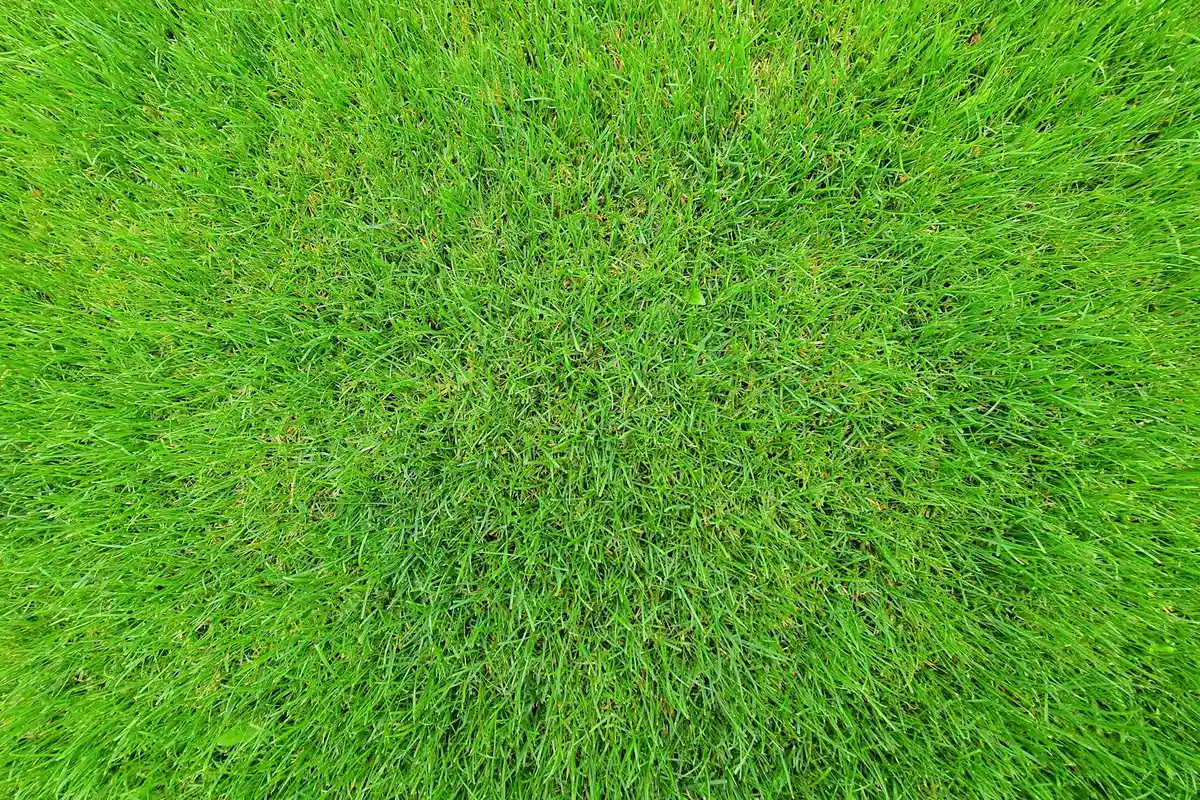
Let’s get to work. Summer seeding is a tighter window, so precision matters. We’ll cover methods for spreading grass seed effectively to ensure even coverage. Follow these steps to give your grass the best shot.
Step 1: Lawn Prep is Everything
Think of this like painting a room. If you skip the sanding and cleaning, the new paint won’t stick. Your lawn is the same.
First, give the existing grass a haircut. I mow with Max down to about 1.5 to 2 inches. This lets sunlight hit the soil where your new seeds will land. Sunlight warms the seedbed and triggers grass seed germination. A warm, bright surface helps the seeds establish more quickly.
Next, rake the area hard. You’re not just picking up clippings. You’re scratching up that top layer of soil to loosen it. This is the single biggest key to good seed-to-soil contact. If the ground feels hard and crusty underfoot, it needs this.
If your lawn feels spongy or you see a mat of dead tan stuff, you might need to dethatch first. It’s like cleaning the gutters so water can flow down to the roots.
Water deeply the day before you plan to seed. I give Sunny, my drip system, a good long run. The goal is moist, cool soil, not a muddy swamp. Seeds need that moisture to wake up and start growing.
Step 2: The Application: Fertilizing and Seeding
Grab your spreaders. For granular fertilizer, a broadcast spreader works best. It throws product in a wide arc. For seed, I prefer a drop spreader. It deposits the seed right below it in a controlled band, which helps prevent waste and ensures even coverage.
Always apply fertilizer first. Use a summer-friendly, slow-release formula. This feeds the existing grass and will be there for the new seedlings when they’re ready.
The most common mistake here is using too much. Set your spreader exactly to the rate on the bag. More is not better; it can burn your lawn and pollute runoff.
Now, seed. Go slowly. Overlap your passes slightly to avoid thin stripes. After spreading, gently rake the area one more time. You’re just tickling the seeds into the soil you loosened earlier. Don’t bury them deep—plant them at the correct depth for grass seed.
Step 3: Watering Aftercare in the Heat
This is the make-or-break phase. Summer sun will dry out those tiny seeds in hours.
For the first 10-14 days, you’re not “watering the lawn.” You’re keeping a seedbed moist. This means light watering, two to three times a day, just enough so the top half-inch of soil doesn’t dry out. Think of a damp sponge, not a puddle. It’s a different approach compared to watering established lawns.
If you’re dealing with a small area or a stubborn spot like Patch, a thin layer of straw or peat moss can be a lifesaver. It shades the soil and locks in that precious moisture.
Always water in the early morning. You lose less to evaporation and give the grass blades time to dry before nightfall, which helps prevent disease.
Once you see consistent germination and the new grass is about an inch tall, switch gears. Start watering deeper but less often. This encourages the roots to grow down, searching for water, which builds a tougher, drought-resistant lawn.
Greedy Grass Pro Tip: The Patience Factor
Summer soil can become hydrophobic-it actually repels water. If you see water beading up and running off, even when you’re trying to water lightly, you need a soil surfactant. It’s like a detergent that breaks the surface tension, letting water soak in where it’s needed.
Manage your expectations. Summer germination can be slower, and growth is less vigorous than in fall. Don’t mow until the new grass is at least 3 inches tall, and even then, just take off the top third. Be patient. Your job right now is babysitter, not landscaper.
Common Summer Lawn Care Mistakes to Avoid
Let’s steer clear of common pitfalls.
- Over-fertilizing: It burns grass, wastes money, and harms the environment.
- Underwatering: In summer heat, missing one or two of those light daily waterings can wipe out your whole seeding effort.
- Mowing too soon: Those young seedlings are tender. Let them get established before Max rolls over them.
- Ignoring compaction: If water pools or the ground is rock-hard, core aeration before seeding is a better fix than just raking.
Here’s the big one: Never use a “weed and feed” product when you are seeding. The herbicide in it will kill your expensive new grass just as easily as it kills weeds. Feed and weed control are separate tasks in the summer.
Greedy Grass Summer FAQ: Quick, Actionable Answers
1. How should I prepare my lawn before fertilizing and seeding in the summer?
Mow low and rake hard to scratch the soil surface for perfect seed contact. Water deeply the day before to ensure the soil is moist and ready, not bone-dry or muddy.
2. How can I protect new grass seeds from summer heat?
A light layer of straw or peat moss acts like a sun hat, keeping the soil cool and moist. Water lightly multiple times a day to prevent the topsoil from baking into a crust.
3. What are the best grass seed varieties for summer planting?
For cool-season lawns, choose heat-tolerant Turf-Type Tall Fescue blends labeled as endophyte-enhanced. For warm-season areas, go with Bermuda or Zoysia varieties suited to your specific climate.
4. How often should I water after fertilizing and seeding in the summer?
For new seed, water lightly 2-3 times daily to keep the topsoil damp. After fertilizing, give one deep watering to wash nutrients into the soil without causing runoff.
5. What are the biggest mistakes to avoid with summer lawn care?
Never use “weed and feed” products when seeding-they kill new grass. Also, avoid fertilizing during a heat wave or drought; water is what your lawn craves most. To fertilize lawn safely and effectively, follow the product label and apply the right amount at the right time. Water deeply after application to help nutrients soak in.
Wrapping Up Your Summer Lawn Plan
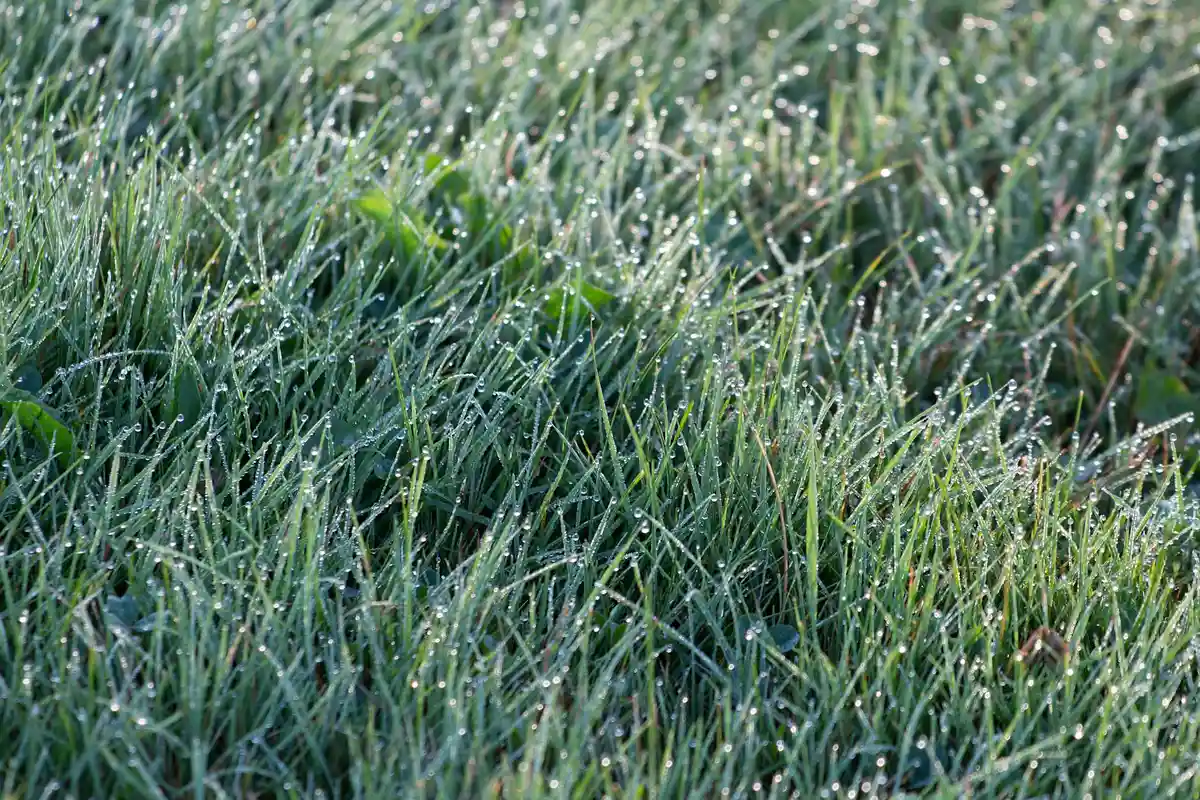
The best summer lawn care sticks to a simple rule: feed for heat tolerance, not explosive growth, and save the seeding for early fall. Get that timing right, and your lawn will stay thicker and greener while your neighbors are battling burn and weeds.
Remember, a healthy lawn is a responsible one. I always check my local extension service for guidance and pay close attention to what Patch and the rest of my yard tell me each season.
Related Guides and Information
- When to Fertilize and Seed a Lawn | Lowe’s
- Tips for seeding your lawn during summer – MSU Extension
- Summer Lawn Fertilization: Best Practices for a Thriving Yard | TruGreen
- When to Fertilize for a Greener Lawn | ScottsMiracle-Gro US
- Seeding a New Lawn | Yard and Garden
Written by Ria Carrington. Ria is an avid lawn care enthusiast and advisor. No lawn is unsalvagable when Ria is at work. She has helped countless homeowners breath new life into their dying lawns. She has a B.Sc in Agriculture and brings practical advice combined with knowledge of plant science and her decade worth of hands on experience.