
What’s the Best Mowing and Fertilizing Schedule for a Healthy Lawn?
Worried about mowing too short or fertilizing at the wrong time? A simple, consistent routine is the secret to a lush lawn without wasting your weekends or your budget.
We will cover the one-third mowing rule for thick growth, the seasonal fertilizer timing that prevents burn and waste, and how to combine both for a resilient, green yard.
My schedule was built over years of listening to Max’s engine and watching Patch teach me patience.
At a Glance: Key Takeaways
Let’s cut through the noise. The best schedule isn’t a date on your phone. It’s a rhythm you follow based on what your lawn is doing right now.
The single most important rule is to never cut more than one-third of the grass blade height in a single mowing. This keeps the grass healthy and shades the soil. Fertilize only when the grass is actively growing and can actually use the nutrients, not just because it’s a holiday weekend.
Mowing and feeding are a team. Time them right, and you’ll see thicker grass with fewer weeds. Get it wrong, and you’re just wasting time and product. This isn’t about perfection, it’s about working with your lawn’s natural cycles. A weed-feed lawn treatment schedule, timed with these cycles, can maximize your results. We’ll show you how to plan that schedule in the next steps.
First, Know Your Grass: Is It Cool-Season or Warm-Season?
This is your starting point. Everything else-when you mow, when you feed-flows from here. Get this wrong, and your schedule will fight nature.
Cool-season grasses love spring and fall. They grow fastest when temperatures are between 60 and 75 degrees Fahrenheit, which is also the ideal temperature for grass seed germination. Think of them as the marathon runners, active in the cooler parts of the year. Common types are Kentucky bluegrass, perennial ryegrass, and tall fescue.
Warm-season grasses are summer athletes. They hit their stride and turn deep green when things get hot, thriving in temperatures from 80 to 95 degrees. When it cools off, they go dormant and turn brown. Bermuda, Zoysia, and St. Augustine are the big players here. Climate matters: cool-season grasses stay green through cool winters, while warm-season varieties shine in heat. Understanding the climate–grass fit helps you choose between cool-season and warm-season options.
Not sure which you have? Look at your lawn in peak summer. If it’s lush and green while your neighbor’s is struggling, you likely have warm-season grass. If it’s green in late fall after the first frost, it’s probably cool-season. Here’s a quick guide by feel:
| Grass Type | Feels Like… | Common In Regions Like… |
|---|---|---|
| Kentucky Bluegrass | A soft, dense carpet. Spreads by underground runners. | Northern U.S., Midwest, Pacific Northwest |
| Tall Fescue | Tougher, individual clumps. Handles heat and shade better. | Transition zone (e.g., parts of Missouri, Kansas, Kentucky) |
| Bermuda | Aggressive, wiry. Can feel coarse. Loves full sun. | Southern U.S., from the Carolinas to California |
| Zoysia | Dense and slow-growing. Feels almost prickly when dormant. | Southern and transition zones |
Your grass type is the foundation for every single decision you make from here on out. I learned this the hard way trying to force-feed my Kentucky bluegrass in a July heatwave. It just went dormant and ignored me. Now, I listen to what it’s telling me.
The Mowing Schedule: How Often Should You Really Cut the Grass?
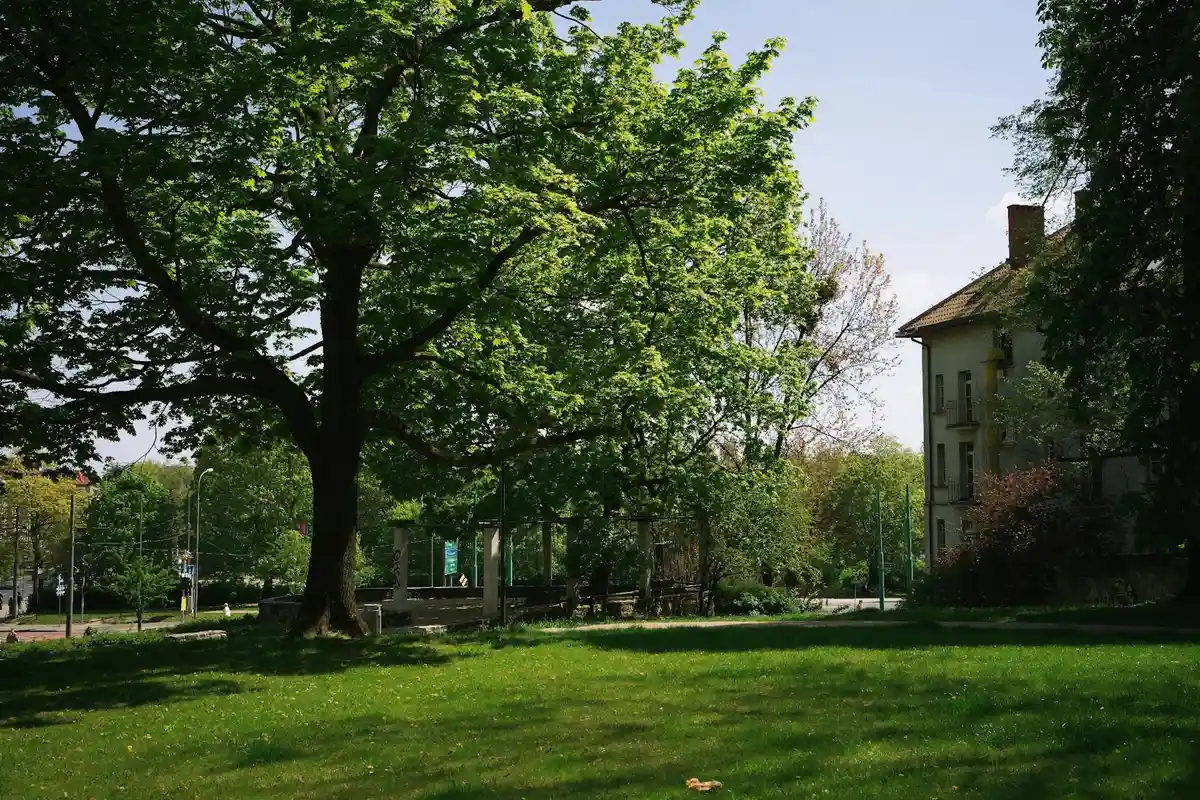
Forget mowing every Saturday like clockwork. The best schedule is the one your grass tells you. I learned this after scalding a patch of my lawn one hot July, trying to stick to a routine when the grass had barely grown. The key is a simple rule that changed everything for me—it’s all about knowing when to mow for your lawn’s health.
Follow the “One-Third Rule”: never cut off more than one-third of the grass blade’s height in a single mowing. Chopping off more shocks the plant, forcing it to use stored energy to recover instead of growing strong roots. Think of it as a drastic haircut versus a tidy trim.
This rule dictates your frequency. During the fast, lush growth of spring, you might need to mow every 4 to 5 days. When summer heat slows things down, you could stretch to every 10 to 14 days. In the fall, as growth picks up again before winter, you’re back to a more weekly schedule.
Cutting at the right height is just as vital as frequency. Taller grass develops deeper roots, which is your best defense against drought and weeds. Here’s a quick guide:
- Tall Fescue & Kentucky Bluegrass: Keep it between 3 to 4 inches high.
- Bermuda & Zoysia: Shorter is better, around 1 to 2.5 inches.
- St. Augustine: Let it grow a bit taller, 2.5 to 4 inches.
A sharp mower blade is non-negotiable. A dull blade doesn’t cut, it tears. It leaves ragged, brown tips that stress the grass and invite disease. I sharpen the blades on my mower, Max, twice a season. The difference is audible-a crisp, clean snap versus a dull, pulling tear.
Greedy Grass Pro Tip: Listen to Your Lawn
Let the grass length, not your calendar, tell you when to fire up the mower. I walk my lawn the evening before a potential mow day. If the blades are a good inch or so above my ideal height, I know it’s time.
Your clippings are a great indicator. If they’re clumping together in wet, matted piles, you’re mowing too much off at once or the grass is too wet. If they’re blowing away like fine confetti, you’re hitting that sweet spot. The goal is fine clippings that filter down to the soil, decompose, and return nutrients naturally.
The Fertilizing Schedule: When and What to Feed Your Lawn
Fertilizer is food, not magic. Timing it right is how you build a lawn that thrives on its own. The biggest mistake? Feeding based on a warm, sunny day in March when the soil is still cold and the grass roots are asleep. Following a seasonal fertilizer schedule helps avoid this popular misstep.
Soil temperature, not air temperature, tells your grass it’s time to eat. You can find simple soil thermometers online. For cool-season grasses like Fescue and Bluegrass, the first feeding happens when soil temps consistently hit 55°F. For warm-season grasses like Bermuda and Zoysia, wait until soils are a steady 65°F.
The fertilizer bag has three numbers, like 24-0-6. This is the N-P-K ratio. I think of it as a balanced meal for the grass. Nitrogen (N) is the main course for green, leafy growth. Phosphorus (P) is for strong root development. Potassium (K) is the immune booster, helping with drought and disease resistance. A soil test from your local extension office will tell you exactly which “nutrients” your lawn’s “plate” is missing.
You have two main choices: synthetic (quick-release) and organic (slow-release). Synthetics work fast but can lead to rapid, weak growth if over-applied. Organics, like corn gluten meal or compost-based blends, feed the soil life and release nutrients slowly and steadily. For a pet-safe, pollinator-friendly yard, I lean toward organic options. They won’t burn the lawn if applied correctly and support the healthy ecosystem under your feet.
Here’s a simple core calendar. Always check local recommendations, as they vary.
- Cool-Season Grasses (North): Feed in early fall (your most important feeding), then again in late fall. A light feeding in early spring is okay, but go easy. Skip summer feeding.
- Warm-Season Grasses (South): Feed as growth begins in late spring, then through the summer. Your last feeding should be at least 6-8 weeks before your first expected frost in fall.
What Month Do You Start Fertilizing Grass?
This is where geography rules. In most of the South, you’re looking at April or May for that first warm-season feeding. Up North for cool-season lawns, target late August through September for the primary fall feeding. A light spring feeding might happen in April or May, but fall is king.
The single best thing you can do is a simple soil test before you buy any fertilizer. It takes the guesswork out. You’ll know if you need that “balanced meal” or if you just need a specific nutrient, like a potassium boost, which saves you money and prevents over-applying chemicals your lawn doesn’t need.
Your Seasonal Lawn Care Action Plan
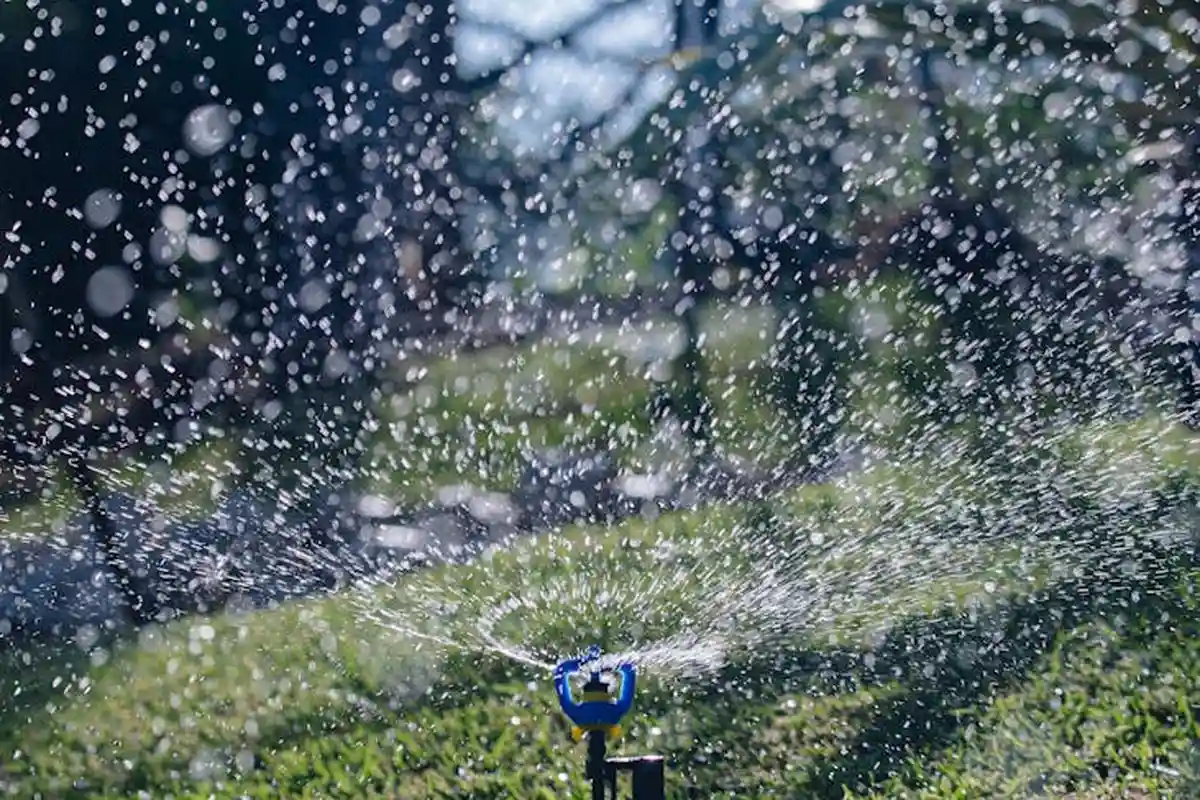
Forget rigid calendars. Your lawn tells you what it needs. Here’s how to listen and what to do, season by season.
Spring: The Wake-Up Call
The ground feels soft, the first dandelions pop, and the grass has that bright green, eager look. It’s go-time.
- First Mow: Set your mower, let’s call her Max, to a high cut. For cool-season grasses, start at 3-4 inches. This shades the soil, warming it slowly and blocking early weed seeds. Mow when the grass is dry and needs it, not just because it’s Saturday.
- First Feeding: Apply a gentle, slow-release fertilizer as growth kicks in. I look for a product labeled for early spring with a lower nitrogen number. A light spring feed fuels growth without the wild, thirsty surge that comes from heavy synthetic doses.
- Overseeding & Aeration: Usually a fall job. Spring is for repair. If you have a spot like my stubborn ‘Patch’, rough up the soil, scatter seed, and keep it damp. Skip core aeration now; it can bring more weed seeds to the surface.
- For the Bees & Butterflies: Hold off on the broadleaf weed killer. Those early dandelions and clover blooms are critical first food for pollinators. I let my lawn’s edges go a little wild for them. A perfect lawn can be a hungry place for wildlife.
Summer: The Long Haul
Growth slows, the soil gets hard, and the sun beats down. Your job shifts from promoting growth to preserving health.
- Mowing Height: Raise Max’s deck. Mow cool-season grasses as high as your mower allows-4 inches is my summer minimum. This creates deeper roots and a living mulch that conserves water. For warm-season grasses like Bermuda, you can mow lower, but never remove more than one-third of the blade.
- Fertilizing: Ease up. A light, summer-formulated fertilizer in early summer is plenty for cool-season grasses. For warm-season grasses, this is their prime feeding time. The key is to never force lush growth during heat stress; that’s an invitation for disease and burnout.
- Watering: This is where ‘Sunny’, my drip system, shines. Water deeply and infrequently, ideally in the early morning. Aim for one inch per week, including rain. Let the soil dry a bit between waterings to encourage deep roots.
- Wildlife Care: A taller lawn provides shelter for beneficial insects. If you must water, doing it in the morning gives foliage time to dry, reducing fungus that chemicals would later need to treat.
Fall: The Foundation Builder
The air crisps, growth revives, and the lawn focuses energy on its roots. This is the most important season.
- Mowing: Gradually lower Max’s height back to your spring setting over the last few mows. This helps prevent matted grass under winter snow.
- Feeding: This is your main fertilizer event. Apply a fall fertilizer high in potassium (the third number on the bag) to build winter hardiness and strong roots. A well-fed lawn in fall greens up faster in spring with less help from you.
- Core Aeration: Rent a core aerator when the soil is moist. Those plugs of soil on your lawn let air, water, and fertilizer reach the roots. It’s the best thing you can do for compacted soil.
- Overseeding: Do this right after aeration. The seed falls into the open holes, making perfect contact with the soil. Keep the seedbed moist for a few weeks.
- Pollinator Prep: As you tidy up, leave some leaf litter and dead plant stems in garden beds. These are crucial overwintering homes for next year’s butterflies and bees.
Winter: The Quiet Rest
The grass is dormant, and so are you. Your tasks are simple.
- Final Mow: Give the lawn its last trim before the ground freezes, cut to your winter height (a bit shorter than fall’s height to prevent matting).
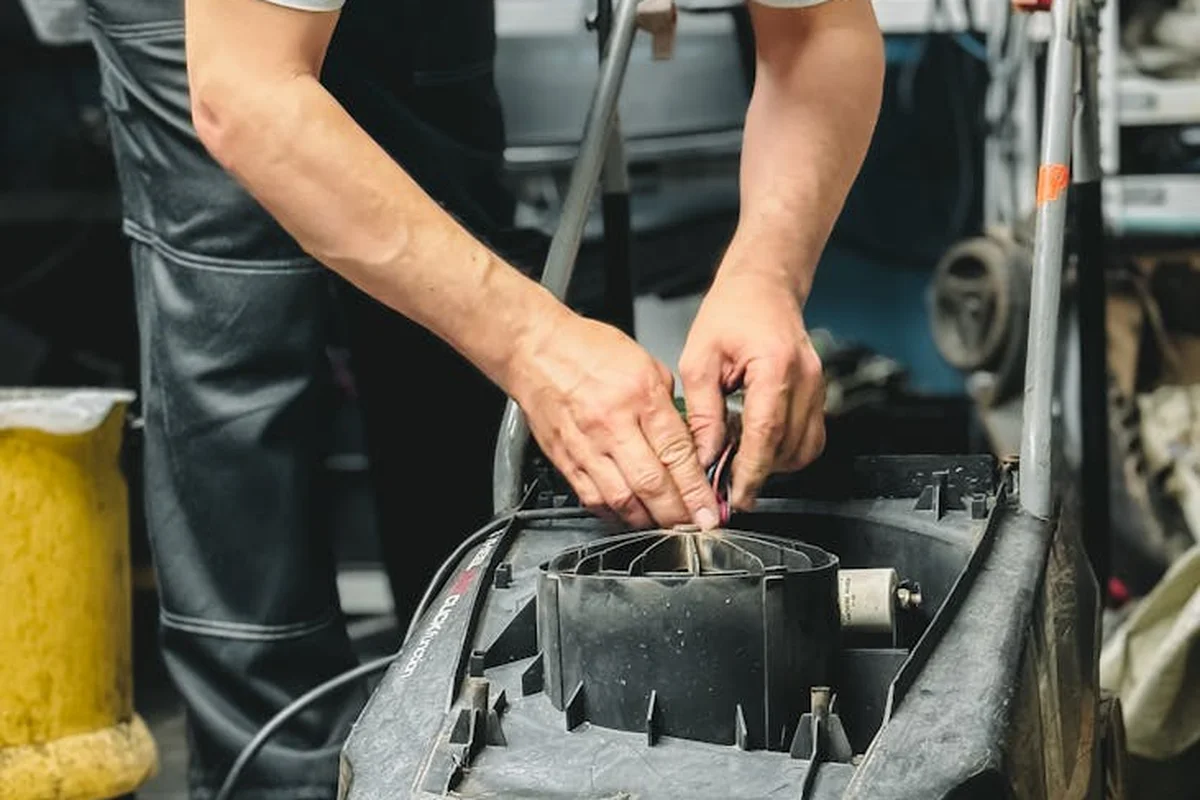
- Tool Care: Service Max. Drain the fuel, sharpen the blades, and give her a cleaning. You’ll thank yourself come spring.
- Planning: Walk your lawn. Note where ‘Patch’ expanded or where drainage was poor. Order seed for fall. Rest. You’ve earned it.
Mowing and Fertilizing Logistics: The Rules for Same-Day Care
Can you mow after fertilizing? Can you fertilize after mowing? Let’s clear this up once and for all.
The sequence is simple. Always mow first, then fertilize. Wait at least 24 to 48 hours after fertilizing before you mow again.
Here’s why this order matters. Mowing first trims the grass blades and removes any leaf debris or clippings from the lawn surface. This gives the fertilizer granules a clear path to the soil. If you fertilize a lawn with long grass and then mow, you’re vacuuming up a good portion of your expensive product before it can even get to work.
Waiting a day or two after applying fertilizer before you mow again is just as critical. That time allows the granules to fully dissolve and soak into the soil, moving toward the root zone. If you mow too soon, you risk clipping away the grass blades that have started absorbing those nutrients.
Two Non-Negotiable Warnings
This advice assumes good conditions. Two things will ruin your perfect schedule.
- Never mow wet grass. It tears instead of cuts, clumps badly, and can spread disease. It also makes a mess of Max’s deck.
- Never apply fertilizer right before a heavy rain is forecast. A light shower is good, it waters the product in. A downpour will wash it off your lawn and into the street, which is a waste of money and harmful to local waterways.
Stick to mow, then feed, then wait. Your lawn gets the full benefit, and you don’t waste a single effort or dollar. A simple rule of thumb is mow before weed feed—mow first, then apply the product, then let it work. This sequencing helps the product reach the roots and the weeds get treated efficiently.
Quick Questions, Straight Answers: Your Lawn Schedule FAQ

How short should I cut my grass during a summer drought?
Raise your mower blade and let it grow taller. This encourages deeper roots that can seek out water and creates shade to protect the soil from baking dry.
Is it okay to leave grass clippings on the lawn after mowing?
Absolutely-those fine clippings are free fertilizer. They decompose quickly, returning moisture and nutrients directly back to the soil they came from.
Do I really need a soil test, or can I just use a balanced fertilizer?
Skip the guesswork; a soil test is your best investment. It tells you exactly what your lawn is hungry for, saving you money and preventing nutrient overload. In the next step, you’ll learn how to interpret soil test results for lawn care and translate them into a precise treatment plan.
When should I fertilize a brand new lawn?
Wait until you’ve mowed the new grass at least 3-4 times. This allows the young roots to establish so they can actually use the food you’re providing.
What’s the biggest risk if I miss my fertilizing schedule by a few weeks?
Don’t panic-just get back on track with the next seasonal feeding. The real risk is rushing to over-apply later, which can burn the grass and do more harm than good.
Keeping Your Lawn on Track
The best schedule is the one you can keep. Mow high and fertilize only what your soil test says it needs. Your lawn will reward that simple, consistent care with thicker grass that naturally fights off problems.
Remember, a healthy lawn is our responsibility to the whole neighborhood. I’m always learning something new from Patch or a chat with a neighbor, and I encourage you to do the same.
Citations and Authoritative Sources
- When to Fertilize for a Greener Lawn | ScottsMiracle-Gro US
- Should I Mow Before Spring Fertilization? The Real Answer for Texas Lawns – CitiTurf
- Can I Mow and Fertilize on the Same Day?
- Fertilize Before or After Mowing: Essential Pennsylvania Lawn Care Tips
Written by Ria Carrington. Ria is an avid lawn care enthusiast and advisor. No lawn is unsalvagable when Ria is at work. She has helped countless homeowners breath new life into their dying lawns. She has a B.Sc in Agriculture and brings practical advice combined with knowledge of plant science and her decade worth of hands on experience.