
When Is the Best Time to Plant Grass Seed in Spring? Your Money-Smart Guide
If you’re worried about planting too early or missing your chance, take a breath. Nailing the timing saves you cash and effort for a lawn that thrives.
This guide will explain the exact soil temperatures to watch, how cool-season and warm-season grasses differ, and my proven steps for site prep and protection.
I’ve dialed this in over years of weekend work, from feeling the damp soil underfoot to learning patience with my own stubborn Patch.
At a Glance: Key Factors for Spring Seeding Success
Think of planting grass seed like baking your favorite bread. You need the right ingredients, the correct temperature, and a solid plan from start to finish. Miss one step, and you won’t get the fluffy, thick lawn you’re hoping for. Whether you plan to plant or grow grass seed lawn, these basics still apply.
Getting your timing and preparation right in spring is the difference between watching grass grow and watching your effort wash away.
- Soil Temperature is Your Start Signal: Cool-season grasses (like Kentucky Bluegrass or Fescue) need soil, not air, to be consistently between 50° and 65°F. I use a simple meat thermometer stuck a few inches into the ground in the morning. When it holds in that range, it’s go time.
- Pick the Right Seed for Your Reality: Don’t just grab any bag. Read the label for shade tolerance if you have trees, or drought resistance if your sprinklers are weak. I’ve saved myself a lot of replanting by choosing a mix built for my sunny front yard and my shady backyard “Patch.”
- Prep is Non-Negotiable: Throwing seed on hard, compacted dirt is a waste. You need to loosen the top inch of soil with a rake or a dethatcher. This gives the tiny seeds a place to nestle in and make contact with moisture. It’s the most physical part, but it makes everything else work.
- Aftercare is Your Daily Commitment: This isn’t a “set it and forget it” project. For the first two weeks, you’ll be lightly watering the seeded area multiple times a day to keep the soil surface damp, like a wrung-out sponge. It’s a daily chore, but skipping it means your seeds dry out and die.
Why Spring Seeding Is a Tricky Balancing Act
I’ll be honest with you. Spring is my second choice for seeding. I prefer the calm, cool days of early fall. But life happens, and sometimes spring is your only shot. The trick is knowing what you’re up against.
The biggest fight is against weeds. As the soil warms up, every weed seed in your yard is waking up hungry for space, water, and sunlight. Spring seeding is essentially gardening in a race, and the weeds have a head start. My problem area, “Patch,” teaches me this every year. The chickweed and henbit germinate faster than my new grass can get established, stealing all the resources.
Then there’s the weather. A surprise late frost can wipe out tender new seedlings overnight. Just as frustrating are the rapid swings between spring rains and drying winds, which can wash away seed or crust over the soil before grass can break through.
This is why many seasoned homeowners, myself included, often plan our major lawn renovations for fall, when Mother Nature provides cooler temps and fewer weeds. But if you need to seed in spring, you absolutely can win. It just requires sharper timing, more vigilant weed control, and a lot of patience. I’ll show you how to tip the balance in your favor.
The Golden Rule: It’s All About Soil Temperature
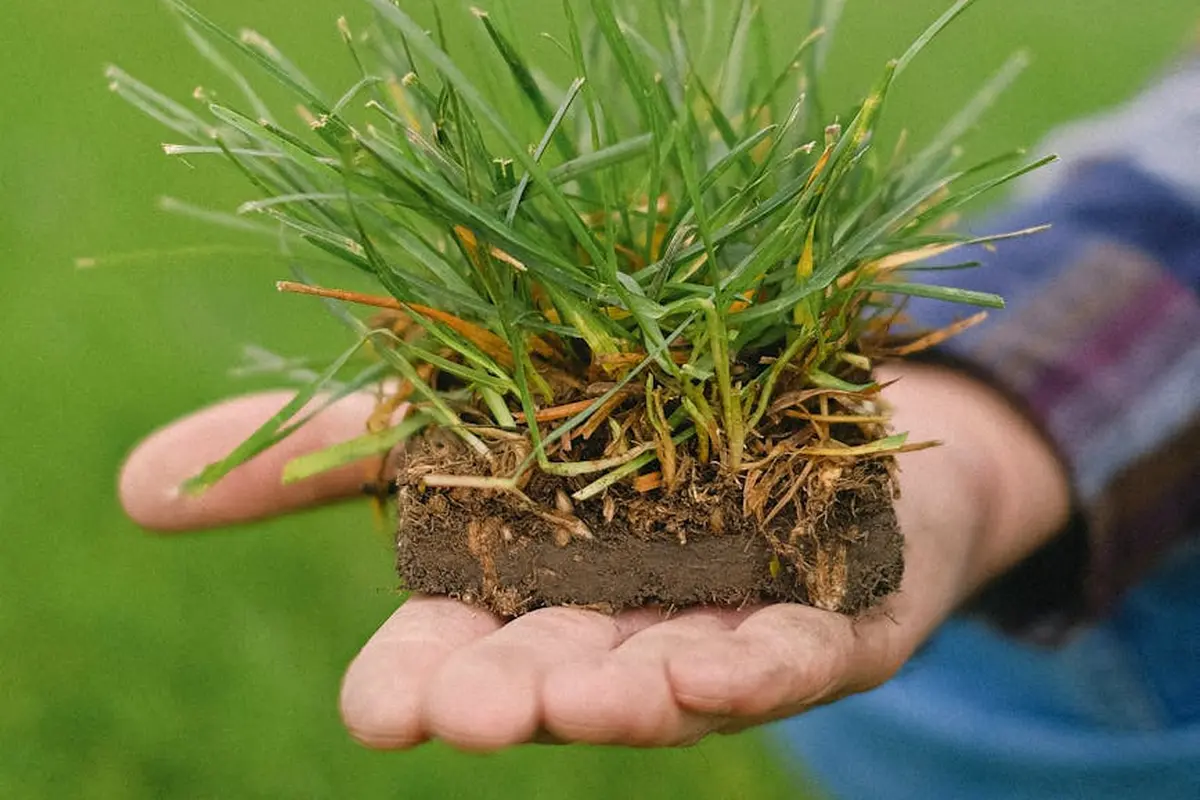
Can you plant grass seed in March? The answer isn’t in your calendar. I see this question pop up every year, and I get it. The sun feels warmer, the days get longer, and you just want to get out there. But the real signal comes from below your feet. Your soil needs to be awake and ready to welcome new roots. Planting when the ground is still cold is like trying to wake Max up for a 5 AM mow-it just won’t end well.
Forget the date on your phone and start thinking about the temperature of the dirt. That’s the only number that matters for germination.
Your Grass Type Dictates the Perfect Soil Temp
Grasses are split into two main families: cool-season and warm-season. They have very different comfort zones.
Cool-season grasses (like Kentucky Bluegrass, Fescue, Ryegrass) prefer a chill. These are common in northern and transition zones. They germinate best when soil temperatures are between 50°F and 65°F. Knowing the ideal temperature for grass seed germination helps you time your planting for best results. With cool-season grasses, aiming for soil temps in the 50–65°F range supports even germination and strong establishment. They actually thrive in the cooler weather of spring and fall.
Warm-season grasses (like Bermuda, Zoysia, St. Augustine) need a solid warm-up. If you’re in the southern half of the country, this is likely you. Their sweet spot for germination is a warmer 65°F to 70°F. Planting too early in cool soil will leave those seeds sitting there, vulnerable. If you’re looking to grow seed St. Augustine grass lawn, timing your planting with warmer soil is essential. Starting when soil temps stay in the 65°F to 70°F range gives your new St. Augustine lawn the best chance to establish.
How to Check Your Soil Temperature (The 3-Step Method)
You don’t need fancy gear. A simple meat thermometer from your kitchen drawer or a cheap soil thermometer from the garden center works perfectly. Here’s how I do it:
- Time it right. Check the temperature in the late morning, before the midday sun has a chance to heat the very top layer of soil. This gives you a true reading of the root zone’s condition.
- Go deep enough. Make a small hole about 2 inches deep. This is where your new grass seeds will be living and trying to sprout their first roots.
- Take an average. Don’t trust just one spot. Check a few different areas in your yard-one in the sun, one that’s shaded, maybe even over in Patch’s stubborn corner. Write the numbers down and find the average. Your lawn is a living system, not a laboratory, so we look for the overall trend.
Greedy Grass Pro Tip: For cool-season grasses, look for a consistent soil temperature of about 55°F. That’s your reliable green light, especially when you’re dealing with cool-season grasses. In many northern zones, this magic number often hits in that eager early spring window, sometimes even in late March if winter loosens its grip early. Consistency is key. One warm day doesn’t count. You want that soil to hold that warmth day and night.
Prepping Your Lawn: Building a Seed Bed That Lasts
Think of grass seed like a tiny, living investment. You wouldn’t build a house on a shaky foundation, right? Planting seed into unprepared soil is the same gamble. A little work upfront makes all the difference between a patchy struggle and thick, green success.
Here is your step-by-step checklist. You don’t have to do it all in one weekend. Tackle one step at a time, in this order.
1. Clear the Old Canvas: Dethatch
First, you need to clear away the dead. Thatch is that spongy layer of old grass stems and roots between the green grass and the soil. A thin layer is good. A thick mat blocks everything.
Walk your lawn and feel for soft, bouncy spots; if the thatch is over half an inch thick, it’s time to remove it. This lets water, nutrients, and your new seed reach the soil. You can use a stiff rake for small areas or rent a dethatcher for bigger jobs. It’s messy work, but it feels great to see that clean, green surface afterward.
2. Loosen the Ground: Aerate
This is the most important step for spring seeding, and here’s why. All winter and those heavy spring rains compact the soil. Water pounds the ground, pushing soil particles together until it’s nearly solid.
Think of compacted soil like a packed-down sponge. It can’t hold water or air, and grass roots can’t push through it. Aeration fixes this by pulling out small plugs of soil, creating holes for air, water, and roots.
Core aeration is your best friend for relieving soil compaction and giving new grass roots a clear path to grow deep and strong. I do this every other year without fail. The holes might look funny for a week, but they break down fast.
3. Create a Smooth Stage: Level the Soil
Now, with the soil plugs from aeration scattered about and the thatch cleared, look for low spots and bumps. Use a stiff lawn rake to break up the soil plugs and spread the material evenly across your lawn.
Fill any obvious dips with a mix of topsoil and compost. The goal isn’t perfection, but a generally even surface. This prevents water from pooling in lows and scalping grass on highs when you mow. My corner, Patch, taught me that leveling is the secret to an even cut.
4. Feed the Future: Add Compost
Finally, add a thin, quarter-inch layer of compost or good-quality topsoil over the entire area. Don’t bury the existing grass. You’re just giving it a light, nourishing blanket.
This layer adds beneficial microbes, improves soil structure, and gives your new seed a perfect, moist environment to start its life. I always use compost from a trusted local source. Be sure any bagged product you buy is simple, natural compost or topsoil with no added synthetic fertilizers or weed killers. This keeps it safe for pets, kids, and the pollinators we want to support.
5. Set Up for Success: Watering First
Before you scatter a single seed, get your watering plan ready. New grass seed needs consistent moisture to germinate. Trying to manage this with a hand-held hose is a recipe for dry, dead spots.
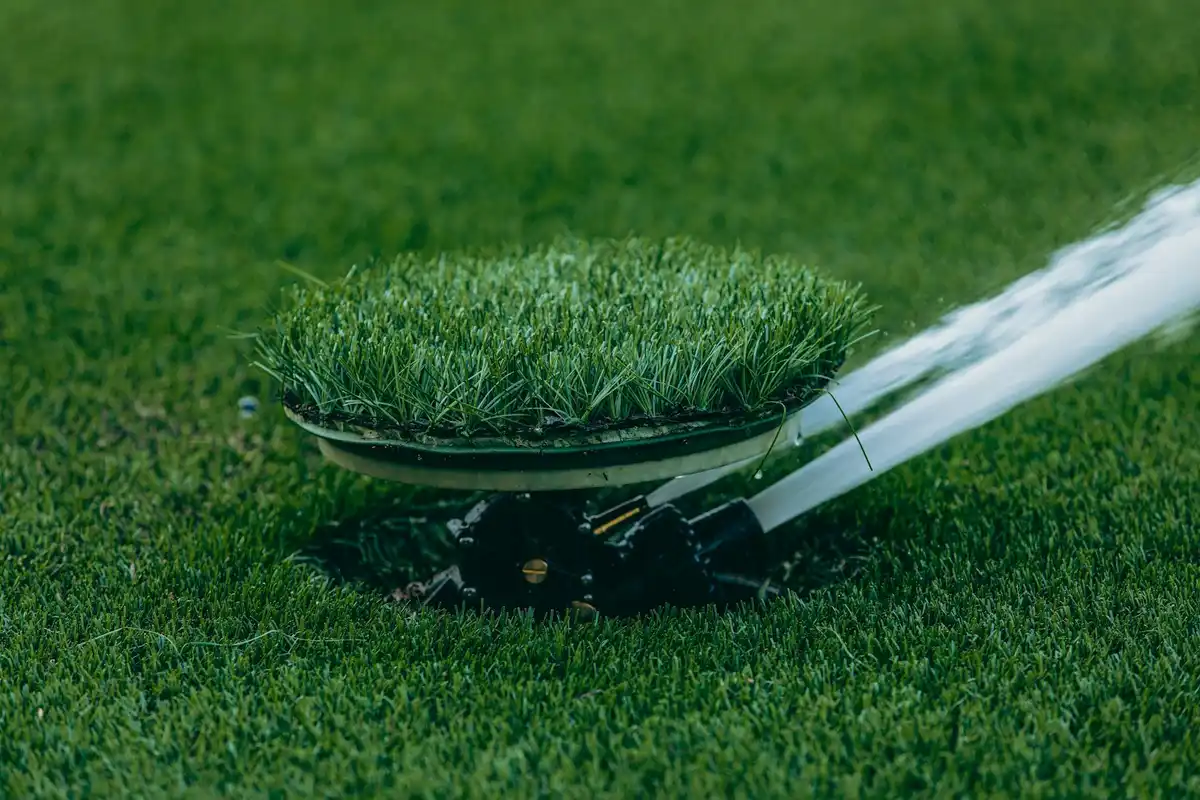
This is where my setup, Sunny, shines. I configured my drip lines and sprinklers the week before I planned to seed. Test your irrigation system to ensure full, even coverage; fixing dry zones now is infinitely easier than trying to revive parched seedlings later. Whether it’s a temporary sprinkler on a timer or a permanent system, having your water ready is the final, critical piece of prep.
Choosing the Right Grass Seed for Your Spring Goals
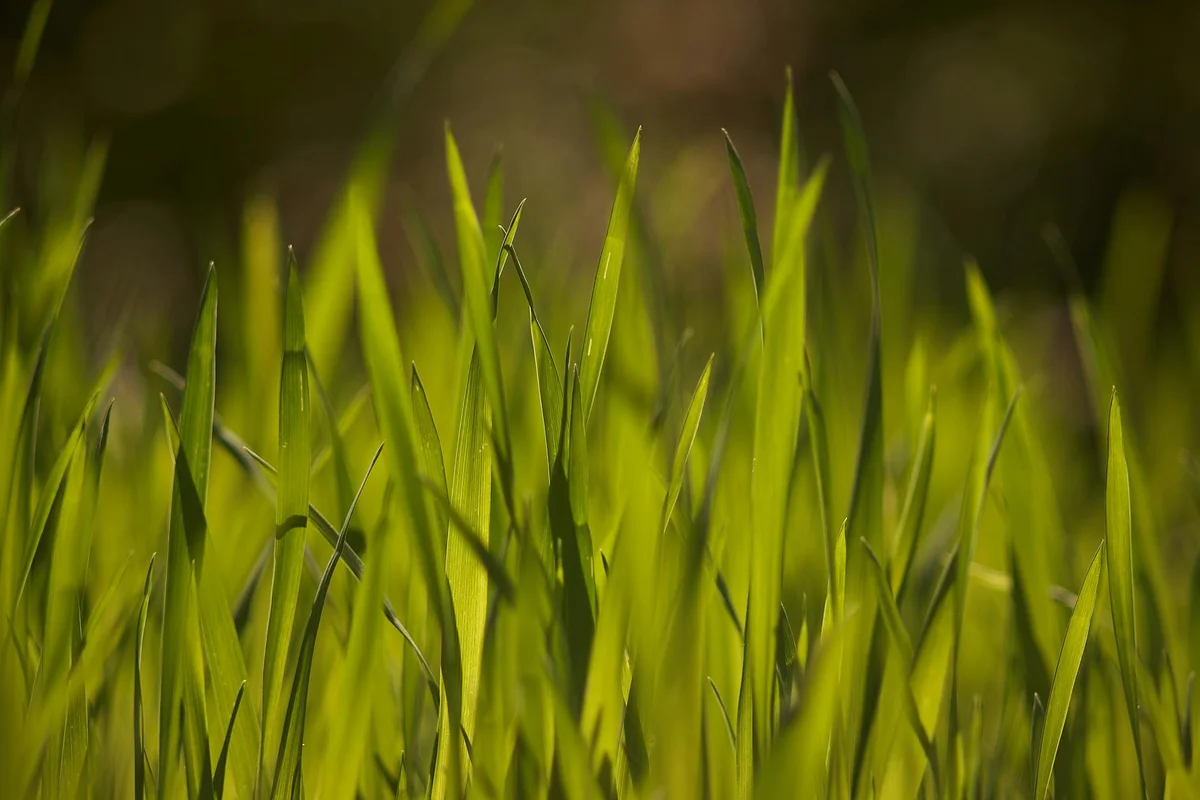
So, you’ve got your soil temps dialed in. Now, what are you putting in the ground? The bag you grab matters. Spring seeding is more about repair than revolution. You’re filling in, not starting over. That changes the math.
Quick Fixes vs. Long-Term Players
People often ask me, “What type of grass seed should I use in spring?” My answer always starts with another question: “What are you trying to fix?”
For bare spots and thin areas that need a fast green-up, I lean on perennial ryegrass. I’ve used it to cover dog tracks and high-traffic paths. It germinates quick, sometimes in under a week with good moisture. It gives you that instant gratification. Think of ryegrass as your tactical responder, great for immediate cover but it might need more help during summer’s worst heat.
For shadier areas, like the spot I call Patch under my oak tree, you want the endurance of fine fescues. Tall fescue or fine fescue blends are tougher in the shade and more drought-tolerant once established. They’re slower to germinate, taking 10-14 days, but they build deeper roots. They’re the patient, steady workers for those problem zones.
Remember, spring isn’t the best time for a full lawn renovation with slow-germinating Kentucky bluegrass. Focus on the right tool for your specific job.
Decoding the Seed Tag: Your Three Key Numbers
Don’t just grab the prettiest bag. Flip it over and read the label. This is where you separate the good stuff from the filler.
- Purity: This tells you what percentage of the bag is actually the grass seed you want. Look for a high number, ideally over 90%. The rest is inert material.
- Germination Rate: This is the big one. This percentage tells you how many seeds are expected to sprout under ideal conditions. For spring seeding, I won’t use anything with a germination rate below 85%. You need every advantage.
- Weed Seed: This number should be as close to 0.00% as possible. You are planting grass, not a weed nursery. Anything above 0.5% is a hard pass from me.
Also, look for a “blend” (multiple varieties of the same grass type) or a “mix” (different grass species). A sun/shade mix is a smart, versatile choice for most yards. It’s like having a team with different skills ready for whatever your lawn throws at them.
Why Your Lawn Needs a Little Clover
Here’s my strong opinion: consider a grass seed mix that includes micro-clover. I know, I know. Old lawn guides called clover a weed. But that thinking is outdated.
Modern micro-clover stays low, blends beautifully with grass, and its tiny flowers are a fantastic food source for bees and other pollinators. More importantly for your lawn, clover fixes nitrogen from the air into the soil. This acts like a slow-release, free fertilizer for your grass, naturally greening it up and reducing your need for synthetic feeds. It’s a pet-safe, eco-friendly powerhouse that makes your lawn healthier and more resilient. It’s a win-win.
How Much Seed Do You Actually Need?
More is not better. Overseeding too heavily creates a thick mat of seedlings that fight each other for light and water. They all get weak. I’ve made this mistake.
For overseeding an existing thin lawn, you need less seed than for planting bare dirt. A standard rate is about 2-4 pounds per 1,000 square feet, but always check your specific seed bag’s recommendation.
Here’s a simple trick. For a small bare spot, picture a square foot. You only need enough seeds to lightly cover the soil-about 4-6 seeds per square inch. A quick way to measure without a scale is to use a tablespoon. For many grasses, one level tablespoon of seed is about right for a 10 square foot patch.
The goal is even coverage, not a solid blanket. Giving each seedling room to grow is how you build a thick, strong lawn that can crowd out weeds on its own.
How to Plant Grass Seed in Spring: Tools and Techniques

Getting the timing right is only half the job. The other half is putting the seed down correctly. When you align seeding with lawn fertilization timing, you give your grass a stronger start and better root development. A sloppy seeding job is just wasted effort and money.
Think of it like baking. Even with perfect ingredients, you can’t just throw them in the oven haphazardly and expect a great cake. Grass seed needs the right placement and contact to work.
Pick Your Seeding Method
Your choice depends entirely on the size of the job. For that small, bare patch where the dog always digs or a thin strip along the fence, use your hands. It’s simple, cheap, and gives you control. Just make sure you spread it evenly.
For anything bigger than a few square feet, a spreader is your best friend. I use a broadcast spreader for my open areas. It throws seed in a wide arc, covering ground quickly. A drop spreader is more precise for edges, but slower. Whichever you use, calibrate it. Walk at a steady pace and overlap your passes slightly to avoid missed strips.
When you’re overseeding thin turf, slit seeding is the professional’s secret. This machine cuts tiny grooves in the soil and drops seed directly into them. It’s the best way to get perfect seed-to-soil contact without disturbing your existing grass too much. You can rent one for a weekend project.
Don’t Just Drop It, Lock It In
This is the step everyone wants to skip. You can’t just sprinkle seed on hard ground and hope. Seed needs to touch soil to absorb moisture and anchor its roots.
After spreading, I always go back over the area. For small spots, I flip my rake over and use the flat back to gently press the seed down. For the whole lawn, a lightweight lawn roller filled with water does the job perfectly. You’re not trying to compact the soil, just press the seed into it.
Imagine the difference between a seed sitting on a sidewalk versus one nestled in damp soil. That’s the difference you’re creating.
How Much Seed is Just Right?
More seed is not better. Crowded seedlings fight for light, water, and nutrients, creating a weak, spindly lawn that’s prone to disease.
Follow the rate on your seed bag. For a new lawn, it’s often 4-6 pounds per 1,000 square feet. For overseeding, cut that in half. I use about 2-3 pounds per 1,000 square feet when filling in my thin areas.
If you’re using a spreader, set it on the lowest recommended setting and make two passes in a criss-cross pattern. This gives you much better coverage than one heavy pass.
Keep Max Parked
This is the hardest part of spring seeding. You have to leave your lawn alone. Max, my zero-turn, needs to stay in the garage.
New grass is tender. The first mow should wait until the grass blades are about one-third taller than your desired mowing height. If you want a 3-inch lawn, let it grow to about 4 inches before that first cut.
Wait for the grass to be dry, make sure your mower blade is razor-sharp, and only take off the top third of the blade. A dull blade will tear the young seedlings right out of the ground. That first mow is a test of patience, but it’s what sets your new lawn up for a thick, healthy summer.
The Critical First Weeks: Watering and Protecting New Grass
You got the seed down. Now comes the part that tests your patience. The next few weeks are about keeping the seed bed happy so those tiny roots can take hold. Think of it like a nursery for grass.
This is where most folks slip up. They either drown the seed or let it dry out. Your goal is to keep the top inch of soil consistently damp, not soggy. It’s a delicate balance.
Your Watering Blueprint: From Sprout to Seedling
Forget setting it and forgetting it. Your sprinklers, like my setup Sunny, need to be on a tight schedule for a short while.
Days 1-10: The “Misting” Phase. You’re not watering for depth, you’re preventing the seed coat from drying out. I aim for light watering three times a day (morning, midday, late afternoon), just enough to moisten the surface. If you see puddles or washouts, you’re using too much force.
Days 11-21: The “Root Chase” Phase. Once you see green, it’s time to train those roots to go deeper. Start watering less often, but for longer. Instead of three light sessions, go for one good, deep soak in the morning. You want moisture to reach down an inch or two. This encourages strong roots that can handle summer.
After Week 3: The “Establishment” Phase. Now you can start treating it more like a regular lawn. Water deeply only when the soil starts to dry out. Stick a screwdriver in the ground; if it goes in easily, you can probably wait another day.
What Success Looks Like: Spotting Germination
Don’t stare at bare dirt. Look for these subtle signs that things are working.
- Tiny Green Shoots: They look like fine, bright green hair. This usually shows up in 5-14 days, depending on soil temp.
- The “Fuzz”: A faint green haze over the soil. That’s your future lawn.
- Seed Husks: You’ll see the empty, papery shells of the seed sitting on top of the soil, often still attached to the new blade.
- A Mat of Fine Roots: Gently scratch the surface. If you feel a slight resistance, those roots are starting to knit together.
Shielding Your Investment from Spring Hazards
Birds, pets, and even a curious squirrel can ruin your work in seconds. Here’s how to play defense.
Birds: They love a free seed buffet. I use lightweight, permeable seed blankets over my problem area, Patch. They hold moisture and hide the seed. Straw is a classic choice too, but use it sparingly so you don’t smother the new grass.
Foot Traffic: This is non-negotiable. Keep everyone, including pets, completely off the seeded area for at least 3-4 weeks. No shortcuts. Put up temporary fencing or garden flags as a visual reminder.
First Meal (Fertilizer): Hold off. Your seed has its own energy to start. Applying fertilizer too early can burn the tender sprouts. Wait until you’ve mowed the new grass at least 2-3 times. Then, use a gentle, organic, pet-safe fertilizer. I look for ones with slow-release nitrogen that won’t cause a harsh surge of growth.
The Spring Weather Wild Card: Your Adjustment Checklist
Spring weather is fickle. A perfect start can be wrecked by a sudden heat wave or a downpour. Be ready to adapt.
Sudden Heat Wave (Temps above 75°F):
- Increase your light watering sessions. That top layer of soil will dry out incredibly fast.
- Water in the early morning to reduce evaporation loss.
- If possible, provide temporary afternoon shade with a light cloth if the area is small.
Heavy Rain or Storm:
- If rain is gentle, let it work for you. Pause your watering schedule.
- If it’s a torrent, inspect for washouts or seed pooling in low spots once it clears. You may need to gently redistribute seed with a leaf rake and add a thin layer of topsoil.
- After the storm, let the surface dry just enough to be damp, not muddy, then resume your light misting schedule to prevent a hard crust from forming.
Unexpected Late Frost:
- Don’t panic. Grass seedlings are surprisingly resilient to a light frost.
- Water the area lightly before the frost arrives. Moist soil holds heat better than dry soil.
- The grass may look wilted or dark in the morning, but it will often perk back up with the day’s sun.
Spring vs. Fall Seeding: Which Season Really Wins?

Let’s talk about the great lawn debate. If you ask most experts, they’ll tell you fall is the undisputed champion for planting cool-season grasses like fescue, bluegrass, and ryegrass. I’m in that camp. But life doesn’t always give you a perfect fall window. Sometimes, you’re staring at a yard that looks like Patch’s rougher cousin after winter, and you need to act now.
The Season-by-Season Breakdown
Think of spring and fall as two different coaches for your grass seedlings.
Spring offers a warm, inviting field. The soil is waking up, and the sun feels great. That initial warmth gets seeds germinating fast, which is super satisfying to watch. But the coach is tough. Spring training also means battling two big opponents: weeds and drought. Crabgrass and other weeds germinate in the same warm soil, fighting your baby grass for space and food. Then, just as your new grass gets going, summer heat can slam it, demanding relentless watering to survive.
Fall is the wise, patient coach. The soil is still warm from summer, but the air is cooling down. This combo encourages strong root growth without the top-growth frenzy, which builds a much tougher plant. Weeds are mostly done for the year, so your grass gets the field to itself. The fall rains often help with the watering duties, too. The only con? The window is shorter. You have to hit that sweet spot after the heat breaks but before the ground freezes.
My Playbook for Spring Seeding
I’ve overseeded my own lawn every fall for years. My success rate is near perfect. Spring? It’s been a trickier teacher. I’ve lost patches to a late heatwave and spent weekends hand-pulling weeds that sprouted faster than my grass.
But when you need to repair salt damage, fill in bare spots from winter play, or just can’t wait, a spring seeding can work if you’re smart and relentless. Here’s my game plan for when spring is your only option.
- Time it with a thermometer, not a calendar. Wait for your soil temperature to consistently hit 55-65°F. This is usually when daytime air temps are in the 60s. A simple soil thermometer is your best friend here.
- Attack weeds in two waves. First, I use a pet-safe, non-selective herbicide on visible weeds in my bare spots. Once those are gone, I apply a starter fertilizer with a weed preventer safe for new grass, like mesotrione. This gives the seed a fighting chance.
- Water like it’s your job. This is non-negotiable. The top inch of soil must stay damp, not soggy. I set Sunny, my drip system, for short, frequent cycles to prevent washout. If you miss a day of watering in spring, you can lose the whole batch.
- Mow high and with a sharp blade. Let the grass get tall before its first cut, and keep Max’s blades razor-sharp. A clean cut prevents tearing and stressing the delicate new seedlings.
What About Planting in June?
I hear this question a lot. “My spring got away from me, can I just plant grass seed in June?” My honest advice? Don’t do it.
Think of a new grass seedling like a new houseplant. June’s intense sun and heat are like putting that tender plant on a hot patio in direct sun all day. It’s going to fry. The seedling exhausts all its energy just trying to stay alive, rather than building deep roots. You’ll be a slave to the hose, and one missed watering on a 90-degree day can wipe out your work and your budget.
If you miss the ideal spring window, your best move is to wait. Focus on keeping your existing lawn healthy through summer with proper mowing and watering. Then, come back with a vengeance and seed in early fall. Your patience will be rewarded with a thicker, more resilient lawn.
Your Spring Seeding Calendar by Region
This isn’t a one-size-fits-all schedule. Planting when your local soil is ready makes all the difference between a patchy struggle and a thick, green start. Here’s my regional breakdown from years of watching temps and talking with neighbors.
Spring Grass Seed in Chicago, IL and the Midwest
Patience is your best tool here. Our soil temperatures reliably hit that magic 55-degree mark in late April to early May. Jump the gun, and a late frost will shut down germination.
Your best bet is to wait for that consistent soil warmth, even if the air feels nice, to give cool-season seeds like Kentucky Bluegrass or tall fescue blends their best shot.
Local challenges aren’t just frost. Spring weeds are champing at the bit.
- Best Window: Target late April through mid-May.
- Grass Types: Stick with cool-season blends. I’ve had great luck with turf-type tall fescue for its durability.
- Key Tactic: If you use a pre-emergent for crabgrass, apply it after seeding with a product labeled as seed-safe, like mesotrione. Timing is everything.
Spring Grass Seeding in Virginia and the Mid-Atlantic
I see this question every year: can I plant grass seed in February in Virginia? Honestly, it’s a gamble. The soil is usually still too cold and wet for good germination, leaving seed to rot or sit idle.
Aim for the more stable window from mid-March into April, when the soil has had a chance to warm up past 50 degrees consistently.
You’re in the tricky transition zone. This means you have a choice.
- Best Window: Mid-March to late April.
- Grass Types: For spring, cool-season grasses like fine fescue or tall fescue are reliable. Some folks go for warm-season grasses like zoysia, but those need to be planted later when it’s much hotter.
- Key Tactic: Focus on soil prep. Good seed-to-soil contact is critical for beating the summer heat that follows quickly here.
When you buy grass seed types, compare cool-season and warm-season options to fit your climate. This upfront choice helps set your lawn up for success.
Spring Grass Seed in Massachusetts and the Northeast
Spring comes slowly here. The ideal time often isn’t until early to mid-May. The soil takes its time warming up, and germination will feel slower than in milder regions. Don’t panic.
Winter leaves a mark. Snow melt and plowing can compact your soil. I always run a core aerator over the lawn before seeding to loosen up that packed earth and let water, air, and roots move freely.
It’s a test of patience.
- Best Window: Early to mid-May is typically safe.
- Grass Types: Cool-season grasses are king. Look for mixes with perennial ryegrass for quicker germination and Kentucky bluegrass for long-term fill.
- Key Tactic: Keep the seedbed moist. Those cool, dry spring winds can steal moisture fast. A light straw mulch can help.
Spring Grass Seeding in Ontario, Canada
Your schedule looks a lot like our Northeast friends, often shifting a week or two later into May. The last frost date is your guiding star. Planting before that is an invitation for trouble.
Your local university extension service is a goldmine for hyper-local frost dates and soil temperature trends. I always check their reports before I open my first seed bag.
Embrace the cool-season grasses that thrive here.
Also consider how grass seed survives frost and cold conditions to ensure strong germination.
Planning for this helps cool-season grasses establish quickly, even when frost lingers.
- Best Window: Typically throughout May, after the threat of a hard frost has passed.
- Grass Types: Hardy cool-season varieties are essential. Fescues and ryegrasses handle the climate well.
- Key Tactic: Protect young seedlings. A late, light frost on emerged grass can be set back with a gentle watering before the sun hits the blades.
Spring Grass Seeding in Colorado and the High Plains
Here, your elevation is your calendar. Front Range areas might be ready in April, while higher mountain towns wait until May or June. The universal challenge isn’t cold, it’s dryness.
Spring here comes with relentless, thirsty winds. Setting up ‘Sunny,’ my drip irrigation, on a timer is non-negotiable. Consistent moisture is the only way seeds will survive to germinate.
Choose seeds built for this climate.
- Best Window: April to May, but always verify by checking soil temps at a 2-inch depth.
- Grass Types: Opt for drought-tolerant, water-wise mixes. Tall fescue and fine fescue are excellent choices that can handle the dry spells.
- Key Tactic: Mulch heavily after seeding. A thin layer of compost or peat moss helps retain that precious moisture against the wind.
Spring Grass Seeding in Columbus, OH and the Great Lakes
April is usually your sweet spot. Which brings us to a common question: can I plant grass seed in April? In this region, absolutely yes. But with a big caution about your soil’s condition.
Spring rains can leave the ground soggy. Working wet soil destroys its structure, creating clumps that harden like concrete. Wait until a handful crumbles loosely in your hand before you seed or aerate.
Manage the moisture.
- Best Window: Throughout April.
- Grass Types: All the classic cool-season grasses perform well. Blends with bluegrass and ryegrass are very common and successful.
- Key Tactic: Ensure good drainage. If you have low, wet spots, consider grading or using a soil amendment before seeding to avoid washouts and disease.
Spring Grass Seeding in Western Montana and the Northwest
Your window stretches from late April in the valleys to June up high. This makes a soil thermometer your most important tool. Don’t guess based on the calendar.
The growing season is shorter, so establishment speed matters. Choosing a hardy grass and nailing the timing gives your lawn the maximum number of growing weeks before the next winter dormancy.
Focus on soil warmth and tough grass varieties.
- Best Window: Late April through June, strictly following soil temperature guidance (55-65 degrees).
- Grass Types: Look for hardy, cool-season mixes often labeled for “Northern” or “Mountain” climates. Fine fescues are particularly resilient.
- Key Tactic: Source seed locally if you can. A nursery near you will carry blends proven to succeed in your specific micro-climate.
Your Spring Grass Seed Questions, Answered
I’m in Chicago. When is my absolute last call to plant in spring?
Target late April to mid-May, but your true deadline is the arrival of hot, dry weather. If you’re seeding past Memorial Day, you’re rolling the dice against summer stress and crabgrass invasion.
Why does my spring grass in Virginia look great then suddenly thin out?
That’s the summer heat winning. Spring gives you a fast start, but without deep roots, grass can’t handle July. Your spring focus must be on deep, infrequent watering after germination to force roots down.
Can I just throw down seed in my existing lawn in Ohio without all the prep?
You can, but you’ll waste money. Seed needs soil contact to germinate. Mow short and rake hard to scratch up the soil first-this one step makes the difference between seed that sprouts and seed that just sits there.
What’s the #1 mistake for spring seeding in Colorado?
Underestimating the wind and dry air. You must mulch lightly with compost or peat moss after seeding and commit to short, frequent watering cycles. Letting the surface dry out for even a few hours can kill your seedlings.
Is it worth planting grass seed in Western Montana in June?
Only if you’re at a lower elevation and soil temps are still in the 55-65°F range. In higher areas, June can be perfect. The rule is the same everywhere: ignore the calendar and trust your soil thermometer.
Your Spring Lawn Game Plan
Get your timing right by planting seed only when your soil holds steady near 55°F. I check this with a simple thermometer each year, and it makes all the difference for thick, quick germination.
Pick grass seed and any starter food that are clearly marked safe for pets and pollinators. Your lawn care skills will keep improving each season, just like the soil under your feet. Think about your grass seed needs for a lawn project. It helps you tailor seed and starter choices for your space.
References & External Links
- Exactly When to Plant Grass Seed in Spring
- r/lexington on Reddit: Question: When do you think is the best time to plant grass seed in the Spring?
- When to Plant Grass Seed in Spring | Davey Tree
- Spring Grass Seeding May Fill In Bare Areas
Written by Ria Carrington. Ria is an avid lawn care enthusiast and advisor. No lawn is unsalvagable when Ria is at work. She has helped countless homeowners breath new life into their dying lawns. She has a B.Sc in Agriculture and brings practical advice combined with knowledge of plant science and her decade worth of hands on experience.