
How Do You Fertilize Your Lawn Without Wasting Time or Money?
Worried about picking the wrong product or making your yard unsafe for pets and kids? You can feed your grass for thick growth and still sleep soundly.
We will cover decoding fertilizer labels, the best times to apply it, how to spread it evenly to avoid waste, and choosing options that protect pets and pollinators.
I’ve learned this through years of weekend work with my own mower and soil tests, finding what delivers real results for a home lawn.
At a Glance: Your Lawn Fertilizer Cheat Sheet
Fertilizing well comes down to a few simple rules. Feed your lawn when it’s actively growing, not when it’s dormant or stressed. Use the right amount; more is not better. And always choose products and methods that keep your family, pets, and local bees safe.
Here’s your quick reference guide. Tape this to the garage wall next to Max.
- Know Your Grass: Is it a cool-season type like Kentucky Bluegrass, or a warm-season type like Bermuda? This tells you when its main feeding times are.
- Test Your Soil: This is the single best way to stop guessing. A soil test tells you exactly which nutrients are missing, so you don’t waste money or harm the environment.
- Choose Safe Products: Look for fertilizers labeled as pet-friendly or slow-release. I avoid anything with “weed and feed” in my main lawn areas to protect pollinators.
- Apply Evenly: An uneven spread gives you stripes of feast and famine. Calibrate your spreader, make two passes at half rates in a criss-cross pattern, and you’ll get it right.
What Fertilizer Does and Why Your Grass Is Hungry
Think of fertilizer as a meal replacement for your lawn. Every time you mow, you’re clipping off nutrients the grass worked hard to pull from the soil. Rain and irrigation wash more away. Fertilizer simply puts those nutrients back so your grass can keep growing thick and strong.
The three numbers on every bag, like 24-0-6, are the N-P-K ratio. This is the recipe for grass health. I explain it like this: The first number (N) is for the green blades you see, the second (P) is for the roots you don’t, and the third (K) is for the plant’s overall immune system.
The only way to know your lawn’s specific dietary needs is with a simple soil test, which saves you money and prevents over-application. You can get a kit from your local cooperative extension office. It’s easier than changing the oil in your mower and tells you everything.
Reading the Bag: What N, P, and K Really Mean
Let’s break down that recipe on the bag.
Nitrogen (N): This is the big one for green, leafy growth. It’s what gives your lawn that rich color and helps it recover from wear and tear. Too little, and your grass looks pale and thin. Too much, applied too fast, and you get a surge of weak, watery growth that’s prone to disease.
Phosphorus (P): This nutrient is for building strong roots and helping new grass get established. Many established lawns don’t need much extra phosphorus unless a soil test shows a deficiency. In fact, many areas restrict phosphorus fertilizers to protect waterways. Many communities have local phosphorus fertilizer bans that affect lawn care. Knowing these rules helps you plan your lawn care approach.
Potassium (K): This is your lawn’s wellness supplement. It builds toughness against drought, cold, and disease. Think of it as the nutrient that helps your lawn handle a hot summer or a rough winter.
Your feeding schedule changes with the seasons. In early spring, I might use a balanced ratio like 20-0-10 to encourage gentle green-up. But the main event is fall for cool-season grasses. That’s when I switch to a fertilizer higher in potassium, like a 24-0-12, to build hardiness for winter. For my warm-season friends, late spring/early summer is their prime feeding time to support their peak growth.
When to Feed Your Lawn: Hitting the Seasonal Sweet Spot
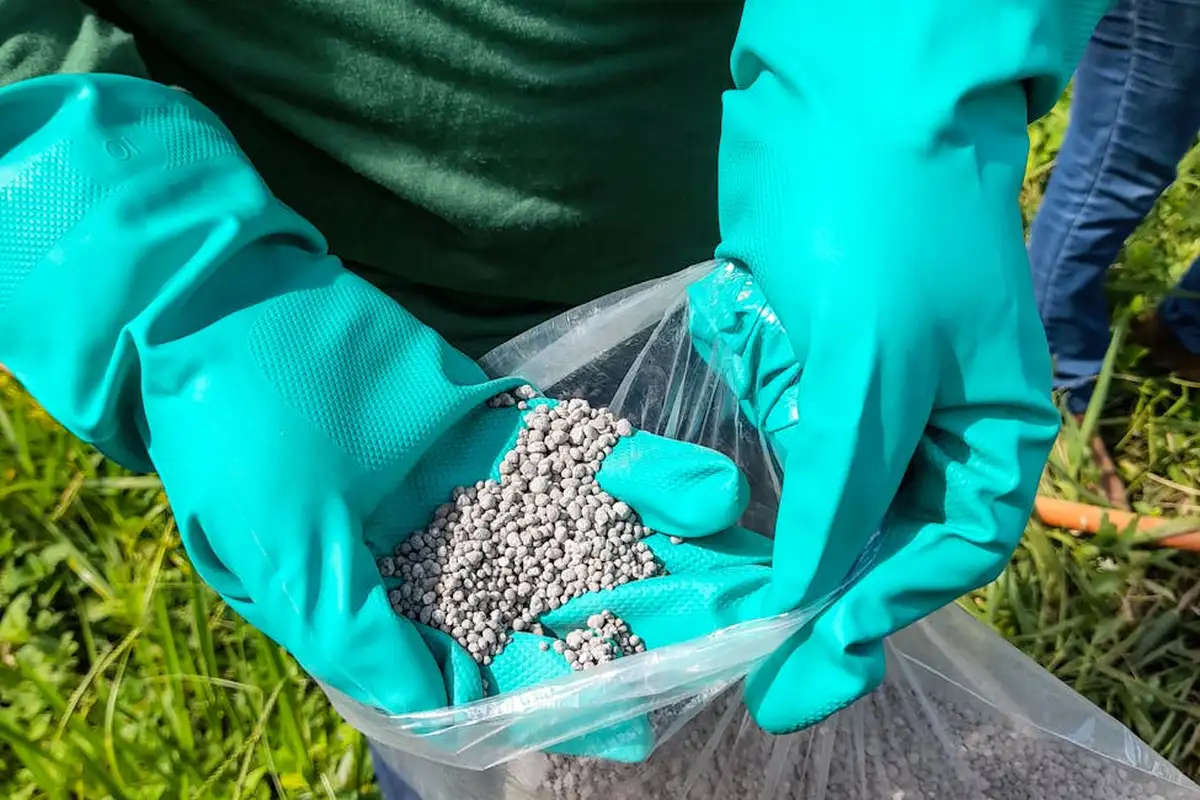
How often should you fertilize? For most lawns, the answer is not monthly. Feeding two to four times a year is the sweet spot. The best time depends entirely on whether your grass thrives in cool weather or heat.
Forget the calendar on your wall. Your lawn listens to the ground. Soil temperature is the most reliable trigger for knowing when to feed. I use a basic meat thermometer I keep in the garage. Poke it a few inches into the soil in the morning for a good reading.
Think of your soil like a stomach; you only want to feed it when it’s awake and ready to digest nutrients, not when it’s dormant or stressed.
Cool-Season Grass Schedule (Like Fescue or Bluegrass)
If your lawn is lush in spring and fall but hates the summer, you have cool-season grass. Its main meal should be in early fall, when soil temps drop back into that 50-70°F range.
This is when the grass focuses energy on building strong roots, not just top growth. It’s the single most important feeding for a thick, resilient lawn.
You can do a lighter feeding in late spring, but I’m cautious. A heavy spring feed makes the grass grow too fast, which means more mowing for me and Max. Worse, it pushes tender growth just before summer stress hits.
Fertilizing cool-season grass in summer heat is like forcing someone to run a marathon after a big meal; it stresses the plant, wastes product, and can invite disease and weeds. To achieve a healthy, beautiful lawn, prioritize proper timing, soil health, and sensible watering. This approach helps you build resilient turf with lasting color and density.
A simple, safe schedule looks like this:
- Primary Feed: Early Fall (September-ish, when nights get cool).
- Optional Light Feed: Late Spring (May-ish, after the last frost).
- What to Avoid: Feeding in the peak summer heat (July, August).
Warm-Season Grass Schedule (Like Bermuda or Zoysia)
These grasses love the heat. They green up when the soil is consistently warm, usually above 65°F. When sowing seeds, the ideal germination temperature helps them sprout quickly. Typically, this falls in the 60s to low 70s °F range, depending on the variety. Your feeding window is from late spring through the heart of summer.
The key is patience. Don’t feed it as soon as you see a little green. Wait until it’s actively growing, usually a few weeks after it fully greens up. Feeding a dormant or barely awake lawn is pointless and can feed winter weeds instead.
Apply fertilizer too early and you’re basically just setting out a buffet for the weeds in Patch’s corner, as the grass roots are still too sleepy to use it.
A straightforward schedule for warm-season grasses:
- First Feed: Late Spring (May or early June, after full green-up).
- Follow-up Feeds: Midsummer (June, July) and possibly early fall.
- What to Avoid: Early spring applications and feeding as it goes dormant in fall.
How Much Fertilizer to Use: Ditching the Guesswork
More is not better. Using too much fertilizer can burn your grass, pollute waterways, and waste your money. Getting the right amount is simple math, not guesswork.
The single biggest mistake homeowners make is not measuring their lawn and just eyeballing it from the bag. Here is how to get it right every time.
Step 1: Measure Your Lawn Area
You need your lawn’s square footage. For a basic rectangle, just multiply length by width (in feet). For odd shapes, break it into smaller rectangles, calculate each, and add them together.
My lazy, favorite method is to use a free online mapping tool like Google Earth’s measure feature or a GPS lawn mapping app. You just trace your yard on the screen and it gives you the total area. It takes two minutes and is surprisingly accurate.
Step 2: Find the “Application Rate” on the Bag
Every fertilizer bag has a label. Look for a line that says something like “Application Rate: 3.5 lbs per 1,000 sq ft.” This is your instruction manual. It tells you how much of that specific product to use for every 1,000 square feet of lawn. You can use a lawn fertilizer calculator to help determine the correct amount for your lawn.
Step 3: Do the Simple Math
Let’s say your lawn is 5,000 square feet, and your bag says to apply 4 pounds per 1,000 square feet.
- Divide your total lawn area by 1,000: 5,000 / 1,000 = 5.
- Multiply that result by the application rate: 5 x 4 lbs = 20 pounds.
You need 20 pounds of that fertilizer for your entire lawn. It’s that simple.
I always use a cheap kitchen scale or a dedicated spreader scale to weigh out the exact amount I need for each section. This stops me from running out halfway through or, worse, having too much left over and being tempted to just toss it down.
Precision here protects your grass, your wallet, and the environment all at once. Set your spreader according to the bag’s settings, apply half in one direction (north-south), and the other half in a perpendicular direction (east-west) for the most even coverage. Then, let Sunny give it a good watering to soak the nutrients into the soil.
The Safe and Smart Way to Apply Fertilizer

Applying fertilizer isn’t complicated, but doing it right makes all the difference. A smooth process protects your lawn, your family, and your local environment. Here’s my step-by-step method, built from years of weekend routines with Max the mower and Sunny the irrigation. For a deep dive on fertilizing, check out best practices for fertilizing your yard.
Gearing Up: Your Application Day Safety Kit
Fertilizer is food for your grass, but it’s not a product you handle casually. Always gear up first. I keep a dedicated box in my shed for application days. Knowing your lawn’s fertilizer needs helps tailor the application. Timing and rate matter for real results. Your kit should include:
- Durable, nitrile or rubber gloves.
- Long pants and a long-sleeve shirt you don’t mind getting dusty.
- Sturdy, closed-toe shoes (old sneakers are perfect).
- Basic safety glasses to keep granules from bouncing into your eyes.
Before you even open the bag, get your family and pets set up for safety. Plan to keep kids and pets completely off the lawn until after you’ve watered the fertilizer in thoroughly. I tell my family it’s a “lawn timeout” for a few hours. For pets, that means a leashed walk elsewhere or indoor playtime. A simple visual barrier, like a few lawn chairs or cones at the edge of the yard, can serve as a helpful reminder to stay off the grass.
Calibrating Your Spreader for Even Coverage
A perfectly calibrated spreader is the secret to avoiding the dreaded “stripes of death”-those burned, yellow lines from over-application. The goal is to get the exact amount of product the bag recommends for your square footage.
Here’s my driveway method for quick calibration:
- Find your spreader’s setting recommendation on the fertilizer bag.
- Measure a 10-foot by 10-foot square on your driveway or sidewalk (use chalk or a tape measure).
- Fill your spreader with a known weight of fertilizer (like 2 pounds).
- Walk at your normal pace over that 100-square-foot area, using the recommended setting.
- Weigh the fertilizer left in the spreader. If you used 1 pound, your setting delivered 1 pound per 100 sq ft. Adjust the setting and repeat until the amount used matches the bag’s rate.
Taking these ten minutes to calibrate prevents patchy growth and wasted product, giving you a uniform, healthy feed.
The Watering Rule: Before, During, or After?
The most common question I get is, “Should I water my lawn before or after fertilizing?” The answer is both, but for different reasons. Think of your soil like a dry sponge. If you toss granules on bone-dry thatch, they can just sit there, not doing their job and potentially irritating the grass blades. After fertilizing, a light watering helps the nutrients soak in and reach the roots. If you mow as part of your routine, watering after fertilizing mowing helps settle the granules and protect the blades.
I always give the lawn a light watering the evening before if we haven’t had rain. You want the soil damp, not soggy. After you apply the fertilizer, the next step is critical. Water your lawn thoroughly to wash the granules off the grass blades and down into the soil where the roots can use them. This usually takes about 20-30 minutes with my sprinklers. Sometimes, a longer soak is needed for a deeper, more thorough watering. For those scenarios, check the “when long water lawn” guidelines in the next steps. It also marks the “all clear” for pets and kids to return.
Protecting Your Patch and the Planet
What runs off your lawn doesn’t just disappear. It can end up in local streams, causing problems for fish and pollinators. Being a good lawn steward means keeping fertilizer where it belongs. Follow these simple rules:
- Never apply before a heavy rain. Check the forecast and aim for a clear 24-48 hours after.
- Choose slow-release fertilizers. They feed the grass gradually, reducing the chance of a nutrient surge that can wash away.
- Sweep any granules that land on driveways, sidewalks, or patios back onto the grass. This one act prevents a huge amount of runoff.
Clean water supports everything from the bees visiting your clover to the health of your whole neighborhood, making this step non-negotiable.
Common Fertilizing Mistakes (And How to Sidestep Them)
We’ve all been there. You get eager, rush the job, and the lawn lets you know. Here are the blunders I see most often (and have made myself), along with how to fix them.
Over-Applying: The “More is Better” Myth
This is the biggest mistake. Your grass can only use so much food at once. Extra fertilizer doesn’t make it grow thicker, it stresses the roots and can literally burn the blades. Signs of over-fertilization include yellow or brown grass tips within a day or two, a crusty white residue on the soil, and oddly fast but weak, spindly growth. I learned this lesson the hard way years ago by accidentally double-applying a corner. It looked scorched for weeks.
The fix is simple: always measure your lawn’s square footage and follow the bag’s rate exactly. Using a calibrated spreader is your best defense.
Using the Wrong Product for the Season
Fertilizer isn’t one-size-fits-all. Grass has different needs in spring, summer, and fall. A high-nitrogen “spring boost” formula applied in late summer can spur tender growth that gets damaged by winter. Conversely, a fall fertilizer meant for root development won’t give you the green-up you want in April.
Read the bag’s purpose. In spring, look for balanced nutrition. In fall, seek out fertilizers higher in potassium (the third number on the bag) for root and disease resilience.
Uneven Spreading and Skipped Edges
This leads to a patchy, inconsistent lawn. People often start spreading while moving, which throws off the pattern, or they forget to close the spreader hopper when turning. Others miss the edges along gardens and sidewalks.
My method: start walking, then open the hopper on the lawn. Walk in straight, slightly overlapping lines. Shut the hopper before you stop or turn. Go back and hand-toss a light amount along fences and beds where the spreader can’t reach. This attention to detail is what makes a lawn look professionally cared for.
Choosing Your Path: Organic, Synthetic, or a New Approach
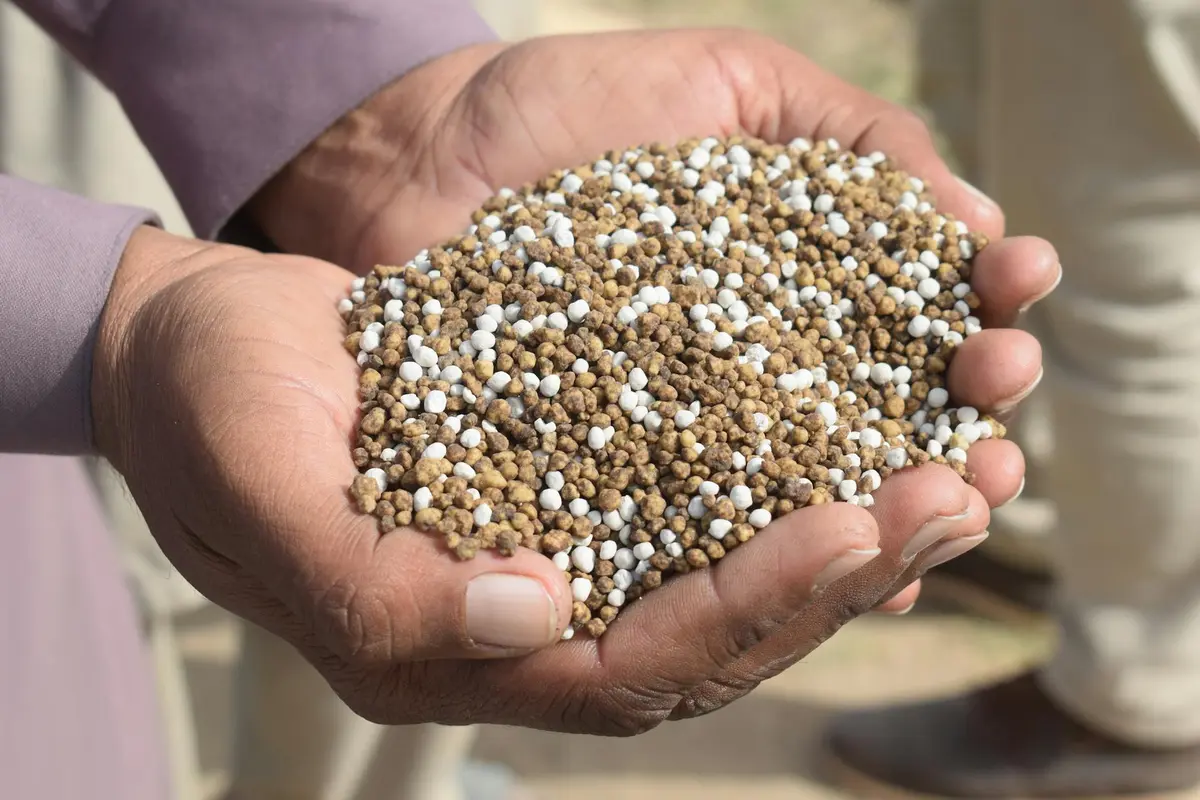
So you want a thick lawn, but you also care about what you’re putting into your soil and where it might go after a big rain. That’s smart. The safest fertilizer for your lawn and the environment is one that feeds your grass without harming everything else. For me, the answer usually involves slow-release options, whether they come from a bag of organic goodness or a carefully chosen synthetic blend. It’s less about a single right answer and more about picking the tool that fits your goals, your budget, and your Saturday schedule.
Think of it like this. Organic fertilizers, such as compost or Milorganite, feed the soil food web. Synthetic fertilizers feed the plant directly. One is a long-term investment, the other is a short-term boost. Both have their place.
Here’s a quick, head-to-head look to help you decide.
| Aspect | Organic (e.g., Compost, Milorganite) | Synthetic (Granular or Liquid) |
| Safety | Very high. Pets and kids can usually play on it right after application. | Requires caution. You must water it in and keep pets/people off until it’s dissolved. |
| Speed | Slow. Results take weeks as microbes break it down. | Fast. You often see greening within a week. |
| Cost | Often higher upfront per bag, but feeds for longer. | Often lower upfront, but requires more frequent applications. |
| Soil Health | Improves soil texture, adds organic matter, and feeds beneficial microbes. | Provides immediate nutrients but does little to improve long-term soil structure. |
My go-to strategy for most homeowners is to lean on slow-release fertilizers. Whether organic or synthetic, a slow-release formula drastically cuts the risk of burning your grass and reduces the chance of nutrients washing away in a storm. It’s the set-it-and-forget-it approach that keeps your lawn fed steadily for months, not days.
And for some of you, the best path might be rethinking the traditional grass lawn altogether. Mixing in white clover, for instance, gives you a lawn that naturally feeds itself with nitrogen from the air, stays greener during dry spells, and provides tiny flowers for bees. It’s a fantastic, low-maintenance shift for a pollinator-friendly yard.
Organic Fertilizers: Building Health from the Ground Up
Organic feeds work like a great home-cooked meal for your soil. I spread compost over my lawn every other fall, and the difference is like night and day. It doesn’t just list nutrients on a bag, it builds the foundation.
These materials release their nutrients slowly as soil bacteria and fungi break them down, which improves drainage in clay and helps sandy soil hold water. It’s a long game. You won’t get that shocking green pop in five days, but over a season or two, your grass will be more resilient and your soil will feel alive, damp, and loamy under your feet.
The biggest practical win for busy families is safety. I can put down Milorganite on a Saturday morning, and by the afternoon, the dog can be back out there without a second thought. There’s no chemical smell, no worry about granules sticking to paws.
Synthetic Fertilizers: Precision with Caution
Synthetic fertilizers are the precision tool in the shed. When my lawn looks pale and hungry in late spring, a synthetic boost can green it up fast. That’s their superpower.
But with that power comes responsibility. The major cons are the real risks of root burn if you apply too much and nutrient runoff into waterways if you apply before a heavy rain. I learned this lesson years ago near my back patio, creating a sad, yellow “Patch” that took weeks to recover.
The key to using them safely is precision. This is where a simple soil test is your best friend. It tells you exactly what your lawn is missing so you can buy a fertilizer that matches, avoiding excess. Always, always water it in thoroughly after application. This drives the nutrients to the roots and off the grass blades where they can cause harm.
Rethinking the Lawn: Low-Input Alternatives
Maybe constant feeding isn’t for you. That’s okay. A perfect carpet of grass is a lot of work. There are other beautiful, living options for your yard.
Consider a grass seed mix formulated for drought tolerance. These blends often include fescues that have deeper roots and need less frequent feeding and watering. Another route is intentionally seeding microclover into your existing lawn. Clover lawns stay greener with less water, rarely need fertilizer, and their little flowers are a welcome snack for pollinators.
The goal is to match your lawn to your life. If you want to spend less time fertilizing and more time enjoying your yard, these alternatives are absolutely worth considering. My shady corner with “Patch” taught me that sometimes, working with nature is smarter than fighting it.
Your Lawn Fertilizer Questions, Answered
What type of fertilizer is safest for my lawn and the environment?
Look for a slow-release fertilizer, either organic or synthetic, which feeds your grass steadily and drastically cuts the risk of runoff or burn. This “set-it-and-forget-it” approach builds health without the hassle.
What safety equipment should I wear when applying fertilizer?
Always gear up with gloves, long sleeves, pants, closed-toe shoes, and safety glasses. It’s a quick step that keeps granules off your skin and out of your eyes, making the job clean and simple.
How can I prevent fertilizer runoff into waterways?
Never fertilize before a forecasted heavy rain and always sweep any stray granules off hard surfaces back onto the grass. Choosing a slow-release formula is your best defense, as it feeds the lawn, not the storm drain.
Should I water my lawn before or after fertilizing?
Water lightly the day before to dampen the soil, then water thoroughly after application to wash granules off the grass blades and into the root zone. This signals the “all-clear” for pets and kids to return to the yard.
How do I calibrate my spreader for even application?
Use the driveway method: measure a 10×10 foot area, fill your spreader with a known weight of product, and walk your normal pace. Adjust the setting until the amount used matches your bag’s rate for that 100 sq ft area.
Final Touches for a Healthier Lawn
Test your soil first. That single step tells you exactly what your lawn needs, saving you time, money, and a lot of guesswork for a thicker green carpet.
Remember, a great lawn is a responsible one. Using gentle, pet-safe products and giving water wisely with systems like Sunny makes your yard a better place for everyone, including the local bees and butterflies. Your lawn is a living project, not a weekend sprint, so keep observing, learning, and enjoying those quiet mornings with your coffee and the sound of the sprinklers.
Industry References
- When to Fertilize for a Greener Lawn | ScottsMiracle-Gro US
- 5 Ways to Apply Fertilizer to Your Lawn and Garden
- How to Fertilize a Lawn | Lowe’s
- Fertilizing lawns | UMN Extension
- Summer Lawn Fertilization: Best Practices for a Thriving Yard | TruGreen
- How to Fertilize a Lawn | Family Handyman
Written by Ria Carrington. Ria is an avid lawn care enthusiast and advisor. No lawn is unsalvagable when Ria is at work. She has helped countless homeowners breath new life into their dying lawns. She has a B.Sc in Agriculture and brings practical advice combined with knowledge of plant science and her decade worth of hands on experience.