
When Can I Safely Mow After Aerating and Overseeding?
You just put in the work to aerate and overseed, and now you’re eyeing your mower with a mix of hope and worry. I’ve been there, and the right timing makes all the difference.
This guide will walk you through the clear signs your new grass is ready, how to mow without damaging young seedlings, and the smart timing that protects your investment.
I’ve navigated this exact timing puzzle for years on my own lawn, balancing eagerness with the patience that thick grass demands.
At a Glance: Key Factors Before You Start
Put your calendar away. The right time to mow is not a date. It is a condition.
The single rule is this: you mow based on the new grass, not the old calendar. Your established grass will keep growing and look shaggy. You must ignore it. Your focus is solely on the tiny seedlings you worked so hard to establish.
There are three non-negotiable signs your overseeded lawn is ready for its first haircut.
- The new grass blades are at least one third taller than your intended mowing height.
- The seedlings are firmly anchored and do not pull up from the soil with a gentle tug.
- The soil surface is dry and firm enough to walk on without leaving deep footprints or causing ruts.
Rushing this first cut is the fastest way to ruin your weekend of work. A mower blade, even a sharp one, can yank tender seedlings right out of the ground before their roots have taken hold. It creates bald spots where weeds like to move in. I learned this patience the hard way with Patch, my stubborn shady corner. Rushing just meant doing the job twice.
Aeration helps this process by giving seed and roots better access to soil, water, and nutrients. But it does not speed up how fast grass grows. The timeline is still dictated by seed germination and establishment.
The Real Timeline: How Long to Wait Before Mowing
You will see “wait 2 to 3 weeks” everywhere. I say toss that out. Your grass type and fall weather are the true bosses of this schedule.
Cool-season grasses like Kentucky Bluegrass, Fescue, and Ryegrass germinate faster in cool, moist soil. You might see sprouts in 5-10 days. Even then, they need time to mature. For faster germination, keep soil evenly moist and at the right temperature. Using quality seed and proper sowing depth can also help grass seed germinate faster.
Warm-season grasses like Bermudagrass or Zoysia germinate slower and are typically overseeded in late spring. They need warmer soil and can take 10-21 days just to show up.
So, how long after aerating and overseeding can you mow? For cool-season grass, plan for 3 to 4 weeks. For warm-season grass, plan for 4 weeks or more. This is not a countdown from the day you aerate. Start the clock when you see uniform germination across your lawn.
This leads to the other common question: how long after aeration can you mow? That is a different story. If you are only aerating to relieve compaction and are not putting down any seed, you can mow right away. I often do. Max gets a workout the same afternoon, chopping up the soil plugs to help them break down faster.
Should you mow after aerating before you seed? You can. There is a practical benefit to mowing your existing grass short right before you overseed. It lets more sunlight hit the soil and the new seed. Just bag those clippings so they do not smother the seed. The downside is you will not be able to mow again for weeks, so your lawn will look unkempt. I usually mow short, aerate, then seed all in one long weekend.
Mowing After Aeration vs. After Overseeding: A Key Difference
This is where confusion happens, especially in online forums. The sentiment you see in “mow after aeration Reddit” threads is usually correct, but with a huge, silent asterisk.
You can and should mow immediately after aeration if you are finished with your lawn work for the season. There is no harm. It tidies up the cores and returns the lawn to a normal look.
Overseeding completely resets the clock and demands patience. The moment that seed hits the ground, your priority shifts from maintaining the old grass to protecting the new. The two processes are separate. Aeration is a preparation. Overseeding is the main event. Do not let the shaggy appearance of your existing grass trick you into mowing too soon and undoing your investment.
Think of it like this: aeration opens the door. Overseeding invites the new guests in. You do not slam the door while they are still walking through it.
How to Tell Your New Grass is Ready for Its First Haircut
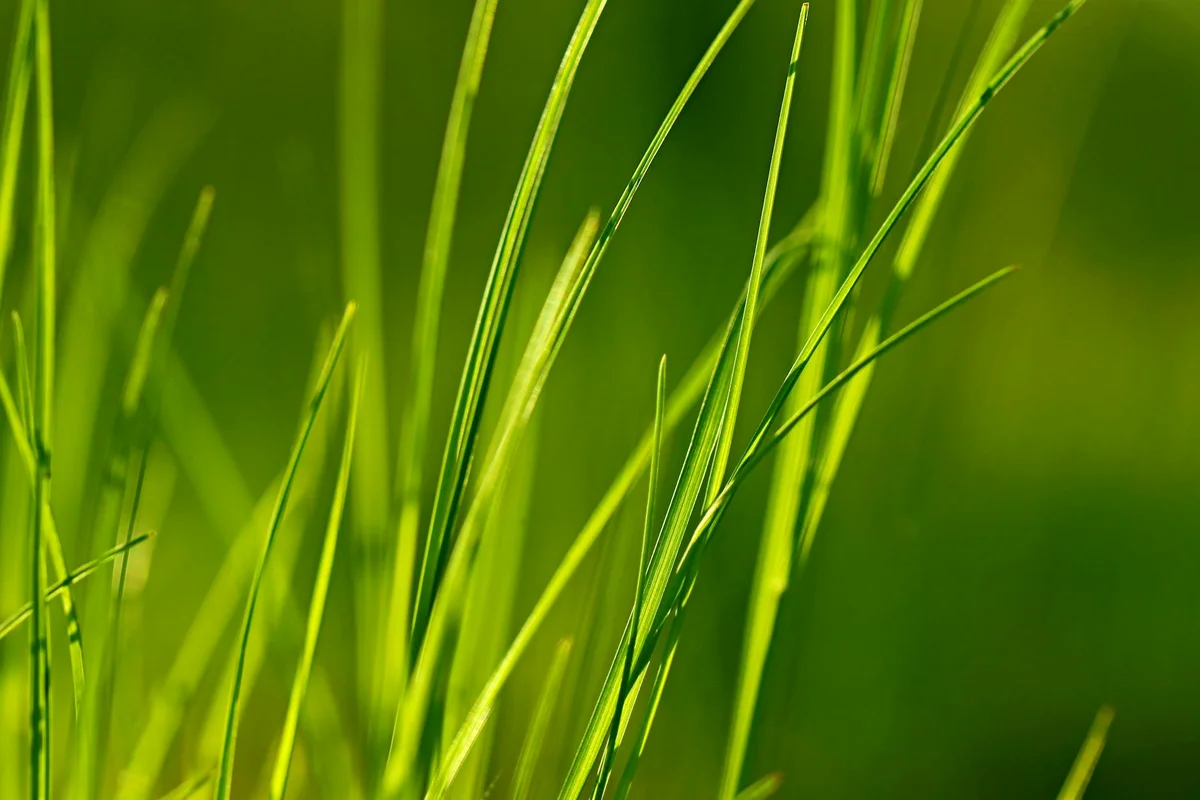
Patience is the toughest tool in the shed right now. But mowing too early is the quickest way to undo all your hard work. Here’s how to know when your lawn is truly ready for Max to roll back in.
The Pull Test
Get down on a knee in a few different spots. Gently tug on a new grass seedling. If it comes out of the ground with almost no effort, its roots are still too weak. You need to wait. If you feel a firm, definite resistance, like a tiny anchor holding on, you’re getting close. That crunchy feeling means the roots have grabbed hold of the soil.
The Height Rule
Don’t just mow when it ‘looks’ tall. Use a ruler. For cool-season grasses like fescue or Kentucky bluegrass, your target mowing height is usually around 3 to 4 inches. Wait until the new grass is about one-third taller than that target, so around 4 to 5.5 inches, before you make the first cut. This rule protects the crown of the plant and encourages deep roots from the start.
Understanding “Tillered” Grass
You might hear the term “tillered.” It sounds technical, but it’s simple. A new seedling starts as a single, slender blade. When it’s mature enough, it starts to widen at the base and send up additional blades from that same root system. Think of it like a young plant finally putting on some muscle. A tillered blade is sturdier and can handle the vibration and stress of a mower pass much better than a fragile, single blade.
The Uniform Green Check
Take a broad view from your porch or window. Your seeded area should look like a cohesive green carpet, not a sparse, patchy rug with lots of soil showing. If you still see more dirt than grass, the seedlings aren’t dense enough. Mowing now will scalp the few plants you have and leave the soil wide open for weeds to move in. Give it more time to fill in.
Common Lawn Care Mistakes (And How to Dodge Them)
I’ve made a few of these myself, usually when I was too eager. Learn from my weekend warrior errors so your new grass gets the best start.
Mistake: Mowing Too Soon
The excitement to see a finished lawn is real. But cutting those tender seedlings short, or “scalping,” rips them out or damages the crown so severely they can’t recover. The solution is to let the pull test, height rule, and your eyes tell you when it’s time, not your calendar. Even if it’s been 4 weeks, if the grass isn’t meeting those benchmarks, wait.
Mistake: Using a Dull Mower Blade
A sharp blade makes a clean cut. A dull blade tears and shreds the grass tips, leaving ragged, brown ends that are an open door for lawn disease. Before this first crucial mow, give your blade some attention. I always sharpen Max’s blade in early spring and again before the fall overseed mow. It takes 20 minutes and makes a world of difference.
Mistake: Bagging the Clippings
On this first mow, those clippings are pure gold. They’re short, soft, and will decompose quickly, returning nitrogen and moisture right back to the soil where your new grass needs it. Set your mower to side-discharge or, better yet, use the mulch setting to chop the clippings finely and let them filter down to the soil. Using the mulch setting isn’t just convenient—it’s a quick win for a healthier lawn. Clippings decompose and feed the turf, helping it stay dense and resilient. Save the bagging for later in the season if you let the grass get too tall.
Mistake: Compacting the Soil
After aeration and overseeding, the soil is soft and the seedlings are fragile. Walking on it, letting pets run on it, or setting up a soccer net creates ruts and compacts the loose soil you just created. A simple fix is to use garden stakes and string to create a temporary “keep off” zone. It’s a visual reminder for the whole family that there’s a nursery growing.
FAQ: How Long After Overseeding Can I Apply Weed and Feed?
This is a critical one. You must wait. Most “weed and feed” products contain herbicides meant to kill broadleaf plants or crabgrass. These chemicals cannot tell the difference between a dandelion and your expensive, new grass seedlings. You should not apply any herbicide to a newly overseeded lawn until the grass has been mowed at least 3 to 4 times, which usually means waiting a full 6 to 8 weeks after germination (consider the appropriate weed and feed schedule). Focus on nurturing the grass first. A thick, healthy lawn is your best long-term defense against weeds anyway.
Greedy Grass Pro Tip: The First Mow Setup
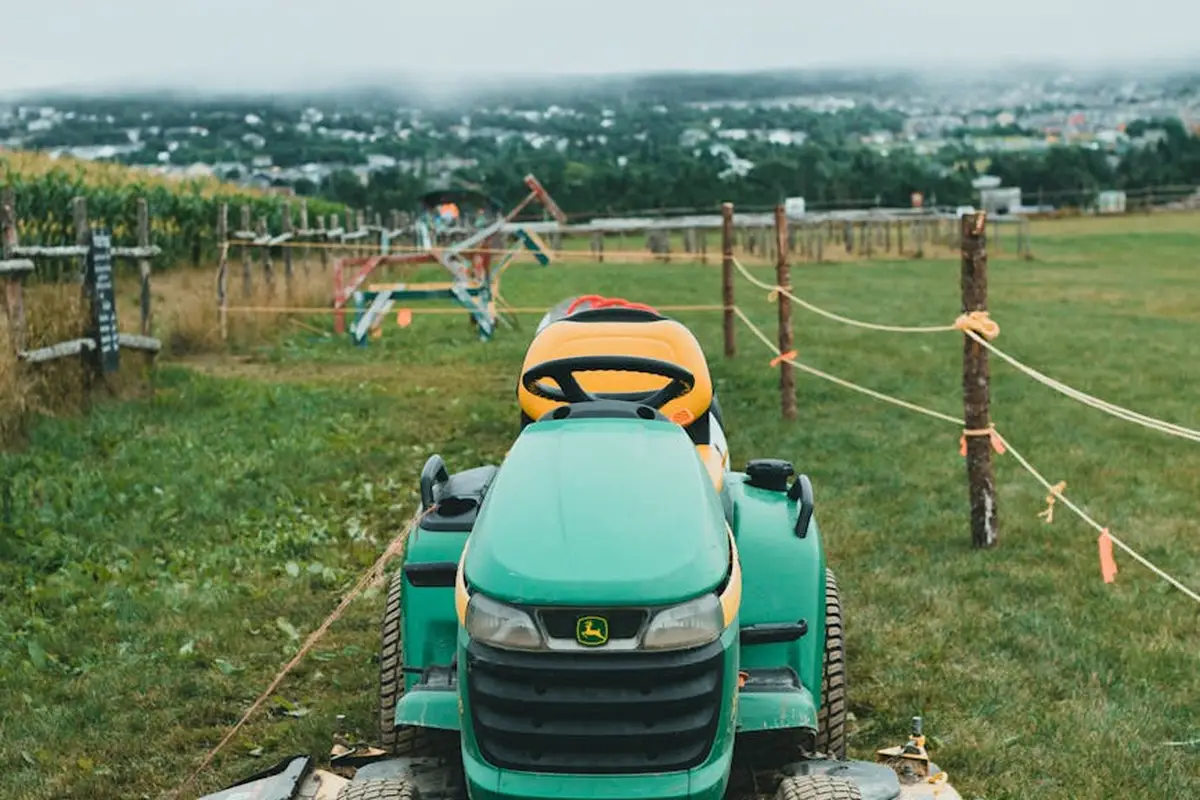
Let’s get you ready for that first, beautiful cut. The right setup prevents a lot of headaches later.
Start Smart: The Pre-Game Mow
Many folks forget this step. Before you ever pull out the aerator or spread a single seed, you need to mow your existing lawn. I tell everyone to cut it as short as your mower safely allows, usually one notch above the lowest setting.
This low cut gives your new grass seed a direct ticket down to the soil, bypassing the tall blades that would otherwise catch and hold it on the surface. Think of it like clearing a path. You want that seed to fall right into the aeration holes and soil contact for the best chance to sprout.
Dialing In for the First Cut on New Grass
When you see those first seedlings standing tall, your mower setting is your most important tool. Do not cut it short. Set your mower deck to its highest setting.
A safe height for that first mow is between 3.5 and 4 inches tall, which leaves plenty of leaf blade for the young grass to keep making energy. Cutting it too short now shocks the seedlings and can kill them. I’ve learned this the hard way in a few spots.
Check the Ground, Not Just the Grass
The perfect time to mow is when the soil is just right. Go outside and press your hand into the lawn. It should feel damp, like a wrung-out sponge, not muddy or bone-dry.
Moist soil gives the young grass roots a firm anchor, so the mower blade lifts and cuts without ripping the whole plant out of the ground. If the soil is too wet, you’ll get clumps and ruts. If it’s too dry, the tender roots might tear. A simple feel test saves your hard work.
A Gentle Ride for Max
This is a job for patience, not speed. When I fire up Max for this first pass, I give him a little pep talk. We go slow. We make wide, gradual turns.
No sharp zero-turn pivots on the new grass. Those quick spins can scalp the lawn and dislodge seedlings that aren’t fully anchored yet. A smooth, steady pace gets you a clean cut and keeps your new grass right where you want it.
Post-Mow Care: What to Do After the First Cut
You’ve successfully mowed. Now, your care routine needs to evolve with your maturing lawn.
Watering: Shift from Sprinkles to Soaks
Up until this first mow, you’ve been watering lightly and often to keep the seed moist. Now, you change tactics. Your goal is to encourage deeper root growth.
Start watering deeply and less frequently, aiming for about an inch of water once or twice a week, depending on your weather. This teaches the roots to reach down for moisture, building a lawn that’s more resilient to heat and drought. Let the top inch of soil dry out a bit between waterings.
Feeding Your Young Lawn
About 4 to 6 weeks after you see germination, your new grass is ready for its first real meal. Look for a “starter” fertilizer or any balanced, gentle formula.
I always choose one that’s pet-safe. This first, gentle fertilizer application gives the established seedlings the nutrients they need to thicken up and build strong roots before their first winter or summer stress. Follow the bag instructions carefully. More is not better here.
Setting Your New Mowing Rhythm
After the first cut, you’re not done mowing. You’re starting a new habit. For a thick, healthy lawn, follow the one-third rule.
Never cut off more than one-third of the grass blade height in a single mow. If you’re keeping your lawn at 3 inches tall, mow again when it gets to about 4.5 inches. This consistent schedule encourages the grass to grow densely, which naturally crowds out weeds and protects the soil. It becomes a simple, weekly rhythm.
Watching Your Trouble Spots
Keep a special eye on areas like my old friend, Patch. Shady spots, high-traffic zones, and slopes often grow slower.
You might need to mow these areas on a slightly different schedule than the rest of the lawn. Uneven growth is normal, and adjusting your care in these spots for a few weeks prevents you from scalping the slow growers while waiting for the rest to catch up. A little extra attention now saves you from bare patches later.
Your Mowing Questions, Answered

Can I mow to chop up the soil cores after aerating?
Absolutely, and you should. Mowing right after aeration, before you seed, helps break down those soil plugs faster, returning valuable topsoil to your lawn. Just make sure your mower blade is sharp for a clean cut.
My existing grass is super long before I overseed. What should I do?
Mow it short and bag the clippings right before you aerate and seed. This gives your new seed direct sunlight and soil contact, which is exactly what a greedy new lawn craves for a strong start. When you mow it for the first time, keep the blade high to avoid disturbing the seedlings. Then gradually lower the height as the lawn fills in.
I only aerated to fix compaction. When can I mow?
You can mow immediately. In fact, driving over those soil cores with your mower is a great way to shatter them and speed up their decomposition back into your lawn.
What’s the biggest mistake people make on their first mow?
They use a dull blade. A sharp blade makes a clean, healthy cut on tender grass; a dull one tears and shreds, leaving ragged tips that can turn brown and invite disease.
Should I bag the clippings from the first mow after overseeding?
No, leave them on the lawn. Those first, fine clippings are free fertilizer. Grass clippings after mowing act as a natural mulch and nutrient source. They break down quickly, feeding the soil as you mow. Mulch them back in to return moisture and nutrients directly to the soil your new grass is working hard to root into.
Your Lawn’s Next Chapter
Hold off on mowing until your new grass reaches about 3 to 4 inches tall, letting those young roots secure themselves firmly in the soil. This single wait is the best investment you can make for a thick, resilient lawn that handles foot traffic and weather with ease.
Every season with your lawn is a lesson in gentle stewardship, so I always opt for pet-safe products and leave grass clippings to nourish the soil. My own routine keeps evolving, whether I’m fine-tuning Sunny’s drip lines or finding new patience for Patch’s shady spot, and yours will too.
Industry References
- Lawn Aeration and Overseeding Aftercare | Davey Tree
- Before and After: 6 Lawn Aeration and Overseeding Care Tips
- What to do After Lawn Aeration | Quality All-Care Lawn Services
- Landscaping Services in Elkhart, Granger, & South Bend, IN | Grow Pros Lawn Care, LLC
- 7 Aeration and Overseeding Mistakes You Should Avoid
Written by Ria Carrington. Ria is an avid lawn care enthusiast and advisor. No lawn is unsalvagable when Ria is at work. She has helped countless homeowners breath new life into their dying lawns. She has a B.Sc in Agriculture and brings practical advice combined with knowledge of plant science and her decade worth of hands on experience.