
Aerate Before Seeding or Just Overseed? Which Saves Time and Money?
You’re staring at thin grass, wondering if you need to rent that aerator or if overseeding alone will fix it. I get that tug between wanting great results and not blowing your budget or every Saturday.
We’ll walk through the real differences, covering how aeration helps seeds take root, when your lawn might skip it, a straightforward cost and effort comparison, and my step-by-step method for each choice.
I’ve handled both jobs on my own grass, learning from stubborn spots like Patch what truly pays off.
At a Glance: Key Factors for Your Lawn
Here’s the short answer from my weekend on the mower. Aerating before seeding is like giving your new grass a VIP backstage pass. It gets them right into the good soil. But if your ground is already soft and healthy, you can skip the aeration line and overseed directly.
The right choice depends entirely on the current condition of your lawn and what you can realistically tackle.
Ask yourself these quick questions.
- Soil Compaction: Does water pool on the surface? Is the ground hard underfoot, like a packed parking lot? If yes, you need aeration.
- Lawn Thickness: Is your lawn more than 50% bare dirt or thin, weak grass? Overseeding is your fix, and aeration will make it work much better.
- Budget & Effort: Can you rent a core aerator or hire a service? If not, overseeding alone is a valid, simpler step forward.
- Time of Year: Are you doing this in the ideal fall or spring window? If you’re seeding late, aeration’s extra boost becomes more critical.
- Your Goal: Do you want a quick green-up, or are you building a thick, resilient lawn for the next five years? Long-term health starts with good soil, which aeration provides.
Think of it this way. Planting grass seed without aeration on compacted soil is like trying to grow tomatoes in an asphalt driveway. The seeds might sprout, but they’ll struggle to put down roots. Aerated soil is like that fluffy, perfect bed in your vegetable garden.
What Aeration and Overseeding Actually Do (And Why It Matters)
Let’s break down these two jobs, because they’re a team. I think of them like changing the oil and replacing a filter in your mower. Related, but different.
Core Aeration: Relief for Packed-Down Soil
Core aeration uses a machine, often one you can rent, that pulls out thousands of tiny soil plugs. Each plug is about the size of your pinky finger. These holes are the magic.
Aeration fixes soil compaction by creating channels for air, water, and nutrients to finally reach the grass roots.
Compaction happens naturally. My mower, Max, and I add to it every week. So do kids, pets, and rain. Over years, the soil particles get squeezed so tight that nothing can move. Your grass roots become shallow, starving for what they need. Pulling cores relieves that pressure instantly.
Those little holes left behind are perfect pockets for new grass seed to fall into and be protected. I always check the plugs in my problem area, Patch. If they’re only an inch long and crumble easily, I know the soil is too hard and dry. Good, healthy plugs are moist and three inches deep.
Overseeding: New Life for an Old Lawn
Overseeding is simply spreading new grass seed over your existing turf. You’re not starting from dirt. You’re refreshing and thickening what’s already there. Timing matters too—the best time to overseed or reseed your lawn can greatly affect germination and overall results. Knowing when to do it helps you plan for proper moisture and temperature.
Grass plants, like all living things, get old and tired. They thin out over time. Overseeding introduces young, vigorous grass plants that are more resistant to disease, drought, and those annoying weeds trying to move in. It’s how you keep a lawn looking thick and youthful without a total restart.
The main problem they both tackle is a lawn that’s seen better days. Maybe it’s thin, or browns easily, or weeds keep winning. Aeration fixes the underground problem (compaction). Overseeding fixes the above-ground problem (old, thin grass). Used together, they’re a powerhouse reset for your yard.
A Quick Word on Liquid Aeration
You might see sprays or soaks called “liquid aeration” or “soil looseners.” These are typically mild acids or soaps meant to break up soil particles.
Liquid aeration is easy-you just attach a hose and spray-but it’s a surface-level solution for mild compaction.
I’ve tried them. They can help water penetrate a little better in an already decent lawn. But for that concrete-like feel under your feet, they’re no match for a core aerator pulling actual plugs. Think of liquid aeration as using a fork to fluff a cake. Real core aeration is taking a drill and putting air holes all the way through it.
How to Decide: Should You Aerate Before You Seed?
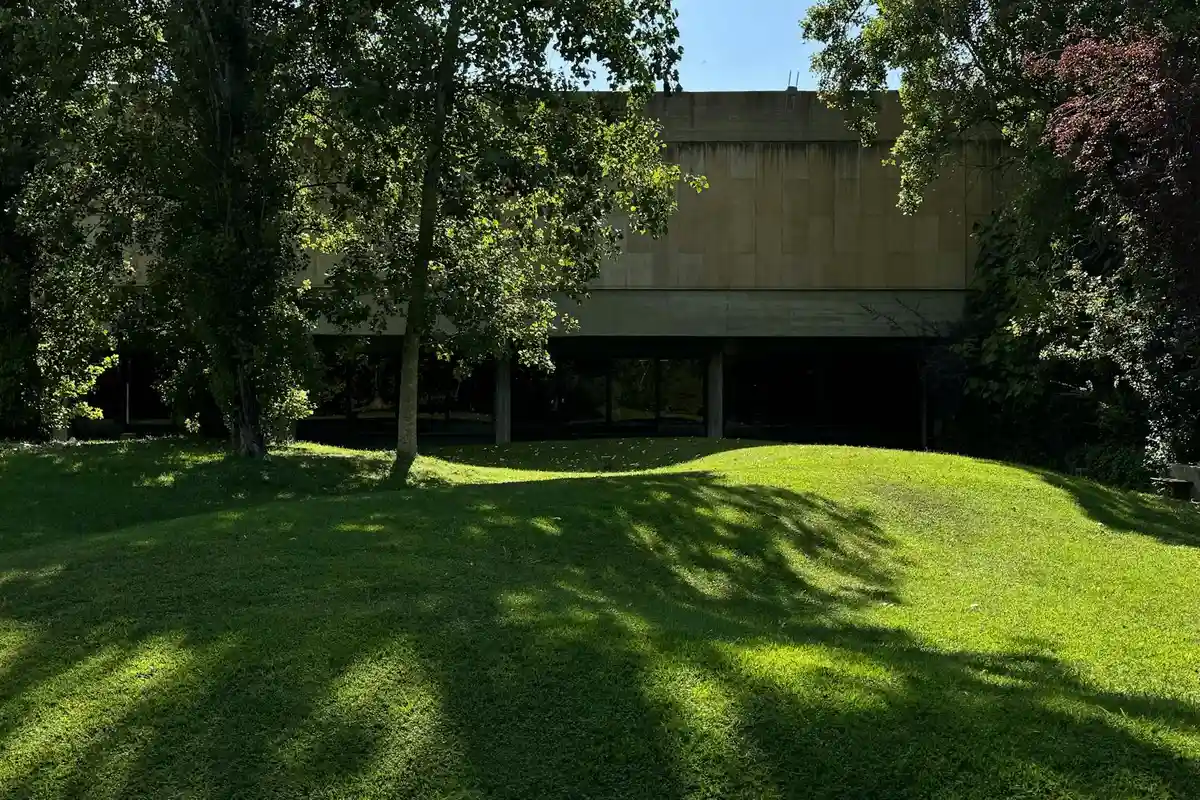
Let’s get straight to the heart of it. Aerating before seeding is your best move when the ground beneath your grass is fighting against you. Think of aeration as giving your lawn room to breathe and stretch its roots. If you skip it on compacted soil, you’re just throwing expensive seed on top of a parking lot. This is why lawn aeration is necessary.
Here’s a dead-simple test you can do right now. Grab a regular screwdriver and try to push it straight down into your soil. If it slides in easily up to the handle, your soil is in good shape. If you meet serious resistance or can’t get it more than an inch or two deep, that’s compaction talking.
You need to aerate if you see these signs:
- Water puddles and sits on the surface long after rain or watering.
- The soil feels rock-hard and dry, even when it’s damp.
- Your grass is thin and struggling despite regular feeding and watering.
- You have heavy clay soil that acts more like pottery than a sponge.
You can likely skip the aerator and just overseed if:
- Your soil is loose and crumbles easily (that screwdriver test was a breeze).
- You have a fairly thick lawn already and just want to fill in some gaps.
- You’re mainly introducing a new, more durable grass type into your existing turf.
Now, let’s talk real life. Renting a core aerator is a half-day project, maybe a full weekend if your yard is big. You’re dealing with a heavy machine, moving soil plugs, and a bit more cleanup. It’s work. Overseeding without aeration is an afternoon job with a mower, a rake, and a spreader. The cost difference is mainly that rental fee versus an extra bag of seed. The right choice isn’t about saving money or time; it’s about giving your seed a real home in the soil.
The Truth About Liquid Aeration Before Seeding
You’ve probably seen the bottles promising aeration in a spray. Liquid aerators are soil surfactants, they help water penetrate and can loosen soil particles a tiny bit. They’re not magic. I think of them as a massage for your soil, while a core aerator is like major surgery.
For a mildly compacted lawn that’s otherwise healthy, a liquid product can be a helpful boost before overseeding. It’s better than doing nothing. But on truly hard, impacted soil, a liquid aerator is not a substitute for pulling out actual cores of earth. The machine creates physical channels for air, water, and roots, which a liquid simply cannot do.
My drip system, Sunny, loves it when I aerate because the water soaks deep instead of running off. I might use a liquid aerator on a small area like Patch, my problem corner, as a mid-season refresh. For the main lawn’s annual seeding, though, I trust the machine.
Side-by-Side: Your Action Plan for Both Methods
Once you’ve made your call, here’s exactly what to do. Follow these steps to the letter for the best results.
If You Aerate and Seed (The Full Treatment) |
If You Overseed Without Aeration (The Refresher) |
|---|---|
|
|
Common Lawn Care Mistakes and How to Avoid Them
I’ve made these mistakes. We all have. The goal isn’t perfection, it’s learning what not to do so your weekend work actually pays off.
Mistake: Aerating bone-dry or soggy soil.
This one gets you right out of the gate. Aerating concrete-hard soil is a battle with your machine, and you’ll get shallow, useless holes. Aerating mud just creates a slick, compacted mess. The fix is simple: aim for soil that’s moist, like a wrung-out sponge. If you can easily push a screwdriver 3 inches into the ground, you’re golden. I usually run Sunny, my drip system, for about 20 minutes the evening before I plan to aerate.
Mistake: Seeding too heavily, causing competition.
More seed does not mean more grass. It means a crowd of weak seedlings fighting for light, water, and food. They’ll choke each other out. Use a broadcast or drop spreader and follow the seeding rate on the bag to the letter. It feels counterintuitive, but trust the science. Choosing the spreading method matters as much as the rate. A proper method—broadcast or drop spreaders—promotes even coverage and better establishment. I learned this the hard way on Patch, my problem corner. A thick layer of seed just washed away or molded. A light, even coat gave me a strong, lasting stand.
Mistake: Letting new seeds dry out.
New grass seed has one job: absorb water and sprout. Let it dry out once, and it’s dead. You get a patchy, disappointing result. Set a timer on your phone for brief, gentle watering 2-3 times a day. The top half-inch of soil should stay consistently damp, not flooded. Think of a morning dew, not a thunderstorm. This is the most critical step for the first two weeks.
Mistake: Aerating at the wrong time of year.
Timing is everything. Aerate when your grass is actively growing and can recover fast. For cool-season grasses like fescue or Kentucky bluegrass, that’s early fall. The soil is still warm, but the air is cool, and weeds are slowing down. For warm-season grasses like Bermuda or Zoysia, hit it in late spring as it wakes up. Doing this right gives your grass the best shot at filling in those aeration holes with strong new roots.
Mistake: Walking or mowing on new seedlings too soon.
Your new grass is tender. Foot traffic or mower wheels will rip it out by the roots or compact the soft soil you just worked so hard to loosen. Patience is key. Wait until the new grass is a sturdy 3-4 inches tall for that first mow. Even then, make sure your mower blades are razor-sharp. Dull blades tear the young grass, opening the door for disease. I mark my calendar and keep everyone (and Max) off the area until it’s ready.
When This Guide Isn’t Enough: Signs You Need More Help
Most lawn issues are fixable with the steps above. But sometimes, the problem is bigger than a weekend project. This is where diagnosing and repairing common lawn problems comes in. Here’s how to know.
Scenario: Severe, widespread soil compaction that aeration doesn’t fix.
If your soil feels like pavement and a core aerator barely makes a dent, you might have a deeper issue. Your next step is a professional assessment for possible deep tilling or subsoiling. These machines go much deeper to break up hardpan layers that a standard aerator can’t touch. It’s a bigger job, but sometimes it’s the only real solution.
Scenario: Major drainage problems (constant sogginess).
If parts of your lawn are perennially wet, squishy bogs, aeration helps but won’t solve it. The water has nowhere to go. You need to look into grading the land or installing a French drain to redirect that water. This is about fixing the plumbing of your yard. It’s landscape-level work, but it protects your investment in your lawn and your home’s foundation.
Scenario: Large bare dirt areas (over 50% of the lawn).
When more of your lawn is dirt than grass, overseeding is a band-aid. Consider a full renovation: killing everything, tilling, and starting fresh. It’s a reset button. Yes, it’s more work upfront. But it lets you fix the soil, choose the perfect grass variety, and create a uniform, healthy lawn from day one. For pollinators, you can even incorporate low-growing clover into the new seed mix. From here, ongoing lawn aeration overseeding care keeps the plan thriving. Regular aeration and overseeding care help the new grass establish evenly.
Scenario: Persistent weeds or disease.
If crabgrass or brown patch comes back year after year, no matter what you do, you’re treating the symptom, not the cause. Correct the underlying issue first, before adding new grass. That usually means a soil test. An imbalance in soil pH or nutrients creates the perfect environment for weeds and fungus to thrive. Fix the soil, and you build a lawn that naturally resists these problems.
Your Top Lawn Aeration and Seeding Questions, Answered
Do I really need to aerate every single time I overseed?
Nope. If your soil is already loose and your grass is just a little thin, overseeding alone is a perfect fine refresh. Aerate when you feel that hardpan underfoot or see water pooling.
Can I just use a garden fork instead of renting an aerator?
For a small patch, stabbing the ground deeply can help. For a whole lawn, a core aerator is far more effective because it removes actual soil plugs, creating the perfect seed pockets a fork just can’t match.
My lawn is mostly okay, just thin. Can I skip aeration?
Absolutely. Give it a good raking to scratch the soil surface before seeding. This is your efficient “refresher” course to boost thickness without the major soil work.
How soon after aeration should I put down the grass seed?
Immediately. Seed right after you aerate so it falls into those fresh holes. Think of it as tucking each seed into its own protected bed before you even water.
Is liquid aeration a good ‘in-between’ option before overseeding?
It’s a decent booster for mild compaction, helping water and nutrients soak in a bit better. But for serious soil that’s hard as a rock, it’s no substitute for a core aerator’s real holes.
Final Thoughts on Aeration and Overseeding
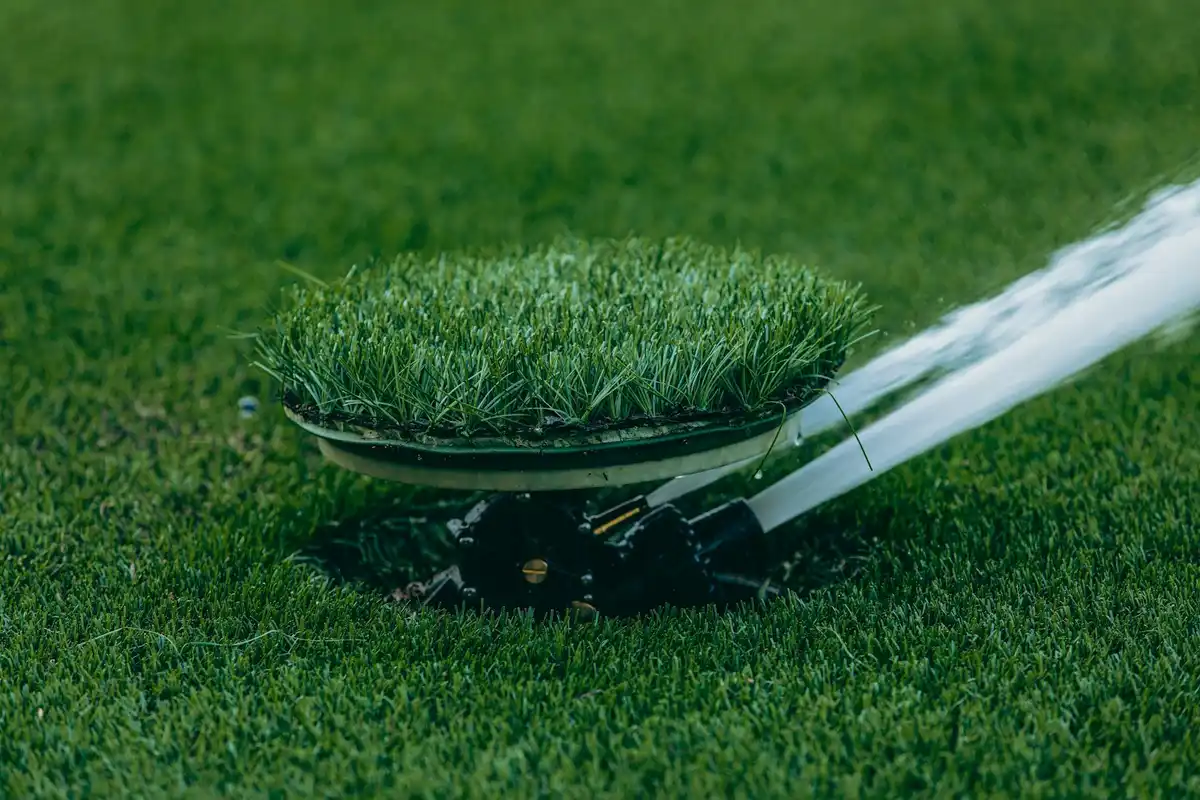
If your lawn feels spongy or hard underfoot, take the time to aerate before you spread new seed. This opens the soil so roots can dive deep and water can soak in, giving you a thick, resilient lawn that lasts.
Every lawn teaches you something, so stay observant and lean into eco-friendly habits. I always pick pet-safe products and let a few clover patches bloom for the bees, and that balance makes the work more rewarding year after year.
References & External Links
- Aeration and Overseeding: Timing, Process, & Benefits | Lawn Doctor
- Lawn Aeration and Overseeding | Good Growing | Illinois Extension | UIUC
- A Complete Homeowners Guide to Lawn Aeration & Overseeding Benefits
- r/lawncare on Reddit: Does core aeration and overseeding need to be done every year?
- 7 Aeration and Overseeding Mistakes You Should Avoid
Written by Ria Carrington. Ria is an avid lawn care enthusiast and advisor. No lawn is unsalvagable when Ria is at work. She has helped countless homeowners breath new life into their dying lawns. She has a B.Sc in Agriculture and brings practical advice combined with knowledge of plant science and her decade worth of hands on experience.