
What Is Lawn Aeration and How Does a Lawn Aerator Work?
Does your lawn feel hard underfoot or puddle water instead of soaking it in? That’s a classic sign of compacted soil, and aeration is the straightforward fix that lets your grass breathe.
We will cover what lawn aeration actually is, how different aerators work, and the smartest time to do it for a thicker, healthier lawn.
I’ve handled aeration on my own yard for years, from renting big machines to using simple tools, so I know how to get results without wasting cash.
So, What Is Lawn Aeration?
Think of lawn aeration as giving your yard a chance to take a deep breath. It’s the simple process of poking holes in the soil to let air, water, and nutrients get down to the grass roots where they’re needed most.
Over time, the soil under your lawn gets packed down. Foot traffic, mowing with Max, even just the weight of a rainy season, presses the soil particles closer together. This is called soil compaction.
Compacted soil is like a sponge you’ve squeezed all the air out of; water just runs off the top instead of soaking in, and grass roots struggle to push through the hardpan.
Spelling note: when you’ve done it, your lawn has been “aerated.” The machine or tool you use is called an “aerator.” A core aerator, the kind I recommend, doesn’t just poke holes. It uses hollow tines to pull out little plugs of soil, about the size of your finger, and deposits them on the surface. This physically relieves the pressure and creates a real channel for resources to flow.
Why Your Lawn is Begging for Air
If your lawn feels spongy yet water pools on top, or if you see more moss and weeds than grass in high-traffic areas, it’s whispering for help. Here’s what happens when you listen.
First, water finally soaks in. Those holes let rain and irrigation from Sunny penetrate deep instead of contributing to runoff. You’ll notice fewer of those frustrating dry, brown spots a day after watering.
Deeper water means deeper roots. Grass roots will follow the moisture and oxygen down into those new spaces. Deeper roots make for a tougher, more drought-resistant lawn that can handle summer heat without wilting.
Fertilizer and organic treatments work better, too. They’re not sitting on compacted thatch; they’re funneled directly into the root zone. You get more value from every product you apply.
Greedy Grass Pro Tip: Aeration is your secret weapon against thatch. Thatch is that matted layer of dead stems between the soil and green grass. A healthy amount is good, but too much is a barrier. The soil microbes that break down thatch need air to work. By aerating, you invite them to the party, naturally thinning the thatch layer without the aggressive raking that can tear up your lawn.
Finally, think of aeration as setting the dinner table for everything else you want to do. Planning to overseed this fall? Those holes are perfect seed-to-soil contact beds. Need to top-dress with compost? The plugs will help incorporate it. It’s the foundational step that makes every other lawn care task more effective. Even my problem area, Patch, improves after a good aerating because it lets light and resources into the soil.
How to Spot a Lawn That Needs to Be Aerated
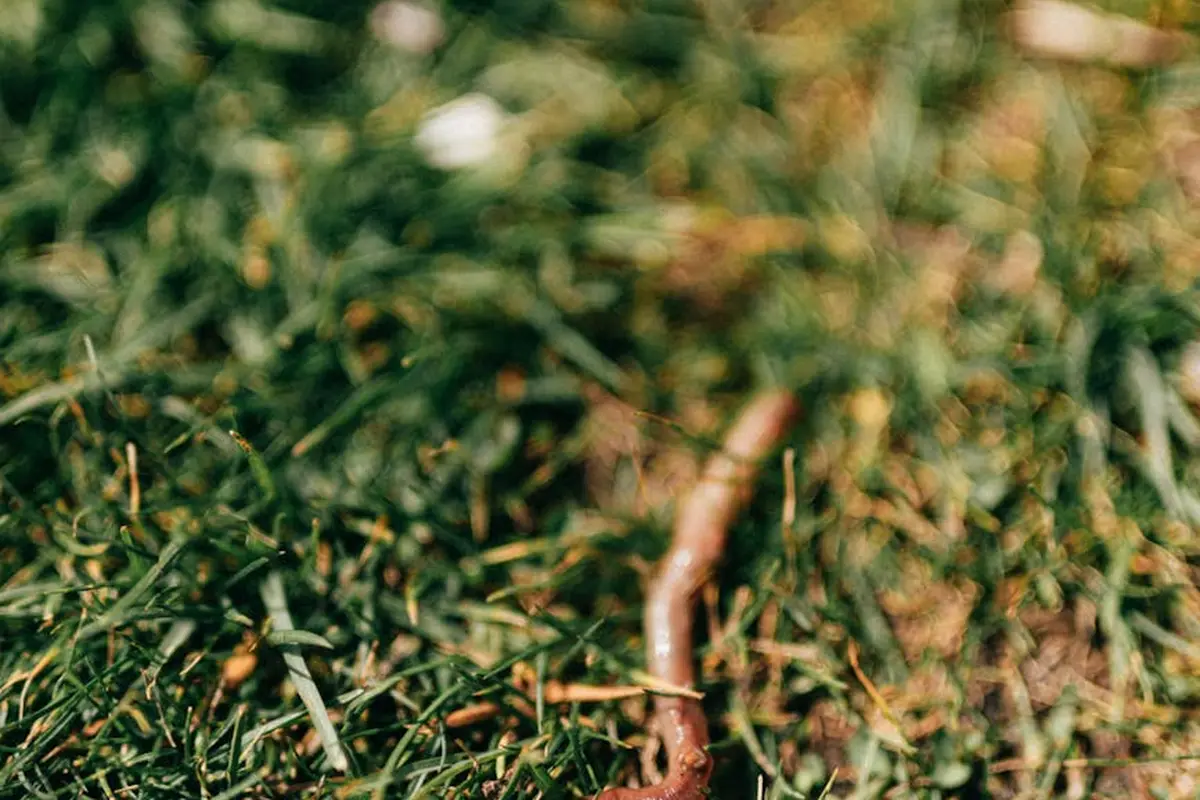
Think of your soil like a sponge. A good, healthy sponge soaks up water and lets air move through it. Over time, that sponge can get packed down. Foot traffic, play, and even just the weight of mowing can press the soil particles together, squeezing out the room for air and water. Your lawn starts to suffocate.
You don’t need a degree to see the signs. You just need to look and feel.
- Water Puddling: After a rain or watering with Sunny, water sits on the surface for hours instead of soaking in. This is a classic sign the soil is too dense to accept moisture.
- Thinning, Weak Grass: The grass roots are shallow because they can’t push through the hard ground. Thin spots appear, and weeds often move into these stressed areas.
- Hard Ground Underfoot: The soil feels rock-hard when you walk on it, like a paved path. There’s no gentle springiness.
If you’re unsure, try the screwdriver test. Grab a long, sturdy screwdriver and push it into a moist section of your lawn. If it’s tough to push more than an inch or two, you’ve got compaction. I do this test in my Patch area every spring.
Lawns on heavy clay soil are almost always candidates for aeration, as clay particles pack together tightly. High-traffic zones like the path from the driveway to the door or where the kids play are also prime targets. Take a walk around your yard and look for these trouble spots. You probably already know where they are.
The Aerator Toolbox: How Different Aerators Work
The goal of aeration is simple: create holes in the soil to let air, water, and nutrients reach the roots. But not all holes are created equal. Here are the tools you can use.
Required Materials: The Main Contenders
- Manual Core Aerators: A step-on tool with hollow tubes. You push it in with your foot, pull out a plug, and repeat. It’s hard work but effective for small areas.
- Manual Spike Aerators: A fork-like tool or shoes with spikes that poke holes in the ground.
- Tow-Behind Plug Aerators: A coring drum you hitch to a lawn tractor or zero-turn like my Max. Great for larger, flat lawns.
- Rental Walk-Behind Aerators: The gas-powered machines you rent from a hardware store. They do the best, most thorough job for most medium to large yards.
- Liquid “Aeration” Products: Bottled solutions you spray or pour on the lawn.
Core aeration is the gold standard. It uses hollow tines to punch down 2 to 3 inches deep and pull up a plug of soil, leaving a real open channel. This physically relieves compaction and brings buried soil to the surface. Spike aeration just pokes a hole, which can actually push and compact soil sideways.
So, how deep do aerators go? Most core aerators pull plugs from 2 to 3 inches deep, which is right where your grass roots need relief.
Do lawn aerator shoes work? Briefly? They make holes. But they’re awkward, inefficient, and use the spike method, which isn’t ideal. I don’t recommend them.
Does liquid aeration work? It’s better to think of it as a soil conditioner. These products contain ingredients that can help loosen soil particles over time, but they don’t create physical holes. Liquid products are not a substitute for mechanical core aeration on a compacted lawn.
Choosing Your Weapon: Plug, Spike, or Liquid?
Let’s break down your real choices so you can pick the right tool for your yard and your Saturday.
Core/Plug Aerators (Manual, Tow-Behind, or Rental)
- Pros: They physically remove soil cores, providing immediate relief from compaction. The holes let in air and water, and the leftover plugs break down and add organic matter back to the lawn.
- Cons: It’s more work (manual) or requires equipment (tow-behind/rental). Your lawn will look messy with soil plugs for a week or so until they break down.
This is the method I use every fall. The results are undeniable.
Spike Aerators (Forks, Tools, or Shoes)
Spike aerators can make a bad situation worse. Imagine pressing a solid spike into compacted clay. It doesn’t remove material; it just temporarily displaces it, often creating a harder, more compacted wall around the hole. For severely compacted soil, I’d avoid them.
The Verdict on Liquid and Shoes
Save your money on the spiked shoes. For liquid “aerators,” manage your expectations. Think of a liquid product as a helpful supplement for mild soil issues, not a cure for serious compaction. If your lawn fails the screwdriver test, you need a machine with hollow tines.
When and How Often to Aerate for Real Results
Timing your aeration is just as important as doing it. Get the timing right, and your lawn bounces back thick and green. Get it wrong, and you’re just making holes for weeds.
The best time to aerate is when your grass is in its peak growth cycle, because it can heal and fill in those holes fast. Also, consider how often you should aerate, since frequency affects soil compaction and overall lawn health.
Cool-Season vs. Warm-Season Grasses
Think of your grass type as its calendar. Cool-season grasses like Kentucky bluegrass, fescue, and ryegrass wake up in the cool, moist weather of fall. Warm-season grasses like Bermuda, Zoysia, and St. Augustine hit their stride when summer heat arrives.
- For Cool-Season Lawns: Aerate in early fall. The soil is still warm, but the air is cooling down. This gives roots time to grow deep before winter. My own lawn gets this treatment every September.
- For Warm-Season Lawns: Aerate in late spring to early summer, right as they kick into high gear. The heat helps them recover quickly.
How Often Should You Do It?
For most home lawns, once a year is perfect. It’s a solid maintenance habit, like changing your mower’s oil. But some lawns need more frequent care to stay healthy.
I aerate my main lawn once a year. But “Patch,” that shady, soggy corner? It gets it twice because the soil is thick and heavy there. You might need a similar plan if your lawn fits these profiles:
- Heavy Clay Soil: Clay compacts easily, like wet pottery. Aerating twice a year (spring and fall for cool-season, early and late summer for warm-season) helps keep it open.
- High Traffic Areas: Where kids play, dogs run, or you always walk to the shed. This soil gets packed down fast.
Avoid aerating during drought or a heat wave. If the grass is stressed and brown, those holes become extra wounds. Water it well first, or wait for better weather.
Getting It Done: Your Pre- and Post-Aeration Game Plan
A little planning turns aeration from a chore into a project with serious payoff. Here’s how to set yourself up for success.
How to Prepare: The Day-Before Checklist
Don’t just roll the aerator out of the garage. Take 30 minutes to prep. It saves you headaches and protects your equipment.
- Mark Your Sprinkler Heads and Hidden Lines. I use bright plastic flags. Hitting a sprinkler line with an aerator tine is a bad day. Trust me.
- Mow Your Lawn Low. Set your mower, like my trusty Max, one notch lower than usual. This lets the tines reach the soil easily without getting tangled in long grass.
- Water Deeply 1-2 Days Before. The goal is soil that’s moist, not soggy. You want it soft enough for the tines to pull clean plugs, but not so wet it turns into mud soup. Think of a damp sponge you’ve wrung out.
What to Do After: The Critical Next Steps
This is where the magic happens. What you do in the week after aeration determines your results.
Leave the soil plugs right where they fall. I know, the lawn looks messy. Those little mud cores on the grass will crumble back into the holes in about a week, carrying organic matter and microbes down with them. It’s free topdressing.
Now, help your lawn recover with three simple actions:
- Water Deeply. Give the lawn a long, slow drink. This helps settle the soil and wakes up the roots. Use Sunny, your irrigation, or a sprinkler to get at least an inch of water down.
- Apply a Gentle Fertilizer. With those new holes open, roots can easily grab nutrients. A standard, pet-safe lawn fertilizer gives them the food they need to grow.
- Overseed if You Need To. Thin areas? Bare spots? This is your absolute best chance to seed. The seeds fall into the aeration holes, where they are protected and have perfect soil contact. It’s the easiest seeding you’ll ever do.
Your lawn will look rough for about a week. Then, you’ll see a surge of deep green growth. It’s worth the temporary mess.
When This Guide Isn’t Enough
For most lawns, a rental core aerator and this plan will work. But sometimes, you need to call in the big guns.
Consider professional help if:
- You have severe, ongoing drainage issues (like constant standing water). This might need more than aeration, like installing a French drain.
- You’re tackling a full lawn renovation on a very large area. Pros have massive, ride-on aerators that save you days of work.
- Your soil is more hardpan clay than dirt. If a core aerator just bounces off the surface, the soil may need serious amendment first, which is a bigger job.
Your Lawn Aeration Questions, Answered

How often should you aerate your lawn?
For most lawns, once a year is the perfect maintenance rhythm to keep soil from getting greedy and compacted. Lawns on heavy clay soil or with high traffic might need it twice a year to stay truly thick and healthy. Along with regular mowing and fertilizing, aeration helps maintain soil health.
What should you do right after aerating your lawn?
Leave the soil plugs on the grass-they’ll break down and feed your lawn in about a week. Then, water deeply and consider overseeding or applying fertilizer; those open holes are a direct pipeline to the roots.
What’s the real difference between plug, spike, and liquid aerators?
Plug (core) aerators are the only ones that physically remove soil, giving you genuine relief from compaction. Spike tools can make compaction worse, and liquid products are soil conditioners, not substitutes for mechanical aeration on a hungry, compacted lawn.
Can I aerate my lawn myself, or should I hire a pro?
For a typical yard, renting a walk-behind core aerator and doing it yourself is very effective and saves cash. Hire a pro if you have severe drainage issues, a massive property, or soil so hard the machine just bounces off.
Is lawn aeration worth the cost and effort?
Absolutely. It’s the single best thing you can do to make watering, fertilizing, and overseeding actually work, saving you money and frustration in the long run. Your grass will repay you with deeper roots and a greedier, thicker green carpet.
Your Lawn, Breathing Easy
The single best move you can make is to rent a core aerator in the early fall and give your compacted soil a real chance to heal. This one action sets up your grass for a whole year of deeper roots and easier growth.
Good lawn care means working with nature, not against it. I keep learning from my own yard, favoring practices that are safe for my dog and the bees buzzing around Sunny’s drip lines.
Research and Related Sources
- Why, When and How to Aerate Your Lawn
- Aeration: Why, How & When to Aerate Your Lawn
- What is Aeration? Understanding Lawn Aeration for a Healthier Lawn | TruGreen
Written by Ria Carrington. Ria is an avid lawn care enthusiast and advisor. No lawn is unsalvagable when Ria is at work. She has helped countless homeowners breath new life into their dying lawns. She has a B.Sc in Agriculture and brings practical advice combined with knowledge of plant science and her decade worth of hands on experience.