
How Do I Overseed My Lawn Without Wasting Time or Money?
Seeing bare spots or thin grass can make you wonder if a thick lawn is out of reach. Good news: overseeding is your straightforward fix, and I’ll show you how to do it right.
We’ll walk through the exact process from soil prep to watering, the simple equipment that gets results, and how to measure real effectiveness so your effort pays off.
I’ve overseeded my own grass multiple seasons, learning what saves cash and what actually works.
At a Glance: Why Overseeding Works (and When It Doesn’t)
Let’s get right to it. Overseeding is simply spreading new grass seed over your existing lawn. You’re not starting over, you’re just adding more grass plants to the party. I think of it like inviting more neighbors to a backyard cookout. The more good folks you have, the less room there is for the troublemakers to show up.
This process works for three big reasons. First, it fills in those thin or bare spots that drive you crazy. Second, a thick lawn is your best defense against weeds. New grass sprouts crowd out weed seeds, blocking their light and stealing their space. It’s a friendly neighborhood watch for your soil. Third, it revives old, tired grass. New, vigorous young grass plants mix with your mature lawn, making the whole area look fuller and more vibrant.
So, does overseeding work? The short answer is yes, absolutely. I’ve done it in my own yard for years. The long answer is that it only works if you get a few key things right for your specific grass and your specific season. If you just toss seed on hard ground in the middle of summer, you’re mostly just feeding the birds.
Think of this as your quick-start cheat sheet. Getting a great result comes down to four things:
- Timing: Planting when the weather helps the seed, not hurts it.
- Seed Choice: Picking the right grass type that matches your lawn and your climate.
- Soil Contact: Getting the seed to actually touch dirt, not just sit on top of dead grass.
- Water: Keeping the seed moist so it can wake up and grow.
Nail these, and you’re most of the way there. That starts with preparing soil for lawn seeding success—looser, well-aerated soil that improves seed-to-soil contact. When the soil is prepared, lawn seeding success follows.
Timing is Everything: When to Hit the Sweet Spot for Overseeding
The most common question I get is, “What is the best time of year to overseed my lawn?” Your grass type gives you the answer. You need to plant when the seeds have the best chance to germinate and the young grass has mild weather to grow strong roots.
For cool-season grasses like Tall Fescue, Kentucky Bluegrass, and Perennial Ryegrass, early fall is king. I aim for when the nights start to get crisp, usually about 6-8 weeks before your first expected frost. The soil is still warm from summer, which seeds love, but the cooler air above gives the new grass a break from heat stress. Weeds are also slowing down, so they compete less. Spring is a distant second choice, as young grass then has to survive the summer heat right away.
For warm-season grasses like Bermuda, Zoysia, and Centipede, you want late spring into early summer. Wait until the soil is consistently warm and all danger of frost is gone. These grasses thrive in heat, so planting just as they’re waking up from winter dormancy gives them the whole growing season to establish.
Here’s my practical tip: Don’t just watch the calendar, check your soil temperature. It’s a more reliable guide. For cool-season grasses, you want soil temps between 50-65°F. For warm-season, wait until soils are consistently above 65°F. You can buy a simple soil thermometer at any garden store. Stick it a couple inches into the ground in the morning for an accurate read. It’s the same tool I use to decide when to put down pre-emergent in Patch, my problem area. Trust the dirt, not just the date.
The Pre-Game: How to Prepare Your Lawn for Seed to Succeed
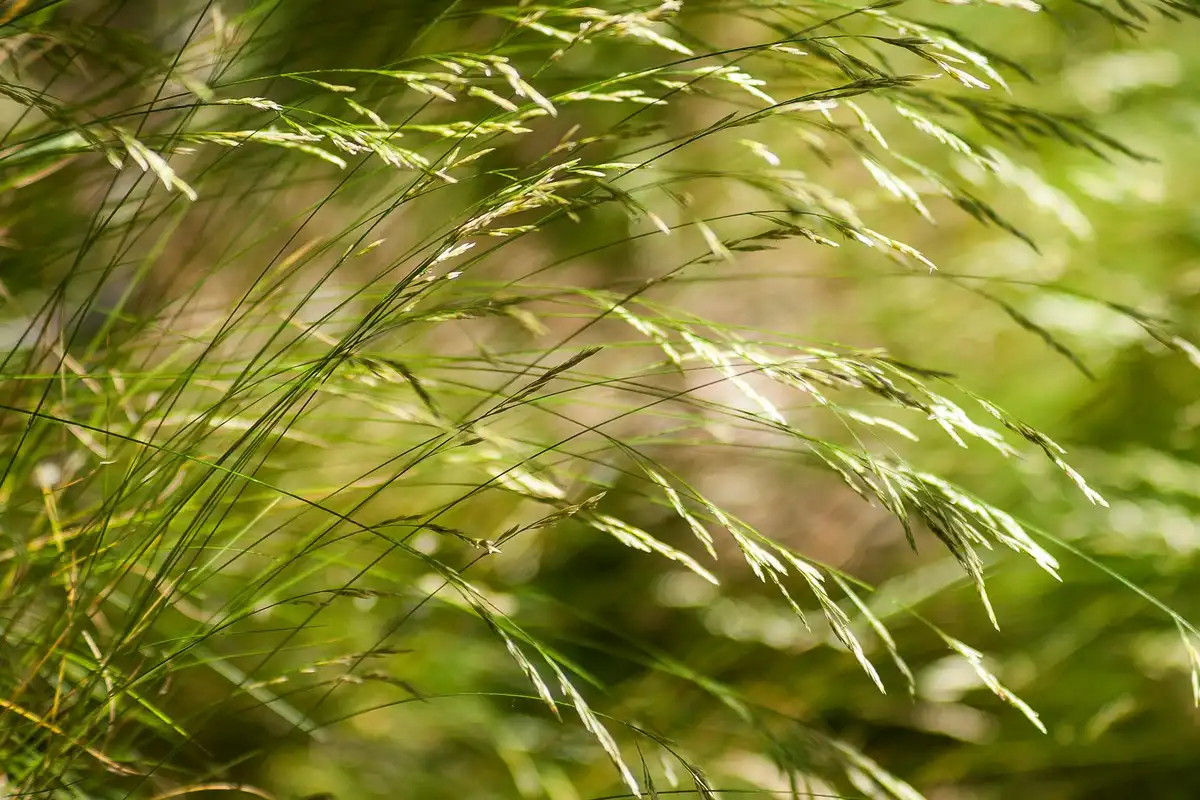
Good prep work is what separates a sprouting success from a pile of wasted seed and effort. Think of it like painting a room. Skimp on the sanding and taping, and you’ll see every flaw through the new paint. This is your sanding and taping phase.
Step 1: The Clean Cut and Clean-Up
You need to get down to business. Fire up your mower and set the deck to its lowest safe setting. For cool-season grasses like fescue or Kentucky bluegrass, that’s often around 1.5 to 2 inches.
You’re not giving a trim, you’re giving a buzz cut. The goal is to expose as much soil as possible by reducing the shade from tall grass blades. It feels drastic, but it’s necessary.
Bag those clippings or rake them up thoroughly, along with any leaves or sticks. You want a clean, open canvas for your new seed to land on, not a layer of old grass hiding it from the soil.
When I do this with Max, my zero-turn, the lawn has a crisp, short feel underfoot, almost like a golf green. That’s what you’re going for.
Step 2: The Soil Test and Tune-Up
This step answers the silent question your lawn is asking. Throwing seed on bad soil is like planting a tree in a parking lot. A simple soil test from your local cooperative extension office is the best investment you can make. It tells you exactly what your dirt needs. With that knowledge, you’ll know the right planting depth for grass seed and how to prepare the soil. Proper soil prep helps ensure even germination and a sturdy lawn.
The report will show your soil’s pH and nutrient levels. Grass generally likes a pH between 6.0 and 7.0. If your soil is too acidic (low pH), you may need a gentle application of pelletized limestone. If it’s too alkaline (high pH), elemental sulfur can help.
For a pet and pollinator safe approach, I avoid synthetic “weed and feed” products during overseeding and use simple, targeted amendments like the lime or sulfur my test calls for, along with a starter fertilizer low in phosphorus unless my test shows a deficiency.
It’s not about dumping a bag of magic dust, it’s about giving your soil the specific dinner it’s hungry for.
Step 3: Breaking Through the Barrier
Most lawns develop a thatch layer. This is a tight mat of dead stems and roots between the green grass and the soil. A little thatch is good insulation, but more than half an inch thick acts like a thatched roof, literally. It sheds water and blocks seeds.
Dethatching, either with a rented power rake or a sturdy garden rake for small areas, pulls this mat up. You’ll pull up a surprising amount of brown, felt-like material. It’s hard work, but it opens the door.
Next is aeration. A core aerator is a machine that pulls out plugs of soil, about the size of your finger, and drops them on the lawn. Each hole is a direct pipeline for your new seed, plus it lets water, air, and nutrients reach the roots of your existing grass. That’s the core idea behind aeration: creating channels for air, water, and roots. In the next steps, you’ll find links to timing, depth, and aftercare guidance.
If thatch is a compacted pillow, aeration is fluffing it up and punching breathing holes in the case. Those little soil plugs will break down in a week or two. Leave them, they’re great top dressing.
In my problem area, Patch, I always dethatch and aerate. It’s the only way to give new seed a fighting chance against the compacted soil and tree roots.
Choosing Your Players: Picking the Right Grass Seed for the Job
Now for the fun part. Walk into any garden center and the seed wall is overwhelming. Do you match your old grass or try something new?
First, identify what you already have. Is it thin-bladed and fine, or broad and coarse? Matching it is usually the safest bet for a uniform look. But sometimes, your lawn has changed. Maybe that sunny backyard is now shaded by a mature maple.
In that case, choose a seed blend formulated for your specific condition, like a shade-tolerant fescue mix for under trees, even if it differs from your sunnier areas. It’s okay to have different grasses for different jobs.
Always, always read the seed tag, usually on the side or bottom of the bag. This is the law label. You’re looking for three key things:
- Weed Seed & Crop Content: This number should be 0.0%. You are paying for grass seed, not weed seeds or filler like annual ryegrass.
- Seed Variety: It should list specific, named varieties (like ‘Titanium’ Tall Fescue), not just “Tall Fescue.” Named varieties are bred for better disease and drought resistance.
- Germination Rate: Look for a rate in the 90% range. A lower rate means more seeds are dead in the bag.
On cost, the cheap bag is almost always a false economy, packed with annual grasses that die in one season and weed seeds. The super-premium pro-grade bag might be overkill. A good mid-priced bag with a clean tag and named varieties suited to your region is the sweet spot for most homeowners. You’re buying the genetic potential of your lawn for the next several years, so buy good seed.
Gear Up: The Tools You Need and How They Work
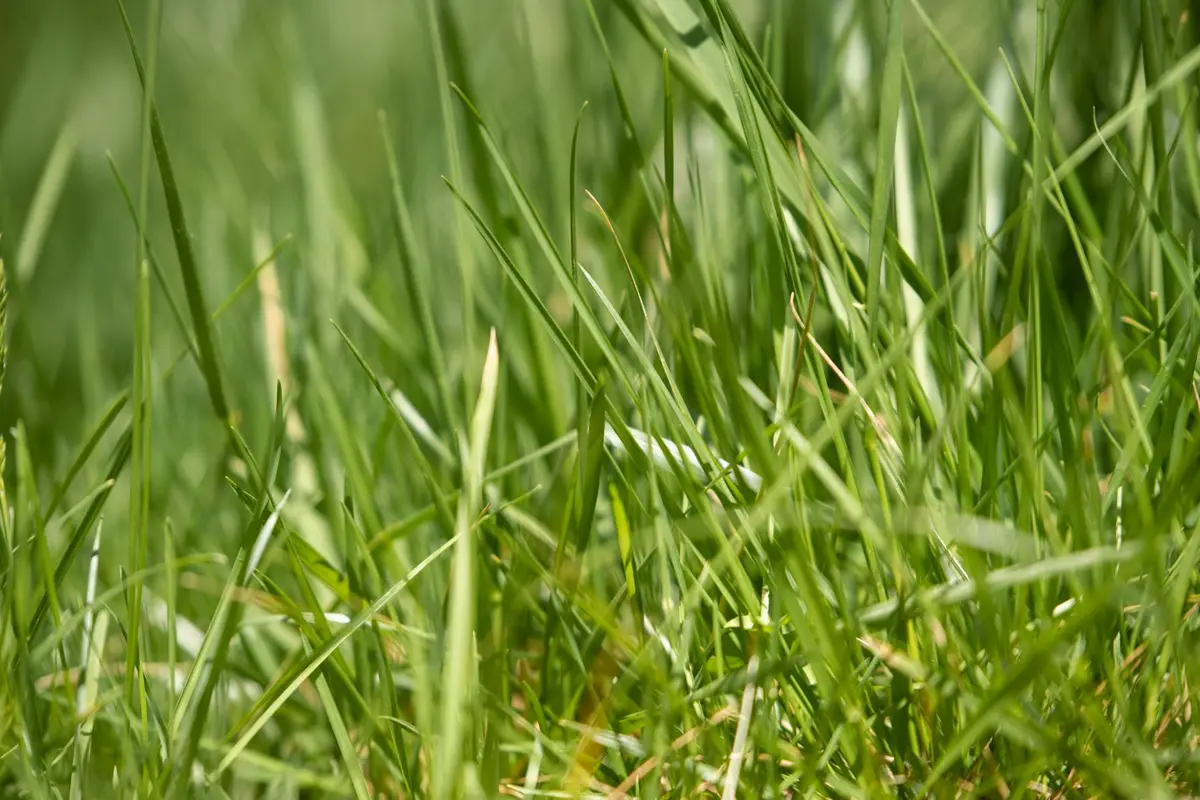
Think of this like a simple recipe. You need a few basic ingredients to start. A few extra tools can take your results from decent to outstanding. Let’s walk through what you’ll want to grab from the garage or the garden center.
The Must-Haves
You can’t get started without these three tools. You likely own two of them already.
- A reliable mower. My zero-turn, Max, has seen me through many seasons. You just need something that can cut your existing grass short.
- A sturdy rake. A simple garden rake, the kind with stiff metal tines. This is for roughing up the soil so the seed has a place to land.
- A seed spreader. This is your most important tool for the job.
So, how does a seed spreader work? It’s simple: it scatters the seed for you, evenly and quickly. You have two main types. A broadcast spreader flings seed out in a wide fan pattern, like sprinkling salt. A drop spreader drops seed straight down in a controlled band. For most lawns, a broadcast spreader is faster and easier. The goal is to avoid clumps and bare spots, which a spreader helps you do.
The Game Changers
These tools solve the biggest problem in overseeding: getting the seed to touch the soil. If seed just sits on top of thatch or old grass, it won’t grow well. Aerated seeding improves seed-to-soil contact by opening up compacted soil and reducing thatch, which boosts germination. This highlights the difference in effectiveness between aerated seeding and traditional overseeding.
- A core aerator. This machine pulls out small plugs of soil and thatch, leaving holes all over your lawn. It’s like poking dozens of little breathing holes and seed bunkers. You can rent one for a few hours.
- A lawn roller. This is a heavy drum you fill with water. After you spread seed, you roll it lightly over the lawn to press those tiny seeds into the soil. Think of it as tucking them in.
A soil thermometer is a smart optional buy to confirm your timing is right. Starter fertilizer is also helpful but not a must-have for the day of seeding. We’ll talk about that next.
The Main Event: Your Step-by-Step Overseeding and Aftercare Guide
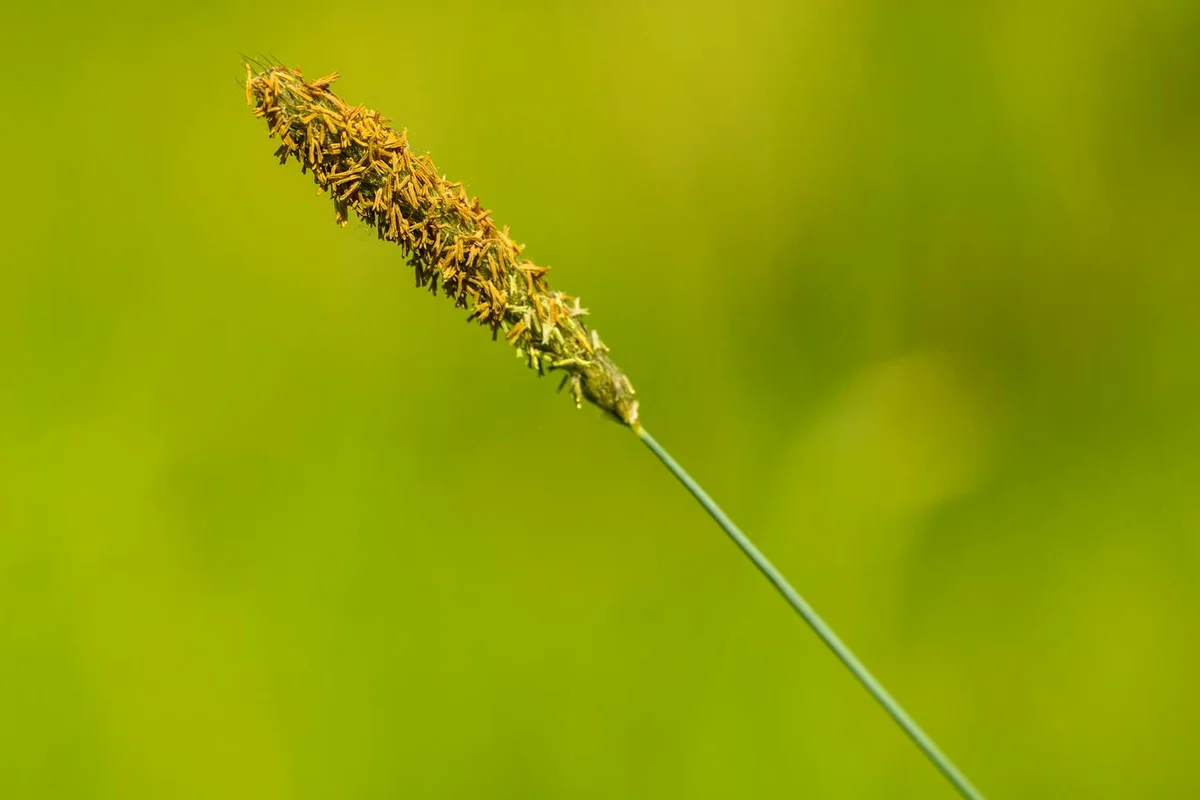
This is the fun part. Follow these steps, be patient with the watering, and you’ll be rewarded with a thick, lush lawn. This is exactly how I do it in my own yard.
How to Spread Seed Like a Pro
First, mow your lawn short. I mean, really short. Then, rake it vigorously to pull up dead grass and scratch the soil surface. If you’re using an aerator, do that now. You want to see soil, not a carpet of green.
Calibrate your spreader by setting it to the rate on your seed bag and doing a test walk on your driveway. You want to see an even scatter. Now, walk at a steady pace across your lawn. Then, walk back over it in the opposite direction, creating a criss-cross pattern. This is the secret to perfect coverage.
How much seed? For overseeding, you typically use half the rate for a new lawn. For common grasses like Tall Fescue or Kentucky Bluegrass, aim for about 4 to 6 pounds per 1,000 square feet. Check your seed bag. It will tell you the exact rate.
Should you use starter fertilizer? It helps. A starter fertilizer is high in phosphorus, which supports strong root growth for your baby grass. Apply it right after seeding, following the bag directions to the letter. More is not better.
Do you need to cover the seed? Yes. Either give the whole area a *very* light rake to work the seed down, or spread a thin layer (no more than 1/4 inch) of compost or topsoil. This protects seeds from birds and sun, and keeps them moist.
Watering Wisely: The Germination Game
This is where most people slip up. Your job now is to keep the top inch of soil constantly moist, like a wrung-out sponge. Not soggy, not dry.
Water gently and frequently, at least twice a day for the first two weeks if it doesn’t rain. I set Sunny, my drip system, for short cycles in the early morning and late afternoon. You want a soft sprinkle, not a heavy stream that will wash the seeds away.
How long does it take? It depends on what you planted. Ryegrass can pop up in 5-10 days. Fescue takes 7-14 days. Kentucky Bluegrass tests your patience for 14-21 days. Don’t panic if it’s uneven. Grass germinates on its own schedule.
The First Mow and Protecting Your New Grass
Be patient. Wait until the new grass blades are about one-third taller than your normal mowing height. If you mow at 3 inches, wait until the new grass is about 4 inches tall.
Use a sharp mower blade and only take off the top third. Be gentle. Those new roots are still shallow and weak.
How do you protect the seedlings? Keep everyone off the lawn. Pets, kids, foot traffic. I put up little flags to remind myself. Watch for pests like birds or curious squirrels. For bugs, I use pet-safe solutions like neem oil if I see an issue, but usually, a healthy new lawn can outgrow minor trouble.
How do you know if it worked? In a few weeks, you’ll see it. Your lawn will look thicker, with a deeper, more even green color. Bare spots like my friend Patch will start to fill in. You’ll feel a denser carpet underfoot. That’s your success story, grown from a bag of seed and a little weekend work.
Common Overseeding Mistakes and How to Dodge Them
Everyone makes mistakes. I’ve made plenty in my own yard, especially with that shady area I call Patch. The goal isn’t to be perfect, it’s to avoid the big pitfalls that waste your time, money, and effort. Let’s walk through the most common ones.
Overseeding at the Wrong Time
This is the number one reason an overseed fails. Grass seed needs specific conditions to sprout and grow strong before extreme heat or cold hits.
For cool-season grasses like Kentucky Bluegrass or Tall Fescue, early fall is your golden window. The soil is still warm, the air is cooler, and autumn rains help. Spring is a risky second choice, as young grass often can’t handle summer stress.
For warm-season grasses like Bermudagrass or Zoysia, late spring to early summer is the time, when soil temperatures are consistently warm. This aligns with the best time to plant grass seed in spring for optimal germination. Spring seeding guidelines help ensure a strong, healthy stand.
The right timing gives your new grass the best fighting chance to establish deep roots before it faces its first big challenge.
Skipping Soil Preparation
You wouldn’t try to plant tomatoes in concrete. Throwing seed on hard, compacted soil is the lawn version of that. The seed needs to contact the soil to germinate.
At a minimum, you need to rough up the surface. I use a metal garden rake. For larger areas, a core aerator rents for a day and works wonders. It pulls out plugs of soil, creating perfect little holes for seed, water, and air to reach the roots.
Think of soil prep as rolling out the welcome mat for your new grass seed.
Using Too Much or Too Little Seed
More seed is not better. Cramming seeds together leads to competition. The seedlings fight each other for light, water, and nutrients, creating a weak, thin stand that’s prone to disease.
Always follow the recommended seeding rate on the bag. Use a broadcast or drop spreader for even coverage. I often mark my rate setting with a bit of tape so I don’t forget it halfway across the lawn.
Too little seed means bare spots remain, and weeds will gladly move into that empty real estate.
Underwatering or Overwatering
Watering is where most folks, including me in my first few years, get tripped up. The goal is to keep the top inch of soil consistently moist, not soggy and not dry.
- Underwatering: The seed dries out and dies. Germination stops.
- Overwatering: You create a swamp, which can wash away seed, cause fungus, or drown the tender new roots.
My drip system, Sunny, is great for established areas, but for new seed, I use a simple sprinkler on a timer. Light, frequent watering several times a day for the first 1-2 weeks is key. Once the grass is about an inch tall, you can start watering less often but more deeply.
Consistent, gentle moisture is the non-negotiable fuel for germination.
Mowing Too Soon or Too Short
You’re excited to see the new grass. I get it. But running Max the mower over it too early is a disaster. You’ll rip the shallow roots right out.
Wait until the new grass reaches about one-third taller than your normal mowing height. For most lawns, that’s around 3 to 3.5 inches. When you do mow, make sure your mower blade is sharp. A dull blade tears the young grass, turning the tips brown and opening the door for disease.
Never take off more than one-third of the grass blade in a single mowing. This rule is always true, but it’s critical for baby grass.
What Overseeding Does (And Doesn’t Do) for Weeds
A thick, healthy lawn is the best defense against weeds. Overseeding helps crowd them out by leaving no room for weed seeds to sprout and take hold. It’s a long-term, cultural strategy.
But overseeding is not a magic bullet or an instant weed killer. If you have a major weed problem like crabgrass or dandelions, you’ll likely need to address those separately, preferably before you seed. Think of overseeding as building a strong team to outcompete the weeds, not as a chemical that zaps them on contact.
Your Overseeding Questions, Answered
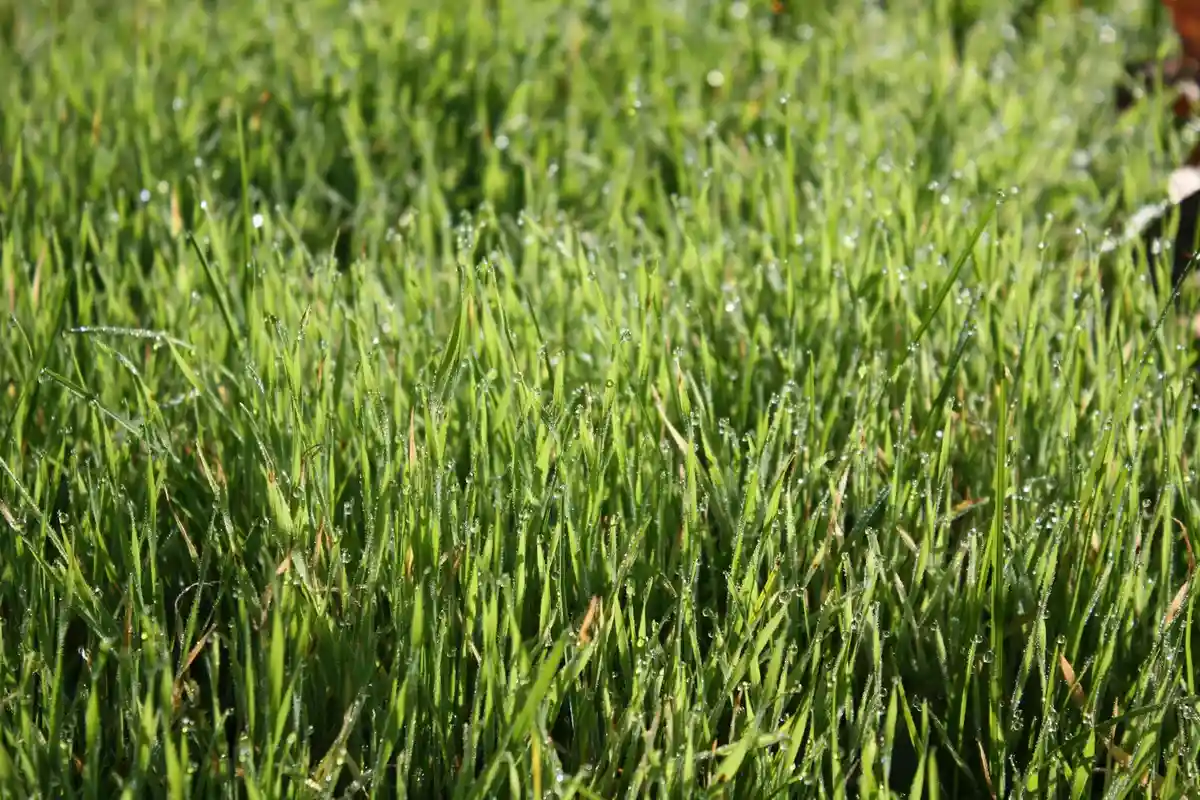
What is overseeding and why is it important for my lawn?
Overseeding is inviting more grass plants to your lawn’s party to crowd out weeds and fill in thin spots. It’s the most effective way to get a thick, “greedy” lawn that looks lush and healthy without starting from scratch. To get the best results, make sure you pair it with proper lawn care practices like aeration and watering.
What’s the one thing I need to get right for timing?
For cool-season grasses, plant when night temps dip but soil is still warm, about 6-8 weeks before frost. For warm-season grasses, wait until late spring when the soil is consistently warm. Trust soil temperature over the calendar alone. Aligning planting with the ideal temperature for grass seed germination boosts germination success. Knowing this range helps you time seeding with confidence.
Should I match my existing grass or use a different seed?
Matching gives you a uniform look, but don’t be afraid to choose a specialized blend for problem areas, like shade mix under a tree. The goal is a thick lawn, not a grass purity test.
What’s the absolute minimum equipment I need?
A mower, a rake, and a seed spreader. For truly great results, rent a core aerator to punch holes for seed-it’s the single best upgrade to your process for ensuring seed-to-soil contact.
What’s the most critical part of watering after overseeding?
Keep the top inch of soil constantly moist for the first two weeks. Water lightly and frequently; a gentle sprinkle twice a day is far better than one heavy soaking that washes your seed and effort away.
Wrapping Up Your Overseeding Project
If you remember one thing, make it this: get your seed in direct contact with the soil and keep it moist. Do that at the right time for your grass type, and you’ve already won most of the battle for a thicker lawn. If you’re planting and growing grass seed for your lawn, these same principles apply. The next steps will include links to guides on planting, growing, and lawn care.
A great lawn is a partnership with your local environment. I always choose pet-safe seed and skip harsh weed killers in my overseeding areas, letting the new grass crowd out problems naturally. Watch how your lawn responds this season, and you’ll learn exactly what it needs next fall.
Deep Dive: Further Reading
- Overseeding advice for a noob? | Lawn Care Forum
- r/lawncare on Reddit: Overseeding – For the lazy folks
- Preparing Lawn for Overseeding: The Complete Homeowner’s Guide | TruGreen
Written by Ria Carrington. Ria is an avid lawn care enthusiast and advisor. No lawn is unsalvagable when Ria is at work. She has helped countless homeowners breath new life into their dying lawns. She has a B.Sc in Agriculture and brings practical advice combined with knowledge of plant science and her decade worth of hands on experience.