
How Do You Grow a Lawn That’s Both Healthy and Beautiful on a Homeowner’s Budget?
You picture a thick, soft carpet of green, but your lawn might look thin or weedy instead. I get it, and the good news is that a great lawn comes from simple, consistent habits, not magic or big spending.
This article breaks it down into manageable pieces, walking you through building healthy soil, mowing correctly, watering wisely, feeding your grass safely, and managing weeds without harsh chemicals.
My advice comes from hands-on experience, learned over years of maintaining my own lawn with tools like Max, my trusty mower, and problem-solving in tricky spots like Patch.
At a Glance: Key Factors for a Great Lawn
I’ve spent enough early mornings checking on Sunny, my drip system, to know what matters most. Every great lawn starts with four non-negotiables: soil, water, mowing, and feeding. Skip one, and you’ll see it in thin spots or weed invasions.
These are your foundation. Get them right, and problems like moss or crabgrass become minor fixes. I learned this after a season of chasing weeds instead of building healthy turf.
Here’s the Big Four in plain terms:
- Soil: It’s alive with microbes and roots. Treat it well, and it feeds your grass from below.
- Water: Deep, infrequent drinks beat daily sprinkles. My setup, Sunny, saves water by targeting roots, not leaves.
- Mowing: Max, my zero-turn, taught me to mow high. Tall grass shades soil, crowds out weeds, and stays green longer.
- Feeding: Grass needs food, but not all at once. Slow-release fertilizers work best, and I always choose pet-safe options.
And a quick note: whatever steps you take, make them safe for pets and pollinators. I avoid harsh chemicals and encourage clover for the bees. It’s good for the lawn and the ecosystem.
First, Figure Out What You’re Working With: Lawn Assessment 101
Start with a simple “pluck and look” test. Grab a handful of grass from a sunny spot. Cool-season grasses like fescue or Kentucky bluegrass have broad, soft blades that feel almost velvety. Warm-season grasses like bermuda or zoysia are narrow, stiff, and rough to the touch. Identifying your grass type is the first step to timing your care correctly.
Next, test your soil drainage. Dig a hole six inches deep. Fill it with water. If the water vanishes in minutes, your soil drains like a coffee filter, fast and sandy. If it lingers for hours, it’s more like a sponge, slow and clay heavy. This test tells you how often to water and helps prevent root rot.
Get a basic soil test. Your local extension office or a garden store has kits. The results will show pH: a number below 7 means sour, acidic soil; above 7 means sweet, alkaline soil. Most grasses prefer a slightly sour pH around 6.5. Adjusting pH with lime or sulfur makes nutrients in the soil accessible to your grass.
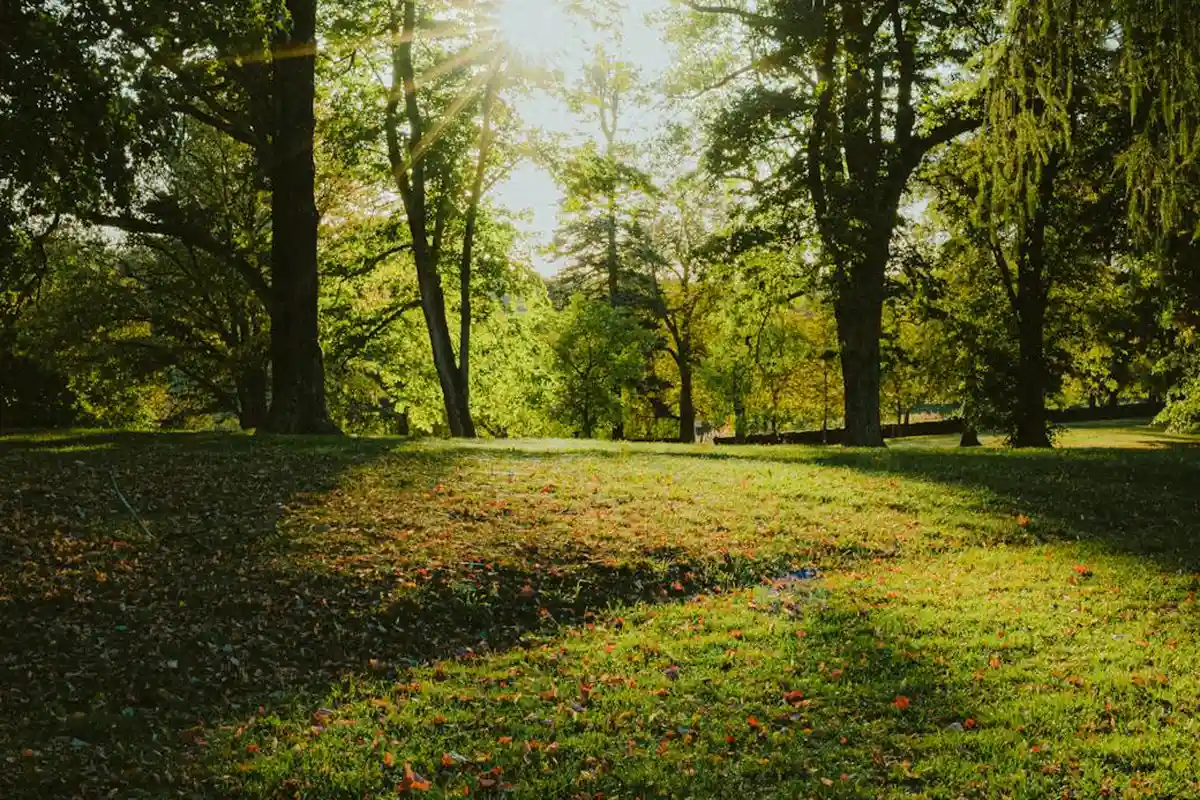
Finally, map the sun and shade. Walk your lawn in the morning, at noon, and in the afternoon. Note where sunlight falls and where shadows creep. I have a corner I call Patch that only gets morning sun, so I use shade-tolerant grass there. Knowing your light patterns helps you plant the right grass and avoid weak, thin areas.
How to Make Your Lawn Look Better with Better Mowing and Watering
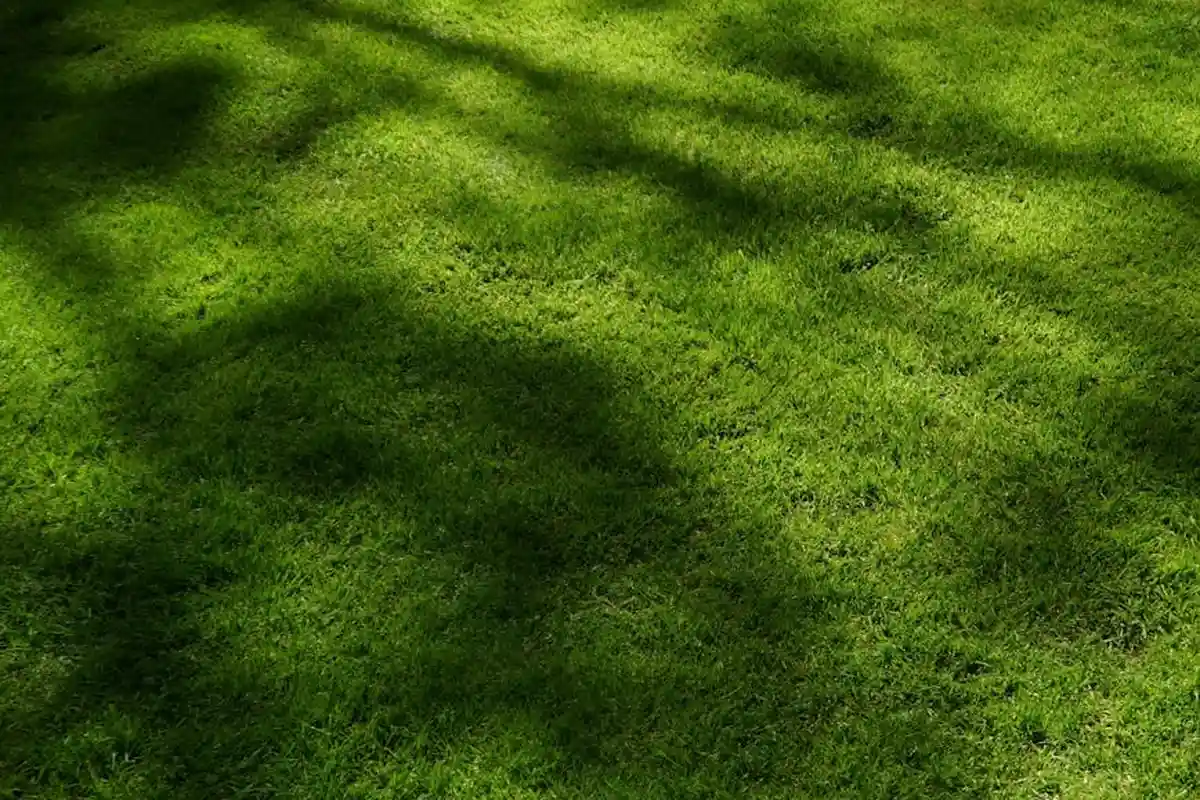
Think of your lawn like a crop you harvest every week. How you cut it and water it changes everything.
The Golden Rule of Mowing
Cut your grass high. Tall grass blades shade the soil, making it hard for weed seeds to sprout. They also push roots deeper, which helps your lawn survive hot, dry spells. Short grass gets weak and invites problems.
Give your grass a specific height to aim for, not just a rough guess. For cool-season grasses like Kentucky Bluegrass or Fescue, keep it between 3 and 4 inches. For warm-season grasses like Bermuda or Zoysia, aim for 1.5 to 2.5 inches. Check your mower’s manual to see what height each setting gives you.
Keep Max’s Blades Sharp
My mower, Max, is a workhorse. But a dull blade on a mower tears grass instead of slicing it cleanly. Those torn tips turn brown and make your whole lawn look dull. It’s like a bad haircut that takes weeks to grow out. I sharpen my blades at least twice a season, but sometimes you need to replace them instead.
Water Deep, Not Often
Daily sprinkling is the worst thing you can do. It teaches grass roots to stay lazy and shallow. You want to water deeply and then let the soil dry out a bit.
Your goal is about one inch of water per watering session. To measure this, do the tuna can test. Place a few empty tuna cans around your sprinkler zone. Run your system and time how long it takes to fill the cans with an inch of water. That’s your magic number for how long to run that zone.
The Best Time to Water
Always water in the early morning, just before sunrise. The wind is calm, the sun isn’t strong yet, and the water has time to soak in before evaporating. Watering at night leaves the blades wet for hours, which can cause fungus and disease. My drip system, Sunny, is set on a smart timer to do this automatically. It saves water and keeps the lawn healthy. Knowing the best time of day to water and a simple irrigation schedule helps. A consistent daily plan keeps the lawn evenly hydrated.
The Right Way to Feed Your Lawn for Health, Not Just Green Color
Fertilizer is food, not magic paint. The three numbers on the bag (like 10-10-10 or 24-0-6) are the N-P-K ratio, the lawn’s nutrition label.
- N (Nitrogen) is for green, leafy growth. This is the main number you look for.
- P (Phosphorus) is for strong root development.
- K (Potassium) is for overall plant health and stress tolerance.
A simple, effective feeding schedule for most lawns is three times a year. For cool-season grasses, feed in early spring, early summer, and early fall. For warm-season grasses, feed in late spring, early summer, and early fall. The fall feeding is the most important one for building strength. A seasonal lawn fertilizer treatment schedule helps you time these feedings with the growth cycle.
Synthetic vs. Organic: A Quick Comparison
Synthetic fertilizers give a fast green-up but can feed the grass so quickly it gets weak. Organic options, like milorganite or corn gluten meal, release nutrients slowly as they break down. They feed the soil life, which then feeds your grass.
Organic fertilizers build healthier soil over time and are generally safer for pets and pollinators when used as directed. I lean organic for the long-term health of my lawn and the little critters that live in it.
How to Use a Spreader Correctly
A broadcast spreader is your best friend for even feeding. First, calibrate it. Find the setting chart on your fertilizer bag. Put the spreader on a driveway or sidewalk and fill it with a known weight. Walk at your normal pace and see how far the fertilizer spreads. Adjust the setting until it matches the bag’s recommendation. Always apply fertilizer to dry grass, and water it in lightly afterwards.
How to Get a Thick Lawn: Overseeding and Aerating Explained
If your lawn is thin, overseeding is your secret weapon. You’re adding new, young grass plants to fill in bare spots and crowd out weeds. It’s the single best thing you can do for thickness. Proper techniques and equipment make all the difference.
Timing is everything. For cool-season grasses, overseed in early fall. The soil is still warm, but the air is cooler. For warm-season grasses, overseed in late spring when the soil is consistently warm.
Here’s the simple process:
- Mow your existing grass as low as your mower will allow.
- Rake the area hard to remove dead grass and loosen the top layer of soil.
- Spread the seed evenly at the rate recommended on the bag.
- Gently rake the seed so it has good contact with the soil.
- Keep the top inch of soil consistently moist with light watering until the new grass is about two inches tall.
Let Your Lawn Breathe
Over years, soil gets packed down from foot traffic and mowing. Core aeration fixes this. A machine pulls out small plugs of soil, creating holes for air, water, and nutrients to reach the roots. It’s like giving your lawn room to breathe.
Aerate during your lawn’s peak growing season so it can recover fast. For cool-season grass, that’s early fall. For warm-season grass, do it in late spring. This is the perfect partner for overseeding, as the new seed can fall into those open holes. To maximize results, pair this with proper lawn aeration overseeding care. Follow up with steady watering and mowing in the weeks after.
Smart, Safe Weed and Pest Control for a Perfect Lawn
The best defense against weeds is a thick, healthy lawn. It leaves no room for invaders. But sometimes, they get through.
Know Your Enemy
Weeds fall into two main categories. Broadleaf weeds, like dandelions and clover, have wide leaves and are usually easy to spot. Grassy weeds, like crabgrass and nutsedge, look like grass but grow faster and in clumps. You need to know which you’re fighting to pick the right tool for lawn weed identification and treatment.
Never blanket spray your whole yard with weed killer. It’s wasteful and hard on the environment. Spot-treat only the weeds you see. A simple handheld sprayer is perfect for this.
Choosing a Safe Herbicide
Look for selective herbicides that target the weed type (broadleaf or grassy) without harming your lawn. More importantly, read the label for bee and pet safety warnings, especially if you’re using pet-safe weed and pest control products. Products containing ingredients like iron HEDTA (for broadleaf weeds) or corn gluten meal (a natural pre-emergent) are great pet-safe options. Always apply on a calm day when bees are not actively foraging.
Dealing with Pests Naturally
If you see irregular brown patches that don’t green up with water, you might have pests. Grubs chew roots from below, while chinch bugs suck moisture from grass blades above.
Before reaching for harsh chemicals, consider beneficial nematodes for natural pest control. These are microscopic worms you mix with water and spray on the lawn. They seek out and kill grub larvae naturally. For a problem like my shady, stubborn Patch, sometimes the best control is patience and a thick stand of grass.
A Practical Seasonal Lawn Care Plan: What to Do and When

Forget complex calendars. A great lawn responds to weather, not dates. This seasonal plan works whether your spring starts in March or April. Think of it as a simple rhythm for the year.
Your grass has different needs as temperatures shift. Matching your work to these needs is how you build a resilient lawn.
Spring Lawn Care Checklist
Spring is a wake-up call for your grass. The goal is to encourage thick growth that crowds out weeds naturally.
- Clean up winter debris. Rake up leaves, sticks, and thatch from winter storms. This lets light and air reach the soil.
- Apply a pre-emergent if crabgrass is a foe. Do this when soil temperatures hover near 55°F for a few days. This creates a barrier against weed seeds.
- Conduct the first mow. Set your mower high, taking off only the top third of the grass blade. I love the crisp snap of that first cut.
- Apply a light fertilizer. Use a slow-release, balanced fertilizer to give grass a gentle boost. Avoid heavy feeding that promotes weak, fast growth.
- Fix bare patches. Rake the soil lightly, sow some seed, and keep it damp. It’s a quick fix that pays off all summer.
Spring is about setting the stage, not forcing a sprint. Patient care now builds strength for the hotter months ahead.
Summer Lawn Care Checklist
Summer is survival mode. Your job shifts from promoting growth to protecting what you have from heat and drought.
- Adjust your mower height up. Taller grass shades the soil, retains moisture, and develops deeper roots. This is the single best thing you can do in summer.
- Water deeply, but infrequently. I let Sunny, my drip system, run long enough for water to soak 6 inches down. This trains roots to grow deep. Do this once or twice a week, early in the morning.
- Monitor for pests and fungus. Look for irregular brown spots or thinning areas. Many issues are solved by adjusting water or mowing before reaching for a spray.
- Minimize foot traffic in the heat. Grass blades are stressed. Playing or heavy work can bruise and damage them.
- Hold off on heavy feeding. Fertilizing in peak heat can burn your lawn. If you must feed, use a very light, slow-release product.
A lazy summer lawn is often a healthy one. Less is more when the sun is blazing.
Fall Lawn Care Checklist
Fall is the secret season for lawn champions. Cool nights and warm soil are perfect for root growth and repair.
- Overseed thin areas. Grass seed thrives in fall soil. This is your best chance to fill in those spots where Patch, my weedy nemesis, usually wins.
- Apply your fall fertilizer. This is the most important feeding of the year. It builds strong roots for winter and stores energy for a green spring.
- Aerate if your soil is compacted. If water puddles or your soil feels hard, rent a core aerator. Those little plugs of soil let air, water, and nutrients reach the roots.
- Continue mowing as growth slows. Keep cutting until the grass stops growing. A gradual step-down in height prevents matting under winter snow.
- Keep leaves off the grass. A mat of wet leaves blocks light and invites disease. Mulch them with your mower or rake them up.
Fall effort is an investment in next year’s lawn. The work you do now builds resilience you’ll see for months.
Winter Lawn Care Checklist
Winter is for rest, for you and the lawn. A few simple tasks now prevent headaches later.
- Winterize your irrigation. Blow out your sprinkler lines to prevent freezing and cracking. I give Sunny a good flush and a thank you before her long nap.
- Give ‘Max’ an end-of-season service. Sharpen the blades, change the oil, and clean the deck. A happy mower makes for clean cuts next spring.
- Avoid walking on frosty grass. Frozen blades are brittle and will snap, leaving brown footprints in your lawn.
- Plan for next year. Order seed, note problem areas, and dream about that perfect stripe pattern. This is the quiet time to think.
Proper winter care protects your tools and your turf, making spring start smoothly.
Common Lawn Care Mistakes and How to Avoid Them
We’ve all been there. I’ve made most of these errors myself. The trick is to learn from them and keep it simple.
- Scalping the Lawn. Cutting too short weakens grass, exposes soil to weeds, and stresses roots.
The Fix: Mow high. Never remove more than one-third of the grass blade in a single cut. Taller grass is healthier grass.
- Watering Daily for Short Periods. This creates shallow roots that need constant water and die in the first heatwave.
The Fix: Water deeply 1-2 times per week. Soak the soil so moisture reaches down 6 inches. This builds drought-tolerant roots.
- Fertilizing at the Wrong Time. A heavy spring feed or a summer fertilizer burn can do more harm than good.
The Fix: Follow the seasonal schedule. Feed lightly in spring, skip heavy summer feeding, and put your main effort into a robust fall fertilizer application.
- Ignoring Soil Health. You can’t grow great grass in bad dirt. It’s like building a house on sand.
The Fix: Get a soil test. A simple test from your local extension office tells you exactly what your soil needs, saving you money and guesswork.
- Using the Wrong Weed Killer. Blanket spraying can harm pollinators, your grass, and isn’t always necessary.
The Fix: Identify the weed first, then choose the safest, most targeted product. Often, improving mowing and watering habits will reduce weeds without any spray.
- Compacting the Soil. Driving or frequently working on wet soil squeezes out the air pockets roots need.
The Fix: Avoid heavy activity on soggy lawns and aerate in the fall. Core aeration is the best remedy for hard, compacted soil.
- Not Reading the Label. This is the biggest one. The label on your seed, fertilizer, or herbicide is the law and the manual.
The Fix: Always read the product label completely before you open the bag or bottle. It tells you the right rate, timing, and safety precautions for effective use.
Your Lawn Care Questions, Answered
How can I tell if I’m overwatering or underwatering?
Your grass will tell you. Spot dry, crunchy grass that doesn’t spring back? That’s thirst. Soggy soil, spongy feel, or fungus mean you’re loving it to death.
Should I bag my grass clippings or leave them on the lawn?
Leave them! Those clippings are free fertilizer, returning nutrients and organic matter as they break down. Just make sure you’re mowing often enough so the clippings are short and don’t smother the grass.
What’s the best way to deal with crabgrass?
Stop it before it starts with a spring pre-emergent when soil temps hit 55°F. If it’s already laughing at you, pull it by hand in the summer before it drops thousands of seeds for next year.
Why does moss grow in my lawn, and how do I get rid of it?
Moss is a symptom, not the disease-it means your grass is struggling with too much shade, compacted soil, or poor drainage. Fix the cause first with aeration and more sunlight, then overseed thickly to reclaim the territory.
What if I miss a key seasonal task, like aerating in the fall?
Don’t panic-lawns are resilient. Just get back on track with the very next priority in the seasonal rhythm, like a corrective soil test in spring or a dedicated overseeding effort.
Keeping Your Lawn on the Right Path
The biggest secret is that there is no secret. A simple, repeatable routine of feeding, mowing, and watering is the strongest foundation you can build. Do those things well and your lawn has everything it needs to fight its own battles.
Every bit of care you put into your lawn is a choice for your whole neighborhood’s environment. I keep learning from my own lawn, like watching how Patch responds to a new tactic, and you should too. Use products that are kind to pets and pollinators, and never be afraid to adjust your approach based on what your grass is telling you.
Deep Dive: Further Reading
- 10 Affordable Lawn Care Tips | Golf Course Lawn Store
- Lawn Care on a Budget: Tips for Cost-Effective Maintenance
- Lawn Care On A Budget: How To Save Money While Keeping Your Lawn Healthy – Turf 10 Professional Lawn Care
- Budget Lawn Care Tips | Milorganite
- r/lawncare on Reddit: Basic care suggestions on a budget?
- How To Care For A Lawn And Garden On A Budget | Garland Lawn Equipment
- Keep Your Yard Healthy WIth a Budget-Friendly Yard Maintenance Plan
Written by Ria Carrington. Ria is an avid lawn care enthusiast and advisor. No lawn is unsalvagable when Ria is at work. She has helped countless homeowners breath new life into their dying lawns. She has a B.Sc in Agriculture and brings practical advice combined with knowledge of plant science and her decade worth of hands on experience.