
What’s the Right Lawn Fertilizer Schedule for Every Season?
Stressing over when to feed your lawn and treat for weeds is common, but a simple calendar makes it easy and cost-effective.
This guide will walk you through reading your grass type and soil cues, pinpointing the best feed times in spring, summer, and fall, selecting smart products, and sticking to pet-friendly methods.
I’ve tested every step of this schedule through seasons of hands-on care with my own mower and soil.
At a Glance: Your Lawn’s Seasonal Game Plan
Think of this like a checklist for your family’s health, but for your grass. A little routine care at the right time prevents big headaches later. Here’s the basic playbook I follow with my own yard.
First, Ask Your Lawn: How to Know What It Needs
You don’t need a degree to read your grass. It tells you what it wants, you just have to know how to listen. I start every season with a simple walk-around, coffee in hand.
Look for visual clues first. Is the color a weak, pale green instead of a rich, deep emerald? Is growth sluggish even when the weather is good? Are areas getting thin, letting bare soil or weeds peek through? These are all whispers for help.
Next, check for compaction. This is where roots struggle to breathe and drink. Do the “screwdriver test.” Take a regular long-blade screwdriver and try to push it straight down into your soil. If you meet serious resistance before it’s 6 inches deep, your soil is too hard. Healthy soil should have a soft, loose feel that allows water and roots to move easily.
Finally, get the facts. Those visual checks point to a problem, but a basic soil test kit gives you the answer. You can get one from your local county extension office or a garden center. It measures your soil’s pH and key nutrient levels.
Why does this matter? If your soil pH is off, your grass can’t use the nutrients in fertilizer, no matter how much you spread. It’s like having a full fridge but a locked door. Understanding lawn fertilizer needs application helps ensure you feed at the right times and with the right amounts. A precise plan saves money by avoiding over- or under-fertilizing. Learning how to determine if your lawn needs fertilizer starts with a simple soil test, not a guess. It takes the mystery out and tells you exactly what to add, and more importantly, what not to waste your money on.
The Two Biggest Rules for Your Schedule: Soil Temp & Grass Type
Forget what the calendar says. The ground under your feet tells the real story. Your lawn wakes up and goes to sleep based on soil temperature, not the date or even the air temperature on a sunny afternoon.
Air temps swing wildly from day to night. Soil is slower to change, a more stable indicator of when grass roots are active and hungry. Feeding when the soil is too cold or too hot is like serving a big meal to someone who’s sound asleep. The nutrients just sit there, unused, and can even run off or cause problems.
Getting this number is easy. I use a simple probe thermometer, the kind you can find for a few dollars. Go out in the morning for a consistent reading. Push it about 2-3 inches into the soil in a few different spots, especially in open sunny areas. That number is your guide for every major lawn task, from fertilizing to seeding to applying pre-emergent.
Now, combine that with rule number two: your grass type. This isn’t just about looks. It’s genetics. It decides when your lawn naturally wants to grow the most.
Your grass type sets your primary feeding season, full stop. Trying to force a cool-season grass to feast in summer is a battle you’ll lose. I learned this the hard way before I paid attention.
What’s Your Grass? Cool-Season vs. Warm-Season Basics
Think of these as two different crews with opposite work shifts.
Cool-season grasses love the shoulder seasons. Their prime time is spring and fall when soil temps are between 50-65°F. They’re built for cooler climates. Common types are:
- Tall Fescue (tough, drought-tolerant)
- Kentucky Bluegrass (spreads nicely, that dark green look)
- Perennial Ryegrass (germinates fast, great for overseeding)
My lawn is mostly fescue. I watch it perk up in late September, growing so thick I have to tell Max, my mower, to get ready for extra shifts. It slows way down in summer heat, just trying to survive.
Warm-season grasses come alive in the heat. They hit their stride in summer when soil temps climb above 70°F. They thrive in southern climates. Common types include: Bermuda, Zoysia, and St. Augustine.
- Bermudagrass (tough, spreads aggressively, loves sun)
- Zoysiagrass (dense, slow-growing, handles some shade)
- St. Augustine (broad blades, good for coastal areas)
They turn brown and go dormant after the first hard frost. Their main feeding window is late spring through summer.
Then there’s the transition zone, that big swath of the country where neither type is perfectly happy. It’s a constant balancing act. Here, you often pick a grass that tolerates the opposite extreme: a heat-tolerant tall fescue or a cold-tolerant Zoysia. The schedule becomes even more critical, leaning on soil temperature to hit that narrow window of opportunity in spring and fall. If you live there, you have my respect. It teaches patience, like dealing with that shady, stubborn Patch in my own yard.
Spring: The Wake-Up Call (Not a Sugar Rush)
You see that first hint of green and reach for a bag of quick-release fertilizer. I get it. But that’s like giving your lawn a double espresso. You get a jolt of frantic, weak growth that burns out fast. Our spring goal is different. We want to build strength from the ground up.
Think of spring feeding as a hearty breakfast for your lawn, not candy, to fuel deep root growth that handles summer stress.
Timing is Everything
The single best answer to “when can I put fertilizer on my lawn” is not a date. It’s a temperature. For cool-season grasses (like fescue, Kentucky bluegrass, ryegrass), wait until your soil is consistently 55°F. For warm-season grasses (like Bermuda, Zoysia, St. Augustine), wait for 65°F.
I check by sticking a simple meat thermometer a few inches into the soil in the morning for a week. This patience pays off. Applying too early feeds weeds. Applying too late misses the root-growing window.
If you’re in a cool-season state like MA, NJ, or VA, this soil temperature target is your golden rule, far better than a calendar date.
Choosing Your Spring Fuel
Skip the products promising “instant green.” Look for a balanced, slow-release nitrogen fertilizer. The label might say something like 20-0-5 or have “poly” or “methylene” urea listed.
Here’s why: slow-release granules feed the grass steadily over 6-8 weeks. This encourages roots to grow deep searching for those nutrients. A quick-release spray just plumps up the blades, leaving roots shallow and lazy. A strong root system is your best defense against drought, disease, and Patch’s persistent weeds.
The Weed Control Crossroad
This is where many folks trip up. Spring is the prime time for pre-emergent weed control to stop crabgrass and other invaders. You can often find a “weed and feed” product that combines fertilizer and pre-emergent.
But you must decide now if you plan to seed any bare spots this spring, because most pre-emergents will also prevent grass seed from germinating.
My rule? If your lawn is thin and needs seeding, skip the pre-emergent and just use fertilizer. You’ll have more weeds to manage, but you’ll get new grass. If your lawn is already thick, a combined application is a powerful one-two punch to start the season. Just know your plan before you shop.
Your Spring Application Checklist
Follow these steps in order for a clean, effective start. You’ll need your mower, your fertilizer, and about an hour of time.
- Mow Low and Bag: Set your mower one notch lower than usual and bag the clippings. This acts like a light dethatching, removing winter debris and letting soil see the sun. My mower Max loves this first real job of the year.
- Apply Pre-Emergent if Needed: If you’ve chosen to use it, apply your pre-emergent now. Do this before the fertilizer if they are separate products. The goal is to create that barrier in the soil.
- Apply Your First Fertilizer: Use a broadcast spreader for even coverage. Walk at a steady pace, overlap your passes slightly, and follow the bag’s rate. More is not better here.
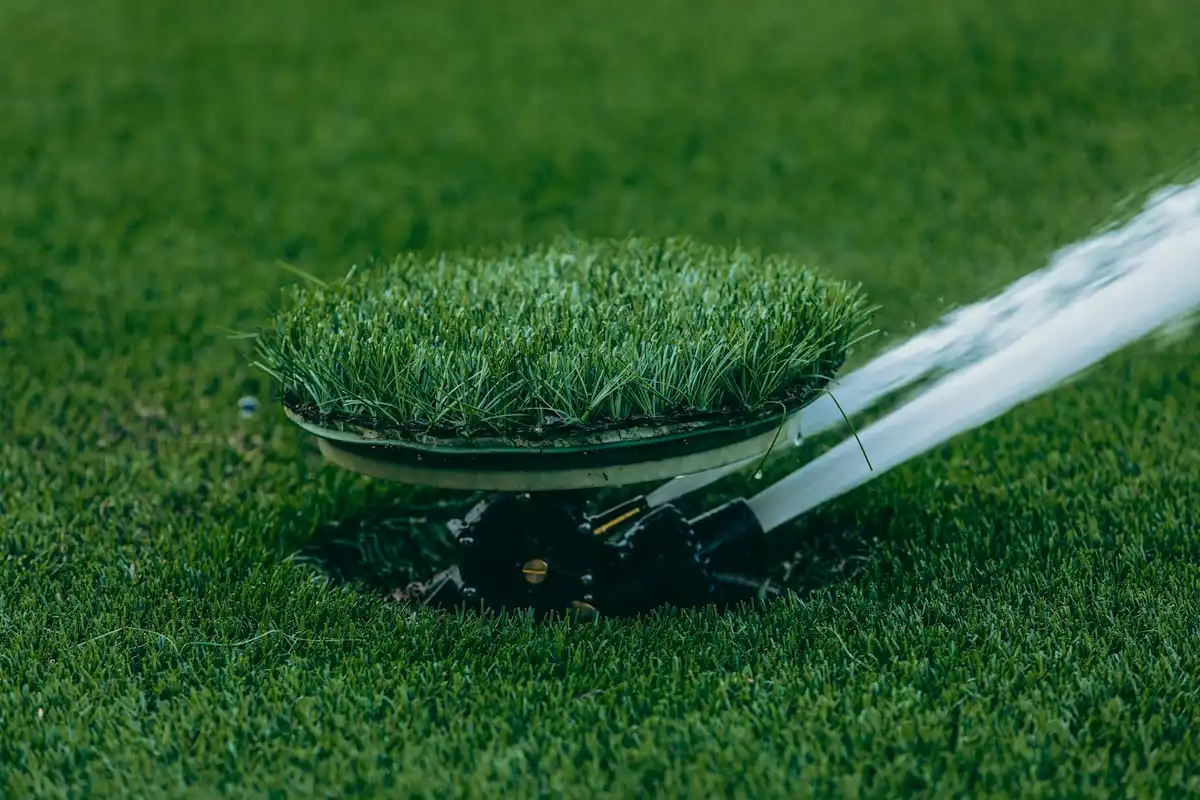
- Water It In Gently: This is Sunny’s moment. Run your irrigation system for about 15-20 minutes. You want just enough water to wash the granules off the grass blades and into the soil, not create a muddy river. This activates the product and prevents fertilizer burn.
Summer: Playing Defense in the Heat
Summer shifts your job from coach to medic. The goal isn’t to make your grass run faster. It’s to keep it alive and healthy through the stress. Think of it like this: you wouldn’t serve a heavy steak dinner to someone with a fever. You’d offer broth and rest. Your lawn needs the same thoughtful care.
For cool-season grasses like Kentucky Bluegrass or Fescue, growth naturally slows. Pushing them with high nitrogen is like revving a cold engine. I skip the heavy feeding. If my lawn looks a little pale, I might give it a very light, half-strength snack of a balanced fertilizer. The real work goes to my irrigation, Sunny. We switch to deep, infrequent watering to encourage roots to chase moisture down into the soil. This builds drought resistance.
For warm-season lawns like Bermuda or Zoysia, this is their championship season. This is the prime time to feed warm-season grasses a balanced fertilizer to support their vigorous growth. They’re actively using those nutrients under the sun. Stick to the rate on the bag. More is not better and can lead to burn and weak, fungus-prone growth.
Humidity and heat create a petri dish for disease. You might see circular brown patches or strange colors. A common question I get is about fungicide timing. How often to apply fungicide to lawn should be a reactive answer, not a calendar event. You apply it when you confirm a disease problem. Spraying “just in case” wastes money and can encourage resistant fungi. It’s medicine, not a vitamin.
Any product you put down needs respect. After I fertilize or treat a problem, my dogs are banned from the grass until it’s completely dry. This usually means at least 24 hours, sometimes 48 if it’s humid. I check by kneeling down-if the grass blades feel damp to my skin, it’s a no-go zone. It’s the simplest pet-safe practice and it matters.
Since timing is regional, here’s a quick look at prime summer feeding for three active warm-season states:
| State | Key Grass Types | Typical Summer Feeding Window |
|---|---|---|
| Florida | St. Augustine, Bermuda | Early June & Late July/August |
| Texas | Bermuda, Zoysia | Late May/June & Mid-July |
| North Carolina | Bermuda, Zoysia (Transition Zone) | Early June & Early August |
Always let your soil test and the grass’s color be your final guide. If it’s green and growing well, it might not need the second feeding.
Greedy Grass Pro Tip: The Midnight Watering Run
I call it the “midnight run,” but it really happens at dawn. The goal is to water so deeply that you won’t need to again for days, finishing early enough that the sun dries the grass blades completely. Wet grass at night is a welcome mat for fungus. If my schedule forces a choice, I’d rather water at 5 AM than 7 PM.
If you see disease, then treat it specifically; don’t spray fungicide as a preventative “just in case” measure. I learned this with Patch, my shady problem area. I sprayed preventatively one year and still got dollar spot. The next year, I waited, identified the issue, used the right product, and saved time and money. Your lawn will tell you what it needs. You just have to watch it closely.
Fall: The Secret Weapon for a Better Lawn
If you only get serious about your lawn one season a year, make it fall. Spring gets all the glory, but fall does all the heavy lifting. This is when your grass shifts its focus from growing blades above ground to building its foundation below.
The goal in autumn is simple: pack the roots with energy so your lawn sleeps well through winter and explodes with health next spring.
Timing is Everything: When to Apply Lawn Fertilizer
Getting the timing right is the difference between good and great. You generally want two feedings: one in early fall and one in late fall.
For cool-season grasses like Kentucky Bluegrass, Fescue, and Ryegrass, I watch the weather. The sweet spot is when daytime temps consistently drop into the 60s and 70s, but the soil is still warm. That’s usually early September for me. The second, late fall feeding happens when the grass has mostly stopped growing but isn’t frozen, often in late October or early November. This timing is crucial to prepare your lawn for winter.
If you have warm-season grass like Bermuda or Zoysia, you taper off. Your last fertilizer application should be about 6-8 weeks before your first expected frost. This gives the grass what it needs without pushing tender new growth that winter will kill.
A quick note for readers in Illinois, Michigan, and the Northeast: your window is tighter. For cool-season lawns, aim for that first feeding right after Labor Day. Get the second one down by mid to late October. Miss that late fall feed, and you miss the best chance to fortify your lawn for the long, hard winter.
Choosing Your Fall Fertilizer
Don’t just grab the same bag you used in summer. Look at the three numbers on the bag (the N-P-K ratio). Fall is about Potassium, the last number (K).
Think of Potassium like vitamins for your grass. It doesn’t make it grow taller, but it makes it stronger. It improves winter hardiness, drought tolerance, and disease resistance. I look for a fertilizer where the third number is equal to or higher than the first, like a 20-0-10 or a 24-0-12 blend.
A fertilizer higher in potassium now is like giving your lawn a sturdy winter coat and a hearty meal before a long journey.
The Power Combo: Overseeding and Core Aeration
Fertilizer feeds the grass you have. But fall is also the perfect time to fix thin spots and improve your lawn soil composition. This is where the magic combo comes in.
First, core aeration. I rent a machine that pulls out little plugs of soil, about the size of your finger. It relieves compaction so air, water, and nutrients can reach the roots. The lawn looks messy for a week, but the sound of those tines punching into the earth is satisfying. You can feel the difference underfoot almost immediately.
Right after aerating, I overseed. Those open holes are perfect little protected nurseries for new grass seed. The existing grass growth slows in the cool weather, giving the seedlings all the light they need. I follow up with a gentle, frequent watering from Sunny, my drip system, to keep the seed damp.
Doing this in early fall gives the new grass weeks of ideal growing conditions to establish before winter. It’s how I finally convinced the grass in “Patch,” my stubborn shady area, to thicken up and fight off the weeds.
Your fall schedule, in three simple steps:
- Early Fall (Sept): Apply your potassium-rich fertilizer. Follow with core aeration and overseeding if needed.
- Keep mowing as needed, but gradually lower the height over your last few cuts.
- Late Fall (Late Oct/Nov): Apply your final, lighter feeding to top off the grass’s energy reserves.
This is the work your lawn remembers. Do this right, and you’ll spend less time fixing problems next spring and more time just enjoying the thick, green carpet you helped create.
Winter: The Quiet Season of Planning
The lawn is sleeping. The color has faded to a dull tan or brown, and the only sound is the crunch of frost under your boots. This isn’t a time for action on the grass itself, but for smart preparation. Your job is to protect what’s there and get ready for the burst of spring.
The core rule for cool-season lawns is simple: leave the fertilizer in the bag if the ground is frozen or the grass is fully dormant. Applying it now is a waste. The grass roots can’t absorb it, and the nutrients will simply wash away with the next thaw, potentially into waterways where they don’t belong. Your lawn is resting, not eating.
Your Winter Task List
This is the season for the behind-the-scenes work that makes the busy seasons smoother.
- Service Max (The Mower): I give my zero-turn a full offseason service. Change the oil and filter, sharpen or replace the blades, check the belts and tire pressure, and clean out every bit of clippings from the deck. A tuned-up mower is the first key to a clean cut in spring.
- Plan Your Next Year’s Schedule: Grab a calendar. Mark your target dates for spring pre-emergent, first and fall fertilizer applications, and aeration. Look back at what worked and what didn’t last year. Did Patch get worse? Maybe schedule a soil test for that area in early spring.
- Keep Off the Frozen Grass: I know it’s tempting to take a shortcut across the lawn, but when the blades are frozen, they are brittle. Foot traffic and heavy objects can break the crowns, leading to brown, dead tracks come spring. Treat it like a sleeping pet-let it lie.
A Note for Warm-Season Lawns in the Deep South
If your lawn is Bermuda, Zoysia, or St. Augustine, your winter is different. Your grass goes dormant after the first hard frost, but a late-fall “winterizer” fertilizer application is a common tactic, especially when following the fertilizing schedule for St. Augustine grass.
This isn’t about feeding for green growth. A winterizer is typically high in potassium, the nutrient that strengthens grass cells and improves root resilience against cold stress and disease. Think of it like giving the grass a good, warm coat before the chill sets in. The timing is critical-usually applied in late fall, well before the ground freezes, so the roots can take it up. If you missed that window, applying it on dormant grass now is ineffective, just like in the north.
My drip system, Sunny, gets winterized too. I blow out the lines to prevent freezing damage. A little care for your tools in winter pays off big when you need them most.
Mixing Treatments: When to Combine Products Safely
The urge to save time and steps is real. I get it. You have the spreader out, the bags are open, and it seems so easy to just mix two things together and be done. Sometimes it’s fine. Other times, it’s a great way to waste money and potentially harm your grass. Let’s walk through the safe way to think about this.
The golden rule is simple: read the label. Then, read it again. I’m not talking about a quick glance. I mean sit down with your coffee and actually read the entire “Directions for Use” section. The answer to whether you can mix two products is legally and safely found only there. If the label says not to mix it with other products, you have your answer.
Tank-Mixing vs. Granular Combinations
These are two different beasts. “Tank-mixing” means combining liquid concentrates in a sprayer tank, like Sunny’s backup for spot-spraying. This is where chemistry gets tricky. Incompatible products can clog your sprayer, neutralize each other, or even damage your lawn. The label is your bible here.
Combining granular products, like fertilizers and weed preventers, in a spreader is more common. My rule here is caution. Even if two granulars are compatible, their particle sizes and densities often differ. One might spread farther than the other, leading to uneven stripes of fertilizer and missed patches of weed control. I usually just make two passes with Max. It takes an extra five minutes and guarantees even coverage.
The Weed & Feed Trade-Off
Weed & feed products are the classic combo. They promise convenience, and sometimes, for a light weed problem, they’re okay. But they force you into a timing corner. The fertilizer side wants to go down when the grass is actively growing and can use the nutrients-often in late spring or early fall. The herbicide side needs to go down when weeds are vulnerable and soil temps are right for prevention, which might be earlier. You can end up feeding at the wrong time just to get the weed control.
For better results, I split the work: apply a pre-emergent herbicide when soil temps dictate, and feed your lawn on its own optimal schedule. This takes the guesswork out and lets you respond to what your lawn actually needs each season.
A Real-World Example: Scotts DiseaseEx with Fertilizer
Let’s tackle a specific question: can you apply Scotts DiseaseEx with fertilizer? This is a perfect case for our label rule. Checking the DiseaseEx bag, its instructions are clear about applying it alone for best results. It doesn’t explicitly recommend mixing with fertilizer. While some folks do it without issue, the official, safe advice is to follow the label and apply it separately. This ensures the fungicide can do its job without being diluted or altered by another product. When in doubt, don’t mix. Apply the DiseaseEx, water it in, and then come back with your fertilizer a week or two later if needed.
Spot-Treat: The Smarter, Safer Tactic
Here’s my biggest piece of advice: stop blanketing your entire lawn with herbicides. If you have a weed problem in Patch’s shady corner, only treat Patch’s corner. If you see three dandelions, spray three dandelions. This targeted approach uses far fewer chemicals, is safer for pets and pollinators, and puts less stress on your grass. It requires a bit more attention, but it’s the hallmark of a thoughtful lawn care plan. Keep a small pump sprayer mixed and ready for these quick surgical strikes.
Tailoring the Plan: Notes for Your Neck of the Woods
A basic schedule is a great start, but your zip code calls the final shots. Here’s what changes if you’re in a few common regions.
Think of it like this: my neighbor’s sprinkler schedule is useless for my yard’s sandy spots. Your local weather and grass type are the real bosses.
Quick Regional Adjustments
These are the tweaks I’d make based on your location and the grass you’re likely growing.
For the Northeast and Mid-Atlantic (New Jersey, Virginia, Massachusetts):
You’re on the classic cool-season schedule with tall fescue, Kentucky bluegrass, or perennial ryegrass. Your main shift is vigilance during the “shoulder” seasons.
- Spring feeding is safe, but go light. Your first feed should be a balanced, slow-release fertilizer when the soil is workable, not just when the air warms up.
- Summer is a high-stress watch. Humidity brings fungus. I keep the mower blade high, water deeply but infrequently in the early morning, and skip fertilizing entirely from late June to August.
- Fall is your powerhouse season. Start feeding in early September as nights cool and don’t stop until the ground is nearly frozen. This builds the deep roots that survive your winters.
For the Upper Midwest (Illinois, Michigan):
Your growing season feels short. You have to work with intensity in spring and fall because summer can be brutal.
- Compress your spring activity. Dethatch, aerate, and apply a pre-emergent weed control in a tight window as soon as the ground thaws. A single, moderate fertilizer application in late spring is plenty.
- Fall is non-negotiable. This is where you do 60% of your annual work. Fertilize heavily in early September and again in late October for winter hardiness. Overseeding in early fall is your best chance to repair summer damage.
- Winter prep is key. Your final mow should be slightly shorter, and make sure you’ve cleared leaves to prevent matted, dead spots.
For the Southeast Transition Zone (North Carolina, parts of Tennessee):
This is the tricky middle ground. You might have cool-season grass struggling in the heat, or warm-season grass going dormant early. A soil test isn’t just helpful here, it’s essential.
- Soil test every other year. pH swings and nutrient imbalances are common. You can’t guess your way to a healthy lawn here.
- For cool-season grasses, follow a modified Northern schedule but be ready to baby the lawn in summer with extra water and disease monitoring.
- For warm-season grasses like zoysia or bermuda, follow a Southern schedule but know they’ll green up later and go dormant earlier than in Florida.
- Pre-emergent timing is critical. Apply for summer weeds when soil temps hit 55°F, and for winter weeds when they drop back to 70°F.
For the Deep South (Florida, Texas):
You live in warm-season grass territory-Bermuda, St. Augustine, Zoysia. Your lawn’s active season is opposite the North’s.
- Fertilize only when the grass is actively growing and green, typically from late spring through early fall. Feeding a dormant, brown lawn in winter is a waste and can feed weeds.
- Watch for summer rain washing fertilizer away. I use slow-release granules and never apply if a heavy downpour is in the forecast. This prevents nutrient runoff into local waterways, which is a key part of responsible lawn care.
- In northern Texas, beware of late spring frosts or early winter freezes (“winter kill”). Don’t push for early green-up with fertilizer; let the soil temperature guide you.
- Your “fall” treatment is different. A light potassium application in early fall can improve winter hardiness, but nitrogen should be tapered off.
Your Lawn Fertilizer Schedule Questions, Answered
1. My lawn is a mix of grass types. How do I choose a fertilizer schedule?
Go with the schedule for the grass type that makes up over 60% of your yard. If it’s a true 50/50 split, base your timing on your soil temperature and favor the fall feeding window, which benefits both cool and warm-season grasses as they prepare for their next active season.
2. What’s the one sign I’ve applied fertilizer too early in the spring?
You’ll see a flush of bright green, weak growth on your lawn while the weeds in your garden beds have an absolute field day. Feeding before the soil is warm enough (55°F for cool-season, 65°F for warm-season) essentially serves breakfast to weed seeds instead of your grass roots.
3. I live in a state with unpredictable springs (like Michigan or New Jersey). Should I just use a calendar date?
Never rely on the calendar alone. Use a simple soil thermometer; that’s your truth-teller. Your target soil temperature is far more reliable than any date on a wall, because it tells you precisely when your grass’s roots are awake and ready to eat.
4. Can I damage my lawn by fertilizing too often in the summer?
Absolutely, especially with cool-season grasses. Over-feeding in summer heat forces stressed grass to grow when it wants to rest, making it vulnerable to burn, disease, and drought. For warm-season lawns, stick strictly to the recommended rate on the bag-more is not better.
5. Is a “winterizer” fertilizer necessary for my lawn in Virginia or North Carolina?
For cool-season grasses, yes-but call it your “late fall” feeding. That final application of a potassium-rich fertilizer (think 24-0-12) is crucial for root strength and winter survival. For warm-season grasses in the transition zone, a light potassium snack in early fall is plenty before they go dormant.
Keeping Your Lawn On Schedule Year After Year
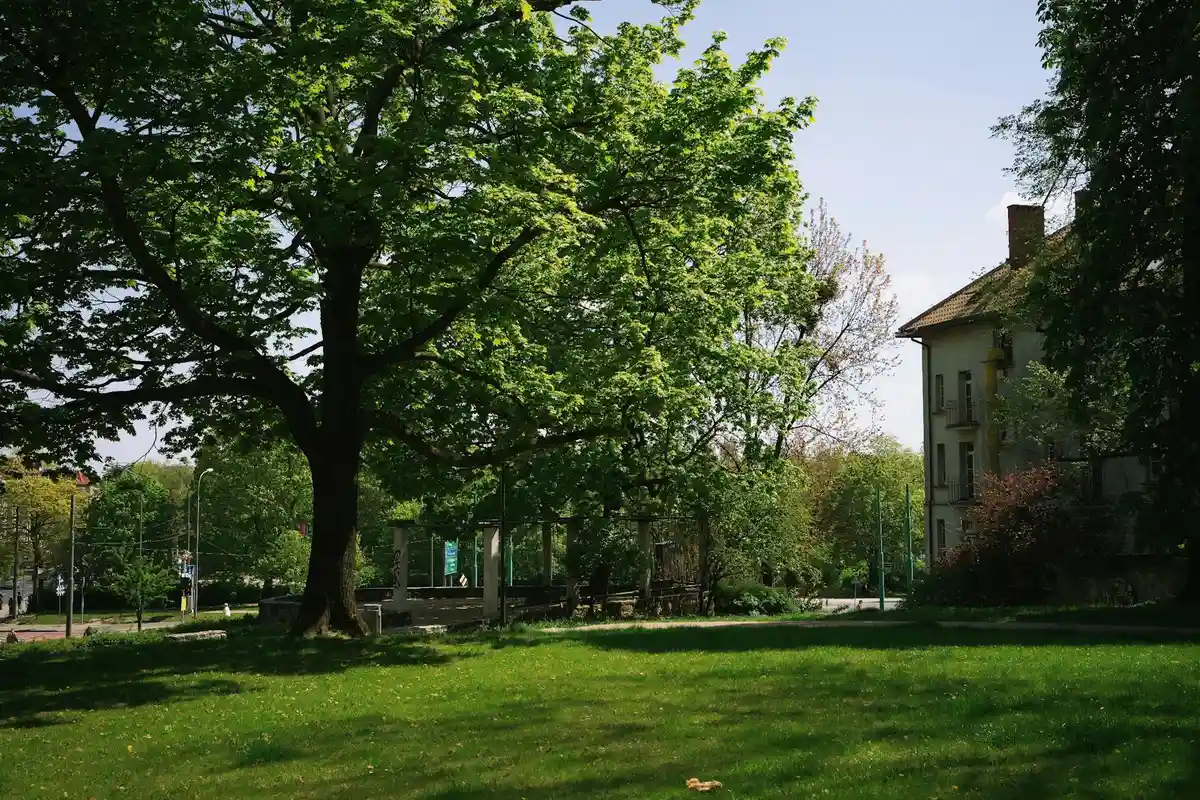
The best schedule isn’t printed on a bag of fertilizer. It’s the one you build by watching your grass and testing your soil each season. Start there, and the rest of your plan for feeding and treating will fall into place—just like a proper mowing and fertilizing schedule.
Remember, a great lawn is a living part of your home that thrives with care and observation. I always choose pet-safe products and spot-treat problems, learning a bit more from Max, Sunny, and even old Patch with every pass through the seasons. That awareness helps you diagnose and repair common lawn problems early. In the next steps, you’ll learn simple checks and fixes to keep your lawn thriving.
Research and Related Sources
- When to Fertilize for a Greener Lawn | ScottsMiracle-Gro US
- Your Seasonal Lawn-Care Schedule for the Northeast
- r/lawncare on Reddit: Can someone make a quick and easy lawn care annual schedule of when to apply pre-emergents, fertilizers, dethatch, aerate, etc.?
- Fertilizing Schedule | Turf Systems
Written by Ria Carrington. Ria is an avid lawn care enthusiast and advisor. No lawn is unsalvagable when Ria is at work. She has helped countless homeowners breath new life into their dying lawns. She has a B.Sc in Agriculture and brings practical advice combined with knowledge of plant science and her decade worth of hands on experience.