
What Is Lawn Thatch and How Do You Remove and Manage It?
That spongy feel underfoot or poor drainage in your lawn often points to thatch, but it’s not always the villain you think. Let’s clear up the confusion so you can take the right action.
We’ll walk through what thatch really is, the most effective ways to remove it, and the daily habits that keep it in check.
I’ve balanced my own lawn’s thatch layer for years, figuring out which methods save money and which just waste a Saturday.
At a Glance: Key Takeaways
Before we get into the weeds, let’s lay out the basics so you know exactly what you’re dealing with.
- Thatch is a natural layer of tightly woven grass stems, roots, and runners (called rhizomes or stolons), not the fresh clippings from your mower.
- The golden rule: about a half-inch of thatch is good-it acts like a cushion. More than an inch thick, and you need to take action.
- Your main tools to fix it are mechanical dethatching, core aeration, and encouraging earthworms and microbes in your soil.
- Long-term, the best defense is simple: mow regularly at the right height and water deeply but less often.
What Is Lawn Thatch, and Is It Bad?
Think of thatch as your lawn’s own built in carpet. It’s that dense, brown mat you find when you peel back the green grass. I’m talking about the living and dead stems, the tiny roots, and those horizontal runners (rhizomes in some grasses, stolons in others) that all weave together over time.
Now, here’s a common mix up. Those fresh grass clippings Max spits out? They decompose fast, usually in a week or two, and actually feed the soil. They’re not the problem. The real culprit is that tougher, woody material that builds up slowly, season after season. Some folks think aeration is unnecessary, but that’s a common myth. Aeration helps loosen compacted soil and improve root growth, which can reduce the impact of that woody buildup.
Walk across your lawn on a quiet morning. If it feels spongy and bouncy under your boots, like you’re stepping on a firm pillow, that’s the thatch layer talking. I first noticed this feeling in my own backyard, near Patch, that shady corner where everything grows a little slower.
A thin layer, about half an inch, is actually your lawn’s friend. It helps insulate roots from summer heat and winter cold, holds moisture in the soil so my drip system, Sunny, doesn’t have to run as long, and gives a little cushion against kids playing or my weekend foot traffic.
The trouble starts when it builds up too much. Once it gets thicker than an inch, it turns from a friend into a barrier. It’s like putting a plastic sheet over your soil. Water, air, and fertilizer just can’t get through to the roots where they’re desperately needed.
Spotting a Thatch Problem: The Telltale Signs
How do you know if you’ve crossed that line? Your lawn will send you signals. You just have to know how to read them.
You might see your grass looking pale and thirsty even a day after you’ve watered. Footprints or mower tracks from last weekend might still be visible, dented into the spongy surface. When you run the sprinklers, you might notice water puddling up or streaming off toward the driveway instead of soaking in.
The surefire way to check is the “knife and ruler test.” Here’s how I do it. Grab a sharp knife or a garden trowel. Find a representative spot, not your best or worst area. Cut out a small, wedge shaped piece of turf, about 3 inches deep and the size of a slice of pie. Gently lift it and look at the side. You’ll see the green grass blades on top, the dark soil on the bottom, and a distinct brown, fibrous layer in between. That’s the thatch. Lay a ruler against it and measure.
If that brown layer measures over an inch, it’s actively harming your lawn. It explains why water and food can’t reach the roots and why the grass seems stressed all the time. This blockage is why that area near my shed always looked thin and sad until I dug in and found a thick thatch mat hiding underneath.
What Causes Thatch in Lawns?
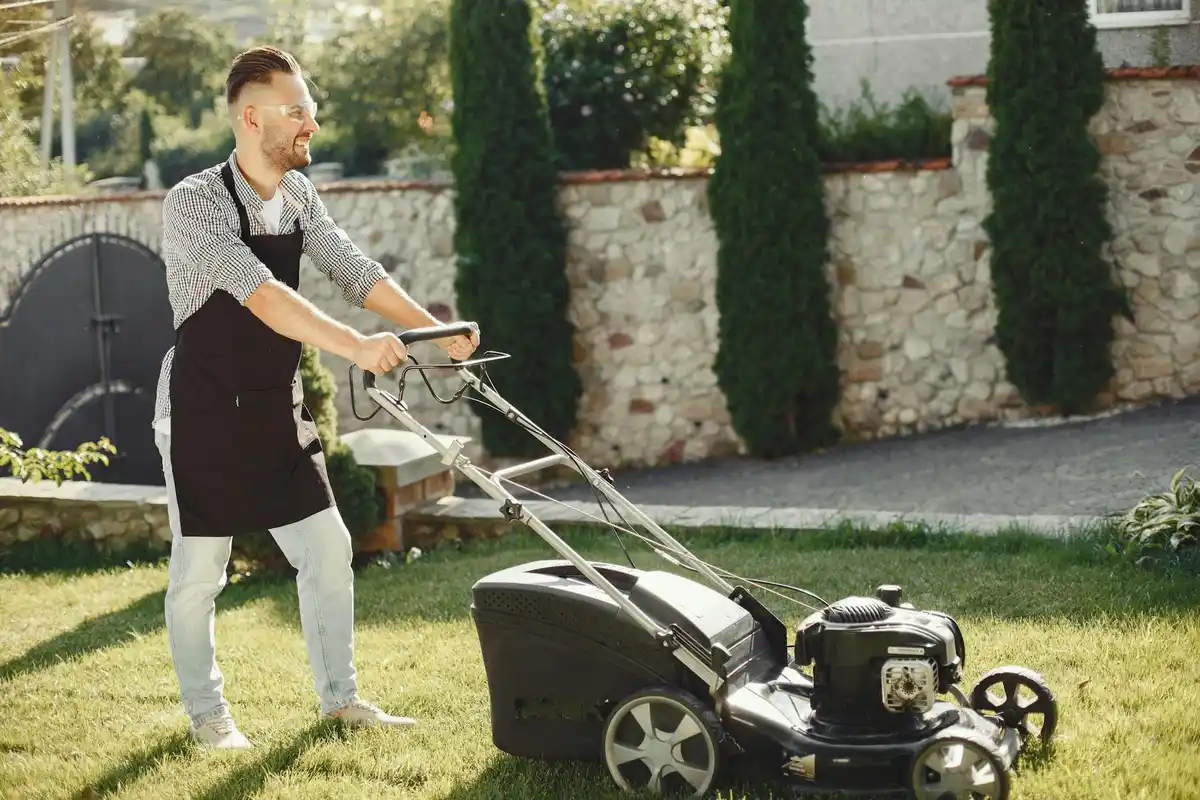
Think of thatch like a crowded freeway during rush hour. A little traffic is normal. But when too many cars enter and not enough can exit, everything grinds to a halt. Thatch is that traffic jam in your lawn. It happens when grass stems, roots, and clippings pile up faster than they can decompose.
Most of the time, we cause the jam ourselves with our lawn care habits. I’ve made these mistakes in my own yard.
- Over-fertilizing, especially with quick-release synthetic nitrogen. This makes grass grow too fast, too lush. It’s like feeding your lawn a steady diet of candy bars instead of a balanced meal. The surge in growth overwhelms the soil’s ability to break it all down.
- Frequent, shallow watering. This keeps the very top layer of soil damp, encouraging roots to stay lazy and shallow. Deep, infrequent watering with my Sunny setup promotes stronger, deeper roots that contribute less to thatch buildup.
- Mowing too short. Scalping the lawn stresses the grass plant. It responds by pushing out lots of horizontal stems (stolons and rhizomes) right at the surface, which directly adds to the thatch layer.
Compacted soil and acidic pH create a hostile environment for your lawn’s cleanup crew. Earthworms and the billions of microbes that naturally decompose organic matter need air, water, and a balanced pH to thrive. Hard, packed-down soil and high acidity slow them down or chase them away, letting thatch accumulate.
Finally, some grass types are just more prone to it. Certain Kentucky bluegrasses and aggressive hybrid Bermudagrasses naturally produce a lot of runners and stems. If you have one of these, you need to be extra vigilant about management from the start.
Lawn Thatch Removal: Your Action Plan
You have two main paths to clear out thatch: the fast, mechanical method and the slower, biological route. Your choice depends on how bad the problem is and how patient you feel.
The most common question I get is about timing. The best time for major thatch removal is during your grass’s peak growing season. This gives it the best chance to recover quickly. For warm-season grasses like Bermuda or Zoysia, that’s late spring to early summer. For cool-season grasses like Fescue or Kentucky Bluegrass, aim for early fall. I learned this the hard way one stressful summer on Patch.
Mechanical Dethatching: The Power Tools
This is for when the thatch layer is thick (over half an inch) and you need immediate results. You’ll use a powered machine-often called a dethatcher, power rake, or verticutter. Imagine a super-aggressive rake with spinning blades or stiff tines that slice into the thatch and pull it to the surface.
You can rent these at most garden centers. Here’s how to dethatch a lawn:
- Mow your lawn a notch shorter than usual. This gives the dethatcher blades better access to the thatch layer.
- Adjust the tool’s depth. Set the blades or tines to just skim the soil surface. You want to pull up thatch, not dig trenches into your roots.
- Make multiple passes. Go over your lawn in one direction, then make a second pass at a 90-degree angle to the first. This ensures you catch more of the matted layer.
- Rake up all the debris. This is the sweaty part. You’ll be shocked by the mountain of brown, tangled material you pull up. You must remove it all; leaving it on the lawn just smothers the grass.
Mechanical dethatching is stressful for your lawn, like a major surgery. Afterward, your grass will look rough. It’s critical to follow up with deep watering and consider overseeding thin areas to help it recover with fresh, healthy growth.
Core Aeration: The Gentler Alternative
For thatch that’s just starting to build up (less than half an inch), I prefer core aeration as my go-to management tool. It’s less traumatic and tackles multiple problems at once. You use a machine called a core aerator that pulls out small plugs of soil, about the size of your finger, and deposits them on the lawn’s surface. This is a key part of lawn aeration work, helping soil breathe and roots grow deeper. It also improves water infiltration and nutrient uptake.
It helps with thatch in two clever ways. First, the holes let air, water, and nutrients penetrate the thatch layer and reach the soil. This wakes up the dormant microbes so they can get back to work breaking things down. Second, those soil plugs are loaded with fresh microbes. As they break apart with mowing or rain, they inoculate the thatch layer with decomposers.
Compared to dethatching, aeration is less effort for a superb, multi-purpose result. It relieves soil compaction, improves drainage, and manages thatch all at once. Doing this once a year, usually in the fall for cool-season lawns, is one of the best habits you can adopt to prevent a major thatch crisis down the road. It’s the difference between regular check-ups and emergency surgery. Properly performed, aeration is a safer, low-disturbance process that protects the root zone. When timed correctly, it minimizes stress on the lawn and reduces the risk of problems needing emergency fixes.
Tools You’ll Need for Dethatching and Aeration
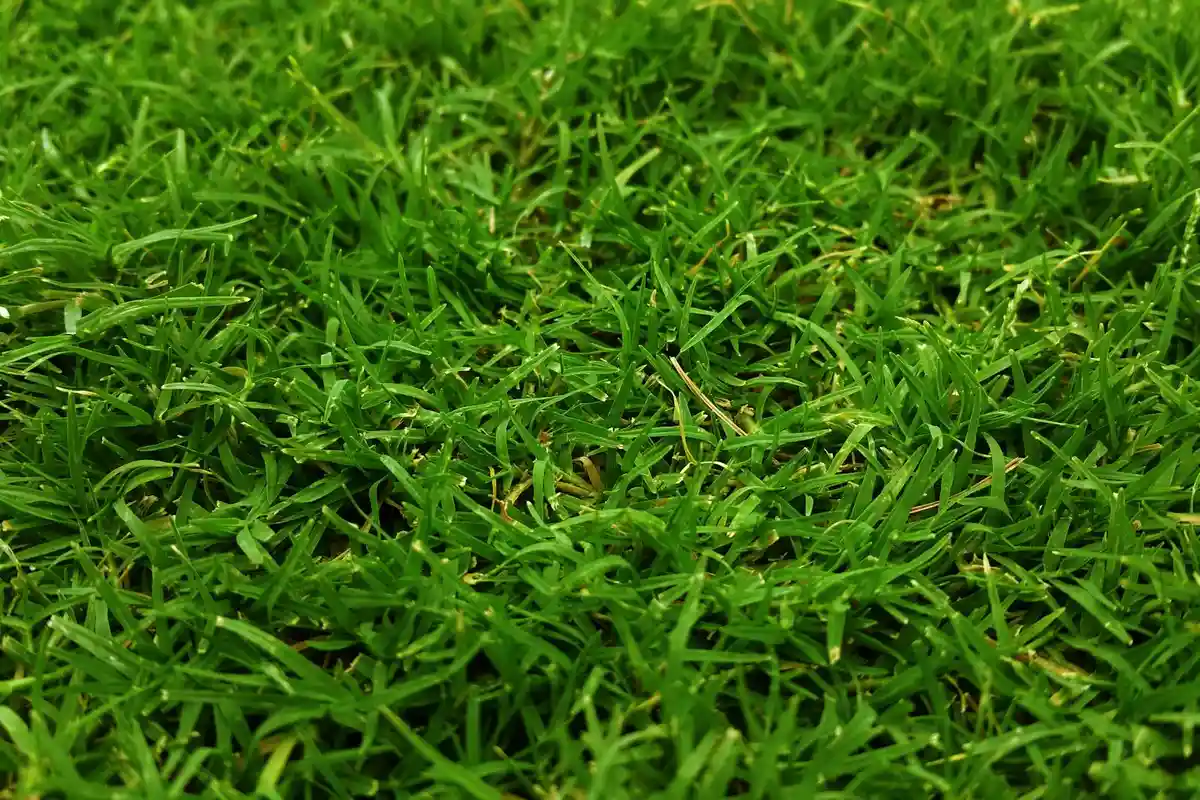
The right tool makes the job faster and better. You don’t need pro-grade gear, just the right fit for your yard’s size and your budget. Here’s your equipment guide.
For Small Yards & Patches
If your lawn is under a few thousand square feet, you can handle this with some elbow grease.
- Manual Thatching Rake: This is a heavy-duty rake with sharp, curved blades. It digs in and pulls thatch up in satisfying clumps. It’s a workout, but for a small area, it’s cheap and effective.
- Manual Core Aerator: Often called a step-on or foot-press aerator. You step on it to drive hollow tines into the soil, pulling out plugs. It’s slow, but it works. I use one on “Patch,” my stubborn shady corner, to help it breathe without disturbing too much.
For Large Yards
When you’re talking about an acre or even a half-acre with Max the mower, manual tools will break your spirit. Power up.
- Power Dethatcher (Scarifier): You can rent these. They look like a push mower but have rotating vertical blades that slice into the thatch layer and pull it to the surface. An electric model is fine for most suburban lots.
- Core Aerator Rental: This is the big, heavy machine that pulls perfect soil plugs. Rental is the smart move here. It’s a one-day job that gives your lawn benefits for months.
Essential Ancillary Gear
Don’t forget these. They save your back and keep the mess contained.
- A sturdy leaf rake for gathering all the loosened thatch.
- A large tarp to pile the debris on for easy hauling.
- Sturdy work gloves. Thatch can be surprisingly rough on your hands.
- Good, closed-toe shoes. You’re dealing with sharp tools.
The goal is to expose clean soil and remove the matted layer, so having a plan for the cleanup is half the battle.
How to Prevent Thatch from Coming Back
Removing thatch is a project. Keeping it from returning is just smart habit. Think of these as daily choices that make your lawn life easier.
Mow Smart, Not Just Short
Your mowing routine is the biggest factor in thatch buildup.
Always keep your mower blades sharp. Dull blades tear and shred the grass tips, leaving ragged ends that resist decomposition. Sharp blades give a clean cut that heals fast. I sharpen Max’s blades at least twice a season.
Never cut off more than one-third of the grass height in a single mowing. This “rule of thirds” minimizes stress on the plant. Stressed grass focuses on survival, not healthy growth or decomposition. It also leaves behind shorter, finer clippings that vanish into the soil quickly, like a free, gentle fertilizer.
Water Deeply and Infrequently
This is where my drip system, Sunny, really shines. Shallow, daily sprinklings encourage weak, shallow roots. They also keep the soil surface constantly damp, which can slow down the microbes that eat thatch.
Instead, water deeply so moisture soaks down 6-8 inches. Then let the soil dry out somewhat before watering again. This trains roots to grow deep and strong and creates a healthier environment for soil life. Your lawn becomes more drought-tolerant and better at managing organic matter.
Feed the Soil, Not Just the Grass
Thatch builds up when the natural cycle breaks down. Your underground army of earthworms and microbes needs the right conditions to do its job.
Get a simple soil test every few years. It tells you your soil’s pH and nutrient levels. If your soil is too acidic or compacted, the thatch-eating bugs can’t thrive. Balancing your soil with the right amendments (like lime for acidic soil) keeps everything in harmony.
Healthy, balanced soil is alive and actively recycles grass clippings and old roots before they can form a problematic thatch layer.
Greedy Grass Pro Tip
Let’s bust a myth right now. Leaving your grass clippings on the lawn does NOT cause thatch. Not if you’re mowing smart with sharp blades and following the one-third rule. Those fine clippings are about 85% water and break down incredibly fast, returning nitrogen and other nutrients directly to the soil. It’s the easiest, most eco-friendly fertilizer you’ll ever use. Bagging them just robs your lawn of a free meal. Think of grass clippings after mowing as a free, natural fertilizer that feeds your soil. Leave them on the lawn and watch your turf thrive.
Your Thatch Questions, Answered by Greedy Grass
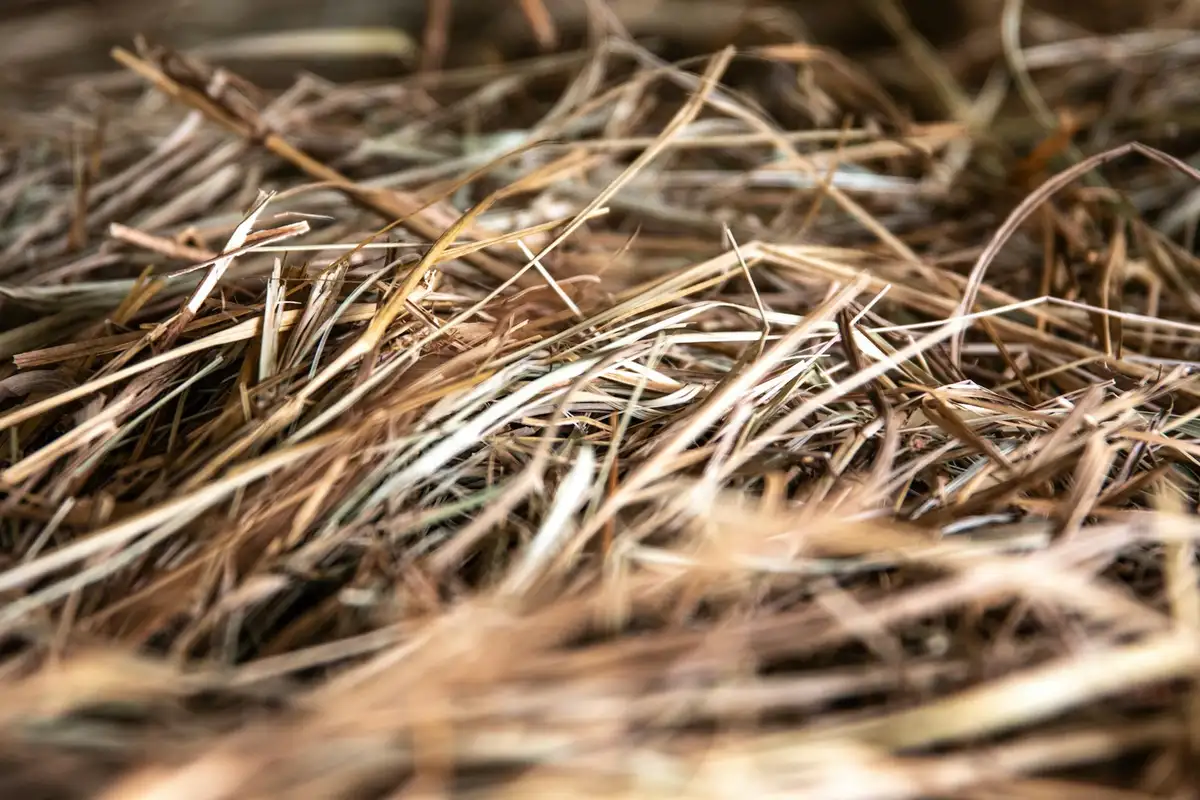
Should I dethatch or aerate my lawn?
Dethatch when the layer is over half an inch thick and looks like a brown mat; it’s major surgery. Aerate for thinner thatch or yearly maintenance-it’s a tune-up that fixes multiple problems gently.
What’s the best tool for dethatching a typical suburban yard?
For most lawns, rent a power dethatcher (scarifier)-it saves your back and your weekend. For small patches, a manual thatching rake will do the job with some honest sweat. For the best dethatch lawn methods, consider which approach fits your lawn size and soil. In the next steps, we’ll outline the methods and how to apply them.
When is the absolute best time to dethatch?
Hit warm-season grasses (Bermuda, Zoysia) in late spring, and cool-season grasses (Fescue, Bluegrass) in early fall. Your grass will recover fastest during its peak growing season. Understanding how climate affects cool-season versus warm-season grasses can guide your maintenance decisions for your region.
Do I need to bag all the debris after dethatching?
Yes, rake it up and remove it completely-that mountain of brown tangles will smother the grass if left behind. Think of it as taking out the trash so your lawn can breathe.
Can I over-dethatch my lawn?
Absolutely. If you see bare soil or rip out healthy roots, you’ve gone too deep and stressed the lawn. Always set your dethatcher blades to just skim the soil surface.
Final Thoughts on a Thatch-Free Lawn
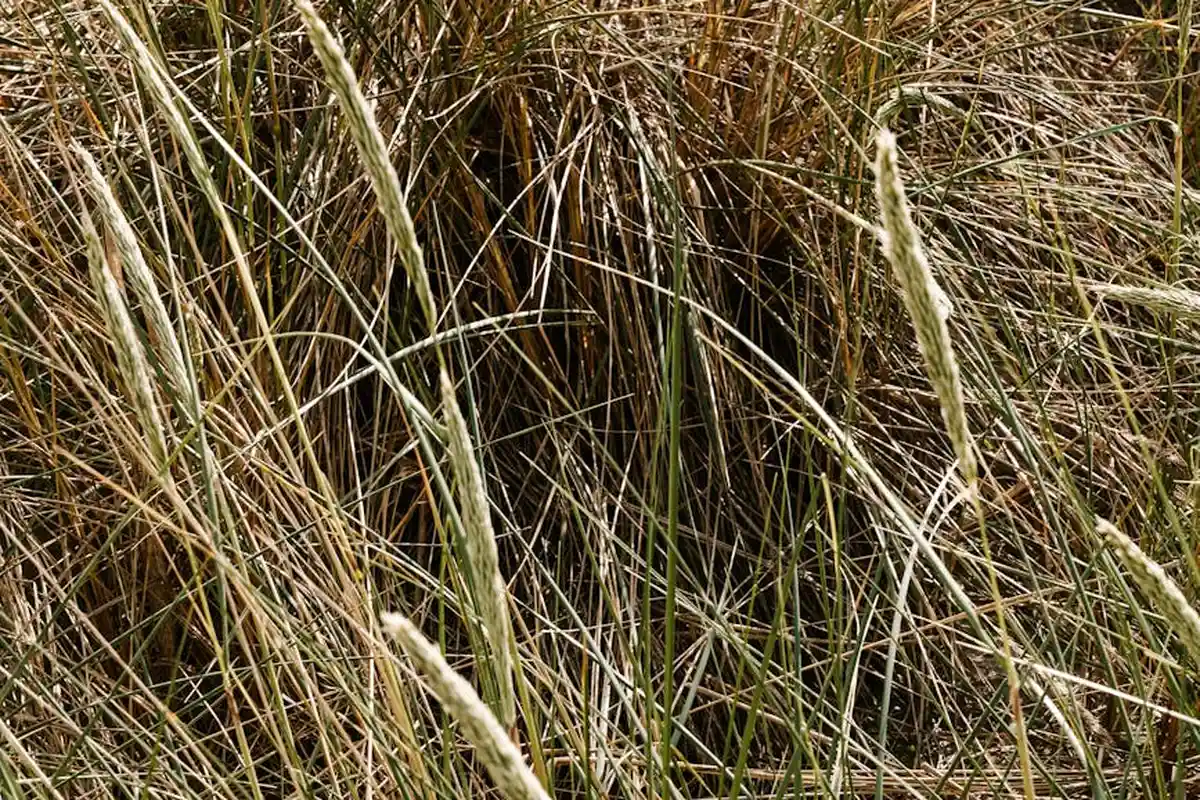
Managing thatch is simpler than you think. Your best defense is a consistent routine of proper mowing and annual aeration, which builds a healthy lawn that naturally breaks down thatch. Save the aggressive dethatching for when you see a real problem, not as a yearly chore.
Every lawn, from my stubborn Patch to your sun-drenched yard, teaches us to work with nature. Choose pet-safe methods and pollinator-friendly care, and always let what your grass tells you guide your next move.
Industry References
- r/lawncare on Reddit: What is Thatch and How to Dethatch a Lawn
- How to control thatch in your lawn | UMN Extension
- How to Prevent Thatch and Dethatch a Lawn | Lowe’s
- De-thatching – 4 ways to remove lawn thatch in UNDER 10 minutes – The Relentless Gardener
Written by Ria Carrington. Ria is an avid lawn care enthusiast and advisor. No lawn is unsalvagable when Ria is at work. She has helped countless homeowners breath new life into their dying lawns. She has a B.Sc in Agriculture and brings practical advice combined with knowledge of plant science and her decade worth of hands on experience.