
Does Aerating Your Lawn Actually Cause Weeds?
If you’re worried that punching holes in your lawn will invite a weed invasion or tear up your grass, you’ve heard some bad advice.
We will clear up the confusion by covering what core aeration really does, why it doesn’t cause weed problems, the best time to do it, and how it makes your grass thicker.
I’ve run my own aerator over this grass for years, learning what works and what wastes a weekend.
At a Glance: Key Factors
Before we get into the how and why, let’s set the record straight. Forget the scary rumors. Here is what you really need to know.
- Aeration does not create weeds. Weeds find their way into thin, stressed turf. Aeration helps your grass get so thick and strong it crowds weeds out naturally.
- Your lawn will look a bit rough for a week or two. This is normal, temporary stress, like a good workout for your grass. The long-term payoff for root health is immense.
- Timing is everything. Doing this at the wrong time of year is the biggest mistake you can make and will cause real stress.
- The recovery is simple. Water and a light feeding afterward are all your lawn asks for to bounce back better than ever.
For cool-season grasses like Kentucky Bluegrass or Fescue, early fall is your golden window. The soil is still warm, and grass is primed to grow. Early spring is a decent second choice. Aeration timing often mirrors these windows. Fall aeration can reduce soil compaction and promote deeper root growth before winter. For warm-season grasses like Bermuda or Zoysia, hit it in late spring to early summer, right as they wake up and start growing vigorously.
After you aerate, your job is easy. Just follow these simple steps.
- Leave the soil plugs on the lawn. They will break down and recycle nutrients back into the soil.
- Water deeply. This helps the soil settle into those new air pockets.
- Reseed any thin areas immediately if you want. The holes are perfect seed-to-soil contact chambers.
- Go easy on the mower for a week or two. Let the grass focus energy on healing.
li>Apply a light, pet-safe fertilizer to give recovering roots a gentle boost.
What Exactly Is Lawn Aeration, and Why Bother?
Put simply, lawn aeration is the process of poking holes in your soil so it can breathe. Over a season, soil gets packed down from foot traffic, mowing, and weather. It becomes like a kitchen sponge that’s been stepped on hard all the water just runs off the top.
Aeration fluffs that sponge back up. I have a patch near my driveway where the clay soil gets rock hard by July. It repels water and the grass gets thin. My backyard soil is loamier. The difference in how each area responds to aeration is night and day.
The core benefits are straightforward and powerful. First, it lets water, air, and nutrients actually reach the root zone instead of pooling on the surface. Second, it encourages roots to grow deeper and stronger as they expand into those new spaces. Deep roots are the secret to a lawn that survives summer heat and drought with less help from you and your sprinklers. Third, the activity of microbes in the holes helps break down thatch, the matted layer of dead stems that can suffocate your lawn.
When I run the core aerator over my lawn, I love the sound of the hollow tines pulling up those plugs and the damp, earthy smell that follows. It’s a clear sign you’re doing something good for the ground. My zero-turn, Max, always seems to run smoother on aerated turf, too less resistance, a cleaner cut. It’s a win for the whole system.
Is Your Lawn Begging for Aeration? 5 Signs to Look For
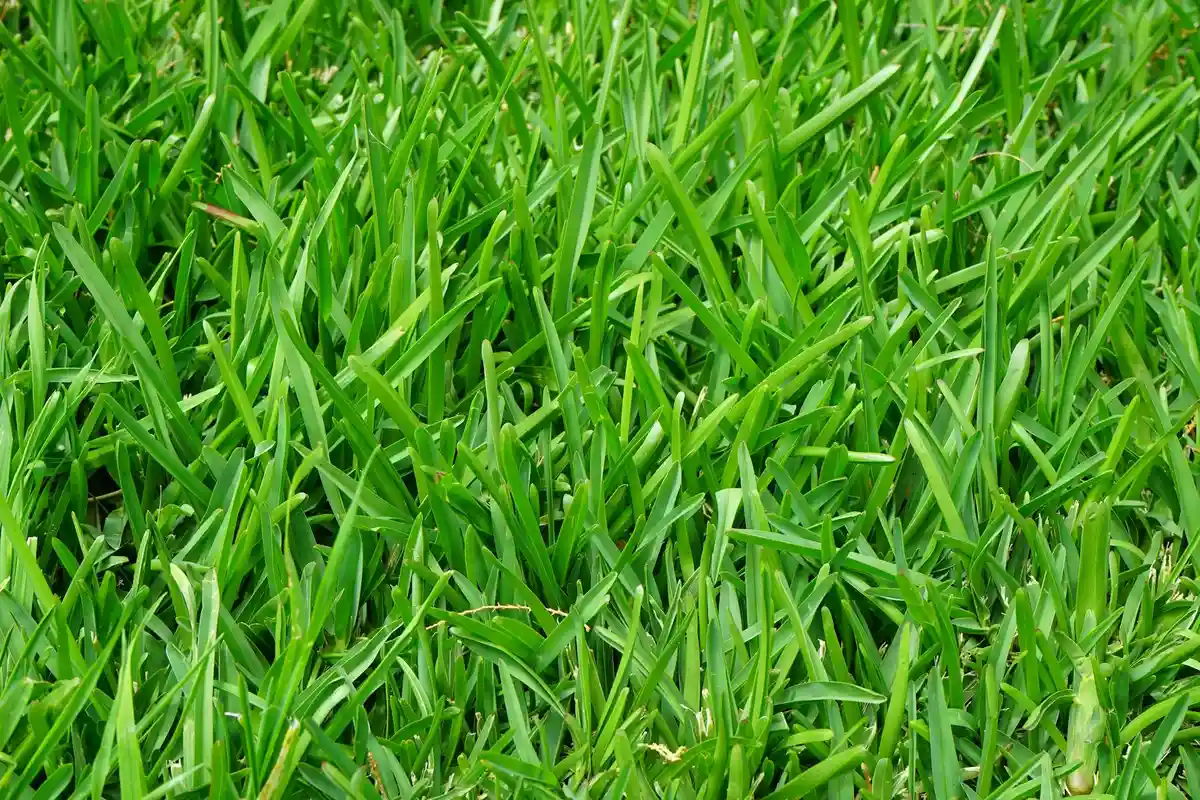
You don’t need a soil lab report to know if your lawn is compacted. Your feet and eyes will tell you everything. I check my lawn by feel every spring when the ground thaws. A healthy lawn should have some give, like a firm mattress. If you find it too compacted, amending the soil can help improve its condition.
Here are the clear signs your soil is too hard for grass to breathe.
- The Screwdriver Test: Grab a long screwdriver or a sturdy metal spike. Try to push it straight down into moist soil. If it meets serious resistance or won’t go in past 2-3 inches, that’s compacted soil. In my good spots, it slides right in.
- Water Pools or Runs Off: Watch what happens when you water or after a rain. If water sits in puddles for a long time or quickly sheets off toward the driveway instead of soaking in, your soil is as absorbent as a parking lot.
- Grass Looks Thin and Stressed: Compacted soil chokes roots. Without room to grow deep, your grass stays shallow, turns pale, and gets thin. You might notice it wilts faster in the sun, even if you water.
- The Ground Feels Like Concrete: Walk on it. Does it feel unyielding and hard underfoot? Compare a low-traffic area to the path from your back door to the shed. The difference is often startling.
- High-Traffic Areas Are Bare: The route the dog takes every day, the spot where the kids’ soccer goal sits, the shortcut to the garage. These areas get packed down first. If they’re struggling, the whole lawn is likely on its way.
Contrast that with a healthy lawn: it has a springy, spongy feel because air and water move freely through the soil, supporting deep, robust roots. My problem area, “Patch,” taught me this. It was always thin until I realized the soil underneath was just too hard.
Core Aeration vs. Spike Aeration: Picking Your Tool
All aeration is not created equal. You have two main choices, and picking the right one makes all the difference.
Core Aeration is the gold standard. A machine (or a manual tool) uses hollow tines to punch into the lawn and pull out small plugs of soil and thatch, about the size of your finger. It removes material, creating real space for air, water, and roots. This is the only method that truly relieves soil compaction. This is the practical cure for soil compaction. It opens space for air and water, a core part of the soil compaction aeration cure.
Spike Aeration just pokes holes. It uses solid tines to create indentations in the soil. It can provide a very short-term benefit for mild thatch, but it doesn’t remove anything. In fact, it can press and compact the soil around the holes even more, like pushing down on a sponge.
For tools, you have options:
- Manual Core Aerators: Good for very small lawns. It’s a workout, but it gets the job done.
- Rental Machines (My Go-To): This is what I use. I rent a walk-behind core aerator from the local hardware store for a Saturday morning. It’s like driving a loud, clunky, earth-punching machine. Max the mower gets the weekend off. These are powerful and efficient for a typical yard.
- Professional Service: A great hands-off option. Pros bring heavy-duty equipment and do it fast. Get a quote and compare it to the cost and labor of a rental.
The simple rule is this: if you have any of the signs of compaction, you need core aeration. Save spike shoes for the golf course.
Myth #1 Debunked: Does Aeration Cause a Weed Invasion?
This is a common worry I hear. People see the holes and think, “I’ve just made a perfect home for every weed seed in the county.” Let’s settle this.
Aeration does not magically create weed seeds. The seeds are already there, waiting in your soil’s seed bank, sometimes for years. The logic behind the myth has a kernel of truth: disturbing the soil can bring some of those dormant seeds to the surface where light and moisture can wake them up.
Here is the crucial counterpoint you must remember: a thick, healthy lawn is your single best defense against weeds. Aeration is what creates that healthy lawn. By relieving compaction, you empower your grass roots to grow deep and dense. Thick grass shades the soil, leaving no room, light, or resources for weeds to get started.
So, what about the one scenario where you might see a few weeds? If your lawn was already thin and weak before aeration, those exposed seeds have a slim window. But this is not an invasion; it’s a temporary opportunity you can easily shut down. A few broadleaf weeds are simple to spot-treat with a pet-safe herbicide if they even bother to sprout.
Think of it this way. You’re not inviting weeds. You’re finally giving your grass the upper hand in a fight it was losing due to compacted soil.
Greedy Grass Pro Tip: Aerate and Overseed Together
Here is your master strategy to make the weed worry disappear completely. Never just aerate. Always overseed right after.
Those perfect little soil cores sitting on your lawn and the fresh holes in the ground are not weed condos; they are premium seed starter pots. They have perfect soil-to-seed contact, moisture retention, and protection. By immediately filling them with high-quality grass seed, you are proactively crowding out any potential weed with the grass you want.
My routine is simple: I run the aerator, let the soil plugs dry for a day, then go back over the lawn with a broadcast spreader loaded with seed. I follow that with a very light raking to help the seed fall into the holes. For an extra boost, I use a pet-safe starter fertilizer in the spreader with the seed. It gives the new grass seedlings the nutrients they need to explode from those cores and fill in thick. This one-two punch is the most effective thing you can do for your lawn in the fall or spring.
Myth #2 Debunked: Will Aerating Damage or Kill My Grass?
Here’s the honest truth: aeration is a minor injury. I see your lawn from your perspective. You spent all season babying it, and now I’m telling you to rent a machine to punch holes in it. It feels wrong.
But think of it like a vaccine for your lawn. A quick, controlled poke that teaches the entire system to grow stronger.
Those little holes are a gift of space. Imagine your grass roots have been wearing a belt that’s one notch too tight all season. Aeration loosens that belt. It lets the roots breathe, stretch, and drink deeper. This isn’t damage, it’s relief.
You will see some temporary stress. For about a week, your lawn might look a little pale, like it needs a good night’s sleep. That’s normal. Actual damage looks different: large brown patches, grass that pulls up easily, or soil that stays powdery dry around the holes.
With the right timing and simple aftercare, your lawn will recover faster and grow back thicker than before. I follow a simple routine after I run Max over the yard: I water deeply to help the soil settle, and I might add a light, pet-friendly fertilizer to give the grass a gentle boost. The response is always swift and robust.
The Right Time to Aerate for Your Grass Type
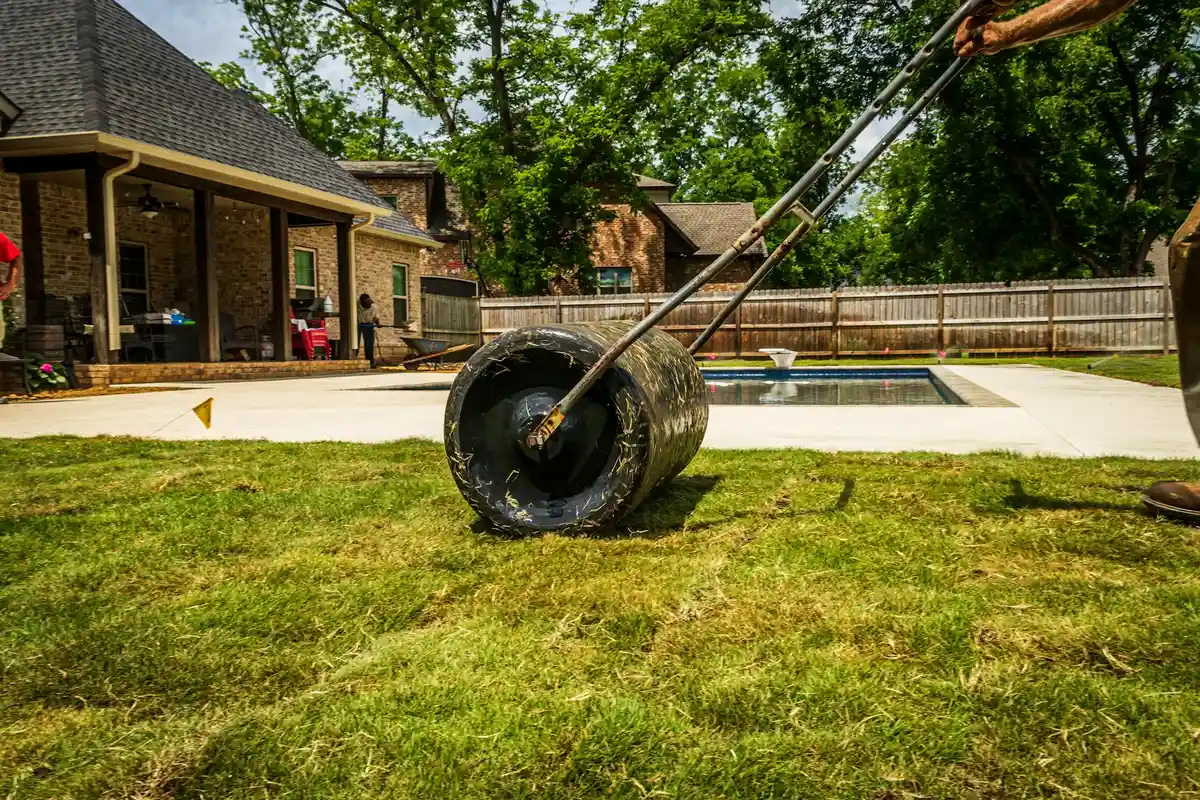
Timing is everything. Get it wrong, and you can cause real problems. Get it right, and you’re a lawn care hero. Forget just looking at the calendar month. You need to think about what type of grass is growing under your feet.
Let’s break it down simply.
| Your Grass Type | Best Time to Aerate | Okay Time (if necessary) |
|---|---|---|
| Cool-Season Grasses (Tall Fescue, Kentucky Bluegrass, Perennial Ryegrass) |
Early Fall | Spring |
| Warm-Season Grasses (Bermuda, Zoysia, St. Augustine) |
Late Spring to Early Summer | — |
For cool-season grasses, early fall is king. The soil is still warm, the air is cooling down, and weeds are slowing their roll. It’s the perfect recovery window. Spring is a backup plan, but you’re racing against summer heat and weed pressure. Understanding how climate shapes cool-season and warm-season grasses helps tailor your care across seasons. This climate-aware approach informs the next steps.
Aerating a cool-season lawn in the summer heat is asking for trouble, as the grass is already stressed and won’t heal those holes effectively. That’s how a minor procedure turns into a major setback.
For warm-season grasses, you wait until they’re fully awake and growing vigorously in late spring. This is their prime time to fill in and thrive.
If you love gadgets, a soil thermometer is your best friend. I check mine for other tasks, like overseeing Patch. You want to aerate when soil temperatures are ideal for root growth-for cool-season grass, that’s when soils are consistently in the 50s and 60s (°F). It’s a precise trick that takes the guesswork out.
What Your Lawn Needs From You After Aeration
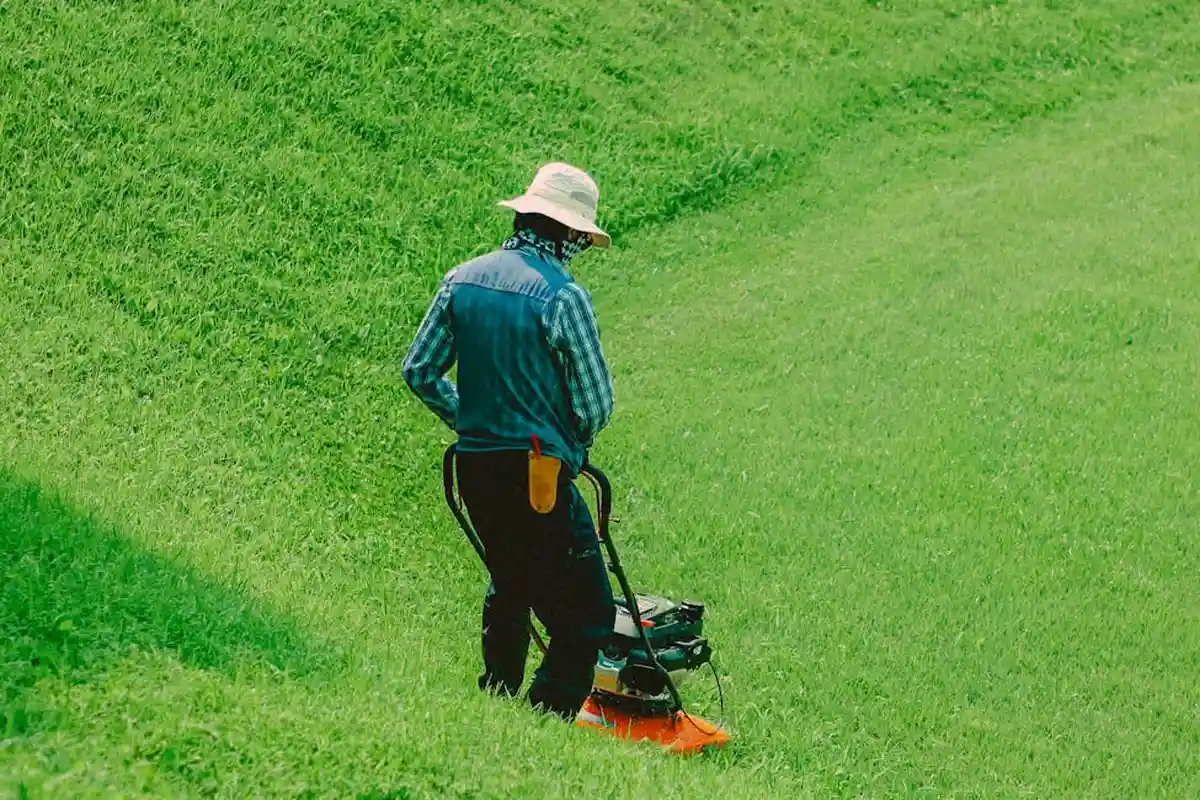
Think of aeration like a small surgery for your lawn. The procedure itself creates opportunity, but the recovery period is what decides if you get a healthier lawn or just a yard full of holes. Your job for the next few weeks is simple but specific.
Here is your straightforward to-do list.
- Water deeply to help soil plugs break down and hydrate roots.
Right after you finish, give the whole area a good, long soak. You want the soil moist several inches down. This does two big things. It encourages those soil plugs left on the surface to soften and crumble back into the lawn. More importantly, it delivers water directly to the grass roots now that air and water can reach them. I set Sunny, my drip system, to run a bit longer for a few days after I aerate.
Proper hydration now helps the entire lawn rebound faster and starts breaking down those cores.
- Hold off on mowing for about a week to let the grass recover.
I know it’s tempting to clean up, but give your grass a break. Those roots have just been physically interrupted, and the grass blades are stressed. Running Max, my zero-turn, over it now adds more shock. Wait until the lawn looks like it’s standing up tall and perky again, usually about 5 to 7 days. This pause allows the roots to begin healing and taking advantage of the new space.
- If you overseeded, keep the seed moist.
This is the golden rule. Aeration creates the perfect seedbed. If you spread new grass seed, you cannot let it dry out. That means light, frequent watering, maybe even twice a day if it’s sunny and warm, just to keep the top half-inch of soil damp. Think of it like keeping a sponge consistently moist, not drowned. Stop only when your new grass seedlings are about an inch tall, then switch to watering established lawns.
Consistent moisture is non-negotiable for turning those seeds into new grass plants.
- You can topdress with compost (optional but beneficial).
This is a pro move. After aeration, you can spread a thin layer (about 1/4 inch) of screened compost over the lawn. Use a rake to brush it so it fills the holes. This adds organic matter and microbes directly into the root zone. It’s like giving your soil a vitamin shot. It’s extra work, but I’ve seen the difference in my soil’s texture and my lawn’s color afterward.
- Resume normal mowing and care once the lawn looks perky again.
Your lawn will tell you when it’s ready. When the blades are standing upright and have that healthy green vigor, you can get back to your regular routine. Mow with a sharp blade. You might even notice you can water less deeply but less frequently, because the roots are growing stronger and deeper into those new channels.
Common Lawn Aeration Mistakes and How to Avoid Them
Even with good intentions, it’s easy to undermine the whole process. I’ve made a few of these errors myself, usually when I was in a hurry. Here’s how to steer clear.
Aerating when the soil is bone dry or a mud pit.
Soil moisture is everything. If the ground is rock hard, the aerator tines will just bounce off or shatter the soil. If it’s a soggy mess, the tines will create gluggy, compacted walls in the holes instead of clean plugs. The sweet spot is soil that is moist, like a well-wrung-out sponge. You can stick a screwdriver in easily, but your shoes don’t sink in and get caked.
Test the soil the day before by digging a small hole; it should hold together lightly but crumble apart without being muddy.
Using the wrong type of aerator.
There are two main kinds: spike aerators that poke holes and core aerators that pull out plugs. For most home lawns with real compaction, you need a core aerator. The spike type can actually make compaction worse by pressing soil tighter around the holes. Core aeration physically removes a plug of soil, creating a true air and water channel. Rent a core aerator, or hire a service that uses one.
Aerating at the wrong time of year for your grass type.
Timing is critical for recovery. For cool-season grasses like Kentucky Bluegrass or Fescue, early fall is prime. The grass is growing vigorously and can heal fast. Spring is a second choice. For warm-season grasses like Bermudagrass or Zoysia, aim for late spring through early summer when they’re actively growing. Aerating at the wrong time, like during summer heat stress or right before winter dormancy, can weaken your lawn instead of strengthening it.
Not doing anything after aeration.
This is like opening a window for fresh air and then immediately closing the blinds. Aeration creates a temporary perfect environment. If your lawn is thin, this is your best chance all year to overseed and fill it in. If your soil is tired, it’s the ideal time to topdress with compost. Just watering and walking away misses the biggest benefit of all.
Have your seed or compost ready to go before you start the machine.
Applying weed killer too soon before or after.
This one hurts. Many common weed control products, especially “weed and feed” types, are designed to stop seeds from germinating. If you apply them before overseeding, your new grass seed won’t grow. If you apply them right after aeration to a stressed lawn, you can cause damage. My rule in Patch, my weedy corner, is to separate tasks. Control weeds a few weeks before you plan to aerate and overseed. Afterward, wait until your new grass has been mowed at least 3 or 4 times before considering any broadcast herbicide.
Your Lawn Aeration Questions, Answered
Will I see more weeds pop up right after I aerate?
You might spot a few, but only if your lawn was already thin. Those weed seeds were already in the soil, waiting for light. Aeration gives your grass the upper hand to grow thick and crowd them out for good.
How long will my lawn look messy after aeration?
Those soil plugs and holes are a good sign! The “mess” lasts 1-2 weeks. Just leave the plugs-they’ll break down and feed your lawn as the grass recovers and greens up.
Can I aerate and overseed in the spring instead of fall?
For cool-season grass, spring is a decent plan B, but fall is prime time. If you go for spring, do it early so new grass roots establish before summer heat hits. Knowing the best time to plant grass seed in spring can boost germination.
Is a manual spike aerator good enough for my backyard?
Skip the spikes. For real results, you need a core aerator that pulls out plugs. Rent a machine for an afternoon-it’s worth the effort to actually fix compaction, not just poke at it.
How soon after aeration will my grass start looking thicker?
You’ll see a greener, happier lawn in a few weeks as roots breathe easier. For real thickness, the big payoff comes next season when deep roots fuel lush, greedy growth that chokes out weeds.
Putting Aeration in Perspective
The core truth is that aeration doesn’t invite weeds or wreck your turf; it’s one of the best things you can do for a tired, compacted lawn. Think of it as giving your grass room to breathe and grow deeper roots, which naturally helps it crowd out future problems. Used with proper safety precautions, it’s a low-risk upgrade to your lawn. Safe practices protect you and your family while you reap its benefits.
Every hole you punch is a small step toward a healthier, more resilient lawn that needs less water and fewer chemicals. I encourage you to see lawn care as a long-term partnership with your yard, where smart practices like aeration build a beautiful, pollinator-friendly space for everyone to enjoy.
Citations and Authoritative Sources
- Weed Control, Aerating, and Seeding: What Comes First? – Simple Lawn Solutions
- Weed Control During Aeration & Seeding | Virginia Green
- r/lawncare on Reddit: Lawn Aeration Guide
- 6 Things You Should Know About Lawn Aeration
- r/lawncare on Reddit: Should I aerate and overseed my weedy lawn?
- Why, When, and How to Aerate Your Lawn
Written by Ria Carrington. Ria is an avid lawn care enthusiast and advisor. No lawn is unsalvagable when Ria is at work. She has helped countless homeowners breath new life into their dying lawns. She has a B.Sc in Agriculture and brings practical advice combined with knowledge of plant science and her decade worth of hands on experience.