
How Long Does Grass Seed Take to Sprout? Your Homeowner’s Guide to Germination
You’ve planted the seed and now you’re checking every day, waiting for that first green hint. It’s a test of patience every lawn owner faces.
This article gives you the straight talk on what to expect, covering average germination times for different grass types, the exact soil and moisture conditions seeds need, and practical steps to encourage faster sprouting.
I share this from my own lawn, after years of seeding projects with Max and rehabilitating spots like Patch.
At a Glance: Key Factors That Decide If Your Seed Grows
Waiting for grass to sprout can test anyone’s patience. I’ve stood in my yard with Max idling nearby, willing those first green threads to appear. It helps to know the rules of the game.
Think of germination as a process, not a race. Four things matter most, and if one is off, everything slows down. Here’s your quick-reference sheet.
- Consistent Moisture: The seed must stay damp to wake up. Let it dry out, and it goes back to sleep.
- Right Soil Temperature: Air temperature fools you. The warmth a few inches down in the dirt is what tells the seed it’s time.
- Good Seed-to-Soil Contact: A seed lying on hard ground is like you trying to sleep on a tile floor. It needs to be nestled in.
- Seed Quality: Old seed or seed filled with filler (like inert material or weed seed) simply won’t perform well. You get what you pay for.
Nail these, and you’re 90% of the way there. Let’s look at how to get each one right.
What Really Makes Grass Seed Wake Up and Grow?
Grass seed germination sounds scientific, but it’s simple. A seed is a tiny, sleeping plant packed with a lunchbox of food. For it to grow, it needs a long drink and a warm bed. The seed coat softens with moisture, the root (radicle) pushes out to find more water, and then the shoot heads for the sun. With the right moisture and warmth, grass seeds germinate faster. A little care can nudge the process along.
Your job is to provide the perfect cozy nursery for that first critical week or two. Forget the calendar date. Your local soil conditions are the real schedule.
Temperature: The Lawn’s Natural Thermostat
You can have a warm spring day, but if the soil is still cold from winter, your seed will just sit there. Soil temperature controls everything. I check mine with a simple meat thermometer I keep in the garage. Push it about an inch into the soil in a few spots, wait a minute, and read it.
Cool-season grasses (like Kentucky Bluegrass, Fescue, Rye) prefer to germinate when soil is between 50°F and 65°F. Warm-season grasses (like Bermuda, Zoysia, St. Augustine) want it warmer, between 65°F and 75°F. Across different climates, those temperature windows define when each grass type greens up and thrives. Knowing your local climate helps determine whether cool-season or warm-season grasses are best suited for your lawn.
Planting when soil temps are in the ideal range is the single biggest trick to faster germination. Trying to seed too early in spring or too late in fall means the seed waits for the right signal, risking rot or winter kill.
Moisture: The Non-Negotiable Drink
This is where most folks, including me in my early years, slip up. The goal is not a soggy swamp. Think of the soil moisture you want like a damp, wrung-out sponge. It’s dark and cool to the touch, but no water squeezes out.
For the first 10-14 days, you are on light watering duty. This means short, gentle sprinkles, 2 to 3 times a day if it doesn’t rain. Sunny, my drip system, isn’t right for this stage; a gentle hose-end sprinkler is better. You’re just rewetting the very top layer of soil.
The biggest mistake is blasting the area with too much pressure, which washes seeds into piles or creates puddles that suffocate them. If you see seeds floating, you’re using too much force. After the grass sprouts, you can water less often but more deeply to encourage roots to chase water down.
Seed-to-Soil Contact: Tucking Your Seed into Bed
Broadcasting seed on top of hard, compacted soil gives you terrible results. The seed can’t absorb moisture evenly and is a snack for birds. Good contact means the seed is surrounded by soil, which holds moisture right against it.
I learned this in Patch, my problem area. Just scattering seed did nothing. After I loosened the soil and gently raked the seed in, it finally took.
After spreading your seed, use one of these simple methods:
- Drag a leaf rake lightly upside-down over the area.
- Use a lightweight lawn roller (half-filled with water) to press the seed in.
- Simply walk over the area in flat-soled shoes to tamp it down gently.
For steep slopes where washout is a worry, a biodegradable straw or coconut coir mat (a grass seed germination blanket) can help hold everything in place.
Soil Condition: Preparing the Nursery
Before you even think about seed, look at your soil. If it’s hard as a rock, grass roots can’t penetrate it. Loosening compacted soil is like fluffing a pillow before you put the case on it gives everything room to breathe and grow.
I use a core aerator or a garden fork to punch holes in my lawn before overseeding. For a new lawn area, I till it lightly to break up clumps.
A simple, inexpensive soil test kit can tell you if your pH is off or if you’re missing key nutrients. Most grasses like a slightly acidic pH (6.0 to 7.0). If you need to adjust it, I lean on pet-safe, organic amendments like pelletized lime (to raise pH) or elemental sulfur (to lower it). They feed the soil life, which in turn feeds your grass, building a healthier lawn that resists weeds naturally.
How Fast Will Grass Seed Germinate in Your Yard?
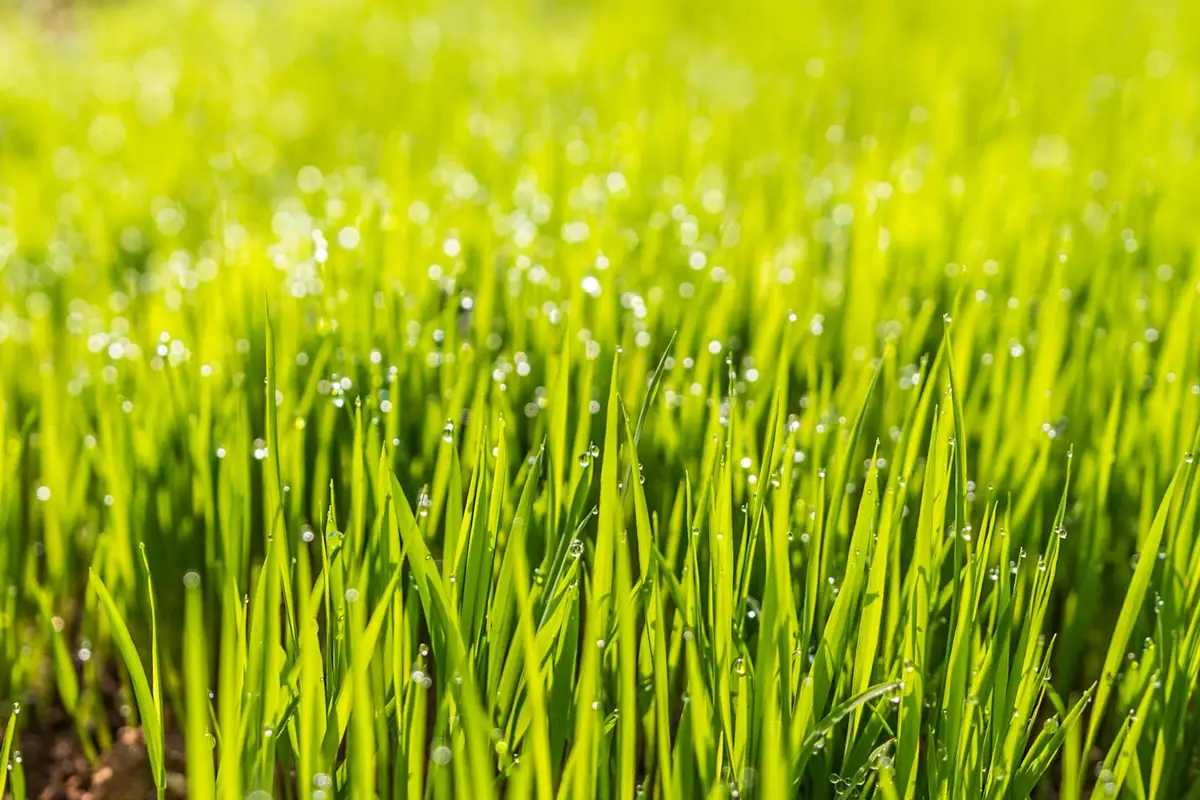
You’ve scattered the seed, you’ve kept it watered, and now you’re staring at bare soil wondering, “how fast does grass seed grow?” I’ve been there, pacing the lawn with my coffee. The simple answer is this: the timeline depends entirely on two things-the type of grass you planted and the conditions you give it.
You can’t rush biology, but you can absolutely set the stage for the fastest possible start. Some grasses sprint out of the ground, while others take their sweet time, testing your patience. Let’s break down the main players so you know exactly what to expect from your seed.
Cool-Season Grasses: The Patient Sprouters
These are the grasses for northern lawns and the transitional zones. They thrive in cooler temperatures, and their germination speed reflects that preference. They’re best planted in early fall, when the soil is warm but the air is cooling, or in very early spring. Patience is key here.
- Kentucky Bluegrass (14-30 days): The slowest of the bunch. It’s a finicky starter, needing consistent moisture and cool soil. Think of it like a sourdough starter-it takes time, but the result is a thick, lush carpet. This is what fills in my main lawn, and waiting those three weeks always feels longer than it is.
- Perennial Ryegrass (5-10 days): The speed demon of cool-season grasses. It germinates fast to provide quick cover and erosion control. I often use a little ryegrass in my seed mix when overseeding to get some green showing while the bluegrass gets its act together.
- Tall Fescue (7-12 days): A great all-arounder. It’s tougher than bluegrass and sprouts reliably. Its deeper roots make it more drought-tolerant once established. You’ll see first sprouts in about a week with good moisture.
- Fine Fescues (7-14 days): This group includes varieties like creeping red fescue. They’re champions for shady, poor-soil areas (I’m looking at you, Patch). They germinate at a moderate pace and are incredibly low-maintenance once they’re up.
Cool-season grasses are slower because they’re built for endurance, not a quick summer show. They invest energy in building strong root systems during the cool, moist seasons, which is why fall planting gives them the best head start.
Warm-Season Grasses: Quicker in the Heat
These grasses love the southern sun and heat. They grow most actively in the summer, and their seeds need consistently warm soil to wake up. You plant these in late spring or early summer when the soil is reliably warm, not just the air. Readers often ask about the best time to plant grass seed in spring. In many areas that’s late spring once the soil warms and frost risk passes.
- Bermudagrass (10-30 days): So, how fast does bermuda grass grow from seed? At the warmer end of its range, it can pop in just over a week. At cooler soil temps, it’ll drag toward a month. It needs soil temperatures above 65°F to get moving with any real speed.
- Zoysiagrass (14-21 days): Another patient one, even in warmth. It establishes slowly from seed but forms an incredibly dense, weed-resistant turf. It’s worth the wait, but don’t plan on instant gratification.
- Centipedegrass (14-21 days): Known as the “lazy man’s grass,” it’s low-fuss and germinates at a moderate pace. It prefers acidic soil and isn’t a heavy feeder, making it a simple choice for many homeowners.
- St. Augustinegrass (7-14 days for sprigs/plugs): I have to note, you’ll rarely plant this from seed. It’s almost always established from sod, sprigs, or plugs. If you do use the rare seed, it needs very warm, moist conditions.
Warm-season seeds are like solar panels; they need sustained, direct heat to power up. Throwing seed down too early in spring is a common mistake. Wait until the soil feels warm to the touch, like the perfect temperature for a barefoot walk in the late afternoon.
Your Grass Germination Quick-Snapshot Table
You’re not looking for a novel, you want an answer. This table is your go-to reference for the “how fast” question. Think of it as your seed packet cheat sheet.
| Grass Type | Typical Germination Time (Days) | Best Planting Season | Ideal Sun Exposure |
|---|---|---|---|
| Kentucky Bluegrass | 14 – 30 days | Early Fall or Spring | Full Sun |
| Perennial Ryegrass | 5 – 10 days | Early Fall or Spring | Full Sun to Partial Shade |
| Tall Fescue | 7 – 14 days | Early Fall | Full Sun to Partial Shade |
| Fine Fescues | 7 – 21 days | Early Fall | Partial Shade to Full Shade |
| Bermuda Grass | 10 – 21 days | Late Spring / Early Summer | Full Sun |
| Zoysia Grass | 14 – 21 days | Late Spring / Early Summer | Full Sun to Partial Shade |
| Centipede Grass | 14 – 28 days | Late Spring / Early Summer | Full Sun |
See those ranges? That’s because a seed sprouting is like waking up. Some of us pop right out of bed (looking at you, ryegrass). Others need several cups of coffee and some coaxing (hello, Kentucky bluegrass).
What Actually Controls the Clock?
The numbers above are your best-case scenario. Real life in your yard decides if you hit the fast or slow end of that range. It boils down to four things you can influence.
Soil temperature is the master switch for germination; if it’s not right, the seed simply waits. Cool-season grasses want soil between 50°F and 65°F. Warm-season grasses need it warmer, between 65°F and 70°F. I use a cheap meat thermometer to check a few inches down in the morning. Understanding the ideal temperature for grass seed germination helps you time seeding for best results. It also explains why different grasses need different soil temps.
Consistent moisture is non-negotiable; letting the seed dry out even once can reset the entire process. Think of a damp sponge, not a soggy puddle. I set Sunny, my drip system, to run short cycles 2-3 times a day during the first critical week.
Good seed-to-soil contact means the seed isn’t just sitting on top of hard ground. After I spread seed, I always go back over the area lightly with a rake or give it a gentle roll to press it in. It makes a huge difference.
Finally, soil quality matters. If your dirt is tired and compacted, everything slows down. That’s why I always recommend a quick aeration and a thin layer of compost before seeding. It gives those little sprouts a welcoming home.
From Tiny Seed to Green Blade: A Day-by-Day Germination Guide
Watching new grass grow feels slow. You check the same patch of dirt ten times a day, willing something to happen. I get it. My shady corner, Patch, has taught me more about patience than anything else. This timeline will help you visualize what’s happening and, more importantly, know what to do while you wait.
A quick, honest note: these day ranges are a guide, not a promise. Your actual timeline depends on your seed type, soil temperature, and how consistent you are with watering. Think of it like baking bread. The recipe gives a time, but your oven and kitchen humidity decide the final result.
Days 1-7: The Quiet Underground Work
Nothing seems to be happening above ground. But underneath, everything is beginning. The seed coat softens as it soaks up water. This is called imbibition. Inside, the first tiny root, called the radicle, wakes up and starts growing downward.
Your only job right now is moisture management.
- Water lightly 2 to 3 times a day to keep the top half-inch of soil consistently damp, like a wrung-out sponge.
- Use a gentle spray. A hard stream will wash your seeds away.
- Resist the urge to poke or dig. You will only disrupt the process.
If the surface dries out, even for a few hours, the germination process can stop or the young seedling can die. This is where Sunny, my drip system, earns its keep by delivering a gentle, consistent drink without any effort from me.
Days 5-14: First Green Spikes Appear
This is the moment you’ve been waiting for. The shoot, or coleoptile, pushes through the soil surface. It looks like a tiny, pale green spike. Within a day or two, it will open up and reveal the first grass blade.
You will not see a uniform carpet of green all at once. Some seeds germinate faster than others.
Seeing those first few blades is your signal to ease up slightly on the watering frequency. You can start watering once a day, but make sure you’re applying enough to moisten the soil a bit deeper, encouraging those new roots to grow down. Keep foot traffic off the area completely.
Days 14-30: Establishing a Real Lawn
The seedlings are no longer babies. They develop their first true leaves and work on building a deeper root system. This is when your lawn starts to become durable.
Your watering strategy needs a major shift. It’s time to train the roots.
- Reduce watering to 2 or 3 times per week.
- Water deeply each time. The goal is to get water down 4 to 6 inches into the soil.
- Let the soil surface dry out slightly between waterings. This forces the roots to chase the moisture downward, making them stronger and more drought-resistant.
This “less frequent, deeper watering” method is the single best thing you can do to build a tough, resilient lawn. You can also give the new grass its first mow once the blades are about one-third taller than your desired mowing height. Just be sure your mower blades are razor-sharp so they slice cleanly and don’t rip the tender seedlings out.
Why Is Nothing Happening? Troubleshooting Slow or Failed Germination
I’ve been there, staring at bare dirt a week after seeding, wondering if I just wasted a whole Saturday. It’s frustrating. Don’t panic. Usually, the answer is a simple fix. Think of this as a checklist. Work through it, and you’ll likely find your culprit.
Temperature Troubles: Too Cold or Too Hot
Grass seed is fussy about soil temperature, not air temperature. If the soil is too cold, the seed just sits there, dormant. If it’s too hot, it can literally cook or go back into dormancy. Remember that soil temperature chart we talked about earlier? That’s your bible right now, especially when it comes to understanding whether grass seed can survive frost and cold.
If you planted off-season, patience is your only tool, but you can help by checking the actual temperature a few inches down. I keep a cheap soil thermometer in my shed for this exact reason. It removes the guesswork. If it’s too cold, a clear plastic sheet (like painter’s plastic) laid loosely over the area can act as a mini greenhouse to warm the soil, but you must watch for overheating. If it’s too hot, the best move is often to wait for a cooler spell and focus on keeping the seedbed moist.
Watering Mistakes: The Seeds Drowned or Dried Out
This is the most common trip-up. Your goal is to keep the top inch of soil consistently damp, like a wrung-out sponge. Not soggy, not dry.
Signs of overwatering are easy to spot. You’ll see tiny washouts where seeds have pooled, or a slimy, grayish fungus (called “damping off”) on the soil surface. Underwatering shows up as soil that pulls away and cracks, or seed that seems to have vanished into a dry, hard crust.
The fix is a gentle, consistent routine, not a daily flood. I set Sunny, my drip system, to run for 5-10 minutes, three times a day during sunny periods. If you’re hand-watering, use a hose with a gentle spray nozzle. If you see washouts, cut back the duration. If the soil is cracking, add another short cycle. It’s a dance, not a set-it-and-forget-it task.
Seed and Soil Issues
Sometimes the problem is what you put down, or what it’s trying to grow in. Let’s break it down.
Old or bargain-bin seed often has low viability. That bag from two seasons ago might only have 30% of seeds that can still sprout. Always check the date on the tag and buy from a reputable source.
Compacted soil is like concrete for a tiny grass root. If you didn’t loosen the topsoil or aerate, the seed can’t make good contact. Thatch is just as bad; it’s a mat that sits on top of the soil, holding seed and water away from where it needs to be.
A critical, often-missed issue is the ghost of herbicides past. You must know how long after pre-emerge you can safely seed. Many common pre-emergent products, like prodiamine, are designed to block *all* seeds from germinating-weeds *and* grass-for months. If you applied a pre-emergent in early spring, seeding in late summer might still fail. You often need to wait 3-4 months, or use a special product like mesotrione at seeding time that allows grass to grow.
Birds, Bugs, and Washouts: External Threats
You’ve done everything right, but nature has other plans. Birds love to eat seed. A heavy rain can wash your entire effort into the driveway.
For birds, a simple, loose layer of straw (not hay, which has weed seeds) or an erosion control blanket works wonders. It hides the seed and holds moisture. For slopes prone to washouts, these blankets are a must. Both are pet-safe and let water through.
Keep an eye on the first brave sprouts. If they appear chewed, you might have insects like armyworms. If they wilt and die in spots, it could be a fungus. For bugs, I use pet-friendly nematodes applied with a hose-end sprayer. For fungus, improving air flow and reducing evening watering usually solves it. The key is to catch it early.
Greedy Grass Pro Tips: How to Get Grass Sprouting Faster and Stronger
Watching for sprouts can feel slow. To speed up grass seed germination, you need to give seeds exactly what they crave: perfect conditions to wake up and grow. These are the tactics I use every season to coax life from the soil more reliably. That includes prepping the soil for lawn seeding success. I’ll walk through the key soil prep steps next.
Greedy Grass Pro Tip: The Power of a Starter Fertilizer
Think of a starter fertilizer as a welcome breakfast for your new grass. Its special formula is high in phosphorus, which is the nutrient that fuels strong, deep root growth right from the start.
Applying a starter fertilizer with your seed gives those first fragile roots the energy to establish quickly, leading to a thicker, more resilient lawn faster.
I always apply it at the same time I spread seed. Use a broadcast spreader on a calm day for even coverage, and water it in lightly right away. For soil health and to keep things safe for pollinators visiting nearby flowers, I look for organic or slow-release options. These feed the soil life as well as the grass, building a better foundation.
Perfect Your Planting Timing
You can do everything else right, but if you seed at the wrong time, you’re fighting Mother Nature. Planting during your grass type’s ideal season is the single biggest boost you can give it.
I picture it as a germination calendar. Here’s a simple guide:
- Cool-Season Grasses (Kentucky Bluegrass, Fescue, Rye): Plant in early fall. The soil is still warm, the air is cooling, and autumn rains help. Your next best window is early spring.
- Warm-Season Grasses (Bermuda, Zoysia, St. Augustine): Plant in late spring through early summer, when soil temperatures are consistently warm and rising.
Hitting this window means the seed spends less time dormant and more time putting energy into sprouting.
Soil Prep Secrets for a Head Start
Seeds need to nestle into soft, welcoming soil. If your ground is hard from foot traffic, it’s like trying to sleep on a rock.
For compacted areas, I always recommend core aeration before you seed. The machine pulls out little plugs of soil, creating pathways for air, water, and roots. The best part is the smell afterwards, that damp, loamy earth scent that promises good growth. It makes a huge difference.
After seeding, don’t just leave the seeds exposed. Lightly rake them in for good soil contact, then sprinkle a very thin layer (about 1/4 inch) of peat moss or screened compost over the top. This topping acts like a protective blanket, holding precious moisture right at the seed level and shielding them from sun and birds.
The First Mow: When Is It Safe?
You see green blades and reach for the mower keys. Wait. Those new seedlings are still tender.
The rule is simple: wait until most of the grass is about 3 inches tall. Then, only cut off the top 1 inch. This is the “1/3rd rule,” and it keeps the young plants from getting stressed.
Resist the urge to use your heavy mower for this first cut; the wheels can tear up soft soil and young roots. I keep my zero-turn, Max, in the shed for this job. Use a lightweight push mower instead. Make sure the blades are razor-sharp for a clean cut that won’t rip the seedlings out.
Your Grass Seed Germination Questions, Answered
How do I use a grass seed germination temperature chart to pick the best day to plant?
Match your grass type (cool-season or warm-season) to its ideal soil temperature range on the chart. Then, grab a simple meat thermometer to check your actual yard’s soil temperature at a 1-inch depth-planting in the right window is like giving your seeds a head start.
Should I use a grass seed germination blanket on my lawn?
Absolutely use one on slopes or in erosion-prone areas to hold seed and soil in place. These biodegradable mats also conserve moisture and protect seeds from birds, giving you a thicker, more even sprout.
What are the grass seed germination stages I should actually look for?
First, you’ll see a tiny white root (the radicle) if you peek, then a pale green spike (the shoot) breaking the soil. Finally, that spike unfurls into the first true grass blade-your signal to shift to deeper, less frequent watering.
I see posts on Reddit where grass sprouts at different times in the same lawn. Is that normal?
Totally normal. Even within the same bag, individual seeds germinate at slightly different rates based on micro-conditions in your soil. Don’t sweat a patchy start; keep watering consistently and the rest will usually catch up.
Can I just download a germination chart PDF and call it a day?
A PDF chart is a great quick reference, but it’s your yard’s real-world conditions that dictate success. Use that chart as a guide, then get your hands dirty checking soil temp and moisture to make it work for you.
Keeping Your New Lawn on Track
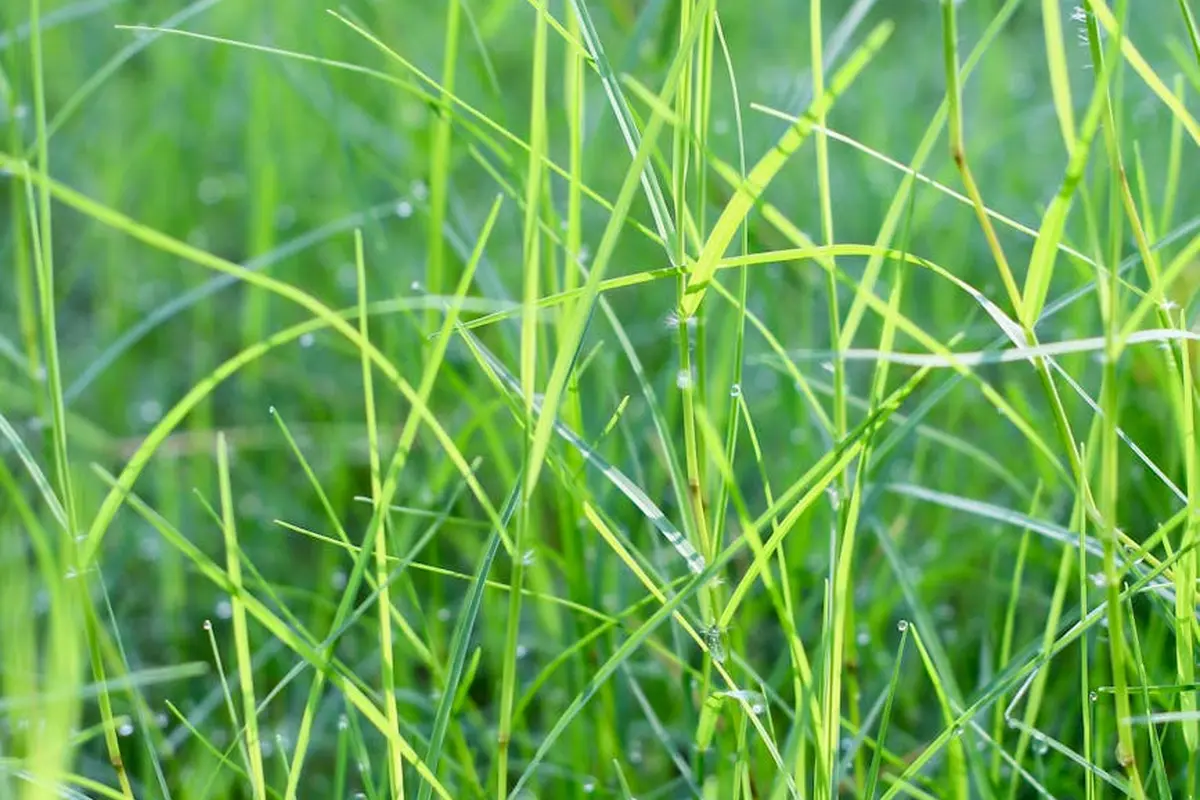
The best way to get grass seed sprouting fast is to keep the top inch of soil consistently moist, like a wrung-out sponge. I check mine daily, and a quick touch tells me if it’s time for a light watering with Sunny to protect those delicate seeds, especially when using effective spreading methods.
Stick with pet-safe and pollinator-friendly products as your lawn establishes; it’s a simple choice that keeps your yard healthy for everyone. I’ve learned that paying attention to how your grass responds each year is the real secret to a thicker, greener lawn.
Related Guides and Information
- How to Pre-Germinate Grass Seed | Milorganite
- r/lawncare on Reddit: Has anyone tried pre-germinating their grass seed before laying it down?
- Healthy LawnsGrass development: Seed germination rates
- This Is the Only Grass Seed Worth Planting Right Now (Most People Get This Wrong)
- How to Plant Grass Seed
Written by Ria Carrington. Ria is an avid lawn care enthusiast and advisor. No lawn is unsalvagable when Ria is at work. She has helped countless homeowners breath new life into their dying lawns. She has a B.Sc in Agriculture and brings practical advice combined with knowledge of plant science and her decade worth of hands on experience.