
When Should You Apply Fertilizer After Seeding or Overseeding a Lawn? Ready to Feed?
You just finished spreading fresh grass seed, and now you’re staring at the bag of fertilizer, wondering if now is the right time to use it. The short answer is no, not yet, and getting this timing right is the secret to avoiding wasted money and burned-up seedlings.
We will cover why patience pays off, the exact timing for your first feed, how to choose and apply the right starter fertilizer, and how to do it all in a way that’s safe for pets and pollinators.
I’ve learned this through years of trial and error on my own lawn, figuring out what makes new grass thicken up fast without harming the soil life that Sunny the drip system and I depend on.
At a Glance: Key Factors for Success
Your timing boils down to three specific windows. Hit them right, and your new grass gets the perfect boost.
- Right at seeding with a starter fertilizer.
- About 4 to 6 weeks after germination, when you’ve mowed a few times.
- For established seedlings, following a normal seasonal schedule.
The entire goal is to push energy into building deep, strong roots without burning the tender new blades. Think of it like feeding a baby; you need the right food at the right time.
A brand-new lawn from bare soil is hungrier and needs more attention than an overseeded one. Your existing lawn in an overseeding project acts like a safety net, sheltering the baby grass and sharing some nutrients.
Your best guides are your soil thermometer and your own eyes. When soil is consistently warm enough for your grass type to germinate, it’s time for the first feed. After that, wait until you see thick, green growth about 3 inches tall before the next meal.
| Grass Type | Ideal Germination Soil Temp | Visual Cue for Next Feed |
| Cool-Season (Fescue, KBG) | 50-65°F | Lawn is thick enough to mow 2-3 times |
| Warm-Season (Bermuda, Zoysia) | 65-70°F | New runners are visible, spreading from plants |
The Big Question: Can I Mix Fertilizer and Grass Seed?
I hear this all the time. The short answer is yes, but only in one very specific way. You can put fertilizer down with grass seed if and only if that fertilizer is a starter formula.
You must never, ever mix grass seed with a standard “weed and feed” product. The herbicides in those mixes are designed to kill young, broadleaf plants, and your precious grass seedlings sadly count. Asking “can i put down weed and feed with grass seed” is planning a massacre in your lawn.
A starter fertilizer is different. Its job is to build roots, not top growth. Look for a nutrient ratio like 18-24-12, where the middle number (Phosphorus) is high. Phosphorus is the root-building nutrient new grass craves. It’s like giving a kid a glass of milk for their bones instead of a candy bar for a quick sugar rush. When you’re choosing best lawn starter fertilizers, compare labels for phosphorus-heavy formulas and products labeled for new seed or sod. Follow the package directions for best results.
Starter Fertilizer: The Only Safe “Mix”
Applying them together is simple. I do two separate passes with my spreader. First, I put down the seed. Then, I go over the same area with the starter fertilizer. This lightly covers the seed, which can help with moisture retention.
If your spreader handles both seed and granular fertilizer without clogging, a two-step process is perfectly fine and gives you the most control. Some coated seed products have fertilizer included, which works too. Just do a simple test: run a cup of your chosen product through your spreader on the driveway first. If it flows smooth, you’re good.
The Weed and Feed Trap
This is the most common mistake I see, and it breaks my heart every spring. The herbicides in weed and feed will not distinguish between your dandelion and your new Kentucky Bluegrass sprout. They will kill it.
Think of it this way: you wouldn’t plant a new tree sapling and then spray it with a bottle of weed killer. It’s the same principle on a smaller, more tragic scale in your lawn. Keep these two jobs completely separate by at least 6-8 weeks. Deal with weeds first, then seed and feed. Or better yet, seed now and handle any weeds later with a spot-treatment when your new grass is strong. Patch taught me that patience and the right tool for the job always win.
Why Your Patience Pays Off: The Science of Seedlings
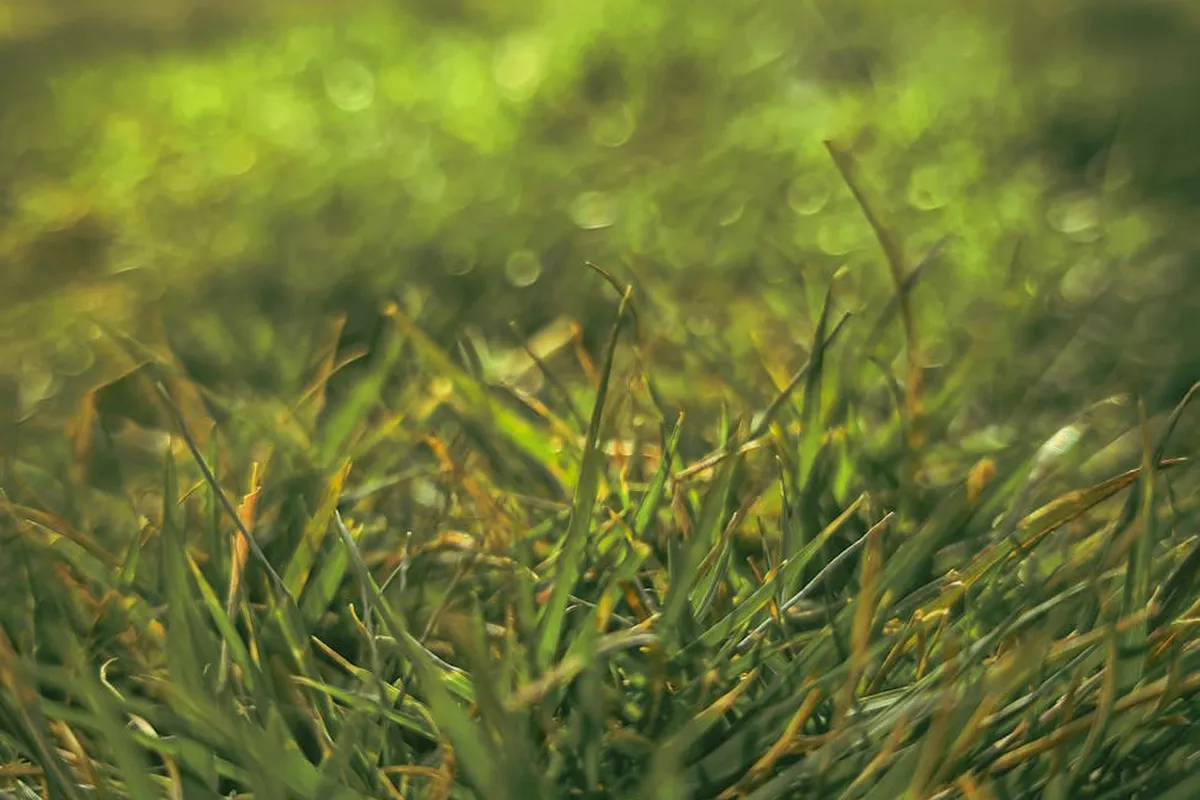
When you scatter fresh seed, you’re starting a tiny, quiet miracle. That first week is all about one thing: getting comfortable. The seed needs to swell with water and snuggle into the soil. It’s building its first root, a tiny, white thread you can barely see.
At this stage, a seed is focused on establishment, not a growth spurt, and a powerful dose of fertilizer is like offering a baby a steak dinner.
Think of that new grass plant like a sprouting bean in a classroom cup. Its only job is to put down that initial radicle root and push the first leaf (the coleoptile) toward the sun. It doesn’t have the system yet to process a lot of nutrients, especially the main ingredient in most lawn fertilizers: nitrogen.
The Real Risk of Rushing
This is where the common question “when to fertilize after seeding” finds its answer. The principle isn’t a random date on the calendar. It’s about protecting those fragile roots from chemical burn, especially when timing fertilization with seeding.
All synthetic fertilizers contain salts. It’s how the nutrients are delivered. To a mature lawn, these salts are no big deal. To a seedling’s delicate new roots, they’re harsh. Applying a standard fertilizer too soon can literally pull moisture out of the young plant, desiccating it. You’ll see the grass blades turn yellow or brown at the tips and stall out.
Fertilizing too early doesn’t just risk burning your new grass; it’s a waste of product and effort, washing away nutrients the lawn can’t yet use. Don’t fall for myths about lawn fertilization.
I learned this lesson the hard way with Patch, my shady problem area. In my rush to thicken it up one year, I hit it with fertilizer right after overseeding. The existing grass loved it, but the new seedlings I was counting on just fried. I had to wait and do it all over again in the fall.
What to Do Instead
So what does a new seedling need from you? It’s simple and costs nothing.
- Consistent, gentle moisture. Keep the top inch of soil damp like a wrung-out sponge.
- Good soil contact. That’s why we rake seeds in lightly or use a roller.
- Protection from being washed away or eaten by birds. A light layer of straw or peat moss can help.
Your first sign that it’s almost time for a nutrient boost is when you mow for the first time. That means the grass is established enough to handle some traffic. Wait until you’ve mowed the new grass at least 2 to 3 times before even thinking about a regular fertilizer application. This patience gives the root system the time it needs to toughen up and get ready for real food.
How Long to Wait: Reading Your Lawn’s Signals
You want to feed that new grass, I get it. But hold off. Your first fertilizer after seeding should wait until after you’ve given the lawn its first, or even second, mowing. This step is crucial in any summer lawn fertilization and seeding guide.
Why? Because those first few weeks are for the roots. The seed uses its own stored energy to send down a tiny root, called a radicle. If you dump nitrogen on it too early, you force it to focus on growing leaves before it has a strong foundation. It’s like trying to build the roof before the walls are up.
The best signal is the grass itself, not the calendar. Look for these two things together:
- New grass blades are about 3 to 4 inches tall.
- You’ve been able to mow them down by one-third at least once.
This tells you the root system is getting established enough to handle the boost. If I had to give you a number, it’s usually 4 to 6 weeks after you first see green sprouts. But I’ve had sections in my own yard take longer when the weather was cool.
Timing shifts a bit with your grass type. Cool-season grasses like Kentucky bluegrass and fescue, often seeded in fall, grow roots best in cooler soil. Warm-season grasses like Bermuda or Zoysia, typically seeded in late spring, need warmer soil to wake up. The rule is the same for both, wait for that first mow, but warm-season grasses might hit that milestone a little faster in the heat.
And for anyone asking about timing from a video game perspective, the real lawn always wins. Forget the in-game clock. Your real grass will show you when it’s ready by its height and resilience.
For Overseeding: The Waiting Game is Shorter
Overseeding is different. You’re adding seed to an existing lawn, which gives you a big advantage. The old grass acts like a nursery, protecting the soil and the baby seeds from washing away or drying out.
Because of this support system, you can usually fertilize a bit sooner. Once you clearly see the new seedlings mixed in with the old grass, they’re probably ready for a gentle feed. That’s often just 2 to 4 weeks after germination.
This is where my shady corner, Patch, taught me a hard lesson about patience. One year I got excited and fertilized the overseeded area too early. The existing grass, already strong, sucked up all the nutrients and grew so thick it shaded out the struggling new seedlings. I had to do it all over again. Rushing only helps the established plants you’re trying to fill in around.
Choosing the Right Fuel: Fertilizer Types for New Grass

You’ve got baby grass coming in. It’s exciting. Your first instinct might be to pour on the strongest stuff you can find to make it grow faster. I get it. But feeding new grass is more like feeding a kid than an adult. You want steady, balanced nutrition, not a crazy sugar rush that leads to a crash.
Fast-acting synthetic fertilizers are like that sugar rush. They flood the soil with nutrients all at once. For your established lawn, that can work. For tender new seedlings, it’s a common path to fertilizer burn. You’ll see yellow or brown streaks, and those fragile roots can get scorched.
I always reach for a slow-release or organic fertilizer for new grass because it feeds steadily, prevents burn, and is safer for the pets and pollinators that visit my yard. It’s the patient person’s tool, and it pays off with thicker, more resilient turf.
To choose the right one, you need to speak a little fertilizer label. Look for three numbers on the bag, like 10-10-10 or 24-0-6. This is the N-P-K ratio. These three numbers show the N, P, and K content of the fertilizer. Aligning that ratio with your plant’s needs helps you pick the right product.
- N (Nitrogen) is for top growth and green color.
- P (Phosphorus) is the middle number and it’s the star for new grass. It’s all about root development.
- K (Potassium) is for overall plant health and stress tolerance.
That middle number, Phosphorus, is your best friend after seeding. It’s the foundation builder. Some states restrict phosphorus use, so check local rules. If you can use it, a balanced fertilizer like a 10-10-10 is a fantastic, safe choice for that first feeding once your seedlings are about an inch or two tall.
Organic vs. Synthetic: A Simple Breakdown
Think of it this way: organic fertilizer is a home-cooked meal for your soil, while fast-release synthetic is an energy bar-a quick hit without much long-term benefit.
Organic options feed the soil life first. Earthworms and microbes break it down, which then feeds your grass. This builds healthier soil over time, which means better water retention and fewer problems down the road. It’s the core of a pet-safe and pollinator-friendly yard because it avoids harsh salts and chemicals.
Common organic sources I’ve used or trusted include:
- Compost or Compost Tea: My absolute favorite for overall soil health. It’s like a multivitamin and probiotic for your lawn.
- Milorganite: A reliable, slow-release fertilizer that also helps condition the soil. It’s a staple for many homeowners.
- Bone Meal: A great natural source of that all-important Phosphorus for root growth.
The synthetic energy bar has its place-it’s precise and fast when you need a specific nutrient fix-but for nurturing new grass, the home-cooked meal is the wiser long-term investment. I learned this the hard way one season with Patch, my problem corner. I tried a quick synthetic fix and just burned the struggling new grass. A layer of compost and patience worked wonders instead.
Step-by-Step: How to Feed Your New Lawn
You’ve waited patiently. Your new grass is up and growing. Now it’s hungry. This is the fun part, where you get to see that baby grass really take off. Here’s how to get the job done right.
- Pick Your Fuel
Grab a starter fertilizer or an all-purpose lawn feed with a good first number (that’s the Nitrogen). Look for one that’s labeled as safe for new seedlings. I avoid anything with weed killer in it for this first meal.
- Get Your Gear Ready
This means your spreader. I roll Max, my trusty zero-turn, out of the shed and hook up my broadcast spreader to the back. Reliability matters here. You don’t want a clumpy, uneven spread that leaves streaks. Check the hopper for old, caked-on fertilizer and give it a good brush out.
- Watch the Weather
Apply on a calm, dry day. Wind will blow your expensive fertilizer into your flower beds or the neighbor’s yard. Rain forecast for later is good, but you don’t want a downpour washing everything away before you can water it in yourself.
- Walk the Pattern
Start by walking the perimeter of your lawn. Then, go back and forth in straight lines, slightly overlapping each pass. Think of mowing stripes. This overlap is the secret to even coverage. Those stripes of dark and light green grass you sometimes see? That’s from missing spots or doubling up.
Take your time with the walking pattern, it’s the single biggest factor in getting a uniform, thick feed across your whole lawn.
Spreader Settings and Watering In
The bag has a recommended setting. For this first, delicate feeding, I ignore it. I set my spreader one or two notches lower than what the bag says. It’s better to feed a little light than to risk burning those tender new roots with too much. You can always do another light application in a few weeks if needed.
Once the granules are down, it’s time for the most critical step. You need to water it in. This isn’t a light sprinkle. You need a good, deep soak to wash the fertilizer granules off the grass blades and down into the soil where the roots can use it.
I turn on Sunny, my drip system, or grab the sprinkler. Aim for about a half inch of water. The goal is to moisten the soil down a few inches, like a damp sponge, not create a muddy flood. This deep watering mimics a gentle, soaking rain and gets the nutrients moving.
Watering deeply right after you feed washes the fertilizer into the root zone and prevents it from just sitting on the surface, where it can volatilize or burn the grass.
Then, be patient. You won’t see results overnight. In a week or so, you’ll notice a deeper green color and a more vigorous push of growth. That’s your reward. It’s the same lesson Patch, my stubborn shady spot, taught me: consistent, careful feeding always wins over a heavy, rushed hand.
Common Lawn Care Mistakes and How to Avoid Them

We’ve all been there. You put in the hard work of seeding, and you’re so eager to help it along that you jump the gun. I’ve made every mistake on this list in my own yard, usually in my rush to fix that one stubborn area I call Patch. Learning from these blunders saves you time, money, and a whole lot of frustration.
Fertilizing on Wet Grass
You wake up to a beautiful, dewy morning and think it’s the perfect time to feed the new grass. I’ve done it. It seems logical, but it’s a fast track to trouble. Wet grass blades act like glue. The fertilizer granules stick to them instead of falling to the soil. This causes uneven feeding and, worse, can burn the tender new blades, leaving ugly yellow spots.
If you see granules clinging to wet grass, grab your hose with a gentle spray nozzle and rinse them off the blades down to the soil. The corrective action is simple. Just wait. Let the sun dry the lawn completely. The best time to fertilize is when the grass is dry, and you can see the granules bounce off the blades and settle into the soil.
Using the Wrong Spreader Setting
That bag of starter fertilizer has a setting listed right on it, but it’s easy to ignore. Guilty. Using too high a setting throws down a heavy, uneven blanket that can smother and burn seedlings. Too low, and your new grass doesn’t get the food it needs to grow strong roots, leaving it weak against heat and drought.
Always do a test run on your driveway first to see the pattern and density of the granules before you ever step onto the lawn. Start with the recommended setting, but if the spread looks too thick or thin, adjust it. It takes two extra minutes and saves you from those tell-tale spreader stripes of dark green and pale yellow grass.
Applying Fertilizer Right Before Mowing
This one feels like a time-saving hack, but it’s a waste of product. You mow, then you immediately fertilize so you’re done for the week. The problem is, you just vacuumed up all the nutrient-rich food you were about to serve. A significant amount of fertilizer gets caught in the clippings and thrown into the bag or dispersed away from your lawn.
Plan your mowing and fertilizing as separate tasks, ideally with a day or two between them. Mow the lawn first, then allow a day for any clipped grass to settle. This gives the fertilizer a clean path to the soil where it belongs. Think of it like cleaning the table before you set out a meal. A regular mowing and fertilizing schedule is a cornerstone of a healthy lawn. Keeping to that rhythm helps you time treatments and irrigation for best results.
Using a High-Nitrogen Fertilizer Too Early
Seeing slow growth is worrying. Your instinct is to hit it with a powerful, quick-green-up fertilizer. Resist it. High nitrogen pushes rapid top growth at the exact moment your seedlings should be building deep roots. You get a spurt of weak, skinny blades with a shallow root system that can’t handle stress.
Stick with a balanced starter fertilizer for the first 6-8 weeks; its higher phosphorus content is the secret signal for root development. If you already applied the wrong type, don’t panic. Flush the area with a deep, slow watering to help move some of that excess nitrogen down through the soil and away from the root zone. Then, just be patient and let the grass recover.
The theme here is patience, which I learned from my battles with Patch. Grass follows its own schedule. When you’re unsure if it’s time to fertilize after seeding, wait one more week and check for steady, thick blade growth. A little extra waiting never hurt a lawn, but acting too soon often does.
Greedy Grass Pro Tip: The Overseeding Fertilizer Double-Play
Here’s my favorite move for turning a thin, patchy lawn into a thick carpet. Forget doing just one thing. You want to run a two-part fertilizer play.
First, apply a starter fertilizer when you put the seed down. Then, about 4 to 6 weeks later, hit it with a balanced, slow-release fertilizer. This one-two punch is how you build a lawn that lasts for years, not just a season.
Step One: Feed the Babies First
Think of new grass seedlings like newborn puppies. They need special, gentle food to get strong. That’s what starter fertilizer is.
It’s usually higher in phosphorus (the middle number on the bag, like 24-25-4). Phosphorus doesn’t make the grass green. It builds the root system underground. I want those tiny roots to dive deep into the soil, searching for water and anchoring the plant. A deep root means a resilient lawn when summer heat hits.
I apply this right with the seed, so the nutrients are there waiting as soon as the seed wakes up. It’s like setting a full breakfast table before the kids come downstairs.
Step Two: The Follow-Up Feed
About a month to six weeks later, your new grass isn’t a baby anymore. It’s a teenager, hungry and ready to bulk up. This is when you switch gears.
Now you need a balanced, slow-release fertilizer. Look for something with even numbers, like a 20-0-5 or similar. The “slow-release” part is key. It feeds the grass slowly over weeks, like a timed drip from Sunny the irrigation system. A quick burst of food causes a growth spurt that’s weak and needs constant mowing, but slow-release builds steady, dense, and healthy growth.
This feeding supports the top growth-the blades you see and walk on. It encourages the plant to spread out and fill in every gap.
Why This Double-Play Works Every Time
This strategy works because it matches what the grass actually needs at each stage of its life. Roots first, then blades. It’s simple logic.
If you only use starter fertilizer, the grass gets a great start but runs out of steam later. If you only use a regular fertilizer at seeding time, you might push top growth too fast on a weak root system. The plant gets top-heavy and struggles.
By splitting the job, you build the complete athlete. A lawn with a deep, robust root system and thick, green top growth. This is the ultimate goal. A lawn this thick and vigorous is your best defense against weeds, as it simply crowds them out and leaves them no room to grow.
I’ve used this on Patch, my stubborn shady spot, and it transformed the fight. Fewer weeds mean less need for any weed-killing chemicals later. That’s better for your family, your pets, and the bees buzzing around your clover. You get a great lawn the right way, by making the grass itself so strong that it wins the battle for you.
Greedy Grass FAQ: Feeding Your New Lawn
I’ve seen “fertilize after seeding FS22” online. Does a farming video game know something I don’t?
Real-life grass doesn’t follow a game clock. Ignore the in-game shortcuts; your lawn’s true readiness is shown by thick growth and your mower, not a digital timer.
Can a sudden cold snap or heavy rain change my fertilizing timeline?
Absolutely. Bad weather stresses new grass. If a frost hits or a downpour washes seeds away, pause your plans and let the lawn recover fully before even thinking about fertilizer.
What’s one visual sign, besides mowing, that my new grass is ready for its first real meal?
Look for density. When you can’t easily see bare soil between the blades because they’ve thickened up and spread, that grass is hungry and established enough to handle a feed.
Is it okay to use last season’s leftover fertilizer on my new seedlings?
Only if it’s a starter fertilizer and has been stored bone-dry. Clumpy, hardened fertilizer won’t spread evenly and can scorch grass, so when in doubt, get a fresh bag for your babies.
After I fertilize the new grass, how long until it’s safe for my dog and kids to play on it?
Once you’ve watered the fertilizer in thoroughly, wait until the grass blades are completely dry. This usually means keeping everyone off for at least 24 hours to be perfectly safe.
Your Next Steps for a Thicker Lawn
The most important rule is to let those new grass roots settle in before you feed them. Wait until you’ve mowed the fresh grass at least two or three times; that patience gives your lawn the best shot at becoming thick and resilient.
Always choose a fertilizer that’s gentle on the environment and safe for pets and pollinators passing through your yard. The real secret is to watch how your lawn responds this season and use that knowledge to make an even better plan next year.
Sources and Additional Information
- When to Fertilize New Grass Seed – Expert Lawn Care Tips
- Timing for post seed fertilizer | Lawn Care Forum
- When and How to Fertilize Your Lawn
- r/lawncare on Reddit: Solve this debate: When to fertilize overseeded lawn? Zone 7b
- When Can I Fertilize My Lawn After Planting Grass Seed? – Hunker
- How to Fertilize, Water, and Mow Your Lawn after Overseeding
Written by Ria Carrington. Ria is an avid lawn care enthusiast and advisor. No lawn is unsalvagable when Ria is at work. She has helped countless homeowners breath new life into their dying lawns. She has a B.Sc in Agriculture and brings practical advice combined with knowledge of plant science and her decade worth of hands on experience.