
When Is the Best Time to Fertilize Trees? A Homeowner’s Guide to Smart Timing and Methods
You might be staring at your trees, unsure if feeding them now will help or just burn a hole in your wallet. Getting the timing right makes all the difference for healthy growth without the guesswork.
Here, we will cover the best seasons to fertilize for your tree type, how to spot if your tree actually needs it, and the practical, cost-effective methods that deliver results.
I’ve learned this through seasons of trial and error in my own yard, balancing what my maples and oaks need with what my budget allows.
At a Glance: Key Factors for Tree Fertilization
You’re busy. I get it. Let’s skip the textbook lecture and get to what works. Think of these as the rules I follow in my own yard.
- The best time to fertilize most trees is in early spring, just as the soil thaws and before a major growth spurt. Late fall, after leaves drop, is a good second option.
- Method matters more than you think. Broadcast spreading over roots is fine for established trees, but deep-root feeding is better for getting nutrients past grass competition and into the soil where trees drink.
- Always test your soil first. It tells you exactly what your tree is hungry for, so you don’t waste money or harm the environment with a guess.
Healthy soil is the only real foundation you need for everything that follows. Fertilizer isn’t a magic cure. It’s a supplement for soil that’s already doing its job, especially when it has the right composition and structure.
Why Tree Fertilizer Timing is Everything
Timing isn’t just a suggestion. It’s the difference between giving your tree a boost and accidentally stressing it out.
Think about a tree’s year. When the ground warms in early spring, the roots wake up first. They’re searching for water and food to fuel the big show above ground: new leaves and branches. Fertilizing in early spring feeds that hungry root system right when it’s most active and ready to use the nutrients.
Get the timing wrong, and you cause problems. Fertilizing in late spring or summer can push a burst of soft, weak growth that’s vulnerable to summer heat and pests. It’s like forcing a runner to sprint before they’ve warmed up.
My favorite way to picture it is with an energy gel. Giving it to a runner mid-race? Perfect. It provides immediate fuel for the work they’re already doing. Giving it to them right before bed? Useless and disruptive. The tree can’t use those nutrients, and they might just run off into Sunny’s irrigation zone or, worse, the local watershed.
Late fall fertilization works on a different principle. After the leaves drop, the top growth stops, but the roots are still active in the warmer soil. Applying a slow-release fertilizer in fall feeds the roots directly, helping them store energy for a strong, healthy start next spring. It’s like packing a lunch for tomorrow instead of trying to eat it while you sleep.
I learned this patience with Patch, my stubborn shady spot. Throwing fertilizer at a problem in July never fixed it. Understanding the cycle did. Feed when the tree is ready to eat, not just when you remember it on your calendar.
How Do You Know If Your Tree Even Needs Fertilizer?
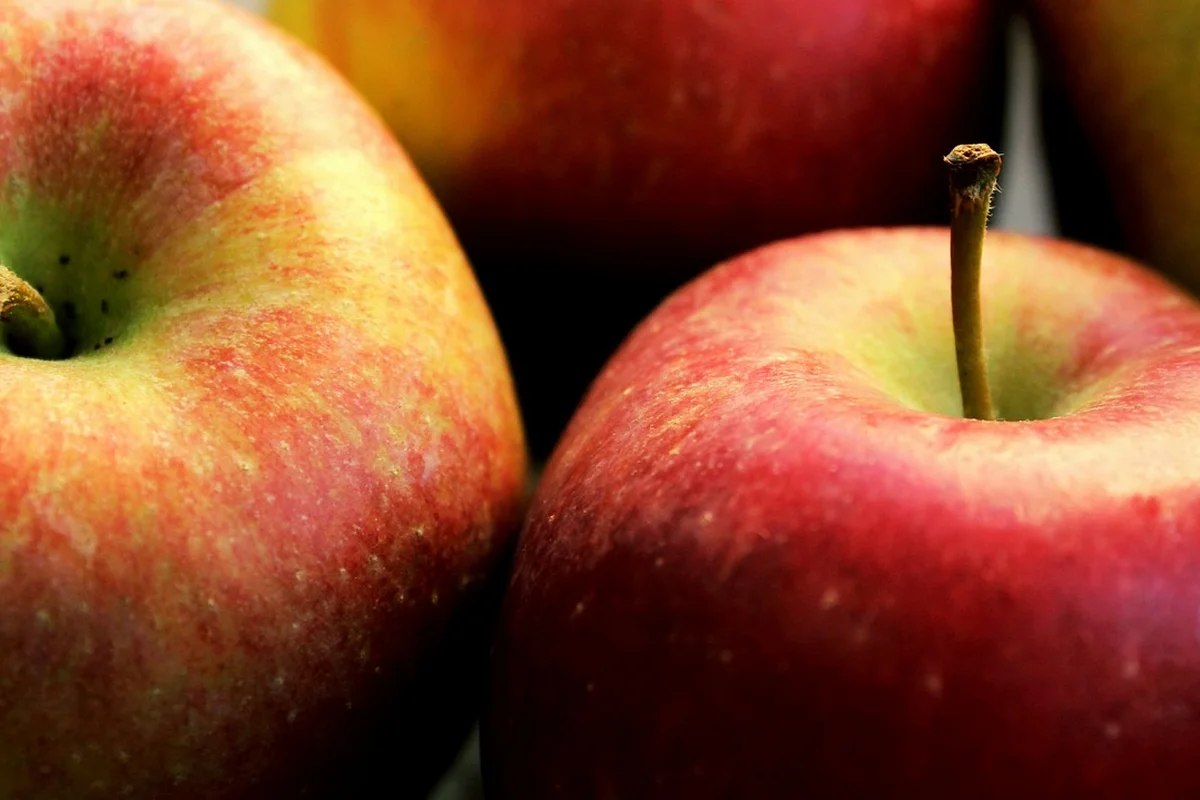
I get it. You see a bag of fertilizer and think, “More food must be better, right?” Not always. Fertilizing a tree that doesn’t need it is like force-feeding a kid who just ate a big meal. It can do more harm than good, washing away into Patch’s corner and causing runoff issues.
First, look for the clear distress signals. Your tree will tell you if it’s hungry.
- Pale or yellowish leaves, especially if the veins stay green. This is chlorosis, a classic cry for help, often for iron or nitrogen.
- Leaves that are much smaller than they should be for the tree type.
- Stunted, sparse growth where new branches are short and few. Compare it to a neighbor’s same-species tree.
- Leaves that change color and drop way too early in the fall.
Now, let’s talk about a happy tree. A healthy tree that doesn’t need fertilizer is busy doing its own thing.
- It puts out a full canopy of rich, green leaves each spring.
- New twig growth each year is steady and robust (about 6-12 inches for many mature trees).
- It holds its leaves properly through the growing season.
- The overall look is vigorous, not struggling.
If your tree looks strong and grows steadily, you can probably save your time and money. It’s getting what it needs from the soil and the natural breakdown of organic matter, like your grass clippings.
The One Step You Should Never Skip
Guessing based on looks is okay, but knowing for sure is better. A simple soil test is your best first move. It’s like a blood test for your lawn and garden. Understanding the soil test results will guide your lawn care decisions.
You can get a kit from your local university extension office or a garden center. It tells you exactly what’s missing (like nitrogen, phosphorus, potassium) and the soil pH. Applying the wrong fertilizer or one at the wrong pH is a complete waste, and the test prevents that. It takes the mystery out of the process.
Patience is a Lawn Care Virtue
One slow spring doesn’t mean your tree is starving. Weather can cause a rough season. I tell everyone to watch their tree for a full calendar cycle before pulling the trigger on fertilizer.
Notice how it leafs out in spring, holds up in summer heat, and colors in fall. That year-long observation, paired with a soil test, gives you the full picture. This patience stops you from reacting to a temporary problem with a permanent solution you don’t need. It’s the same wisdom that keeps me from going to war with every single weed in Patch’s domain. Sometimes, you just watch and learn.
The Seasonal Calendar: When to Feed Your Trees
Feeding trees isn’t a guessing game. I treat it like my lawn’s schedule with Max the mower, reliable and based on clear signs. Let’s break the year into simple windows so you know exactly when to act.
The Golden Rule for Most Backyard Trees
For your maples, oaks, and other shade trees, timing is everything. Forget complex dates. Your best bet is early spring, when the tree wakes up but hasn’t fully leafed out. This also ties into spring seeding feasibility timing considerations you’ll encounter in the next steps. We’ll keep it concise so you can act within the optimal window.
How do you know it’s time? I watch for the forsythia bushes to flash their yellow blooms. That’s my signal. If you prefer numbers, aim for when your soil temperature holds steady around 55 degrees Fahrenheit. You can use a cheap soil thermometer, the kind you might check your lawn with. This early spring feed gives roots a direct boost of energy for the whole growing season ahead.
Late fall is your backup plan or a good second feeding. Apply fertilizer after the leaves have dropped but before the ground gets hard and frozen. I do this just after I’ve put Max away for the season. Feeding in late fall helps trees store nutrients in their roots, preparing them for a strong start next spring without pushing risky new growth.
Special Cases: Fruit, Citrus, and Nut Trees
These trees work harder, producing food for you, so they need a more specific diet. Think of it like giving Sunny, my drip system, an extra setting for the vegetable patch.
For apple and most fruit trees, a single feeding in early spring is usually perfect. This supports flower and fruit development. I stick to the same forsythia rule I use for my backyard trees.
Citrus trees are different. They’re heavy feeders. How often to fertilize citrus trees? Aim for three times a year: in late winter (just before spring growth), late spring, and again in late summer. This keeps them nourished through their long growing and fruiting period.
Other trees have their quirks. How do you fertilize a pecan tree? Feed it in late winter, as it breaks dormancy. How are figs fertilized? They do well with a light feeding in early spring and another, even lighter one, in midsummer after the first crop sets. Always use a fertilizer formulated for the specific tree type to meet its unique needs.
What Happens If You Fertilize Too Late?
I learned this lesson the hard way one year, trying to fix a sad-looking tree in early fall. Fertilizing too late, especially after midsummer for most trees, is a common mistake. Late fertilizer acts like an alarm clock, telling the tree to produce soft, tender new shoots when it should be winding down. These new branches won’t have time to harden off before the first frost hits. Winter will kill that growth, wasting the fertilizer and stressing the tree. It’s like forcing a new, green blade of grass right before a freeze, it just turns to mush. Stick to the early spring or late fall windows to keep your trees safe and strong.
Choosing Your Path: Organic vs. Synthetic Tree Food
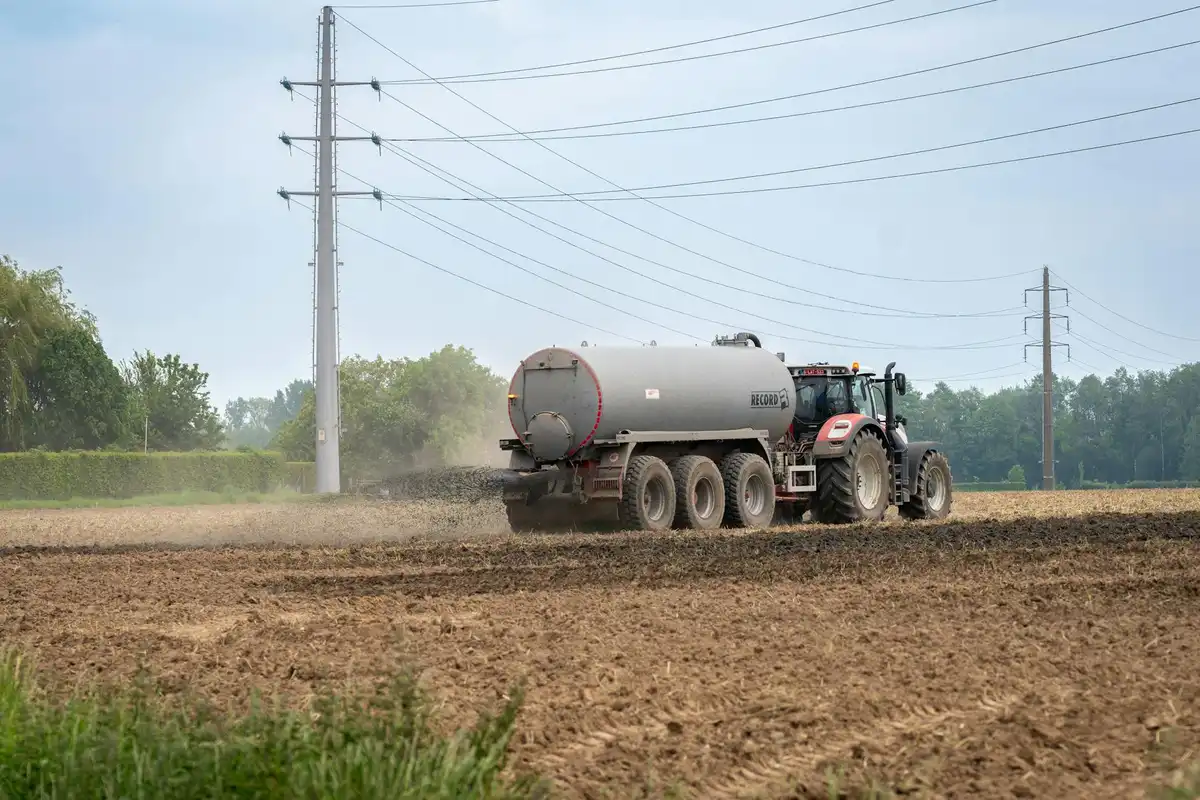
This is the big fork in the road. Your choice here doesn’t just feed the tree this season, it builds (or degrades) the living foundation under your feet for years to come.
I used to think a bag of quick-release blue crystals was the answer to everything. I was wrong. It’s like giving your tree a giant cup of coffee instead of a balanced meal. You get a fast jolt of green, but it doesn’t last, and it can make the whole system jittery and weak.
Let’s lay the options side by side.
| Aspect | Synthetic (Chemical) Fertilizer | Organic Fertilizer & Amendments |
|---|---|---|
| Speed of Results | Very fast. Nutrients are instantly available. | Slow and steady. Feeds as materials break down. |
| Cost & Effort | Often cheaper upfront. Requires precise, timed applications. | Can cost more initially. Often a simple, once-or-twice-a-year task. |
| Impact on Soil Life | Can harm beneficial microbes and fungi with salt buildup. | Feeds the entire soil food web, improving structure and health. |
| Safety for Pollinators & Pets | Risky if applied improperly to blooms or fresh grass. | Generally very safe when applied to soil as directed. |
| Long-Term Soil Health | Does nothing to build soil. Can lead to compaction and dependency. | Builds richer, more spongy soil that holds water and nutrients. |
Why I Default to the Organic Route
My goal is to work with the soil, not just pour food onto a passive medium. Think of your soil as a bustling city. Synthetic fertilizers are like air-dropping rations. It feeds the tree but ignores the citizens (microbes, worms, fungi) that maintain the roads and infrastructure. Organic methods feed the whole city, so it runs better on its own.
For the health of your tree’s roots and everything living around it, organic is the gentler, smarter long game. It’s how I finally got Patch, that stubborn shady spot, to improve. I stopped forcing it with chemicals and started building its soil with compost.
Your Organic Toolkit
You don’t need a chemistry degree. You just need to mimic the forest floor. Here are the tools I keep on hand.
- Compost: This is your MVP. A 2-3 inch layer of good, finished compost spread under the tree’s canopy (the “drip line”) is a perfect meal. It feeds slowly, improves soil structure, and helps suppress weeds. I make my own, but bagged works great.
- Manure Tea: It sounds rustic, because it is. Steeping aged, composted manure in water makes a nutrient-rich liquid you can pour around the roots. It’s a fast-acting organic boost without the risk of root burn.
- Bio-stimulants: This is the pro-level organic move. Products like kelp meal or humic acids don’t fertilize directly. They stimulate microbial activity and help your tree use nutrients more efficiently. It’s like giving the soil’s immune system a vitamin.
The beauty of these methods is their forgiveness. You’re far less likely to overdo it and damage tender roots. You’re building a resilient system, not just checking a “fed the tree” box for the season.
Tree Fertilizing Methods: From Spikes to Soaks
You know when to feed your tree. Now, how do you actually do it? The right method makes all the difference between feeding the roots and just feeding your grass. I’ve tried them all, and each has its place in your weekend warrior toolkit.
Surface Broadcasting: The Easy Way for Trees in Lawn
This is my go-to for trees growing in the middle of my turf. It’s simple: you scatter granular fertilizer on the ground and water it in. Your sprinklers or a good soak from Sunny, my drip system, will wash the nutrients down to the root zone. However, unlike fertilizing your lawn, make sure to avoid over-fertilizing around tree roots.
The trick is knowing where to scatter it. A tree’s feeder roots spread far wider than most people realize. They don’t just sit under the trunk. The most active root area is out near the “drip line,” which is the circle on the ground directly under the outer edge of the branches. For a mature tree, I go even farther, broadcasting from a few feet from the trunk all the way out to about 1.5 times the distance from the trunk to the drip line.
Think of the canopy like an umbrella. The roots you need to feed are generally under the whole umbrella, and then some. Just measure from the trunk to where the branches end, and use that distance as your guide.
Deep Root Feeding: Getting Food to Where It’s Needed
Sometimes, surface feeding isn’t enough. If your soil is hard-packed clay or you need to get nutrients down fast to a stressed tree, deep root feeding is the method. It involves using a soil needle or a deep-root feeder attachment on your garden hose to inject liquid fertilizer directly into the ground.
You push the needle into the soil, about 6 to 12 inches deep, in a grid pattern throughout the root zone. It’s like giving the tree a direct IV drip. This bypasses compacted soil and gets food right to the roots.
I reserve this for special cases, like the oak near my driveway that struggles in our tough clay, because it delivers a quick nutrient boost exactly where it’s needed. It’s more work than broadcasting, but for a prized tree that’s looking a little peaked, it can be a game-changer.
Are Fertilizer Spikes a Good Idea?
Fertilizer spikes are the ultimate in convenience. You just hammer them into the ground. So, are they a good idea? The answer is a firm “sometimes.”
Spikes concentrate nutrients in a few small spots. This can create uneven feeding, with some roots getting a huge dose and others getting nothing. In my experience, they work okay for smaller, younger trees where the root system isn’t vast yet. For a large, mature tree? The coverage is too spotty.
My recommendation is to use spikes only for small ornamental trees or as a very easy supplement, but for major feeding of a large tree, stick with broadcasting or deep feeding for even coverage. If you’re short on time and just want to give a small tree a helping hand, spikes can do the job. Just don’t expect them to perform miracles on your big old maple.
Special Techniques for Specific Trees
Not all trees eat the same dinner. Some have very specific tastes.
If you’re wondering how to fertilize a palm tree, think micronutrients. Palms often need extra magnesium, manganese, and iron to stay that vibrant green. I use a palm-specific fertilizer that includes these, broadcasting it under the canopy. Yellowing fronds are often a cry for these specific nutrients.
Oak trees are usually the low-maintenance friends in your yard. Most mature oaks, especially native species, need very little fertilizer. In fact, over-fertilizing a big oak can do more harm than good, promoting weak, fast growth. If your oak is in a lawn you regularly feed, it’s probably getting plenty. Only consider a light, slow-release feed if it’s in poor soil and showing clear signs of distress.
Fruit trees are a different story. How you fertilize fruit trees depends on your goal: big harvests. They often benefit from a tailored program. A spring application as buds swell supports leaf and flower growth. I might follow up with a lighter feed in early summer to support developing fruit, always using a balanced, slow-release product. It’s about giving them consistent nutrition through their productive season.
Your Step-by-Step Fertilization Checklist

Let’s get our hands dirty. This checklist isn’t complicated. It’s the same method I use in my own yard to feed the big oak by the driveway and the young maples out back. Follow these steps, and you’ll give your trees a solid meal without the guesswork.
Gather Your Tools
You don’t need fancy gear. Just grab these basics:
- A simple 100-foot measuring tape.
- A broadcast spreader for granular fertilizer or a hose-end sprayer applicator for liquid.
- Your garden hose, ready to go.
The Fertilization Process
-
Start with a Soil Test
This is your roadmap. Guessing what your tree needs is like trying to fix Max the mower with your eyes closed. A soil test tells you exactly which nutrients are missing. You can get a kit from your local cooperative extension office. It’s the only way to know you’re not wasting money on fertilizer your soil doesn’t actually need.
-
Measure the Root Zone
Tree roots spread far, often well past the branch tips. To find the area to fertilize, measure from the trunk out to the “drip line”-where rain falls from the outermost branches-and then go another 50% farther. That circle is your target. My tape measure is my best friend for this job.
-
Calculate the Product Amount
More is not better. Using too much fertilizer can hurt the tree and your soil. Your soil test results and the fertilizer bag’s label will have instructions based on square footage. Take the area of your root zone circle and follow the math. It’s simple multiplication, I promise. Fertilizer bag numbers—the NPK ratios— tell you what nutrients are in the mix. Use those ratios to guide how much you apply to your root zone.
-
Apply the Fertilizer
For granular types, fill your spreader and walk evenly across the root zone area. For liquids, attach the hose-end applicator, set the dial, and spray. The goal is an even coat, not piles in one spot. I do this on a calm morning so the wind doesn’t blow my granules into Patch’s weedy corner.
-
Water Deeply and Thoroughly
This is the most critical step. You must water the fertilizer into the soil. A good, slow soak helps move the nutrients down to the roots and prevents the salts in the fertilizer from burning the grass or surface roots. Think of it as serving the meal and then pouring the drink-you need both. I give it a long drink with the hose, mimicking one of Sunny’s deep drip cycles.
-
Clean Up
Rinse your spreader or sprayer thoroughly. Store any leftover fertilizer in a cool, dry place. A few minutes of clean-up now saves you from clogged tools and caked-up products later. Also, watch for fertilizer storage degradation signs such as lumps, moisture, discoloration, or a sour odor. Spotting these cues early helps you avoid using compromised fertilizer.
Common Tree Fertilizing Mistakes to Avoid
I’ve made a few of these errors myself, usually when I was in a hurry or thought I was being helpful. Learning from them saved my trees and my wallet. Let’s walk through the big ones so you can skip the headache.
Fertilizing right after planting a new tree is a classic misstep. That young tree is focused on growing roots to anchor itself and find water. A surge of nitrogen pushes it to put energy into top growth (leaves and branches) instead. It’s like forcing a runner to sprint before their leg muscles have healed. Give a new tree at least one full growing season to settle in before you even think about fertilizer.
“Volcano” mulching over fertilizer is a silent killer. We all know piling mulch against the trunk is bad. But doing that over fertilizer pellets is worse. It concentrates the salts and nutrients in a damp, confined space right at the root flare. This can literally cook the bark and the vital cambium layer underneath. I keep my mulch thin and fluffy, like a donut, not a volcano, and keep it a good few inches away from the trunk.
Using your lawn fertilizer on trees seems thrifty, but it’s often wrong. Lawn food is typically very high in nitrogen to push that fast, green blade growth. Most mature trees don’t need that kind of intense, quick-release feed. It can spur weak, sappy growth that attracts pests. Tree fertilizers usually have a more balanced or slow-release formula. It’s like feeding a marathon runner a candy bar instead of a balanced meal-you get a quick spike followed by a crash.
Over-applying is the most tempting mistake. The “if a little is good, a lot must be better” logic fails hard here with trees. Their roots spread wide, and they feed slowly. Doubling the dose won’t double the results; it will create a toxic environment in the soil.
What Happens if a Tree Gets Too Much Fertilizer?
This is the “too much of a good thing” scenario in action. Fertilizer salts, when over-concentrated in the soil, actually pull water *out* of the tree’s roots in a process called reverse osmosis. The tree essentially gets thirsty while standing in damp soil.
You’ll see the damage first in the leaves. Look for leaf scorch, where the edges or tips turn brown and crispy, as if they were burned by the sun. The leaves might also yellow, curl, or drop prematurely. If the overfeeding is severe, you can see branch dieback, where whole sections of the tree simply stop leafing out and start to wither.
If you spot this, don’t panic. The correction is immediate and deep watering to dilute and flush the excess salts away from the root zone. I’ll take my hose and let it trickle slowly at the tree’s drip line (where the branches end) for a good 30-45 minutes. Do this once a day for several days. It won’t reverse the burned leaves, but it can stop further damage and give the tree a chance to recover.
More is not better. With tree fertilizer, it’s a recipe for stress, not success. Patience and the right amount always win. Understanding fertilizer requirements for healthy plants helps tailor your feeding. This keeps nutrients balanced and plants thriving.
Caring for Your Tree After Feeding

You’ve done the work. You picked the right food, measured it out, and got it in the ground. Now what? This is where patience kicks in.
Don’t look for a miracle the next morning. Trees work on their own slow, steady schedule, and the real growth payoff happens over months, not days. I like to think of it like teaching a kid to ride a bike. You gave them a solid push, but the balancing and confidence to ride across the yard takes a whole season of practice. Your tree is the same. The fertilizer is the push. The stronger roots and fuller canopy are the ride.
Water is Your Best Friend (Again)
If you only do one thing after feeding, make it this: water. And water deep. The nutrients need moisture to dissolve and move into the root zone. A light sprinkle won’t cut it.
I run Sunny, my drip irrigation, for a good long soak after an application. Your goal is to moisten the soil down at least 6 to 8 inches. You can check this with a screwdriver or a soil probe. If it slides in easily to that depth, you’re golden. This deep watering encourages roots to grow downward, seeking that moisture and the food you just provided.
Consistent, deep watering for the next few weeks is what turns your fertilizer application from a hopeful gesture into an effective meal for your tree.
Mulch: The Tree’s Comfort Blanket
Think of mulch as the ultimate helper. A proper mulch ring does three critical jobs:
- It locks soil moisture in, so your watering efforts last longer.
- It keeps the soil temperature more even, protecting those sensitive feeder roots.
- It prevents damage from your mower or string trimmer. I’ve seen too many trees with “lawnmower blight” at the base.
Apply it in a wide ring, like a doughnut, not a volcano. Keep it a few inches away from the trunk itself and spread it out to the drip line if you can. A 2 to 4-inch layer of shredded bark or wood chips is perfect. It breaks down slowly, adding organic matter back to the soil. Just avoid piling it up against the bark.
Let the Roots Breathe
After you feed, the last thing you want is to go digging around in the root zone. This is a time for gentle care, not renovation. Avoid trenching for new projects, piling extra soil for landscaping, or compacting the soil with heavy equipment.
Your tree’s feeder roots, which are busy absorbing those nutrients, live in the top foot of soil. Disturbing that area is like someone kicking over your dinner plate. Give the area respect and let the tree do its work in peace.
This is a Cycle, Not a Cure
Feeding your tree isn’t a one-time fix for a sickly plant. It’s the start of an annual rhythm of care. The best thing you can do is become an observer.
Next year, before you even think about fertilizer, take a good look. How did it leaf out? Was the color richer? Did it put on more branch length? My stubborn shady spot, Patch, taught me that sometimes the progress is subtle-a few less dead twigs, a slightly denser shade of green. That’s a win.
Mark your calendar to check your trees each season. That observation, paired with steady care, is what builds a resilient, beautiful tree that stands tall for years.
Your Tree Feeding Questions, Answered
Is it ever okay to fertilize my trees in the summer?
Generally, no. Summer feeding can force weak, sappy growth that fries in the heat and invites pests. Stick to early spring or late fall when the tree is primed to use the food properly.
I missed the early spring window. What’s my move?
Wait for late fall. Apply a slow-release fertilizer after leaves drop but before the ground freezes to feed the roots directly, helping them store energy for a strong spring comeback.
How should I feed a young tree differently from a mature one?
Go easy on the youngsters. A new tree needs its first year to focus on roots, so wait until its second spring, then use a light, balanced feed to encourage steady growth without shock.
Are fertilizer spikes a good “quick fix”?
They’re a convenient shortcut, but often a lazy one. Spikes concentrate nutrients in small pockets, leading to uneven feeding; for a real meal, broadcast or deep-root feed your tree for even coverage.
What’s the first thing I should do if I think I over-fertilized?
Water deeply and immediately. A long, slow soak helps dilute and flush excess salts away from the root zone to prevent further damage from that “too much of a good thing” burn.
Tree Fertilization Made Simple
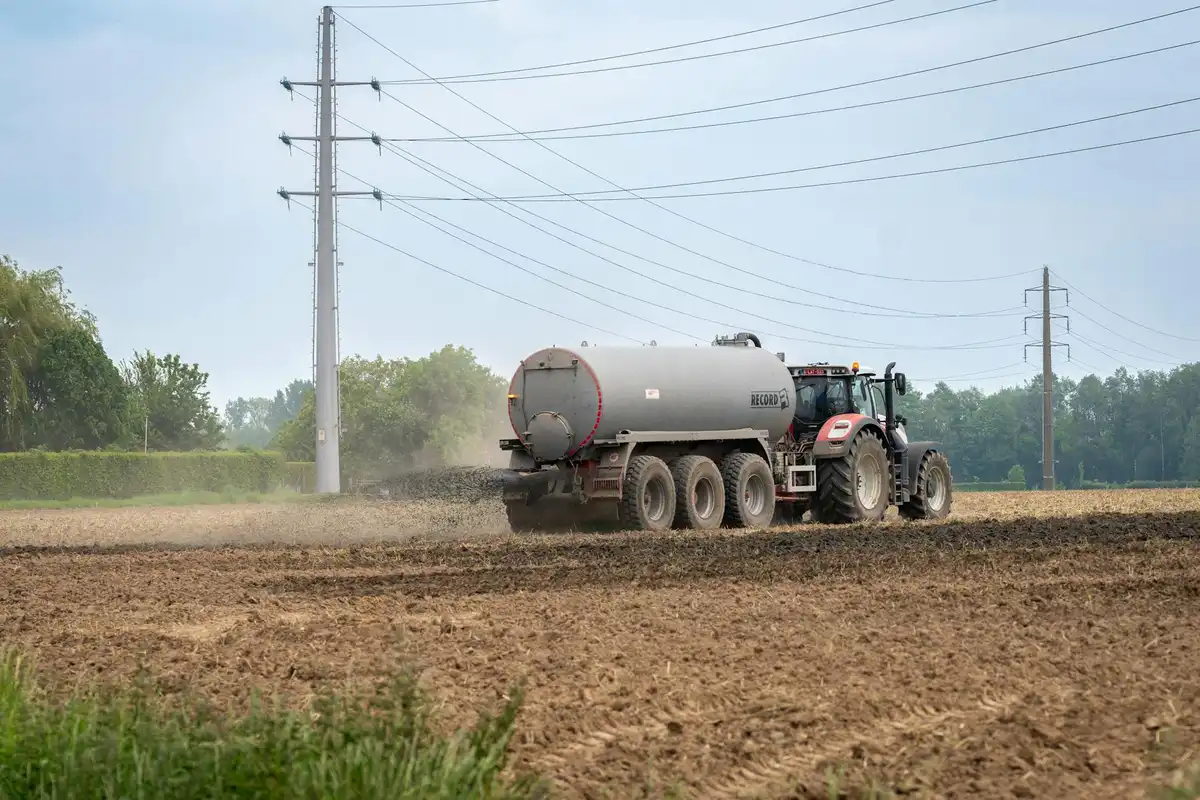
Get your timing right by feeding trees in early spring or late fall when they’re dormant, and always pick a slow-release formula. This straightforward step encourages deep roots and avoids shocking your lawn, setting you up for success. Correct timing for fertilizing trees is crucial for the best results.
Choose pet-safe and pollinator-friendly fertilizers to care for your entire yard responsibly. I keep learning from seasons with Max and Sunny, and you can too by watching how your trees respond and adjusting as you go. For practical steps, stay tuned for a pet-safe lawn fertilization guide in the next steps.
Deep Dive: Further Reading
- Fertilizing | How and When to Fertilize Trees and Shrubs | The Morton Arboretum
- What, When and Why: The Best Way to Fertilize Trees | Davey blog | Davey Tree
- Best Time in Spring to Fertilize Trees | Davey Tree
- Should I fertilize established trees and shrubs? | Yard and Garden
- Tree Fertilization | Nebraska Extension in Lancaster County | Nebraska
Written by Ria Carrington. Ria is an avid lawn care enthusiast and advisor. No lawn is unsalvagable when Ria is at work. She has helped countless homeowners breath new life into their dying lawns. She has a B.Sc in Agriculture and brings practical advice combined with knowledge of plant science and her decade worth of hands on experience.