
Fertilizer 101: What Do Plants Really Need to Thrive?
Walking down the garden center aisle, you’re hit with a wall of options, and it’s easy to overthink it. A great lawn doesn’t come from the fanciest bag; it comes from knowing what your grass actually asks for.
This guide cuts through the noise. We will cover the simple plant nutrient basics, how to read a fertilizer label like a pro, and the smart, pet-safe way to apply it.
I’ve learned this through years of trial and error (and a few brown spots) with my own mower, Max, and irrigation, Sunny.
At a Glance: Key Factors for a Happy, Fed Lawn
Feeding your lawn well comes down to four simple things. Think of them as the four rules for a great meal.
- The Right Nutrients: What’s in the food.
- The Right Amount: How much you serve.
- The Right Time: When you serve it.
- The Right Way: How you put it down.
Before you even think about these four, you need a soil test. Guessing is how you waste money and hurt your grass. A soil test is your personal cheat sheet. It tells you exactly what your soil is missing and what it has too much of. I send a sample from my front yard to the state lab every other year. The report saved me from dumping phosphorus on soil that was already full of it.
You have two main paths here. A quick-fix synthetic fertilizer gives a fast, green boost, like a shot of espresso for your lawn. A long-term organic approach, using things like compost and natural meals, feeds the soil life first. This builds healthier dirt over time, like cooking a nourishing stew. I use a blend of both, depending on what Patch (that stubborn corner) is telling me it needs that season.
What Are Plants Actually Hungry For?
Let’s clear something up. Fertilizer isn’t the lawn’s food. Sunlight is. Through photosynthesis, grass makes its own sugars. Think of fertilizer nutrients more like vitamins and minerals. Your lawn needs them to process that sunlight food and grow strong. Without the right nutrients, it’s like trying to build a shed with a great blueprint but no nails or wood. Even when you have the right fertilizer applied to your lawn, it won’t grow to its full potential without proper care.
The Big Three: N-P-K Explained Without the Science Class
Those three numbers on a fertilizer bag (like 24-0-10) are the N-P-K ratio. They stand for Nitrogen (N), Phosphorus (P), and Potassium (K). Here’s what they do in plain talk.
Nitrogen (N) is for green, leafy, top growth. It’s the gas pedal. More nitrogen means your grass grows faster and gets that deep green color you love. But hit the gas too hard and you’ll be mowing constantly, with weak, floppy blades.
Phosphorus (P) is for strong roots and flowers. It builds the deep foundation. It’s critical for new grass seed to establish and for flowering plants to bloom. My neighbor’s dahlias get a bloom booster (high P) while my lawn rarely needs extra phosphorus.
Potassium (K) is for the plant’s overall health and hardiness. Think of it as good tires and a strong immune system. It helps your grass handle drought, cold, heat, and disease. After a tough winter, I make sure my spring feed has a good dose of potassium to help the grass recover.
Lawn grass is greedy for nitrogen. Flowering plants, like geraniums or roses, crave more phosphorus for those big blooms. Your soil test will show you which of the big three you actually need.
The Supporting Cast: Secondary and Micro-Nutrients
The big three get all the attention, but the backup crew is just as important.
- Calcium: This is the mortar for plant cell walls. It builds strong structure, like bricks in a wall.
- Magnesium: This is the core atom in chlorophyll, the molecule that makes grass green. Without it, photosynthesis sputters.
- Sulfur: This helps build proteins and that fresh, green smell after you mow. It’s becoming more important as cleaner air puts less sulfur into the environment.
Then you have the micronutrients: iron, zinc, manganese, and others. Iron is the star for lawns-a tiny amount keeps grass a deep, rich green without the crazy growth spike of nitrogen. If your grass has a yellow tint but is growing fine, it might be crying out for iron. Think of micronutrients as a pinch of salt in a recipe. The amount is tiny, but leave it out and the whole dish falls flat.
What’s the Difference Between Macronutrients and Micronutrients?
It’s all about the quantity needed. Macronutrients (N, P, K, Ca, Mg, S) are needed in larger amounts. In a recipe, they’re the cups of flour. Micronutrients are needed in trace amounts. They’re the teaspoon of vanilla or the pinch of salt.
Most soils have plenty of micronutrients already. The problem is often access. If your soil pH is out of whack (too high or too low), it can “lock up” these nutrients, making them unavailable to your grass roots. This is yet another reason that soil test is your best friend-it checks pH and tells you if you need to adjust it to free up the nutrients already in your dirt.
Playing Detective: How to Know What Your Lawn and Garden Need
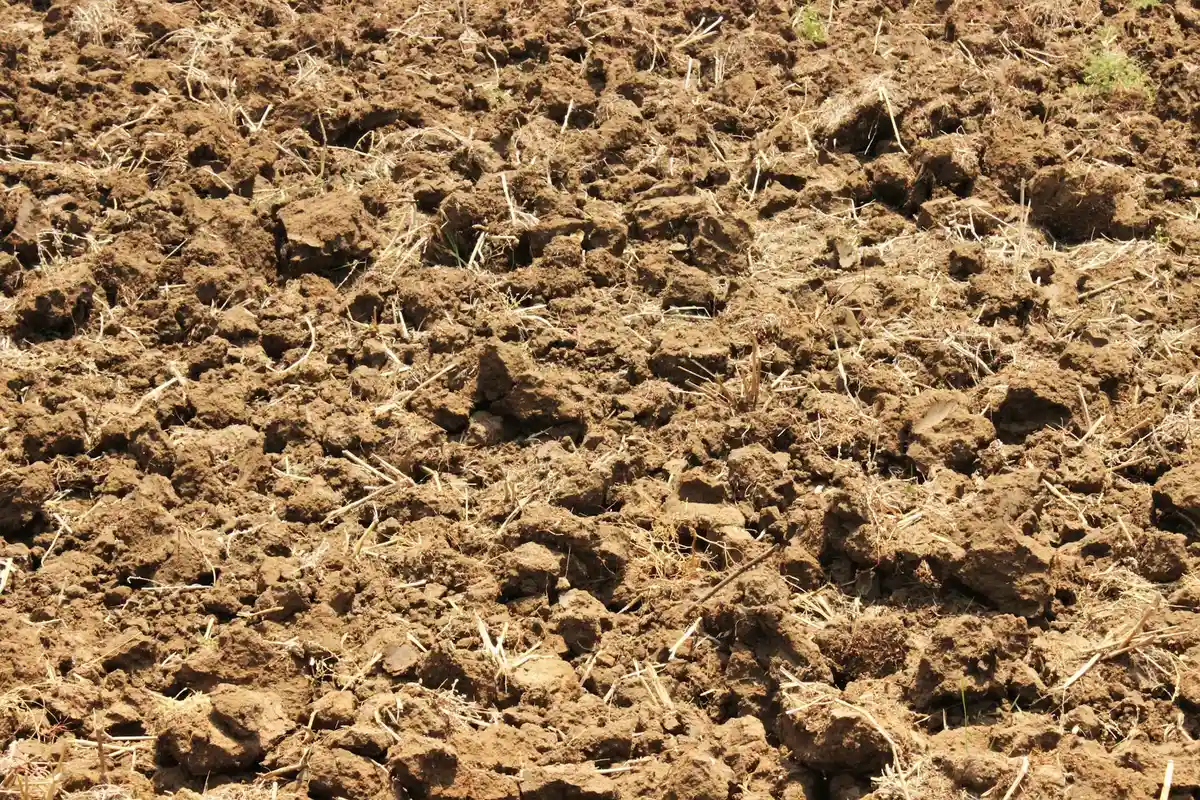
You’ve seen the fertilizer aisle. It’s a wall of bags with big numbers and bigger promises. Buying one based on the prettiest bag is like trying to fix a car by throwing random tools at it. You might get lucky, but you’ll probably waste your time and money. Your lawn is talking to you. Your job is to listen before you spend. A lawn fertilizer calculator can translate your lawn’s signals into a precise nutrient plan. That way you’re buying exactly what your turf needs.
The First Step You Can’t Skip: How to Conduct a Soil Test
This is your cheat sheet. It tells you exactly what’s happening under your feet. I do this every other year, right around the time I give Max his first spring tune-up. It keeps me from guessing.
Here’s the simple three-step process I follow:
- Get a Test Kit. Don’t buy a toy store chemistry set. Get a proper mail-in bag from your local university extension office or a reputable online lab. The cost is less than one bag of premium fertilizer.
- Take a Good Sample. Use a clean trowel. Dig down about 3-4 inches in 8-10 random spots, including that tricky area I call Patch. Put all the soil in a clean bucket, mix it up, and fill the bag they sent you.
- Send It Off. Mail it in and wait for your report. It feels like waiting for a report card, but for your dirt.
Reading the results is easier than you think. Look for three key things:
- pH: A number that tells you if your soil is sweet or sour. More on this next.
- N-P-K Levels: These are the numbers you see on fertilizer bags. The report will show if you have too little, enough, or too much.
- Recommendations: The best part. It will literally tell you how much of what to add.
A soil test stops you from pouring chemicals on a problem they can’t fix, which keeps your pets, your wallet, and the local waterways much happier. It is the single smartest thing you can do for your lawn. From there, you can interpret soil test results to tailor your lawn care plan. That interpretation turns numbers into actionable lawn care steps.
Cracking the pH Code: How Soil Acidity Unlocks (or Locks Away) Food
Think of your soil’s pH as a locked pantry door. Inside that pantry are all the nutrients (the N-P-K) your grass needs. If the pH is off, that door is jammed shut. You could pile a mountain of fertilizer outside the door (the soil), but your grass’s roots can’t get inside to eat.
Most lawn grasses want that door to open easily. They like a nearly neutral pH, between 6.0 and 7.0. It’s like a well-oiled hinge. Some plants in your garden beds, like azaleas or blueberries, prefer a stickier, more acidic door-a pH down around 5.5.
Last year, my test showed my soil was a bit too acidic. The fix was simple: I applied pelletized lime to gently raise the pH. If your soil is too alkaline (the door is painted shut), you’d use sulfur to lower it. But you only know which to use after the test tells you. Guessing here can make things worse.
Reading the Leaves: What are the Signs of Nutrient Deficiency?
Your grass will send you signals when it’s hungry. It’s not subtle. Here’s a quick visual guide to the most common cries for help:
- Pale Green or Yellowing, especially on older leaves: This often screams for nitrogen. The grass is losing its vibrant color and growth slows to a crawl.
- A Purplish or Reddish Tint on the leaves or stems: This can be a sign of phosphorus deficiency. You might see it more in young plants or seedlings.
- Scorched, Brown Leaf Edges and Tips: This is a classic sign of potassium shortage. The grass looks burnt, starting at the edges.
I had a persistent yellow stripe right next to my concrete driveway. It wasn’t dry. It wasn’t diseased. My soil test revealed the pH was high there, which was locking up iron-a micronutrient. The grass looked nitrogen-starved, but throwing nitrogen at it would have been useless. I needed to fix the pH first.
These leaf symptoms are clues, not a final diagnosis. Drought, disease, and even dog spots can mimic nutrient problems. The soil test is your detective’s magnifying glass that confirms the truth.
Common Lawn Care Mistakes and How to Avoid Them
We’ve all made lawn care blunders. I’ve certainly fertilized my fair share of weeds. Let’s walk through the big three mistakes so you can sidestep them completely.
Mistake 1: Fertilizing Blind (The “Spray and Pray” Method)
This is using fertilizer without a soil test. You’re operating in the dark. You might be adding phosphorus your soil is already drowning in, or you might be completely missing the potassium it desperately lacks. It’s wasteful and can pollute.
The fix is the single action we already covered: get a soil test. Let science guide your spending.
Mistake 2: Feeding at the Wrong Time
Timing is everything. Giving your lawn a huge shot of quick-release nitrogen right before a summer heatwave is like feeding it candy and then sending it to run a marathon in the desert. It stresses the plant, makes it thirsty, and can invite disease.
For cool-season grasses, feed in early fall and spring. For warm-season grasses, feed as they green up in late spring and through the summer. Always follow the recommended rates on the bag, which are based on square footage, not a hunch. For St. Augustine grass, plan a consistent fertilizing schedule through late spring and summer. A simple calendar helps keep applications timely without overdoing it.
Mistake 3: Over-Applying (“If a Little is Good, More is Better”)
This is the most dangerous mistake. It comes from a good place-you just want a thick lawn fast. But over-fertilizing is a direct path to trouble, even when you fertilize your lawn safely and effectively.
- It burns the grass, leaving ugly yellow or brown streaks.
- The excess doesn’t just vanish. It washes away with rain, polluting streams and ponds.
- It can harm the beneficial fungi and bacteria in your soil that help your grass roots breathe and eat.
More fertilizer does not mean more grass. It means more problems. Use a calibrated spreader, set it to the bag’s listed rate, and stick to the plan your soil test created. Your lawn will thank you with steady, healthy growth that doesn’t put your family or the environment at risk.
Choosing Your Path: From Bags to Meals

Picking fertilizer isn’t just grabbing a bag. It’s a choice between quick fixes and long-term health. I think of it like this: are you grabbing fast food or planning a nourishing meal for your yard? Both have a place, but your goal changes your choice.
What is the N-P-K Ratio and How Do You Choose the Right Fertilizer?
Those three numbers on the bag, like 24-0-6, are your cheat sheet. They tell you the percentage by weight of the three main nutrients: Nitrogen (N), Phosphorus (P), and Potassium (K). The rest is filler or other minor nutrients.
Nitrogen is for green, leafy growth. Phosphorus helps roots and blooms develop. Potassium is for overall plant health and stress resistance.
You choose based on the job. Planting new grass? Use a “starter” fertilizer high in phosphorus, like a 10-20-10, to push root growth. For your established lawn’s spring feeding, you want more nitrogen for top growth, something like a 20-0-5. Your soil test results are the ultimate guide, telling you exactly what your soil lacks so you don’t waste money or harm the environment.
The Organic vs. Synthetic Debate: Weighing Your Options
Organic fertilizer is a slow, home-cooked meal. Synthetic is a quick energy shot. Here’s the breakdown from my weekend warrior view on organic vs synthetic fertilizer.
Organic (like compost, milorganite, or corn gluten meal):
- Pros: Feeds the worms and microbes, improving your soil’s sponge-like structure over years. It’s very hard to burn your lawn with it. It’s the pollinator-friendly choice.
- Cons: Results are slower. The bags can be bulkier and heavier to haul and spread.
Synthetic (like most common lawn feeds):
- Pros: Fast, green-up. Precise nutrient ratios. Often lighter and easier to apply.
- Cons: Overuse can harm soil life. There’s a higher risk of runoff into waterways. It’s easier to over-apply and cause fertilizer burn.
My own yard leans organic. I use a synthetic shot in the early spring sometimes, but my main feeds are organic. It builds a healthier soil foundation, which means fewer problems with Patch and his weedy friends down the line.
What Do Specific Plants Need? A Quick Guide
Not everything in your yard eats the same. Here’s a quick cheat sheet.
- Lawn Grasses: Want a balanced diet, heavier on nitrogen during their main growing seasons (spring and fall for cool-season, summer for warm-season).
- Flowers (Dahlias, Daylilies, Geraniums): They live for blooms. A fertilizer with a higher middle number (phosphorus) gives them that flower power.
- Shade Plants (Ferns, Hostas): Often need very little extra. Focus on mixing rich compost into their bed instead of frequent fertilizing.
- Herbs & Vegetables (Green Beans, Herbs): Light, balanced feeding is key. Too much nitrogen gives you lots of leaves but less flavor in your harvest.
- Special Cases (Air Plants, Cacti): These are the outliers. They need highly specialized, diluted fertilizers only once or twice a year, if at all. They get most of what they need from air and light.
The Final Step: How to Properly Feed Your Yard
Knowing what to use is half the battle. The other half is getting it down right.
Timing is Everything: When and How Often Should You Fertilize?
Feed your lawn when it’s hungry and growing, not when it’s stressed and sleeping.
For cool-season grasses (like fescue, Kentucky bluegrass), the big feeds are in early fall and late spring. For warm-season grasses (like Bermuda, Zoysia), feed as they green up in late spring and through the summer. Climate differences shape when each type should be fed, since cool-season and warm-season grasses respond to temperature in opposite ways. Understanding this helps tailor feeding practices to your local climate.
The universal rule: never fertilize during summer heat stress or winter dormancy. You’re just feeding weeds or wasting product.
For perennials and flowers, align feeding with their active growth. A feeding in early spring as they wake up, and sometimes another just before bloom time, does the trick.
Methods of Application: From Broadcast Spreaders to the “Sunny” Drip Line
How you apply matters as much as what you apply.
- Broadcast Spreader: This is for lawns. It’s what I hook to the back of Max. It throws fertilizer in a wide arc for quick, even coverage.
- Drop Spreader: Great for precision work along garden edges. It drops fertilizer straight down, so you don’t get it in your flower beds.
- Banding: Placing fertilizer in a trench alongside garden rows. Efficient for vegetables.
- Liquid Feeding: Fast-acting for a quick fix or for container plants. You mix it with water and apply with a hose-end sprayer.
- Fertigation: This is the high-efficiency play. It means injecting liquid fertilizer right into your irrigation system. My setup, Sunny the drip line, is perfect for this in garden beds.
The Golden Rules for Safe and Effective Feeding
Follow these, and you’ll avoid the common headaches.
- Always water fertilizer in lightly after applying. It moves the nutrients into the soil and off the grass blades.
- Calibrate your spreader. I learned this the messy way with a striped, burned lawn one year. Set the rate on a small test area first.
- Keep pets and kids off the lawn until the fertilizer is watered in completely.
- Store leftover products in a secure, dry place, out of reach.
A thick, well-fed lawn is your best defense, crowding out weeds naturally so you spend less time battling them. It starts with knowing what to feed and how to serve it.
Your Fertilizer Questions, Answered
How do I choose the right fertilizer just by looking at the bag?
Look for the three N-P-K numbers. For your established lawn, the first number (Nitrogen) should be the highest, like 24-0-6. For new seed or flowers, you want a higher middle number (Phosphorus), like a starter fertilizer. Your soil test tells you which numbers your dirt actually needs.
When is the absolute worst time to feed my lawn?
Never fertilize during a summer heatwave or in the dead of winter. You’re either stressing a thirsty plant or feeding dormant grass that can’t eat, which just wastes product and fuels weeds. Feed when your grass is actively growing, not when it’s sleeping or sweating.
What’s the safest way to apply fertilizer without burning my grass?
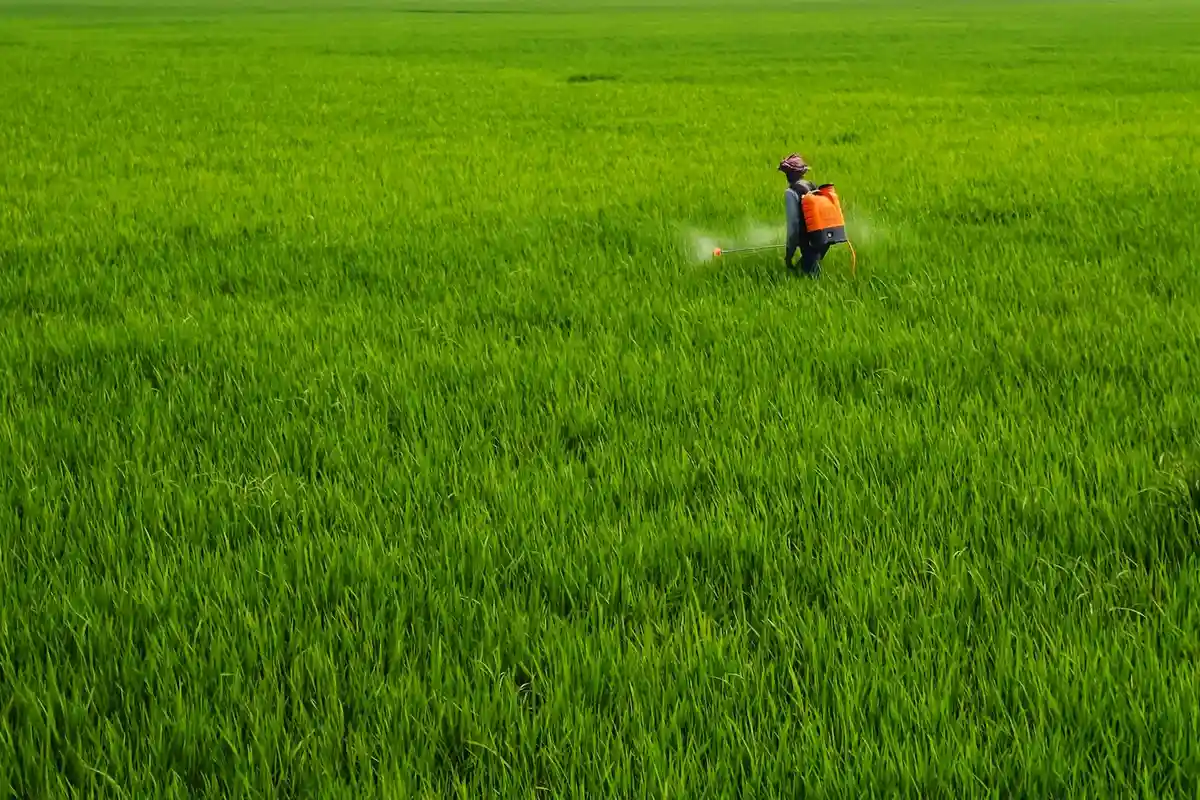
Use a calibrated broadcast spreader and always follow the bag’s rate for your square footage. Then, water it in lightly immediately after. This washes nutrients off the grass blades and into the soil where the roots can get them safely.
Can I really hurt my lawn by using too much fertilizer?
Absolutely. Over-fertilizing is the fastest way to burn yellow streaks into your lawn and pollute local waterways with chemical runoff. More isn’t better; it’s a hazard. Stick to the plan from your soil test and your spreader’s settings.
Do I need to worry about those “micronutrients” like iron?
Only if your soil test says so or your grass has a specific yellowing pattern. Often, the issue isn’t a lack of micronutrients, but a soil pH that’s locking them up. Fix the pH first with lime or sulfur as your test recommends, before chasing special supplements.
Feeding Your Lawn for the Long Haul
The biggest win you can get is a simple soil test. Knowing what your soil actually needs stops you from guessing, saves you money, and protects your lawn from the wrong kind of help. Feed based on what the test says, not the calendar, and you’re already ahead.
Every bag of fertilizer is a promise to your lawn’s future health, so use it wisely. I always double-check that any product I use is safe for my dog and the bees that visit my clover, because a healthy lawn is part of a bigger, living system.
References & External Links
- Essential Nutrients for Plants | Texas A&M AgriLife Extension Service
- Plant Nutrients: 2025 Comprehensive Guide
- Essential Plant Nutrients – Complete Guide | Verdesian
- Plant nutrition – Wikipedia
- Plant nutrition for sustainable development and global health – PMC
Written by Ria Carrington. Ria is an avid lawn care enthusiast and advisor. No lawn is unsalvagable when Ria is at work. She has helped countless homeowners breath new life into their dying lawns. She has a B.Sc in Agriculture and brings practical advice combined with knowledge of plant science and her decade worth of hands on experience.