
Is Your Fertilizer Feeding Your Lawn or Starving Your Soil?
You pick that bag of fertilizer for a thicker, greener lawn, but have you considered what it’s doing to the earthworms and microbes working silently beneath the surface?
This article breaks down how different fertilizer types impact soil biology, straightforward ways to encourage earthworms and beneficial microbes, and how to choose lawn food that supports a living, healthy soil system.
My advice comes from seasons of personal observation, testing feeds on my own grass while keeping an eye on what makes the soil under Patch feel damp and alive.
At a Glance: Your Soil Life Cheat Sheet
Think of your soil’s community of worms and microbes like your gut’s microbiome. Feed it good stuff, and everything thrives. Feed it junk, and the whole system gets stressed.
- Organic fertilizers directly feed the soil’s living ecosystem, building long-term health.
- Synthetic, salt-based fertilizers feed only the grass and can harm soil life if used incorrectly or too heavily.
- Your real goal is to build richer soil, not just force green grass. Healthy soil grows healthy grass naturally.
- A thriving soil food web will break down thatch, fight lawn diseases, and suppress weeds for you.
Your fertilizer choice directly decides whether you’re feeding just the plant for a few weeks or feeding the entire soil system for years to come.
What’s Really Happening Under Your Grass?
Beneath every green blade is a bustling city. If your grass is the skyline, earthworms are the construction crews and microbes are the chefs in countless tiny kitchens. This is the soil food web.
Earthworms are your natural tillers. As they tunnel, they create vital air and water channels. They eat organic matter (like old grass clippings) and their castings-those little piles that look like used coffee grounds-are pure, plant-ready fertilizer.
Those worm castings are the clearest sign you’re doing things right; they mean your soil laborers are happy and working overtime.
Microbes, the bacteria and fungi, are the unsung heroes. They break down thatch so it doesn’t smother your lawn. They “unlock” nutrients from both soil and fertilizer, making them available for grass roots. They even form protective barriers around roots to fight off diseases.
When this system is starved or damaged, the soil becomes like a crowded, stuffy room. It compacts. Nothing can move, breathe, or work. Water pools or runs off, roots struggle, and problems like moss and weeds see an open invitation.
I learned this with Patch, my stubborn shady spot. For years, I just dumped quick-fix fertilizer on it. The grass perked up for two weeks, then faded. The soil stayed hard and lifeless. Only when I started feeding the soil itself did that area finally start to improve.
Synthetic vs. Organic: A Soil’s-Eye View
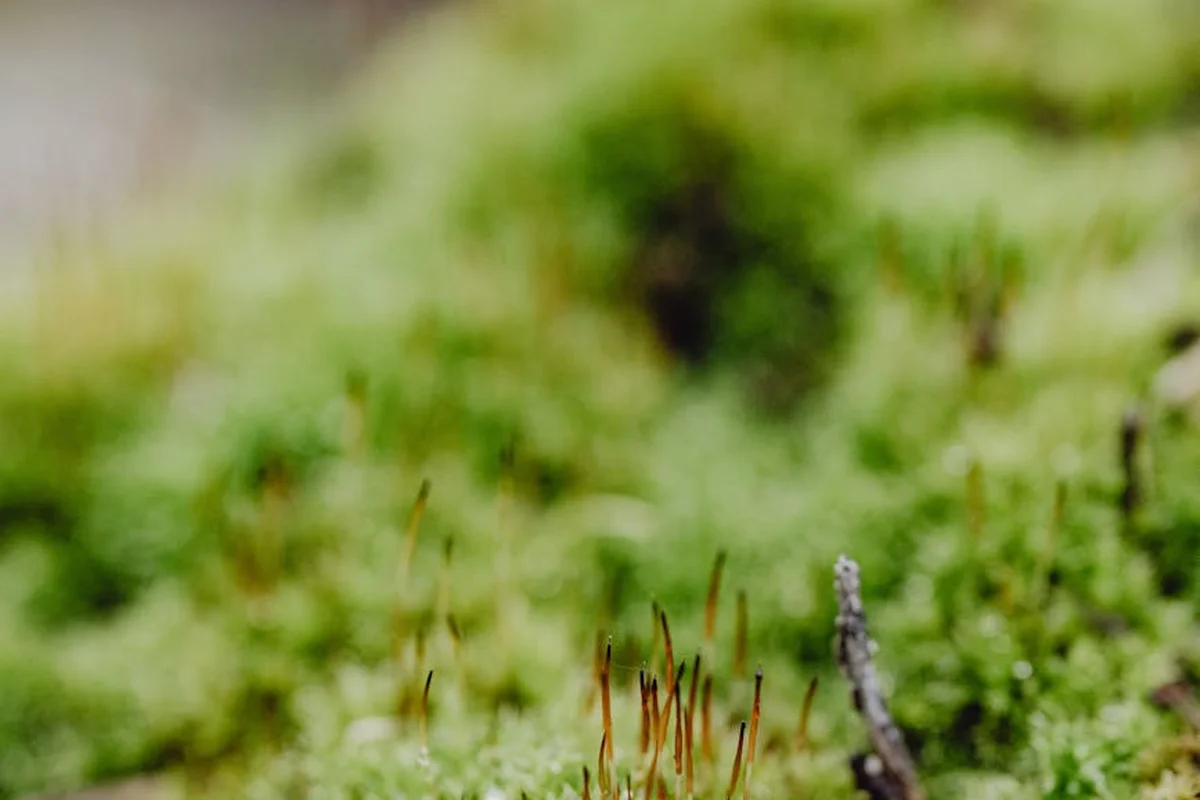
Think about fertilizer like food. One type feeds the lawn. The other type feeds the whole system living under it.
Synthetic fertilizer feeds the grass plant directly. It’s made of mineral salts that dissolve in water. Your grass roots drink it up fast. It’s like giving your lawn an energy drink. You get a quick, green spike of growth, sometimes in just days.
Organic fertilizer works differently. It’s made from plant or animal meals, compost, or manure. It feeds the bacteria, fungi, and earthworms in your soil first. Those busy little workers break it down and then feed the nutrients to your grass roots. It’s more like serving a balanced, home-cooked meal. The results are slower, but they last.
Over-applying synthetic fertilizer is a common mistake that can actually cook the life in your soil. High concentrations of those salts can burn the delicate, hair-like threads of soil fungi and dehydrate beneficial microbes. Over time, some synthetics can also make your soil more acidic, which many soil organisms hate.
I’m not here to say synthetics are all bad. They have a real purpose. If you need a fast green-up for a special event, they work. If you’re repairing a sports field, they’re a tool. But using them requires more care. You have to measure precisely, apply evenly, and water immediately to move those salts off the grass blades and into the soil.
Let’s weigh the two paths:
| Consideration | Synthetic | Organic |
| Speed of Greening | Fast (days) | Slow (weeks) |
| Cost (upfront) | Usually lower | Usually higher |
| Effort & Precision | High (must be exact) | More forgiving |
| Impact on Soil Life | Can harm it | Feeds and builds it |
| Long-Term Soil Health | Neutral or negative | Positive improvement |
The Quick-Fix Problem: How Overdoing It Hurts
What happens when we rely too much on the quick fix? Your soil life pays the price.
High nitrogen salts can scorch the microscopic networks fungi build to help plants gather water and nutrients. Those same salts pull moisture right out of earthworms, almost like pouring salt on a slug. Fast pH swings from some ammonium-based fertilizers disrupt the stable environment microbes need to thrive.
You won’t see this damage tomorrow. But over seasons, the signs appear in your lawn. The soil gets hard and compacted without worms to aerate it. Weak, compacted soil is an open invitation for weeds like crabgrass and dandelions to move in and take over. Thatch builds up because there aren’t enough microbes to decompose the old grass clippings. Water pools on the surface or runs off instead of soaking in.
I learned this the hard way. One early spring, I was filling my spreader with a synthetic fertilizer on the driveway. I tipped the bag too fast. A pile of those tiny blue granules spilled right onto a section of lawn. I brushed most away and watered it well, thinking it would be fine. A week later, I had a perfect, crispy yellow rectangle. I had literally burned the life out of that patch of soil. It took me all season to nurse it back with compost and patience.
The Slow-Build Solution: How Organics Help
Organic fertilizers and amendments like compost, alfalfa meal, or feather meal don’t feed your grass. They feed the workforce.
When you add organic matter, it’s like ringing the dinner bell for your soil’s ecosystem. Earthworms tunnel through it, eating and creating their nutrient-rich castings. Bacteria and fungi get to work breaking it down, multiplying as they go. This activity is what builds real soil structure.
The result is soil that clumps together in soft, loose crumbs, holding moisture like a sponge and letting roots push deep for drought resistance. It’s the difference between dense, hard clay and rich, crumbly garden soil, especially after you amend compacted lawn soil. Your lawn becomes more resilient, needing less water and fewer inputs from you.
From a pet-safe perspective, most organic options are a much gentler choice. Since they aren’t based on harsh salts, they don’t pose the same “burn” risk to paws or curious noses once they’ve been watered into the soil. They work with nature, not against it.
Common Lawn Care Mistakes (And How to Fix Them)
We all make mistakes. I’ve made plenty. Here are a few big ones I see often, and how you can steer clear.
Mistake 1: Applying synthetic fertilizer to bone-dry soil.
This is asking for trouble. Dry grass is stressed grass. Adding a strong salt fertilizer on top can scorch the blades and do nothing for the soil. The fertilizer just sits there, waiting for rain.
The fix is simple: always water your lawn deeply the day before you plan to apply any synthetic fertilizer. Moist soil helps move the nutrients down and protects your grass. It’s important to know when to fertilize in relation to rain.
Mistake 2: Skipping a soil test and guessing on pH or nutrient needs.
Applying fertilizer without a soil test is like taking medicine without knowing what’s wrong. You might be adding stuff your lawn doesn’t need and missing what it truly lacks. Even if you do tests, understanding the results is crucial to effective lawn care.
Get a cheap test kit from the garden center or send a sample to your local cooperative extension. It tells you exactly what your soil needs, saving you money and guesswork.
Mistake 3: Using “weed-and-feed” products as a blanket treatment.
These combo products spread herbicide over your entire lawn to kill weeds and fertilizer to feed the grass. The problem? The herbicide doesn’t discriminate. It can harm the beneficial soil fungi that help your grass roots grow strong.
Spot-treat weeds instead. Use a spray bottle or a wand to put herbicide only on the weed leaves. It’s safer for your soil life and just as effective.
Mistake 4: Ignoring organic matter because it’s “slow.”
I get it. You want results now. But neglecting to add compost or organic fertilizers means you’re never building your soil’s health. You’re just renting green color, not owning a thriving lawn.
Start small. Top-dress a trouble area with a thin layer of compost in the spring or fall. Notice how the soil feels softer and the grass looks happier there next year. That’s your proof.
My shady corner, Patch, taught me this. For years, I’d throw harsh chemicals at the moss and weeds there. The soil just got harder and more lifeless. Nothing grew well. Finally, I stopped fighting it. I started adding compost and using gentle, organic fertilizers. It took two seasons, but now the soil is darker and richer. The grass I have is thicker, and the weeds are easier to manage. The soil itself became the solution.
Your Action Plan: Fertilizing for a Thriving Ecosystem
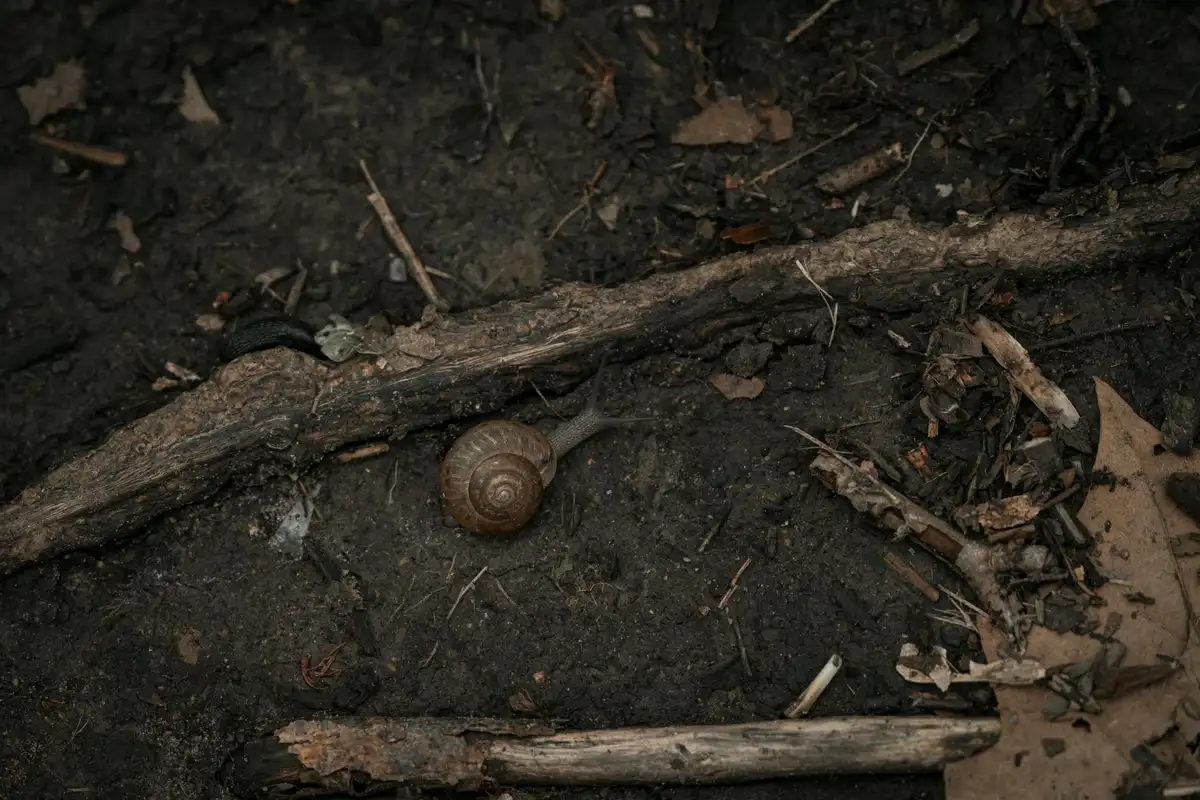
Getting fertilizer right is less about forcing green grass and more about setting a dinner table for your soil. Here’s how to feed the system to meet your lawn’s fertilizer needs.
Step 1: Test Your Soil.
You wouldn’t cook a big meal without checking what’s already in the pantry. Your soil is the same. A simple home test kit from the garden center is perfect for this. The most critical number to find is the pH level, which tells you how acidic or alkaline your soil is.
Most of the life in your soil, from worms to microbes, thrives in soil that’s close to neutral, with a pH around 6.5 to 7. If your pH is off, nutrients get locked up and that dinner table I mentioned stays empty. The test will give you directions on how to adjust it, often with lime to raise pH or sulfur to lower it.
Step 2: Choose Your Food.
This is where you decide what’s on the menu. Think of synthetic fertilizers like a shot of espresso for your grass-quick energy, but not a balanced meal. For a structured overview, an organic lawn care guide can be a helpful reference. Organic options feed the soil life slowly, which in turn feeds your grass. It ties everything together with practical, natural approaches. Here’s a quick look at some common organic choices:
Step 3: Apply Smartly.
How you apply fertilizer matters as much as what you apply. I treat my spreader with the same care I give my zero-turn, Max. You need to calibrate it. Running too much product wastes money and can harm soil life, while too little does nothing.
Apply on a cool morning when the grass is dry. This helps the granules stick to the blades and not burn them. Water it in lightly afterward to wash the nutrients down to the soil where the microbes can get to work. Precision here prevents runoff and gets the food directly to the roots of your lawn, and the life beneath it.
Step 4: Add Organic Matter.
If I had to pick one thing to do for my soil, this is it. Top-dressing with a thin quarter-inch layer of good, screened compost is like tucking your soil in with a comforting blanket. It doesn’t smother the grass if done right. It feeds microbes immediately, improves water retention, and helps break down thatch.
As your soil gets healthier from this organic matter, your lawn becomes more resilient. You can mow less frequently. This is where pollinator-friendly advice fits in perfectly. Letting your grass grow a little taller, and allowing white clover or other small flowers to bloom, provides crucial food for bees. A thick, healthy lawn fed by a living soil naturally leaves less room for weeds and more room for life above and below ground.
Alternative Lawn Approaches for a Living Soil

Not every yard needs to be a monoculture of turfgrass. Depending on your goals, other paths can lead to a vibrant, living soil with less work.
The Low-Maintenance Clover Lawn
I’ve been encouraging a bit of clover in Patch, my shady problem area, for years. A lawn mixed with or dominated by micro-clover is a brilliant option. Clover takes nitrogen from the air and fixes it in the soil, feeding itself and the grass around it. This means you need far less fertilizer.
It stays green during dry spells, feels soft underfoot, and when you let it flower, it’s a pollinator paradise. It requires less mowing and hardly any extra inputs once established. It’s a truly pet-safe and ecosystem-focused choice.
The Organic-Only Commitment
This path is a marathon, not a sprint. You forgo synthetic fertilizers and herbicides completely, relying on compost, organic meals, and natural soil amendments. The first year or two can test your patience. Results are slower. Weeds might pop up, requiring hand-pulling or spot-treatment with organic herbicides like iron-based products.
The payoff is a soil ecosystem that becomes incredibly resilient over time, with a vast network of microbes and earthworms doing your fertilization and aeration for you. It’s a deeply satisfying system that builds on itself year after year.
The Hybrid Approach
This is the practical middle ground many homeowners, myself included, often use. The idea is to use tools strategically. You might use a light, synthetic starter fertilizer in early spring for a quick green-up when the soil microbes are still waking up. Then, for the rest of the season, you switch to organic amendments.
The fall feeding is the most important for this method. That’s when you top-dress with compost and apply an organic fertilizer to feed the soil life through the winter, building reserves for next spring. This approach offers a visible result while still building long-term soil health, a balance between immediate gratification and foundational care.
How to Know Your Soil Life is Bouncing Back
You don’t need a lab report to know your soil is getting healthier. The signs are right there in your yard, waiting for you to notice them.
The Signs You Can See and Feel
First, look down. A thriving soil ecosystem announces itself in quiet, physical ways.
- Earthworm Castings: Those little piles of coiled soil grit are worm poop, and they’re pure gold. More castings mean more worms are moving in, aerating your soil and breaking down organic matter for you.
- Softer, Crumbly Soil: Grab a handful. Does it fall apart into loose crumbs, or is it a hard clump or a sticky mess? Good soil structure feels like moist, crumbly cake, not like modeling clay or dust. This is the work of microbes and fungi gluing particles together.
- Faster Water Soak-In: Next time you water or it rains, watch. Does the water sit on the surface for a while, or does it disappear into the ground? A spongy, alive soil soaks up water like a thirsty towel, reducing runoff and puddles.
The Smell Test
This is my favorite check. After a good rain, get down on your knees and take a deep breath near the soil. Healthy soil doesn’t smell like dirt; it smells like earth-a rich, complex, almost sweet scent. It’s the smell of billions of microbes and fungi doing their job, breaking down organic material. If your soil smells like nothing, or worse, has a sour, metallic, or rotten odor, that’s a signal the life down there is struggling.
Patience is a Lawn Care Virtue
I need you to manage your expectations here. You won’t fix years of compacted, lifeless soil in a month. Think in seasons, not weekends. It can easily take a full growing cycle, or even two, to see a major transformation.
I learned this in Patch’s corner, my shady, weed-prone trouble spot. Change there was infuriatingly slow. But after a year of gentle feeding and avoiding harsh chemicals, the moss receded, the soil darkened, and grass finally began to knit together. Soil rebuilds itself at its own pace, but your consistent care is the catalyst it needs.
Your First Simple Step
The goal isn’t to overhaul everything at once. That’s overwhelming. The goal is to start.
Pick one practice and stick with it. For most lawns, the single best thing you can do is a fall top-dressing with a thin layer of good compost. It feeds the microbes directly, adds organic matter, and won’t burn your grass. Apply it, water it in, and then just observe. Watch that area next spring. See if the grass is a deeper green, if the soil feels different. Let your own yard show you what works.
That’s how you build a living soil-one simple, smart change at a time.
Your Soil Life FAQ: Straight Talk for a Healthier Lawn
What’s the single best time of year to fertilize if I care about soil life?
Fall is your secret weapon. It’s when you feed the soil’s workforce so they can store nutrients and build resilience for a lush spring green-up.
Are “pet-safe” fertilizers automatically better for earthworms and microbes?
Usually, yes. Pet-safe formulas avoid harsh synthetic salts that can harm soil life, but always check the bag for organic or slow-release ingredients to be sure you’re feeding the system.
I see weeds. Should I use a “weed-and-feed” to tackle both problems at once?
Resist the urge. The blanket herbicide can harm your beneficial soil fungi. Spot-treat weeds instead and feed your entire lawn with a gentle, organic fertilizer to keep the real workforce thriving.
Organic fertilizer is more expensive. How is it worth the cost?
You’re investing in the soil’s infrastructure, not just renting a green color. Over time, a living soil needs less water, fights its own diseases, and reduces your need for other products, saving you money and effort.
My soil is hard and compacted. Will switching fertilizers fix it?
Switching is the first crucial step, but you need to add organic matter like compost. This is the direct food that will wake up the microbes and earthworms to start loosening and rebuilding that hard soil for you.
Final Thoughts on Feeding Your Soil
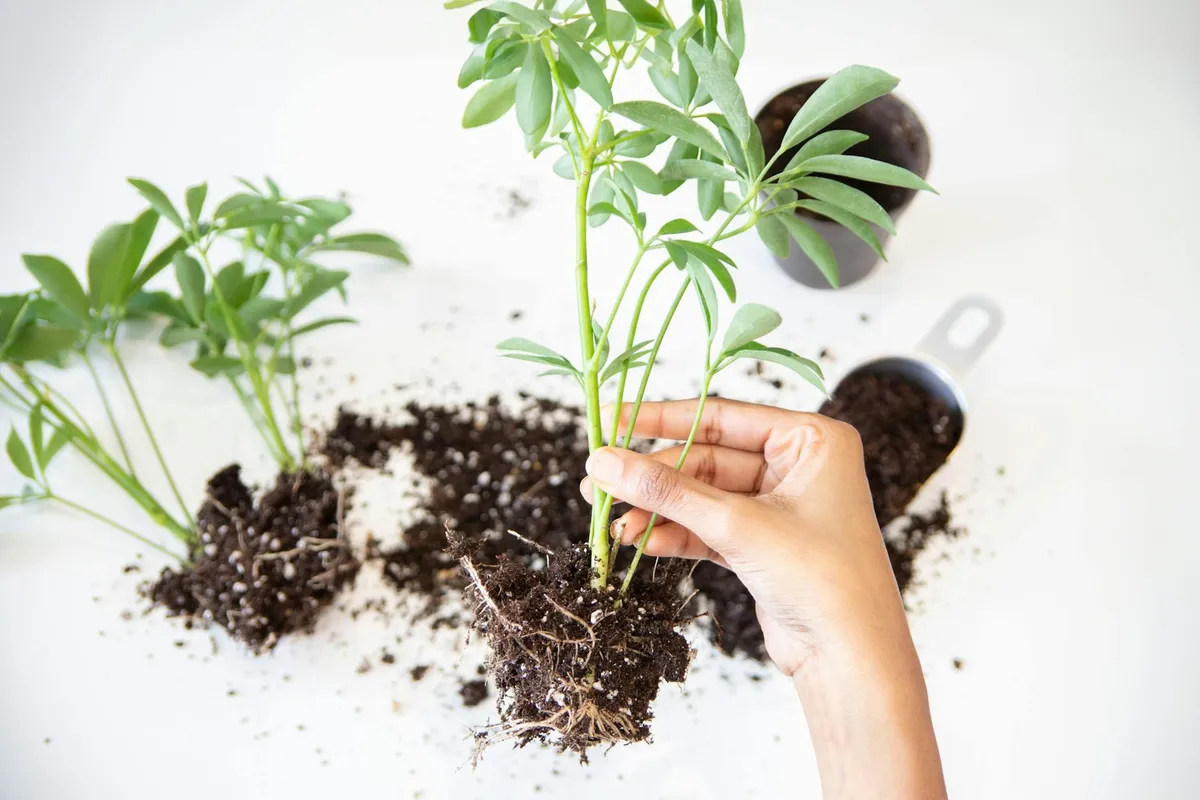
The biggest win for your lawn is shifting your focus from just feeding the grass to feeding the whole soil ecosystem that supports it. Start by choosing an organic or slow-release fertilizer this season, and top it with a thin layer of good compost to get those microbes and earthworms working for you.
Seeing a thick, green lawn as a partnership with the life under your feet changes everything. It turns a chore into a craft, and your yard into a resilient, green ribbon of pride for your whole neighborhood.
Expert Resources and Citations
- Pros and Cons of Lawn Fertilizer | Golf Course Lawn Store
- What Happens to Your Grass When You Fertilize | ScottsMiracle-Gro US
- THE DANGERS OF OVER-FERTILIZING YOUR LAWN | Green Sphere Lawn Care
- 8 Benefits of Lawn Fertilization
Written by Ria Carrington. Ria is an avid lawn care enthusiast and advisor. No lawn is unsalvagable when Ria is at work. She has helped countless homeowners breath new life into their dying lawns. She has a B.Sc in Agriculture and brings practical advice combined with knowledge of plant science and her decade worth of hands on experience.