
Should You Fertilize Before or After Rain, and Is It Safe on Wet Grass?
You’re watching the forecast, bag of fertilizer in hand, wondering if the coming rain will wash your weekend effort and money straight down the drain.
Let’s settle this common lawn care puzzle. We will cover the best timing for rain and fertilizer, the real risk of applying to wet grass, and a simple, practical plan to get it right.
I’ve learned this through years of weekend tests with my own spreader, watching how Max the mower handles the grass after different feedings and how Sunny’s irrigation interacts with the whole process.
At a Glance: Key Factors for Timing Fertilizer with Rain
Think of this as your quick checklist before you head out the door. It’s not about one right answer, but matching the conditions you have.
- Fertilizer Form: Granular fertilizer needs water to activate. Liquid fertilizer is already in solution and can be washed away more easily.
- Rainfall Forecast: A light, steady quarter to half inch is a helper. A heavy downpour or storm is a threat that causes waste and runoff.
- Soil Moisture: Damp soil is perfect. Bone-dry soil repels water. Soggy, saturated soil has no room for more and leads to puddling.
- Your Lawn’s Condition: Is an area like my shady Patch already stressed from foot traffic or lack of sun? Stressed grass needs gentler, more precise care.
Check these four boxes in your mind, and your decision becomes much clearer.
So, Should You Fertilize Before or After Rain?
This is the core of the debate. I don’t see it as a list of good and bad. I see it as picking the right tool from your shed. Sometimes you need the spreader, sometimes you need the sprayer, and sometimes you just need to wait for better weather.
The Case for Fertilizing Before a Light Rain
This is the classic “set it and forget it” move when the conditions line up perfectly. You’re essentially using the weather to do your watering for you.
A gentle, soaking rain acts just like my drip irrigation, Sunny, slowly moving nutrients into the soil where roots can grab them. It saves you the time of dragging out hoses or running sprinklers.
The sweet spot looks like this: you apply a granular fertilizer to dry grass blades. You have a reliable forecast for a steady, half-inch rain coming in the next 24 to 48 hours. That rain will water the granules in perfectly without violence.
Now, the big warning. Never do this before a forecasted heavy storm. Picture spraying a dirty driveway with a garden hose versus hitting it with a pressure washer. The storm is the pressure washer. It will blast those expensive fertilizer granules right off your lawn and into the street, wasting your money and harming local waterways.
So, “should I fertilize before a rainstorm?” My answer is only if you’re very confident that “storm” is actually a mild, all-day drizzle.
The Case for Fertilizing After Rain Has Passed
This is my default, safer recommendation. It puts you in full control. You’re not gambling on a weather forecast.
The golden rule for applying fertilizer after rain is simple: the grass blades must be completely dry to the touch, but the soil underneath should still be damp.
This answers the common question, “can I fertilize after rain?” Absolutely yes, and often you should. Waiting for the grass to dry prevents the granules from sticking to wet blades and potentially causing burns. The damp soil underneath is ready to receive the nutrients immediately. For fertilizing the lawn safely and effectively, follow guidelines on timing and application rates. A light post-application watering can help move nutrients into the root zone.
This method is fantastic for liquid fertilizers, as you won’t dilute them with water on the leaf surface. More importantly, it’s the responsible choice. Applying to dry grass after a rain ensures zero runoff, keeping fertilizers in your lawn and out of storm drains where they don’t belong. It’s the patient, precise approach that gives you the best results for your lawn and the environment around it. It’s also great to pair with proper watering techniques that promote deep root growth.
Can You Apply Fertilizer to Wet Grass? The Straight Talk.
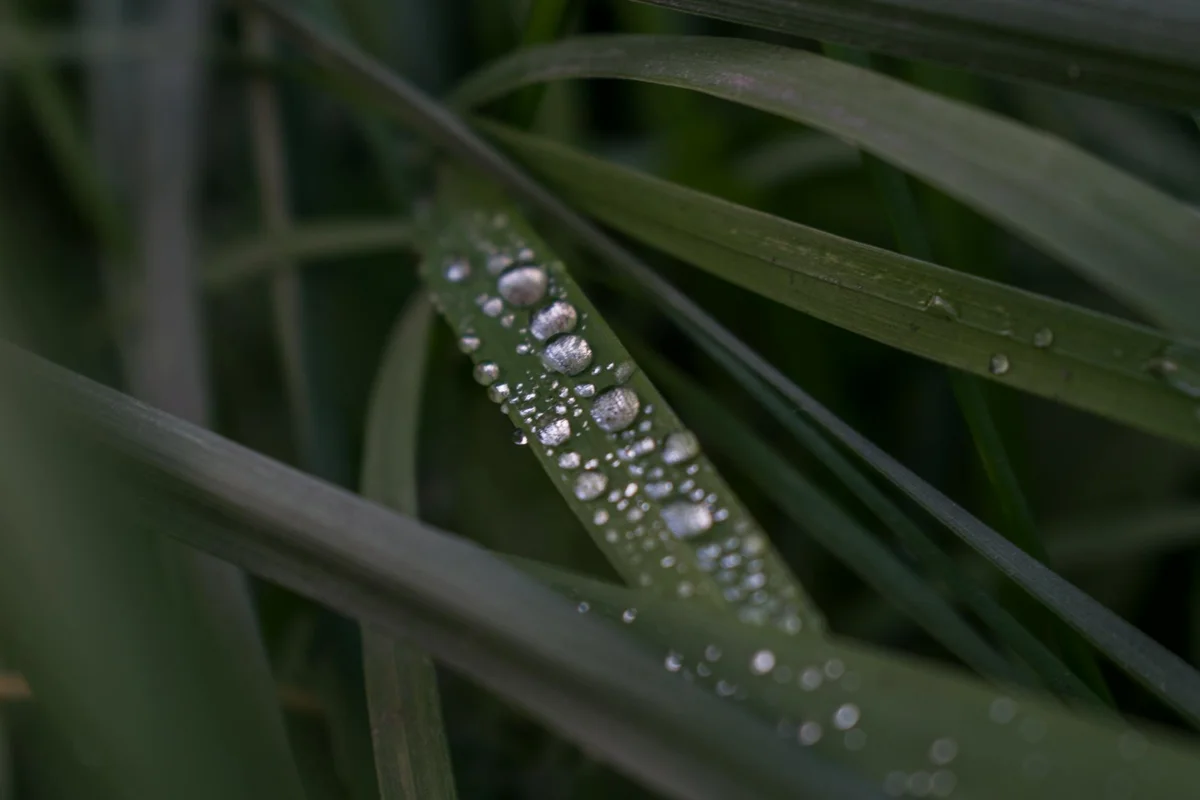
Let’s clear this up right now. Homeowners often ask, “can i put fertilizer on wet grass?” The short answer is no, but we need to talk about what “wet” really means—for example, whether you should water your lawn after fertilizing or mowing.
There’s a big difference between a lawn with morning dew and one that’s soaked after a thunderstorm. Dew on the blades is light moisture. A soaked lawn means the soil is saturated, and water might even pool on the surface.
Here’s the firm rule for the granular fertilizer most of us use: Applying granular fertilizer to visibly wet grass blades is asking for trouble, as the granules stick to the leaves and can cause severe fertilizer burn. Those little pellets are meant to fall through the grass canopy and rest on the soil. When they stick to wet blades, they sit there and release their salts directly onto the leaf tissue, which cooks it. The result is ugly yellow or brown streaks that can take weeks to recover from.
Liquid fertilizers are the exception to this rule. Since they’re already dissolved in water, they can often be applied to damp grass without the same burn risk. But you must follow the product label—it’s the final word. Even with liquid fertilizers, if you accidentally overapply, it can still harm your lawn.
A common specific question is about grub control: “can i apply grubex to a wet lawn?” GrubEx is a granular product. The same rules apply. If the grass is wet, wait for it to dry.
How to Apply Fertilizer to a Damp Lawn: A Safe Method
There is one ideal scenario involving moisture: damp soil with dry grass blades. This is perfect because the fertilizer can start to break down and move into the root zone right away. Here’s how to hit that sweet spot safely.
Step 1: The Toe Test
This is my go-to method. Put on an old shoe and push your toe firmly into the soil in a few spots. You want the soil underneath to feel cool and moist, like a wrung-out sponge. If you hear a squelch or see water rise around your footprint, the ground is too wet. Wait a day.
Step 2: The Watering Can Test
If your soil is bone dry and dusty, you can create the perfect conditions. Use a watering can to give the lawn a very light sprinkle, just enough to dampen the top half-inch of soil, and then wait for the grass blades to dry completely. This mimics a perfect morning dew on the soil without the danger on the leaves.
Step 3: Choose Your Tool
Accuracy saves fertilizer and your lawn. For large, open areas, a broadcast spreader gets the job done fast. For smaller lawns, or tricky areas like my friend Patch, a handheld spreader offers more control to avoid streaking and over-application near edges.
Step 4: Clean Your Wheels
This is a non-negotiable maintenance step. Whether you’re using a spreader or my mower Max, fertilizer is corrosive. After you’re done, always wipe down the wheels and underside with a damp rag. It takes two minutes and prevents rust that will cost you a Saturday morning of repairs later.
Common Lawn Care Mistakes and How to Avoid Them

I’ve made a few of these myself over the years. A little foresight saves a lot of fertilizer and frustration.
Mistake 1: Trusting the Forecast as Gospel
You see 40% chance of rain tomorrow morning, so you rush to spread fertilizer tonight. By noon, it’s sunny and your granules are just sitting there, begging for a drink. Weather apps give a general idea, not a local guarantee. Before you head out, check a live radar map to see if those rain clouds are actually heading for your yard. I’ve saved many a Saturday morning by watching a storm system slide just north of Patch’s corner.
Mistake 2: Fertilizing Puddles and Runoff Zones
Applying product to a soggy spot or where water always collects is like throwing money into a creek. The fertilizer can’t soak into saturated soil, so it just dissolves and washes away with the next rain. This wastes your effort and sends nutrients straight into storm drains, which isn’t good for local waterways. Always skip the low, wet spots and any obvious runoff paths; let those areas dry out first or tackle them separately with a different strategy.
Mistake 3: Overlooking Pet and Pollinator Safety
This one is non-negotiable for a happy home. Many fertilizers are safe once watered in, but wet grass can track pellets or residues onto paws and fur. Keep dogs and cats completely off the lawn until the fertilizer has been thoroughly watered in and the grass blades are completely dry to the touch. That same care extends to choosing lawn fertilizers that are safe for curious pets. We’ll address pet-safe fertilizer options in the next steps. For our bee and butterfly friends, I always opt for fertilizers without added weed killers for routine feedings, keeping the clover and dandelions in Patch’s area as a safe snack spot.
Mistake 4: Grabbing Whatever Fertilizer is on the Shelf
Not all fertilizers work the same with rain in the picture. Using a fast-release liquid right before a downpour is a recipe for it all to vanish. Choosing a slow-release granule when you’re in a drought means it just sits there, inactive. The weather forecast should directly influence which type of fertilizer you decide to use that day. This leads us perfectly to the next point.
Picking the Right Fertilizer for Unpredictable Weather

Think of your fertilizer choices like tools in a shed. You pick the right one for the job conditions.
Liquid Fertilizers: The Quick Shot
Liquid feed is like an energy drink for your lawn. It’s fast-acting because the roots can take it up almost immediately. This is great if the grass looks hungry and you need a quick green-up. They can be a good fit for already damp grass since they don’t need as much water to move into the soil. The big catch? Timing is everything. If a heavy rain hits too soon after you spray, that expensive meal simply washes off the leaf blades and disappears. You need a reliable dry window.
Granular Fertilizers: The Slow Burn
Granular fertilizers are my steady, reliable workhorses. Most are coated to release their nutrients slowly over weeks. They aren’t picky about dry grass, but they do need water to activate. The granules must dissolve and water must carry the nutrients down to the roots. This makes a light, steady rain the perfect partner for a granular application, as it does the watering-in work for you. Just avoid a monsoon that will wash the pellets away before they dissolve.
Here’s how I choose:
- If rain is a sure thing within 48 hours, but it’s forecast to be light (under 0.5 inches), I go with granular. I let the rain do the watering.
- If the soil is dry and the forecast is clear, I use either liquid or granular. If I use granular, I hook up Sunny, my drip system, for a good, long soak.
- If storms are looming with potential for heavy downpours, I wait. No fertilizer survives that. I’d rather apply it correctly next week than waste it today.
Greedy Grass Pro Tip: The 24-Hour Rule

Let me give you the one piece of timing advice I follow every single time I feed my lawn.
After years of pushing Max the mower around, I’ve learned this simple trick saves money, protects the grass, and keeps my conscience clean. It works whether you use granules from a bag or a liquid from a hose-end sprayer.
Here is the rule: aim for at least 24 hours of dry, calm weather after you apply fertilizer.
This isn’t just a random number. Think of your lawn’s thatch layer like a dry sponge. When you spread dry fertilizer granules, they sit on top. A gentle watering from your system, like my setup Sunny, washes them down into the sponge where the roots can find them. If a heavy rain hits immediately, it’s like dumping a bucket on that sponge. The water moves too fast, washing the granules right off the sponge and out of your yard.
Liquid fertilizer needs that time, too. It has to be absorbed by the grass blades or soil. Rain too soon dilutes it into something useless. That’s why understanding lawn fertilizer work time results helps you time your next application for best effect. With the right timing, you’ll see better absorption and longer-lasting color.
I check the forecast religiously. If I see a big green blob of rain coming in 12 hours, I wait. Patience here beats regret. A calm day also means the wind won’t blow your expensive product onto the driveway or your neighbor’s prized tomatoes.
Following this rule is the easiest way to be a good neighbor to everyone downstream from you. When fertilizer runs off into storm drains, it doesn’t vanish. It feeds algae in ponds and streams, which hurts fish and pollutes water. A little planning on your part keeps those nutrients in your lawn, where they belong, and out of our local waterways. That’s a win for your grass and for the community.
Greedy Grass FAQ: Fertilizer Timing & Wet Lawn Safety
How long should I wait after rain to fertilize?
Wait until the grass blades are completely dry to the touch, even if the soil below is still damp. This usually takes a few hours of sunshine and breeze, preventing granules from sticking and burning the leaves.
Is morning dew considered “wet grass” for fertilizing?
Yes, for granular fertilizer, treat dew as wet grass and pause your plans. For liquid feeds, dew is often fine, but always check your specific product label first for the final say. It’s especially important for liquid fertilizers applied to lawns.
What if I put fertilizer down and then it storms?
If it’s a light rain, you might be okay, but a heavy downpour will likely wash it away. If granules are still visible, a gentle watering from your sprinkler can help work them into the soil before more rain hits.
How do I safely fertilize if rain is in the forecast all week?
Your best move is to use a slow-release granular fertilizer during a dry window of at least 24 hours. The damp soil will help activate it, and the coating protects the nutrients from being washed out by the next shower.
Does the type of fertilizer change the “rain rules”?
Absolutely. Think of liquid fertilizer as a quick shot that needs a dry forecast, and granules as a slow meal that needs a light drink. Always match your product to the weather for a greedy, thick lawn.
Final Thoughts on Timing and Terrain
My single biggest piece of advice? Think about your soil, not just the sky. Applying fertilizer to dry grass, when no heavy rain is forecast for at least a day, is your safest and most effective bet. This simple rule protects your investment and your local waterways.
Great lawn care is about working with nature, not against it. I keep learning from my own yard, from Patch’s stubbornness to Sunny’s efficiency, and I encourage you to see your lawn as a living system that thrives with a little thoughtful care. For more tips on nurturing your yard, check out our lawn care maintenance tips.
Further Reading & Sources
- Best Time to Fertilize Lawn Before or After Rain
- Should You Fertilize Your Lawn Before or After It Rains? Here’s What Experts Say
- Can You Put Down Fertilizer Before It Rains or Should You Wait? | Hoffmans Lawn & Fertilization
- Best Time to Fertilize Lawn Before or After Rain | Jonathan Green
- r/lawncare on Reddit: Fertilizer before or after it rains?
Written by Ria Carrington. Ria is an avid lawn care enthusiast and advisor. No lawn is unsalvagable when Ria is at work. She has helped countless homeowners breath new life into their dying lawns. She has a B.Sc in Agriculture and brings practical advice combined with knowledge of plant science and her decade worth of hands on experience.