
Aerating Your Lawn: When’s the Best Time and How Often?
You know that feeling when your soil is so hard it feels like concrete? Your grass is telling you it’s time for some air.
We will cover the exact seasons to aerate for both cool and warm-season grasses, how often your specific lawn needs it, and my cost-effective tips for renting or buying equipment.
I’ve tested the timing and results on my own lawn for over five years, so you get advice that saves you money and hassle.
At a Glance: Key Takeaways
Here are the rules I follow every year. They save time and make sure the work actually pays off.
- For cool-season grasses like Kentucky bluegrass or fescue, aerate in early fall. For warm-season grasses like Bermuda or Zoysia, aerate in late spring to early summer.
- Perform the simple “screwdriver test.” If you can’t push a standard screwdriver easily 3-4 inches into moist soil, your lawn is begging for aeration.
- Core aeration, which pulls out plugs of soil, is the only method I recommend for home lawns. It genuinely relieves compaction.
- Once a year is enough for most lawns. If you have heavy clay soil or lots of foot traffic, you might do it twice a year for a couple of seasons to catch up.
- Never aerate a drought-stressed or dormant lawn. It causes more harm than good.
Why Aeration Is Like Giving Your Lawn a Deep Breath
Think of your soil like a kitchen sponge. When it’s new, it’s fluffy and soaks up water. Over years of foot traffic, play, and even regular mowing with Max, that sponge gets smashed down. It can’t hold water or air anymore. That’s soil compaction.
Core aeration fixes this by using a machine with hollow tines to punch down and pull up finger-sized plugs of soil, about 2-4 inches deep. You’re left with hundreds of little holes across your lawn.
I first truly understood this over by Patch, my shady problem area. The ground there always felt hard as a parking lot underfoot. After aeration, those soil cores littered the surface, and for the first time, I watched water from Sunny actually soak in instead of running off. The change was that immediate.
What Happens Under Your Feet When Soil Gets Compacted
When soil is packed tight, everything grinds to a halt. Grass roots hit a wall and can’t grow deep. Water pools on the surface or runs away, never reaching the root zone where it’s needed. Fertilizer sits on top or washes off, wasting your money.
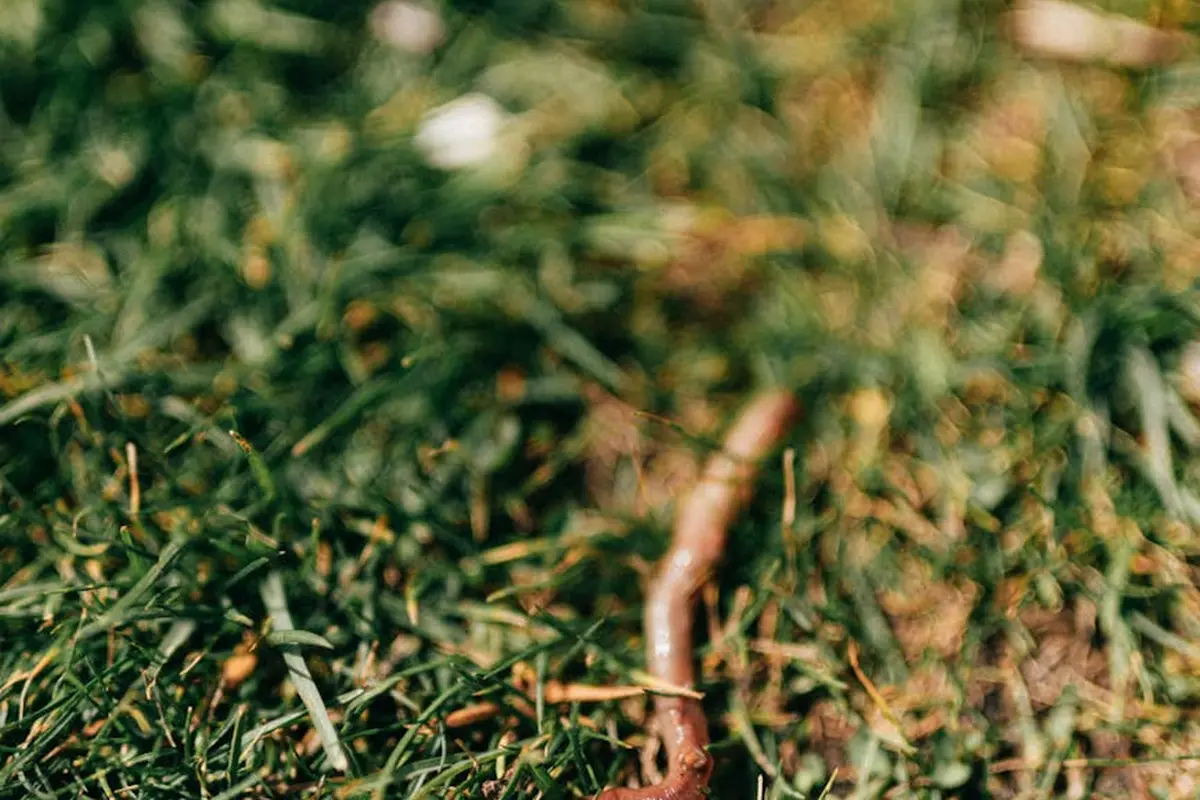
It’s also a terrible place for the good guys. Earthworms and beneficial microbes that keep soil healthy need air pockets to live and work. Compacted soil smothers that whole underground ecosystem.
The Top Benefits You’ll Actually See
The results aren’t just theory. You’ll notice them in how your lawn behaves and how much easier it is to care for.
- Stronger root growth is the biggest win. Roots can chase air and water deeper into those new holes, building a lawn that’s thicker and can handle summer heat without begging for water every other day.
- Better drainage means no more muddy puddles that drown grass after a storm. Your irrigation will work smarter, not harder.
- Improved efficiency means every drop of water and every bit of fertilizer you apply has a direct path to the roots. You’ll use less to get better results.
Greedy Grass Pro Tip: Always follow aeration with overseeding. The open holes are perfect incubators for new grass seed to take root. It’s the perfect one-two punch for repairing thin spots and crowding out weeds.
Is Your Lawn Screaming for Air? Here’s How to Know
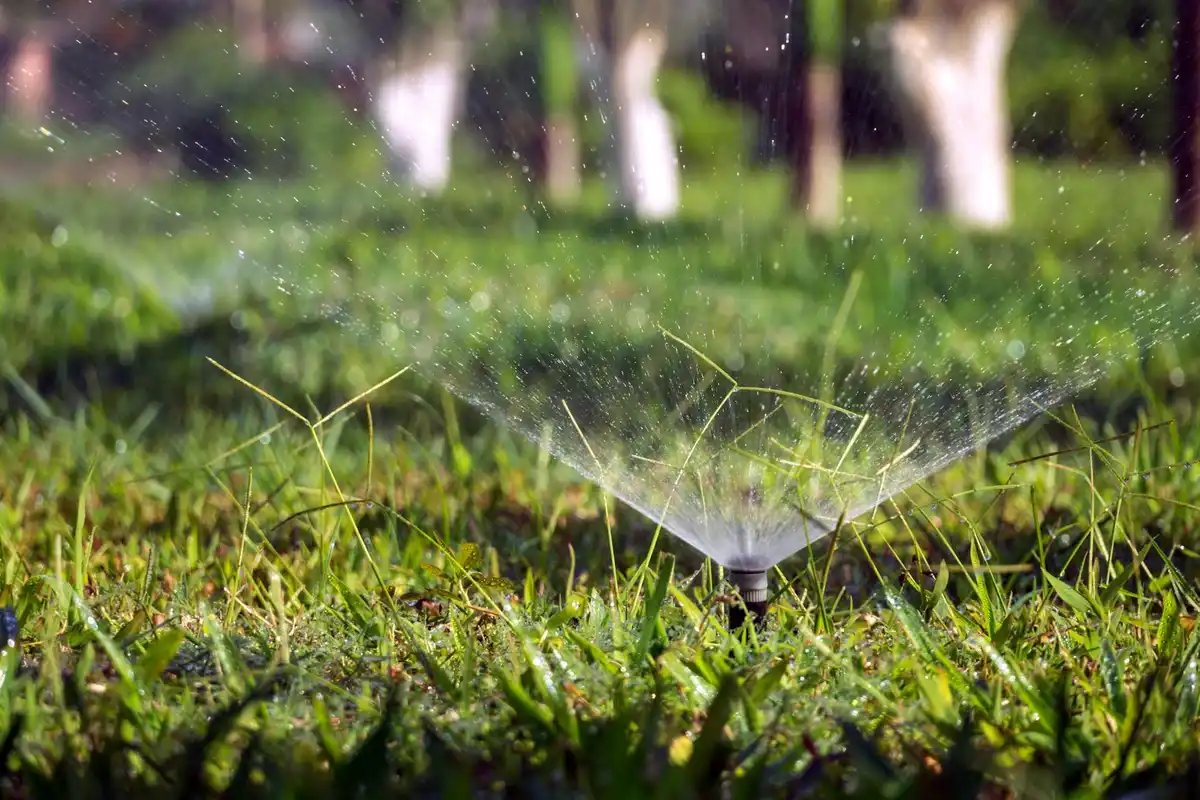
You don’t need a complicated soil test to figure this out. Your lawn gives you clues every day, you just need to know what to look for. I trust two things more than anything else, my own two eyes and one simple tool from my garage. Sometimes turning clues into action means interpreting soil test results for lawn care. Reading those results tells you exactly what to feed and when to water.
If your grass looks thirsty even after a drink, or water just sits on top, that’s your first sign the soil underneath is suffocating.
The Simple Screwdriver Test
This is my favorite quick check. Grab a standard Phillips or flathead screwdriver from your toolbox. The day after a good rain or a deep watering, head out to a few different spots in your yard.
Try to push the screwdriver straight down into the soil. You’re aiming to get it 4 to 6 inches deep without a major fight.
If it slides in with steady pressure, like pushing into a firm stick of butter, your soil is probably in decent shape. If you hit serious resistance just a couple inches down, and it feels like you’re trying to jab concrete, you’ve got compaction. That hard stop is the soil telling you roots can’t breathe or drink properly.
Do this test in several areas, especially where you walk or where the mower turns, because compaction is rarely even across the whole lawn.
Other Dead Giveaways Your Soil Is Too Tight
Beyond the screwdriver, your lawn has other ways of crying for help. Watch for these common symptoms.
Water pools on the surface instead of soaking in. After I run Sunny, my drip system, I look for puddles that linger. Good soil acts like a sponge, soaking up water. Compacted soil acts more like a dinner plate, letting it all run off or sit there until it evaporates. You’ll hear a squelching sound when you walk on it.
Grass feels spongy from thatch but the soil underneath is rock hard. You might have a thatch layer, which is a mat of dead stems on the surface. It feels soft underfoot, but push past it. If you hit a wall of hard dirt immediately, that’s a classic double whammy. The thatch blocks air and water from above, and the compacted soil blocks it from below.
The lawn looks thin and stressed even with proper watering and feeding. This was the story of my area I call Patch for years. I’d fertilize, I’d water, but the grass just stayed thin and sad. It wasn’t hungry, it was gasping for air. Roots in compacted soil stay short and weak, so the grass can’t grow thick or handle heat.
Heavy clay soil or areas with lots of foot traffic. Clay soil particles are tiny and pack together easily. If your soil forms sticky clods when wet, it’s a prime candidate. Also, think about your daily paths. The shortcut to the shed, the goal in the backyard, the spot where Max the mower always turns around. These high-traffic zones get hammered down season after season.
When to Aerate: Spring, Summer, or Fall?
Aerate your lawn when the grass is growing its hardest, not when it’s resting from heat or cold. I learned this lesson one July, aerating a dry spot and watching it turn brown for weeks. Timing is everything.
Can you aerate in spring, summer, or fall? It all comes down to your grass type. Here’s a straightforward guide:
| Season | Cool-Season Grasses | Warm-Season Grasses |
|---|---|---|
| Spring | Yes, in early spring. | No, wait for late spring. |
| Summer | No, grass is often dormant. | Yes, but only in early summer, avoid peak heat. |
| Fall | Yes, early fall is perfect. | No, growth is slowing down. |
Let’s get specific for each grass type so you can plan your weekend.
Best Time for Cool-Season Grasses (Kentucky Bluegrass, Fescue, Rye)
Early fall is the golden hour for aerating cool-season grasses. The soil is still warm from summer, but the air cools, so the grass pours energy into roots. Recovery is quick, and weed seeds have less chance to sprout. I always target September, right after I give Max, my mower, a fresh blade.
Early spring is your backup plan. If you aerate in spring, do it as soon as the ground thaws and grass greens up. But there’s a catch, you might wake up weed seeds with the spring rains. It’s a gamble I’ve taken in Patch, my shady corner, with mixed success.
Can you aerate and overseed in the spring? You can. The pros are filling bare spots fast. The cons are tough weed competition and summer stress on new grass. I’ve done it, and sometimes the grass wins, sometimes the weeds do. It’s not my first choice, but it works if you’re careful.
Best Time for Warm-Season Grasses (Bermuda, Zoysia, St. Augustine)
Aerate warm-season grasses in late spring to early summer, when they’re fully awake and growing. This is when Bermuda and Zoysia recover fastest, healing those aeration holes in no time. I aim for May, when the soil feels warm and crumbly underfoot.
Aerating in peak summer heat is a mistake. High temperatures stress the grass, making it fight for water and coolness. Adding aeration on top can cause brown patches and slow regrowth. My neighbor’s St. Augustine struggled after an August aeration, taking ages to bounce back.
The Seasonal Lawn Effect: Your Pre-Aeration Checklist
Before you start, tick these boxes. It makes the job smoother and protects your lawn.
- Test soil moisture: The ground should feel like a damp, wrung-out sponge, not soggy or dusty. I use Sunny, my drip system, to water lightly the day before if it’s too dry.
- Mow the lawn: Cut the grass to about half its usual height. This helps the aerator tines punch into the soil easily.
- Mark hidden items: Flag sprinkler heads, buried cables, and utility lines. You don’t want to snag anything important.
- Clear debris: Pick up sticks, toys, and rocks so the aerator moves without hiccups.
How Often Should You Aerate? A Simple Rule of Thumb
Here’s the question I get most: How often should you aerate your lawn? For most home lawns, aerating once a year is a perfect, simple rule to follow. This routine maintenance helps prevent problems before you even see them. I put Max to work on my yard every fall for this very reason. It keeps the soil from getting too tight and gives grass roots room to breathe and spread. To dive into core aeration practices, this is a good next step. Core aeration relieves compacted soil, letting roots access air, water, and nutrients more effectively.
But your lawn isn’t a robot. The real answer depends on two big things: what your soil is made of and what happens on top of it. Think of soil like a sponge. A soft, crumbly sponge soaks up water easily. A hard, packed sponge just lets water run off. Aeration is how you keep your lawn’s sponge soft.
Lawns That Need It More Often (The High-Traffic Crew)
Some lawns work harder and need more help. If your yard fits here, consider aerating every year, or even twice a year in the worst cases. Watch for signs that your lawn needs aeration, such as compacted soil, thinning grass, or water pooling. Noting these indicators helps you time aeration correctly.
- Lawns on heavy clay soil. Clay holds water and packs down easily, like potter’s clay. Every footstep compresses it. If water pools on your lawn after a rain, you’re likely in this club. Aeration breaks up that dense layer.
- Yards with frequent play, pets, or vehicle traffic. This is the big one. Kids running, dogs chasing balls, or even a regular parking spot on the grass. This constant pressure squeezes the air and life out of the soil. My buddy’s yard where the kids play soccer? It’s a core aeration candidate every single spring and fall.
- Newly constructed homes where the topsoil was compacted by machinery. This is a silent killer. The heavy equipment that built your house likely squashed the soil layers together before the grass was even planted. Aerating is the fastest way to undo that damage and give your new lawn a real fighting chance.
Lawns That Can Skip a Year (The Easy-Going Lawns)
Consider yourself lucky. These lawns have it easy and can often go two years between aerations. How do you know? The ground feels springy underfoot, not hard.
- Lawns with sandy, loose soil that rarely compacts. Sandy soil drains like a sieve. It has so much space between particles that compaction isn’t a constant battle. You might aerate just to improve seed-to-soil contact when overseeding, not to relieve compaction.
- Established lawns with minimal foot traffic and healthy, loamy soil. This is the dream. If your soil is dark, crumbly, and full of worms, and your lawn is mostly for looking at, it stays open on its own. You can check every other year with a screwdriver test. If it pushes in easily 6 inches deep, you’re probably good for another season.
Patch, my stubborn shady spot, taught me this patience. The soil there stays moist and soft from lack of sun. I only aerate it when I overseed to help the new grass roots settle, not because it’s compacted.
Core vs. Spike Aeration: Which One Should You Use?
Think of your soil like a packed-down sponge. Over time, it gets squished, and water and air can’t move through it. Aeration is the process of poking holes to fix that. But not all holes are created equal.
You have two main choices: pulling out plugs of soil or just poking holes. It’s the difference between using a hollow drinking straw and a solid metal rod. For solving real soil compaction, core aeration is the gold standard you should aim for every time. Spike aeration is a shortcut that often causes more problems than it solves.
Core Aeration: The Plug-Puller
This is the method I use on my own lawn. A machine, like a walk-behind rental or a tow-behind for my zero-turn Max, uses hollow tines. These tines punch down into the soil and pull out tiny cores or “plugs” of dirt and thatch. You’re left with little soil worms scattered across the grass.
By physically removing material, you’re creating genuine empty space. This instantly relieves pressure on the soil particles. Those open holes are now perfect pathways for air, water, and nutrients to reach the grass roots. It’s like opening a window in a stuffy room.
The best part is that it also naturally reduces thatch by pulling some of it up to the surface where it can break down. You can leave the plugs right there. They’ll crumble back into the lawn in a week or so, top-dressing your soil with fresh, loose material.
Most homeowners rent a core aerator from a local hardware store for a weekend. It’s a straightforward job, if a bit of a workout. Many also hire a lawn care service to do it, which is a great option if you don’t have the time or means to haul equipment. Whether you DIY or hire pros, lawn aeration work helps roots breathe by relieving soil compaction. The core aeration process creates openings for water, air, and nutrients to reach the root zone, boosting lawn health.
Spike Aeration: The Hole-Poker
Spike aeration is simpler on the surface. You use a tool with solid spikes, like a pitchfork, strap-on shoe attachments, or a manual rolling drum. You push these spikes into the ground to make holes.
The problem is in the physics. You’re not removing any soil, you’re just displacing it. Imagine pressing a spike into damp clay. The soil doesn’t vanish, it gets shoved and packed tighter against the sides of the hole. This action can actually increase soil compaction right around each hole, creating a harder barrier for roots to penetrate.
I’ve tried spike shoes on a stubborn area like Patch, and it felt like I was just making the ground more angry. The holes often close up quickly, especially in clay soil, because there’s no open space to hold them apart.
The only time I might consider poking holes is in very loose, sandy soil that drains too fast. In that unique case, you might not have a compaction issue, and creating any kind of channel for water to linger a bit longer could be helpful. For 95% of lawns dealing with hard, impacted soil, core aeration is the only method that does the job right.
How to Aerate Your Lawn in 5 Straightforward Steps
Here’s the game plan for your Saturday afternoon. Grab a cold drink, put on your yard shoes, and let’s get some air into that ground.
Step 1: Prep the Stage (Mow, Water, Mark)
You wouldn’t paint a wall without cleaning it first. Aeration needs the same smart setup. Start by mowing your lawn about one notch shorter than your usual height. This lets the aerator tines reach the soil easier without getting tangled in long grass blades. I give Max, my zero-turn, this job every time.
Next, water deeply. About 24 to 48 hours before you plan to aerate, give the lawn a solid soak. Your goal is soil that’s moist like a wrung-out sponge, not a soggy swamp or a dry brick. This perfect moisture lets the tines sink in and pull out clean plugs of soil.
Finally, walk your lawn and mark any hidden hazards. Use small flags, sticks, or even spare dog toys to mark sprinkler heads, shallow cables, and large rocks. Hitting one with a rented aerator is a quick way to ruin your day and your equipment deposit.
Step 2: Run the Aerator Like You’re Mowing
Whether you’re using a spike aerator (pokes holes) or a core aerator (pulls plugs), the pattern is the same. For a core aerator, which I always recommend, go slow and steady in straight lines, just like mowing. Overlap each pass by a few inches to ensure you don’t miss any strips.
Don’t force the machine. Let its weight do the work. You should hear a satisfying *thunk-thunk-thunk* as it pulls up those soil cores. If the machine is bouncing or skipping, the soil is probably too dry. If it’s making a muddy mess, you watered too recently.
Step 3: Make a Second Pass for Tough Areas
High-traffic zones are different. Areas like the path from the driveway to the door or the kids’ soccer practice spot get compacted the most. For these, make a second pass with the aerator, but go in a perpendicular direction to your first pass.
This cross-hatch pattern creates more holes per square foot, giving those hard-packed areas the extra relief they desperately need. Think of my shady corner, Patch. The soil there is always tighter. A double pass makes a real difference in letting water and nutrients finally get through.
Step 4: Leave the Plugs Where They Lie
Your lawn will be dotted with thousands of little soil plugs. It looks messy, I know. Your first instinct might be to rake them all up. Fight that urge.
Those plugs are free, perfect topdressing and will break down naturally in about a week or two, feeding your lawn as they dissolve. They contain vital microbes and organic matter from deeper in the soil profile. If the sheer number of plugs is smothering the grass, you can gently break them up with the back of a rake or a quick pass with the mower (bag off). But leaving them is the best, easiest option.
Step 5: Move On to the Good Stuff (Overseed & Fertilize)
You’ve just created the perfect seedbed. All those holes are open invitations for new grass roots, water, and fertilizer. Don’t let that opportunity go to waste.
Right after aerating is the single best time to overseed and fertilize. The seed will fall into the holes, making perfect contact with the soil, protected from birds and sun. A gentle application of a starter fertilizer gives new grass the kick it needs. Follow up with consistent, light watering from a system like my Sunny drip setup to keep those new seeds moist.
This one-two punch of aeration followed by seeding is how you turn a thin, tired lawn into something thick and resilient. The work you do in this single afternoon sets the stage for the entire season ahead.
What to Do After Aerating for the Best Results
Don’t park the aerator just yet. The work you do in the next 48 hours is what makes or breaks the entire process. Those open holes are a gift, but they don’t stay open long.
Think of it like getting a cast off your arm. The muscles are weak. This is your chance to feed and strengthen your lawn directly at the root zone.
Follow this order: water first, then seed and feed.
Watering After Aeration: Keep Those Holes Open
Right after you finish, give the lawn a solid, deep watering. You want to see water pooling in those holes for a moment before it soaks in.
This initial watering washes soil from the sides of the holes, preventing them from sealing shut too quickly. It’s like gently rinsing out a straw so it stays open.
For the next week, keep the soil consistently moist, not soggy. The goal is to help those soil cores (the plugs left on the surface) break down and soften. You’ll hear a satisfying squelch underfoot when you walk on them after a good watering.
The Perfect Time to Overseed and Fertilize
If you want to fix thin spots or introduce better grass varieties, do it now. This is the single best seeding window you’ll get all year.
Why? The grass seed tumbles right into the aeration holes. It gets perfect soil contact, shelter from birds, and natural moisture retention. It’s a dream setup for germination.
Apply your seed right after aerating, then follow it with fertilizer.
How long after aeration can you fertilize? Immediately. In fact, you should. Fertilizing right after aeration allows the nutrients an express route down to the root system. No compacted soil to block it.
If you are overseeding, use a starter fertilizer. It’s higher in phosphorus, which is the nutrient that specifically helps new grass seedlings develop strong roots. Once your new grass is established, you can switch back to your regular, balanced lawn food.
Should You Topdress or Rake?
You’ll see those soil plugs all over the lawn. Leave them alone. They will break down with rain and mowing in a week or two, feeding the lawn with their own organic matter. Raking them away removes that free benefit.
Topdressing is a different story. This means spreading a very thin layer (about ¼ inch) of compost or topsoil over the entire lawn after aeration.
I only recommend topdressing if your soil is genuinely poor-think heavy clay that drains like a bathtub or sand that holds nothing. The compost filters down into the holes, improving soil structure right where it matters.
For most lawns with decent soil, it’s an extra step that isn’t needed. The aeration and overseeding alone will give you a thick, healthy result. I save my compost for Patch, my problem spot under the oak tree, where every little bit of soil help counts.
Lawn Aeration Schedules by Region
There’s no universal calendar date for aeration. Your timing depends entirely on your grass type and local climate. The golden rule is to aerate when your grass is actively growing and can quickly recover. This schedule breaks it down by major North American regions to point you in the right direction.
Lawn Aeration Schedule for Alberta & the Canadian Prairies
Your short, intense growing season means timing is everything. You’re dealing with cool-season grasses like Kentucky Bluegrass or Fescues.
I aim for late spring, after the last hard frost has passed and the soil is no longer soggy from melt. This gives the grass the whole summer to fill in. You can also do it in early fall, but you’re racing against that first early freeze. Avoid summer aeration when heat stress is high. Your soil gets compacted fast, so doing this once a year is a good habit.
The best window is usually late spring, when your lawn has fully woken up and is growing vigorously.
Lawn Aeration Schedule for Ontario & Eastern Canada
For cool-season lawns here, you have two good options. Early fall is my top choice. The soil is still warm, summer heat has broken, and autumn rains help with recovery. This gives roots room to grow deep before winter.
Your second chance is late spring. Wait until you’ve mowed a few times. If your lawn takes a beating from summer activities or has heavy clay soil, annual aeration is smart. For well-maintained lawns, every other year might suffice.
Early fall is prime time, giving your grass a perfect recovery period before the cold sets in.
Lawn Aeration Schedule for the Pacific Northwest
With your mild, wet winters and cool-season grasses, the goal is to aerate when you can actually get the machine on the lawn without creating a mud pit. Early fall is perfect. The summer dry spell is over, the soil is moist but not waterlogged, and growing conditions are ideal.
Late spring is a backup plan if you missed the fall window. Just be sure the soil isn’t too saturated from spring rains. Given the frequent rain, compaction happens, so I’d lean toward doing this every year, especially in high-traffic areas.
Aerate in early fall to leverage the moist soil and moderate temperatures for strong recovery.
Lawn Aeration Schedule for the Northeastern U.S.
Your rhythm is similar to Ontario’s. Cool-season grasses thrive with fall aeration. Target early to mid-fall, about a month before the ground typically freezes. This is the single best time to do it.
A late spring aeration can work if your lawn is severely compacted, but it also opens the door for weed seeds. I’d only do it then if necessary and plan to overseed immediately after. When weighing fall vs spring aeration, timing and weed pressure matter. For most lawns, sticking with an annual fall aeration is the simplest, most effective plan.
Schedule aeration for early to mid-fall, giving your grass a clear month of growth before winter dormancy.
Lawn Aeration Schedule for the Midwestern U.S.
You face hot summers and cold winters, putting stress on cool-season grasses. Early fall is your safest, most effective bet. The heat breaks, and consistent moisture returns.
You can aerate in late spring if you must, but it’s riskier. A hot, dry summer can stall recovery. Listen to your lawn. If it feels spongy yet hard to push a screwdriver into, it needs aeration. I do my main lawn yearly, but I only aerate Patch, my problem spot, every other year.
Early fall aeration helps Midwestern lawns recover from summer and build strength for winter.
Lawn Aeration Schedule for the Southern U.S.
Your warm-season grasses (Bermuda, Zoysia, St. Augustine) have a different clock. Aerate in late spring to early summer, just as they hit their peak growth. This is when they can heal fastest.
Never aerate in early spring when you might have applied pre-emergent weed control, as it breaks the barrier. Avoid late summer aeration, too, as the grass slows down. For active lawns with clay soil, every year is good. For sandy soils, you might stretch to every two or three years.
Aerate warm-season grasses in late spring or early summer, right when they shift into their fastest growth gear.
Your Greedy Grass Aeration FAQ: Quick, Confident Answers
What’s the biggest timing mistake homeowners make with aeration?
They aerate when the lawn is dormant from heat or cold, shocking the grass instead of helping it. Always aerate during your grass type’s peak growth season-early fall for cool-season, late spring for warm-season. There are many lawn aeration myths debunked, and understanding them helps you time and apply aeration correctly.
Can I aerate, overseed, and fertilize all on the same weekend?
Absolutely-that’s the greedy one-two punch for a thicker lawn. Aerate first, then immediately overseed and fertilize so the seed and nutrients fall right into the open holes.
I’m in Ontario; if fall gets away from me, is spring aeration worth it?
Spring is a solid backup plan, but you must act early as soon as the ground is workable. Be ready to battle more weed seeds that also wake up with the spring rains.
For Alberta’s short season, should I hire a pro or rent a machine myself?
If you can time it right in late spring, renting is cost-effective for a typical yard. For heavy clay or large properties, a pro service with commercial equipment might do a deeper, more thorough job faster.
Are there any signs it’s okay to skip aeration for a year?
Yes-if your lawn has sandy soil or passes the screwdriver test with ease, you can likely skip. An established lawn with minimal traffic and lush growth is telling you it’s content.
Your Aeration Action Plan
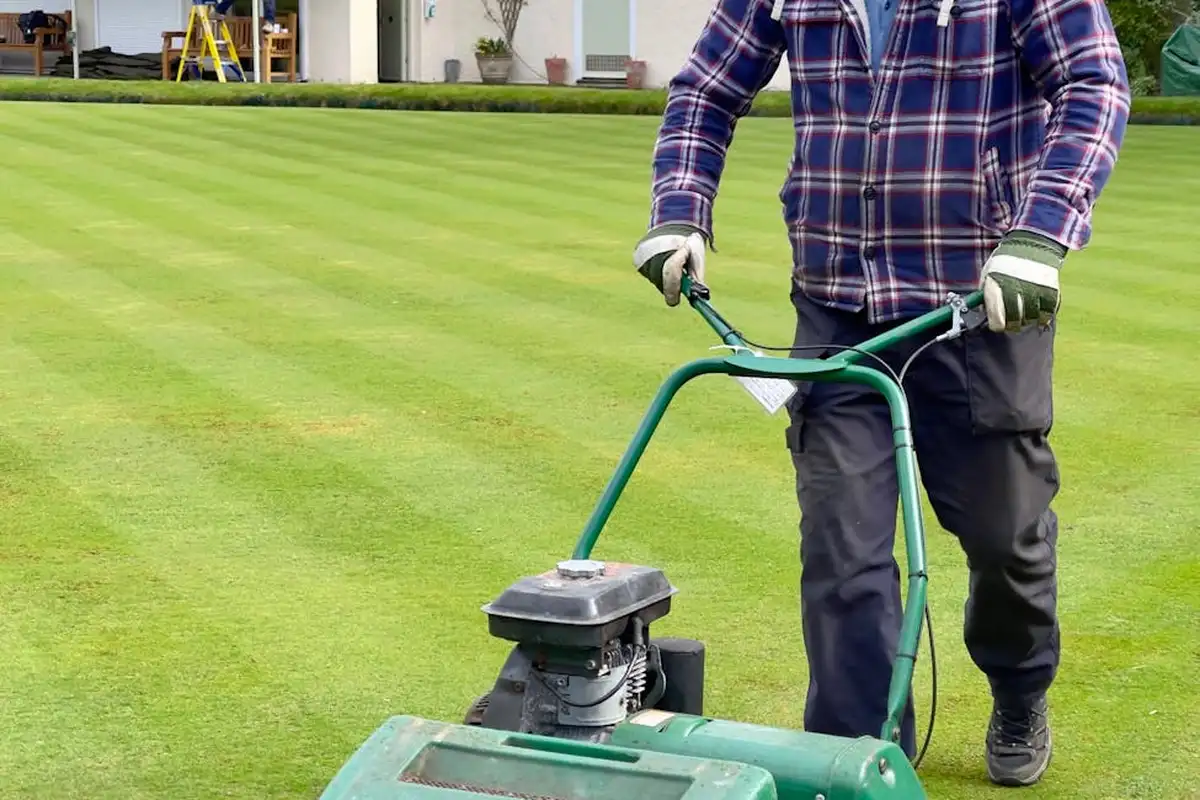
Time your aeration for when your grass is growing strong, so it recovers quickly and fills in those holes. For a thick, resilient lawn, aerate every one to three years, based on how compacted your soil feels underfoot.
Always choose pet-safe core aeration and let the soil plugs break down naturally to feed the soil life. Your best tool is watching how your lawn reacts each year and adapting your care-that’s how you grow lasting green.
Research and Related Sources
- Best Time to Aerate Your Lawn: A Seasonal Guide for Healthier Grass | TruGreen
- Why, When and How to Aerate Your Lawn
- Lawn Aeration Guide: When, Why, and How to Aerate Your Lawn – Fairway Lawns
- Lawn Aeration | University of Maryland Extension
- How to Aerate Your Lawn (and When to Do It for Best Results) | Almanac.com
Written by Ria Carrington. Ria is an avid lawn care enthusiast and advisor. No lawn is unsalvagable when Ria is at work. She has helped countless homeowners breath new life into their dying lawns. She has a B.Sc in Agriculture and brings practical advice combined with knowledge of plant science and her decade worth of hands on experience.