
What Is the Best Spring Lawn Fertilizer (And When Should I Spread It?)
Staring at the fertilizer aisle with too many bags to count, wondering which one will turn your lawn green without turning your wallet inside out, is a rite of spring for homeowners like us.
This article cuts through the noise with straight talk on what you need, breaking it down into the three main fertilizer types, the simple secret to perfect timing, and my favorite money-smart tactics to get more green for less green.
I’ve fed my own lawn for years, learning through trial, error, and a few bags of regret what actually works.
At a Glance: Key Factors for Your Spring Feed
Let’s cut through the noise. This article answers two simple questions: what should you feed your lawn this spring, and when exactly should you spread it.
If you take only a few things from this, let it be these.
- Soil temperature, not the date on a calendar, is your true guide for timing. I watch it like a hawk every year.
- Nitrogen is the main ingredient for that green, thick growth you want. But you have to pick the right kind.
- Skip the “weed and feed” products. They’re a bad deal for your lawn and the environment, often hurting more than they help.
- Watering the fertilizer in right after you apply it is non negotiable. It protects your grass and makes the food work.
Your final plan hinges on whether you’re growing cool season grasses like fescue or Kentucky bluegrass, or warm season grasses like Bermuda or Zoysia. Your local spring weather pattern is the other big piece of the puzzle.
What Makes a Fertilizer a “Spring” Fertilizer?
It all comes down to the three numbers on the bag: the NPK ratio. This stands for Nitrogen, Phosphorus, and Potassium. Think of them as a targeted meal plan for your grass. By checking these fertilizer bag numbers and NPK ratios, you pick the right blend for your lawn. That smart choice keeps it green and minimizes waste.
For spring, you want a blend that promotes strong, green leaf and stem growth to recover from winter and thicken up. That means the first number (Nitrogen) should be the highest. A classic spring ratio looks like 24-0-6 or 20-0-5.
A fall or “winterizer” fertilizer has a different job: it focuses on building tough roots and improving cold hardiness. You’ll see the last number (Potassium) much higher, like 10-0-20. Using a fall blend in spring is like serving a heavy dinner at breakfast time. You’re spending money on nutrients your grass isn’t ready to use for its primary spring task, which is top growth.
That brings us to the most important detail: the type of nitrogen. You want slow-release nitrogen. You might see it listed as “controlled release,” “water insoluble nitrogen (WIN),” or as a specific coated technology like polymer-coated urea.
Quick-release nitrogen gives your lawn a massive, sudden jolt of growth. It sounds good, but it leads to weak, spindly blades that need constant mowing and are more prone to disease. Slow-release nitrogen feeds the grass steadily over 6-8 weeks. It builds a stronger, more resilient lawn and doesn’t pollute waterways with a sudden nutrient flush. It’s the only type I use on my own grass in spring.
The Golden Rule: When to Apply Spring Fertilizer

Forget the calendar on your kitchen wall. Your lawn doesn’t know it’s April. The only schedule that matters is written in the soil beneath your feet.
Your true guide is soil temperature, not a date on a page. You want the soil to be consistently around 55 degrees Fahrenheit. That’s the magic number where the roots wake up and can actually use the food you’re about to give them.
Measuring it is simple. Grab a basic meat thermometer. Push it into the soil in a few sunny spots in the morning, about 2-3 inches deep. Take the average. If you don’t have a thermometer, look for a reliable online soil temp map for your zip code.
The best visual cue is your grass itself. Walk outside and really look. Apply your spring fertilizer when your lawn is about 50% green and actively growing, not while it’s still a uniform dormant brown. Feeding too early is like pouring coffee for someone who’s still asleep. It wastes product and can encourage weeds.
Cool-Season vs. Warm-Season: Two Different Clocks
Your grass type changes everything.
For cool-season grasses like Kentucky Bluegrass, Fescue, and Ryegrass, spring feeding is a gentle wake-up call. You’re in this group if you live in Ohio, Colorado, New Hampshire, or most of the northern tier. Here, early growth is fueled by stored energy. I apply when my soil hits that 55-degree mark and I see steady green-up, usually late April. The goal is steady, moderate growth, not a crazy surge.
For warm-season grasses like Bermuda, Zoysia, and St. Augustine, spring feeding is the starting gun for their main growing season. In the South and transition zones, apply fertilizer when the lawn is fully green and growing vigorously, after the last frost threat has passed. This is often late spring, around May. This spring lawn care fertilization approach helps promote rapid green-up and robust root development. Proper timing and product selection further support a healthier, more resilient lawn throughout the growing season.
So, for the FAQ ‘spring lawn fertilizer when to apply’, the rule of thumb is this: feed when the soil is warm (55°F) and the grass is visibly waking up and growing.
Choosing Your Champion: Types of Spring Lawn Fertilizer
Standing in the garden center aisle can be overwhelming. Let’s break down your options like you’re choosing a tool for the job.
Granular vs. Liquid: A Tactical Choice
Granular fertilizer is my go-to for spring. It’s like a slow-cooked meal for your lawn. I can spread it easily with my broadcast spreader (a calm morning with no wind is key). It’s generally more affordable, and the nutrients release over several weeks, which is perfect for building strength without a wild growth spurt.
Liquid fertilizer acts fast. It’s the shot of espresso. You’ll see a quick green-up, but it doesn’t last as long. For most homeowners, granular is the simpler, more forgiving choice for the main spring application. Save the liquid for a quick mid-season pick-me-up if you need it.
The Big Question: Synthetic or Organic?
This is where your philosophy for your yard comes in. Synthetic fertilizers give precise, fast-acting nutrients. They work. But they can be harsh on soil life over time.
I lean toward organic or natural options. They feed the soil, which in turn feeds the grass. It’s a slower, healthier build. They are inherently safer for pets and pollinators. I’ll never forget the sight of bumblebees happily working the white clover in my lawn last spring-a sign the ecosystem was alive. Products like corn gluten meal, alfalfa meal, or feather meal are great options.
When considering ‘spring lawn fertilizer and weed control’, I advise you to avoid the combo “weed & feed” products in spring. The herbicide in them can damage the emerging broadleaf plants you might want, like clover or violets, that feed bees. The timing for weed prevention is also usually earlier than the ideal time for feeding your grass. Treat fertilization and weed control as two separate jobs.
Reading the Bag: What to Look For
So, what fertilizer should i use in the spring? Look at the three numbers on the bag: the NPK ratio.
- N (Nitrogen) for green, leafy growth.
- P (Phosphorus) for root development.
- K (Potassium) for overall health and stress resistance.
For spring, you want a balanced blend, something like a 20-5-10 or 24-0-6. The critical part is the nitrogen source. Look for words like “slow-release,” “controlled-release,” or “water-insoluble nitrogen” (WIN). This ensures the nitrogen feeds the grass steadily over a month or more, preventing runoff and that unsustainable, scalping-required growth surge. A quick-release fertilizer will make you mow every three days and leave your grass hungry again in two weeks.
Your Spring Fertilizer Application Checklist
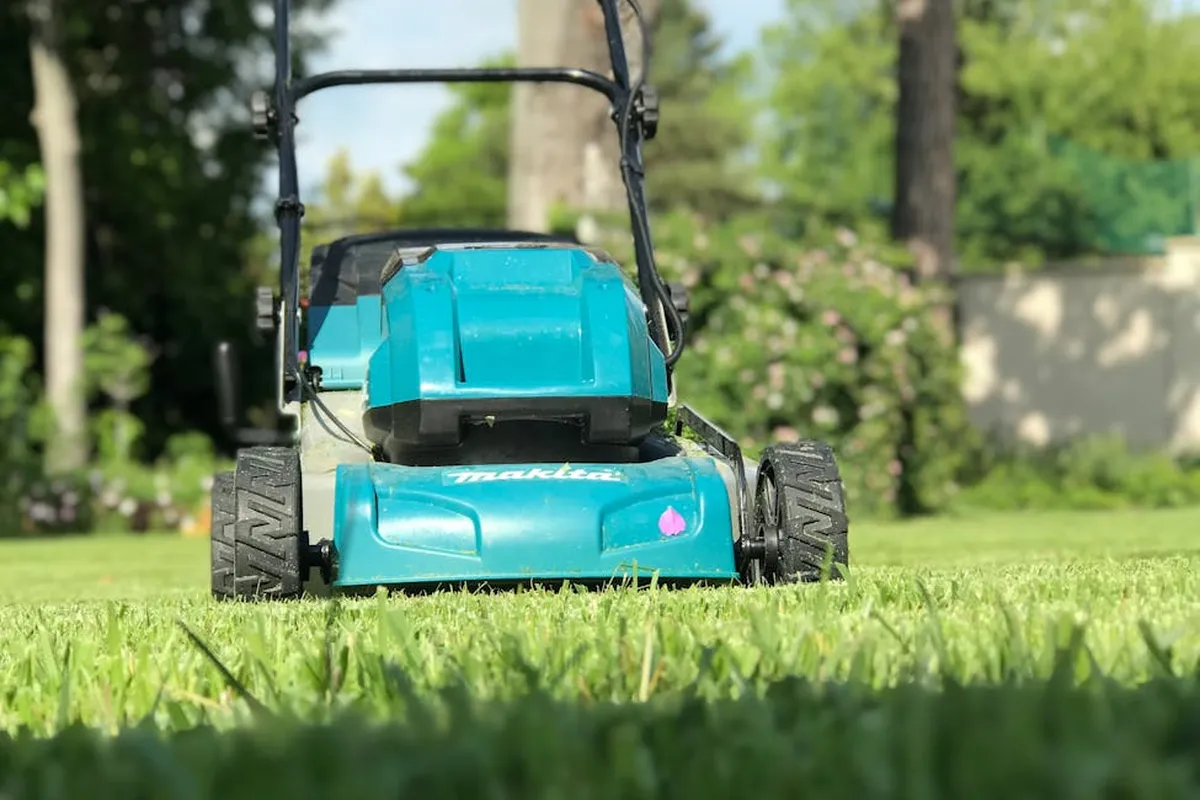
Think of this like a pre-flight checklist before you take off with the spreader. Skipping a step can lead to uneven results or, worse, a burned lawn. Let’s get it right the first time.
-
Mow your lawn at a normal height a day or two before. This isn’t about giving the grass a buzz cut. You just want to remove the clippings so the fertilizer granules can fall all the way down to the soil. I mow like I usually do with Max, maybe setting the deck a notch higher if the grass is really surging. Freshly cut grass blades are also less likely to hold onto the granules, which helps prevent leaf burn.
-
Calibrate your spreader. This is the most critical step to avoid disaster. I can’t tell you how many times I’ve seen striped lawns from uncalibrated spreaders. Every spreader model and every fertilizer product is different. Your bag will have a setting recommendation. Take five minutes to put some fertilizer in the hopper, set it to that number, and walk over a driveway or sidewalk. See how it flows. Adjust until the spread pattern looks even. This simple act prevents those yellow streaks that scream “amateur hour.”
-
Apply evenly using a criss-cross pattern. Just like mowing with Max, you never want to rely on a single pass. Start by walking north to south across your lawn, then make a second pass walking east to west. This criss-cross method guarantees you cover every inch and avoids the dreaded double-application strips that can scorch your grass. Go slow and steady, like you’re painting the ground with food.
-
Water it in lightly. This is not the time for a deep, long soak from Sunny. You only need about a quarter-inch of water, just enough to wash the granules off the grass blades and into the soil topdressing. This activates the fertilizer and keeps those little pellets from sitting on the grass and acting like magnifying glasses in the sun. A quick 15-20 minutes with your sprinkler usually does the trick.
Seasonal Lawn Effect: What to Expect After Feeding
Patience is key. You’re not pouring magic green paint on your lawn. You’re starting a biological process. Here’s what a proper, slow-release feeding looks like week by week.
-
Week 1: The Quiet Start. The granules are dissolving and the nutrients are moving into the soil. You won’t see much change above ground. Your job is light, consistent watering to keep the soil moist and help those nutrients move. Think of it like letting a good stew simmer.
-
Weeks 2-3: The Green-Up. Now you’ll see it. A noticeable, even greening starts to wash across your lawn. It shouldn’t be in weird stripes or spots if you calibrated well. The grass doesn’t just look better, it feels better underfoot, thicker and more resilient. This is the reward for your careful setup.
-
Week 4 and Beyond: Sustained Health. This is the goal. The lawn isn’t just green for a moment, it’s actively growing in a healthy, manageable way. You might find yourself mowing a little more often, and that’s a great sign. It means the grass is thriving, not just surviving. A thick lawn is your best defense against weeds trying to invade places like old Patch. All of this sets the stage to achieve a thick green lawn. In the next steps, you’ll learn practical ways to achieve that goal.
If you see fast, scraggly, almost wild growth right away, you likely used too much or the wrong type of quick-release fertilizer. That frantic growth is weak, contributes to thatch buildup, and actually makes your lawn more inviting for disease. It’s the lawn care equivalent of a sugar rush. This is exactly why I lean on slow-release formulas-they provide a steady meal, not a feast and famine cycle that stresses the grass.
Common Spring Fertilizer Dilemmas Solved
Choosing fertilizer is one thing. Knowing what to do when plans go sideways is another. Let’s fix a few common headaches.
Can I Use Winterizer Fertilizer in the Spring?
You have a half-bag of fall fertilizer left in the garage. It’s tempting to use it, I get it. But that bag is built for a different job. A true winterizer is formulated with extra potassium. Think of potassium as the grass’s immune system booster. It helps roots toughen up and handle the stress of freezing temperatures.
Spring growth needs a different focus: nitrogen for that lush, green top growth. Using a winterizer now gives your grass the wrong kind of fuel at the wrong time. Applying a high-potassium winterizer in spring can push overly lush, weak growth that’s more susceptible to disease and heat stress when summer arrives. Save that bag for next fall. For spring, you need a different tool in the shed.
I Missed Early Spring. Is It Too Late to Fertilize?
Life happens. Maybe the rain never stopped, or the kids’ soccer schedule took over. Don’t panic if your ideal mid-April feed didn’t happen. You still have a good option, but you need to be smart about it.
As late spring shifts toward summer heat, the last thing you want is to force a huge growth spurt. A heavy, quick-release fertilizer will do just that, stressing the grass. The key is a gentle, steady feed. If you’re fertilizing in late May or even early June, use half the recommended rate of a quality slow-release granular fertilizer. This gives the grass a modest nutrient boost without the shock and frantic growth. It helps it green up and store a little energy before the slower growth of summer.
My Lawn Has Patches. Should I Spot-Treat?
Let’s talk about the corner of my yard I call “Patch.” For years, I just threw extra seed and fertilizer at it every spring. It would green up briefly, then thin out again by July. I was treating the symptom, not the cause.
A bare patch is usually a soil problem, not a food problem. The ground might be compacted from foot traffic, bone dry from poor irrigation, or just poor quality. Fertilizer alone won’t fix that. Blasting a bare spot with concentrated fertilizer can actually burn the few struggling grass plants you have and encourage weeds to move in. For areas like Patch, the real fix is a two-step process: loosen the soil and introduce new grass. Use a hand aerator or a garden fork to punch holes in the soil, then overseed with a grass type suited to the spot (sunny or shady). A light dusting of starter fertilizer with the seed is okay, but the core work is aeration and seeding.
Recommended Product Categories for Homeowners

Walking down the lawn care aisle can be overwhelming. Ignore the flashy branding and focus on these three reliable types of products. You can find them at any garden center or major online retailer. They’ll slot into your household lawn care routine alongside other outdoor essentials. Think of them as part of your home maintenance kit.
Category 1: Balanced, Slow-Release Granular Fertilizer
This is your spring workhorse. Look for a bag with an NPK ratio where the first number (Nitrogen) is the highest, like 20-0-5 or 24-0-8. The crucial part is the words “slow-release” or “controlled-release” on the label. This often means the nitrogen is polymer-coated. It feeds your lawn a little bit at a time over 6-8 weeks.
A slow-release fertilizer provides a steady, consistent feed that greens up your lawn without causing a wild, unsustainable growth spike that you’ll have to mow every three days. It’s easier on the grass and reduces the risk of nutrient runoff into waterways. This is what I use for my main spring feeding.
Category 2: Organic Lawn Food
If you prefer feeding your soil to directly feeding your grass, this is your path. These products are derived from natural materials like feather meal, alfalfa meal, or corn gluten meal. They work by feeding the microbes and life in your soil, which in turn make nutrients available to your grass roots.
The results come on slower than with synthetic fertilizer, but they last longer and greatly improve soil health. Organic lawn food builds a healthier, more resilient lawn ecosystem from the ground up, which is a fantastic long-term strategy. It’s also inherently pet-safe and pollinator-friendly once watered in. Be prepared for it to smell a bit like a barnyard when you open the bag.
Category 3: Starter Fertilizer
This is a specialist tool. Only reach for this if you are actively seeding bare spots or overseeing thin areas this spring. Starter fertilizers have a specific NPK balance, often something like 18-24-12, that’s high in phosphorus (the middle number). Phosphorus is critical for stimulating strong, healthy root development in new grass seedlings.
Use starter fertilizer only when you are putting down new seed; its high phosphorus content is unnecessary and wasteful for an established lawn. If you’re choosing lawn starter fertilizers, knowing what to look for helps. Look for a product that matches your seeding plan and soil needs. Apply it lightly according to the bag instructions along with your seed, and keep the area moist for best germination. Once the new grass is established, switch back to your regular balanced fertilizer.
Your Spring Fertilizer Questions, Answered
I live in Ohio/Colorado/New Hampshire. Is my timing different?
Yes, but the rule is the same: watch your soil, not your state. For your cool-season grasses, aim for that 55°F soil temp, which typically hits in late April or early May. Your local spring thaw in Michigan is your real schedule.
Should I buy a “weed and feed” product for spring?
No. I call them “weed or feed” because they do both jobs poorly. The herbicide timing is off for spring weeds, and it harms the beneficial plants pollinators need. Fertilize and manage weeds separately for a greedier, healthier lawn.
How do I pick the right one on Amazon or at the store?
Ignore the flashy claims and hunt for the numbers. These numbers come from NPK nitrogen lawn fertilizer formulas and show nitrogen content. NPK values guide your lawn’s nutrient needs. Punch “slow-release lawn fertilizer 24-0-6” into the search bar. Read the product description to confirm “slow-release” or “controlled-release” nitrogen is the main event.
The bag says 30-0-0. Is that a good spring choice?
It’s a risky one. That’s pure, fast-release nitrogen. It’ll give your lawn a sugar-rush-wild, weak growth you’ll have to mow constantly. Choose a balanced blend with slow-release nitrogen for a steady, thick green-up that lasts.
I see a lot of Scotts products. Which one should I use?
Look for their Turf Builder line with “slow-release” clearly on the bag, like their Turf Builder Triple Action Built For Seeding (which is great for spring overseeding). Avoid their “Weed and Feed” products for your main spring feed to keep your lawn’s breakfast and weed control separate.
Wrapping Up Your Spring Fertilizer Strategy

Pick a slow-release fertilizer that matches your grass type and put it down as soon as your lawn starts greening up in early spring. This one-two punch of the right food at the right time fuels strong, dense growth that crowds out weeds all season—especially when paired with regular weed feed treatments.
I always choose products that are safe for my pets and the bees, because a beautiful lawn shouldn’t come at their expense. Your lawn will tell you what it needs each year, so keep notes and adjust your plan as you go.
Further Reading & Sources
- Spring Lawn Fertilizer | Healthy & Luscious Yard | Lawn Synergy
- Which Fertilizer Should I Use in Spring? | ScottsMiracle-Gro US
- The Best Spring Lawn Fertilizers | Golf Course Lawn Store
Written by Ria Carrington. Ria is an avid lawn care enthusiast and advisor. No lawn is unsalvagable when Ria is at work. She has helped countless homeowners breath new life into their dying lawns. She has a B.Sc in Agriculture and brings practical advice combined with knowledge of plant science and her decade worth of hands on experience.