
What Do You Do After Aerating Your Lawn?
You just punched a thousand tiny holes in your yard, and now you’re staring at all those little soil plugs wondering if the hard part is over. The truth is, what you do next determines whether that aeration effort pays off or just leaves you with a bumpy lawn.
This guide walks you through the smart, effective steps to take right after aerating. We will cover the critical first move you should make, the best timing for overseeding and fertilizing, your new watering routine, and the common mistakes that waste your time and money.
I’ve learned this routine through years of weekend work with my own mower, Max, and my trusty irrigation, Sunny, figuring out how to get the most green from every core I pull.
At a Glance: Key Factors for Success
The hard work is done. Max is back in the shed, and the lawn is dotted with those little soil cores. This is the moment that separates a good aeration from a great one. What you do next is what actually makes the effort worth it, turning those open holes into a stronger, thicker lawn.
Think of it like this: aeration creates the opportunity, but your post-care seals the deal. The timing for your next steps will lean on whether you have cool-season grass (like fescue or Kentucky bluegrass) or warm-season grass (like Bermuda or Zoysia). For most, aeration happens in early fall or early spring, but the care after is universally important.
Here are the non-negotiable actions to lock in your results.
| Action | Timing | Why It Matters |
|---|---|---|
| Water Deeply | Within a few hours of aerating | Softens soil plugs, keeps holes open for water and nutrients, and signals roots to grow. |
| Limit Foot Traffic | For 24-48 hours after | Prevents the soft, vulnerable soil from compacting again and closing your new airways. |
| Overseed & Topdress (if needed) | Immediately after watering, within 1-2 days | Seed finds perfect shelter in the holes. Topdressing with compost adds organic matter directly to the root zone. |
| Apply a Gentle Fertilizer | Within a week, after seeding if you did it | Feeds the grass as it recovers and pushes new growth into the aerated spaces. |
| Resume Regular Mowing | After 2-3 days, when grass is dry | Maintains health. Mow high to encourage deep roots that will use the new space. |
What to Do in the First 48 Hours: Your Immediate Action Plan
So, the aerator is off the lawn. What now? You have a short, golden window where the soil plugs are soft and the holes are wide open, and your job is to take advantage of it. These holes won’t stay pristine for long. Weather, traffic, and gravity will start to fill them in within a week. Your mission in the first two days is simple: protect the work you just paid for and set the stage for growth. In the next steps, we’ll cover lawn aeration overseeding care to maximize this window. This will help turn those openings into a thriving seedbed.
This immediate care answers the core question. It’s what turns a lawn full of holes into a lawn full of potential.
Watering: The First and Most Important Step
This is not a light sprinkle. Step one is always a deep, thorough watering. I usually wait just a few hours after Max finishes, letting the plugs dry just enough so they don’t mush into paste.
Your goal is to soak the lawn until the soil is damp 4 to 6 inches down. This does two critical things. First, it softens those extruded soil plugs. Left to bake in the sun, they become like little concrete pellets. Water turns them back into soil that will easily break down and filter back into the holes. Second, it sends water, air, and a clear signal straight to the root zone. Think of dry, compacted soil like a packed-down coffee filter-water just runs off. Aerated, wet soil is like a fluffy sponge, ready to drink it all in.
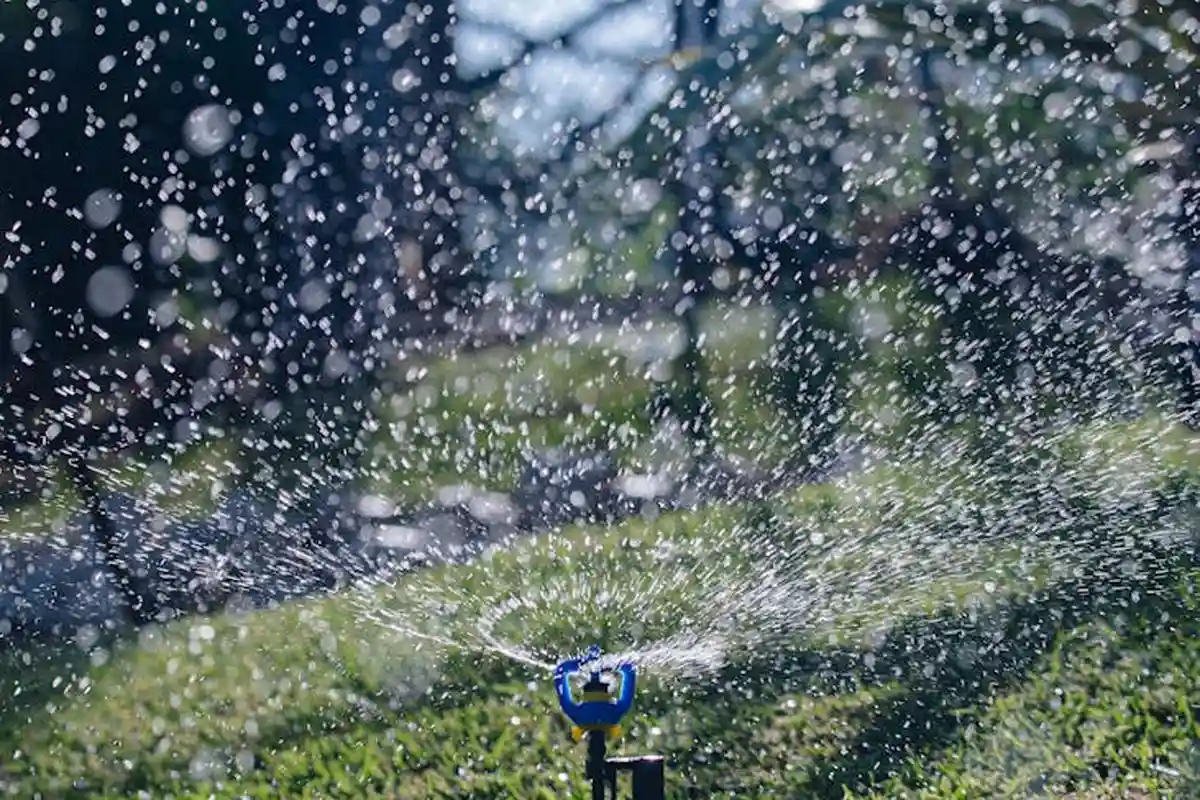
This is a great time to check on Sunny, your irrigation system. Make sure every zone is hitting evenly, with no dry spots. You want every single aeration hole to get a good drink.
To Walk or Not to Walk?
Be gentle with your lawn here. I give a simple rule: avoid any unnecessary foot or equipment traffic for the first 24 to 48 hours.
You can absolutely walk on it for essential tasks, like adjusting sprinklers. Just be light on your feet. What you must avoid is heavy, repeated traffic or driving any equipment across it. That kind of pressure will compact the soft soil all over again, literally closing the vital holes you just created. Picture stepping on a fluffy pillow versus a packed suitcase. You want to keep that pillow fluff for your grass roots to spread into. Let the lawn settle and the holes stabilize before you bring out the lawn cart or let the kids and pets run wild.
What to Put on Your Lawn (and When to Do It)
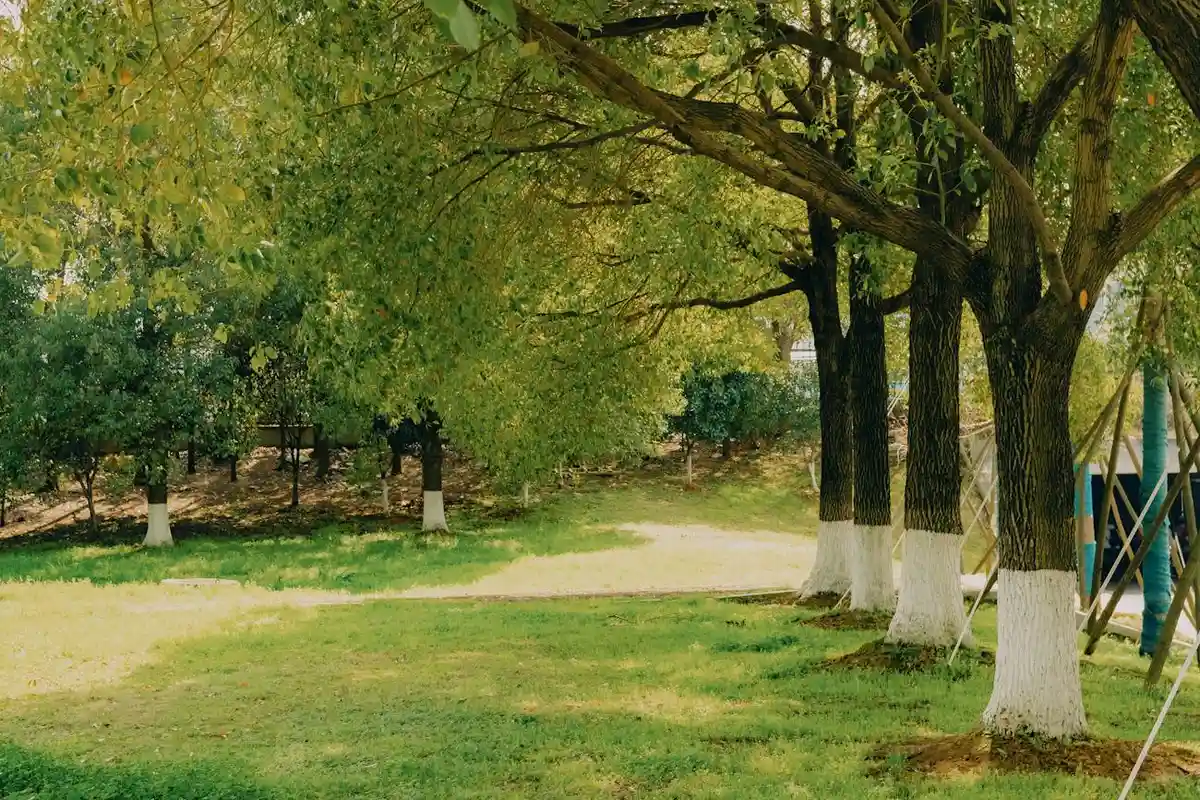
Think of those fresh aeration holes as open wounds in your lawn. Right now, they are hungry. This is your best chance to feed them properly. I always follow a simple order of operations to get the most out of the work. Seed first, then feed, then amend.
Seeding: The Perfect Time to Fill In Bare Spots
How soon after aeration can you seed? Immediately is best. Do not wait. Those holes are perfect little catch basins for grass seed. The seed falls right in, gets ideal soil contact, and is sheltered from getting washed or blown away.
Here is a brief step by step.
- Spread your grass seed evenly across the lawn.
- Lightly rake the area. This helps guide any stray seeds into the holes.
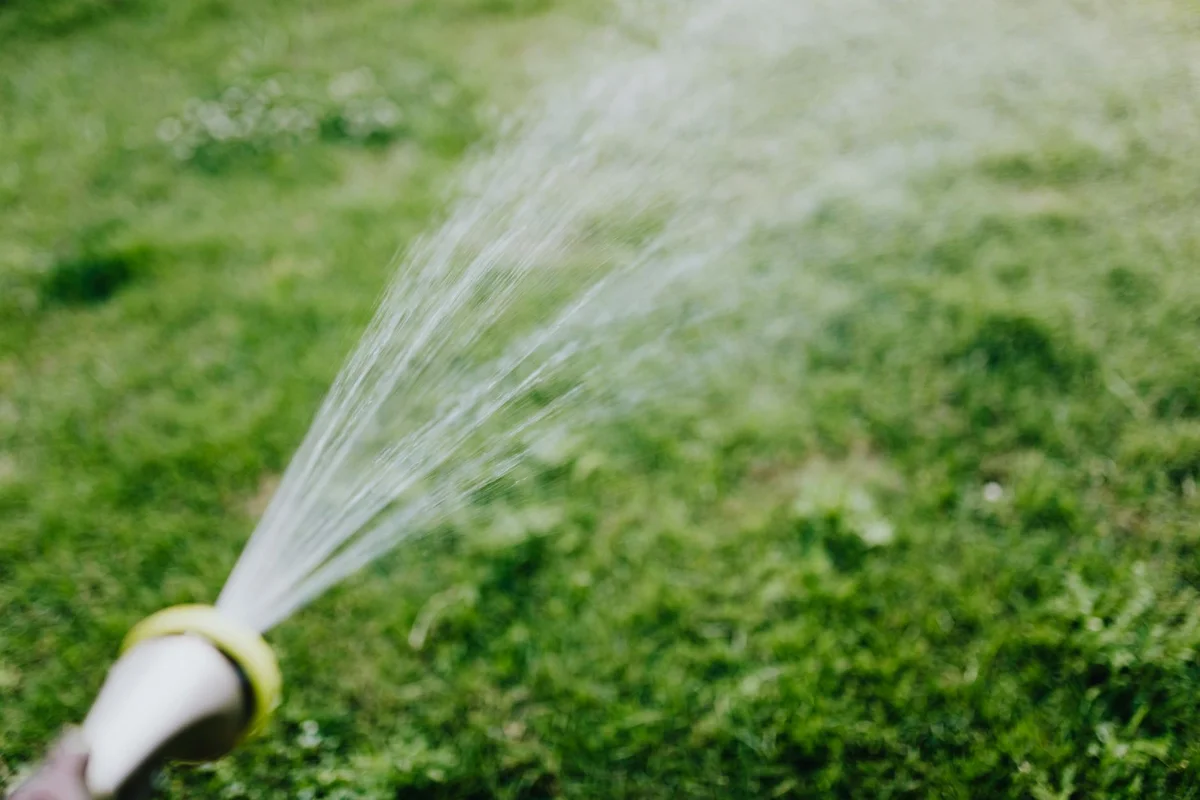
- Water gently with a soft spray. You want to moisten the seed without creating puddles.
For a healthier, safer yard, consider using a grass seed mix labeled as pet safe and pollinator friendly. These blends support bees and butterflies and are non toxic for dogs and kids.
Fertilizing: Giving Your Grass a Boost
Can you fertilize right after aerating? Yes, and you should. The aeration holes act like direct channels to the root zone. Water carries the nutrients straight down where your grass can use them. This practice maximizes the benefits of lawn aeration and ensures the safety of your turf.
I recommend a balanced, slow release fertilizer for steady feeding without shocking the grass.
Organic versus synthetic fertilizer? Organic options, like compost or manure based feeds, improve long term soil health. They are generally safer for pets and pollinators. Synthetic fertilizers provide a quick, precise nutrient hit. For my lawn, I prefer organic to build the soil life, but a quality synthetic works if applied correctly. Both organic and synthetic approaches influence lawn health and soil biology in different ways. Knowing how they work helps you tailor a balanced fertilization plan for a healthy, resilient lawn.
Top-Dressing with Compost: The Gourmet Meal
This is the pro level upgrade. If fertilizing is a snack, top dressing with compost is a full gourmet meal. A thin layer of screened compost fills the holes with organic matter. It improves soil structure, helps it hold water, and feeds beneficial microbes.
The method is simple. Use a rake or shovel to spread about 1/4 inch of compost over the aerated lawn. Do not bury the grass blades, just coat the surface lightly.
Greedy Grass Pro Tip
My personal weekend tactic. I mix my grass seed with a light, screened compost in a wheelbarrow before spreading. It is a one pass wonder that seeds, feeds, and top dresses all at once. The compost gives the seed a little nutrient head start. It’s one of the methods for spreading grass seed effectively.
Mowing, Traffic, and the “Don’ts”
Now for the cautionary part. I have learned from my own mistakes here. What you avoid after aerating is just as critical as what you do.
When to Fire Up the Mower (and How High to Cut)
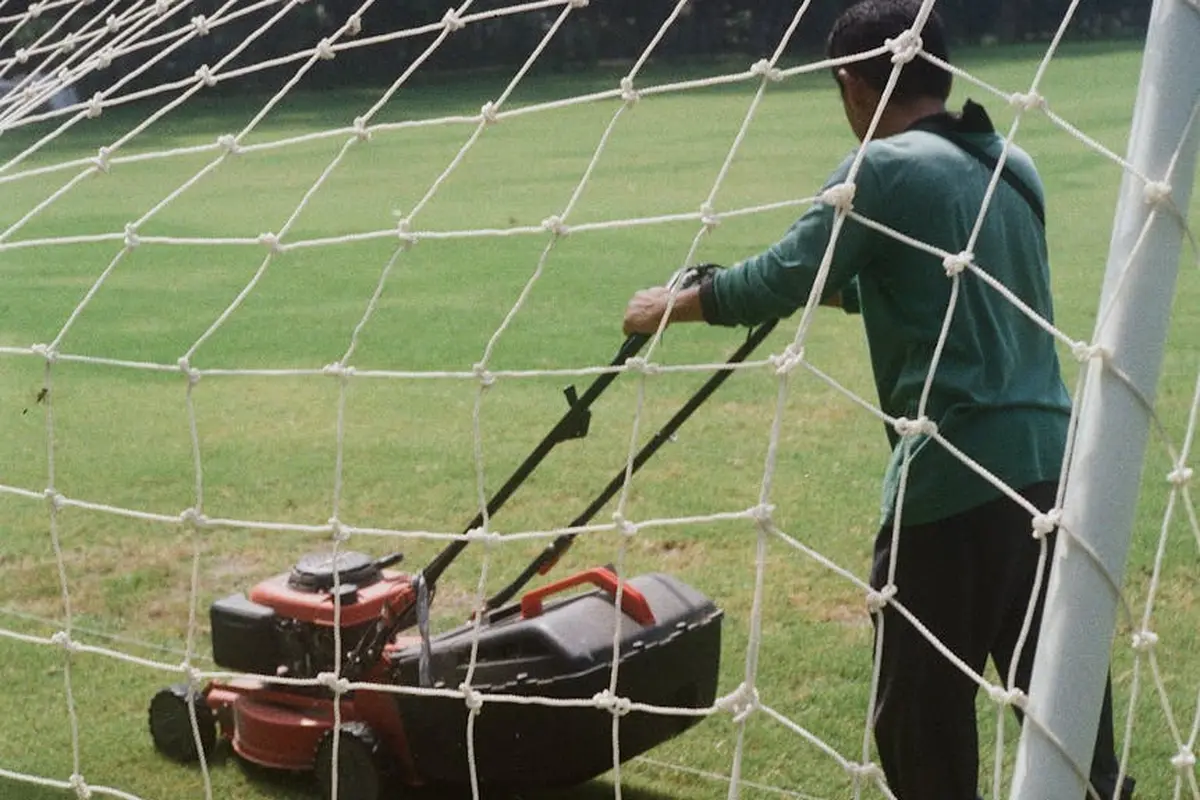
Should you mow the lawn after aeration? Wait 2 to 3 days if you can. This lets the soil firm up a bit. When you do mow, set your mower blade high.
Mowing high reduces stress on the grass and provides shade to help new seed germinate. I give my zero turn mower, Max, a break for a few days. Driving heavy equipment over soft soil can create ruts and compact the holes you just made.
The Big No-Nos After Aerating
Here is a short, punchy list of what to absolutely avoid. Trust me on these.
- Do not apply weed killer now. Herbicides can harm new grass seed and stress your lawn during recovery.
- Do not let the lawn dry out. The next two weeks are critical for moisture. Keep the soil consistently damp.
- Do not roll the lawn or use heavy equipment. You will simply compact the soil all over again.
- Do not aerate at the wrong time of year. Timing matters, but that is a topic for another section.
Common Post-Aeration Mistakes and How to Sidestep Them
We all learn from our lawn care blunders. I certainly have, especially with that stubborn corner I call Patch. Here are the common slip ups I see, and how you can avoid them for a thicker lawn.
Mistake: Treating Aeration as a Stand-Alone Task
I made this error early on. I’d rent a core aerator, crisscross the yard, and admire the little soil plugs. Then I’d wait for magic to happen. It never did. Aeration is not a cure all, it’s an invitation for your lawn to improve itself. Those holes are perfect pathways for grass seed to reach soil and for fertilizer to feed the roots. If you aerate and walk away, you’re missing the entire point. You must follow it with seeding and feeding while the ground is receptive.
Mistake: Ignoring Your Grass Type and Season
Timing your aeration wrong is like trying to grow tomatoes in December. It just wastes effort. The best time to aerate cool season grasses (like fescue or ryegrass) is early fall, and for warm season grasses (like Bermuda or St. Augustine), it’s late spring. I learned this after aerating my lawn in a hot summer. The grass was stressed and couldn’t recover well. Doing it in the right season gives your grass the perfect conditions to fill in those holes quickly and strongly. And beyond timing, knowing how often to aerate matters for sustained health. In the next steps, you’ll see guidance on best time aerate lawn frequency.
Mistake: Overcomplicating the Follow-Up
It’s easy to feel overwhelmed by all the products at the store. I’ve bought my share of special tonics and soil amendments. Effective post aeration care boils down to three simple things: water, seed, and a starter fertilizer. You don’t need five different bottles or bags. Focus on doing these basics consistently. A regular watering schedule and a single application of the right seed and food will do more than any complicated cocktail.
Your Week-by-Week Game Plan for Lasting Results
After you aerate, here is a simple, reliable schedule I follow. It takes the stress out of wondering what to do next.
Week 1: The Establishment Phase
This first week is critical. Your goal is to keep the seedbed moist so new grass can sprout. I set my irrigation, Sunny, for short, daily watering sessions in the early morning. You want the top inch of soil to feel like a damp sponge, not a soggy swamp. Watch for the soil plugs to break apart and wash back into the lawn. In about seven to ten days, you should spot fine, green shoots emerging where you seeded. It’s a satisfying sight.
Weeks 2-4: Building Strength
Now, you train the new grass to grow deep roots. Cut back watering to every two or three days, but water longer each time. This encourages the roots to reach down for moisture. You can resume mowing, but keep your mower blade on the highest setting to avoid stressing the young grass. This is when you’ll start to feel the difference. The turf will become thicker and more resilient underfoot, like a firm cushion. By the end of this period, your lawn is on its way to being stronger than before.
Greedy Grass FAQ: Your Post-Aeration Questions, Answered
How long do the aeration holes last?
The holes stay fully open and effective for about a week before nature starts filling them in. That’s why your immediate follow-up with seed and fertilizer is so crucial-don’t let that prime real estate go to waste.
Is it okay to walk on the lawn right after aeration?
Yes, for essential tasks like adjusting sprinklers, but tread lightly. Avoid any heavy or repeated traffic for 24-48 hours to prevent compacting the soft soil and closing your expensive holes.
What is the best time of year for lawn aeration and follow-up care?
For cool-season grasses, aim for early fall; for warm-season grasses, late spring. This timing gives your grass the ideal growing conditions to recover thickly and greedily.
Can I fertilize right after aerating?
Absolutely, and you should. Use a balanced, slow-release fertilizer to feed the roots directly through those fresh channels without shocking the grass.
How long should I wait to water after aeration?
Just a few hours, once the soil plugs have dried slightly. Then give your lawn a deep, thorough soak to soften the plugs and send moisture straight to the root zone.
Your Lawn’s Next Chapter
If you remember just one thing from today, let it be this: those open soil holes are a golden opportunity. Don’t let them go to waste by skipping the next step. Get a quality seed and fertilizer down right after you aerate, and keep the area damp for a few weeks.
Taking great care of your lawn means being a good steward for your whole little ecosystem. Every choice, from the seed you sow to the products you use, is a chance to support pollinators and keep your family and pets safe. The best lawns are built slowly, with patience and a willingness to learn from every season, every Patch, and every pass with Max.
Citations and Authoritative Sources
- What to do After Lawn Aeration | Quality All-Care Lawn Services
- What to Do After Aerating Your Lawn
- Lawn Aeration and Overseeding Aftercare | Davey Tree
- Lawn Care After Aeration and Seeding: Maintain and Thrive
- What to Do After Aerating Your Lawn – Barefoot Lawn Care
Written by Ria Carrington. Ria is an avid lawn care enthusiast and advisor. No lawn is unsalvagable when Ria is at work. She has helped countless homeowners breath new life into their dying lawns. She has a B.Sc in Agriculture and brings practical advice combined with knowledge of plant science and her decade worth of hands on experience.