
How Often Should You Overseed and What’s the Best Watering Schedule?
That patchy spot by the driveway and the mystery of keeping new seed moist can make overseeding feel more complicated than it needs to be.
We will cover the simple signs your lawn needs seed, the best times of year to do it, and how to water for thick growth without wasting a drop.
I know this works because I’ve tested it on my own lawn with Max the mower and Sunny the irrigation system.
At a Glance: Key Factors for Overseeding and Watering
Think of overseeding not as a yearly chore, but as strategic maintenance.
- You don’t need to overseed every single year. A healthy lawn can go several seasons without it.
- The new watering schedule is non-negotiable for success. Miss it, and your seed and effort are wasted.
- It’s like maintaining a reliable car. You change the oil regularly (water and mow), but you only rebuild the engine (overseed) when you hear a knock or see smoke.
- This guide covers the basics for both cool-season and warm-season grasses, with tips for different climates from humid to arid.
How Often Should You Overseed? It Depends on These 4 Things
Let’s get this out of the way first: overseeding is not an annual task for most lawns. Doing it too often is a waste of money and time. Timing matters, too. The best time to overseed or reseed a lawn depends on your climate and grass type. The right schedule hinges on four key factors: your grass type, your local climate, the current condition of your lawn, and what kind of wear and tear it endures.
I learned this the hard way. I used to throw seed down every fall like clockwork, until I realized I was mostly just feeding the birds. Now I let these four factors tell me when it’s time.
Factor 1: Your Grass Type Dictates the Cycle
Grass types fall into two main camps, and they grow very differently.
Cool-season grasses (like Tall Fescue, Kentucky Bluegrass, and Perennial Ryegrass) are the workhorses of northern lawns. They grow in clumps or spread slowly. Over years, older plants thin out and die. For these grasses, a refresh every 3 to 5 years is a good rule of thumb to keep the lawn thick and youthful, especially when compared to warm-season grasses in warmer climates.
Warm-season grasses (like Bermuda, Zoysia, and Centipede) are the aggressive spreaders of southern lawns. They send out runners (stolons and rhizomes) to fill in space on their own. A well-established warm-season lawn might only need overseeding every 5 to 10 years, if ever, unless it’s severely damaged.
Factor 2: Your Climate and Weather Patterns
Your local weather directly stresses your grass, which changes how often you need to help it out.
In hotter, drier climates like much of California, the intense summer sun and drought can bake and thin out cool-season grasses. You might find yourself overseeding thin areas more frequently, not because the grass is old, but because it’s getting cooked. The key here is choosing drought-tolerant varieties and leaning on your irrigation, like my setup Sunny, to reduce stress.
In colder climates like Minnesota, the challenge is winterkill and the salt used on roads and sidewalks. This can create dead zones that need filling each spring. While the core lawn might be on a 3-5 year cycle, these harsh environmental factors often demand spot-overseeding every year or two.
Factor 3: The Current Health and Thickness of Your Lawn
Your eyes are the best tool here. Get down on one knee and look across your lawn. What do you see?
If you see more soil than grass, or thin spots where the blades are sparse, your cycle just got shorter. Bare patches are a clear invitation for weeds, and overseeding is your best defense. A lawn that’s over 50% bare ground needs a full renovation, not just an overseed. For smaller trouble spots, you can overseed just those areas as needed, which is how I finally got “Patch” under control.
High-traffic areas from kids playing or the path your dog takes every day will also wear out faster. Plan on spot-overseeding these zones every year or two to keep them from turning to dirt.
Factor 4: Seasonal Stressors and Lawn Use
How you use your lawn adds to the natural wear. A lawn that hosts weekly football games or endures runoff from a salted driveway is under constant assault.
Summer heat stress, winter dormancy, pet urine spots, and heavy furniture can all create weak points. A lawn that sees a lot of action may need overseeding sooner than a pristine, decorative one, regardless of the grass type. It’s about repairing damage, not just preventing age.
Listen to your lawn. If it looks tired and thin after a tough season, it’s probably telling you it needs some new recruits. If it’s still thick and bounces back when you walk on it, you can likely wait another year.
Is It Time? How to Tell If Your Lawn Needs Overseeding Now

You don’t need a fancy test. Walk outside for five minutes. Your lawn will show you.
The “Kneel Down and Look” Test
Kneel at the edge of your lawn. Look across the surface, getting your eyes level with the grass blades. What do you see?
If you see more soil, dirt, or dead thatch than you see green blades, it’s time to overseed.
Think of it like a carpet. A new carpet is dense and your feet sink in. An old, thin carpet is hard and you can see the floorboards. Your lawn is the same. A thick lawn feels soft and spongy. A thin one feels firm, and the ground shows through.
Other Red Flags: Color, Weeds, and Footprints
Your lawn gives other clues. Look for these signs as you walk your property.
- Pale color despite feeding: You fertilized, but the lawn still looks washed-out or yellow-green. This often means the grass plants are old, tired, and spaced too far apart.
- Weeds move in fast: Bare soil is an open invitation. If dandelions or crabgrass pop up almost overnight in new spots, the lawn canopy isn’t thick enough to block them.
- Footprints that linger: Walk across the grass. In a healthy lawn, blades spring back quickly. If your footprints stay visible for more than a few minutes, the grass is too thin to recover.
My shady spot, Patch, taught me this. It always needs a second look in late summer. The thin grass there loses the battle for light, so I plan to give it some extra seed every other year.
Timing Is Everything: When to Overseed for Your Grass Type and Climate
How often you overseed depends less on the calendar and more on the signs we just talked about. But when you do it, timing is everything. Get it wrong, and you’ll watch your hard work and money wash away or bake in the sun.
The Golden Rule for Cool-Season Grasses (Like Fescue or Bluegrass)
For cool-season grasses, early fall is your single best chance for success.
The perfect fall overseeding window opens when nighttime temperatures dip into the 50s and 60s, but the soil is still warm from summer.
Why does this work so well? The warm soil wakes up the seed, while the cool air favors the new grass seedlings over weeds. The fall sun is less intense, and gentle rains are more common. Your fall overseeding watering schedule is simpler too. You’ll water lightly a few times a day to keep the seed moist, but you won’t fight the evaporation you get in summer heat.
The Best Window for Warm-Season Grasses (Like Bermuda or Zoysia)
Warm-season grasses play by different rules. They thrive in heat. The best time to overseed them is in late spring or early summer, when soil temperatures are consistently above 70 degrees Fahrenheit. Understanding the ideal germination temperature helps you time overseeding more precisely. For warm-season grasses, soils in the low- to mid-70s °F typically yield the best germination rates.
Overseeding isn’t as common with these grasses because they spread on their own through runners. You typically only need to overseed to repair damage from winter or fill in a bare area quickly. If you do, match the timing to their natural growth spurt.
What If You Miss the Prime Window?
Life happens. If you miss the ideal fall or spring window, you can still try a late overseeding, but adjust your expectations.
Use a quick-germinating seed mix labeled for repair. You must be extra vigilant with water, sometimes watering three or four light times a day to prevent the shallow seedlings from drying out. The new grass may not be as thick or tough as fall-planted grass, and it will need careful protection during its first winter or summer heat stress.
It’s a backup plan, not the main strategy. But in lawn care, sometimes a backup plan is what saves the season.
The Watering Blueprint: Your Day-by-Day Schedule After Overseeding

You need to water after overseeding. There’s no way around it. Think of those little seeds like tiny newborns; they can’t go fetch a drink for themselves. Your job for the next month is to be their personal bartender, serving the perfect amount of moisture on a strict schedule. Skip a shift, and you lose customers permanently. Let’s break that schedule down so it’s foolproof.
Phase 1: Germination (Days 1-14) – Keeping the Seedbed Constantly Damp
This first stretch is the most critical. Your goal isn’t to soak the earth. Your goal is to keep the very top inch of soil perpetually moist. Imagine the feel of a wrung-out sponge, damp to the touch but not dripping. That’s your target.
You’ll need to water lightly 2 to 3 times a day. Early morning and late afternoon are your best bets to minimize evaporation. How long to water after overseeding? Start with super short sessions.
- If you’re using sprinklers, try 5 to 10 minutes per zone.
- If you’re hand-watering, just give it a gentle pass until the surface darkens.
The key is to avoid any runoff; if you see water starting to puddle or flow, you’re going too hard and washing your investment away. I set reminders on my phone for this phase. A single hot, dry afternoon can bake and kill those delicate germinating seeds. It happened to me once in Patch’s corner, and I had to start over.
Phase 2: Seedling Establishment (Weeks 2-4) – Encouraging Deep Roots
Once you see a green fuzz covering the soil, you’ve got baby grass. Congrats. Now we change tactics. We need to train those new roots to chase water down into the soil, making them drought-resistant and strong.
Cut back to watering every other day. But when you water, do it for longer. You want the moisture to sink down 3 to 4 inches. This encourages deep, sturdy roots.
How do you know you’re doing it right? Get your hands dirty. An hour after watering, push your finger into the soil. It should feel cool and damp down to your first knuckle. If it’s dry an inch down, you need to water a bit longer next time. If it’s soggy and muddy, you’re still watering too lightly and too often. This is where Sunny, my drip system, really shines by delivering a slow, deep drink right to the root zone.
Phase 3: Mowing and Maintenance (Week 4 Onward) – Transitioning to Normal Care
The new grass is getting tough. You can tell because it starts to spring back up after you walk on it. Now you integrate it into your regular lawn routine.
When to mow? Wait until the new grass blades are about 3 to 4 inches tall. For the first cut, set your mower deck high. You should never remove more than one-third of the grass blade height in a single mow. I make sure Max’s blades are razor-sharp for this first pass to get a clean cut that doesn’t tear the tender seedlings.
For watering, you can now shift to a standard lawn schedule. This usually means about 1 to 1.5 inches of water per week, including rainfall. Water deeply once or twice a week instead of giving little daily sips. This schedule promotes the healthiest, most resilient lawn. Knowing when and how long to water is crucial for maintaining a lush lawn.
How Much Rain is Too Much After Overseeding?
A nice, gentle rain is like free, perfect irrigation. It’s ideal. The problem is a torrential downpour. A heavy storm can wash your seeds into clumps at the low end of your yard or right into the storm drain.
If you see puddles forming on your seeded area or notice seeds have gathered in piles, you need to take action. Once the soil is just damp, not soaked, gently rake those areas to redistribute the seeds and consider adding a whisper-thin layer of peat moss to help hold them in place. It’s a bit of a rescue mission, but it can save your project.
Pitfalls to Avoid: Common Overseeding and Watering Mistakes

I’ve made most of these errors myself. Consider this a list of shortcuts that lead to a dead end, so you can sidestep the frustration and wasted effort.
Mistake 1: Drowning the Seed or Letting It Dry Out
This is the tightrope walk of overseeding. The symptoms are opposites, but the result is the same: failure.
- Too much water: The soil feels slimy. You might see a grayish fungus (like dollar spot) or moss growing. The seeds rot before they ever wake up.
- Too little water: The soil surface looks pale, cracked, and crusty. You see no green after 10 days because the seeds never got the signal to germinate.
Stick to the “wrung-out sponge” rule: constantly damp, never soggy, never bone-dry. It’s the single most important habit for success.
Mistake 2: Mowing Too Soon or Too Short
New grass is tender. Running a dull mower over it too early is like hacking at it with a butter knife. You’ll pull seedlings right out of the ground. Wait for that 3-4 inch height. For the first few mows, keep your blade set as high as your mower allows.
Sharp mower blades make a clean cut that heals fast, reducing stress on the young plants. And remember, shorter grass exposes more soil, which dries out faster in the sun. Mowing high after overseeding actually helps you maintain consistent soil moisture.
Mistake 3: Ignoring Soil Prep and Traffic
Throwing seed onto hard, compacted soil is like tossing breadcrumbs onto a tabletop. The birds will get it, but nothing will grow. You need good seed-to-soil contact. That means raking the seed in lightly after you spread it, or using a roller. This simple step makes a monumental difference.
Also, treat your newly seeded area like a fresh tattoo. Keep everyone off it. Put up some temporary stakes and string or brightly colored tape to remind your family and the dog that this is a no-go zone for a few weeks. Foot traffic compacts the damp soil and can bury or displace the tiny seeds. A little boundary saves a lot of heartache.
Seasonal Lawn Effect: A Practical Checklist for Spring, Summer, Fall, and Winter
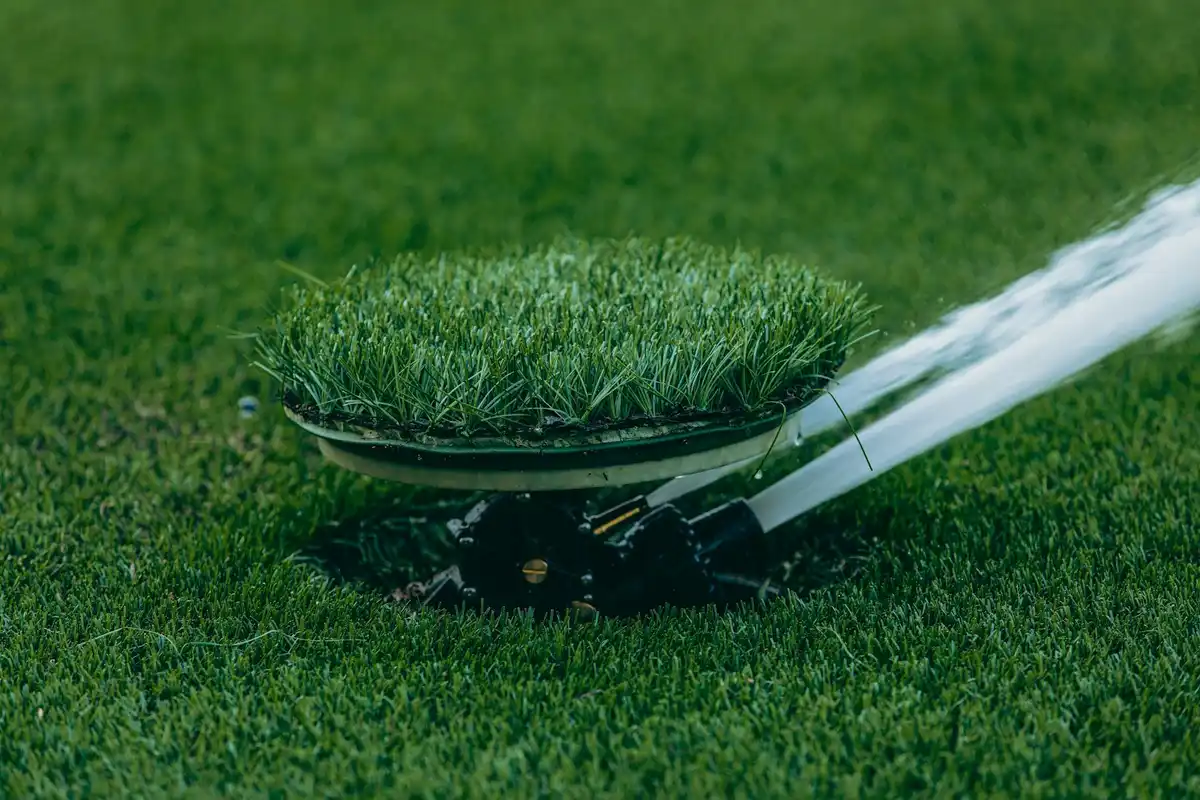
Think of your lawn’s year like a calendar. Each season asks for different things. This checklist walks you through the key actions for overseeding and watering so you know what to do and when. Stick to this, and you build a lawn that gets thicker every year.
Spring Checklist (For Warm-Season Grasses or Late Cool-Season Repair)
Spring is a season of fresh starts, but timing is everything. You’re either waking up warm-season grass or doing quick repairs on cool-season lawns before the heat hits.
- Test your soil temperature. Don’t guess. Use a simple meat thermometer pushed into the soil in the morning. For warm-season grasses like Bermuda or Zoysia, wait until soil is consistently above 65°F. For a cool-season patch job, aim for soil above 50°F.
- Choose the right seed for your existing lawn. I always use a blend that matches what I already have. Mixing in a little perennial ryegrass can help it germinate fast and act as a nurse crop for slower Kentucky bluegrass.
- Apply a starter fertilizer when you seed. Look for one with a good amount of phosphorus to boost root growth right away.
- Begin the Phase 1 watering schedule: keep the top inch of soil constantly damp, like a wrung-out sponge. This usually means light watering 2-3 times a day for 5-10 minutes, just enough to moisten the seeds without creating puddles.
- Watch the sky. If spring rains are heavy, turn off Sunny (the irrigation system) for a day. New seed can wash away or rot if it’s swimming.
Summer Checklist (Maintenance and Damage Control)
Summer is for holding the line. Your goal is to keep the grass you have healthy and stress-free. Think defense, not offense.
- Focus on deep, infrequent watering for established grass. This encourages roots to chase water down into the soil. I aim for about one inch of water per week, applied in one or two long sessions. You can measure this by placing a tuna can on the lawn while you water.
- Spot-overseed only if you have a bare patch from damage. It’s a high-difficulty move. You must commit to keeping that tiny area damp multiple times a day to protect it from the scorching sun.
- Monitor for drought stress. If your footprints stay visible on the grass long after you walk, it’s time for a deep drink.
- Overseeding in peak summer heat is very difficult. Most grass seed will simply bake. It’s better to nurse a thin area through summer and plan a proper overseed for fall.
Fall Checklist (Prime Time for Cool-Season Grasses)
This is the big one. For lawns of fescue, bluegrass, and ryegrass, fall is the season to level up. The soil is warm, the air is cool, and weeds are slowing down.
- Core aerate if your soil is compacted. If water pools or Max the mower bounces over hard ground, do this first. Those little soil plugs left on the lawn give seed a perfect place to nestle.
- Overseed right after aeration. Spread your seed evenly, then gently rake it in to ensure good soil contact. I go over it all with an empty roller, but walking over it works too.
- Apply a gentle, organic fertilizer. I avoid heavy synthetic feeds here; you want steady growth, not a sugar rush that fades before winter.
- Follow the detailed watering blueprint closely for the next 3-4 weeks. This is non-negotiable for success. For a “watering schedule for overseeding fescue” specifically, the mantra is constant moisture. For the first two weeks, water lightly 2-3 times daily to keep the seedbed damp. As the grass sprouts and reaches mowing height, transition to deeper, less frequent watering to train those new roots.
Winter Checklist (Preparation and Protection)
Your lawn is dormant, but your planning isn’t. Winter tasks are simple but protect the hard work you did in the fall. Now is the time to prepare for winter. Winterizing your lawn helps protect it from cold weather.
- Stop watering as temperatures consistently freeze. Water on frozen ground can ice over and smother grass crowns.
- Keep leaves raked off the grass. A thick mat of leaves blocks sunlight and invites mold and disease. My friend Patch taught me that the hard way one year.
- Plan your seed and supplies for spring or fall. Winter is the perfect time to order what you need, read up on new techniques, and service Max so he’s ready for the first cut.
- In mild climates like parts of California, winter might be an overseeding window for some grasses, like using annual ryegrass to green up a dormant Bermuda lawn. It’s a special case, but it works.
Your Overseeding Watering Schedule, Demystified
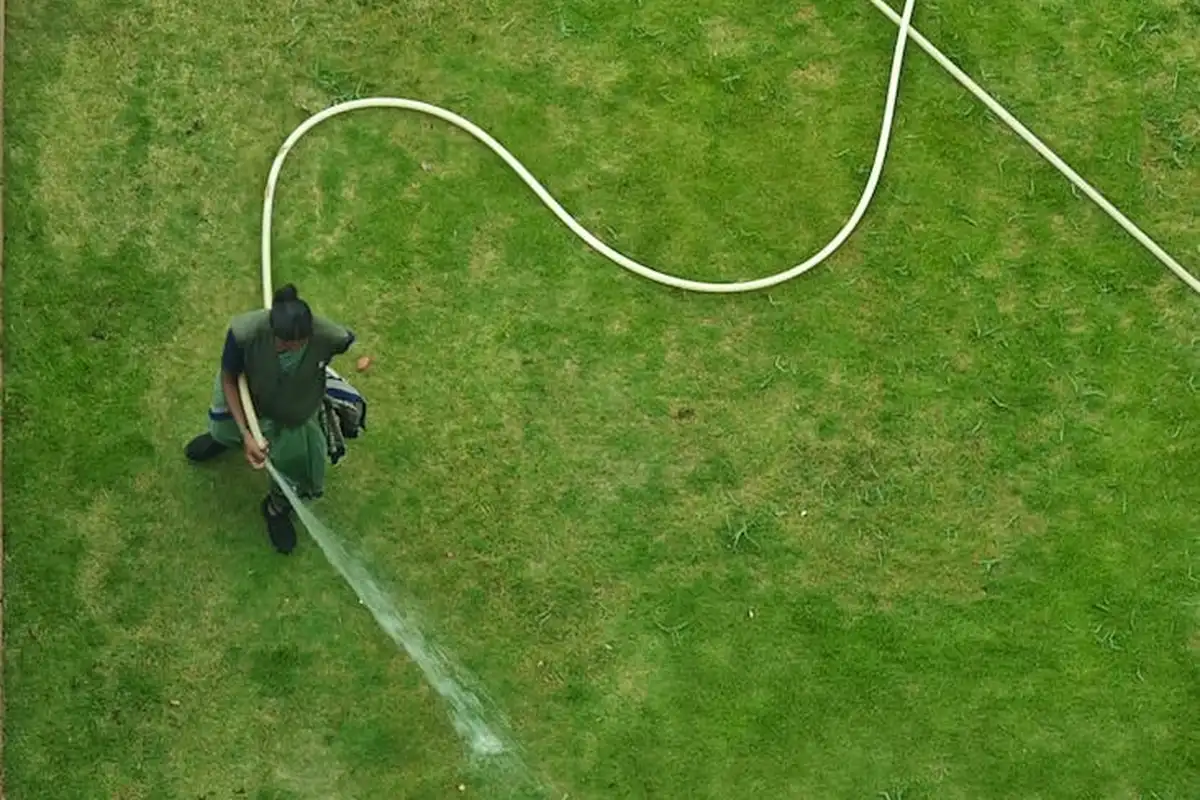
What’s the basic watering schedule right after I overseed?
For the first two weeks, water lightly 2-3 times daily to keep the top inch of soil like a damp sponge. After the grass sprouts, switch to watering deeply every other day to train those roots to grow down, not just out.
What makes the fall overseeding watering schedule so special?
In fall, you get a perfect partner: cooler air reduces evaporation, so your light, frequent waterings actually stay where you put them. This means you can often water less than you would in spring and still get greedy, thick germination.
I’m overseeding my Tall Fescue lawn. Do I water it differently?
Not really-stick to the universal blueprint of constant moisture for 14 days, then deep soaks. The key with fescue is nailing the fall timing; get that right, and your watering schedule becomes a simple, set-it-and-forget-it routine.
How do I adjust the watering schedule for overseeding in a dry climate like California?
In arid climates, your enemy is sun intensity. You’ll likely need to add a brief midday watering to your schedule to prevent the seedbed from baking. Mulching with a thin layer of peat moss can be a game-changer to lock in that precious moisture.
What’s the biggest watering concern for overseeding in a place like Minnesota?
Up north, early frosts are the main threat. Water in the morning so the soil and seedlings have time to absorb moisture before temperatures drop at night. Your goal is robust growth before winter hits, so don’t slack on that deep-watering phase to build strong roots.
Keeping Your Overseeding on Track

The real secret is to seed when your grass wants to grow most-for most of us, that’s fall. Then, protect your work with a gentle, consistent watering schedule that keeps the soil damp like a wrung-out sponge. Get that timing and moisture right just once, and you’ll see a thicker lawn that practically takes care of itself.
Remember, a great lawn is one that fits your life and our little ecosystem. I’m always learning from my own yard, like how adjusting Sunny’s schedule saves water or what Patch teaches me about patience, and I encourage you to do the same. Small lawn-care choices impact water use, soil health, and local wildlife. The best practices keep your lawn green while treading lightly on the environment.
Related Guides and Information
- r/lawncare on Reddit: Amount of water daily for overseeding
- Watering After Overseeding – Heartland Lawn Care Blog
- The Perfect Watering Schedule After Overseeding Your Lawn – Turfxpert
- Watering & Care Instructions for Overseeding Your Lawn
- What Is the Perfect Watering Schedule for My Newly Overseeded Lawn? | Lehigh Valley Lawn
- Overseeding watering | Lawn Care Forum
- Overseeding water schedule | Lawn Care Forum
Written by Ria Carrington. Ria is an avid lawn care enthusiast and advisor. No lawn is unsalvagable when Ria is at work. She has helped countless homeowners breath new life into their dying lawns. She has a B.Sc in Agriculture and brings practical advice combined with knowledge of plant science and her decade worth of hands on experience.