
Are You Cutting Your Grass Wrong? Smart Mowing for a Lush Lawn
If your lawn looks thin or stressed after a mow, the problem might be your technique, not your grass.
We will cover the one-third rule, why blade sharpness matters, how mowing height changes with seasons, and efficient patterns that save time.
I’ve dialed in this routine over years with Max, my zero-turn mower, to get thick results without wasted effort or money.
Gear Up: Your Mower and the One-Third Rule
Let’s talk about the machine itself. My zero-turn, Max, is a beast, but even he can’t perform without a sharp blade. A dull blade doesn’t cut grass. It tears it.
Think of it like paper. A sharp pair of scissors gives you a clean edge. A dull pair leaves a ragged, frayed mess. That’s what happens to your grass blades. A ragged cut stresses the plant, turns the tips brown, and opens the door for disease. A clean, sharp cut heals fast and looks crisp. You can hear the difference, a clean snap versus a dull rip.
Before you fire up your mower, run through this quick checklist. It takes two minutes and saves you hours of headaches.
- Sharp Blade: This is non-negotiable. Sharpen it at least twice a season.
- Clean Undercarriage: Caked-on grass clippings block airflow and discharge. A quick scrape after each mow keeps things running smooth.
- Full Tire Pressure: Uneven pressure leads to an uneven cut. Your lawn will look striped with high and low spots.
- Fresh Fuel & Oil: Stale gas and dirty oil are the top reasons mowers won’t start. Don’t save last season’s fuel for this season’s first cut.
Now, the golden rule: never remove more than one-third of the grass blade’s height in a single mowing. If your lawn is 3 inches tall, never cut it below 2 inches in one go.
Cutting off too much at once is called scalping, and it’s like giving your soil a bad sunburn. It exposes the soil and the tender crown of the grass plant to harsh sun, drying everything out and inviting every weed seed in the neighborhood to move in. Patch, my stubborn shady spot, started because I got lazy and scalped it once. It took two seasons to recover. Mow more frequently to stay within the one-third limit, and your lawn will reward you with thick, healthy growth that crowds out problems.
How to Cut a Lawn Properly: The Step-by-Step Pattern
This is your routine for a standard weekly cut on a lawn you’ve been maintaining. It’s a mindful practice, not a race.
Step 1: Mow When Grass is Dry
Always wait for the dew to burn off or for a day after rain. Wet grass clumps together. It sticks to your mower’s deck, clogs the discharge chute, and gets matted down instead of being cleanly cut. That wet mat on your lawn is a breeding ground for fungus. A dry cut is a clean cut that leaves your lawn looking tidy and healthy.
Step 2: Set Your Mower Height for Your Grass Type
One height does not fit all. Taller grass shades the soil, retains moisture better, and develops deeper roots. Here’s a simple guide for your most common home lawn grasses.
| Grass Type | Ideal Mowing Height (inches) |
|---|---|
| Kentucky Bluegrass | 2.5 – 3.5 |
| Perennial Ryegrass | 2 – 3 |
| Tall Fescue | 3 – 4 |
| Fine Fescue | 2.5 – 3.5 |
| Bermuda Grass | 1 – 1.5 |
| Zoysia Grass | 1.5 – 2.5 |
When in doubt, mow on the higher end of the range. It’s better for the grass.
Step 3: Start with a Perimeter Pass
Don’t just dive into the middle. Make one full lap around the entire edge of your lawn. This creates a clean turning track for you. This border gives you a clear path to pivot your mower, making the rest of the job much faster and neater. It’s like framing a picture before you fill it in.
Step 4: Mow in Straight, Overlapping Rows
Now, pick a side and start mowing in straight lines. Overlap each pass by about an inch to ensure you don’t miss any strips. The real secret? Change your mowing direction every single time you mow. If you mow north-south this week, mow east-west next week.
Changing direction prevents the grass from permanently leaning in one direction (called grain) and helps avoid soil compaction from the wheels always running in the same ruts. It’s the easiest way to get that professional, checkerboard look without any extra work.
Step 5: Handle Clippings: To Bag or To Mulch?
Unless the grass is excessively long and clumping, leave the clippings on the lawn. This is called grasscycling. Those tiny clippings decompose quickly, returning valuable nitrogen and moisture directly back to the soil. Mulching your clippings is free, natural fertilizer that reduces your need for added chemicals. It’s a core practice for a healthier, more self-sufficient lawn. Bag only if you’ve let the grass get too tall and the clippings will smother the living grass beneath.
A Quick Note on Riding Mowers
If you’re on a rider like Max, the principles are the same. Just remember your machine is wider and heavier. Plan for wider, gentler turns to avoid tearing up the turf. Be extra cautious on slopes. Mow up and down, not across, to prevent tipping. The weight can compact soil more easily, so sticking to a dry lawn and changing your pattern is even more critical.
Tackling Trouble: How to Cut an Overgrown Lawn and Control Weeds
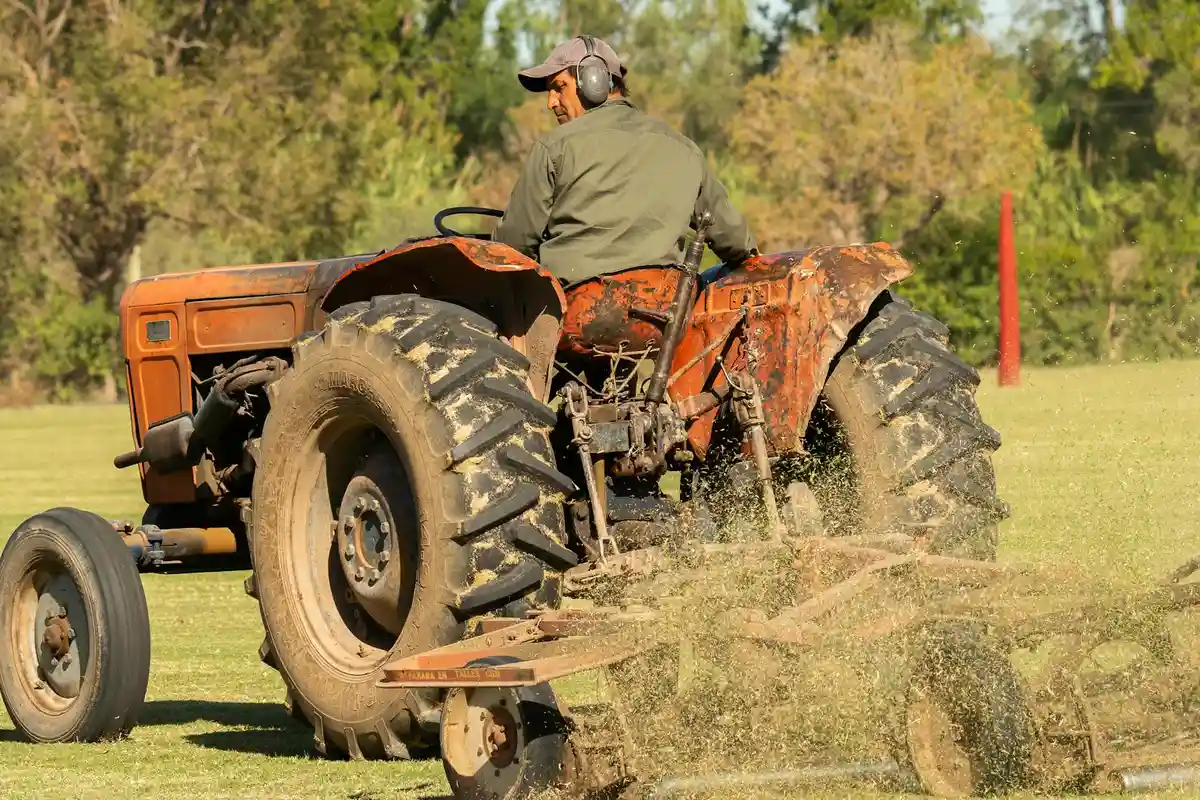
We’ve all been there. A busy week, a rainy stretch, and suddenly your lawn looks more like a meadow. It’s tempting to just set the mower as low as it goes and power through. I’ve done it, and it’s a mistake that leaves the grass pale, stressed, and vulnerable for weeks.
The right way to reclaim an overgrown lawn is with patience and a graduated multi-pass method that avoids shocking the grass. This is where my zero-turn, Max, and I have a system down pat.
The Graduated Cut: A Two or Three-Pass System
Think of it like trimming your hair. You wouldn’t go from waist-length to a pixie cut in one snip. Grass needs the same consideration.
- First Pass: The Trim. Start by simply trimming the very tips off. Set your mower to its highest setting. For cool-season grasses like fescue or Kentucky bluegrass, that’s often around 4 inches. Just skim the top third off the grass blades. This initial cut reduces the bulk without exposing the tender lower stems to sudden harsh sunlight.
- Second Pass: The Reduction. Wait a day or two for the grass to recover. Then, lower your mower blade by one setting (about 0.5 to 1 inch lower) and mow again. You’re now taking it down to a more manageable height.
- Third Pass (If Needed): The Finish. If the lawn was extremely tall, you might need a final pass a few days later to reach your ideal seasonal height. For most situations, two passes over a few days is perfect.
This method prevents the grass from going into shock, which can turn it yellow and stunt growth. It gives the plant time to adjust its energy flow from the remaining green blade.
Your Mower Height is a Silent Weed Warrior
Here’s a secret I learned from battling weeds in my own yard: mowing tall is one of the simplest, most effective weed control techniques you have. A taller, thicker lawn acts like a living mulch, shading the soil surface and preventing many weed seeds from ever getting the sunlight they need to germinate. It’s a mowing strategy that’s especially effective for weed control.
Think of crabgrass and many broadleaf weeds as opportunists. They thrive in thin, weak lawns with bare patches of soil. By mowing your cool-season grass high (3.5 to 4 inches is my sweet spot), you encourage it to grow denser. That dense canopy blocks the sun, naturally suppressing weeds. It’s a free, pollinator-friendly defense system built right in. To achieve a healthy, beautiful lawn, pair these mowing practices with proper watering and nutrient management.
Dealing with Stubborn Spots Like “Patch”
Then there’s Patch, that shady, damp corner under my oak tree where grass struggles and weeds think they own the place. You can’t always fix these areas with the big mower. For Patch, I use a two-part tactic:
- Spot-Trimming: I keep a dedicated pair of garden shears or a small string trimmer for these spots. I’ll meticulously trim the weeds down without scalping the few struggling grass plants around them. It’s a focused attack.
- Patience and Soil Care: Mowing alone won’t fix Patch. The long-term solution is improving the soil and maybe choosing a shade-tolerant grass seed. But regular, careful trimming prevents the weeds from going to seed and spreading, buying me time for the bigger fix. It’s a reminder that lawn care is sometimes a game of smart containment.
Beyond the Basics: Patterns, Timing, and Pro Moves
Once you’ve got a healthy, regularly cut lawn, you can start playing with the details. This is where the art meets the science, and it’s honestly the fun part.
How to Cut Diamonds (or Stripes) in Your Lawn
People see those perfect ballfield patterns and wonder how to cut diamonds in a lawn. The good news is, it’s less about skill and more about a simple attachment: a lawn mower roller. Those classic stripes or checkerboards are created by bending the grass blades in different directions with the weight of a roller.
To make a diamond pattern, you mow your first set of stripes. Then, you mow again at a 90-degree angle to those first stripes. The grass bent one way from the first pass gets bent perpendicular on the second pass, creating that checkerboard effect. It looks complex, but it’s just two passes in different directions — just one of several lawn patterns you can use. No roller? You can still get faint stripes from the mower deck’s direction, but a roller makes them pop.
The Speed Question: Fast vs. Slow Mowing
I love letting Max open up on a straightaway as much as the next person, but speed has a direct impact on your cut. Mowing too fast, especially with a riding mower, causes the mower deck to “float” over the turf. This leads to an uneven, scalloped cut where some blades are missed entirely.
A steady, moderate pace allows the mower deck to stay level and the blades to cleanly slice each grass blade, rather than tearing it. A torn blade has a ragged, brown tip that stresses the plant. A clean cut heals faster and stays greener. Find a pace where the engine sound is consistent and you’re not bouncing in the seat. Your lawn will look and feel noticeably better.
Listening to the Seasons: Blade Height Adjustments
Your mower’s height setting isn’t a “set it and forget it” deal. The grass’s needs change with the weather.
- Summer Heat: When the sun is blazing, raise your blade. Taller grass shades its own roots and the soil, conserving precious moisture and staying cooler. It’s your lawn’s natural sunblock.
- Fall Prep: As temperatures cool, you can lower the blade slightly for the last few mows of the season. This helps prevent matting under winter snow and can reduce the habitat for certain pests. Just never remove more than one-third of the blade in a single cut to get there.
The Best Time of Day to Mow
I’m a morning person, and my lawn has thanked me for it. Mowing in the cooler, morning hours (after the dew has dried) reduces stress on the grass and is easier on your mower. The grass has the whole day to heal those fresh cuts before nightfall, which can bring dampness and potential disease.
I also do it for Max. Mowing in the heat of a summer afternoon is hard on any engine. Giving him a cooler, morning workout means he runs smoother and lasts longer. It’s a small ritual a cup of coffee, the morning sun, and the crisp, clean smell of a fresh cut. It sets the tone for the whole day.
Common Lawn Mowing Mistakes and How to Avoid Them

We’ve all been there. You follow a routine, but the lawn just doesn’t look right. It’s thin, it’s brown at the tips, or it grows unevenly. Often, the problem isn’t your grass, it’s a simple mistake in your mowing technique. Here’s a quick list of the usual suspects and how to fix them for good.
Mowing Too Short (“Scalping”)
This is the biggest mistake I see. Cutting grass too low exposes the soil, dries out roots, and lets weeds move in. It stresses the plant terribly. Your grass blade is the plant’s solar panel, and cutting it too short starves the roots. The fix is simple. Set your mower deck higher. For most cool-season grasses, aim for 3 to 4 inches. For warm-season grasses, 2 to 3 inches is a good target.
Using Dull Mower Blades
A dull blade doesn’t cut, it tears. You’ll see a whitish, ragged tip on each grass blade instead of a clean, green slice. Those torn ends lose more water, open the door for disease, and give your lawn a hazy, gray look. Sharpening your mower blades 1-2 times per season is non-negotiable for a healthy, clean cut. It’s like using a sharp knife in the kitchen everything works better.
Mowing on a Calendar Schedule
Mowing every Saturday morning because that’s when you have time is a recipe for problems. Grass grows at different speeds based on rain, heat, and season. Mow based on grass height, not the day of the week. A good rule is the “One-Third Rule.” Never cut off more than one-third of the grass blade’s height in a single mow. If your ideal height is 3 inches, mow when it gets to about 4.5 inches.
Always Mowing in the Same Direction
If you always mow north to south, your grass blades will permanently lean in that direction. This can create ruts in your soil and cause the grass to grow at an angle, making it look thin. Change your mowing pattern every time you mow. Go north-south one week, then east-west the next, or on a diagonal. This encourages upright growth and prevents soil compaction from the wheels always rolling in the same tracks.
Bagging Clippings Every Single Time
Those clippings are not waste, they are free fertilizer. Bagging them removes nutrients and organic matter your soil craves. Leaving short clippings on the lawn (called “grasscycling“) returns nitrogen and other nutrients directly back to the soil. After mowing, simply leave the clippings to lie on the turf so they can break down naturally. This grasscycling keeps nutrients close to the roots and reduces the need to bag. It reduces thatch, not causes it. The key is mowing often enough so the clippings are small and disappear into the turf quickly. I only bag if the grass is so long it would clump and smother the lawn beneath.
Tools and History: From Scythes to Zero-Turns
Before we had the rumble of a mower engine, maintaining grass was serious work. Lawns as we know them started on estates, and grass was kept short by teams of men with scythes or by grazing animals like sheep. It was functional, not pretty. The first push mower was invented in the 1830s, changing everything. That shift is part of the ongoing lawn mower technology evolution. Today, we have it incredibly easy, and the right simple tools make professional results achievable for any homeowner.
You don’t need a garage full of gear. Just a few reliable tools will do the job.
- The Mower: This is your workhorse. Whether it’s a push reel mower for a small lawn, a sturdy walk-behind like mine, or a zero-turn rider for acres, keep it tuned and the blades sharp. My zero-turn, Max, has been with me for five seasons of reliable service.
- The String Trimmer: Also called a weed eater, this cleans up edges, fences, and around trees where the mower can’t reach. It’s the detail work that makes a lawn look crisp.
- The Leaf Blower (or a Stiff Broom): Used lightly, this clears clippings from sidewalks and driveways after you mow. It keeps things tidy and is much faster than sweeping.
- A Sharpening Kit: A basic file, sharpening stone, or a visit to a local shop. This kit is for your mower blades. Dull tools make hard work.
These tools work hand-in-hand with a smart lawn care system. Just like my drip irrigation setup, Sunny, delivers water right to the roots efficiently, a good mowing routine supports the overall health of the lawn from the top down. Healthy grass from proper mowing needs less water, resists pests naturally, and provides better habitat for pollinators. It’s all connected. When you mow correctly, you’re not just cutting grass, you’re cultivating a living, resilient carpet that’s safe for pets and play.
Greedy Grass FAQ: Mowing Smarter, Not Harder

As a beginner, what’s the one technique I should master first?
Commit to the One-Third Rule. Never cut off more than one-third of the grass blade height in a single mow, as this prevents scalping and shock, letting your grass grow thick and greedy. Pair this with a sharp mower blade for a clean cut that heals fast and looks crisp.
What’s the simplest “pro” technique I can start using today?
Change your mowing pattern every single time you mow. Mowing in the same direction every week trains your grass to lean over and creates ruts, while alternating patterns encourages upright growth and prevents soil compaction for a stronger lawn.
How does my mowing speed really affect my lawn’s health?
Mowing too fast causes the deck to bounce, giving you a ragged, uneven cut that stresses the grass. A steady, moderate pace lets the blades slice cleanly, which is better for the plant and leaves a far more polished finish.
Can I create nice stripes without a fancy striping roller?
Absolutely. The weight and direction of your mower deck naturally bends the grass. For visible stripes, mow in straight, parallel lines, then mow your next pass in the opposite direction; the contrast between grass bent toward you and away from you creates the classic striped effect.
How does frequent mowing actually help control weeds?
Regular mowing cuts off weed flower heads before they can go to seed, stopping their spread. Combined with mowing at a higher height, this allows your grass to form a dense, shading canopy that naturally crowds out weed seedlings trying to sprout.
Your Next Cut Is the Most Important
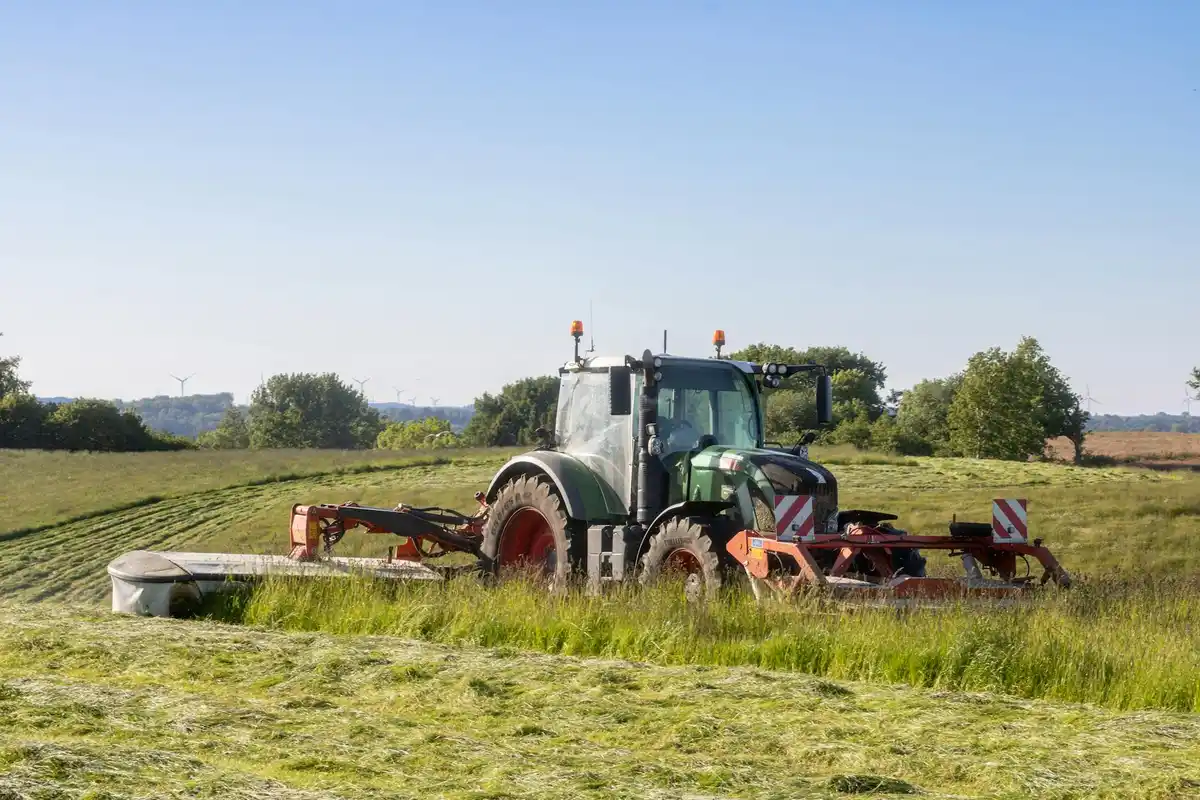
The best thing you can do is pick one rule and stick with it: never cut more than one-third of the grass blade. Everything else, from sharpening your mower blade to changing your pattern, supports that single goal. Just focus on this, and your lawn will get thicker with every pass of the mower.
A great lawn is about responsible care, starting with simple choices like leaving clippings as natural fertilizer and adjusting your height with the seasons. Watch how your grass responds after each cut, and you will keep learning what makes your specific lawn thrive.
Sources and Additional Information
- r/lawncare on Reddit: What’s the proper way to mow the lawn?
- A Guide On How To Mow The Lawn | ScottsMiracle-Gro CA
- How to Mow a Lawn | RHS Advice
- Mowing practices for healthy lawns | UMN Extension
- How to mow your lawn… | Lawn Care Forum
- How to Mow a Lawn
- Lawn Mowing Guide | RHS Advice
Written by Ria Carrington. Ria is an avid lawn care enthusiast and advisor. No lawn is unsalvagable when Ria is at work. She has helped countless homeowners breath new life into their dying lawns. She has a B.Sc in Agriculture and brings practical advice combined with knowledge of plant science and her decade worth of hands on experience.