
How Long Does Lawn Fertilizer Take to Work? Your Real-World Timeline
You spread the fertilizer and now you’re staring at your lawn, waiting for that lush green to appear. I get it, that anticipation is a feeling every homeowner knows.
We will cover how soon you can expect to see changes, the key factors that hurry or delay results, and smart choices to match fertilizer with your lawn’s needs.
My advice comes from years of weekend tests with Max, my mower, finding what delivers results without wasting money.
At a Glance: Key Factors That Control the Clock
When you wonder how long does fertilizer take, remember it is not instant. Think of feeding your lawn like cooking. Quick release fertilizer is a microwave meal. Slow release is a slow cooker stew. To plan your next feed, consider Scotts fertilizer application timing to sync with seasonal growth. This helps ensure nutrients are released when the grass needs them most.
Fertilizer “working” means the nutrients are available to grass roots, which can happen in hours. “Showing results” means you see greener, thicker grass, and that takes days or weeks. A few main things control the clock.
- Fertilizer Type: Fast liquid feeds act quickly. Slow granular feeds release over time.
- Soil Health: Healthy, loose soil lets nutrients move fast. Compacted soil slows everything down.
- Weather and Water: Granular fertilizer needs moisture to start. Soil temperature decides how active your grass roots are.
- Your Lawn’s Condition: A healthy lawn responds faster. A thin, stressed area recovers slower.
What Determines How Fast Your Fertilizer Works?
Let’s break down each factor. This shows you where to focus your effort for the quickest, safest results.
The Fertilizer Formula: Fast Food vs. Slow Feeds
Liquid or soluble fertilizers are like fast food for your grass. The nutrients are already dissolved, so roots can use them almost immediately. You might notice a color change in 3 to 5 days.
Granular slow release fertilizers are different. They have tiny coatings that break down with water and time. This gives a steady meal over 6 to 8 weeks. I use these for most of my lawn because they are gentler and reduce the chance of burning the grass, unlike quick-release fertilizers.
Starter fertilizers are a special mix, often high in phosphorus. They help new grass seeds establish roots. When I overseed, a starter fertilizer gives those seedlings the best start.
For a pet safe and pollinator friendly lawn, choose organic or polymer coated slow release options. They stay put in the soil, reduce runoff, and are safer for pets and local waterways.
Your Soil’s Health: The Sponge Test
Your soil is the gateway for all fertilizer. Picture a kitchen sponge. A healthy, fluffy sponge soaks up water instantly. A hard, packed down sponge just lets water bead up and run off.
That shady corner I call Patch taught me this. The soil was so compacted that fertilizer just sat on the surface. It took aeration to open it up and let the food in.
The single best step before fertilizing is a simple soil test. It tells you your soil’s pH and what nutrients it lacks. Grass likes soil slightly acidic. If the pH is too high or too low, the fertilizer cannot do its job well, no matter how fast it works.
Weather and Water: The Delivery System
Granular fertilizer needs water to dissolve. Without a good rain or watering, those pellets just sit there. This is where Sunny, my drip irrigation setup, earns its keep. A thorough watering right after I spread fertilizer gets the process moving.
Soil temperature is a silent partner. Grass roots wake up and get hungry when soil is consistently above 55°F. In early spring, if the ground is still cold, fertilizer will take longer to show results because the roots are barely active.
For the fastest start, apply granular fertilizer just before a expected rain or schedule a watering with your irrigation system. This delivers the nutrients right when the grass is ready to eat.
Your Lawn’s Starting Point
A thick, vigorous lawn will show fertilizer results quickly. It is already in good shape and ready to grow.
A thin, tired, or weedy lawn is different. It is like someone recovering from an illness. The fertilizer must first help the grass rebuild its root system and strength before you see lush top growth. Patience is key here.
If your lawn is struggling, do not judge the fertilizer by color change alone. Focus on consistent watering and mowing, and the thicker grass will come with time.
Real-World Timelines: From “Applied” to “Awesome”
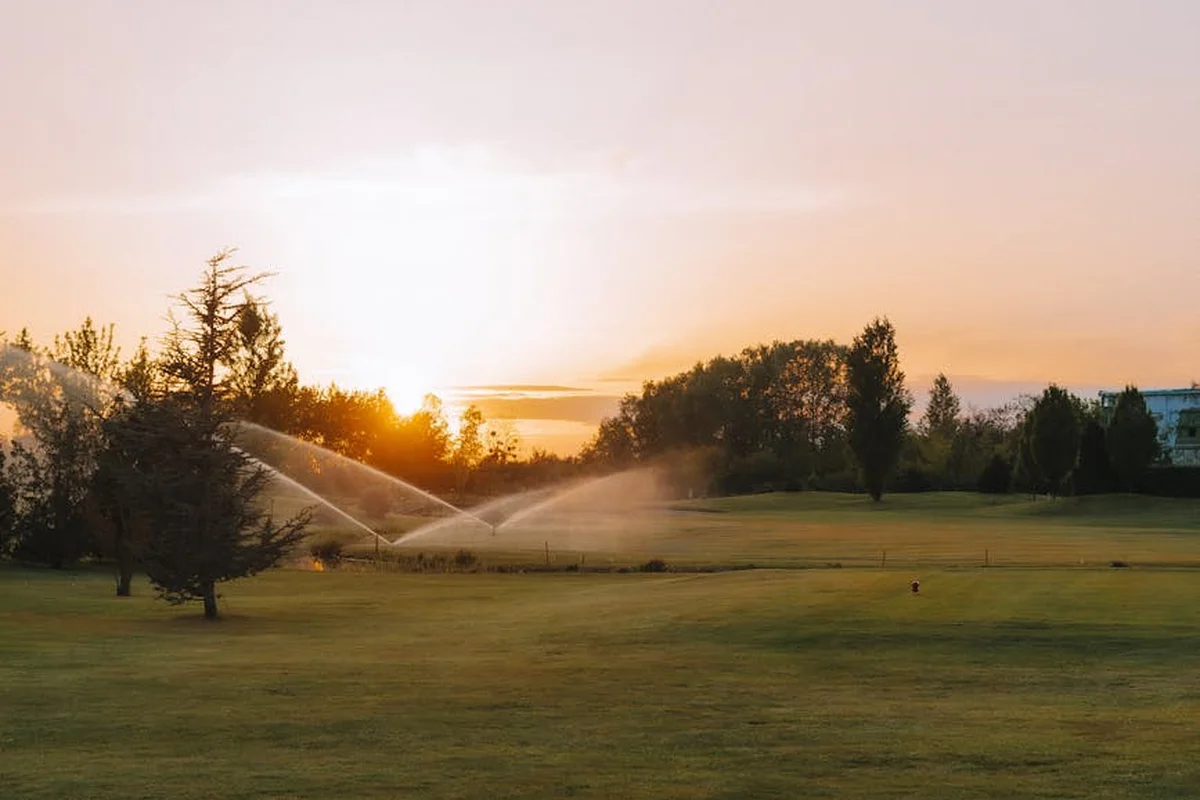
So you’ve put down the feed. Now you’re watching the grass, literally. The waiting is the hardest part, but knowing what to expect makes it easier.
The clock starts when water hits the product, dissolving it and washing those nutrients into the soil for the roots to grab. Here’s what you can realistically expect from the main types you’ll find at the store.
Liquid & Soluble Fertilizers: The Quick Fix
Think of these like an energy drink for your lawn. I keep a bottle for specific, fast jobs.
You’ll often see the first hint of greening within 24 to 48 hours. This answers the common question of how long before fertilizer starts working at its absolute fastest.
It’s a great tool for a rapid pick-me-up, like before you host a backyard event. But that quick green-up comes from nutrients that are immediately available and used up just as fast.
It’s a short-term solution, not a long-term feeding strategy.
Standard Granular Fertilizers: The Weekly Feed
This is your classic bag of pellets. You spread it, water it in well with Sunny (my drip system), and then wait.
You should notice a definite green-up starting in about 5 to 10 days after that good watering. The full effect, where the lawn looks uniformly thicker and richer, builds over 2 to 4 weeks.
I think of these as providing a steady “weekly feed” for about a month before the lawn uses up the available nutrients.
Coated Slow-Release Fertilizers: The Set-It-and-Forget-It
These are my go-to for a healthy, steady season. Each little granule is coated in a polymer shell.
Imagine a popcorn kernel. Water and soil warmth make the shell expand just enough to leak out a tiny bit of food, then it seals back up. It does this over and over.
You’ll see results in 2 to 3 weeks, but the magic is in the duration. This controlled release is what determines how long fertilizer lasts in soil, feeding your grass gently for 6 to 12 weeks.
You apply less often, and the grass gets a constant, gentle meal instead of a huge feast and then a famine.
I learned the value of this timing the hard way. A few years back, I had family coming over for a weekend barbecue. The lawn looked a bit pale on Tuesday. I used a liquid feed for that instant 48-hour green-up to look good for the party. But the following Monday, I applied a coated slow-release. That gave me the instant gratification I needed, then set the lawn up for long-term health long after the guests left.
How to Spot the Signs That It’s Working
Don’t just watch for color. Get out there and interact with your lawn. The real proof is in the details.
First, look for a deeper, more uniform green color. It shouldn’t look painted on; it should look like the grass itself is glowing from within.
Then, check the growth pattern. You’ll see thicker turf, with blades growing closer together, crowding out space for weeds.
You’ll feel it, too. Walk on it. A well-fed lawn has a springy, resilient feel underfoot, not a matted, dry sponge feel.
You’ll also notice faster recovery after Max the mower does his work. The grass will bounce back quicker, showing less stress from the cut.
But stay vigilant. More is not better. If you see yellow or brown tips on the grass blades a few days after feeding, that’s fertilizer burn from over-application. A crusty white or blue residue on the soil surface is another red flag.
Always follow the bag rates. A lush lawn should never come from forcing it with chemicals. That excess runs off with rain, polluting waterways and harming the pollinators we’re trying to protect. Understanding the environmental impacts of lawn maintenance helps guide sustainable choices. Smart, low-impact upkeep protects soil and water quality, and supports local biodiversity. True lawn health is slow, steady, and safe for everyone who shares the space.
Lawn Fertilizer Timing: Your Seasonal Roadmap
Wondering when to put down fertilizer so it actually works is half the battle. Understanding your lawn’s fertilizer needs and when to apply it helps you plan the right approach. Get the timing wrong, and you waste money and effort. Get it right, and your lawn responds like it’s been waiting for a signal.
The best timing depends entirely on whether you have cool-season or warm-season grass, as they grow on opposite schedules. Think of it like this: cool-season grasses are marathon runners who love the cool weather of spring and fall, while warm-season grasses are sprinters who take off when the summer heat arrives.
The Golden Rule for Cool-Season vs. Warm-Season Grasses
If you remember nothing else, remember this simple split. For cool-season grasses like Kentucky Bluegrass, Fescue, and Ryegrass, your main feeding windows are early fall and late spring. The fall feeding is the most important one for building strong roots.
For warm-season grasses like Bermuda, Zoysia, and St. Augustine, you feed when they wake up for summer, from late spring through the heat of the season.
For most lawns, a good rule for how long between fertilizer applications is 6 to 8 weeks during the active growing season. This gives the grass time to use up the nutrients before you provide the next meal. A seasonal lawn fertilizer treatment schedule helps tailor these intervals to spring, summer, and fall conditions.
Building Your Simple Fertilizer Schedule
Forget complex charts. Here’s a basic, cue-based calendar you can adapt. Watch for nature’s signals, not just a date on the wall.
- Cool-Season Grasses (North / Transition Zone):
- Late Spring (April-May): Apply when soil temperatures are consistently above 55°F and you’ve mowed 2-3 times. Goal is to strengthen grass before summer stress.
- Early Fall (Labor Day +/- 2 weeks): Apply when nighttime temps start to dip. This is the big one for root growth and repair.
- Late Fall (October-November): A light “winterizer” feeding after the last mow, when grass growth slows but roots are still active.
- Warm-Season Grasses (South):
- Late Spring (May): Apply when grass is fully green and growing aggressively, not just when it first wakes up. For lawn fertilizer timing in Texas with Bermuda grass, this is often when soil temps hit 65°F.
- Early Summer (June): A follow-up feeding to support peak growth.
- Late Summer (August): A final feeding to help the lawn store energy before it goes dormant. Do not feed too late into fall.
When to Feed for Specific Goals
Your timing shifts slightly based on what you want to accomplish.
For a fast spring green-up, use a balanced, quick-release fertilizer as soon as your cool-season grass starts growing. For warm-season lawns, wait until full green-out.
To defend against summer stress, feed cool-season grasses a slow-release product in late spring. For warm-season grasses, a summer feeding with potassium can boost heat tolerance.
For critical fall root building, that early fall feeding for cool-season grasses is non-negotiable. Use a fertilizer higher in potassium to encourage deep, sturdy roots that survive winter.
Common Lawn Care Mistakes and How to Avoid Them
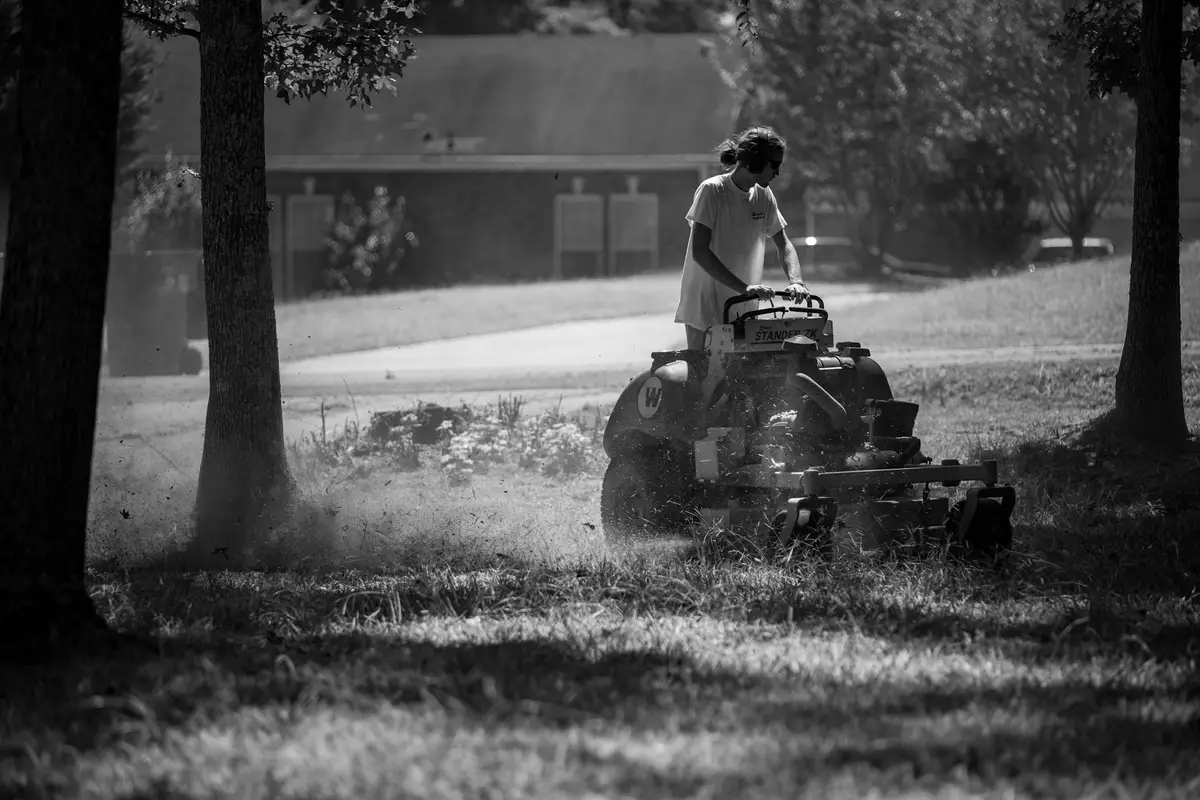
I’ve made a few of these myself. Learning from them is what turns a weekend warrior into a lawn owner who gets real results.
Mistake: Fertilizing a dormant or drought-stressed lawn.
Feeding brown, crispy grass is like offering a steak to someone who’s asleep. The grass can’t use the nutrients, and the salts in the fertilizer can burn what little life is left. The fix is simple. Before you even open the bag, check your soil moisture. If it’s dry and cracked, water deeply first and wait for the grass to perk up.
Mistake: Using the wrong type for the season.
Throwing down a fast-release, high-nitrogen fertilizer in the peak of summer heat is asking for trouble. It forces a huge, weak growth spurt that burns out the grass. Match the product to the goal. Use slow-release formulas for lasting summer nutrition and quick-release only for targeted spring green-up when the weather is mild.
Mistake: Skipping the soil test.
Guessing what your soil needs is a waste of money. A basic soil test from your local extension office (often under $20) tells you exactly what’s missing. That $20 test saves you hundreds in wasted products and years of frustration by targeting the real problem. It’s the single smartest thing you can do.
Mistake: Overapplying in hopes of faster results.
More is not better. It’s dangerous. Excess fertilizer burns grass blades and roots, and the runoff pollutes waterways. It also harms the soil life-the worms and microbes that keep your lawn healthy. Follow the bag’s rate exactly. A thick, healthy lawn comes from consistent, correct feeding, not one massive overdose.
Mistake: Ignoring the spreader setting.
This one got me good years ago. I loaded up my spreader, set it to what I “thought” was right, and ended up with stripes of dark green, overfed grass next to pale, hungry grass. It looked awful for weeks. Take five minutes to calibrate. Pour some fertilizer on a driveway or tarp, run your spreader over a measured area, and see what’s left. Adjust the setting until you match the bag’s recommended rate. It makes all the difference between an even feed and a patchy mess.
Greedy Grass Pro Tip for Faster, Safer Results
Here is the single best thing you can do after spreading granular fertilizer to see a greener lawn, faster.
Water it in deeply, but only if your soil is thirsty. Think of it as washing the meal down to where your grass can actually eat it. This one action can cut the time it takes for fertilizer to start working in half. It also stops those little granules from sitting on the surface where the next rain can wash them into the street or where they can stick to the feet of bees and butterflies.
I learned this lesson the hard way with Patch, my shady problem area. I’d fertilize and then just hope for rain. The fertilizer would sit there, bright and useless, for days. The weeds loved it. My grass did not.
Here’s how you do it right:
- Check if you need to water. Step on your lawn. If the soil feels spongy and your footprint springs back, wait. If it feels firm and dry, you’re clear.
- Set your sprinkler or let Sunny (my drip system) run. You want to put down enough water to moisten the top 4 to 6 inches of soil. For most lawns, that’s about half an inch of water.
- Watch for runoff. If you see puddles forming, stop. Let the water soak in for 20 minutes, then start again. The goal is a deep drink, not a flood.
This isn’t about rushing nature. It’s about being a good host. You’re delivering the nutrients directly to the root zone where they’re meant to be. This smart step saves you water in the long run, protects the good bugs we need, and gives your grass a clear, fast path to getting thick and strong. The waiting game gets a lot shorter, and the results speak for themselves.
Your Lawn Fertilizer Timing FAQs: Straight Talk from Greedy Grass
How soon after fertilizing should I water my lawn to speed up results?
Water immediately after spreading granular fertilizer to wash those nutrients down to the roots. This simple step can cut the wait time in half and prevent wasteful runoff.
Can I use a one-size-fits-all fertilizer schedule chart?
No, because your grass type and local climate call the shots. Instead, watch for soil temperature and grass growth cues to time your feedings perfectly.
How do I adjust fertilizing times if I live in a transitional climate zone?
Focus on your lawn’s behavior, not just the calendar. Feed cool-season grasses in early fall and spring, and warm-season grasses when they’re vigorously green, adjusting for your microclimate. Pair these steps with a lawn care calendar monthly tasks plan to stay on track. This monthly framework guides when to feed, mow, and monitor your lawn as the seasons shift.
What’s the biggest mistake Texans make with lawn fertilizer timing?
Feeding too early in spring before the soil is warm enough. Wait until your Bermuda or St. Augustine is fully green and growing, not just at first green-up.
If I miss the ideal fertilizing window, is it too late to feed my lawn?
Not at all-just switch to a gentle, slow-release formula. A late feeding is better than forcing growth with a quick-release product that can stress the grass.
Final Thoughts on a Thriving Lawn

Remember, the best lawn fertilizer in the world needs the right time and conditions to do its job. Match your application to your grass’s active growing season and give it the water it needs, then sit tight and let nature take its course. A thick, green lawn isn’t built in a weekend, but with a bit of patience and the right timing, you’ll see the rewards.
Your lawn is a living part of your home’s environment. I always advocate for using products responsibly and learning a little more each season about how to care for your grass in a way that’s safe for pets, pollinators, and the soil beneath your feet.
Sources and Additional Information
- When to Fertilize for a Greener Lawn | ScottsMiracle-Gro US
- When To Fertilize Lawn: Schedule & Application Rates | Milorganite
- Lawn Fertilizer Schedule (Table) | University of Maryland Extension
- When Is the Best Time to Fertilize My Lawn?
- When Should You Fertilize Your Lawn?
Written by Ria Carrington. Ria is an avid lawn care enthusiast and advisor. No lawn is unsalvagable when Ria is at work. She has helped countless homeowners breath new life into their dying lawns. She has a B.Sc in Agriculture and brings practical advice combined with knowledge of plant science and her decade worth of hands on experience.