
What Lawn Mowing Myths Are Costing You a Better Yard?
You’ve probably followed mowing advice that sounds logical but actually stresses your grass and wastes your effort.
We will clear up the “shorter is better” myth, the truth about grass clippings and thatch, why mowing wet grass is risky, and how a dull blade hurts your lawn.
I’ve tested all this over years of Saturdays on my mower, Max, dialing in what really works.
At a Glance: Key Takeaways Before You Start
Think of this as your quick mowing cheat sheet. Forget the old stories and focus on these truths.
- The golden rule is the one-third rule: never cut off more than one-third of the grass blade in a single mow.
- Grass clippings do not cause thatch. Thatch is a mat of stems and roots; clippings are mostly water and break down fast.
- Taller grass is stronger grass. It grows deeper roots, shades the soil to block weeds, and handles drought better.
- Mow high in summer stress and a bit lower in fall and spring for cool-season grasses. Warm-season grasses like it shorter.
- Always take a quick walk around your yard before you start the mower. Look for toys, sticks, and make sure any pets or wildlife are safely out of the way.
The “Shorter is Better” Myth: Why Scalping Hurts Your Lawn
I hear this one all the time. A neighbor sees a perfectly manicured golf green and wants that look at home. So they drop the mower deck and give their lawn a buzz cut. It looks clean for a day, then turns stressed and thin.
Here’s the simple truth. Grass blades are like solar panels. When you cut them too short, you drastically reduce the plant’s surface area to capture sunlight and make food. It’s like giving a plant a bad haircut right before a marathon. It weakens the whole system.
The lawn goes into survival mode, pulling energy from its roots to try and regrow. This shrinks the root system. A scalped lawn looks pale, almost yellowish, and you start to see brown soil peeking through. That exposed soil is a welcome mat for weed seeds.
My simple rule has never failed me. Never cut more than one-third of the grass blade height in a single mow. If you want a lawn at 3 inches, don’t let it grow past 4.5 inches before you mow. This is gentle on the grass.
Your mowing height isn’t set and forget. It changes with the seasons and your grass type.
- Cool-Season Grasses (like Kentucky Bluegrass, Fescue): I keep mine at 3 to 4 inches tall during the hot summer. This shade keeps the soil cooler and helps it hold water. In the cooler fall and spring, I might drop to around 2.5 inches for a cleaner look.
- Warm-Season Grasses (like Bermuda, Zoysia): These thrive on shorter cuts. Think 1 to 2.5 inches. They spread laterally and can handle the lower height better in their growing season.
Remember, taller grass isn’t lazy grass. It’s smart grass. Those longer blades cast shade on the soil, which naturally prevents many common weed seeds from getting the light they need to sprout. It’s free weed control.
How to Tell If You’re Cutting Too Short
Your lawn will tell you if you’re listening. The signs are easy to spot once you know them.
Look for soil exposure. If you can clearly see dirt between the grass blades from a standing position, you’re cutting too short. The lawn should look like a thick carpet, not a thin rug.
A pale or yellowish tint across the whole lawn, not just in dry spots, is a cry for help. It means the grass is stressed and can’t produce enough chlorophyll, the green pigment.
Notice more weeds popping up, especially crabgrass? That’s directly related to the soil being exposed and warmed by the sun, which those weed seeds love.
Try the simple “tug test.” Grab a handful of grass blades and give a gentle upward tug. If the grass pulls up easily with little resistance, the roots are likely shallow and weak from repeated scalping, which is one of the common lawn problems you might need to address.
Don’t trust the numbers on your mower’s lever alone. They can be off. Once a season, I park Max on the driveway and use a ruler to measure from the concrete to the blade tip. I adjust the deck until it matches the height I want. It takes five minutes and makes all the difference.
The Truth About Grass Clippings and Thatch

Let’s clear this up right away. The idea that grass clippings cause thatch is one of the most persistent myths in lawn care. I believed it myself for years, dutifully bagging every single clipping. I was wrong, and I was working harder for no good reason. That’s really about understanding how to remove thatch and manage it wisely. In the next steps, we’ll cover practical lawn thatch removal and management tips.
Thatch is not a layer of clippings. It’s a tight, spongy mat of undecomposed roots and stems that builds up between the soil and the green grass. Think of it like a tangled, old rug sitting on your lawn’s floor. Grass clippings are about 90% water. They decompose incredibly fast, often within a week. They simply don’t stick around long enough to form thatch.
Those short clippings you leave behind act as a light, free fertilizer, returning valuable nitrogen and other nutrients right back to the soil. It’s a perfect, closed-loop system. Bagging them is like raking up dollar bills and throwing them in the trash.
The real culprits behind thick thatch are practices that boost rapid, lush growth faster than the soil microbes can break it down. Over-fertilizing with high-nitrogen products is a big one. Overwatering creates a similar, soggy environment for fast growth. Compacted soil, where microbes and decomposition slow to a crawl, is another major factor.
My advice is simple. Get a mulching blade for your mower (Max got one three seasons ago, and it was a game-changer). It chops the clippings extra fine so they vanish into the turf almost instantly. If you can’t get a mulching blade, just mow regularly with sharp blades and let the standard clippings fly. They’ll disappear on their own.
There is one exception. If you’ve let the lawn get too long and you’re cutting off more than one-third of the blade height, or if the grass is sopping wet, those long, wet clippings can clump and smother the grass. In that specific case, bag them. Otherwise, let them feed your lawn.
More Mowing Misconceptions You Might Believe
Mowing every Saturday morning because that’s what you’ve always done feels right. But your lawn doesn’t own a calendar. Frequent mowing, aligned with growth, supports lawn health. A steady cadence helps the grass fill in and choke out weeds. You should mow based on the grass’s growth rate, not the day of the week. In the cool, damp spring, you might need to mow every five days. In the hot, slow-growth of summer, it could stretch to every ten days or more. The golden rule is the “one-third rule”: never cut off more than one-third of the grass blade height in a single mow.
Driving the same path every time creates ruts and compacts the soil in those tire tracks. It’s like always walking the same line across a carpet. Changing your mowing pattern every time you mow prevents this. Grass blades will also grow more upright instead of leaning in the direction you always cut. I try to go north-south one time, then east-west the next. It keeps the soil under Patch from getting as hard as concrete.
As fall approaches, some think giving the lawn a “buzz cut” is helpful for winter. This is stressful for the grass. You’re removing its food-producing foliage right when it’s trying to store energy in its roots for the cold months. Cutting very short in fall can weaken the root system, making your lawn more vulnerable to winter damage and a slower green-up in spring. For the final mows of the season, just gradually lower the height to your winter setting.
Finally, a sharp mower blade is non-negotiable. A dull blade doesn’t cut. It tears and shreds the grass tips, leaving a ragged, whitish-brown wound. Those torn ends lose more water and are wide open for disease. A sharp blade gives a clean, quick cut that heals fast. The grass stays healthier and looks greener. I sharpen my blades at least twice a season. The sound of the cut changes from a ripping tear to a crisp, clean snap.
Smart Mowing: Avoiding Common Pitfalls
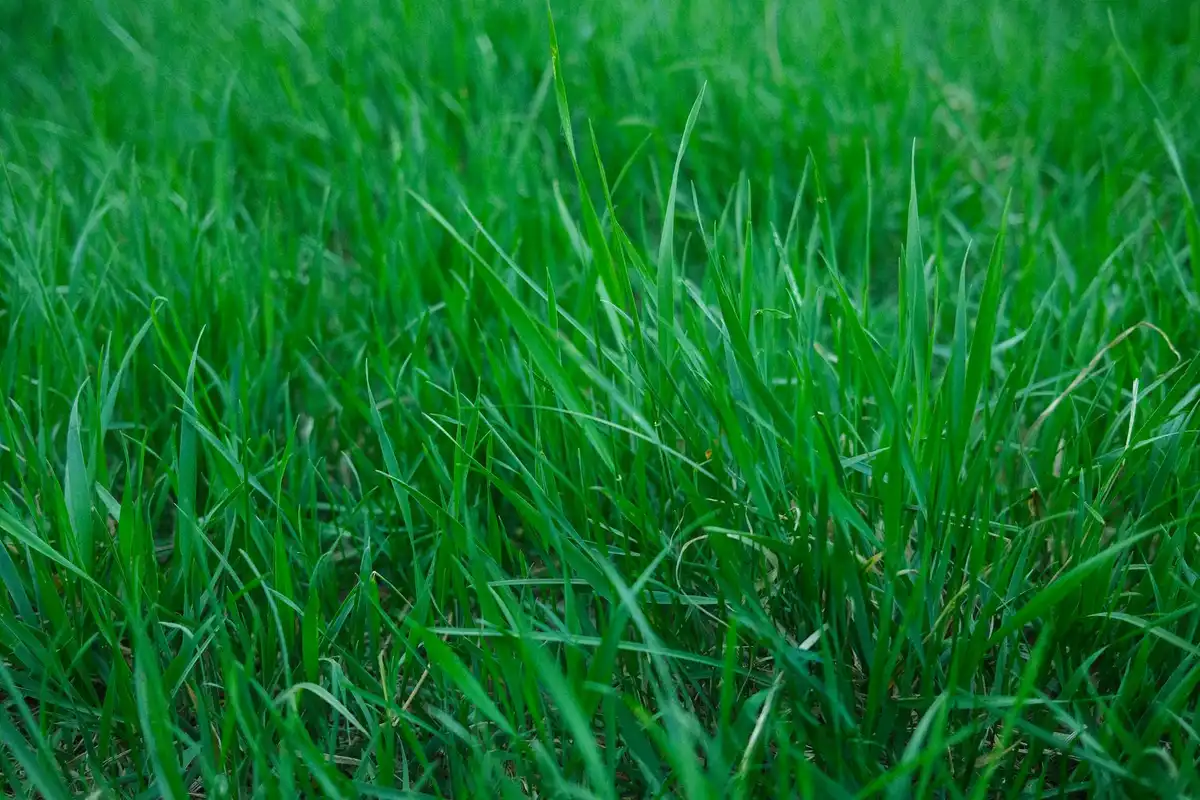
Think of your lawn like a haircut. A bad one stresses you out, and a bad mow stresses your grass. Smart mowing isn’t about following a rigid calendar. It’s about reading your lawn’s needs and responding with simple, effective habits.
Common Lawn Mowing Mistakes and How to Avoid Them
We’ve all made these mowing blunders. The good news is, they’re easy to fix once you know what to look for.
-
Mistake: Mowing a wet lawn. This is a fast track to clumpy grass, uneven cuts, and fungal disease. Mowing wet grass carries several risks as blades bend and tear instead of being cleanly sliced.
Simple Fix: Run your hand over the grass. If your palm gets damp, wait. I check for morning dew and usually plan my mow for the late afternoon when Sunny (my drip system) has been off for hours and everything is dry.
-
Mistake: Cutting too much, too infrequently. Taking off more than one-third of the grass blade height at once is a major shock. It scalps the lawn, exposing soil and inviting weeds.
Simple Fix: Mow more often during peak growth. If your grass gets too tall, raise your mower deck for the first pass, then lower it for a second pass a few days later. It’s better for the grass.
-
Mistake: Using a dull mower blade. A dull blade doesn’t cut. It rips and frays the tips of the grass, leaving a ragged, brownish cast and opening the door for disease.
A sharp blade is the single most cost-effective upgrade for your lawn’s health. It’s like cutting vegetables with a sharp knife versus a dull one. The clean heal is everything. I sharpen Max’s blades twice a season; it takes 20 minutes and makes a world of difference.
-
Mistake: Always mowing the same pattern. Driving the same ruts every week compacts the soil and trains the grass blades to lean in one direction.
Simple Fix: Change your mowing direction each time. Go north-south one week, east-west the next, or on a diagonal. This encourages upright growth and prevents soil compaction from the wheels.
-
Mistake: Bagging your clippings every time. This removes free, nitrogen-rich food from your lawn and contributes to landfill waste.
Simple Fix: Use the mulch setting. As long as you mow frequently and don’t let clumps form, those fine clippings vanish into the thatch layer and feed the soil. They do not cause thatch. Thatch is built from stems and roots, not shredded leaves.
Greedy Grass Pro Tip
My best tip is to schedule summer mows for the late afternoon or early evening. The intense midday sun is gone, and the grass has had a chance to recover from the heat.
I learned this by watching Patch, my stubborn shady corner. Mowing it at noon on a hot day left it looking limp and sad for days. Switching to an evening cut made it perk up noticeably by the next morning. You’re simply avoiding an unnecessary stress event.
And here’s a bonus for our pollinator friends: if you have a corner that’s out of the main sightline, consider letting it grow a bit longer or mowing it less often. Those few extra inches of grass and the occasional clover flower can be a tiny oasis for bees. It’s a small, easy gesture that makes a difference.
Greedy Grass FAQ: Mowing Myths, Straight Answers
How do I find the perfect mowing height for my specific lawn?
Identify your grass type—cool-season grasses like it tall (3-4 inches in summer), warm-season grasses prefer it shorter (1-2.5 inches). Then, use a ruler to set your mower deck accurately, since the lever numbers can lie.
If clippings don’t cause thatch, what does, and how can I prevent it?
Thatch comes from over-fertilizing and overwatering, which make grass grow too fast for microbes to break down. Prevent it by feeding lightly, watering deeply but infrequently, and aerating compacted soil yearly.
Is it ever beneficial to bag my grass clippings?
Only if you’re cutting off more than one-third of the blade height or mowing sopping wet grass, as clumps can smother the turf. In all other cases, mulch those clippings to return free nitrogen to the soil.
Can mowing too short make my lawn more susceptible to drought?
Yes-scalping forces grass to grow shallow roots that can’t access deep water. Keep blades taller to build a deep, greedy root system that sips moisture during dry spells.
How can I tell if my grass is healthy enough to mulch clippings?
If you mow regularly with a sharp blade and avoid cutting wet or overly long grass, your lawn is ready. Healthy turf will vanish fine clippings in days, feeding itself without any thatch risk. Proper mowing techniques are crucial for maintaining lawn health.
Final Mowing Truths for a Healthier Lawn
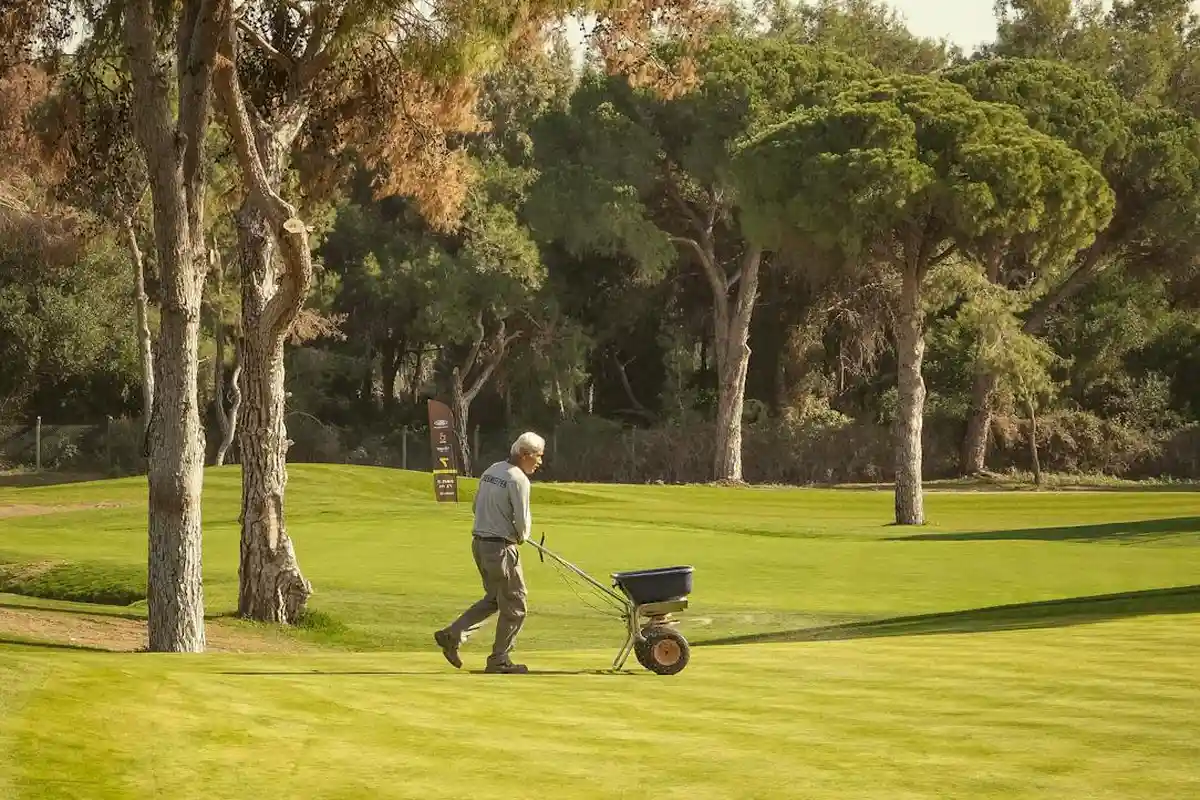
The best thing you can do for your grass is mow it at the right height for its type and never cut off more than one-third of the blade. This single habit builds a dense, drought-tolerant turf that naturally resists weeds and disease.
Good mowing is a quiet act of care that reduces the need for extra water and chemicals, a win for your wallet and the bees visiting your clover. I’m still learning from Patch and fine-tuning Sunny’s schedule, and that’s the real secret-paying attention to your own yard’s story and enjoying the simple progress.
Sources and Additional Information
- Lawn Mowing Myths Busted: Height, Frequency, and Timing
- 6 Myths and Facts about the Basics of Lawn Care | CitiTurf
- Lawn Care Myths: Separating Fact from Fiction for a Healthier Lawn
- 10 Lawn Care Myths You Really Need To Stop Believing
- Lawn Care Myths You Probably Believe – Good’s Tree and Lawn Care
- Debunking Five Common Lawn Care Myths – Advanced Turf Solutions
Written by Ria Carrington. Ria is an avid lawn care enthusiast and advisor. No lawn is unsalvagable when Ria is at work. She has helped countless homeowners breath new life into their dying lawns. She has a B.Sc in Agriculture and brings practical advice combined with knowledge of plant science and her decade worth of hands on experience.