
Should You Really Mow Your Lawn When It’s Wet?
You look out at your soggy grass after a morning shower and wonder if you can just get the mowing over with. Let’s cut through the confusion and talk about what that damp decision really means for your lawn and your wallet.
In this article, we will cover how mowing wet grass damages your turf, the real risks to your mower, the safety hazards you create, and the smart precautions that can save your equipment and your lawn.
I’ve pushed my mower, Max, through his share of dewy mornings and learned these lessons firsthand.
At a Glance: Key Factors
Mowing wet grass feels like a compromise. You know you should wait, but the weekend is short and the grass is tall. I get it. My own mower, Max, has seen his share of damp mornings. Here’s the quick breakdown of what you’re up against and how to handle it, including the best times to mow your lawn.
The Core Risks
Wet grass clumps, invites disease, and makes mowers clog. The clippings stick together and get packed under the deck, leading to a messy stop-and-clear session. Those wet clumps left on the lawn can smother the grass underneath and create a perfect, damp home for fungal diseases.
Your footing becomes unreliable, and traction disappears. Wet soil is soft. Wet grass is slick. Combine that with a heavy machine on a slope, and you have a recipe for a slip or a slide. It’s a real safety issue for you.
You can tear and damage the grass plants instead of cutting them cleanly. A sharp blade slices. A blade hitting waterlogged, limp grass tends to rip and shred the tips. Those ragged ends turn brown, stress the plant, and leave your lawn looking bruised.
The Absolute Must-Do Precautions
Always mow high, go slow, and clean your mower deck after. Set your mower to its highest setting. The extra grass height gives the blades more rigidity to stand up for a cleaner cut. Slow way down. This gives the mower time to process the wet grass and reduces the chance of clogging or slipping. Cleaning the deck immediately after is non-negotiable.
Wait for the right time of day, even if you can’t wait for a dry day. If you absolutely must mow, aim for late afternoon when morning dew has burned off and the day is driest. Avoid mowing right after a heavy rain when water is still pooled.
Use a side-discharge or bagger, never mulch. Mulching kits need dry, crisp grass to chop clippings finely. In wet conditions, they’ll clog almost instantly. Side-discharging spreads the wet clumps out, which you’ll need to rake up afterward. Bagging contains the mess entirely.
Tools You’ll Need for the Job (or the Cleanup)
Going out unprepared just makes a tough job harder. This isn’t about fancy gear, just the right basics to keep you safe and your equipment from suffering.
- Your Mower: Obviously. But know that your mower will work harder. Make sure the air filter is clean and the engine is running smoothly before you start. Max always gets a quick once-over.
- Sturdy, Non-Slip Boots: This is for your safety. You need maximum traction. Think deep-lugged rubber soles that can grip on slick, muddy ground. Ordinary sneakers or sandals are a bad idea here.
- A Stick or Plastic Putty Knife: You will likely get a clog. When you do, always turn the mower off and disconnect the spark plug wire before you reach under the deck. A long stick or a sturdy plastic scraper is the safe way to clear packed, wet grass without damaging the blade or your fingers.
- A Hose or Deck Scraper for Cleaning: This is the most important post-mow step. I hook Sunny the drip system’s hose to a spray nozzle and blast all the caked-on grass from under the deck, the wheels, and the discharge chute. If you don’t have a hose, a dedicated deck scraper works. Leaving that wet, matted grass on there promotes rust and makes the next mow harder.
- A Leaf Rake or Dethatcher: If you side-discharged, you’ll have rows of wet grass clumps. A simple leaf rake is the easiest way to gather them up before they smother your lawn.
Common Lawn Care Mistakes (And How to Dodge Them)
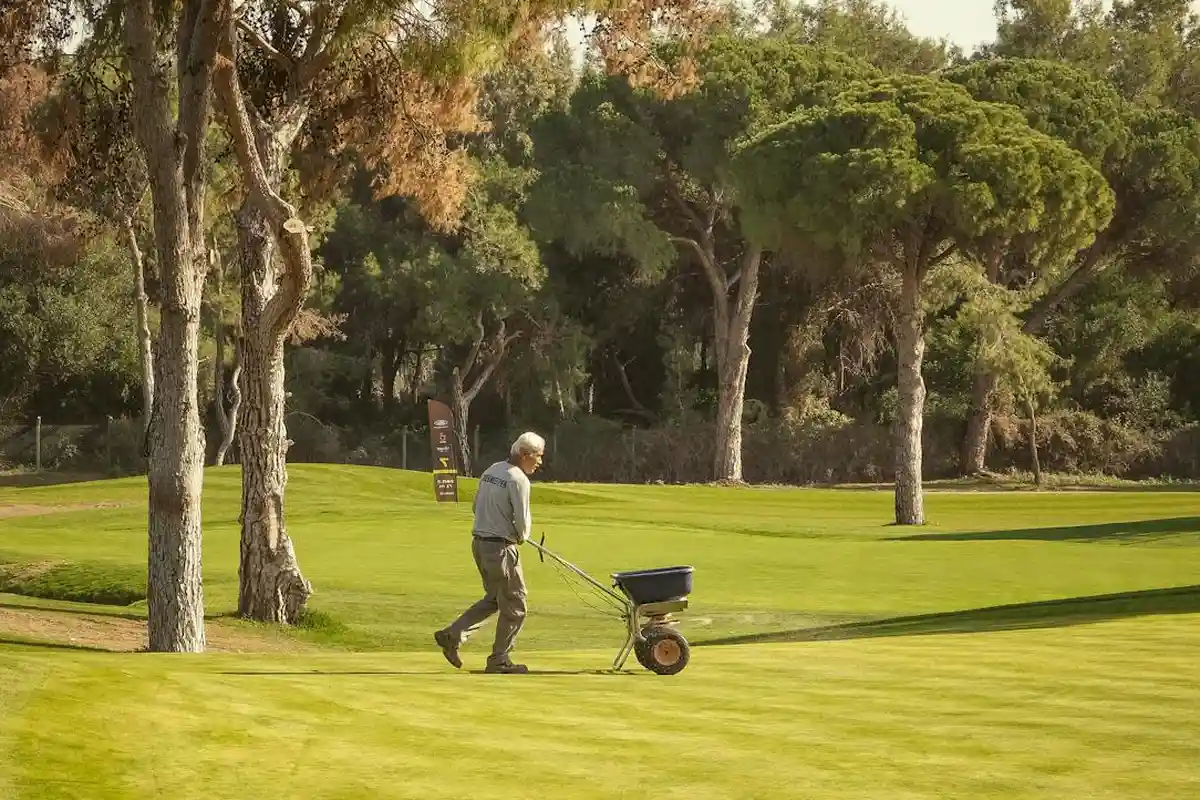
We all make them, especially when the weekend is slipping away and that grass just won’t stop growing. Here are the big ones I see with wet grass, and how to handle them right.
- Don’t mow at your normal height. The grass is heavy and will bend over. Do this instead: Raise your mower deck by one notch, maybe even two. You want to just trim the tips off, not take a full cut.
- Don’t ignore clumping. A few clumps turn into a wet, smothering blanket fast. Do this instead: Stop the mower, tip it back (engine off and cool!), and scrape the deck clean with a stick or putty knife. Your mower and lawn will thank you.
- Don’t use a dull blade. A sharp blade makes a clean cut. A dull one tears and shreds wet grass, inviting disease. Do this instead: Keep a sharpened spare blade on hand. Swap it in when you know you’re mowing damp turf.
- Don’t mow a soaked, squishy lawn. If you leave deep footprints or see water pooling, it’s a hard no. Do this instead: Wait for the sun. Give it a few hours of good daylight to dry the surface. Mow later in the afternoon instead of the morning.
- Don’t bag the clippings. Wet grass clogs baggers instantly and creates a sloppy, heavy mess. Do this instead: Use the side discharge or mulch setting. You’ll spread the clippings thinly so they can break down without smothering the grass beneath.
What Are the Real Risks of Mowing Wet Grass?
It’s not just about a messy cut. Mowing wet grass causes real problems for your lawn, your equipment, and for you. It’s a common misconception that it’s okay to mow when the grass is damp.
For Your Lawn: Fungus and Suffocation
Wet grass clippings stick together. Instead of filtering down to the soil, they clump on top of your living grass, blocking sunlight and air. This creates a damp, dark mat that’s the perfect breeding ground for lawn fungi like brown patch or gray leaf spot. You know that sour, mildewy smell from a forgotten bag of grass clippings in the garage? That’s the smell of trouble starting in your lawn.
For Your Mower: Clogs, Strain, and Rust
Your mower’s deck is designed to create airflow, lifting and cutting dry grass. Wet grass is like gum. It sticks to the underside of the deck, clogging the discharge chute and coating the blade. You’ll hear the engine labor with a bogged-down, whining sound. That strain wears on the engine and drive belts much faster than a normal mow. The constant moisture also speeds up rust, especially on the deck where the paint gets worn thin from debris.
For You: Slips, Throws, and Lost Control
Wet grass is slick. On a slope, it’s like a banana peel on a linoleum floor. You can lose footing with a push mower or, more dangerously, lose traction with a riding mower. Reduced control is a major risk. Wet, heavy clumps of grass can also be thrown from the deck with surprising force, becoming dangerous projectiles. Your visibility for hidden sticks or toys is lower, and your reaction time is slower when you’re focused on not slipping.
How Does Wet Grass Wreck Your Mower?
Let’s get under the deck with Max, my zero-turn. When dry clippings fly through, it’s efficient. Wet grass changes everything. It packs into every corner under the deck, blocking the airflow that keeps the cut going. Think of it like trying to blow thick oatmeal through a drinking straw, the mower’s engine has to work impossibly hard to push anything out. This constant bogging down creates intense heat and friction on the drive belt. The moisture itself acts like a grinding paste, accelerating wear on the spinning blade’s sharp edge. The worst damage is often hidden: rust. That damp grass paste sits against the metal deck, slowly eating away at it, especially on older, trusted mowers where the paint is already worn. After you absolutely must mow damp grass, run the mower for a minute on your driveway or sidewalk. Spinning the blade dry helps flick off moisture and can add years to your mower’s life.
What Are the Biggest Safety Concerns?
This is where you need to be most careful. A riding mower on a wet slope is the single most hazardous scenario. The weight of the machine combined with slick grass can lead to a loss of control or even a rollover. Always mow slopes side-to-side, not up and down, and if it’s wet, just wait. In wet conditions, take a moment to review mowing wet lawn safety tips before you start. They cover footing, slope safety, and appropriate footwear. Another hidden danger is what’s hiding in the grass. A wet stick or a kid’s toy is slick and harder to see, and the mower blade can pick it up and hurl it like a missile. Always walk the area first if you can. Finally, wear the right shoes. Old sneakers with smooth soles are a disaster waiting to happen. Boots or shoes with deep, aggressive tread are non-negotiable for keeping you upright when the ground is wet.
How to Mow Wet Grass If You Absolutely Must
I get it. The grass is long, rain is forecasted for days, and you have a backyard event this weekend. Sometimes you just have to do it. If you must mow a wet lawn, treat it like a delicate operation, not your regular Saturday chore. Follow these steps in order to minimize the damage to your grass and your mower.
- Wait for the driest window. Mow in the early afternoon after the morning dew has burned off, or wait for a light rain to pass. This small wait can mean the difference between damp grass and a swampy mess.
- Raise your mower deck to its highest setting. You are not giving a haircut, you are just taking off the top. Cutting less reduces stress on the grass and helps prevent the heavy, wet clippings from smothering the lawn beneath.
- Move slowly, much slower than usual. A steady, turtle-like pace gives the mower blades time to cleanly slice through wet grass instead of tearing it. Rushing will only clog the deck instantly.
- Make partial passes and double back. Don’t try to cut the full width of your mower deck in one go. Overlap your passes by only half or even a third. If the mower starts to bog down, stop, reverse, and let it clear before going over the area again.
- Rake up clumps immediately after mowing. This is non-negotiable. Those wet, green globs will block sunlight and kill the grass underneath if left sitting. A quick rake breaks them up and lets the lawn breathe.
This process is about harm reduction, not achieving a perfect stripe. Your goal is to get the height down without destroying the turf or your equipment. If at any point it feels like a losing battle, it probably is. Park the mower and try again tomorrow. Sometimes the fix is simply adjusting the lawn mower cutting height to suit your turf. This tiny adjustment can prevent scalping and turf stress.
Pre-Mowing Checklist for Damp Lawns
Before you even think about pulling the starter cord, run through this list. It takes five minutes and can save you hours of cleanup or repair.
- Do the footprint test. Walk on the lawn. If your foot sinks in and leaves a muddy imprint, or if water pools around your boots, stop. The ground is too saturated. If the grass springs back up, you might be okay.
- Clear the runway. Wet sticks, toys, and garden hoses are hidden hazards. They’re harder to see and can become dangerous projectiles or damage your mower blade.
- Wear proper boots. Put on shoes with serious tread. Wet grass is incredibly slippery, and the last thing you need is to lose your footing near a spinning blade.
- Set your mower to its maximum height. Do this now, while the engine is off. It’s the single best setting to prevent scalping and clogging.
- Plan a simple pattern. Choose straight lines or a single spiral. Avoid complex turns. The simpler your path, the less likely you are to slip or tear up the turf.
During and After: The Clean Cut & Cleanup
You’ve checked the list. Now, it’s showtime. Focus on your technique and listen to your equipment.
Start with a steady, slow forward pace. Overlap your passes just enough to ensure you don’t miss a strip, but avoid the usual 50% overlap. Your ears are your best tool here-if the engine starts to labor or sound bogged down, that’s your cue to stop and back up. Let the blades clear before moving forward again.
Watch the discharge chute like a hawk. If you see pure mud getting flung out, or if the mower starts dropping large, wet mats of grass instead of small clippings, you are done. Continuing will rip up your lawn and pack the mower deck solid. There’s no shame in calling it quits.
The job isn’t over when the mowing stops. Post-mow cleanup is mandatory. First, with the engine off and spark plug disconnected, use a putty knife or brush to scrape all the packed, wet grass from underneath the mower deck. If your mower’s manual says it’s safe, a quick rinse can help. Let Max dry completely in the sun. Keeping to a regular lawn mower maintenance schedule helps your mower run smoothly. It also signals when it’s time to service blades, air filters, and spark plugs before the next mow.
Finally, grab a rake and gently go over the lawn to break apart any remaining clumps of grass clippings after mowing. It doesn’t need to be pristine, but you need to let light and air reach the grass blades. This final step is what keeps your lawn healthy after a stressful cut.
Greedy Grass FAQ: Mowing When It’s Wet
What’s the one mower maintenance task I must do after mowing wet grass?
Clean the mower deck thoroughly, then run the mower on your driveway for a minute. This spins off residual moisture to fight rust and keeps your machine hungry for the next cut.
My lawn is always damp in the morning. When is the earliest I should mow?
Wait until the afternoon when the sun has dried the leaf blades. If you can brush your foot across the grass without getting your shoe wet, that greedy grass is ready for a trim.
I have a riding mower. Are the risks different for me?
Yes, traction and control are your biggest concerns. Always mow slopes side-to-side, never up and down, and consider adding weighted tires if mowing damp grass is a frequent necessity for your terrain. On hills, safety should guide every pass to prevent rollovers. Follow established hillslope mowing safety guidelines for best results.
How can I help my lawn recover if I had to mow it wet?
Give it a light rake to ensure no clumps are smothering it, and consider a gentle, organic fertilizer feeding a few days later. This helps satisfy your lawn’s appetite after the stress.
Are some types of grass better at handling a wet cut than others?
Yes, tougher grasses like tall fescue tolerate it better than delicate bentgrass. Know your grass type, but remember: even the greediest turf prefers a clean, dry cut for its best health.
Wrapping Up Wet Grass Wisdom
The simplest and best advice is to let the grass dry before you mow whenever you can. This one habit prevents torn grass, clogged decks, and the frustrating ruts that come from compacting wet soil.
Taking care of your lawn means thinking about the long game for your equipment and your little ecosystem. I’m always learning from my own yard, and sticking to these sensible steps makes the whole process safer and more rewarding for everyone, including the bees in your clover.
Industry References
- r/lawncare on Reddit: Which is worse: Mowing the grass while it’s wet or mowing the grass when it’s too tall?
- Can You Mow Wet Grass? Tips & Risks for Cutting Wet Lawns | Husqvarna US
- Whats the secret to mowing wet grass/in the rain?
- How Soon Can You Cut Grass After it Rains? |
- Can You Mow the Lawn When the Grass is Wet?
- 8 Reasons Why You Shouldn’t Mow Wet Grass
Written by Ria Carrington. Ria is an avid lawn care enthusiast and advisor. No lawn is unsalvagable when Ria is at work. She has helped countless homeowners breath new life into their dying lawns. She has a B.Sc in Agriculture and brings practical advice combined with knowledge of plant science and her decade worth of hands on experience.