
How Do You Mow a Slope Without Sliding or Spilling?
That steep section of your lawn doesn’t have to be a white-knuckle chore every weekend. A few simple changes to your routine make it safe and straightforward.
We will cover pre-mow safety checks, the safest mowing pattern for your hill, how to handle your specific mower, and what to do after you’re done.
I’ve learned these techniques over five years of managing my own sloped yard with Max, my zero-turn, keeping both of us upright and my wallet happy.
At a Glance: Key Factors for Mowing Hills
The most important rule for mowing a hill is simple. Always mow across the slope, not up and down. I learned this the hard way years ago when I was new to the job. Mowing straight up and down invites a mower tip-over or a dangerous slide. Think of your mower tracks like tire treads on a muddy road. Going side to side gives you traction. Going straight up is a gamble you will lose.
Your pre-mow checklist is more critical here than on flat ground. Check that the grass is completely dry. Look for sticks, rocks, or toys hidden in the grass. Walk the hill first. Feel it under your feet. This is also the time for your slope assessment, which we will cover next.
Your boots matter. I have a pair of worn-in work boots with deep, aggressive tread. I trust them more than some mowers I have used. They keep you planted. Tennis shoes or sandals are asking for a slip. If your feet slide, you lose all control.
If a hill makes you nervous, listen to that feeling. There is no trophy for the most dangerous lawn mowed. Calling a pro for that one terrible slope is smart lawn care. It keeps you safe for all the other weekends on the mower.
How to Tell if Your Slope is Safe to Mow
You do not need a fancy tool to measure your hill. You can use a broom handle and the level app on your smartphone. This gives you a good, practical idea of what you are dealing with. I use this method at my own place, especially in Patch’s tricky corner after a rain.
What does “too steep” feel like? If you need to use your hands to steady yourself walking up it, that is your red flag. Your mower feels that slope even more than you do. A slope you struggle to walk up is a slope you should not mow.
Weather changes everything. A slope you mowed safely last week can be a hazard today. Wet soil is slick and soft. Hidden ruts from last season can catch a mower wheel. A dry, firm hill in the morning can become a muddy slide by afternoon if a storm rolls in.
The Broom Handle Test: Your DIY Slope Gauge
This takes two minutes and gives you real data. Here is how you do it.
- Find a straight broom handle or a long, sturdy stick.
- Lay it directly on the slope, pointing straight up the hill (the direction you would never mow).
- Place your phone on top of the broom handle and open your level app. See what angle it reads.
Most walk-behind mowers have a safe operating limit of about 15 degrees. Riding mowers, especially lighter models, are often less. If your broom-and-phone test shows 15 degrees or more, you need to proceed with extreme caution or consider another option.
Reading the Land: Spotting Hidden Dangers
Before you start the engine, stand back and look. Your lawn will show you its weak spots.
- Look for water runoff patterns. Bare, washed-out channels mean soil is unstable and can give way.
- Spot exposed tree roots or large rocks. These are tripping hazards and can violently jerk your mower deck.
- See any shiny, slippery moss or thick mats of thatch? These are like grease on the hill.
- Check for animal holes or soft, sunken spots from old stumps.
The main danger on an incline is the mower tipping sideways or the wheels losing traction and sliding down the hill with you on it. This is why mowing across the slope is non-negotiable. If you go up and down and a wheel drops into a hidden rut, the weight shift can flip the machine over onto you. Going side to side keeps all wheels at the same height, maintaining stability. Your job is to spot the traps before your mower finds them.
Choosing the Right Mower for Your Hilly Lawn
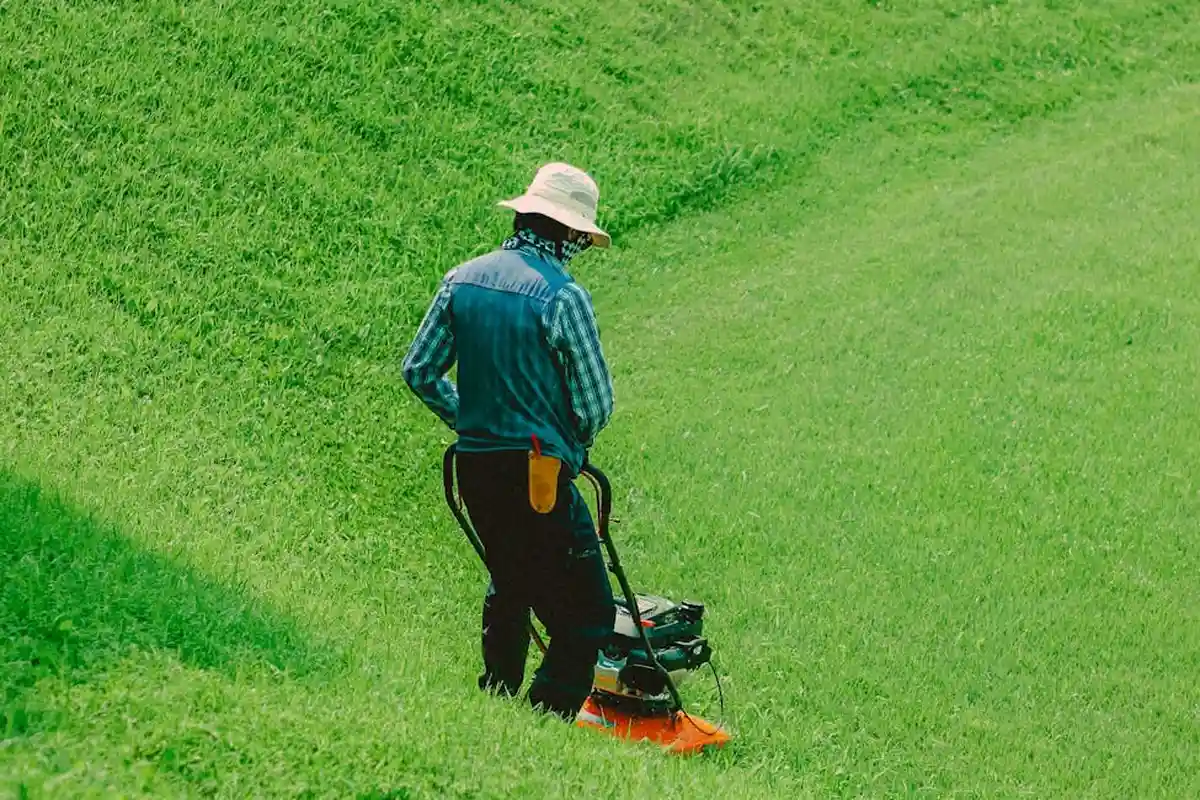
Before you tackle that slope, you need the right tool. The wrong mower turns a simple chore into a dangerous one. The best equipment for a hill isn’t about the most horsepower. It’s about stability, control, and keeping all four wheels firmly on the ground. To start using a Toro lawn mower, you’ll notice the steady handling on slopes. It’s a natural step toward safer mowing.
Think of mower stability like a grocery cart. A tall, lightweight cart with small wheels tips easily. A lower, heavier one with big wheels is much more stable. Your mower works the same way on a hill.
Here’s a simple comparison of your main options:
| Mower Type | Pros for Hills | Cons for Hills |
|---|---|---|
| Walk-Behind (Self-Propelled) | Best control, lower center of gravity, you can feel the terrain. | Physically demanding on steep grades. |
| Riding Mower/Tractor | Less physical effort on long, gentle slopes. | High tipping risk, strict slope limits, requires perfect technique. |
| Zero-Turn Mower | Excellent for flat, open areas. | Generally unsafe for slopes. They are tippy by design. |
For a very small, gentle incline where every ounce of control matters, a manual reel mower can be a safe choice. You set the pace, and there’s no engine to overpower you. But for anything more than a mild bump, you’ll want some power assist.
Walk-Behind Mowers: Your Go-To for Control
For most residential slopes, a walk-behind mower is your safest bet. I use mine on anything I’d estimate is under a 15-degree incline. You have direct contact with the ground, which lets you adjust your footing and balance instantly.
A self-propelled model with rear-wheel drive is the gold standard for hilly mowing. The drive wheels are where your weight is, giving you much better traction going uphill. Look for a mower with a low profile-the engine sits low between the wheels, not perched up high. This gives it a low center of gravity, making it harder to tip over.
Riding Mowers and Tractors: Weighing the Risks
Riding mowers are built for relatively flat land. Every model has a maximum slope rating in its manual, often around 15 degrees. This is not a suggestion. Exceeding it dramatically increases the chance of a rollover, which can be fatal, especially when used on a bumpy or uneven lawn.
If you must use a rider on a gentle, approved slope, the rule is absolute: always mow straight up and down the hill, never across it. Mowing across a slope with a rider shifts its center of gravity to the downhill side, which is exactly what causes a tip-over. Going straight up and down keeps the weight centered between the wheels.
What About My Zero-Turn, Max?
Let’s talk about my mower, Max. I love him. On my flat backyard, he’s a speed demon. But I won’t take him on any real hill, and you shouldn’t either.
Zero-turn mowers are generally not safe for slopes due to their tippy nature and rear-pivot design. Their steering wheels are in the back. On a hill, the heavy engine in the back wants to swing downhill, which can cause a sudden, uncontrollable slide or tip. They have a much higher center of gravity than a tractor-style rider. For your safety, keep zero-turns on level ground, especially when performing maintenance on sloped yards.
The Step-by-Step Technique for Mowing Up, Down, and Across
Now for the how. The technique depends entirely on the mower you’re using. Get this wrong, and you risk the mower getting away from you.
The cardinal rule for a walk-behind mower is this: mow across the slope (side to side), not up and down. This keeps the mower’s wheels level with the hill’s contour, giving you maximum stability. Your feet are planted sideways on the hill, which is a much more secure stance.
If you are using a riding mower on an acceptable slope, you do the opposite: you mow straight up and down. The goal with any technique is to keep the machine as stable as possible.
Patterns for Patience: Mowing with a Walk-Behind
This method is slow and steady. Rushing leads to mistakes. Here’s the pattern I use every time.
- Start at the bottom. Always begin your first pass at the very base of the hill.
- Mow a horizontal pass across the slope. Keep a firm, wide stance as you walk.
- Turn around on level ground. At the end of the pass, walk the mower onto a flat area to turn it around. Never try to pivot or turn the mower on the slope itself.
- Move up slightly and mow the next pass. Work your way up the hill in horizontal rows, like mowing a staircase.
If the mower ever starts to slide, stay calm. Don’t panic and jerk the handle. If you can, gently steer into the slide to regain traction. If you can’t control it, immediately release the drive control bar to stop the wheels and shut off the engine. Your safety is more important than a clean stripe.
Handling a Riding Mower on an Incline
Using a rider requires focus. Go slow. Put the mower in the lowest gear before you start the incline. Drive straight up the hill, then straight back down. At the top and bottom, make your turns slowly and widely on flat ground. Different mower types start and operate in slightly different ways. Knowing the start method for your mower type helps you operate safely.
Avoid any sudden movements with the steering wheel or controls while on the slope. A sharp turn or a jerky change in speed can shift the weight unpredictably. If the tires start to slip or you feel unstable, do not turn. Slowly reduce speed and back down the hill the way you came up.
What to Wear and Bring: Your Hill Mowing Safety Kit
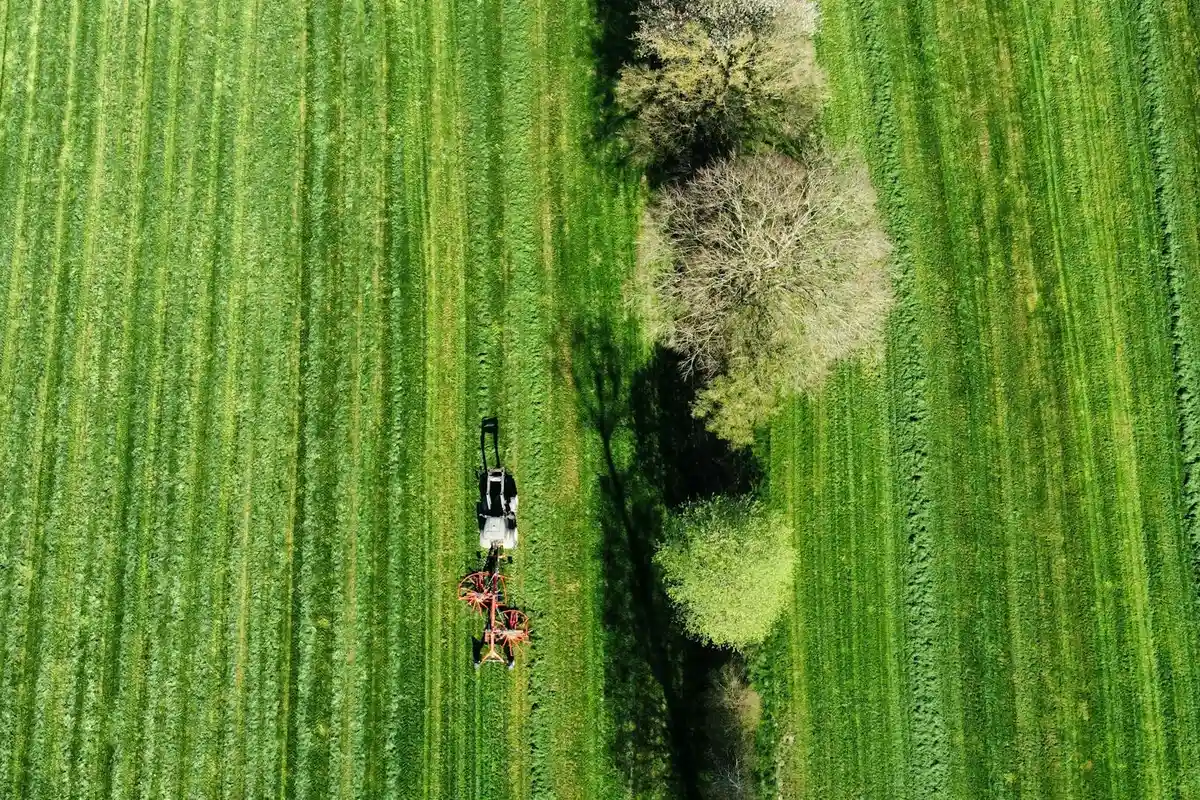
Mowing a slope is a different sport than mowing the flats. You need the right gear. Think of it as suiting up for a workout that also involves heavy machinery. This isn’t the time for flip-flops.
Let’s start with the most common question: what on your feet? You need boots with serious ankle support and a deep, aggressive tread pattern, like hiking boots or dedicated work boots. Tennis shoes or sneakers simply don’t cut it. On a side slope, your ankles are constantly stabilizing. A good boot locks your foot in place, and that deep tread bites into the soil to keep you from slipping. I learned this the hard way once, and my old boots saved me from a twisted ankle.
- Long, tough pants: Denim or canvas work pants protect your legs from flying debris and from the mower deck itself if you were to stumble.
- Work gloves: They give you a better grip on the mower’s controls, which is critical for maintaining steady, deliberate movements on an incline.
- Safety glasses: Uneven ground can kick up more than just grass clippings-tiny stones, twigs, you name it. Protect your eyes.
Two non-negotiable safety steps before you even start the engine. First, put your cell phone in a zippered or buttoned pocket. If something happens, you need it secure and on your person. Second, tell someone inside the house you’re heading out to tackle the hill. It’s a simple habit that costs nothing but adds a big layer of security.
Finally, always check the sky. Never mow a slope if rain is in the forecast or if the grass is still wet from dew or a previous shower. Wet grass is as slippery as ice for your mower’s tires and your boots. Patience here isn’t just about a good cut; it’s a core safety rule.
Common Hill Mowing Mistakes and How to Avoid Them

We all make mistakes on level ground. On a hill, those mistakes get amplified. Avoiding these common errors is how you stay in control.
- Mowing Damp Grass: We touched on it, but it’s worth its own spot on the list. Wet grass clumps, clogs your deck, and creates a slick mat underfoot. Always wait for the lawn to be completely dry before you head up the slope.
- Using a Dull Blade: A sharp blade makes a clean cut. A dull blade tears and shreds the grass blades. Those torn ends turn brown and slimy, creating a surprisingly slippery surface that reduces traction for your next pass.
- Rushing the Job: Speed is the enemy of safety on a hill. This leads to the next big mistake…
Here’s the scary one: what if the mower starts to slide? First, don’t panic. If you’re on a riding mower, slowly steer intoThe best tactic is to avoid the slide altogether by mowing across the slope, not up and down, and keeping a slow, steady pace.
Bagging your clippings on a slope is a mistake that adds unnecessary risk. That bag fills up and gets heavy, shifting the mower’s center of gravity and making it more tippy. Use the mulch setting instead. It returns nutrients to the soil and keeps the mower balanced and stable.
Mowing Too Fast or Too Short
These two mistakes work together to ruin your day. Going too fast means you have less time to react to changes in the terrain. Your mower can bounce, and you can lose footing.
Cutting too short is just as bad. Taller grass has deeper roots that help hold the soil together, and the grass blades themselves provide more surface traction for your mower tires. Scalping the hill removes that natural grip. I keep my hill a full notch higher than the rest of my lawn for this exact reason. It looks fine and provides a much safer surface.
Ignoring Mower Maintenance
What’s fine on flat ground can be a hazard on a hill. Loose belts can slip when the engine is under more load going uphill. Under-inflated tires don’t grip as well, increasing slide risk. A dirty air filter can cause the engine to bog down and stall at a critical moment.
Before hill day, give Max a quick once-over. Check tire pressure. Look for loose parts. Make sure the blade is tight and sharp. On a slope, your mower needs to be in top working order because you’re asking more of it and the consequences of a failure are higher. It’s the same reason you wouldn’t take a car with bald tires on a mountain road.
When to Call a Pro: Recognizing When a Slope is Too Much
Let’s be real. My mower, Max, and I have faced down some tricky hills over the years. We’ve had our share of pucker-factor moments. A big part of being good at this is knowing when to step back and say, “This isn’t for us.” It’s not a failure. It’s smart lawn care and basic self-preservation.
Here’s how to tell if your slope is asking for trouble.
- Extreme Steepness: If you have to lean into the hill just to walk up it without sliding, that’s a hard stop. A good rule I use is the “one-foot rule.” Stand sideways on the slope. If the ankle of your downhill foot is lower than the toes of your uphill foot, that grade is likely too steep for a standard riding or walk-behind mower.
- Persistent Wetness: Does a section of your hill stay soggy for days after rain? That damp, loamy smell might be great for earthworms, but it’s a hazard for mowing. Wet grass is incredibly slick, and the soil underneath can give way, causing a tire or your foot to slide out.
- A History of Close Calls: Listen to that gut feeling. If your heart has raced, if the mower has slid or tipped slightly, or if you’ve ever thought, “Whoa, that was close,” the hill has already given you its final warning. Your lawn isn’t worth an ER visit.
So what do you do with a no-mow zone? You have great options that are safer and often better for the land.
Terracing is a permanent solution. It turns one scary slope into two or three gentle, flat tiers. You can mow each level safely. It’s a project, for sure, but it transforms the space.
Planting a low-maintenance ground cover is my favorite hack for problematic banks. Think about hardy plants like creeping juniper, periwinkle, or even a clover mix. Once established, they choke out weeds, prevent erosion, and never need a mower. I let Patch, my stubborn shady corner, teach me this. Fighting nature is exhausting. Sometimes, working with it is the win.
Hiring a landscaping service with the right equipment is often the best and safest choice. These pros have machines built for this: stand-on slope mowers or heavy-duty walk-behinds with deep treads. They know the angles and techniques that keep them planted, especially when working on steep slopes that require careful handling. This isn’t cheating. It’s using the right tool for the job.
Choosing a pro is a responsible decision for your safety and your lawn’s long-term health. It prevents the soil erosion and ruts that come from a slipping mower. It keeps you in one piece. I’ve called in reinforcements before for a client’s backyard that felt more like a cliff face. Even with all my weekends on the mower, some jobs just need special gear and trained hands. There’s no shame in that at all.
Your Hill Mowing Questions, Answered
What is the maximum safe slope for my riding mower?
Check your manual-most have a hard limit around 15 degrees. Treat this number as law, not a suggestion, because exceeding it is the fastest path to a dangerous tip-over.
My neighbor uses a zero-turn everywhere. Can I use mine on a hill?
Resist the peer pressure. Zero-turn mowers are tippy by design and their rear-steer mechanics make them prone to sudden slides on slopes; save them for your flat, open areas. For lawn mower safety tips, review the basics before you mow. Stay alert and wear protective gear.
What’s the biggest danger I should be worried about?
The main event is the mower tipping sideways or sliding downhill with you on it. This is why your mowing pattern is non-negotiable and why dry, firm ground is your best friend.
What’s the first thing I should do if my mower starts to slide?
Don’t panic and jerk the controls. For a walk-behind, release the drive bar and kill the engine immediately; on a rider, steer gently into the slide and slowly back down the hill the way you came.
How do I prevent my riding mower from tipping?
On a gentle, approved slope, always mow straight up and down-never across-and keep your turns wide and slow on level ground at the top and bottom. Sudden turns or speed changes shift weight dangerously.
Wrapping Up Your Slope Mowing Journey
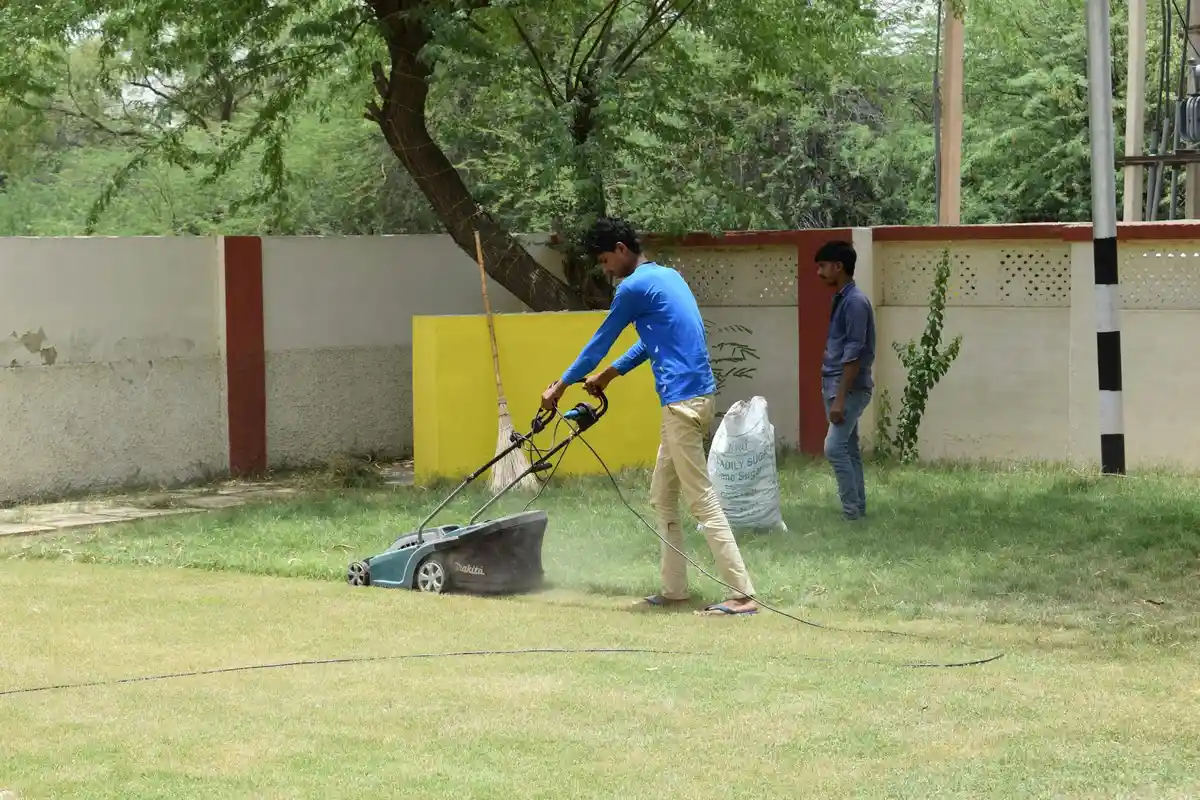
After years with Max on my own uneven yard, I stand by this: always mow across the slope, not up and down. This simple move keeps your wheels planted and your mind at ease, letting you focus on a clean, even cut.
Good lawn care is about stewardship-making choices that keep your family, pets, and local pollinators safe while you work. I still learn from every season and chat with neighbors, and that ongoing practice is what builds a lawn you can truly enjoy. Practically, lawn care maintenance tips—covering mowing, watering, and feeding—make those stewardship choices easier to implement. They turn season-to-season learning into a reliable routine you can enjoy.
Citations and Authoritative Sources
- Best Mowers for Steep Slopes: Cub Cadet Steering-Wheel Zero-Turn Guide | AG-BAG FS
- How to Mow on a Slope or Incline – Lawn Care Blog | Lawn Love
- What do you guys use to mow steep slopes? | Lawn Care Forum
Written by Ria Carrington. Ria is an avid lawn care enthusiast and advisor. No lawn is unsalvagable when Ria is at work. She has helped countless homeowners breath new life into their dying lawns. She has a B.Sc in Agriculture and brings practical advice combined with knowledge of plant science and her decade worth of hands on experience.