
What Is the Best Height and Time to Mow Your Lawn Before Winter?
That nagging doubt about your final mows of the year is completely normal. Getting it right sets your grass up for a strong, green comeback in spring.
We will cover the exact blade height for your grass type, the best week to schedule your last cut, and why this fall ritual prevents winter damage.
My own lawn, and a few lessons from Patch, taught me this routine through trial and error.
At a Glance: Your Pre-Winter Mowing Cheat Sheet
Forget complicated schedules. Think of this as your quick reference card for the last few mows of the year.
- Stick to the “One-Third” Rule. Never cut off more than one-third of the grass blade’s height in a single mowing. This prevents shocking the plant.
- Aim for a final height of 2.5 to 3 inches. This is the sweet spot that protects the crown from extreme cold while discouraging matted snow mold.
- Frost is your absolute stop sign. Never mow when frost is on the grass or forecast within the next day. The frozen blades will shatter.
- Your mower blade must be sharp. A dull blade tears the grass, leaving ragged, brown tips that are open doors for disease.
The rest of this article is just the “why” behind these simple rules.
When to Make Your Last Pass: Timing is Everything
I used to circle a date on my calendar for the final mow. I was wrong. Your lawn doesn’t follow a calendar, it follows the weather. The right time is when the grass growth slows to a crawl.
Your main signal is the time between mows. In peak season, you might mow every 5 days. When it starts stretching to 10, then 14 days between cuts, your lawn is telling you it’s winding down. That’s your window.
Soil temperature is a great backup clue. For cool-season grasses, consistent soil temps below 50°F at a 2-inch depth mean growth has nearly stopped. You can find cheap soil thermometers online.
What about a warm spell in November? If it’s warm enough that the grass is actively growing, a mow is fine. Just follow the one-third rule. Mowing in late fall is okay, but only if the grass actually needs it.
Here is the non-negotiable cutoff. Never mow when there is frost on the lawn, or when frost is expected in the next 24 hours. Walking and mowing on frozen grass crushes and slices the cell walls, causing damage that won’t heal until spring. To follow the best time of day and season to mow the lawn, plan for late-morning mowing on dry, warm days during the growing season. Mowing then helps grass recover faster and reduces stress.
So, how late can you go? Right up until the grass is fully dormant and brown, as long as you obey the frost rule. Once it’s dormant and the ground is frozen, your job is done. Max gets a long winter nap in the shed.
The Seasonal Shift: Your Lawn’s Pre-Winter Checklist
This isn’t a single Saturday task. It’s a short process over a few weeks. Follow these steps in order for a smooth transition to winter.
- Switch your mindset from schedule to observation. In late fall, stop mowing every Saturday out of habit. Start checking the growth rate instead. Let the lawn tell you when it’s ready.
- Apply your winterizing fertilizer. Use a slow-release, potassium-rich formula to strengthen the roots for winter. Do this while the grass is still green and can absorb it, ideally a few weeks before you expect dormancy.
- Time your final cut. Plan this mow for a dry day, after you’ve watered in that winter fertilizer. Set your mower deck to your target height (2.5-3 inches) and make that pass. It feels ceremonial, I won’t lie.
- Clean up all debris. After mowing, rake or blow off all leaf litter and clippings. A thick, wet mat of leaves left all winter will smother the grass underneath, creating a perfect Patch scenario for spring.
How Short Should You Really Go? Debbbunking the “Scalp” Myth
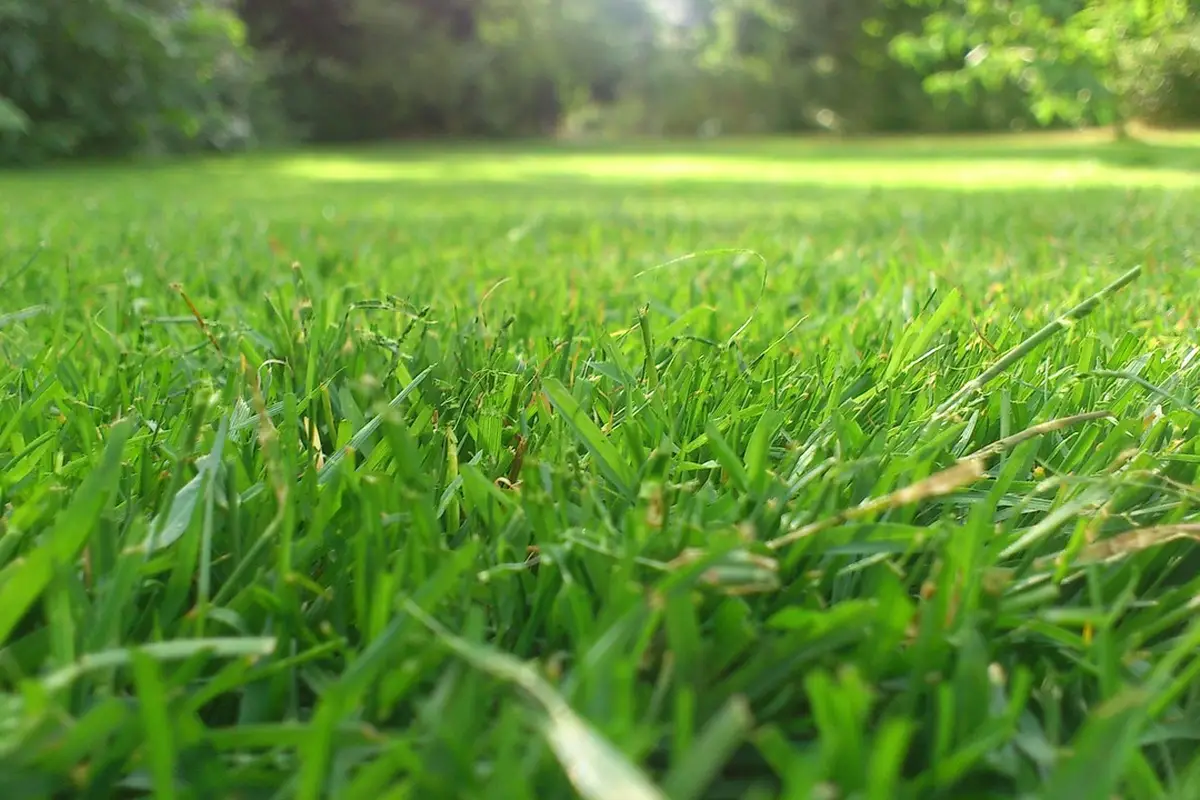
You might be wondering, “How short should I cut my lawn before winter?” I hear that question a lot this time of year. Many folks think a short, tight cut is the way to send the grass into hibernation. Let me be clear: cutting your lawn very short is one of the most harmful things you can do before winter.
Think of the grass crown, that white hub where the blades meet the roots, as the heart of the plant. In winter, that heart needs protection. The remaining grass blades act like a winter coat, insulating the crown and roots from freezing temperatures and drying winds. Strip that coat away, and you leave the plant’s vital parts exposed to the elements.
So what’s the right height? For most cool-season grasses like Tall Fescue and Kentucky Bluegrass, your final cut should leave the grass at a robust 2.5 to 3 inches tall. This height provides that crucial blanket of protection. For warm-season grasses like Bermuda or Zoysia that go fully dormant (brown and crispy), you can go a bit shorter, down to 1.5 to 2 inches, as their growing point is better protected.
Greedy Grass Pro Tip: The Test Strip
Before you commit to the final winter height for your whole lawn, run a quick experiment. A week or so before your planned last mow, set your mower deck to that target height and mow a small, inconspicuous test strip.
This simple step lets you check for scalping on uneven ground and see how the grass responds before you commit the whole lawn. You might find a dip you didn’t know about or see that your grass looks healthier at 2.75 inches than at 2.5. I do this every year, especially in tricky areas like my shady spot, Patch. It saves a lot of regret.
What Goes Wrong: The Cost of Cutting Too Short or Too Late
Understanding what happens if you mow your grass too short or too late makes it easier to get it right. Both mistakes stress the lawn, but in different ways.
Cutting too short creates several problems. First, it leads to winter desiccation. Without long blades to shield it, the soil and crown lose moisture to cold, dry winds, literally drying out the plant. Second, it exposes the crown to direct frost damage. Finally, a weak, stressed lawn is an open invitation for winter weeds like Poa Annua to move in come spring.
Mowing too late, specifically after a hard frost, causes a different kind of damage. When grass blades freeze, they become brittle. Running a mower over frozen grass doesn’t cut it, it shreds and bruises it, leaving ragged wounds that are perfect entry points for disease like snow mold. You’ll know the sound if you ever hear it, a sickening, ragged crunch that makes you cringe. It’s the sound of hurting your lawn. As winter approaches, it’s a good time to prepare your lawn and winterize it for cold weather. These simple steps now can help your lawn endure the season and recover quickly in spring.
Time your final mow for when the grass is still growing a little, but slow, and well before the ground is consistently frozen. Let the last cut heal cleanly so the grass can enter its rest strong.
Your Step-by-Step Guide to the Perfect Final Mow
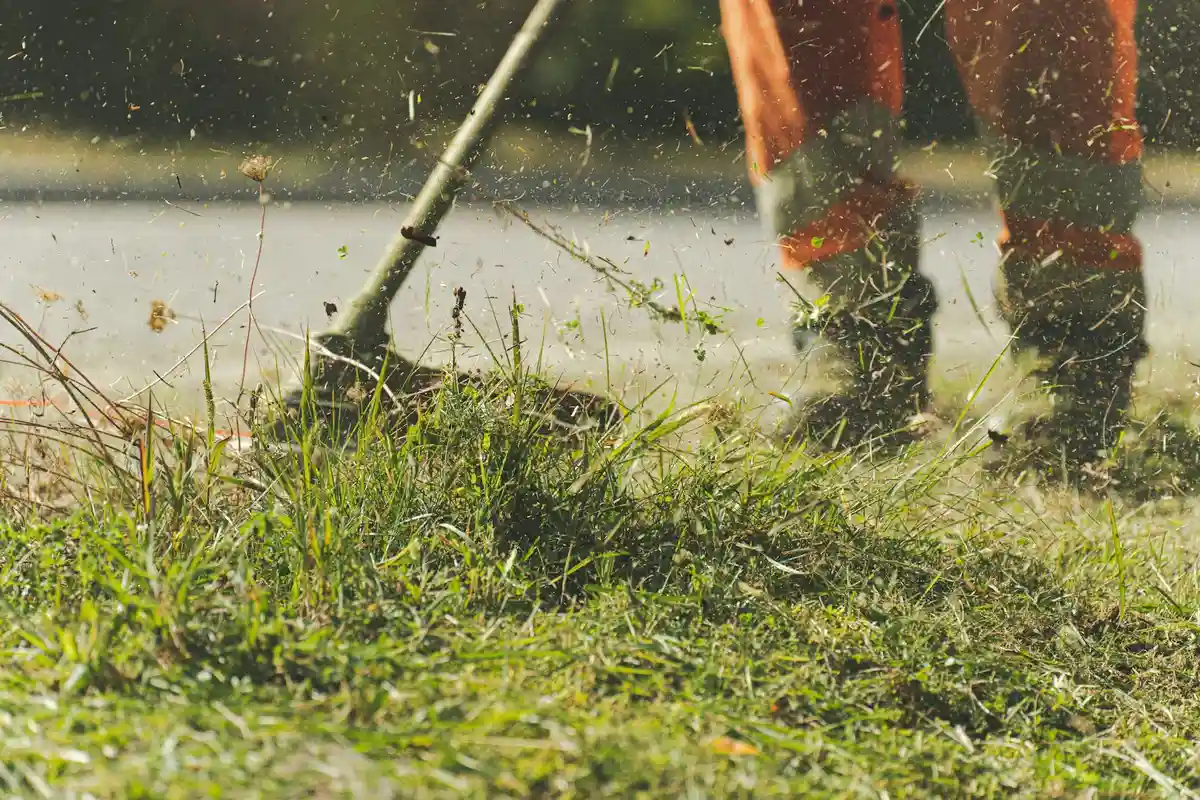
Think of this as a closing ceremony for the growing season. You’re tucking your lawn in for a long nap. Doing it right builds resilience against the cold months ahead.
I treat this like a Saturday morning ritual. A fresh cup of coffee, a look at the sky, and a quick chat with Max, my zero-turn. Here’s the exact process I follow.
Step 1: Give Your Mower Blade a Sharp Edge
Never skip this. A dull mower blade doesn’t cut grass, it tears and shreds it. Those frayed, white tips are open wounds. That means it’s time to sharpen or replace your lawn mower blade. A quick guide can show you how to do it safely.
A clean, sharp cut heals fast and seals itself, while a ragged tear stays wet and brown, inviting fungus and disease to move in for the winter. It’s the difference between a surgeon’s scalpel and a rusty pocket knife. I sharpen my blade with a file every few mows, but for this final cut, I make sure it’s perfect.
Step 2: Consult the Sky and the Thermometer
Timing is everything. You want a dry day, ideally after the morning dew has burned off. More critically, you need a forecast with no frost for at least 24 hours after you mow.
Mowing wet grass leads to clumping and an uneven cut. But mowing right before a frost is worse. Those fresh-cut tips are extra vulnerable to freeze damage. I wait for a clear, crisp autumn day when the afternoon sun is still holding some warmth.
Step 3: Mow at the Right Height, the Right Way
For most cool-season grasses, your final cut should be between 2.5 and 3 inches tall. This height is short enough to discourage matting under snow but long enough to protect the crown, the plant’s heart.
Here’s the non-negotiable rule: never cut more than one-third of the grass blade in a single mow. If your lawn has gotten a bit shaggy or overgrown, taking it from 4.5 inches down to 3 inches all at once is a massive shock.
If the grass is too tall, split the job over two sessions, three or four days apart, to gradually reach your target height without scalping and stressing the plants. Patience here pays off in a thicker spring green-up.
Step 4: Clean Up Like You Mean It
This is not the time to mulch-in long clippings or leave a blanket of leaves. Your lawn is going dormant and can’t break down that much material.
I use the bagger on Max for this final pass. If you don’t have one, a thorough raking is essential. Matted leaves and thick clippings block sunlight and trap moisture, creating a soggy, suffocating mat where snow mold loves to grow. A clean surface lets the lawn breathe.
Step 5: Put Sunny to Bed
Don’t forget your silent partner. If you have an in-ground irrigation system, this final mow is your reminder to winterize it. Any water left in the pipes can freeze, expand, and crack the lines.
I schedule blowing out my system, “Sunny,” with a pro every year. It’s a small cost that prevents a huge, muddy headache come spring. If you use above-ground hoses and sprinklers, just make sure they’re fully drained and stored away.
After the Mower is Parked: Supporting Your Lawn Through Winter
Your active work is done. Now, your job shifts to guardian. Winter care is about protection, not growth. You’re simply preventing problems.
Keep the Surface Clear
Continue to rake or blow off leaves as they fall. Move kids’ toys, patio furniture, and that forgotten garden hose.
Anything left sitting on the dormant grass for weeks will block light and air, creating a dead, yellow patch you’ll have to repair later. I check my problem area, “Patch,” every couple of weeks just to keep it clear.
Ease Up on the Foot Traffic
Grass crowns are alive but fragile when dormant, especially when the ground is frozen. Walking or playing on frozen lawn can snap these crowns like tiny twigs.
I establish a main path to the shed or compost bin and stick to it. It’s a simple habit that prevents a spring lawn that looks like a trail map.
A Word on Snow
Snow itself isn’t the enemy. A consistent, light snow cover acts like a cozy blanket, insulating the grass from bitter wind and temperature swings.
The issues come with heavy, icy crusts or massive plow piles that sit for months. A thick ice sheet can smother the grass. If we get a freeze-thaw cycle that creates an ice crust, I’ll sometimes gently break it up with the back of a rake. For those monster snow piles, just know the grass underneath may struggle. It’s not your fault, it’s just physics.
Your lawn is tougher than it looks. It evolved for this. By giving it that clean, proper final cut and then playing defense against mats and compaction, you’ve set it up to weather the season just fine. Come spring, it will be ready to get back to work.
Your Last Mow of the Year: Quick Answers to Common Questions
I did my “final” mow, but then we got a warm week and the grass is growing again. Do I mow?
Absolutely, go ahead and mow. A late warm spell means your lawn is still active, so give it a tidy cut following the one-third rule. Just stay vigilant for frost in the forecast afterward, as mowing after frost can be risky.
What should I do with all the fallen leaves when I mow for the last time?
Always remove leaves before or after that final cut-never mulch them in with the mower. A thick, wet mat of leaves will smother the grass all winter, creating a perfect breeding ground for disease.
Does the ideal winter mowing height change depending on my type of grass?
Yes, but only slightly. For cool-season grasses, stick with 2.5-3 inches. For warm-season grasses that go fully dormant, like Bermuda, you can take it down to 1.5-2 inches since their growth point is lower.
Is it okay to cut my lawn shorter than usual in fall to avoid mowing again?
No, never scalp your lawn just for convenience. Cutting too short strips away the grass’s insulating winter coat, leaving the crown exposed to freezing damage and drying winds. As winter approaches, stop mowing before winter to protect the crown. Let the grass grow a bit longer in late fall for insulation.
How early is too early to mow in the spring after a winter cut?
Wait until the grass is actively growing and you need to mow, not just because it’s a sunny March day. Mowing too early on dormant grass is stressful and can compact soft, wet soil, damaging the roots.
Wrapping Up Your Winter Mowing Plan
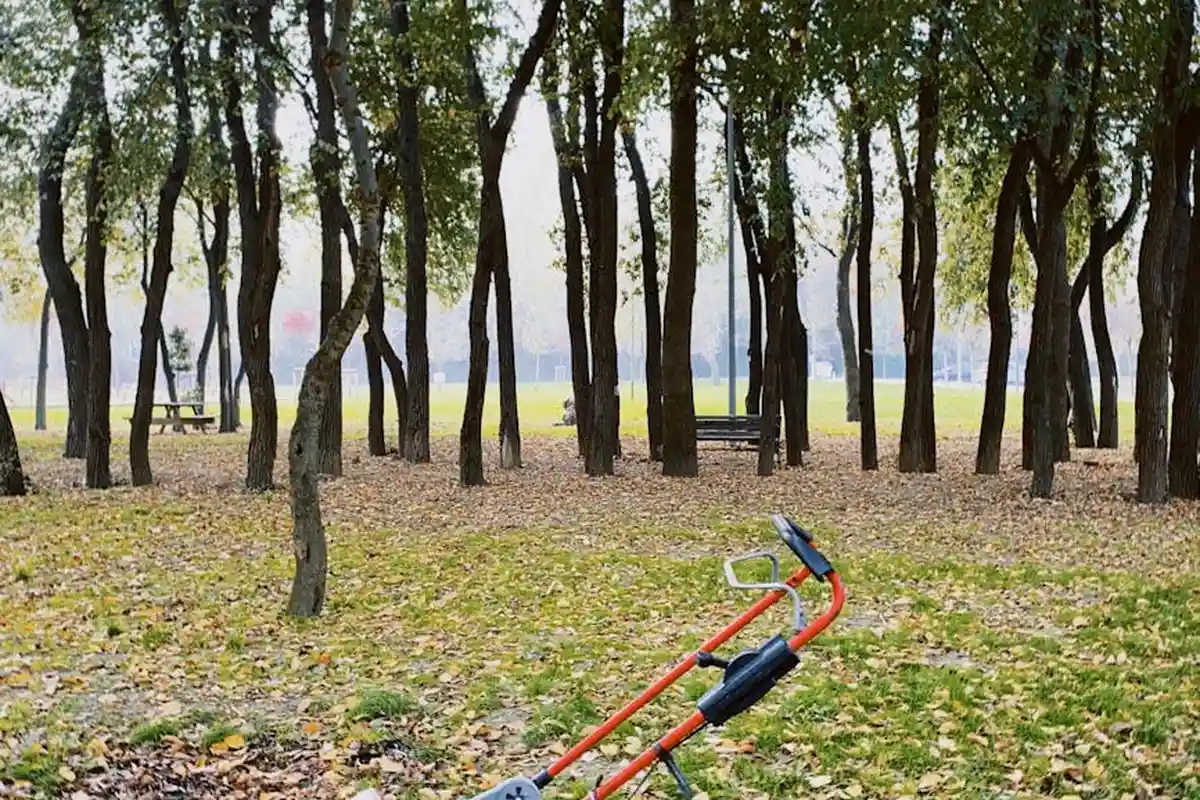
Give your lawn that one final, slightly shorter cut before the first hard freeze. This simple act, done with Max, helps prevent snow mold and gives you a cleaner start next spring.
Always choose mowing practices that are safe for pets and pollinators, like leaving some leaf litter in beds for insects. Your lawn is part of a bigger neighborhood ecosystem, and learning its rhythms each season makes you a better caretaker.
Relevant Resources for Further Exploration
- Grass Cutting Height Chart: How High to Cut Your Grass
- Mowing Heights by Season and Grass Type | TruGreen
- How Short to Cut Grass Before Winter
- Mowing practices for healthy lawns | UMN Extension
- Recommended Lawn Mowing Heights By Season (Spring, Summer, Fall) | Davey Blog | Davey Tree
- Mowing Height Debate: Last Mow of the Season Low?
- r/lawncare on Reddit: Cut grass or leave long for winter?
Written by Ria Carrington. Ria is an avid lawn care enthusiast and advisor. No lawn is unsalvagable when Ria is at work. She has helped countless homeowners breath new life into their dying lawns. She has a B.Sc in Agriculture and brings practical advice combined with knowledge of plant science and her decade worth of hands on experience.