
When Should You Stop Mowing Your Lawn Before Winter?
You’re looking at your slowing grass, worried one more mow might hurt it. I can tell you the right time to stop is a straightforward call that saves your lawn and your effort.
This guide will explain how to spot when your grass has truly stopped growing, the role of falling soil temperatures, and the smart steps for that final, protective cut.
I’ve figured this out through five autumns of hands-on care with my mower, Max, and by paying close attention to every corner of my yard.
At a Glance: Key Factors for Your Last Mow
You can forget about finding a perfect date on the calendar. Your lawn tells you when it’s done for the year. Getting this right means less work for you next spring and a lawn that wakes up clean, not ragged. Instead of relying on a lawn care calendar, get to know the natural rhythms of your grass.
It comes down to three things you need to watch.
- Your Grass Type: This is the biggest factor. Cool-season and warm-season grasses shut down differently.
- Local Temperatures: Consistent cold, especially frost, is the main signal for your grass to stop growing.
- Your Final Cut Height: Where you set your mower blade that last time matters for winter survival.
The simplest rule is to stop mowing when your grass stops growing, which happens after consistent frosts for cool-season grass or when it turns fully brown for warm-season types. I learned this the hard way one year, rushing to put Max away and missing the last cut. The spring cleanup was a mess of matted, snow-molded grass that took weeks to recover.
Your Grass Type Dictates the Schedule
Think of your grass like it’s preparing for a long nap. Cool-season grasses, like fescue or Kentucky bluegrass, act like a bear going into a deep hibernation. The green part above ground slows way down, but the roots and crown are very much alive under the snow or soil.
Warm-season grasses, like Bermuda or Zoysia, are different. They act more like perennial flowers in a garden. When it gets cold, the green blades die back to the ground, and the plant survives purely through its underground runners and rhizomes.
This difference changes everything for your last trip around the yard with the mower.
Cool-Season Grasses: The Fading Green
This is what I deal with in my own yard. Common cool-season grasses are Tall Fescue, Kentucky Bluegrass, Perennial Ryegrass, and Fine Fescues. They love fall. As nights get cooler, they have a big growth spurt to store energy.
Your target for the final mow is when you notice that growth has visibly slowed to a crawl, which is typically a week or two after the first few light frosts kiss the lawn. The green starts to look a little faded, a little tired. You might go from mowing once a week to once every two weeks, or even longer.
Don’t be surprised if you’re still giving it a light trim into late November if you have a mild, dry fall. I’ve had years where I did a last, quick pass with Max on a crisp December morning because the grass just wouldn’t quit. You mow as long as it grows.
Warm-Season Grasses: The Brown Signal
For grasses like Bermuda, Zoysia, Centipede, and St. Augustine, the signal is much more obvious. As soil temperatures drop, these grasses begin to lose their green color and turn a tan or brownish hue.
You should stop mowing once the lawn has browned off uniformly and you see no green growth at the base of the blades. This is the plant’s clear sign it has entered full dormancy. The growth mechanism has shut down.
This is critical: do not mow a fully dormant, brown warm-season lawn. You are not cutting live grass. You are scalping and potentially damaging the dormant crowns and runners that are essential for its spring green-up. Think of it like walking on a dormant flower bed all winter; you’re just compacting soil and causing stress where the plant is most vulnerable.
How to Spot the Signs It’s Time to Stop Mowing
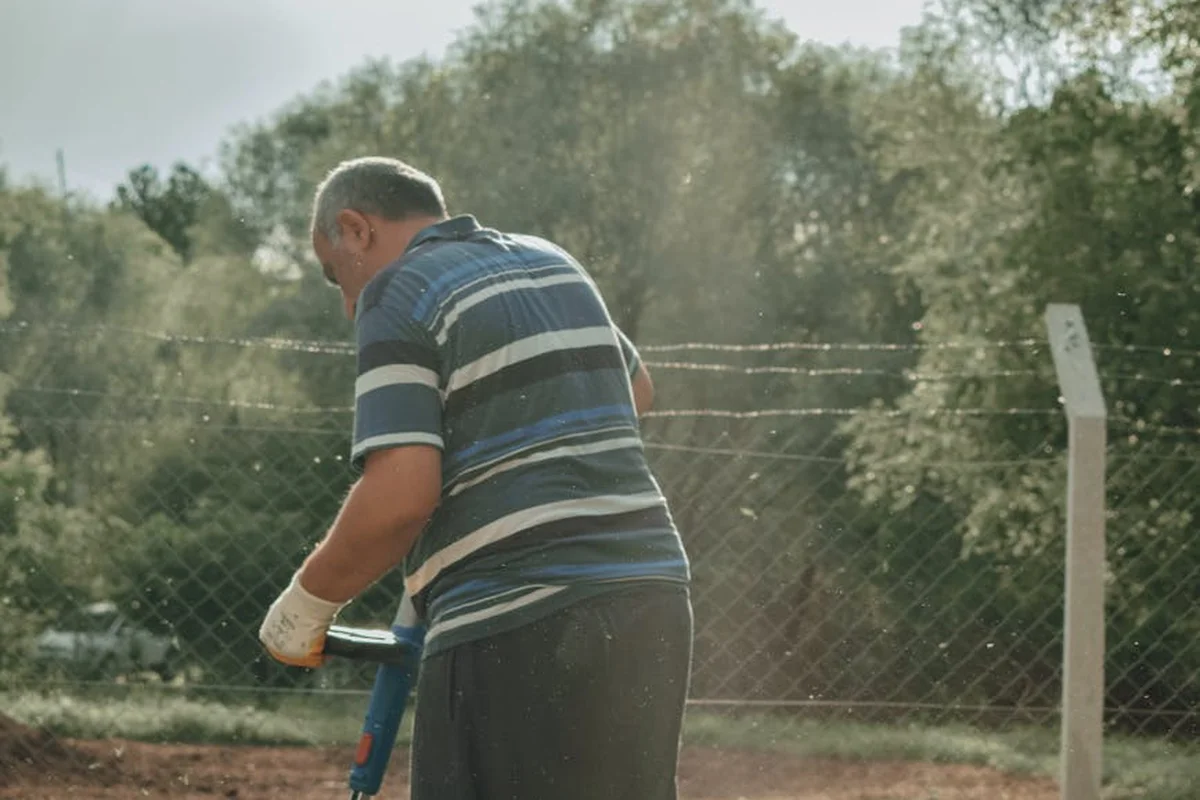
Forget about finding a magic date on the calendar. Figuring out when to stop mowing is about becoming a lawn detective. You just need to watch for clues and use one simple tool you probably already own. People often search for “when do lawns go dormant” or “when does lawn grass stop growing,” and the answer is always in the soil and the grass itself.
Watch the Soil Temperature, Not Just the Air
The air might feel chilly, but the real story is a few inches down. Grass roots care about soil temperature, not the air temperature your weather app shows. Think of the soil as the lawn’s engine. When it cools, everything slows down.
To check, use a cheap meat thermometer. First thing in the morning, push it about two inches into the soil in a few different spots. Take the average reading. Grass growth hits the brakes when your soil temperature consistently sits between 40 and 50 degrees Fahrenheit. Once you see those numbers for a week or so, your mowing season is wrapping up.
Check the Grass Height Before You Cut
This is how you answer “when do you stop cutting lawns” with your own eyes. Before that last planned mow, look at how tall the grass is. Always follow the one-third rule. Never cut off more than one-third of the grass blade height in a single mow.
Your goal is to leave the lawn at its ideal winter height for your grass type. This is not a one-size-fits-all number. For cool-season grasses like Kentucky Bluegrass or Fescue, aim for a final height of 2.5 to 3 inches. For warm-season grasses like Bermuda or Zoysia, a shorter 1.5 to 2 inches is better. If the grass isn’t tall enough to cut to that height without breaking the one-third rule, your mowing is done for the year.
See Frost on the Ground? Put the Mower Away
This rule is non-negotiable. If you see a white, sparkly frost on your grass, do not mow. Not even a little. The frozen water inside the grass blades makes them brittle. Mowing over them will crush and shred them.
You’ll see the damage almost immediately. The blades will turn a dark, slimy black where they were cut. Mowing frozen or frost-covered grass causes immediate, visible damage that the lawn cannot repair until spring. Wait until the sun has completely melted the frost and the grass blades are totally dry and flexible again.
Regional Adjustments: From North Carolina to Alberta
Your location changes the timeline, but not the rules. If you’re in a transitional zone like North Carolina, your grass type is your guide. You might have cool-season or warm-season grass, and each has its own schedule based on those soil temps I mentioned.
For colder climates like Alberta or Ontario, winter comes faster. Soil temperatures dive earlier, and the first hard frost is your major signal. Your mowing season will end weeks or even a month before someone in a more moderate zone. The best move for pinpoint timing is to check with your local university extension office. They have guides tailored exactly to your area’s conditions, plus expert advice on how to prepare and winterize your lawn for cold weather.
What Happens if You Get the Timing Wrong?
Missing the window for that final cut can set your lawn back. It usually leads to one of two frustrating problems that you’ll have to deal with later.
Stopping Too Early: A Buffet for Weeds and Mold
If you put the mower away while the grass is still growing a bit and leave it too long, you create a perfect hideout. Long grass mats down easily under leaves or snow. This matted layer traps moisture right at the soil level all winter long.
That damp, dark environment is where snow mold loves to grow. It also gives winter weeds like chickweed and henbit a cozy blanket to germinate and spread under. I learned this the hard way with “Patch” in my shady corner. Leaving the lawn too long gives diseases and winter weeds a free pass to establish while your good grass is sleeping.
Stopping Too Late: Stress on the Lawn’s Heart
The other mistake is mowing too short, too late. When you scalp the lawn right before a hard freeze, you expose the most important part of the plant. The crown. This is the growing point at the base of the grass blade, and it needs insulation from the leaf blades above it.
Without that protection, extreme cold can kill the crown outright. Mowing when the grass is wet and cold also tears the blades instead of cutting them cleanly, and the mower’s weight can compact the soggy soil. This combination of stressors weakens the entire lawn, leading to a thin, patchy, and slow-to-green mess in the spring.
A Step-by-Step Plan to Wind Down Your Lawn for Winter
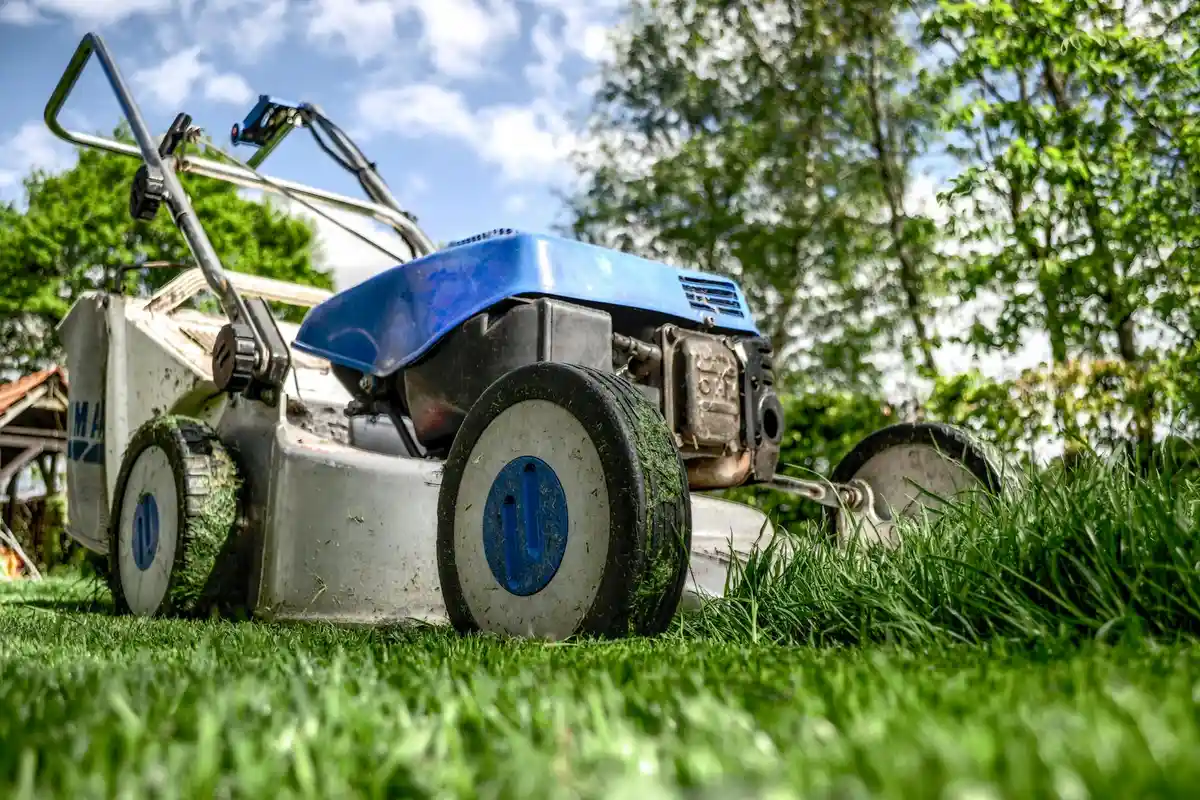
You’re not just stopping the mower, you’re putting the lawn to bed properly. This checklist covers the final weeks of fall, answering the real question of when does lawn mowing season end for good each year.
- Schedule your final mow for late fall, based on grass growth.
- Sharpen your mower blade for the last cut.
- Apply a fall fertilizer to cool-season grasses.
- Remove or mulch fallen leaves.
- Give your equipment a proper end-of-season service.
The Final Mow: Setting the Stage for Spring
This last cut is about protection. Too long, and grass mats down and invites disease. Too short, and it can’t store energy for winter. Here’s how to get it right.
First, pull that blade off Max and sharpen or replace it. A dull blade shreds grass tips, leaving them brown and vulnerable. A clean cut heals fast.
Set your mower to its normal cutting height, or just a half-inch lower for most cool-season grasses. In the weeks before winter, gradually adjust your mowing height to ease the transition. This helps the grass cope with cold stress. I never scalp my lawn before winter. Mow only when the grass is completely dry to avoid clumping and tearing.
Let the mulching kit do the work, returning those nutrient-rich clippings straight back to the soil, just like Sunny drip-feeds water to my garden beds. After this job, give Max a good clean. Hose off the deck, wipe him down, and you’ll both be ready for a rest.
Seasonal Lawn Effect: Your Fall Clean-Up Checklist
Once the mowing is done, a few more tasks seal the deal. Follow these steps in order.
- Assess Thatch and Debris. Walk the lawn. If there’s a spongy layer over half an inch thick, use a rake or dethatcher. For my spot like Patch, a simple rake is enough to let light and air back in.
- Feed for the Future. For cool-season grasses like Kentucky Bluegrass or Fescue, apply a fall fertilizer. Look for one higher in potassium (the last number on the bag) to boost winter hardiness. For warm-season grasses like Bermuda or Zoysia, this feeding should have happened in early fall.
- Tidy Those Leaves. A blanket of leaves smothers grass. Mow over a light layer to mulch them in. Rake or blow heavy piles away. Matted leaves are a sure path to dead, thin spots come spring.
- Think Ahead for Safety. If you use ice melt on nearby walkways, choose a pet-safe product labeled safe for lawns. Rock salt can damage grass and soil, and isn’t good for paws or pollinators.
Greedy Grass Pro Tip: The Weather Window Watch
For the cleanest, safest final cut, plan your last mow for a dry, mild afternoon that follows a frosty morning.
Your Last Mow Before Winter: Quick Answers from the Greedy Grass Expert
What’s the one simple rule to know when my mowing is done for the year?
Stop when growth stops. For cool-season grass, that’s after a few light frosts when you notice it barely needs a trim; for warm-season grass, it’s when the lawn has turned uniformly brown with no green at the base.
I live in North Carolina with a mixed lawn. How do I handle the final cut?
Identify your dominant grass type first. Treat cool-season areas (like fescue) by mowing until growth stalls after frost, and let warm-season areas (like Bermuda) go fully dormant and brown before you stop cutting them completely.
My Alberta winter comes on fast. Is there a specific date I should target?
Never target a calendar date-target your soil temperature. When it consistently reads 40-50°F (4-10°C) at a 2-inch depth, your grass is shutting down, and your final mow is due within a week or two.
In Ontario, should I mow shorter for the last cut to prevent snow mold?
No, never scalp it. For cool-season grasses common here, set your final cut to a protective 2.5-3 inches; this height prevents matting and mold without exposing the sensitive crown to harsh freeze-thaw cycles.
I see a lot of conflicting advice on Reddit. What’s the most trustworthy source for my timing?
Skip the forum debates and go straight to the local pros. Your provincial or state university’s turfgrass extension service publishes science-based, region-specific guides that are far more reliable than any well-meaning online opinion.
Putting the Mower to Bed for Winter
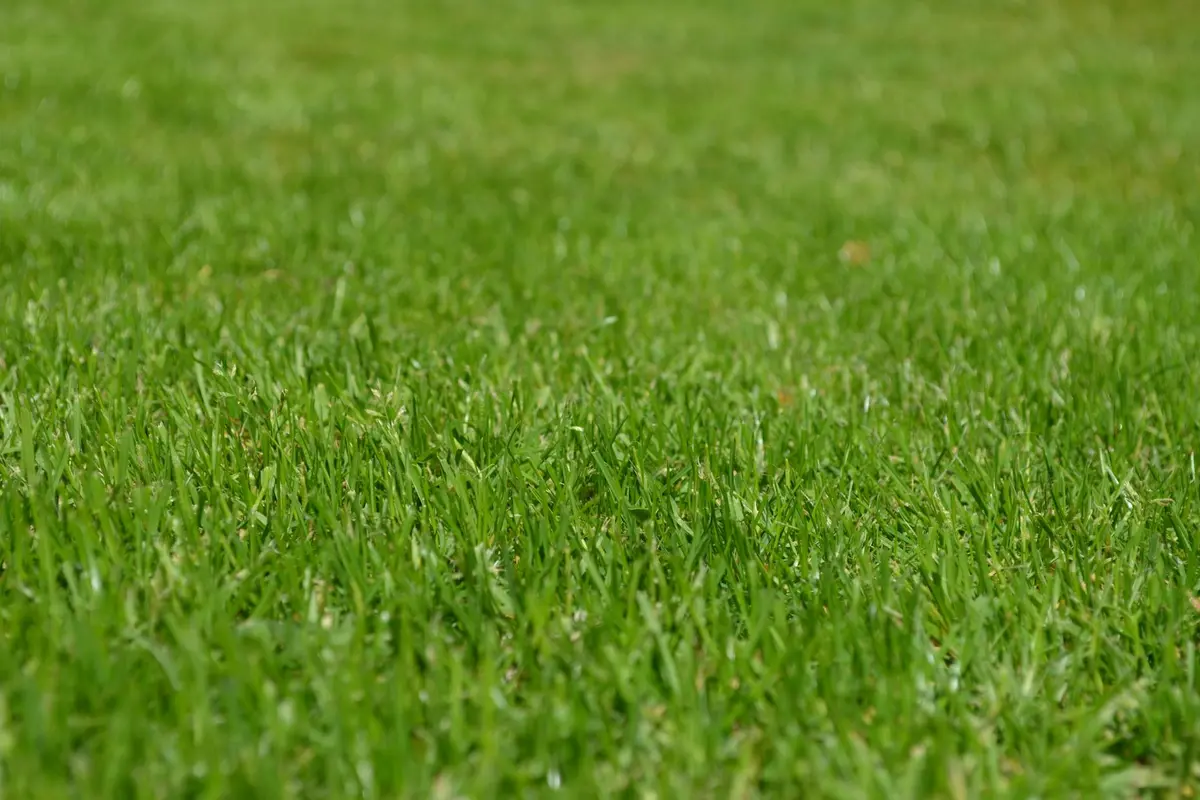
The core of it all is to watch for your grass slowing its growth and mow it one last time before the ground fully hardens. I give mine a final pass with Max set to about two inches, which protects the crowns and prevents a messy, matted spring wake-up.
Good lawn care is about stewardship, so I always pick pet-safe options and leave some areas undisturbed for bees and butterflies. There’s no final exam here, just the ongoing, rewarding practice of learning what makes your particular patch thrive.
Citations and Authoritative Sources
- When to Stop Mowing Your Lawn Before Winter Hits
- When to Stop Mowing Before Winter
- When to Stop Mowing Your Lawn Before Winter | TruGreen
- When Should You Stop Mowing Your Lawn Before Winter? – Hobby Farms
- Should You Cut Your Lawn Short Before Winter? When It Helps, and When It Hurts
- The Best Time to Stop Mowing Your Lawn Before Winter
Written by Ria Carrington. Ria is an avid lawn care enthusiast and advisor. No lawn is unsalvagable when Ria is at work. She has helped countless homeowners breath new life into their dying lawns. She has a B.Sc in Agriculture and brings practical advice combined with knowledge of plant science and her decade worth of hands on experience.