
What Is a Lawn Sweeper Good For? A Homeowner’s Honest Guide
Staring at a yard full of leaves or clippings and wondering if a lawn sweeper is a smart buy or just a fancy rake? I’ve been there, and I can help you decide.
This article will walk you through the most practical uses for a sweeper, how well it works on different types of debris, and a clear cost versus benefit analysis.
I’ve relied on my sweeper for seasons to clean up after Max, my mower, and keep Patch, that weedy corner, from getting overwhelmed.
At a Glance: Key Factors
Think of a lawn sweeper as your cleanup crew, not your groundskeeper. It’s fantastic for gathering what’s already on the surface. It’s not for digging things out of the soil.
Here’s your quick cheat sheet on where a lawn sweeper shines and where it falls short.
When a Lawn Sweeper Shines
- Clearing large areas of dry leaves, pine needles, or grass clippings after mowing.
- Saving your back and time compared to constant raking and bagging.
- Keeping your lawn neat after maintenance, like dethatching or aerating, to prevent smothering.
- Picking up sticks, acorns, and other lightweight yard debris before mowing to protect your mower blades.
When a Lawn Sweeper Struggles
- Wet, matted leaves or soggy clumps of grass. The brushes can’t grab them, and they’ll just gum up the works.
- Heavy material like wet clay soil, large rocks, or thick branches.
- Precision work like cleaning right up against flower beds or fences. You’ll still need a rake for the edges.
- Acting as a thatcher or lawn renovator. It only picks up surface litter.
Primary Benefits
The biggest win is speed. I can clear my entire front yard of autumn leaves with my tow-behind model in about a quarter of the time it takes to rake and bag. That’s more time for actually enjoying the weekend.
It saves your back from all that bending and twisting. The neatness factor is real, too. There’s a crisp, finished look to a lawn that’s been properly swept, a clean canvas that makes all your other care work more visible.
Primary Limitations
A sweeper is a broad-stroke tool. You won’t get the surgical clean-up of a handheld rake, especially in tight corners or around delicate plants.
Its performance is totally tied to moisture. That pile of damp oak leaves from last night’s rain will laugh at your sweeper. You have to wait for things to dry out, which requires a bit of weather-watching patience.
Tools You’ll Need
Gathering the right gear makes the job smooth and keeps you safe. You don’t need much.
The Sweeper Itself
Your main choice is between a push model and a tow-behind.
- A push sweeper is perfect for smaller, flat lawns. It’s maneuverable and doesn’t require any other power equipment.
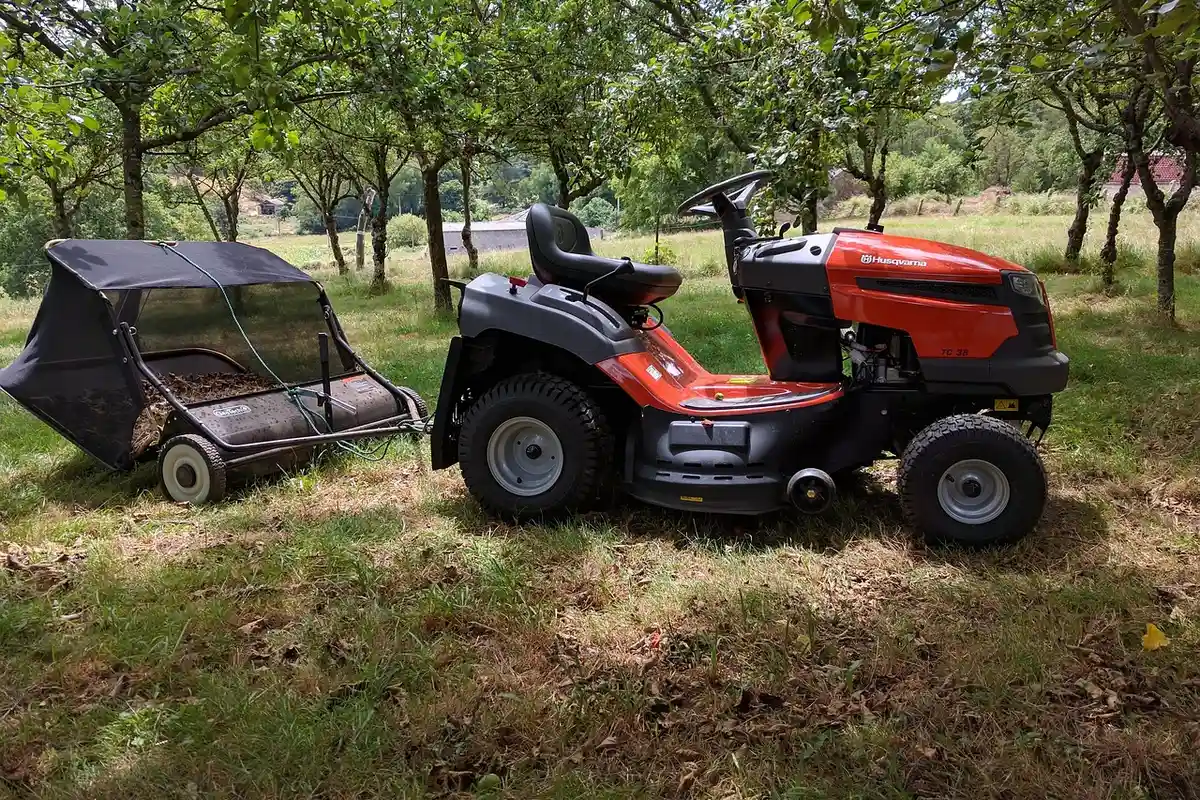
- A tow-behind sweeper hooks up to the hitch on a riding mower or lawn tractor. This is what I use with Max. It’s the only way to efficiently handle a larger property without turning it into an all-day workout.
Emptying the Hopper
The sweeper collects debris in a hopper or bag that needs to be emptied. Have a plan for this.
- A simple tarp laid near your compost pile or yard waste bags works great. Just dump onto it and drag it away.
- A utility cart or wheelbarrow is even better if you have to move the debris a longer distance.
Safety & Handling Gear
This isn’t heavy machinery, but you’re handling yard debris.
- A pair of basic garden gloves keeps your hands clean and protected from occasional sharp sticks or prickly seed pods.
- I always wear safety glasses when emptying the hopper. A gust of wind can blow fine dust or debris right back at your face.
Remember, if you opt for a tow-behind model, you must have a compatible riding mower or lawn tractor with a hitch to pull it. Check your mower’s manual first. It’s a simple connection, but you need the right equipment to make the team work.
How to Know If a Lawn Sweeper Is Right for Your Yard
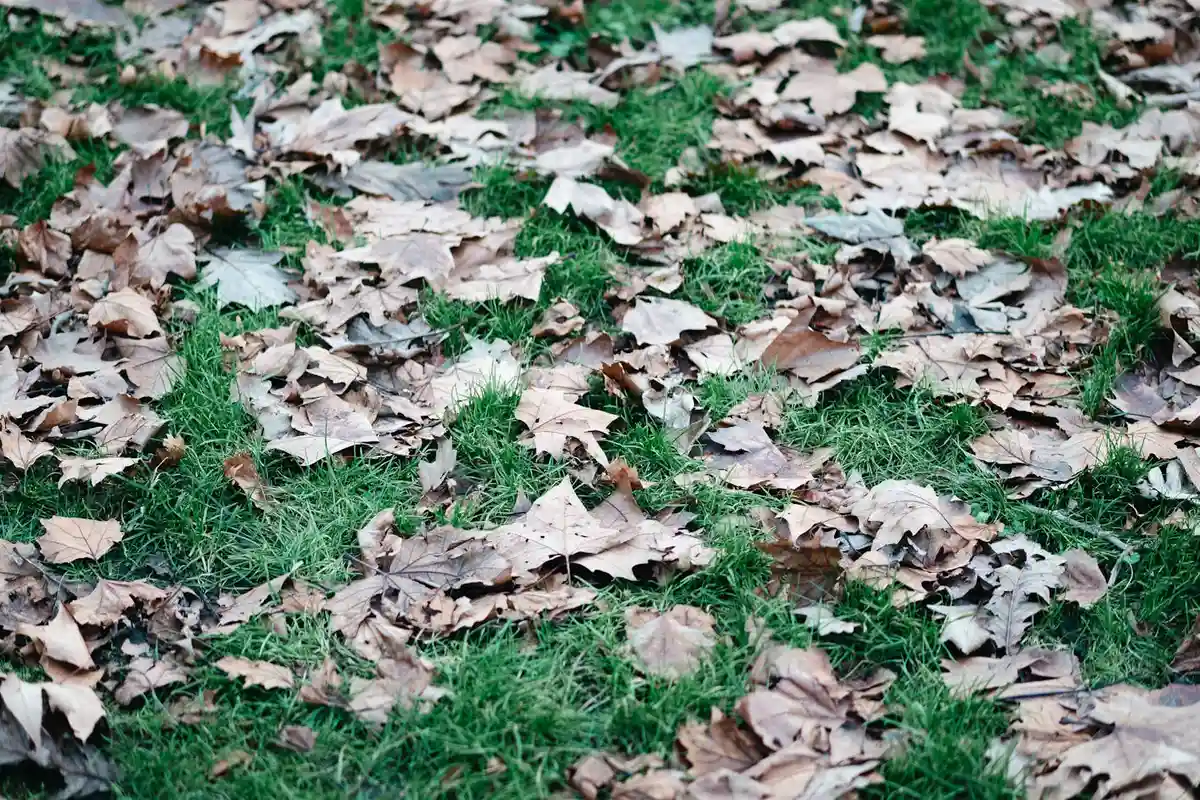
I love a clean lawn. But I hate spending my entire Saturday fighting leaves or matted clippings. A lawn sweeper isn’t for everyone, but for some yards, it’s a game-changer. Let’s see if yours is one of them.
The Simple Yard Checklist
Grab a notepad and run through this. Be honest about your property.
- Lawn Size: Is your main lawn area bigger than a standard suburban lot? Think roughly a quarter-acre or more. For a small postage-stamp yard, a good rake might be all you need.
- Debris Type: What are you mostly cleaning up? Dry oak leaves in fall? Pine needles? Regular grass clippings because you don’t bag with your mower? Sweepers handle dry, loose material best.
- Terrain: Is your yard mostly flat with open space? Or is it a hill covered with trees, roots, and tight corners? A sweeper needs room to maneuver and a relatively smooth path.
My corner, “Patch,” taught me this. It’s under a big maple, full of roots and shade. A sweeper would be useless there. I hand-weed and use a small rake. Knowing your yard’s trouble spots saves you money and frustration.
Effort vs. Reward: The Real Test
Here’s the core question. Is your current method taking hours and leaving you sore the next day? I’ve been there, back aching from raking, lungs full of dust from blowing.
A sweeper changes the work from a brutal cardio session to a simple walk behind Max, my mower. You trade muscle strain for a bit of leisurely pulling. The reward is a perfectly clean surface and energy left for a cold drink, not a hot bath.
The Money vs. Time Math
Let’s talk numbers without getting fancy. A decent tow-behind sweeper might cost what you’d pay for a nice dinner out for the family.
Now, think about your time. If you save two hours every fall cleanup weekend, and use it for five years, that’s dozens of hours back. For many, the sweeper pays for itself in reclaimed weekends and saved back pain. It’s not about the grass, it’s about your time.
A Quick Note on Storage
This is the practical part we all forget. A lawn sweeper isn’t huge, but it’s not a garden trowel. You’ll need space in your garage or shed. Measure your available spot before you buy. If you’re already squeezing past bikes and bins, think about where this new tool will live. A handy tool you can’t store is a headache.
How Does a Lawn Sweeper Actually Work?
The mechanics are beautifully simple. Think of it as a mini, quiet street sweeper for your grass. There’s no engine to fuss with, just clever design.
The Core Parts in Action
As you walk or mow, three main parts do the job.
- The Spinning Brush: This is the heart. A cylinder of stiff bristles spins, flicking debris up off the turf. It’s that satisfying *swish-swish* sound as it works.
- The Hopper (the Basket): The thrown debris flies up a curved plate and lands in this collection bag or bin. It’s just simple physics, no suction needed.
- The Dump Mechanism: When the hopper is full, you pull a lever or cord. The whole container tips back to empty your pile neatly onto a tarp or into a cart.
Controlling the Clean
You’re not stuck with one setting. Most sweepers let you adjust the brush height. This is key.
- Set it low, and those stiff bristles will dig into the thatch layer, pulling up old clippings and sand. It gives a light dethatching effect.
- Set it higher, and it just skims the surface, perfect for a quick pass to grab newly fallen leaves without disturbing the soil.
This adjustment is how you turn a simple tool into a multi-purpose cleaner for different seasons and tasks.
The Power Source: You (or Your Mower)
This surprises some folks. Most residential lawn sweepers don’t have a motor. The brushes spin because the wheels turn as you push or tow it. It’s direct, mechanical, and reliable.
I hook mine to the hitch on Max. The mower’s wheels turn the sweeper’s wheels, which spin the brush. Sunny, my irrigation system, stays safe and dry because there’s no engine exhaust or risk of hitting a line. This manual power means less to break, less to maintain, and a quieter, cleaner operation for your yard’s ecosystem.
The Best Jobs for Your Lawn Sweeper (And How to Do Them)
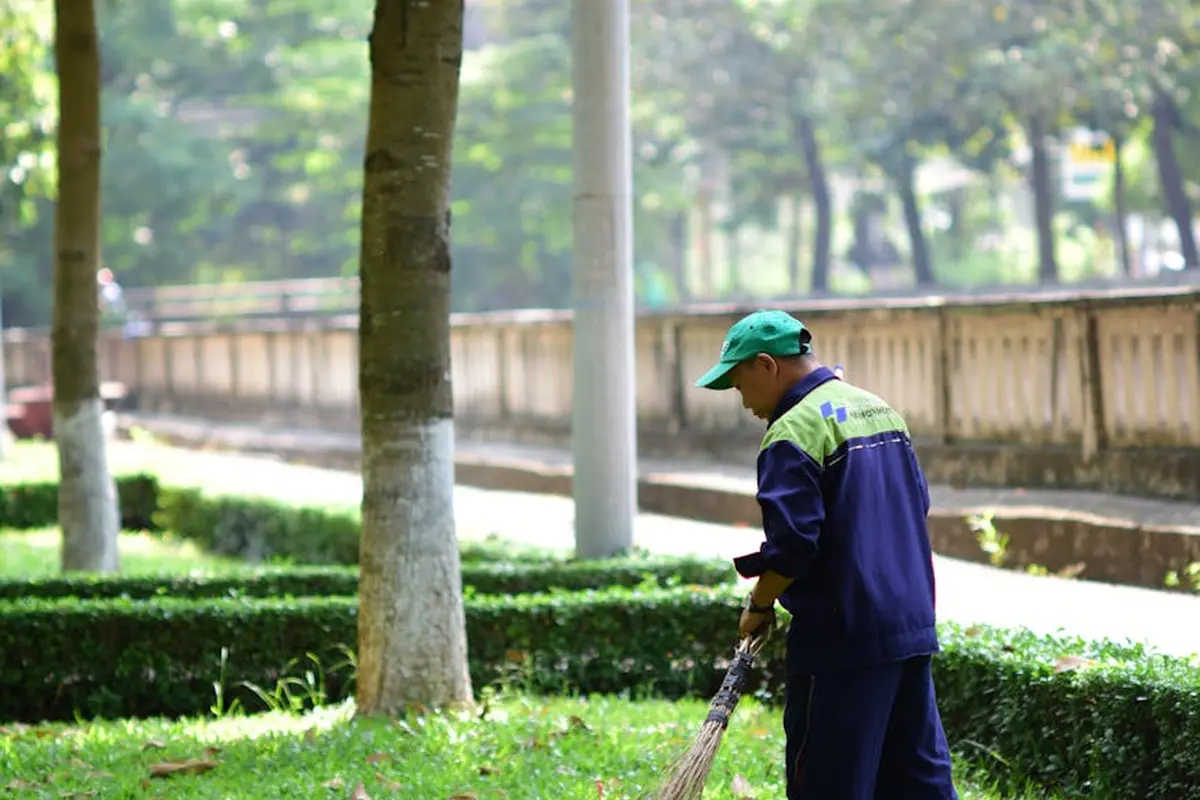
Clearing Fall Leaves: Your Back Will Thank You
This is the task my sweeper was made for. The process is simple. First, set the height so the brushes just kiss the turf. For dry leaves, I keep it high to avoid picking up sand or soil. Then, I make overlapping passes, just like mowing.
A sweeper is better than blowing because it collects and contains the mess in one motion. You end up with a neat pile in the hopper, not a scattered mountain you still have to bag. It feels efficient.
For damp or matted leaves, lower the brushes slightly and go slower. You might need to empty the hopper more often because wet leaves are heavy. If they’re really stuck, a quick pass with the mower (bagging) can chop them first, making the sweeper’s job easier.
Managing Grass Clippings: For a Cleaner, Healthier Look
Most of the time, I mulch clippings right back into the lawn with Max. It’s free fertilizer. But there are times I hook up the sweeper instead.
I grab clippings if I let the grass get too long between mows, leaving clumpy rows. I also do it before hosting a backyard party. Using a sweeper after mowing gives you a clean, professional look, like crisp stripes on a baseball field.
The sweeper simply gives you the choice. You can leave the nutrients or tidy up for an event. It’s about control over your lawn’s appearance.
Post-Aeration Cleanup: Grabbing All Those Plugs
This is my favorite sweeper trick. After I aerate, my yard looks like it’s covered in tiny dirt cigars. They’re good for the soil, but they get everywhere. That’s part of lawn aeration work—the right aerator makes those plugs disappear faster and helps the turf recover. Stay tuned for more on choosing and using an aerator.
I wait just long enough for the plugs to dry out a bit, usually a day or two. Then, I hook up the sweeper. The rotating brushes gently scoop up every last plug and dump them in the hopper.
This cleanup stops those plugs from being tracked into your house on shoes and paws, and it prevents them from smothering patches of grass if they’re too thick. You can let them break down naturally, but for pure neatness, the sweeper wins. For lawn care optimization, a lawn aeration plug density tool helps you gauge how many plugs remain and where to focus next.
Tackling Pine Needles, Acorns, and Twigs
People always ask me: can a lawn sweeper pick up acorns and sticks? The answer is yes, with some limits.
It handles small to medium acorns and thin twigs without a problem. Pine needles are a perfect match. The brushes flick them right up. You’ll want to walk the area first and remove any large, bulky sticks that could jam the spinning brushes or the hopper door.
Think of it like this: if it’s smaller than a golf ball and not shaped like a hook, the sweeper can probably grab it. For anything bigger or pointy, pick it up by hand first to save yourself a headache later.
Lawn Sweeper vs. Other Tools: Which One Wins?
vs. The Classic Rake
A rake is a fantastic tool. I have one for touch-ups around Sunny, my drip irrigation. But for a whole yard of leaves? No contest.
Raking is a serious upper-body workout that can take all afternoon. The sweeper, hitched to my mower, does the same job in a fraction of the time with almost no effort from me. As you plan your mowing, lawn mowing techniques—blade height, pacing, and pattern—affect how clippings are handled. Use a rake for small garden beds and corners; use a sweeper for the open lawn.
vs. A Leaf Blower
My leaf blower is loud and great for clearing the patio or getting leaves out from under shrubs. Its job is to gather and pile.
The sweeper’s job is to gather and collect. A blower moves the mess to one spot, but you still have to bag it. A sweeper picks it up and holds it for you. For large, open grassy areas, the sweeper is the more direct solution. Keep the blower for decks, driveways, and tight spaces.
vs. a Lawn Vacuum or Mulcher
These are the power tools of collection. A tow-behind lawn vacuum has a powerful fan and often shreds debris as it collects. It’s fantastic for heavy, wet leaves or if you want to create instant mulch.
A sweeper is the simpler, quieter, and more affordable cousin. It has no engine to maintain, just gears and brushes. It won’t handle soaked, matted debris as well, and it doesn’t shred. Choose a vacuum for extreme jobs or if mulching is your main goal. Choose a sweeper for straightforward, dry-to-damp cleanup on a typical lawn.
How to Choose the Best Lawn Sweeper for You
Choosing the right sweeper is like finding the right mower. It has to match your yard and your style. I spent a season with the wrong type, and it felt like trying to rake my whole yard with a teaspoon. Let’s get you the right tool from the start.
Push Sweeper or Tow-Behind? The Big Decision
This choice comes down to two things: your yard’s size and your own comfort with a bit of pushing.
Think of a push sweeper as a wide, motorized rake. You guide it, and it does the heavy lifting. I use one for my front yard, and it’s perfect.
Push models are best for small, flat yards under 1/4 acre. If your property fits this description, a push sweeper is a fantastic, cost-effective tool. It’s maneuverable around tight corners and garden beds. Just know you’re providing the muscle to move it, so very hilly terrain can be a workout.
A tow-behind sweeper hooks up to the hitch on your riding mower or lawn tractor. Max, my zero-turn, tows mine without breaking a sweat.
Tow-behind models are best for larger yards, hills, or if you already have a riding mower. This is the choice for an acre or more. The mower provides all the power, so you just steer. It’s effortless on slopes and saves your back. The only real downside is you need the mower to use it.
Key Features to Look For
Once you know the type, look for these details. They make the difference between a chore and a breeze.
- Hopper Size: Bigger means less frequent emptying. A 15-20 bushel hopper is common for tow-behinds. For push models, think about your mower’s bagger capacity. If you hate stopping to empty the grass catcher, you’ll hate a tiny sweeper hopper.
- Brush Material and Adjustment: Look for stiff, durable poly bristles. They last and sweep well. A good sweeper lets you adjust brush height. You want it low enough to grab debris but not so low it scalps the turf or wears out on your driveway.
- Dump Mechanism: Test this in your mind. The best systems let you release and raise the hopper with one hand while standing clear. You don’t want to wrestle with a clumsy latch while leaves spill back onto your clean lawn.
- Build Quality: A steel frame is worth the investment. It resists rust and handles bumps without flexing. I’ve seen plastic frames crack after a couple seasons, especially if stored outside. This tool should last as long as your mower.
Greedy Grass Pro Tip: Getting the Most From Your Sweeper
I learned this through trial and error, mostly error. Follow these simple steps and your sweeper will work like a dream.
Always sweep when your debris is dry for the best results. Wet leaves and clippings clump together. They stick to the brush, clog the hopper, and make a mess. Let the morning dew burn off or wait a day after rain.
Overlap your passes just like you do when mowing. Don’t try to sweep in perfectly adjacent strips. Go slightly into your previous path. This ensures you catch every last pine needle and acorn hiding at the edge of the brush.
When you’re done with the lawn, don’t stop. Make a quick pass over your driveway or sidewalk. This cleans up any spillover from turning and leaves your whole property looking crisp. You’ll hear the satisfying scratch of the bristles on the pavement, a sure sign of a job well done. For ongoing lawn care, a few lawn care maintenance tips can help keep your turf thriving. You’ll find practical lawn care maintenance tips in the next steps.
What a Lawn Sweeper *Can’t* Do (Setting Real Expectations)
So, do lawn sweepers really work? Yes, absolutely. But only for the jobs they’re built for. Think of it like my mower, Max. He’s incredible at cutting grass, but I wouldn’t try to edge my sidewalk with him. A lawn sweeper is a specialist, not a miracle worker.
Understanding its limits saves you time, money, and a whole lot of frustration. Let’s be clear about what you shouldn’t ask it to handle.
It’s Not a Wet Leaf Vacuum
Picture a pile of autumn leaves after a cold rain. They’re soggy, matted, and cling to the grass like glue. A lawn sweeper’s spinning brushes will just smear those wet leaves across your lawn. For wet, matted debris, you need the suction power of a dedicated lawn vacuum or a rake. The sweeper works best on dry, loose material that can be flicked up into the hopper.
It Won’t Dethatch Your Lawn
If you have a thick, spongy layer of thatch, a sweeper won’t fix it. Those brushes aren’t designed to dig into the soil and pull up the tightly woven layer of dead stems and roots. They only skim the surface. For real thatch removal, you need a dethatcher (or a power rake) with slicing blades or tines that can penetrate and lift. The sweeper is fantastic for cleaning up the mess *after* you dethatch, but it can’t do the heavy lifting itself.
The Dog Poop Question (A Hard No)
I get asked this more than you’d think. The answer is simple: never, ever use your lawn sweeper for pet waste. First, it’s a major hygiene issue. You’re spraying particles around. Second, you will clog and gum up the sweeper’s mechanism horribly. For pet clean-up, use a dedicated pooper-scooper or bags. Trust me, you do not want to be cleaning that out of the hopper and brushes later, especially since animal waste isn’t recommended for natural fertilization.
Fine Sand and Soil are Foes
If you’ve top-dressed with a fine sand or are dealing with loose soil from aeration, the sweeper isn’t your tool. The fine particles will sift right through the brushes and hopper, or worse, get ground into the bearing assemblies, causing premature wear. Its job is to collect debris larger than the grass blades, like clippings, leaves, and twigs. For spreading or smoothing soil and sand, use a leveling rake or drag mat.
Keep It Out of the Rain
This one’s about protecting your investment. Using a sweeper in the rain invites two big problems. Wet debris clogs the system instantly. More importantly, most residential sweepers have steel parts that will rust if not dried thoroughly. Always store your sweeper clean and dry, and wait for the lawn to dry off after a rain. A little patience prevents a rusty, broken machine.
Knowing these limits isn’t a criticism of the tool. It’s how you use it effectively. It keeps your expectations right and your lawn care on track. Just like I’ve learned to work *with* the challenges in Patch’s shady corner, you work with the sweeper’s strengths.
Your Lawn Sweeper Questions, Answered
Can I use my lawn sweeper right after it rains or in the morning dew?
Hold your horses and wait for things to dry out. A sweeper works on dry, loose debris; wet, matted leaves and clippings will just clump up and clog the brushes, creating a bigger mess.
What’s the one simple trick to make my sweeper last for years?
Store it clean, dry, and under cover. Always give it a good knock-out after use and keep it out of the rain to prevent rust on the metal parts and rot in the hopper fabric.
My lawn is full of acorns and pinecones. Will the sweeper handle that?
It’ll gobble up acorns and small-to-medium pine cones with ease. Just do a quick walk first to hand-pick any giant, jagged, or hooked sticks that could jam the spinning mechanism.
Is a sweeper useful in the spring, or just for fall leaves?
It’s a three-season workhorse! Use it in spring to clean up winter debris and stray thatch, in summer to collect excessive clippings before a party, and of course, for the glorious fall leaf haul.
How do I stop dirt and sand from wearing out my sweeper’s parts?
Set your brush height correctly-don’t run it so low it’s grinding into the soil. Its job is to collect surface litter, not fine particulates that can damage bearings and gears.
Your Lawn Sweeper, Simplified
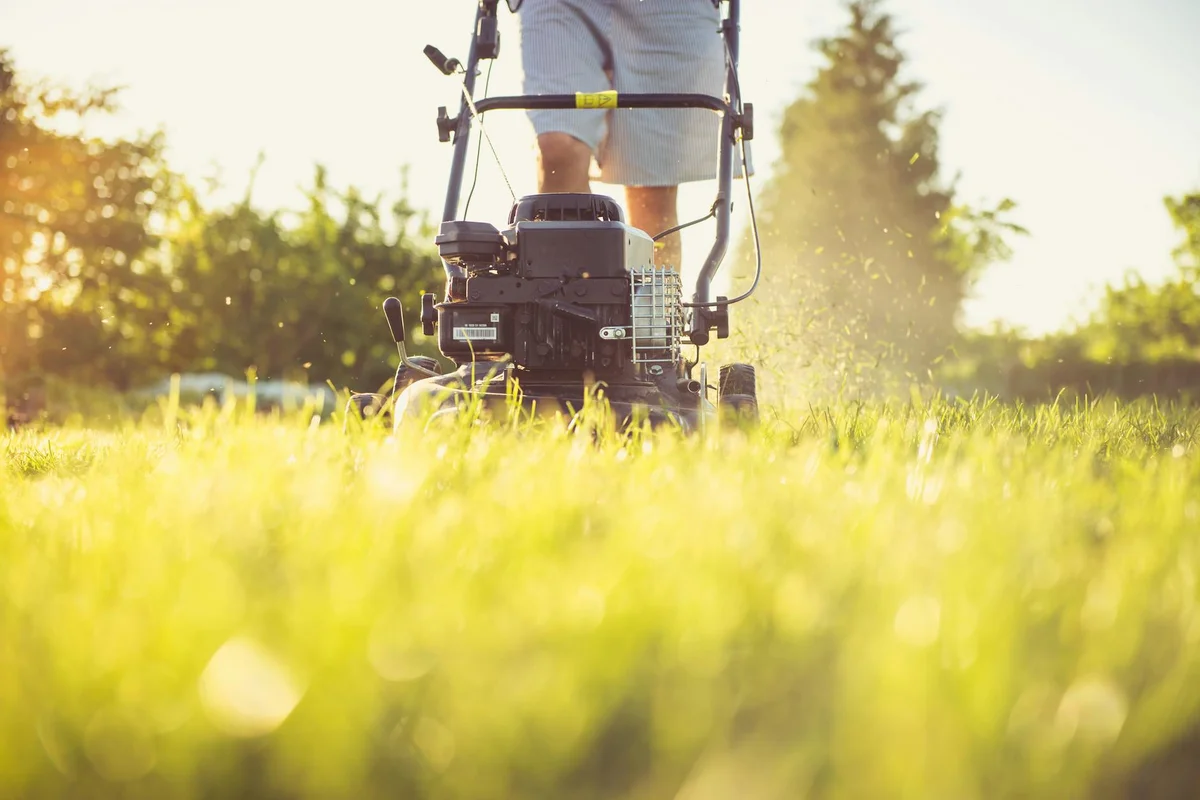
The best move you can make is to use your sweeper as a cleanup tool right after mowing or to clear leaves before they mat down.This simple habit removes the debris that blocks sunlight and traps moisture, giving your grass the room it needs to grow thick and strong. A mowing weed control strategy can amplify these results by reducing weed establishment as the lawn thickens. In the next steps, we’ll explore how to implement that strategy.
I always make sure my cleanup is safe for the dogs and bees that share our yard, choosing times and methods that keep them out of harm’s way. I also favor pet-safe lawn care, with simple weed and pest control strategies that protect curious noses and paws. Stick with that mindset, and you’ll find that caring for your lawn becomes a more rewarding part of caring for your whole home.
Deep Dive: Further Reading
- Lawn Sweepers: The What, How, & When – Brinly Parts
- When to Use a Lawn Sweeper and Why | D & L Supply
- What Are a Lawn Sweeper’s Applications? | Sweep-All
Written by Ria Carrington. Ria is an avid lawn care enthusiast and advisor. No lawn is unsalvagable when Ria is at work. She has helped countless homeowners breath new life into their dying lawns. She has a B.Sc in Agriculture and brings practical advice combined with knowledge of plant science and her decade worth of hands on experience.