
When Should You Fertilize Azaleas and Rhododendrons?
You bought these shrubs for their stunning spring show, so it’s frustrating when the blooms are sparse or just don’t happen.
Getting it right is simpler than you think. We will cover the exact timing for blooms, how to pick the right fertilizer without wasting money, and my step-by-step method for applying it.
I’ve dialed in this routine over years of trial and error in my own yard, saving cash and boosting flowers every time.
At a Glance: Your Fertilizer Roadmap
Let’s cut through the noise. Think of this as your quick reference sheet for those Saturday mornings when you just need a clear answer. Getting great blooms comes down to managing three things well.
- Timing (The “When”): This is the most important lever you can pull.
- Product (The “What”): Using the right food for acid-loving plants.
- Method (The “How”): Applying it correctly so it helps, not harms.
The golden rule is simple: feed in early spring as the flower buds swell, and consider a light follow-up snack after the blossoms fade. But I will tell you, from watching my own azaleas, having the right acidic soil is far more critical than any fancy fertilizer bag. Get the foundation right first.
The Perfect Timing: When Do I Fertilize Azaleas?
Here’s your direct answer. The single best time to fertilize is in early spring. You are looking for that sweet spot just as the flower buds on the stems begin to fatten up and swell, but before the leaves fully push out. This timing is crucial for fertilizing trees, shrubs, and evergreens.
This timing sends energy directly to the blooms for the big spring show and then fuels the fresh green growth that comes right after. It works with the plant’s natural rhythm. To answer a common question, yes, you absolutely can and should fertilize azaleas before they bloom. That is the ideal moment.
After the flowers fade, around late spring or early summer, you have a second window. This optional feeding is like a light snack. Only do it if the plant looks a bit pale or you know your soil is poor. A little goes a long way here.
Now, the critical warning: never fertilize in late summer or fall. New, tender growth pushed out then will get zapped by the first hard frost. It’s an invitation for winter damage. Let the plant wind down naturally.
Your Seasonal Fertilizer Checklist
Here is your simple, year-round plan. Think of it as a calendar for your shrubs.
- Late Winter / Early Spring: This is main meal time. Test your soil pH if you can. Apply your primary fertilizer as those flower buds noticeably swell.
- Late Spring (After Blooming): Give a light feeding, but only if needed. If the leaves are deep green and growth is strong, skip it.
- Summer: Put the fertilizer bag away. No exceptions. Your job is consistent watering during dry, hot spells.
- Fall: Do not feed. Let the plants harden off and prepare for dormancy.
Regional Timing Tweaks
Your local climate changes the calendar dates, but not the rules. Soil temperature is a more reliable guide than any specific month on the wall.
In warmer zones, bud swell might happen in February or March. In cooler northern zones, you might be waiting until April or even early May. I’ve seen both in my travels.
Forget memorizing dates and just watch your plants. The “bud swell” cue works perfectly whether you’re in Georgia or Michigan. When you see those little buds start to plump up like tiny peas, it’s time to get the food ready. That’s the universal signal from the plant itself.
Choosing the Right Food: What Type of Fertilizer is Best?
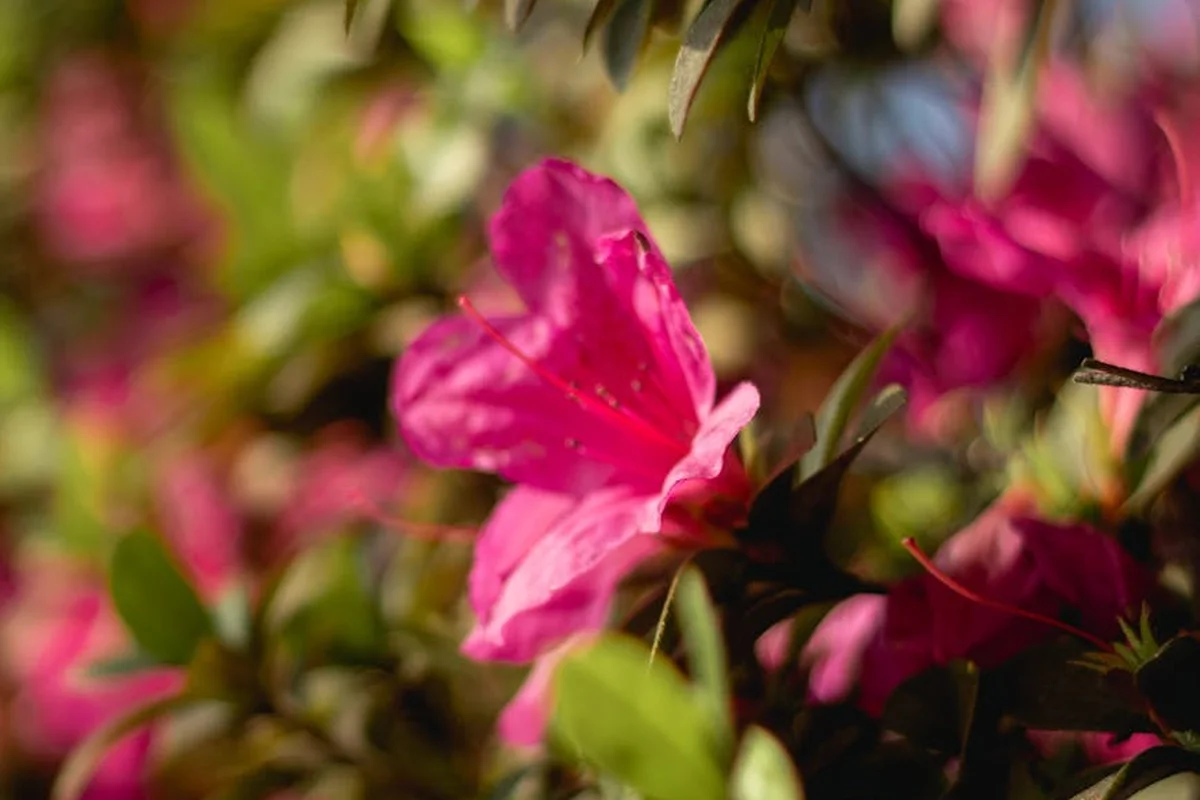
Picking the right fertilizer is easier than you might think. Your azaleas and rhododendrons are picky eaters that need specific food labeled for “acid-loving” or “ericaceous” plants. Grab a bag with those words on it, and you’re on the right track.
Look for the three numbers on the bag, the NPK ratio. Think of it like a meal: Nitrogen (N) for green leaf growth, Phosphorus (P) for strong roots and blooms, and Potassium (K) for overall plant health. Understanding these numbers is key. A balanced, gentle meal like a 10-10-10 formula works perfectly for most shrubs. Some gardeners prefer a bit more nitrogen, like a 12-6-6, to push greener growth.
You’ll find two main types: synthetic and organic. Synthetic fertilizers are concentrated and act fast. Organic options, like cottonseed meal or specially acidified fertilizers, feed the soil slowly and improve its texture over time. Both can do the job. I lean towards organics for my flower beds because they’re gentle and I don’t have to worry about harming the bees that visit.
Slow-Release vs. Quick-Release Fertilizers
This is the big choice. Slow-release fertilizer is like a time-release vitamin pill for your plants. It breaks down gradually with water and warmth, feeding your shrubs a little bit each time it rains or you water for months.
Quick-release fertilizer is more like an energy drink. It gives the plant all its nutrients in one big, fast rush. It requires perfect timing and exact measuring to avoid burning the delicate roots, especially when timing the fertilization for plants.
For most homeowners, slow-release is the safer, set-it-and-forget-it choice. It’s forgiving. You won’t shock the plant, and you get steady growth. I use slow-release on everything, from my azaleas to the lawn, especially when I weed feed is involved. It just makes life simpler.
A Special Note on Soil pH
Here’s the deal. If your soil isn’t acidic enough, your shrub can’t use the fancy fertilizer you just bought. It’s like having a full pantry but a locked door. Azaleas and rhododendrons crave soil with a pH between 4.5 and 6.0.
Without the right acidic soil, the plant literally cannot access the nutrients in the fertilizer. This is why testing first is so important. You can get a simple, cheap test kit from any garden center. Just follow the directions-it usually involves mixing soil with water and a capsule. Once you know the soil pH, you can amend the soil to improve grass seed germination. Small pH adjustments can make nutrients more available and help the seed establish.
If your pH is too high (alkaline), you can gently lower it. Elemental sulfur is a common amendment for this. Work it into the soil according to the package, and retest in a few months. It’s a slow process, but it’s what these plants need to thrive.
The How-To: Applying Fertilizer Without the Guesswork
Let’s get it on the ground. Follow these steps and you can’t go wrong.
- Water First. If your soil is dry, give the plant a good, deep soak the day before you fertilize. Damp soil helps prevent root burn and gets things ready to accept the food.
- Measure Precisely. This is not a “more is better” situation. Use a cup or scale to measure the exact amount listed on the fertilizer bag for your shrub’s size. Guessing can hurt your plant.
- Spread Evenly. Start spreading the granules a few inches away from the main trunk. Go all the way out to the “drip line”-that’s the circle on the ground directly under the farthest reach of the branches. This is where the feeder roots are that will drink up the nutrients.
- Water It In. After spreading, give the area a light watering. This washes the granules off any leaves and starts moving the nutrients down into the root zone where they’re needed.
Always keep the fertilizer granules off the leaves and away from the trunk itself to avoid damage. Scattering it evenly is the goal, not making piles.
Greedy Grass Pro Tip
For my foundation azaleas, I skip the spreader. I put on gloves and use my hands. Feeling the granules hit the soil helps me spread them evenly and avoid dumping too much in one spot. I can feel if I’m getting too close to the stems. Then, I just let Sunny (the drip irrigation setup) take over and give them a good, deep drink. It’s a quiet, satisfying way to get the job done right.
Reading Your Plants: Signs They Need Food (or Have Had Too Much)
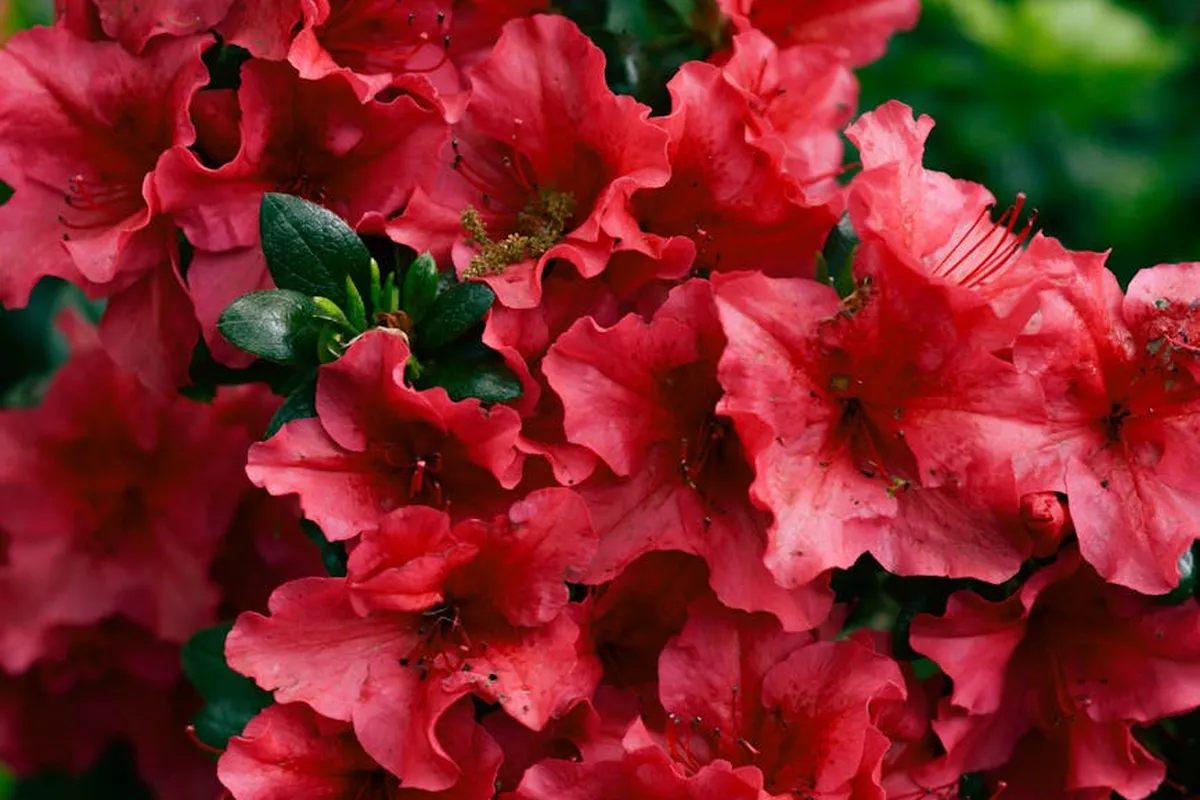
Azaleas and rhododendrons are good at talking. You just need to know what to listen for. I’ve learned this by watching my own plants, especially that shady spot I call Patch. Sometimes the problem isn’t hunger, it’s something else entirely.
Here are the clear signs your shrubs are asking for a meal.
- Pale green or yellow leaves, especially between the veins. This is chlorosis, and it often means they’re lacking nitrogen or can’t access iron because the soil pH is off.
- Stunted, spindly new growth in spring. The new shoots should be vigorous. If they look weak, it’s a hint.
- Few or very small blooms. If the flower show is consistently disappointing, the plant might not have the energy to put on a proper display.
But just as important is recognizing when you’ve been too generous. Over-fertilizing is a real problem. It can burn roots and harm the soil. To fertilize safely and effectively, follow recommended guidelines. Small, regular applications are usually better than a heavy single dose.
- Brown, scorched leaf tips and edges. This is classic fertilizer burn. It starts at the margins and works its way in.
- Sudden leaf drop, outside of normal seasonal shedding.
- A white, crusty layer on the soil surface. This is a buildup of salts from the fertilizer.
Now, about that yellowing. It’s tricky. Yellow leaves from hunger usually show up on new growth first. Yellow leaves from poor drainage, or “wet feet,” look different. The whole plant may look sickly, leaves might wilt despite wet soil, and you’ll often see the issue on older leaves first. The ground will feel soggy long after rain. Think of it this way: a hungry plant is like a person needing a sandwich. A waterlogged plant is like one with pneumonia. They both look tired, but the fixes are completely different.
| Symptom: Yellow Leaves | Likely Cause: Hunger/Nutrient Issue | Likely Cause: Poor Drainage |
| Where it starts | Often on newest growth first | Often on older, lower leaves first |
| Plant’s overall look | Generally pale, possibly stunted | Wilting, sickly, lackluster |
| Soil check | Soil may be dry or normal | Soil is persistently damp or soggy |
| The fix | Test soil pH, apply appropriate fertilizer | Improve drainage, check for compaction |
Keeping It Simple: How Often Should You Fertilize?
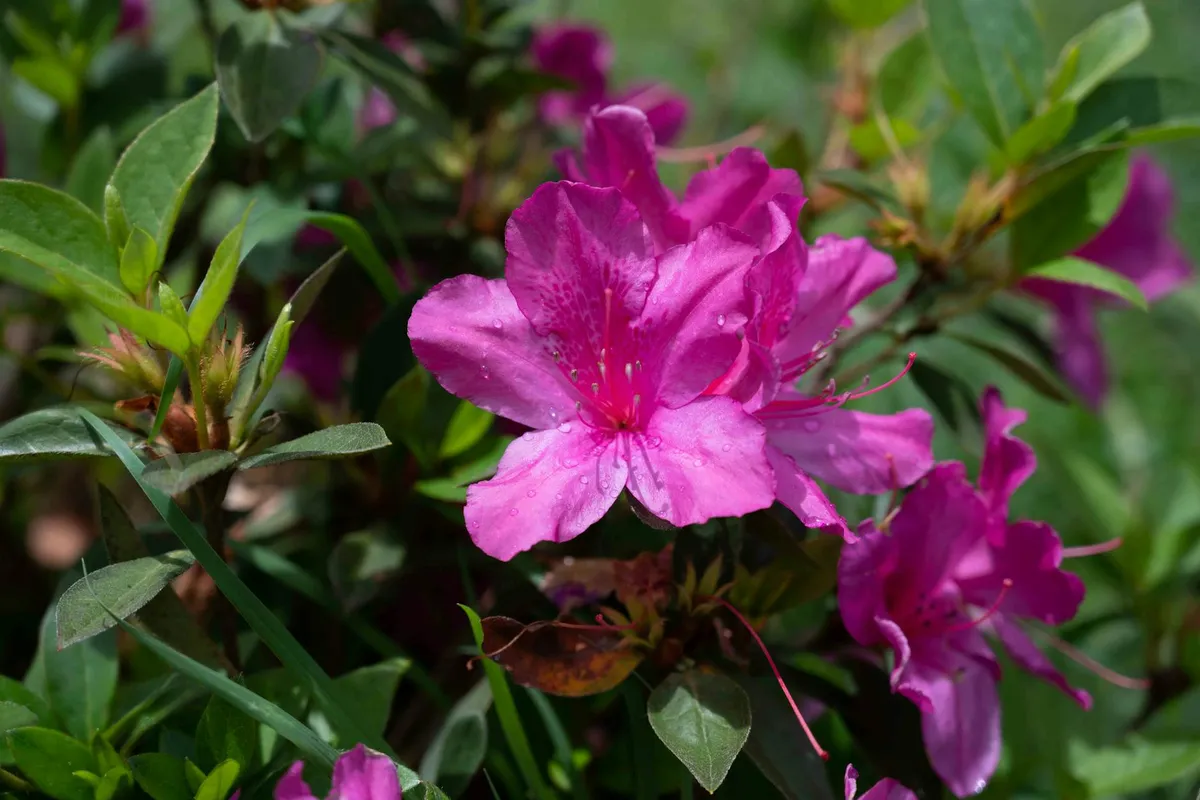
Let’s cut through the noise. For an established, healthy azalea or rhododendron in decent soil, once a year in early spring is the golden rule. This gives them the nutrients they need for that season’s leaf and flower push. I follow this with most of my shrubs, and it keeps things easy.
You might consider a second, light feeding in a few specific situations.
- If your soil is very sandy or poor and doesn’t hold nutrients well.
- If you’re growing a super vigorous hybrid variety known for heavy blooming.
- If you’re actively trying to correct a known deficiency, like iron chlorosis.
On the other hand, a mature, thriving plant in rich, woodsy, acidic soil might only need a bite every other year. They get a lot of what they need from the natural breakdown of organic matter. I have a few old-timers that hardly ever see the fertilizer bag. Still, understanding the fertilizer requirements for healthy plants can help you decide when to feed. This keeps even low-maintenance plants thriving without overdoing it.
The best schedule is the one you make by watching your plants, not the one on a calendar. Check their growth and color each spring. That tells you more than any date ever could.
What About After They Bloom?
Should you fertilize after the flowers fade? Yes, you can, and sometimes you should. This is a common question I get from neighbors when their blossoms drop.
A light feeding (use half the strength recommended on the bag) right after the bloom show is over can be very helpful. This gentle boost supports the new growth that will actually set next year’s flower buds. It’s like giving them a good recovery snack after running a marathon.
But here is the critical rule. You must stop. In most climates, do not fertilize after July 4th. Late feeding pushes tender new growth that won’t harden off before winter. That new growth will get zapped by the first frost, stressing the plant and wasting the energy you just gave it. Mark it on your calendar. When the fireworks are over, so is the fertilizing for these shrubs.
Greedy Grass FAQ: Feeding Your Azaleas & Rhododendrons
What specific nutrients do azaleas and rhododendrons crave most?
Beyond just “acid-loving,” they’re greedy for iron and magnesium to keep their leaves a deep, rich green. A fertilizer that includes these micronutrients prevents yellowing and supports overall vigor.
What’s the ideal NPK ratio, and why does it matter?
A ratio like 10-10-10 or 12-6-6 is your best bet. The first number (Nitrogen) fuels the lush, green growth we all love, making your plant look full and healthy.
Can you over-fertilize, and how do you fix it?
Yes, and it’s a common weekend warrior mistake. If you see fertilizer burn, leach the soil with a deep, slow watering to flush out the excess salts.
Is feeding after blooming really necessary?
Only if your plant looks pale or your soil is poor. A healthy, deep-green shrub after its show doesn’t need the extra snack-save your time and money.
What’s the best tool for applying fertilizer around these shrubs?
Your gloved hands are the best tool for the job. They let you feel the distribution and avoid piling granules against the stems, where they can cause harm.
Final Thoughts on Feeding Azaleas and Rhododendrons
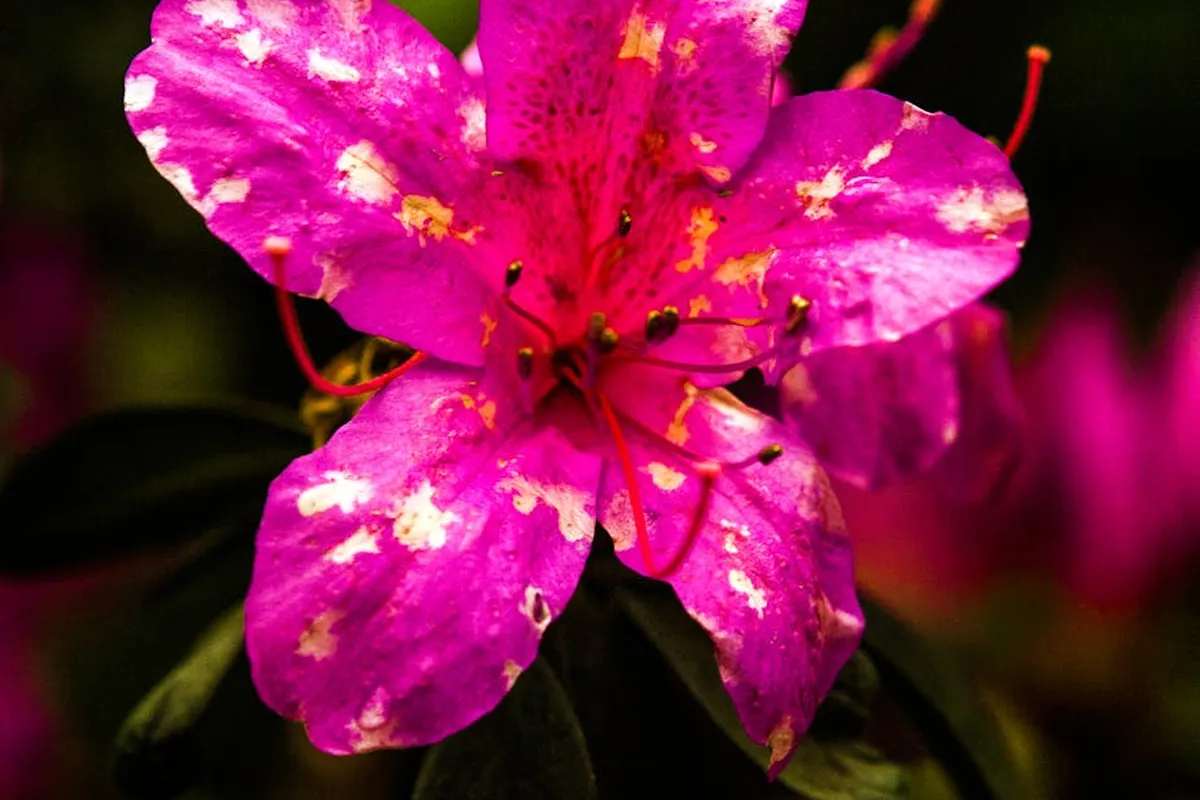
The best thing you can do is feed them right after their spring blooms fade, but before the heat of midsummer settles in. This simple timing gives them the resources they need to set next year’s flower buds without pushing out tender new growth that could get damaged.
Always choose a fertilizer formulated for acid-loving plants and consider an organic option to support the soil life in your garden. Fertilizers influence soil life—microbes, fungi, and earthworms respond to nutrient balance. Healthy soil biology supports stronger roots and better nutrient uptake. Your care makes a real difference, so watch how your plants respond each year and enjoy the process of learning what makes them thrive.
Relevant Resources for Further Exploration
- Rhododendron Fertilizer Schedule – When And How To Fertilize Rhododendron Bushes | Gardening Know How
- 11 Garden Plants You Should Never Fertilize In Early Spring | HGTV
- When to Fertilize Azaleas and How to Do it Right
- Growing Azaleas and Rhododendrons | MU Extension
Written by Ria Carrington. Ria is an avid lawn care enthusiast and advisor. No lawn is unsalvagable when Ria is at work. She has helped countless homeowners breath new life into their dying lawns. She has a B.Sc in Agriculture and brings practical advice combined with knowledge of plant science and her decade worth of hands on experience.