
Is It Safe to Mow a Wet Lawn? Your Practical Equipment and Safety Guide
You look out at a rain-soaked yard and wonder if grabbing the mower is a smart move or a recipe for trouble. Let’s clear the air on that worry right now.
This article breaks down the real deal, covering the key safety risks to you, how to protect your mower from costly damage, and the smart techniques that keep your lawn healthy.
I’ve tested these limits myself over countless seasons with Max, my zero-turn mower, figuring out how to get the job done safely and without wasting a dime.
At a Glance: Key Factors for Mowing Wet Grass
The best practice is simple. Wait for the lawn to dry. But life happens. The table below breaks down the core considerations.
| Factor | Risk | General Verdict |
|---|---|---|
| Footing & Traction | High risk of slipping for you; mower tires can slide, especially on slopes. | This is the number one safety concern and the biggest reason to wait. |
| Grass Health | Wet blades tear instead of cut, creating ragged wounds that invite disease. | Leads to a stressed, brown-tipped lawn that recovers slowly. |
| Cut Quality & Clumping | Wet grass clumps heavily, smothering the lawn and creating a messy, uneven cut. | You’ll likely need to rake after mowing, doubling your work. |
| Equipment Strain | Mower deck clogs constantly. Engine and electric components work harder. | Increases wear and tear, and the cleanup is a damp, frustrating chore. |
Mowing might be reluctantly acceptable only under very specific conditions.
- You are mowing level ground with absolutely no slope.
- The moisture is just light morning dew, not from recent rain or irrigation.
- You have a pressing reason, like grass so long it’s matting down.
- You are prepared to accept a poor cut, extra cleanup, and slightly more turf stress.
If you decide you must mow, the single most critical equipment tip is to ensure your mower blades are surgically sharp. For the best edge, consider lawn mower blades professional sharpening to restore peak performance. That service can help keep your mower cutting cleanly, even in tougher conditions. A dull blade mashes wet grass. A sharp blade provides the cleanest cut possible in bad conditions, which is the least you can do for your lawn.
The Short Verdict: When (and Why) to Avoid Wet Mowing
Here’s your direct answer. Usually, no. Do not mow a truly wet lawn. The exception is dealing with nothing more than a light dew on flat, safe ground when you have no other choice.
Not all moisture is the same. Compare it to your kitchen sponge. Morning dew is like a sponge that’s been barely dampened. You might get a passable, if clumpy, cut. The grass after a rainstorm is a sponge you’ve just wrung out. It’s heavy, waterlogged, and will instantly clog your mower and tear under the blades.
The primary hazard is for you, the person pushing or riding the mower. Wet grass is slick like ice for mower tires. A gentle slope becomes a slide. I learned this the hard way with Max, my zero-turn. On a barely damp hill I’d mowed a hundred times, he took a sudden, sideways slide toward my flower bed. It wasn’t dramatic, but it was a loud, clear warning. My heart jumped into my throat. It was a perfect reminder that gravity and moisture don’t negotiate.
This slip and fall risk is the core of lawn mower safety on wet grass, making the task simply not worth the danger in almost every case. Your safety is the one thing you should never compromise on, not even for a neater lawn.
What Really Happens When You Mow Wet Grass?
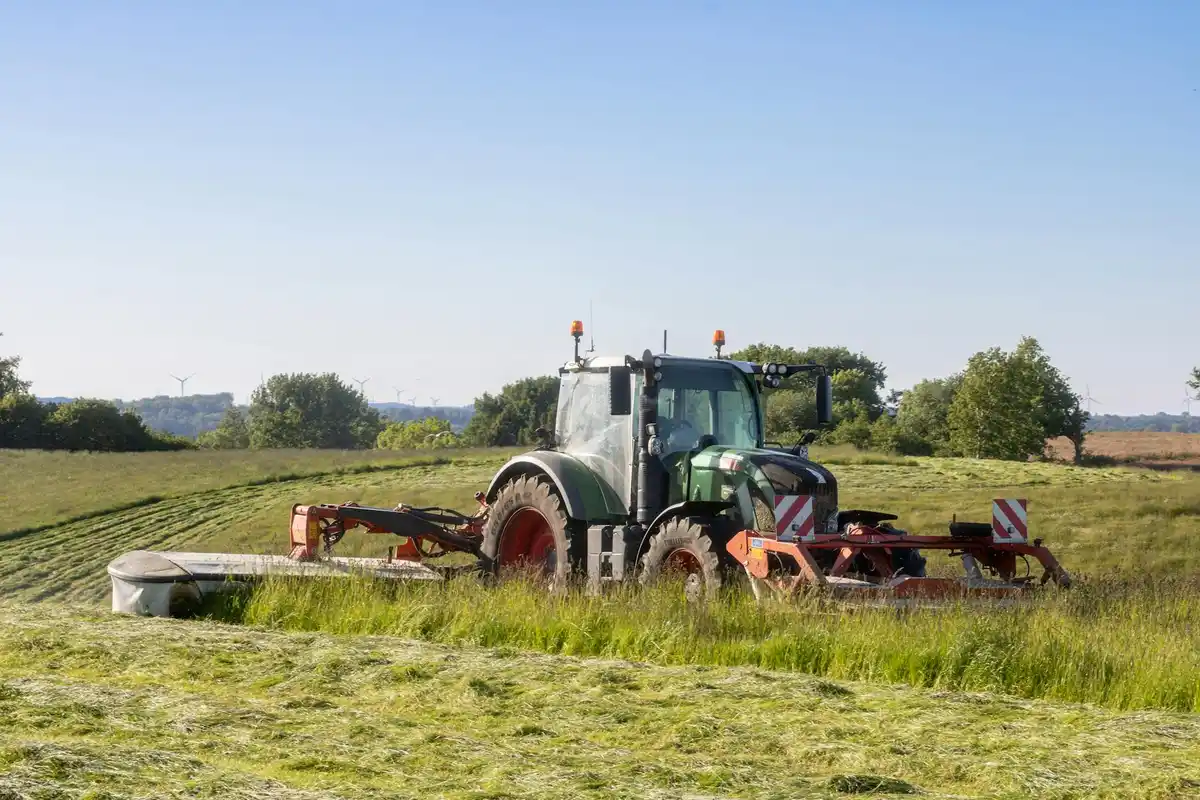
I learned this one the hard way. One Saturday, after a morning shower, I got impatient and took Max out while the grass was still sparkling. The result was not a crisp, clean cut. It was a ragged mess.
Your mower blade needs a clean snap. Wet grass blades are limp and heavy. Instead of slicing, the blade often mashes and tears them. You will see the damage in a day or two as those torn tips turn a sickly brown, making your whole lawn look dull and bruised, which can be difficult to repair.
The real trouble, though, is under your feet. Your mower is heavy. On wet soil, those tires act like a rolling pin on dough. They press the soil particles tightly together, removing the vital air pockets your grass roots need to breathe and drink. It is like slowly putting a pillow over your lawn’s face.
Up on the deck, your mower is having a fit. Wet grass clings to everything. It wads up into thick, wet mats under the deck, blocking the discharge chute completely. The engine strains, the sound changes from a steady roar to a labored groan, and you might even see smoke. Think of it like stuffing a damp sponge into your kitchen sink drain everything backs up, and the system has to work dangerously hard to push anything through.
For Your Lawn: Disease and Damage
Those torn, wet grass tips are not just ugly. They are an open invitation. Fungal spores love nothing more than a fresh wound on a damp blade of grass. From there, they spread fast.
Common diseases you might invite include:
- Brown Patch: Creates circular, brownish areas that can spread quickly.
- Dollar Spot: Forms small, silver-dollar-sized bleached spots.
- Gray Leaf Spot: Shows as irregular, spotted lesions on the blades.
A clean, dry cut heals over quickly. A ragged, wet tear does not. This leaves the plant vulnerable for longer, giving disease and stress a clear path inside. It is a completely avoidable setback for your lawn’s health.
For Your Mower: Clogs and Corrosion
After mowing wet grass, you will spend more time cleaning than you did mowing. That damp, pulverized grass paste sticks to the underside of the steel deck like glue. If you do not scrape it all off, it holds moisture against the metal for hours or even days.
That is a recipe for rust. I have seen it start as small orange specks on the blade and deck, slowly eating away at the metal. Consistently mowing wet grass accelerates wear and tear, demanding more frequent blade sharpening and potentially shortening your mower’s life.
Now, a common question is, can a lawn mower get rained on? Sure, if it is parked outside and caught in a storm, it is not the end of the world. The real issue is the prolonged, caked-on mess from cutting wet grass. Letting your mower sit in the shed with a deck packed full of wet clippings is far worse than a rain shower. Always give it a good brush-out after any damp mowing, and for storage, a dry spot is always best.
Common Wet Mowing Mistakes and How to Sidestep Them
We’ve all been there. The forecast was wrong, the weekend is here, and the grass is calling. Before you fire up the mower, let’s walk through the slip-ups I see (and have made myself) when the grass is damp. A little forethought here saves you a ton of frustration later.
Mistake 1: Mowing Too Short
This is the biggest temptation. Wet grass clumps and lays over, making it look taller than it is. Your first instinct is to lower the deck and “get it all.” Resist that. Cutting wet grass too short scalps the lawn, tearing out tender crowns and leaving ugly brown patches. It also gives weed seeds easy access to bare soil. Set your mower to its highest setting to take off only the top third of the grass blade. You’ll get a cleaner cut, protect the roots, and the lawn will dry out and stand up straighter in a few hours, looking just fine.
Mistake 2: Forgetting the Pre-Mow Walk
Dry or wet, you should always do this. When the grass is soggy, it’s non-negotiable. Twigs, kids’ toys, and soggy newspaper clippings hide in the damp thatch. Running over them is a fast way to damage your blade, bend a spindle, or launch a dangerous projectile. Spend five minutes walking the lawn to clear any debris your mower shouldn’t meet. It’s a small habit that protects your equipment, your windows, and your peace of mind—especially when combined with proper mowing techniques.
Mistake 3: Using a Dull Blade
A sharp blade slices cleanly. A dull blade shreds and tears, especially when grass is wet and vulnerable. Those ragged tips turn brown, make your lawn look dull, and open the door for disease. You can hear the difference-a sharp blade has a crisp, clean sound; a dull one sounds like it’s ripping through the turf. To maintain optimal performance, sharpen and balance your mower blade at least twice a season, and always before you expect to mow in damp conditions. This reduces vibration and ensures a clean cut. A balanced blade cuts cleaner and lasts longer. I keep a spare, sharpened blade for Max so I’m never caught out.
Mistake 4: Ignoring the Clumps
Wet grass clumps. It’s a fact of physics. Leaving those soggy mats on the lawn is like smothering the grass underneath with a wet blanket. It blocks sunlight and traps moisture, which can kill the grass and promote fungal diseases like snow mold. Stop every 15-20 minutes to rake or disperse large clumps. You can use the mower to blow them into a sunny area to dry, then mulch them on a second pass, or just rake them into your compost.
Mistake 5: Parking a Dirty Mower
This one hurts my heart. After mowing wet grass, the underside of your mower deck is packed with a damp, abrasive paste of grass clippings and soil. If you just park it in the garage, that paste hardens into a concrete-like layer, promotes rust, and throws off your mower’s balance. Always clean the mower deck after a wet mow. Let it cool, tip it safely (with the spark plug disconnected), and scrape it clean. A quick spray with the hose and a wipe-down keeps Max running smooth for years. It’s the best five-minute maintenance you can do.
Gear Up: Tools and Prep for a Damp Lawn Cut
Before you even think about starting the engine, you need the right stuff on hand. Mowing wet grass is a different ball game, and your usual routine won’t cut it. Here’s your basic kit for a damp day.
You will need your mower, a sturdy grass rake, a pair of safety glasses, and shoes with serious tread. That rake is your best friend for breaking up clumps after you mow, and those glasses will stop a stray, wet clipping from hitting your eye. Trust me, it stings.
Let’s talk mowers. The type you have changes the game when the grass is soggy. My zero-turn, Max, is a beast on dry land, but his rear wheels can spin and tear up a wet lawn if I’m not gentle. A standard riding mower is more stable, but you still risk leaving ruts on turns. A push mower is the safest bet for avoiding damage, but it’s also the hardest work, as the wet grass clogs the deck and weighs it down.
And for my friends with electric mowers, listen up. Can an electric lawn mower get wet? Yes, but you must be extra careful. Water and electricity are a bad mix. Keep all connections, the battery port, and the outlet (if corded) completely dry. For a corded model, that cord is a tripping hazard on dry ground; on wet grass, it’s a disaster waiting to happen. Go slow and be hyper-aware.
Mower Readiness Checklist
A sharp blade is non-negotiable. A dull blade doesn’t cut grass, it tears it. Torn, wet grass invites disease and looks awful. Check your blade by looking for a clean, shiny edge, not a dull, rounded one. If it looks rounded over, take it off and sharpen it. It makes all the difference.
Next, clean the mower deck. I mean really clean it. Use a putty knife or a brush to scrape off all the old, caked-on grass from last time. Wet grass clumps horribly, and a dirty deck will make it ten times worse. Give the discharge chute a clear path so clippings can actually leave the mower.
Finally, check your tire pressure. This is a simple step most folks skip. Properly inflated tires give you better traction and help prevent you from sinking in and leaving tracks. Think of it like wearing the right shoes for a muddy hike.
Personal Safety Equipment
Your feet are your foundation. Do not wear old sneakers or sandals. You need shoes with deep, aggressive treads think hiking boots or dedicated work boots. That grip is what keeps you upright when pushing a heavy mower on a slippery, wet slope. I’ve learned this lesson the hard way.
Wear long pants. Wet grass will soak your legs in minutes, and it can also fling small stones or debris. Long pants protect you from that damp chill and from any surprises the mower kicks up. Throw on a pair of safety glasses, too. It’s a simple step that prevents a very annoying trip inside to rinse your eye out.
With your gear checked and your body protected, you’re ready to talk technique. But getting this prep right is what separates a messy, frustrating job from a manageable one.
The Safe Way: A Step-by-Step Guide for When You Must Mow Wet

Sometimes, you just have to get the job done. I get it. Maybe a big storm rolled through and now your weekend is shot, or the kids have a game and the lawn looks wild. If you must mow when it’s wet, follow this process. It starts with a simple test.
Walk out and press your hand into the grass. Is it just damp from morning dew, or is it sopping wet, with water beading on the blades? If your shoes sink in and leave a mark, or if you can wring water from a clump, it’s too wet. Put Max back in the garage. If it’s merely damp and the soil feels firm, you can proceed with extreme caution.
Mowing damp grass is a compromise, and doing it safely means changing your entire routine.
Step 1: Wait for the Lightest Part of the Day
Patience pays off. Even on a damp day, the grass is usually lightest late in the morning, after the sun has had a chance to burn off the dew. I watch my setup, Sunny, and if the lines are dry to the touch, I know surface moisture is low. Mowing at noon is always better than mowing at 8 a.m. after a heavy dew.
Giving the sun a few hours to work dramatically reduces the wet clumping that can choke your mower.
Step 2: Raise Your Mower Height
Do not mow at your normal height. Crank that lever up and set your cut to 3 inches or even a bit more, especially after reading about the importance of adjusting your lawn mower’s cutting height for the best results. Taller grass is stronger grass. It stands up better when wet, so the mower blades can slice through cleanly instead of mashing it down. This extra height also reduces the load on your mower’s engine and helps protect the grass crowns from stress and disease.
I treat my mower, Max, with respect. Asking him to chew through a short, wet lawn is a good way to hear him groan.
Step 3: Mow at Half Your Normal Speed
Slow down. This isn’t a race. I literally set my pace to half of what I’d use on a dry day. Use slow, deliberate, and overlapping passes. Imagine you’re painting a careful line rather than cutting grass. This slower speed gives the mower blade time to cleanly cut each blade instead of tearing it, which happens easily when grass is wet and limp.
A slow, steady pace prevents ragged cuts that turn your lawn brown at the tips.
Step 4: Stop Frequently to Clear Clumps
This is the most critical step for your equipment. Wet grass clumps like dough under the mower deck. Every few passes, stop the engine completely. Use a rake or a long stick to scrape out the packed, wet mass from inside the deck and around the discharge chute. I keep a dedicated “clump stick” by my shed for this messy job.
If you don’t do this, the clumps block airflow and make the mower work way too hard. I’ve had to clear out Max’s deck more times than I can count after an impatient morning mow. It keeps him running smoothly for years.
Step 5: Change Your Mowing Pattern
On a dry day, you might mow in neat rows. On a wet day, you need to think about your soil. Driving the same heavy tracks over and over compacts the soil, especially when it’s damp. This squeezes out the air pockets roots need. Instead, mow in a different direction than your last cut. If you usually go north-south, try east-west or even a diagonal pattern.
It’s the same logic I use in my problem area, Patch. Avoiding ruts in the soil gives everything a better chance to breathe and recover. Your tires will thank you, and your grass will bounce back faster.
After the Cut: Protecting Your Mower from Moisture Damage

You got the wet mow done. The lawn looks okay. But your job isn’t finished. What you do next determines if your mower will be ready for next time or start a slow decline.
This post-mow cleanup ritual is not a suggestion; it’s the price of admission for a mower that lasts more than a couple seasons. Skipping it guarantees future headaches, dull cuts, and repair bills.
The Non-Negotiable Cleanup
Think of wet, clipped grass as temporary glue. Left alone, it dries into a rock-hard, cement-like paste under your deck. This paste traps moisture against the metal, inviting rust, and throws off your mower’s balance. It’s a mess to remove once set.
You have two choices right after mowing:
- Hose it off thoroughly. Use a spray nozzle to blast the entire undercarriage clean.
- Scrape it off. A putty knife or dedicated mower cleaning tool works great if you don’t want to use water.
I do this while the mower is still on the driveway. Getting that damp mass of grass off before it dries takes two minutes now, or twenty minutes of angry chiseling later.
How to Dry Your Mower Properly
You’ve washed off the grass. Now you need to chase away the water you can’t see. Moisture loves to hide in the engine compartment and around the spindle housings.
Here’s my trick: drive your mower to a dry, paved spot and let it run at full operating speed for about one minute. The heat from the engine acts like a tiny dryer, evaporating that lingering dampness. This simple step prevents internal corrosion that you’d never see until it’s too late.
Smart Storage is Key
Never, ever leave your mower outside after mowing a wet lawn. This answers the common question, “can a lawn mower be left out in the rain?” Absolutely not. A covered patio isn’t much better if humidity is high.
Your mower needs a dry garage or shed. I keep Max on a simple rubber mat in my garage. This isn’t just about rust. Many mower warranties are voided by damage from improper outdoor storage. Leaving a wet mower outside is asking for trouble you don’t need.
One Final Touch for Longevity
Once everything is completely dry to the touch, grab a can of light lubricant like WD-40 Specialist® Silicone or a similar dry lubricant. Give a quick spray to the moving parts you can see-the height adjustment levers, the wheel axles, and the throttle cable.
This tiny bit of preventative care creates a protective barrier that fights off rust and keeps things moving smoothly for your next mow. It takes 30 seconds and adds years to your equipment’s life.
Greedy Grass FAQ: Mowing Wet Lawns & Your Safety
1. Besides waiting, what’s the #1 thing I can do for traction on damp ground?
Check your mower’s tire pressure before you start. Properly inflated tires provide a firmer footprint and better grip, which is your best defense against slipping on slick grass.
2. Should I bag or mulch clippings when the grass is wet?
Absolutely do not bag. Wet grass clogs baggers instantly. If you must mow, mulch lightly and be prepared to stop and manually rake up the heavy, soggy clumps it leaves behind.
3. Is my electric mower safer for wet grass than a gas model?
No, the safety risks are identical. The real hazard is slipping, not the power source. For electric mowers, you have the added danger of ensuring cords and connections stay perfectly dry.
4. My mower slid a little last time. What’s the immediate move?
Shut the mower off right then. That slide is a clear warning from your yard that conditions are unsafe. Assess the slope and moisture; it’s almost always smarter to finish the job another day.
5. How do I store my mower after a damp mow to prevent rust?
Clean the deck thoroughly, then let the mower run for a minute on pavement to dry internal parts. Always store it in a dry shed or garage-never leave it outside where moisture can linger.
Your Final Call on Wet Grass Mowing

When in doubt, let the lawn dry out. Waiting for that damp, loamy smell to fade before you start Max is the single best move for your equipment and your grass.
Taking care of your lawn means respecting both the machine and the living ecosystem underfoot. I keep learning each season by watching how Patch responds, and you can build that same smart, pet-safe intuition for your own yard.
Relevant Resources for Further Exploration
- Lawn Mower Safety – OrthoInfo – AAOS
- Lawn Mower Safety: Information for Families – HealthyChildren.org
- Mowers
- Can You Mow Wet Grass? Tips & Risks for Cutting Wet Lawns | Husqvarna US
- Mowers and mowing safety | UMN Extension
Written by Ria Carrington. Ria is an avid lawn care enthusiast and advisor. No lawn is unsalvagable when Ria is at work. She has helped countless homeowners breath new life into their dying lawns. She has a B.Sc in Agriculture and brings practical advice combined with knowledge of plant science and her decade worth of hands on experience.