
How Do You Start and Operate Different Lawn Mowers? A Homeowner’s Cheat Sheet
You’re not alone if starting your mower feels confusing, but a few simple steps can make every cut smooth and safe.
This guide will break it down for you, covering push mowers, self-propelled models, riding mowers, and zero-turn mowers.
I’ve learned this through years of hands-on weekends, from basic push mowers to my reliable zero-turn, Max.
| Mower Type | Primary Starting Method | Good to Know |
|---|---|---|
| Gas Push | Pull Cord | The classic. Needs a sharp, fast pull. |
| Gas Self-Propelled | Pull Cord | Same start, but a drive lever helps it move itself. |
| Riding Mower | Key Ignition | Like a car. Always engage the brake first. |
| Electric (Corded) | Safety Button + Lever | Plug in first. The button is a dead-man switch. |
| Electric (Battery) | Button or Key | Insert charged battery, then push start. |
Before you touch any of those starters, there’s one step that matters most for every single mower. You must do a 60-second safety walk-around every single time you mow. Look under the deck for sticks or forgotten toys. Check that the blades aren’t bent. Make sure nothing is leaking. This habit prevents damage and serious injury.
Think of it this way. Starting the mower is really about the preparation you did before you pull the cord or turn the key. Operating it is about smooth, controlled movements once the engine is running. Get the first part wrong, and the second part gets messy.
Tools and Safety Gear You’ll Want Nearby
Gather your supplies before you roll the mower out. It saves you from stopping mid-job with greasy hands. Here’s what I keep in my shed caddy.
- Fresh Gas with Stabilizer: Old gas is the number one reason mowers won’t start. I add stabilizer to every can to keep it fresh for months.
- The Correct Oil: Check your manual. Using the wrong type is like using pancake syrup in your car engine.
- A Simple Tire Gauge: Low tires make a riding mower cut unevenly and make a push mower harder to move.
- A Rag: For quick wipes of the dipstick or a splash of gas.
- A Small Tarp: I lay this under the mower if I’m checking the blade or cleaning the deck. It keeps grass stains off the driveway.
Your personal gear is not optional. Lawn mowers throw debris at bullet speed.
- Sturdy, Closed-Toe Shoes: Athletic shoes are okay, but boots are better. No sandals. Ever.
- Eye Protection: Basic safety glasses from the hardware store work perfectly.
- Hearing Protection: Gas mowers are loud enough to damage your hearing over time. I use simple earmuffs. For battery mowers, this is less critical but still a good habit.
A final tip on safety. Keep your phone in your pocket in case of an emergency, but do not look at it or use it while the mower is running. A split-second glance is all it takes.
Greedy Grass Pro Tip
The one time I got in a hurry and skipped my walk-around with Max, my zero-turn, I heard a terrible clanking. I’d missed a plastic dump truck my nephew left in the grass. It shredded under the deck and took me an hour to clean out. Now I never skip it. That sixty seconds saves hours of headache.
For smooth operation, check your oil every third time you mow and check tire pressure once a month. It makes the cut cleaner and puts less strain on the whole machine.
The Universal First Step: Your Pre-Mow Safety Check
Before you even think about pulling a cord or turning a key, you need to do a quick walk. I do this every single time, no excuses. It takes 60 seconds and it’s the cheapest insurance policy your lawn, your mower, and your peace of mind will ever have.
The 60-Second Yard Scan
Grab your coffee and walk the area you’re about to mow. I’m not talking about a glance from the porch. You need to actually get your feet on the grass.
- Look for sticks and branches, especially after a windy night.
- Pick up any kid’s toys, forgotten gardening gloves, or dog chews. Sunny the drip line has taken a few rogue tennis balls, and it’s never a good sound.
- Check for big rocks or pinecones hidden in the grass. These are blade-killers and can become dangerous projectiles.
This quick scan isn’t just about a clean cut; it’s your first line of defense for keeping pets and local wildlife safe from hidden hazards.
The Mower Once-Over
Now, give your machine the same quick respect. For my rider Max, this means a slow circle before I climb on.
- Listen and Look: Do you see anything loose? A dangling bolt or a wheel that looks off? Give it a wiggle.
- Blade Check: You don’t need a protractor. Just look at the cutting edge. See any big nicks, dents, or a blade that looks folded like a taco? That’s a sign it needs sharpening or replacement. A dull blade tears grass, leaving it stressed and vulnerable to disease.
- Clear the Chute: Make sure the discharge chute or the opening of your bagger isn’t clogged with last week’s wet clippings. A clear path means better grass flow and a much happier mower.
Why This Ritual Matters
This isn’t busywork. Think of it like buckling your seatbelt. You hope you never need it, but you’ll be glad it’s there.
Clearing the yard protects everything. A stray stick can jam under the deck, strain the belt, or get launched. I once found a dog bone hidden in Patch’s shaggy corner, right where Max’s tire was about to go. That save alone was worth a hundred quick walks.
Those two minutes of looking prevent 90% of the frustrating, preventable repairs and keep your mowing session safe from start to finish.
It lets you mow with confidence, not with that nagging feeling you forgot something. Now, with a clear yard and a checked machine, you’re ready to actually start the thing.
How to Start and Run a Gas-Powered Push Mower

Think of this as your universal checklist for any gas walk behind mower. Whether it’s a basic model or a fancy self propelled one, the core steps are the same. I’ve started more mowers than I can count, and this routine never fails.
- Check and add oil if needed. Pull the dipstick, wipe it clean, and reinsert it to see if the oil level is between the marks. Running with low oil is a sure way to ruin an engine fast.
- Fill the tank with fresh gasoline. Gas that’s been sitting for months turns gummy and won’t ignite properly. I make it a rule to use fuel that’s no older than 30 days for a reliable start.
- Set the throttle or choke. Move the lever to the ‘fast’ position (often a rabbit symbol) or to the choke icon (usually a closed butterfly). This gives the engine the rich fuel mix it needs to wake up.
- Prime the engine. If your mower has a small rubber bulb, press it firmly three times. You should feel resistance and see fuel move in the clear plastic lines. No bulb, skip this step.
- Pull the starter cord. Plant your feet, hold the handle steady, and pull the cord with one firm, full motion. Let the cord retract fully before pulling again. A short, jerky pull won’t do the trick.
When it starts right, you’ll know. A healthy mower engine catches with a crisp, confident pop and settles into a steady, rumbling idle. The handle will transmit a smooth vibration, not a cough or sputter. It sounds like readiness, similar to my zero turn Max when he’s been sitting in the sun and is ready to work.
If nothing happens after three or four pulls, stop. Pulling over and over can flood the engine. First, check the simple thing, the fuel valve on the gas tank should be turned to ‘on’. I’ve lost track of the times I’ve forgotten that after winter storage. Give it a minute, then try the steps again.
Now, for that common headache, a flooded engine. You might smell gas. To start a flooded lawn mower, wait at least 15 minutes for the extra fuel to evaporate. Then, set the throttle to ‘fast’ with no choke. Pull the starter cord slowly two or three times to clear the cylinder. After that, go back to your normal starting routine. Patience here saves a lot of frustration, especially when trying to fix a surging, flooded lawn mower engine.
Operating a Self-Propelled Mower: Let It Do the Work
Good news, the starting procedure for a self-propelled mower is the exact same as for a standard push model. Pull the cord, check the oil, all that. The real magic happens once the engine is running and you’re ready to move. In a self-propelled model, the engine powers a drive system that turns the wheels, so you can move forward with less effort. You still steer and control speed with a lever, but the heavy labor is done by the mower itself.
The key is the drive control. It’s usually a bar or lever on the handle that you squeeze or press to engage the wheels. Think of it like a bicycle handbrake for forward motion; squeeze it to go, release it to stop rolling. It takes a little practice to get the pressure right, but your forearms will thank you for not having to shove the whole machine yourself.
My best tip is to start in a flat, open part of your yard. Get a feel for how the mower pulls itself forward. Your job isn’t to push, it’s to guide and steer. If you find yourself leaning into it and sweating, you’re fighting it. Ease up on the drive control a bit and let the machine find its pace. It’s a partnership. Later on, you can explore a start push riding zero-turn mower to see how the balance shifts when the power takes more of the workload. The idea stays the same: stay light on the drive and let the mower do the work.
You’ll also want to adjust your speed based on the grass. For thin or dry areas, you can move at a good clip. But when you hit a thick, lush patch (like the spot where I fertilized a little too heavily last spring), slow the drive down. Moving slower through thick grass gives the blades time to make a clean cut instead of tearing or bogging the engine down. Listen to the motor; if it starts to groan, you’re going too fast.
Starting and Driving a Riding Lawn Mower
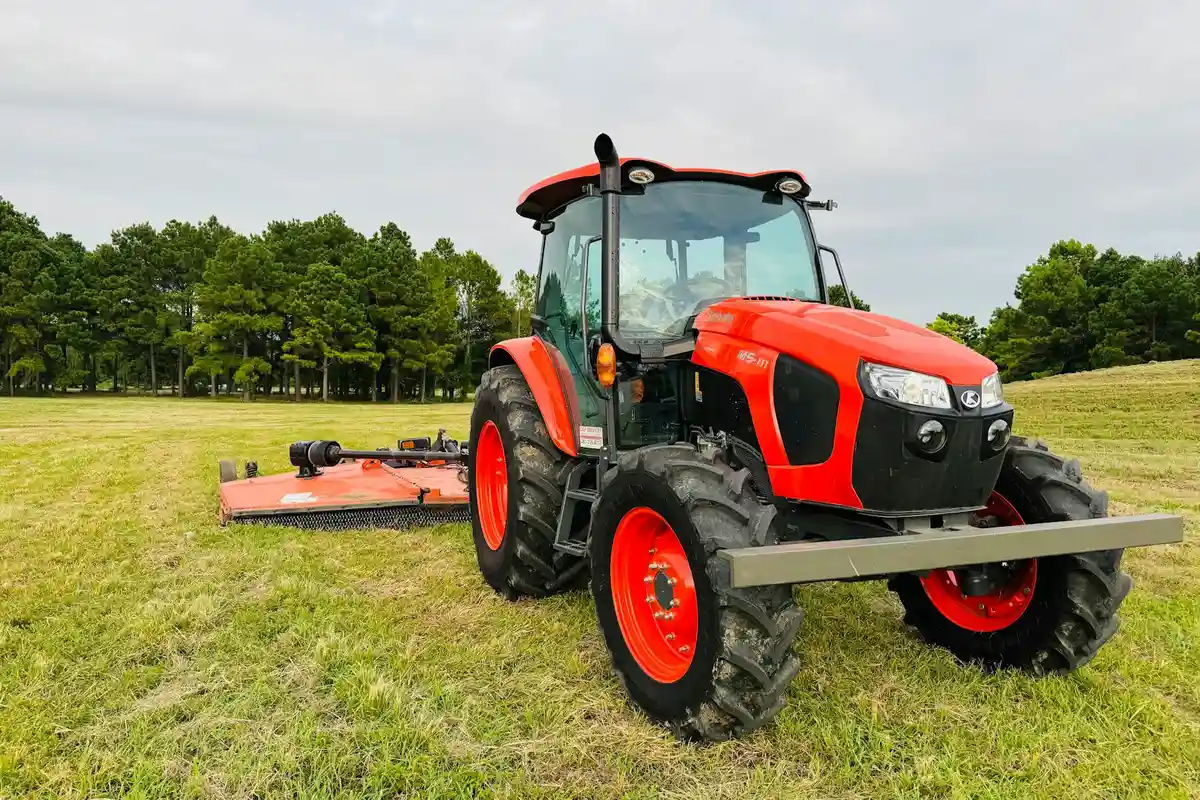
Getting into the driver’s seat of a riding mower is a great feeling. It turns a chore into a little bit of fun. My machine, Max, is a trusty zero-turn I’ve had for five years. The process for how you start a Craftsman riding lawn mower or a Cub Cadet is nearly identical to this. The most important thing is a consistent routine. A safe start prevents surprises. Before you roll, I do a quick safety check and stay mindful of the terrain. For more on safe operation, I follow lawn mower safety tips.
First, settle into the seat. Your weight often acts as a safety switch. Once you’re planted, follow this sequence every single time.
- Set the parking brake. This keeps the mower from rolling, especially on a slope.
- Make sure the PTO or blade engagement lever is in the OFF or disengaged position. The blades should not be spinning at startup.
- Press and hold the brake pedal down firmly with your foot.
- Turn the key to the ‘ON’ position. You’ll hear a single click as the fuel pump primes or the electronics wake up.
- Then, turn the key all the way to ‘START’. Release it once the engine catches and rumbles to life.
This exact order-brake, blades off, key-is your safe start mantra.
Getting Moving and Cutting
With the engine running smoothly, you’re ready to mow. Release the parking brake. On a tractor-style mower, you’ll use a steering wheel and a gear lever. On a zero-turn mower like Max, you control speed and direction with two steering levers.
The trick is gentle inputs. Push the levers forward slowly to go straight. To turn, ease one lever back while keeping the other forward. A quick, jerky movement can tear the grass or leave a mark. It’s like steering a boat, not whipping a go-kart.
Only engage the mower blades when you are fully ready to cut and are in your starting position. Drive to your starting point, then pull the PTO lever to spin the blades. That deep whirring sound means business. Never engage the blades while the mower is parked on a driveway, patio, or any non-grass surface.
Always get to your cutting spot first, then bring the blades to life. This simple habit protects your driveway and any small objects you might have missed.
When you finish a pass or need to stop, disengage the blades first, then come to a halt. Bring Max to a complete stop, set the parking brake, and then turn off the key. This sequence protects the mower’s transmission and keeps everyone safe. It’s the polite way to end the job.
Electric Mowers (Corded and Battery): The Quiet Start
Let’s demystify electric mowers. Their biggest appeal is sheer simplicity. There’s no gas can to fumble with, no oil to check, and most models have done away with the pull cord entirely. It’s a plug-and-play approach to lawn care that takes the guesswork out of the first step. If you’re weighing options, an electric battery lawn mowers comparison can highlight which model fits your yard. A quick side-by-side look at runtime, charge times, and price can save you a lot of guesswork.
You have two main choices: corded and battery-powered. I see them as two different tools for two different jobs. Your yard size and layout decide which one is your best fit.
The Corded Mower: Steady Power, One Big Catch
A corded electric mower is like a trusty appliance. You plug it in, and it has all the power you need, for as long as you need it. The startup is often just a button press. The single most important rule with a corded mower is to manage that power cord like it’s a live snake you’re trying to keep away from the blades. This isn’t a one-time check. You need to develop a rhythm.
I use a simple method. Every three or four passes, I stop for two seconds. I look down, trace the cord’s path from the outlet to the mower’s handle, and make sure it’s safely behind me. It becomes a habit, like checking your mirrors when driving. The sharp *pop* and sudden silence of cutting your own cord is a mistake you only make once.
The Battery Mower: Cordless Freedom
Battery mowers trade the cord for complete freedom of movement. Operation is straightforward. First, you click the charged battery into its compartment-it usually makes a satisfying solid *click*. Some models have a separate safety key you insert near the handle. Then, starting is typically a matter of holding down a safety bar on the handle and pressing a button. No yanking, no choking, just an instant, quiet whirr.
The key to maximizing your battery life is all in your mowing technique. Think of it like driving a car on the highway versus in city traffic. Running the mower at a higher, consistent speed uses energy more efficiently than constantly stopping, starting, and changing pace. Plan your passes to minimize backtracking and keep a smooth, steady walking speed. You’ll be surprised how much more lawn you can cover.
The start itself is a quiet marvel. There’s no roar, just the crisp sound of grass blades being sliced. You can actually hear the birds again, or have a conversation without shouting. For early weekend mornings, your neighbors will thank you.
What to Do When Your Mower Won’t Start: A Logical Checklist
We’ve all been there. It’s Saturday morning, the coffee is hot, and you’re ready to tackle the lawn. You pull the cord or turn the key, and… nothing. Or maybe you get a sad sputter. I’ve stared at Max, my zero-turn, more than once in that exact moment. Frustrating? Absolutely. But before you get mad, let’s work through this like a team. Start with the simplest, most obvious things first. You’d be surprised how often the fix is right there.
Follow this checklist in order. It’s the same process I use in my own garage.
The Absolute Basics: Check These First
Don’t skip these steps. I’ve wasted an hour before only to find I’d knocked the spark plug wire loose the last time I cleaned the deck. Start here.
- Is there fresh gas in the tank? Old gas is the #1 culprit. If it’s been sitting over 30 days, especially with ethanol, it can go bad. It smells sour, like stale varnish. Drain it and use fresh fuel.
- Is the spark plug wire fully connected? Give it a firm push onto the plug. It can vibrate loose.
- For electric mowers: Is the battery fully charged? Plug it in. For corded mowers, check the outlet and the cord for damage.
- Is the fuel valve (if your mower has one) in the ‘ON’ position?
- For riding mowers: Is the brake fully engaged? Many have a safety switch that won’t allow a start unless the brake is set.
Symptom: Nothing Happens (No crank, no sound)
When you get zero response, it’s usually an electrical or safety issue. The mower isn’t even trying to turn over.
- Check all safety interlocks. On a push mower, the handle must be in the operating position. On a rider, you must be in the seat, the brake set, and the blade lever in the ‘off’ position. These switches can fail, but check the simple stuff first.
- Is the battery dead? (For electric start and riders) Try jumping it with a car (car OFF, please) or test with a multimeter. A reading below 12.4 volts means it needs a charge.
- Is the key in the ‘run’ position? Sounds silly, but it happens.
When you get no reaction at all, the problem is almost always with the power source or a safety switch telling the engine “not now.”
Symptom: Engine Sputters or Dies Immediately
This means the engine is getting fuel and spark, but not the right mix or quality. It’s trying to run but can’t sustain itself.
- Bad or old gas is still the prime suspect. Drain the tank and the carburetor bowl if you can.
- Check the air filter. A clogged filter chokes the engine. Tap it out or replace it. A dirty filter is like trying to breathe through a wet sock.
- Is the choke or throttle control set correctly? For a cold start, you usually need the choke on. If it starts with choke but dies when you turn it off, you likely have a clog in the fuel system.
Symptom: Engine Turns Over But Won’t “Catch” and Start
The engine is spinning (you hear “ruh-ruh-ruh”), but it never fires up. This often points to a lack of spark or a severe fuel delivery problem.
- Inspect the spark plug. Remove it, reconnect the wire, and rest the metal base against the engine block (away from the fuel hole). Pull the starter cord. You should see a bright blue spark. No spark? You need a new plug. A dirty, fouled, or gapped plug can also cause this.
- Fuel isn’t reaching the cylinder. Beyond bad gas, you could have a clogged fuel filter (easy to replace) or a gummed-up carburetor jet (more advanced).
A good spark plug is the heart of your engine’s ignition. Checking it is a quick and telling diagnostic step.
When to Roll Up Your Sleeves vs. When to Call a Pro
I’m all for DIY. Changing a fuel filter, air filter, or spark plug is basic maintenance every homeowner can handle. Cleaning a carburetor? If you’re handy with a screwdriver and can follow a video tutorial for your specific model, you can try it. Have a labeled tray for screws and take pictures as you disassemble.
Call a professional small engine mechanic when:
- You’ve checked everything here and it still won’t start.
- You hear metallic grinding or a loud knocking noise when turning over.
- The repair involves opening the engine block (like a broken connecting rod or stripped flywheel key).
- You just don’t have the time, tools, or confidence. There’s no shame in it. A pro can often fix it faster and correctly the first time.
Remember, Patches didn’t become my teaching corner overnight. Lawn care, and mower repair, takes patience. Start simple, work logically, and you’ll either fix it or know exactly what to tell the mechanic.
Keeping Your Mower Happy for Easy Starts Every Time

I’ve spent enough chilly mornings yanking a pull cord to know the frustration. The secret to an easy start isn’t a magic trick you do in the moment. It’s the simple, quiet habits you build over time. Think of it like this: you’re not starting your mower for the first time today, you’re finishing the job you started the last time you used it.
The goal is to make your mower’s engine forget it sat all winter or even just a few weeks. That comes down to three non-negotiable tasks I do every single fall. Skip one, and you’re asking for trouble next spring.
The Off-Season Holy Trinity
This trio of tasks takes an afternoon and saves you a whole season of headaches.
- Handle the Fuel: Old gas turns to a gummy varnish that clogs the tiny passages in your carburetor. This is the number one reason mowers won’t start. You have two smart choices. First, you can simply run the mower until the tank is completely empty. My second choice, and what I do with my zero-turn Max, is to add a fuel stabilizer to a fresh, full tank and run the engine for five minutes to circulate it. This keeps the fuel fresh for months.
- Change the Oil: Used oil is full of contaminants that cause wear. Draining it while the engine is warm (so everything flows out easily) gives your mower a clean slate. Fresh oil protects all the internal parts while it sits idle.
- Clean the Deck: After your final mow, hose off all the clippings and mud from under the mower deck. Let it dry. Left on, this damp mat of grass holds moisture against the metal all winter, leading to rust and a heavier, harder-to-clean mess later.
Doing these three things is like tucking your mower in for a long nap and ensuring it wakes up refreshed and ready to go.
Don’t Forget the Blade
While not strictly about starting, a sharp blade is a cornerstone of easy operation and a healthy lawn. A dull blade doesn’t cut. It tears and shreds the grass tips, leaving a ragged, white edge that stresses the plant and opens the door for disease. Regular maintenance, including sharpening and balancing the lawn mower blade, keeps cutting clean and even. A well-balanced, sharp blade also reduces vibration for a smoother mow.
I sharpen my blades at least twice a season, usually around Memorial Day and Labor Day. You’ll hear the difference. A sharp blade makes a crisp, clean *swish* sound. A dull one makes a dull, whirring *thwap*. The cut grass will look clean and even, not frayed. Watch for nicked or dull spots on the blade as the season goes on. If you notice wear, you may need to sharpen or replace the lawn mower blade.
It all connects. Consistent, simple care means you spend less time yanking, cranking, and cursing. You spend more time driving, listening to the steady hum of a happy engine, and watching those clean, green stripes appear behind you.
Greedy Grass FAQ: Your Quick-Start Mower Questions, Answered
1. My mower starts fine when it’s warm, but it’s stubborn on a cool morning. What’s the trick?
That’s your engine begging for a richer fuel mix. Use the choke lever (look for the closed butterfly symbol) and give the primer bulb a few extra firm presses before you pull the cord.
2. I just got a riding mower. How do I avoid leaving streaks or uncut strips?
Check your tire pressure monthly; uneven tires cause an uneven cut. Also, overlap your passes by a few inches-the deck housing, not just the spinning blade, should go over your previous tire track.
3. For my new battery mower, how do I make the charge last as long as possible?
Mow at a steady, brisk walking pace instead of stop-and-start. Think highway miles for your battery, and always store it inside, off the cold concrete floor, when not in use.
4. My self-propelled mower struggles on a small hill. Am I doing something wrong?
You’re likely fighting it. For uphill climbs, use a steady, medium drive speed-don’t gun it. Let the machine pull itself while you walk alongside to guide it and keep it straight.
5. Is the type of gas I use really that important for easy starts?
Absolutely. Always use fresh, ethanol-free gas (often labeled “REC 90”) if you can find it, as ethanol attracts moisture that gums up the engine. If not, add a fuel stabilizer to every single can.
Final Thoughts on Mastering Your Mower
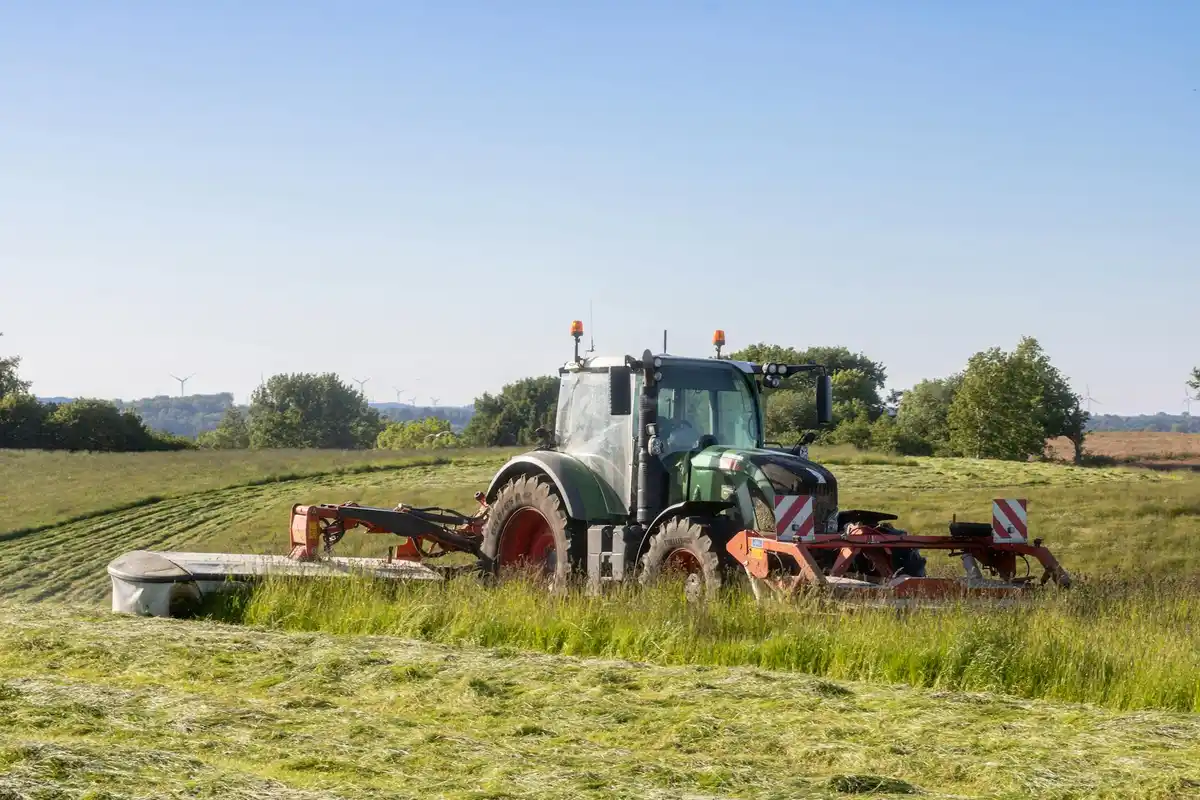
The most important thing is to know your specific machine-grab that manual from the garage shelf and give it a quick five-minute review before your first start of the season. That simple act builds confidence, prevents damage, and keeps you safe, turning a chore into a satisfying routine.
Remember, a well-run mower is part of responsible lawn care; keeping the blades sharp and using mulch settings returns nutrients to the soil, feeding your grass naturally. Using a mulching mower regularly supports a healthier lawn by recycling nutrients back into the soil. It’s a simple, effective tweak that complements sharp blades and correct mowing patterns. I’m always learning something new from my own yard, whether it’s a lesson from Max or figuring out a better pattern for Patch, and I encourage you to do the same.
Sources and Additional Information
- r/homeowners on Reddit: Single lady homeowners – how do you start your lawnmower by yourself?
- How to Start a Lawn Mower That Has Been Sitting | Carey Tools
- Simple Steps on How to Start the Lawn Mower
- How to Start a Lawn Mower: Step-By-Step Guide | Greg’s Small Engine
- How to Start a Push Lawn Mower: 14 Steps (with Pictures) – wikiHow
- How Do You Start a Lawn Mower? 6 Simple steps ? | Easy! | Lawnmowerfixed.com
- Step ‘n Start Lawn Mower Kit | Snowblower Forum
Written by Ria Carrington. Ria is an avid lawn care enthusiast and advisor. No lawn is unsalvagable when Ria is at work. She has helped countless homeowners breath new life into their dying lawns. She has a B.Sc in Agriculture and brings practical advice combined with knowledge of plant science and her decade worth of hands on experience.