
What’s the Right Grass Seed for Your Lawn’s Climate and Soil?
You’re staring at a wall of seed bags at the store, and they all promise a perfect lawn, but you know picking the wrong one is just wasted money and a lot of extra work.
This guide will cut through the confusion by explaining the main types of grass for cool and warm climates, how to match them to your yard’s sun and soil, and how to shop for seed without getting ripped off.
I’ve tested this advice over years, finding what actually works in my own yard without tossing money at the problem.
At a Glance: Key Factors for Choosing Grass Seed
Picking the right grass seed isn’t about finding a magic bag. It’s about making a simple match.
You need to match the seed to three things: your local weather, the dirt under your feet, and how your family lives on the lawn. Get this right, and your lawn starts working with you, not against you.
Choosing a grass that fits your climate, soil, and lifestyle is the single biggest step toward a lawn that needs less babysitting, less water, and far fewer interventions. This choice is the first step toward achieving a healthy, beautiful lawn. In the next steps, you’ll see practical tips to keep it thriving with less work.
Think of it like this. If you try to grow a grass that loves heat in a cool, shady yard, you’re asking for a constant battle. You’ll be watering constantly, and it’ll still look thin and sad. That’s how Patch, my stubborn shady corner, taught me this lesson the hard way.
Let’s break down the three match points:
- Your Climate (The Weather Report): This is your starting line. Are your summers blazing hot or mild? Do your winters freeze solid or stay gentle? Grass types are broadly split into “cool-season” and “warm-season” based on when they grow best.
- Your Soil (The Dirt’s Personality): Is your soil heavy and dense like clay, or sandy and quick-draining? Some grasses, like Tall Fescue, have deep roots that can punch through tough clay. Others need that fast drainage sandy soil provides.
- Your Lawn’s Life (The Traffic Report): Be honest about what happens out there. Is it a sunny backyard for kids and dogs to play? A shaded courtyard that just needs to look green? A low-traffic area you mostly admire from the window? Wear and tear matters.
Before we look at specific grasses, here’s one piece of advice I give every neighbor.
Greedy Grass Pro Tip
Always check the seed tag’s “Other Crop” and “Weed Seed” percentages. Look for a bag where both numbers are 0.0%. You’re paying for grass seed, not filler or future weed problems. This small step saves so much hassle later.
Quick Snapshot: Grass Types for Your Conditions
This table is your cheat sheet. It gives you a visual starting point to see which grass types generally fit different situations. Think of it as a first filter before you get into the finer details of specific varieties.
| Grass Type | Best For (Climate) | Sun/Shade Tolerance | Foot Traffic | Key Character |
|---|---|---|---|---|
| Tall Fescue (Cool-season) | Transition zones, areas with hot summers and cold winters. | Good sun, tolerates some shade. | Excellent. Handles kids and pets well. | Deep roots, drought-tolerant, often sold in “blends” for disease resistance. |
| Kentucky Bluegrass (Cool-season) | Northern zones with cold winters and moderate summers. | Needs full sun. | Good, but recovers slowly from damage. | Spreads via rhizomes to repair itself, creates a dense, lush carpet. |
| Fine Fescue (Cool-season) | Northern zones, shady areas, poor soil. | Prefers shade, struggles in full sun. | Poor. For low-traffic areas. | Fine blades, very low water and fertilizer needs. The low-maintenance star for tough spots. |
| Bermudagrass (Warm-season) | Southern zones with intense, long summers. | Demands full, blazing sun. | Superb. Almost indestructible. | Aggressive spreader, turns brown (dormant) at first frost, needs frequent mowing in peak season. |
| Zoysia (Warm-season) | Southern and transition zones. | Good sun, decent shade tolerance. | Very good. Forms a tough, dense sod. | Slow grower (mow less!), establishes a thick turf that chokes out weeds. It’s the patient homeowner’s choice. |
Remember, this is the big picture. Within each type, like Tall Fescue, you’ll find dozens of named varieties, each bred for specific strengths like darker color or better shade tolerance. Your local garden center will often carry blends and mixes that are pre-selected for our general area, which is a great safety net.
How to “Read” Your Lawn’s Location and Climate

Forget the complicated maps for a minute. Lawn grass mostly fits into two big teams based on the weather they love.
Cool season grasses are the team for the North. They wake up in the cool, damp springs and fall asleep during the hottest summer weeks. They want their growing season when temperatures are between 60 and 75 degrees. Think of Kentucky Bluegrass or Tall Fescue. They’re built for snowy winters and mild summers. Climate plays a big role in this, with cool-season grasses thriving in cooler, wetter springs. In hotter regions, warm-season grasses are the better fit.
Warm season grasses are the Southern team. They hit their stride in the blistering heat. They green up later in spring, love the 80 to 95 degree summer days, and go dormant (turn brown) when cool fall weather hits. Bermuda grass and Zoysia are classic examples. They handle drought well but can’t survive harsh northern winters. For those looking to plant in colder regions, it’s better to choose grass suitable for the Northern Midwest.
Then, there’s the messy middle ground, the Transition Zone. This is the tug of war. Summers can be too hot for cool season grasses, and winters can be too cold for warm season grasses. It’s a battle, and the winner often depends on your specific yard and how much work you want to do. For many, a transition lawn renovation with a suitable grass type offers a practical path forward. By choosing a grass type designed for the Zone, you can soften the tug of the seasons.
So, how do you find your grass seed climate zone? Don’t just guess. The best way is a simple zip code lookup on your state’s university extension service website. These are the local experts. They’ve done the research for your exact area. A general USDA plant hardiness zone tells you about trees, but your local extension office will tell you which grasses perform best on lawns in your town.
Your yard has its own mini climates, too. I call this the “microclimate” game. Take my problem child, Patch. It’s a corner that gets maybe two hours of dappled sun and stays damp. It’s a completely different world than the sunny slope by my driveway that bakes dry by noon. You need to match the grass to these tiny weather zones in your yard, not just your zip code.
For a true northern climate grass seed mix, you’re looking at grasses bred for resilience. Kentucky Bluegrass is the classic for its thick, lush look and ability to spread and repair itself. Fine Fescues (like Chewings or Hard Fescue) are the shade and drought tolerant heroes for those tricky spots. Perennial Ryegrass germinates fast for quick cover. A good northern mix will often blend two or three of these types to cover all your bases. It’s important to choose the right grass seed for your lawn project to ensure healthy growth and durability.
Your Lawn’s Personal Weather Report
You don’t need a fancy weather station. You just need to pay attention on a regular Saturday morning. Grab your coffee and walk your property.
First, track the sun. Watch how shadows move across your grass from morning to evening. Does that back patio get full, blazing sun from 10 AM to 6 PM? Does the area under the big oak tree never see direct light? Count the hours of direct, unfiltered sun an area gets. This is the single biggest factor in choosing a grass. If you have more than 4 hours of shade, lean toward Fine Fescue. For full sun areas, Kentucky Bluegrass or Tall Fescue can handle the heat.
Next, watch the water. Where does snow linger longest in the spring? That spot is likely cooler and stays wetter. Where does the soil feel crispy and dry two days after a rain? That’s a hot, fast draining spot. My Sunny the drip irrigation system taught me that the same amount of water acts totally different in these areas.
Connect these observations directly to your seed bag. A sunny, dry slope needs a drought tolerant grass like a turf type Tall Fescue. That damp, shady corner where Patch lives is begging for a shade blend heavy on Fine Fescues. By reading your lawn’s personal weather report, you stop fighting your yard and start working with it.
Getting to Know Your Dirt: A Simple Soil Check
Forget the textbook terms for a second. Think of your soil like a sponge. A perfect, crumbly sponge holds water just right and lets air flow through. That’s loam, and we all want it.
Your soil is likely a bit off. Clay soil is like a dense, wet sponge. It holds water too long, getting soggy and compacted. Sandy soil is like a sieve; water runs right through it, taking nutrients with it.
You need to know what you’re working with. You can learn a lot in an afternoon with three simple tests.
- The Squeeze Jar Test. Dig up a few tablespoons of soil from a couple spots in your lawn. Drop it in a clear jar, fill it ¾ with water, shake hard, and let it settle for 24 hours. You’ll see distinct layers: heavy sand at the bottom, silt in the middle, light clay on top. The thickest layer tells your main soil story.
- The Drainage Hole Test. Dig a hole about a foot deep and a foot wide. Fill it with water, let it drain, then fill it again. Time how long it takes to drain the second time. If it takes more than 4 hours, you have a slow-draining (likely clay) problem. If it drains in minutes, you’re dealing with sand.
- The Affordable pH Strip Test. Grab a basic pH test kit from any garden center. Follow the directions to mix soil and water, then dip the strip. This number is a big deal for grass. Most grasses thrive in a slightly acidic range, about 6.0 to 7.0.
This dirt detective work tells you which grasses will struggle and which will thrive. Tough Tall Fescue can handle the heavy, damp life in clay soils better than finicky Kentucky Bluegrass. Fine Fescues are champions in dry, sandy, and shady spots where other grasses give up. Knowing your soil narrows your seed choice from the start.
Fixing Your Soil Before You Seed
You’ve identified the problem. Now, let’s fix it. This isn’t about a magic powder. It’s about giving your lawn’s foundation a tune-up so your new grass seed has a real fighting chance.
For hard, compacted clay soil, you have two immediate jobs: let it breathe and loosen it up.
- Rent a core aerator or hire a pro to run it over the lawn. Those little plugs it pulls out are worth their weight in gold. They create channels for air, water, and roots.
- Right after aerating, spread a thin layer (about ¼ inch) of finely screened compost over the entire area. Brush it into the empty holes. The compost breaks up the clay clumps and introduces beneficial biology.
For thirsty, nutrient-poor sandy soil, your goal is to build a reservoir.
Your one-step fix is to work in a generous layer of compost, at least ½ inch deep, before you seed. This gives the sand something to hold onto, keeping water and fertilizer around long enough for your grass roots to grab them. I did this in my back corner near Patch, and it made a night-and-day difference in how often I had to run Sunny, my drip irrigation.
Think of improving your soil as the most important long-term investment you make in your lawn. Better soil means stronger roots, less watering, easier mowing, and fewer battles with weeds. It makes every single lawn care task that follows a whole lot easier.
Matching Grass Types to Your Lawn’s Daily Life

Let’s get straight to a common question I see: is fescue grass good for lawns? My answer is almost always yes, but with a few notes. For most homeowners, fescue is a reliable teammate. It’s tough, handles some shade better than many grasses, and stays green during cooler weather when others go dormant. The trade-off? Some types, especially older varieties, can grow in clumps or bunches. That doesn’t mean a bad lawn; it just means a different texture underfoot than a smooth carpet. If you want a grass that forgives a missed watering and doesn’t demand full sun, fescue is an excellent choice.
I find it helpful to think of grass types like characters in your yard’s story. Each has its own personality and needs.
- The Tough Athlete (Bermuda/Zoysia): This is the grass that loves the heat and sun. It spreads aggressively to repair itself, making it great for high-traffic areas. But it demands that sun. Put it in shade, and it will simply give up and leave. It’s the grass for the open, sunny field where the kids play soccer every afternoon.
- The Elegant but Needy (Kentucky Bluegrass): This grass is beautiful, forming that dense, soft carpet everyone pictures. It’s also cold-hardy. The catch? It’s thirsty, prefers full sun, and can be slower to recover from damage. Think of it like a high-maintenance showpiece for your front yard where everyone can admire it, but maybe not where the dog does its daily zoomies.
- The Low-Key Shade Lover (Fine Fescue): This is the grass for your “Patch” areas. It thrives where sunlight is a premium, under trees or on the north side of the house. It’s fine-bladed, often requires less fertilizer, and is generally low-maintenance. It won’t handle heavy foot traffic well, but it will green up spaces where nothing else wants to.
Speaking of foot traffic, if you have kids or pets, this isn’t a small detail. You need a grass that can take a beating and bounce back. For high-traffic family lawns, you want grasses with good “recuperative potential” – that’s just a fancy term for how well it heals. Bermuda and Zoysia are top contenders here because they spread via runners, quickly filling in worn spots. Certain modern Tall Fescue varieties, bred for density and durability, are also fantastic for this and offer more shade tolerance. Kentucky Bluegrass can work if it’s kept healthy and thick, but it might show wear a bit longer.
Special Consideration: The Transition Zone Dilemma
If you live in the middle of the country’s lawn map, you have my sympathy and my respect. This is the Transition Zone, where summers can bake a cool-season grass and winters can shock a warm-season grass. It’s a constant tug-of-war between two climates.
The key here is not searching for a single perfect grass, but finding a smart blend built for compromise. I often recommend looking at Tall Fescue-based mixes. Modern Tall Fescue has come a long way. It has deeper roots for summer heat tolerance and keeps its cool-weather vigor. A good blend might mix several Tall Fescue varieties with a little Kentucky Bluegrass for density. This approach gives you a lawn that can handle the swings.
When shopping, don’t just grab any bag. Look for what I call an “a-list approved grass seed” blend. This means a mix that’s been vetted for your specific region. Your state’s university cooperative extension service often publishes lists of top-performing grasses for your area. A quality, regionally-vetted blend is your best weapon against the Transition Zone’s mood swings. Also consider the different grass seed types you can buy—cool-season vs warm-season—so you pick the right one for your climate.
Decoding the Bag: How to Choose Grass Seed at the Store
You’re standing in the aisle, staring at a wall of green bags. This is where you need to know what you’re looking at. The label on the seed bag is a legal document, and it tells you exactly what you’re buying. Ignore the fancy pictures and big promises. Turn the bag over.
Look for the seed tag or the analysis printed on the bag. You’ll see a few key numbers. Purity tells you what percent of the bag’s contents is the actual grass seed you want. Germination rate is the percentage of those seeds expected to sprout. You want both numbers high.
Now, find “Weed Seed” and “Crop Seed.” These are critical. A quality bag for your home lawn will have 0.0% weed seed and a very low crop seed percentage, ideally under 0.5%. Weed seed is self explanatory. You are literally paying money to plant weeds. Crop seed is stuff like annual ryegrass, which sprouts fast but dies off. It’s filler. You want neither.
So, is coated grass seed better? The coating, often a light blue or green tint, is a clay based material that holds a tiny bit of starter fertilizer. It makes the seed heavier and easier to spread evenly without flying away. That’s the benefit. The trade off is you are paying for that coating by weight. A 10 pound bag of coated seed contains less actual seed than a 10 pound bag of uncoated seed. I use uncoated seed for my renovation projects because I want every ounce to be pure seed. For a small patch job, the ease of coated seed might be worth it.
Brand names like Jonathan Green or Scotts can be helpful, but don’t stop there. The brand is not as important as the specific grass varieties listed inside that bag. A bag should tell you exactly what types of Kentucky bluegrass, fescue, or ryegrass it contains. Match those to the blend you decided was right for your lawn’s conditions. The brand is just the wrapper.
Spotting Value Vs. Hype on the Shelf
Be very wary of any bag that promises a “miracle” lawn or claims to grow in total darkness. Grass needs sunlight. Period. Manage your expectations.
Let’s use a common example, “Kentucky 31” tall fescue. You’ll see it everywhere because it’s tough as nails and cheap. Kentucky 31 is a workhorse grass bred for pastures and roadsides, not for the fine, soft lawn most homeowners want under their bare feet. Its blades are wide and coarse. It’s a lesson in reading between the lines: durable doesn’t always mean desirable for your backyard.
Where you buy matters. Big box stores are convenient, but the seed can sit in a hot warehouse for months, hurting its germination power. I always recommend buying seed from a local garden center or farm supply store when you can. The seed is often fresher, and the staff usually knows what grows best in your immediate area. They can give you the local knowledge that helps a place like my shady “Patch” actually succeed.
The Planting Plan: From Seed to Sprout

You’ve got the right seed for your yard. Now the real work starts. This is where the magic happens, or where frustration sets in. Let’s make sure it’s magic.
The single most important thing you can do is get the seed in direct contact with the soil. Seeds need to hug the dirt, not sit on top of it. I take my leaf rake, flip it over, and gently drag the flat back side over the seeded area. It barely covers some seeds with a whisper of soil and presses the rest down firmly. Think of it as tucking the seeds into bed.
Next comes water. This is where I rely on Sunny, my drip irrigation setup. You don’t want to blast your seeds away with a powerful jet. You need a gentle, consistent mist. The goal is to keep the top inch of soil damp, like a wrung-out sponge, not a soaked one.
Here’s the typical routine I follow for a new seeding:
- Water lightly 2 to 3 times a day for the first 10-14 days.
- Keep each session short, just enough to moisten the soil surface.
- If you see puddles or runoff, you’re using too much force.
Birds think a fresh seeding is a free buffet, and a heavy rain can wash your work away. A very light layer of straw or peat moss can protect against both. Don’t smother the seeds, just give them a thin blanket.
When to Put Seed to Soil
Timing is everything. Plant at the wrong time and you’re fighting an uphill battle against heat or cold.
For cool-season grasses like Tall Fescue, Kentucky Bluegrass, and Ryegrass, aim for early fall. The soil is still warm, the air is cooling down, and autumn rains usually help. Your second-best window is early spring, as soon as the ground thaws. If you’re researching the best time to plant grass seed in spring, this window is the one to target. Seeding soon after thaw gives the young grasses time to establish before the heat of summer.
For warm-season grasses like Bermuda, Zoysia, and Centipede, plant in late spring to early summer. Wait until the soil is consistently warm, about 70 degrees or more. These grasses need heat to wake up and grow.
Patience is your new best friend. You will not see a lawn in a week. You might see tiny sprouts in 5-10 days, but full coverage takes weeks. Your only job during this time is to be a reliable source of gentle moisture.
Your First Mow and Beyond
You see green fuzz. It’s getting taller. The urge to mow is strong. Resist it until the grass passes the “pull test.”
Gently tug on a few of the new grass blades. If they pull out of the ground easily, the roots aren’t ready. Wait. When you tug and the grass resists, anchoring itself firmly, it’s time. This usually happens when the grass is about one-third taller than your target mowing height.
For that first cut, I give Max, my zero-turn, a break. I use a push mower with sharp blades. Dull blades tear young grass, inviting disease.
- Set the mower to its highest setting.
- Make sure the soil is dry so you don’t leave ruts.
- Take off only the top third of the grass blade.
About 4-6 weeks after seeding, a light application of a starter fertilizer can give your new grass a boost. Look for one with a good amount of phosphorus to support root growth.
Hold off on any weed control products for at least 60 days, or until you’ve mowed the new grass 3-4 times. Most herbicides are too harsh for tender new seedlings. A few weeds are a temporary problem. Killing your new grass is a permanent setback.
This careful start builds a deep, resilient root system. A thick, healthy lawn is its own best defense. It crowds out weeds, resists pests, and handles dry spells much better. You’re not just growing grass; you’re growing a strong, independent turf that needs less intervention from you later.
When Good Lawns Go Bad: Troubleshooting Seed Failures
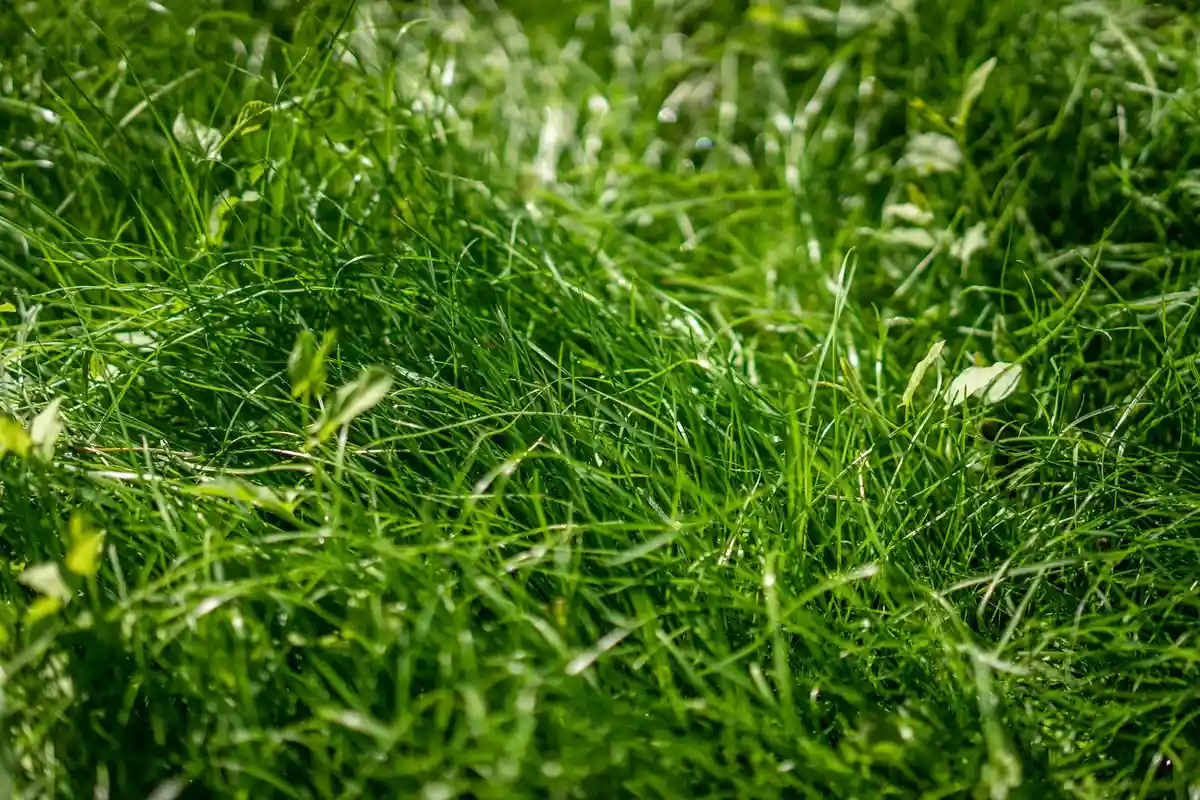
You did everything right. You bought good seed, spread it evenly, and watered with hope. But weeks later, you’re staring at dirt and a few sad sprouts. It happens to everyone, including me. Don’t get frustrated. Let’s figure out what went wrong and how to fix it.
Every failed seeding is just a lesson in what your specific lawn needs.
Problem: Washed Away in a Downpour
You put seed down and a few hours later, a thunderstorm turns your lawn into a river. I’ve watched precious seed pile up against my sidewalk like beige sand. It’s a sickening feeling.
The fix is to protect your seed with a very light layer of straw, peat moss, or even compost.
Think of it like putting a blanket over a baby. It doesn’t smother, it shields. A bale of straw lightly fluffed over the area can stop runoff. If rain is forecast right after seeding, this step is non-negotiable. After the washout, you’ll need to reseed the bare spots, but use that protective cover this time.
Problem: Dried Out Before It Could Sprout
Grass seed needs consistent moisture to wake up and grow. If the top inch of soil dries out even once during germination, the tiny sprout inside dies. This is the most common silent killer.
Your fix is a strict watering schedule. For new seed, I’m out there with Sunny, my drip system, or a sprinkler multiple times a day. The goal is never to let the soil surface dry. It should look dark and damp, not soggy, not dusty. Water lightly 2-3 times daily for 5-10 minutes until you see a full carpet of green sprouts. Only then can you start watering deeper and less often.
Problem: The Bird Buffet
Birds see fresh seed as a free all-you-can-eat diner. You’ll see them hopping around, having a feast at your expense.
Scare tactics work. I use simple reflective pinwheels or old CDs on strings that flash in the sun. The protective blanket of straw or peat moss we talked about also hides the seed from view. The best long-term fix is to gently rake the seed into the soil surface after spreading it. This gets it off the dinner plate and into contact with the moist soil it needs. Max, my mower, isn’t involved here-just a light hand rake.
Problem: Planted at the Wrong Time
Timing is everything. Planting cool-season grass like Kentucky Bluegrass in the heat of July is asking for failure. The seed will either roast or the young grass will fry under the summer sun. Knowing the ideal temperature for grass seed germination helps you choose the right planting window.
You must match your seeding time to your grass type’s natural growth cycle. For cool-season grasses, early fall is king. The soil is still warm, the air is cool, and weeds are slowing down. Spring is the backup plan, but you’re racing the summer heat. For warm-season grasses, late spring to early summer is your window, when soil temperatures are consistently warm. If you missed the window, the fix is patience. Store your seed in a cool, dry place and wait for the correct season. Throwing good seed at bad timing is a waste.
I learned most of this from my own lawn’s stubborn corner, the one I call Patch. For two seasons, nothing I did there worked. Seed washed away, dried out, or just sat there. It taught me to check the soil, to cover the seed, and to water not just often, but smartly. That difficult spot became my best teacher, and now it’s one of the thickest parts of my lawn. Your trouble spot can teach you, too. Diagnose the problem, apply the fix, and try again. That’s how a lawn-and a lawn owner-grows.
Your Grass Seed Climate Questions, Answered
Why does climate matter more than just picking a “good” grass seed?
Grass isn’t one-size-fits-all; it’s bred to thrive in specific temperature ranges. Picking a seed that loves your local weather means a lawn that grows with gusto instead of constant struggle.
What’s the fastest way to find my exact grass seed climate zone?
Skip the generic searches and go straight to the local pros. Your state’s university cooperative extension website has a zip code lookup tool that gives lawn advice tailored to your county’s conditions.
Can I just use my zip code to pick a grass seed blend?
Your zip code points you to the right region, but your yard has its own microclimates. Use your zip to find the best regional types, then match specific varieties to the sun and soil in each part of your lawn.
What is a grass seed climate zone map actually telling me?
It shows the big picture battle lines between cool-season and warm-season grass territories. Use it to know which “team” you’re on, then drill down with local resources to pick your specific players.
What should I look for in a grass seed mix for a true northern climate?
Seek out blends built for resilience with named varieties of Kentucky Bluegrass, Fine Fescue, and Perennial Ryegrass. This combination ensures density, shade tolerance, and the ability to repair itself after long, cold winters.
Your Path to a Greener Lawn
The best thing you can do is stop fighting your yard’s natural conditions and find a grass seed that’s happy to live there. Start with your climate zone, then look at your soil, and you’ll be miles ahead of someone who just grabs the prettiest bag at the store.
A great lawn is a partnership with nature, not a battle against it. I’ve learned the most by paying attention to what Patch and the rest of my yard teach me each season, and by choosing methods that are safe for my family, my dog, and the bees buzzing around the clover.
Further Reading & Sources
- Best Grass Seed for Your Climate – Nature’s Seed
- What Temperature Do Grass Seeds Germinate? Lawn Seed Germination Guide
- r/lawncare on Reddit: So what IS the right temp to seed new lawn?
- How to Choose the Best Grass Seed for Your Area – Easy Lawn
- What Temperature Kills Grass Seed?
- How to Choose the Right Grass Seed for Your Region
Written by Ria Carrington. Ria is an avid lawn care enthusiast and advisor. No lawn is unsalvagable when Ria is at work. She has helped countless homeowners breath new life into their dying lawns. She has a B.Sc in Agriculture and brings practical advice combined with knowledge of plant science and her decade worth of hands on experience.