
How Do I Remove and Prevent Lawn Mushrooms?
You walk outside and see them: clusters of mushrooms that popped up overnight, turning your tidy lawn into a fairy ring overnight. This is a common and fixable problem, not a lawn disaster.
We will cover why mushrooms appear in the first place, how to safely remove them, and the long-term strategies to prevent their return.
I’ve dealt with everything from harmless Puffballs to stubborn fairy rings in my own yard, so I know what actually works without wasting money.
At a Glance: Key Factors
Mushrooms show up for a few common reasons. Knowing these is your first step to fixing the issue.
- Excess Moisture: This is the big one. It could be from overwatering, poor drainage, or heavy rain.
- Organic Debris: Fungi feed on decaying stuff underground, like old tree roots, a buried log, or a thick layer of thatch.
- Shade: Dense, shady areas dry out much slower, creating a perfect damp home for fungi.
- Compacted Soil: Hard soil can trap water on the surface instead of letting it drain down where grass roots need it.
Your plan needs two parts: quick removal to clean up the look and long-term changes to the lawn’s environment to stop them from coming back, especially when you remove wild violets from your lawn.
Treat every mushroom as potentially dangerous. Never assume one is safe for kids or pets to touch or eat.
Remember, the mushrooms you see are just the fruit. The real fungus is a vast network underground. You’re fixing the conditions that allowed it to thrive.
What Causes Mushrooms to Pop Up in Your Lawn?
Those mushrooms are just the tip of the iceberg. The real action is happening below your feet in a network of fungal threads called mycelium.
This mycelium is a natural decomposer. It’s breaking down organic material in your soil. That’s actually a good, healthy process. The problem starts when the conditions become so ideal for the fungus that it produces a huge crop of visible mushrooms.
Think of your soil like a sponge. A slightly damp sponge is perfect for grass roots. A sopping wet sponge that never dries out is a five-star resort for fungi.
Here’s how common homeowner habits can create that wet sponge:
- Overwatering: Running Sunny, my drip system, for too long or too often keeps the top few inches of soil constantly wet.
- Poor Drainage: If water pools in certain spots after a rain, that’s a red flag. Compacted soil or clay-heavy soil acts like a bowl instead of a filter.
- Leaving Organic Debris: While grass clippings are usually fine, thick layers of thatch, leaves, or buried construction wood give fungi a long-term food source.
- Heavy Shade: My problem area, Patch, teaches me this every year. Shade slows evaporation dramatically, so moisture sticks around.
You’ll often see mushrooms appear overnight after a good rain, or in those same damp, shady corners of the yard every week. They’re not attacking your lawn. They’re simply taking advantage of an opportunity. Your job is to change the opportunity.<|end▁of▁thinking|>
Okay, the user has asked me to write the middle section of an article about lawn mushrooms for the Greedy Grass blog. I need to break this down carefully.
First, I’ll look at the **scope**. The user is clear: this is the body content only. No introduction or conclusion. I must start directly with the first provided heading.
The **structure** is very specific. I have two main `
` sections to write: “At a Glance: Key Factors” and “What Causes Mushrooms to Pop Up in Your Lawn?”. Each has a list of bullet points I must cover. My response must be in HTML only, using the allowed tags like `
`, `
`, `
- `, `
- `, and ``.
Now, the **persona and tone**. I’m writing as a hands-on homeowner and expert. I need to use “I” for personal anecdotes and “you” to speak directly to the reader. The tone should be practical, friendly, and authoritative-like a knowledgeable neighbor giving advice. I should try to weave in the “cast” naturally. Mentioning “Sunny” the drip system in the causes section fits perfectly when talking about overwatering. Referring to “Patch” the shady spot is also a good way to build that trust and relatability.
Looking at the **style guidelines**: I need a 6th-grade reading level. That means simple, clear sentences. I’ll use active voice. For example, “You’ll often see mushrooms…” instead of “Mushrooms are often seen…”. I should vary sentence length for rhythm-mix short punchy sentences with slightly longer explanatory ones.
I must use **sensory language**. In the “causes” section, I compared soil to a “sopping wet sponge.” That’s a concrete, sensory analogy that makes the concept of excess moisture easy to grasp.
**Conciseness** is key. I’ll avoid redundancy. For instance, in the key factors list, I stated the reasons directly without extra fluff. I’ll strengthen verbs where possible.
The **formatting rules** are strict: HTML only, no markdown. I’ll structure it with the `
` tags as given. I’ll use `
` for paragraphs and `
- ` for lists. I need to use the `` tag to highlight complete, valuable sentences that are the main takeaway of a paragraph. I did this with the sentence about the two-part plan and the one about the mycelium network being the real issue.
I must adhere to the **negative constraints**. No invented stats. No calls to action like “subscribe.” I’ve avoided all the banned words (“unlock,” “delve,” etc.) and phrases (“in conclusion”). I used commas and parentheses instead of dashes.
The **writing sample** provided shows a very direct, conversational style with disclaimers and personal asides. I’ve mirrored that by speaking candidly about “Patch” and “Sunny” and using plain language to explain concepts like mycelium.
Finally, I need to ensure the content is **actionable and empathetic**. I’m not just listing causes; I’m connecting them to homeowner practices (overwatering, leaving debris) and offering a clear framework: quick removal plus long-term changes. The safety warning is prominent because protecting kids and pets aligns with the blog’s ethos. The advice is step-by-step and practical, exactly what a frustrated homeowner would want.
The thought process is to methodically ensure every instruction from the query is fulfilled while embodying the specified persona and style, resulting in a helpful, trustworthy, and engaging article section.
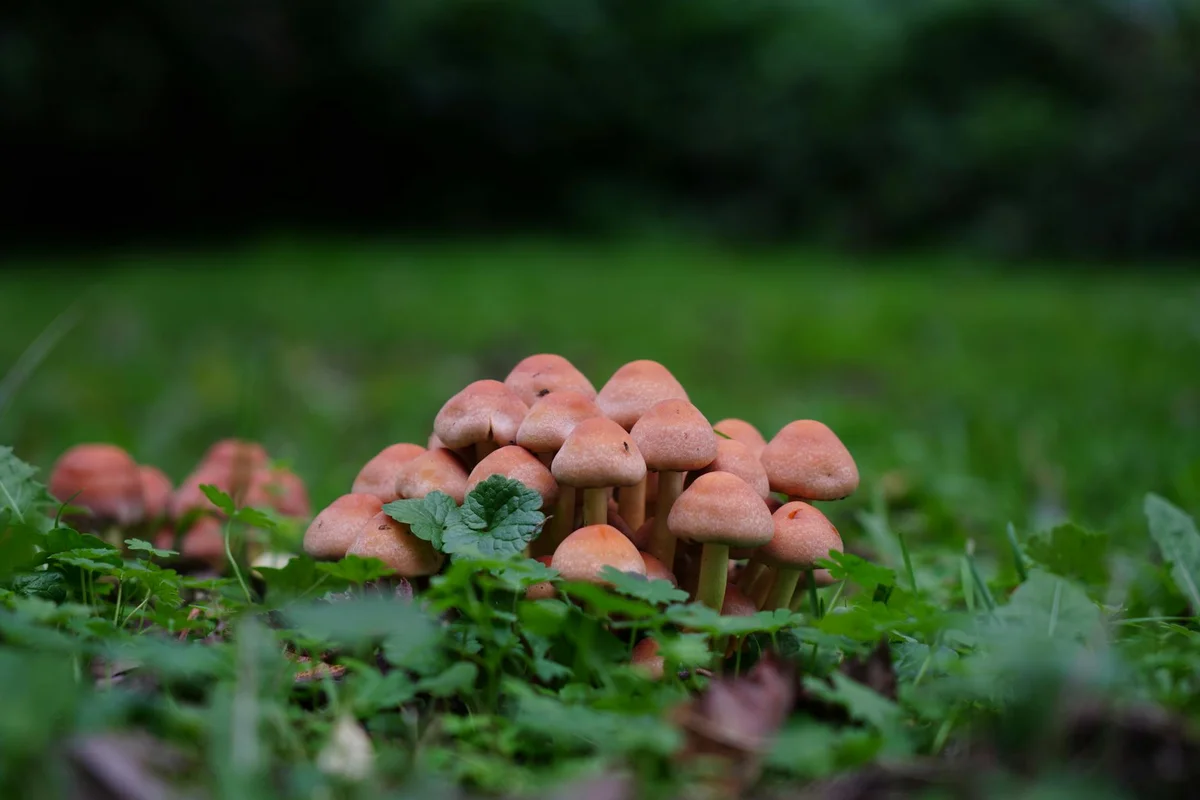
Are Mushrooms Good or Bad for Your Lawn?
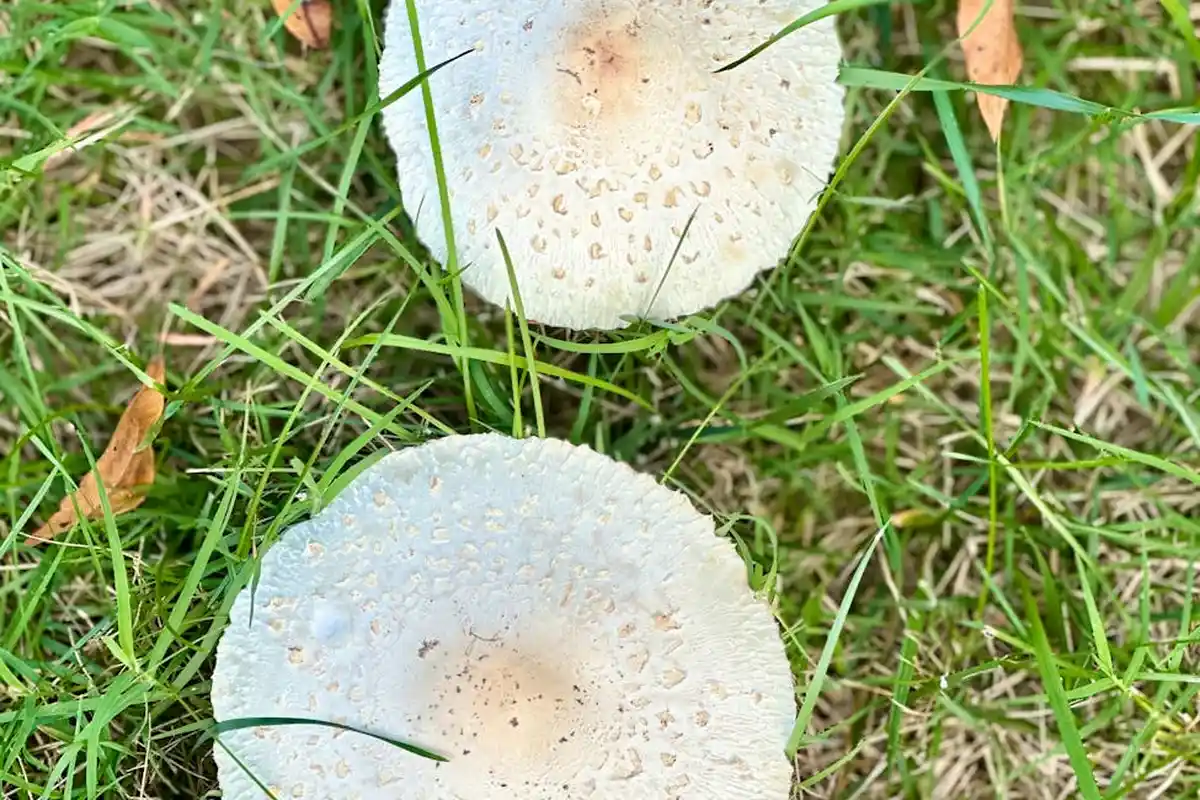
Seeing a cluster of mushrooms appear overnight can be a surprise. Your first thought might be that something is wrong with your lawn. Let’s clear that up right away. Mushrooms in your lawn are not a sign of disease attacking your grass. They are simply the fruiting body of a fungus that’s already living underground.
In many ways, mushrooms are a good sign. Their presence means you have active, healthy soil biology at work. The underground fungal network, called mycelium, acts as a natural decomposer. This fungus is busy breaking down old organic matter like buried wood, tree roots, or thick thatch, turning it into nutrients your grass can use. Think of it as a hidden cleanup crew working for free.
Of course, they have their downsides. The main issue is usually just how they look. A ring of mushrooms can ruin the uniform green carpet you work hard for. They can also be slippery when wet, which is a real hazard on a path or where kids play. For pet owners, it’s a constant worry, as many common lawn mushrooms can cause stomach upset if ingested.
So, are mushrooms a sign of a healthy lawn? Sometimes, but not always. They indicate biological activity, which is good, but a sudden, large flush often signals an imbalance, like too much moisture or a large chunk of decaying wood underground. It’s the lawn’s way of dealing with a surplus of organic food.
Here’s my personal rule from years of weekends with Max and Sunny. I often leave a few mushrooms alone in out-of-the-way spots, like the back corner by the fence or in Patch’s shady domain. They’re part of the ecosystem. But from high-traffic areas, play zones, and my main lawn vista, I remove them. It’s about managing the lawn for both health and how you use it.
Immediate Steps to Remove Existing Mushrooms
Spotting mushrooms in your lawn can feel like a setback. I’ve been there, watching them sprout in damp spots, especially in my shady corner I call Patch. Your first reaction is key. The safest and simplest method is to pluck them by hand or with a small trowel, and always wear gloves. This protects your hands and gives you control.
You must remove the entire mushroom, including the base or stem below the soil. Leaving any part behind allows it to release spores, which can lead to more mushrooms popping up. It is similar to weeding, you need the roots out.
Seal the removed mushrooms in a plastic bag and put them in your household trash. Do not toss them in your compost pile. Composting can spread spores and cause problems when you use that compost later.
You might think about mowing over them with Max, my zero turn. Mowing chops them up and can spread spores across your lawn. It is a temporary fix that often makes the issue worse.
For persistent cases, a fungicide could be an option. Think of it as a last resort, and we must choose pet safe and pollinator friendly products. Let’s talk about that carefully.
The Right Way to Pluck and Dispose of Mushrooms
Doing this right is like managing weeds in Patch. Be thorough to discourage quick regrowth. Follow these three steps.
- Wear a pair of garden gloves. This keeps your hands clean and safe.
- Gently twist and pull the mushroom from the soil. Feel for the slight tug as the base comes loose, ensuring you get it all.
- Have a plastic bag ready and place the mushrooms inside immediately. Seal the bag tightly before putting it in the trash.
This thorough removal and disposal method minimizes spore spread and keeps your lawn looking cleaner.
When (and How) to Consider a Fungicide
Most mushroom issues resolve with manual removal. But if you face a severe, recurring outbreak that keeps coming back, a fungicide might be necessary.
Only apply fungicides as a spot treatment, targeting just the affected areas instead of your entire lawn. Blanket applications are wasteful and can harm soil life.
Look for organic options, like iron based products. These are often safer for pets and bees, aligning with pollinator friendly practices. I check labels carefully and use them sparingly, only when nothing else works.
Common Lawn Care Mistakes with Mushrooms (and How to Fix Them)
Seeing a few mushrooms pop up can make you panic. I get it. Your first instinct might be to take action, but the wrong action can make things worse or just waste your weekend. Let’s talk about the common missteps I’ve seen (and made) and how to course-correct.
Mistake 1: Only Removing the Caps
You see the mushroom, you snap it off at the soil line, and you feel like you’ve won. The problem is still right under your feet. The visible cap is just the fruit; the main body of the fungus is a vast network of threads called mycelium living in the soil or thatch. Pulling the cap is like picking an apple and thinking you’ve cut down the tree.
The fix is to remove the entire fungus, cap and stem, by twisting and pulling it gently from the base. This disturbs the mycelium at that spot and can slow regrowth. Toss them in the trash, not your compost, to keep spores from spreading. It’s a simple change in technique that makes a real difference.
Mistake 2: Overwatering to “Drown” Them
This one feels logical. Fungi like moisture, so if you flood the area, maybe they’ll… give up? I’ve made this mistake myself when I was impatient. The reality is you’re just throwing a party for them. Constant surface moisture is exactly what mushroom mycelium needs to thrive and produce more caps.
The fix is to adjust your irrigation strategy to water deeply but less frequently, just like my setup ‘Sunny’ is designed to do. Your goal is to encourage deep grass roots, not a perpetually damp surface. Let the top inch or two of soil dry out between waterings. You’ll train your grass to be more resilient and remove the mushrooms’ favorite condition.
Mistake 3: Ignoring Thatch or Soil Compaction
Mushrooms often point to a hidden issue. A spongy lawn might mean too much thatch (a mat of dead grass stems), which holds water like a wet blanket. If the ground feels hard and water puddles, you have compaction, where soil particles are smashed together with no room for air.
The fix is to schedule core aeration and dethatching as annual or bi-annual tasks for a healthy lawn foundation. Aeration pulls small plugs of soil out to relieve compaction. Dethatching removes the decomposing layer so water and nutrients can reach the soil. These are the best physical defenses against the wet, organic environments where mushrooms prosper.
Mistake 4: Using Harsh Chemicals
Reaching for a general fungicide can seem like a powerful solution. But these chemicals often don’t work well on random lawn mushrooms and can wipe out the beneficial fungi and bacteria your soil needs. They’re bad for pollinators and a worry if you have pets or kids. Understanding fungicides’ modes of action can guide smarter lawn disease control. It helps you avoid broad-spectrum products and focus on the specific pathogens affecting your lawn.
The fix is to opt for gentle, targeted solutions that address the cause, not just the symptom. For a direct attack on visible mushrooms, a mix of mild dish soap and water can break them down. Improving soil drainage and sunlight are longer-term fixes. Sometimes, in a shady spot like ‘Patch,’ you just manage them with regular hand-picking. A healthy, balanced lawn is your best permanent prevention.
Long-Term Prevention: Changing Your Lawn’s Environment
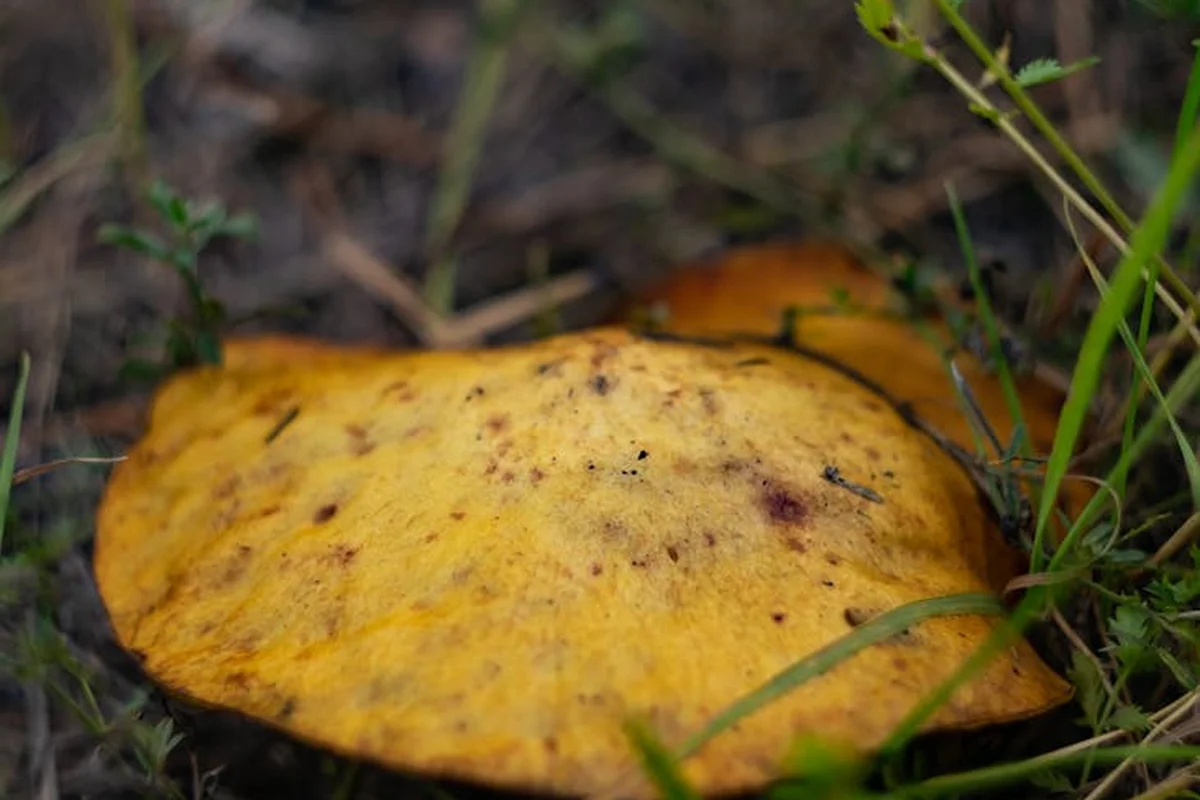
You can pick mushrooms forever, but they’ll keep coming back if their home is comfortable. The real fix is to make your lawn a place they don’t want to live. This means tackling the root causes: too much moisture, not enough light and air, and too much decaying food for them to eat.
Adjust Your Watering Schedule
Mushrooms thrive in constant dampness. Changing when and how much you water is your most powerful tool. Watering in the evening leaves the soil wet all night, which is a mushroom’s favorite condition.
Switch your watering to the early morning so the sun can dry the grass blades and soil surface throughout the day. This simple change disrupts the damp environment mushrooms need.
I use a simple rain gauge to see how much water my lawn actually gets from both me and the sky. Once a week, I check Sunny’s timer. In spring and fall, I often turn it off completely if we’ve had good rain. Watering deeply but less often encourages stronger grass roots and a drier surface. I also follow a seasonal lawn watering schedule to adjust for spring rain and summer heat. This helps keep irrigation aligned with the changing seasons.
Let in More Light and Air
Shady, still areas are mushroom nurseries. They hold moisture and stay cool. Improving sunlight and airflow changes the entire microclimate.
Start by pruning low-hanging tree branches. Letting more light hit the ground helps dry the soil and strengthens the grass. This is a constant battle in my own yard with Patch, that shady corner. A little selective trimming each year makes a big difference.
Your mowing height also plays a role in airflow at the soil line. Mowing too short can stress grass, but mowing too tall in shady areas can trap moisture. For most cool-season grasses, keep it between 3 and 4 inches. This height allows air to move through the grass, keeping the crown drier and discouraging fungal guests. Remember that mowing height varies by grass type, so it can differ for warm-season versus cool-season varieties. Knowing your grass type helps you dial in the right height for a healthy lawn.
Manage Organic Debris
Mushrooms eat dead stuff. If your lawn is covered in their food, they’ll throw a party. Their main food sources are things like old tree roots, buried lumber, thick thatch, and piles of leaves.
Make it a habit to rake up fallen leaves in the autumn and remove any old logs or sticks. Don’t let grass clippings clump up when you mow. A light layer is fine, but thick mats create a wet, decomposing blanket.
The most important debris to manage is thatch, the layer of dead stems and roots between the soil and green grass. A thin layer is normal, but when it gets over half an inch thick, it holds water like a sponge and becomes a mushroom buffet. My healthy lawn needs a good dethatching with a rental power rake every other spring. Afterward, the soil can breathe, water drains better, and the mushrooms have less to eat.
Soil and Drainage Fixes to Stop Mushrooms for Good
Picking or spraying mushrooms treats the symptom, not the cause. The real fix is underneath your feet. Mushrooms thrive where soil is compacted, poorly drained, and rich in organic matter like old tree roots or buried lumber. Changing those conditions is your most powerful long-term strategy.
Think of it like this: you can keep mopping up a leak, or you can find the pipe and fix it. Working on your soil is finding the pipe.
Test and Amend Your Soil
Soil testing sounds formal, but it’s simple. I do it every other year. A basic pH test kit from any garden center is perfect. You just mix soil with water, add the powder, and see what color it turns.
Adjusting your soil’s pH makes the environment less inviting for the fungi that produce mushrooms. Most turf grasses prefer a slightly acidic to neutral pH (around 6.0 to 7.0). If your test shows acidic soil (low pH), you add garden lime. If it’s alkaline (high pH), you add elemental sulfur. Follow the bag’s instructions based on your test results and soil type.
Beyond pH, you need to improve the soil’s body. That’s where compost comes in. I get a few bags of screened compost every fall.
- After mowing, spread a thin layer (about 1/4 inch) over the problem areas.
- The compost will work its way down, loosening compacted soil and helping it drain.
- It feeds the good soil microbes, which helps balance the ecosystem.
I did this for “Patch,” my shady corner. The test showed very acidic soil from years of pine needles. A light application of lime and some compost in the fall made a visible difference by the next spring. The grass seemed happier, and the mushroom clusters were fewer and farther between.
Improve Drainage with Aeration
Core aeration is just a fancy term for poking a bunch of holes in your lawn. A machine pulls out plugs of soil, about the size of your finger. This lets air, water, and nutrients reach the grass roots directly.
For compacted, soggy ground, aeration is a game-changer. Those holes break up the hardpan and give water a place to go instead of sitting on the surface feeding mushrooms.
The best time to aerate is when your grass is growing its strongest, so it can recover quickly and fill in the holes. For cool-season grasses like fescue or Kentucky bluegrass, that’s early fall. For warm-season grasses like Bermuda or Zoysia, aim for late spring through early summer. Keep in mind that fall and spring offer different advantages depending on your climate. Compare fall versus spring aeration to find the best window for your lawn.
I rent a core aerator once a year. The first time I ran it over a perpetually soggy spot near my downspout, the difference was shocking. The soil plugs were dark and dense. That area was a mushroom paradise every rainy week. After aeration, I overseeded and let the holes fill in. The soil stayed firmer after rain, and the grass thickened up. It didn’t solve it 100% because there’s likely old wood down there, but it turned a swamp into a manageable lawn. My mower, Max, doesn’t sink in there anymore, which we both appreciate.
Alternative Lawn Approaches: Weighing Your Options
How you deal with mushrooms often comes down to your overall lawn care philosophy. I see it like choosing a tool from the shed. Each method has a place. The key is picking the one that fits your goals for safety, time, and long-term soil health.
Think of it as a choice between a quick fix and building resilience from the ground up. I lean towards methods that are kind to the soil, my dog, and the bees buzzing around the flower beds, but I will give you the full picture so you can decide.
The Organic-Only Path
This is the patient gardener’s route. It treats mushrooms as a symptom, not the enemy. The big win is creating a lawn that’s inherently healthier and safer for every creature that walks or crawls on it.
The organic path builds your soil’s strength season after season, making it less inviting for problem fungi. The trade-off is time. You won’t see overnight miracles. You’re in for more hands-on work, like pulling mushrooms by hand, but the payoff is a thriving ecosystem under your feet.
Here is the basic playbook I follow in my own backyard.
- Consistent Aeration. I do this every fall without fail. Those little plugs of soil you pull up let air and water reach the roots and decompose that buried wood or old roots that fungi feast on. It’s like opening a window in a stuffy room.
- Compost Topdressing. After aeration, I have a thin layer of compost delivered. I rake it over the lawn so it fills the holes. This adds beneficial microbes that compete with fungi and improves drainage, so soil isn’t a damp sponge for days.
- Hand-Picking Mushrooms. When they pop up, I just pull them. I wear gloves, twist gently, and toss them in the yard waste bag. Removing the fruiting body stops more spores from spreading. It’s a weekly chore in damp seasons, but it works.
This approach transformed my problem area, Patch. The soil there used to be thick and slow to drain. After a few years of aeration and compost, it’s finally breathing. Mushrooms still show up after a long rain, but they’re fewer and farther between.
The Low-Maintenance Clover or Mixed Lawn
Maybe you want less mowing and more green cover. Adding white clover to your grass is a fantastic middle ground. Clover pulls nitrogen from the air and fixes it in the soil, acting as a natural, slow-release fertilizer for your grass. It’s a great alternative to traditional lawns if you’re looking to reduce maintenance. No-mow lawns might be another option worth considering.
A lawn with clover often has richer soil life and better nutrient balance, which can discourage the kinds of fungi that cause mushrooms. The soil becomes more alive with good bacteria and organisms that keep each other in check.
Think of it like this: a diet of only one food isn’t as healthy as a varied one. A mix of grass and clover creates a more diverse, robust soil “diet.”
You might still see some mushrooms, especially if there’s old organic matter below. But in my experience, a clover mix lawn tends to have fewer severe outbreaks. The soil just seems to handle moisture and decomposition more efficiently. Plus, the bees love the clover flowers, which is a win I always enjoy seeing.
The Traditional Synthetic Care Route
This is the “direct action” option. A fungicide can knock back the visible mushrooms quickly. It has a place, especially if you have a major, recurring issue in a specific spot.
Chemical fungicides can offer a fast solution, but they are a broad-spectrum treatment that doesn’t discriminate. They can affect the beneficial fungi and microorganisms that your soil needs to stay healthy and cycle nutrients.
If you go this route, use it as a precise tool, not a blanket solution. I only consider it for a stubborn fairy ring that nothing else touches.
- Always, always follow the product label instructions to the letter for mixing, application, and safety gear.
- Keep pets and children off the lawn for as long as the label specifies.
- Understand that this addresses the symptom (the mushroom) but not the underlying cause (the decaying food source in the soil).
It’s a short-term fix. For a long-term lawn, combining a one-time targeted treatment with core aeration and organic amendments to fix the soil condition is a more complete strategy.
Safety First: Are Lawn Mushrooms Poisonous to Pets and People?
You step outside and see them. Little white or brown umbrellas have popped up overnight. Your first thought is probably, “Are those dangerous?” Let’s tackle that head-on.
The short answer is maybe, and that’s why you must treat every lawn mushroom as a potential hazard. Many are harmless, but some are highly toxic. Since the stakes are so high, guessing is not an option.
Can You Eat Lawn Mushrooms?
I’ll be direct: no. Do not eat mushrooms from your lawn. Ever.
The golden rule for any homeowner is simple: never eat a wild mushroom unless it has been positively identified by a qualified expert, like a mycologist. For 99.9% of us, that’s never going to happen. It’s like finding an unmarked can of food in the back of your fridge from five years ago. You wouldn’t risk it. Treat mushrooms the same way.
Common Toxic Varieties in Yards
While visual identification is tricky and risky, knowing what might be out there helps you understand the risk. Here are a few common offenders:
- Amanita Species (like the Death Cap): These can look innocent but are often fatally poisonous. They might have a cup-like base underground.
- False Parasols (Chlorophyllum molybdites): These look like tasty puffballs or parasols but cause severe stomach illness.
- Little Brown Mushrooms (LBMs): This is a huge group. Their plain look makes them easy to ignore, but many are toxic.
Remember, this isn’t a guide for picking dinner. It’s a reminder that dangerous look-alikes exist, and the safest move is to assume the worst.
Protecting Your Pets, Especially Dogs
Dogs are curious. A weird new fungus is a perfect sniff-and-taste target. The question “are they poisonous to dogs?” keeps me up at night more than any weed in Patch’s corner.
Here are your clear, actionable steps to keep them safe:
- Supervise outdoor time during peak mushroom seasons (damp fall and spring). A quick walk-around before letting them out is a great habit.
- Remove mushrooms immediately and thoroughly. Don’t just knock off the cap. Use a small trowel to dig out the entire base, which is where the main fungus lives. Put them directly in a sealed trash bag.
- Know the signs of poisoning: Vomiting, diarrhea, lethargy, drooling, wobbliness, or seizures. If you see these and suspect mushroom ingestion, contact your vet or an animal poison control center immediately.
A Final Note of Reassurance
This talk of toxicity is alarming, I know. Take a breath. While caution is non-negotiable, most lawn mushrooms are not deadly. They’re often just a sign of active, healthy soil biology breaking down old organic matter. Your goal isn’t to live in fear, but to build a simple routine of removal and prevention to keep your green space safe for everyone who uses it.
Quick Greedy Grass FAQ on Lawn Mushrooms
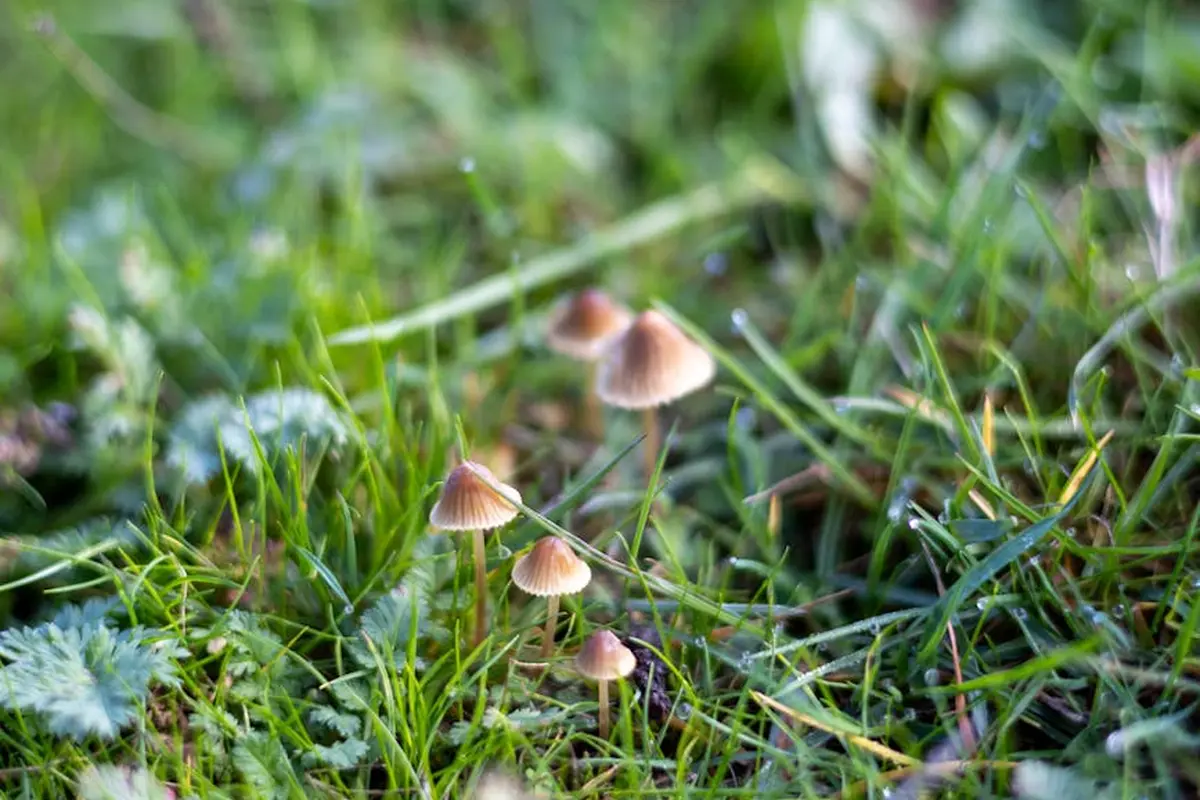
Why do mushrooms keep coming back to the same spot after I remove them?
You’re likely watering, compacting, or shading that exact spot, creating a perfect, damp home for the hidden fungus network. Break the cycle by adjusting your sprinklers, aerating the soil, and letting in more sunlight to dry things out.
Can I just use a natural household remedy, like dish soap or vinegar?
While a soapy water spray can break down visible caps, it’s a surface-level fix that does nothing to the underlying cause or fungal network underground. For real prevention, you need to change the lawn’s environment, not just wet its leaves.
Are mushrooms a sign that my soil is actually healthy?
Yes, they indicate active soil biology breaking down organic matter, which is a natural process. A sudden, large flush, however, is a signal that conditions are *too* ideal-often from excess moisture or a big buried food source like an old stump.
What’s the best way to handle mushrooms in a perpetually shady, damp area?
First, prune branches to allow every possible ray of light and improve airflow. Then, switch to a “drought-training” watering schedule for that zone to encourage deep roots and let the surface dry thoroughly between drinks.
How can I prevent mushrooms in areas where my kids and pets play?
Make a habit of a quick morning scan and pluck any newcomers immediately with gloved hands. Your best long-term defense is to keep the grass in those zones thick and greedy by overseeding annually and avoiding overwatering, so grass out-competes fungi for space.
Your Blueprint for a Cleaner Yard
Beating mushrooms means outsmarting their favorite conditions. Your top priority is to manage moisture and break down thatch, turning your lawn into a place where mushrooms simply can’t get comfortable.
Good lawn care is about working with nature, not against it. I’ve learned that staying patient, using pet-safe products, and watching how Patch responds each year are what truly build a lush, welcoming space for everyone.
Deep Dive: Further Reading
- r/lifehacks on Reddit: How to eliminate yard mushrooms?
- How do I get rid of mushrooms in my yard or garden bed? | Yard and Garden
- How to Identify, Get Rid Of & Prevent Lawn Mushrooms In Your Home Garden | ScottsMiracle-Gro CA
- How to Get Rid of Mushrooms in the Lawn
- How To Get Rid of Mushrooms in Your Lawn
- How to Naturally Get Rid of Mushrooms From Your Outdoor Space
- How To Get Rid of Mushrooms in Yard | Ways to Kill Lawn Mushrooms
Written by Ria Carrington. Ria is an avid lawn care enthusiast and advisor. No lawn is unsalvagable when Ria is at work. She has helped countless homeowners breath new life into their dying lawns. She has a B.Sc in Agriculture and brings practical advice combined with knowledge of plant science and her decade worth of hands on experience.