
How Do I Get Rid of Wild Violets Without Hurting My Grass?
You’ve spotted those cheerful purple blooms, but they signal a tough weed stealing space from your lawn. I’m here to tell you it’s a fight you can win without damaging your grass.
We’ll tackle this step-by-step, covering why wild violets are so hard to kill, the right way to dig them out, selecting and using pet-safe herbicides that won’t harm your grass, the best time of year to strike, and how to adjust your lawn care to keep them away.
I’ve dealt with my own share of these tenacious plants, refining a method that’s effective, economical, and safe for the lawn.
At a Glance: Key Factors
Wild violets are frustrating. They look almost pretty, until you realize they’re taking over. The fight is tough, but you can win. I’ve spent years battling them in my own yard.
Their main defenses are their waxy, heart-shaped leaves and a network of underground runners called rhizomes. That wax makes liquids bead up and roll off, so many weed killers don’t stick. The rhizomes store energy and send up new shoots, so if you just pull the top, it laughs and grows back.
Beating them requires a full plan. You can’t just spray and walk away.
- Correct Identification: Make sure it’s a violet, not a look-alike. Using the wrong tactic wastes time and product.
- Effective, Safe Removal: You need methods that break through their defenses without harming your grass, pets, or pollinators.
- Long-Term Lawn Health: Violets are a symptom. They thrive where grass is weak. Fix the lawn, and you stop the invasion for good.
Set your expectations now. This is often a multi-season project. You’ll see progress this year, but full control might take another. Patience and consistency are your best tools.
Every method discussed here will prioritize safety for your family and the bees and butterflies that might visit. A healthy lawn and a safe yard go hand in hand.
Is That a Wild Violet? How to Tell for Sure
Before you declare war, make sure you have the right enemy. Mistaking henbit for violet means you’ll use the wrong herbicide and get poor results.
Look for these three things together:
- Heart-Shaped Leaves: The leaves are distinctly heart-shaped with a rounded base and a pointed tip. They feel smooth and somewhat thick.
- Low-Growing Habit: They grow in a low clump or rosette, hugging the ground. They rarely get tall like some other weeds.
- Flowers (in season): Most have purple flowers with five petals, but some are white or even yellow. They bloom mainly in spring.
Here’s a quick comparison to common imposters:
- Henbit: Has square stems (feel them), leaves with rounded edges, and flowers that look more like tiny snapdragons. It’s an annual, so it dies off each year.
- Ground Ivy (Creeping Charlie): Also has square stems, but its leaves are scalloped and it smells minty when crushed. Its flowers are bluish-purple and funnel-shaped.
The real proof is underground. Take a small hand trowel and gently probe the soil near the base of the plant.
You’re looking for pale, fleshy underground stems (rhizomes) that connect plants like a secret subway system. Finding these confirms it’s a violet and explains why they’re so stubborn. You have to deal with this root network.
A common question I get is, “Will these things kill my other plants?”
They compete fiercely for water, sunlight, and nutrients. In my shady corner I call “Patch,” the violets choked out the thin grass. They can weaken other plants, but they rarely directly kill established trees or shrubs. Their main target is your lawn’s vitality.
That’s the big clue. They love the same spots: shady, damp, compacted soil where grass struggles. Patch taught me that treating the weed without fixing the spot is a temporary fix. Improving the health of the lawn there is the permanent solution, especially for areas with shade where weeds tend to thrive.
Your Action Plan: Removing Wild Violets Safely
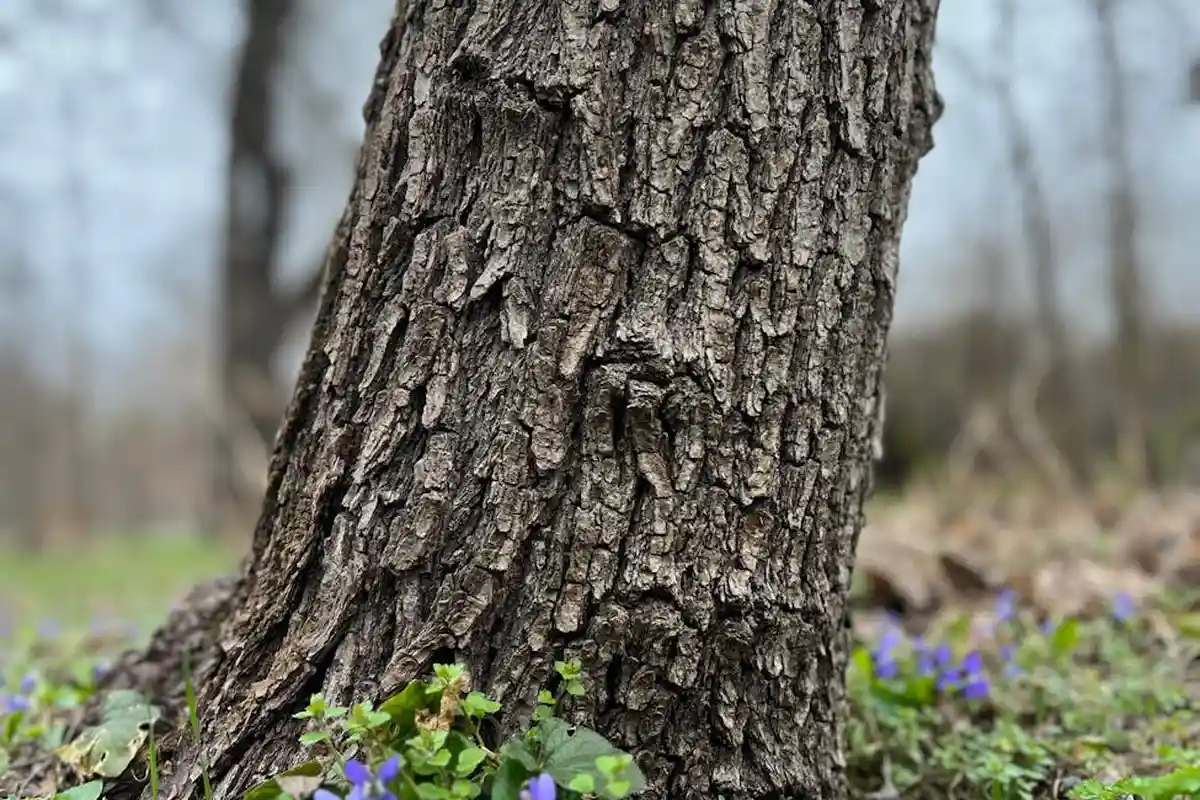
Okay, you’ve scouted the enemy. Now it’s time for a tactical counter-attack. You don’t need to declare total war on your lawn to win. A focused, patient approach gets the job done.
Step 1: Choose Your Weapon (The Right Herbicide)
Think of herbicides like different tools in your shed. For this job, you want a selective, broadleaf herbicide. Look for active ingredients like 2,4-D, Dicamba, and Quinclorac on the label; these are typically effective against tough customers like violets.
The single most important thing is to buy a product clearly labeled as safe for your specific type of grass, whether that’s tall fescue, Kentucky bluegrass, or perennial ryegrass. This “selective” action targets the weed’s biology while leaving your grass blades unharmed. Next, identify your lawn’s grass type and the common weeds that appear with it. This helps you match treatments to both the grass and the weeds you’re dealing with.
Here’s the reality check with violets: their leaves have a waxy coating that repels sprays. One application is almost never enough. Plan for a follow-up spray 10 to 14 days later to hit any survivors or new growth. Patience is your ally here.
Some folks ask about organic options like horticultural vinegar. It can burn the top growth, but it’s non-selective-it will fry any plant it touches, including your grass. If you go this route, you must apply it with surgical precision, directly on the violet leaves, on a perfectly calm day.
Step 2: Master the Spot-Spray Technique
Blanket spraying your whole lawn for a patch of violets is like using a firehose to water a single flowerpot. It’s wasteful and hard on the ecosystem. Spot-spraying is the smart, precise method.
Follow these steps:
- Mix your herbicide exactly as the bottle directs. More is not better.
- Pour it into a dedicated spray bottle or a tank sprayer with a wand.
- Walk your lawn and spray only the violet plants, thoroughly wetting the leaves. Avoid spraying the surrounding grass.
- Clean your sprayer thoroughly when you’re done.
Spray on a dry, calm day when temperatures are between 60 and 85°F for the best results. The herbicide needs time to be absorbed, and wind or rain can ruin your work.
Keep pets and children off the treated area until the spray has completely dried. I usually wait until the next morning just to be safe.
Step 3: The Dig-Out Option for Small Patches
If you only have a dozen or so plants, sometimes the best tool is your own two hands. This is my go-to method for the few violets that always pop up in “Patch,” my shady problem corner.
Use a dandelion digger or a sharp knife. Push the tool deep into the soil at an angle next to the plant, aim for the base, and lever it out. Your goal is to get the entire root system, including the rhizome. If you leave pieces behind, they can regrow.
This method is immediate and chemical-free, but it’s labor-intensive and only practical for isolated plants. It’s satisfying work, though. You get instant gratification.
This connects to a common question: can you smother them with landscape cloth? In a lawn, no. You’d kill your grass trying. In a dedicated garden bed where you don’t want anything to grow, smothering with cardboard and mulch can work. But in the turf, precision removal is the only physical fix.
Common Mistakes and How to Avoid Them
I’ve made some of these errors myself. Learning from them saves you time, money, and frustration.
Mistake: Spraying once and giving up when the violets look sad but don’t die. Violets are tenacious. They often need a second or even third application to fully succumb. Mark treated areas with a small flag or golf tee so you remember where to follow up.
Mistake: Mowing right before you plan to spray. You need as much leaf surface area as possible for the herbicide to stick to. Wait at least two or three days after mowing so the weed leaves have grown back a bit.
Mistake: Reaching for a “weed and feed” product for a widespread violet problem. These granular products are a shotgun approach. They spread fertilizer everywhere, whether your soil needs it or not, and often don’t deliver enough herbicide to kill established violets. Spot-treat the weeds first, then fertilize your lawn separately based on a soil test.
Mistake: Ignoring the “why.” Violets are a symptom. They thrive in compacted, soggy, shady soil where grass struggles. If you don’t improve those conditions, they’ll be back. Test your soil for compaction. Can you easily push a screwdriver 6 inches into the ground? If not, core aeration should be on your fall to-do list.
This leads to another question: will wild violets kill cedar trees? No. Violets don’t kill trees. But both violets and cedar trees can be happy in similar conditions-moist, somewhat acidic soil. If you see violets carpeting the ground under a tree, it’s a signal that area is shady and wet, which might stress some grass types. The fix is improving light and drainage for the grass, not blaming the violets.
Keeping Wild Violets Out for Good
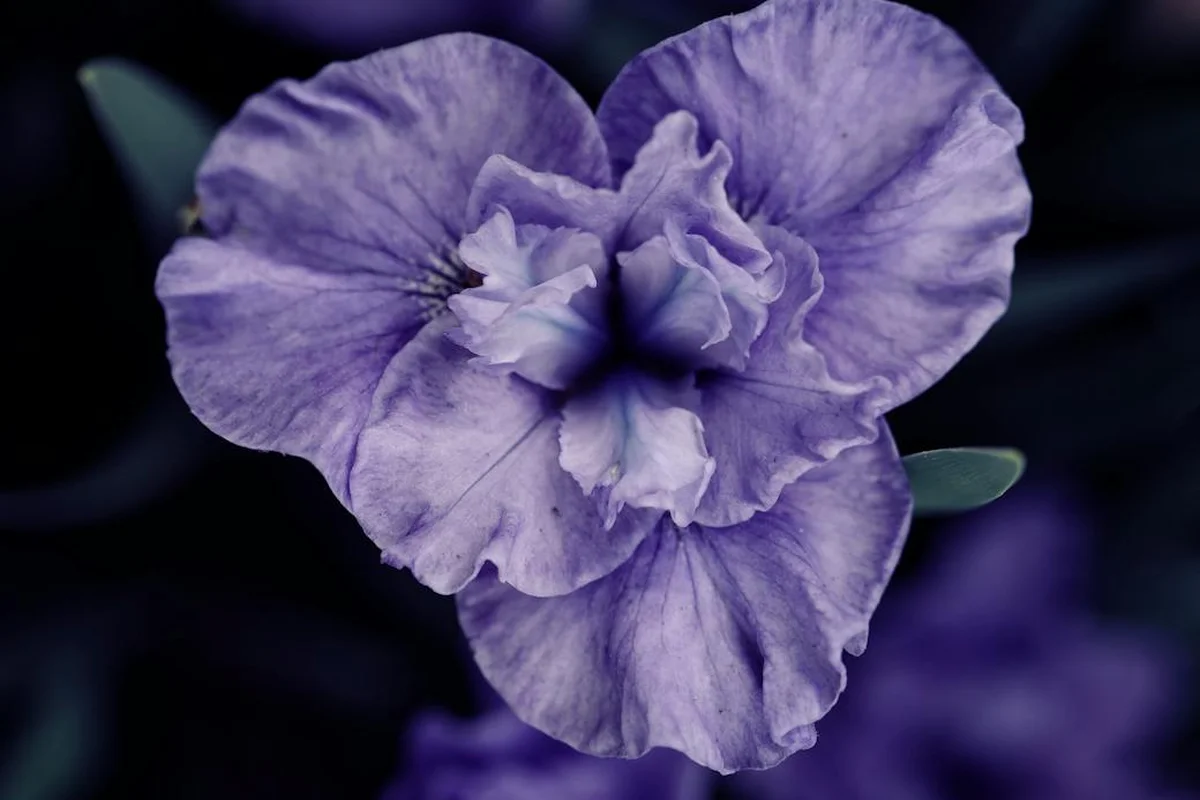
Killing violets is one thing. Keeping them from coming back every spring is the real win. This means changing how you care for your lawn to favor grass in every single way. Think of it as making your lawn so comfortable for turf that weeds don’t even want to visit.
Build a Thick, Healthy Lawn
The best weed killer you’ll ever own is a thick, healthy lawn. When grass blades grow dense and tall enough, they create a living canopy that blocks sunlight from reaching weed seeds on the soil. It’s a simple but incredibly effective mowing strategy for weed control.
Mow at the highest recommended height for your grass type. For cool-season grasses like fescue or Kentucky bluegrass, that’s often 3 to 4 inches. Taller grass has deeper roots, shades the soil better, and can out-compete shallow-rooted violets. I keep my mower deck high, and Max leaves a lush, protective carpet behind.
Core aerate in the fall to fight soil compaction. Violets love hard, dense soil where grass roots struggle. Aeration pulls out plugs of soil, creating channels for air, water, and nutrients. I love the damp, earthy smell it leaves. It relieves pressure so your grass can breathe and grow deep.
Overseed thin or bare areas every fall. Nature hates a vacuum. If there’s bare dirt, weeds will move in. Overseeding fills those gaps with the plants you actually want. Use a quality seed blend made for your lawn’s specific conditions, especially for shady spots where violets often start. This is how I finally won over “Patch” in my backyard’s gloomy corner. Pair overseeding with a fall fertilization to help the new grasses establish. A light spring fertilization can keep the lawn looking lush as the season shifts.
Smart Soil and Feed Habits
Your soil is the foundation. Get it right, and your grass will do most of the weeding for you. Wild violets actually give you a big clue about your soil’s health.
Start with a simple soil test. This is the most important step most homeowners skip. You can get a kit from your local extension office. Violets often thrive in acidic, compacted soil with low fertility. The test will tell you exactly if you need to add lime to raise the pH or sulfur to lower it, making the environment perfect for grass, not weeds.
Feed your lawn with a slow-release, balanced fertilizer. Avoid quick-release synthetic spikes that cause a surge of growth, then a crash. A slow-release formula provides a steady meal over weeks. This encourages strong, sustained grass growth without giving violets a sudden buffet. It’s the difference between a sugar rush and a wholesome breakfast.
Pre-emergent herbicides have a limited role with violets. These products work by creating a barrier in the soil to stop seeds from sprouting. They can help with some weeds in early spring. But wild violets spread aggressively through underground runners (rhizomes) and seed pods that burst open, flinging seeds several feet. A soil barrier won’t stop an existing runner network. Focus your energy on the cultural practices above first.
Recommended Products: What to Look For
When you need to reach for a product to support your long-term plan, choose wisely. Always look for items labeled as safe for lawns and, critically, for pets and pollinators when used as directed.
Selective Liquid Herbicides (for larger infestations): Look for a “three-way” mix containing 2,4-D, dicamba, and quinclorac or MCPP. These broadleaf weed killers target the violets’ leaf systems but are designed to spare your grass. Mixing your own concentrate is cost-effective for big areas. Apply on a calm, cool day when rain isn’t expected for 24 hours. These steps align with the best lawn pest weed control solutions, offering a broader perspective on effective lawn care.
Ready-to-Use Spray Bottles (for precision spot treatment): These are perfect for tackling a few isolated clumps. They require no mixing and often come with a trigger sprayer or wand. They give you sniper-like accuracy, minimizing chemical use. I keep one handy for the occasional violet that tries to sneak back into Patch’s territory.
Soil Amendments (to build health from the ground up): These are your long-term allies. Based on your soil test, this could be pelletized lime to sweeten acidic soil or a bag of elemental sulfur to lower pH. A quality compost topdressing after aeration is like a superfood smoothie for your soil, improving texture and microbial life. Sunny, my drip system, works even better after I’ve amended the soil.
Your Wild Violet Questions, Answered
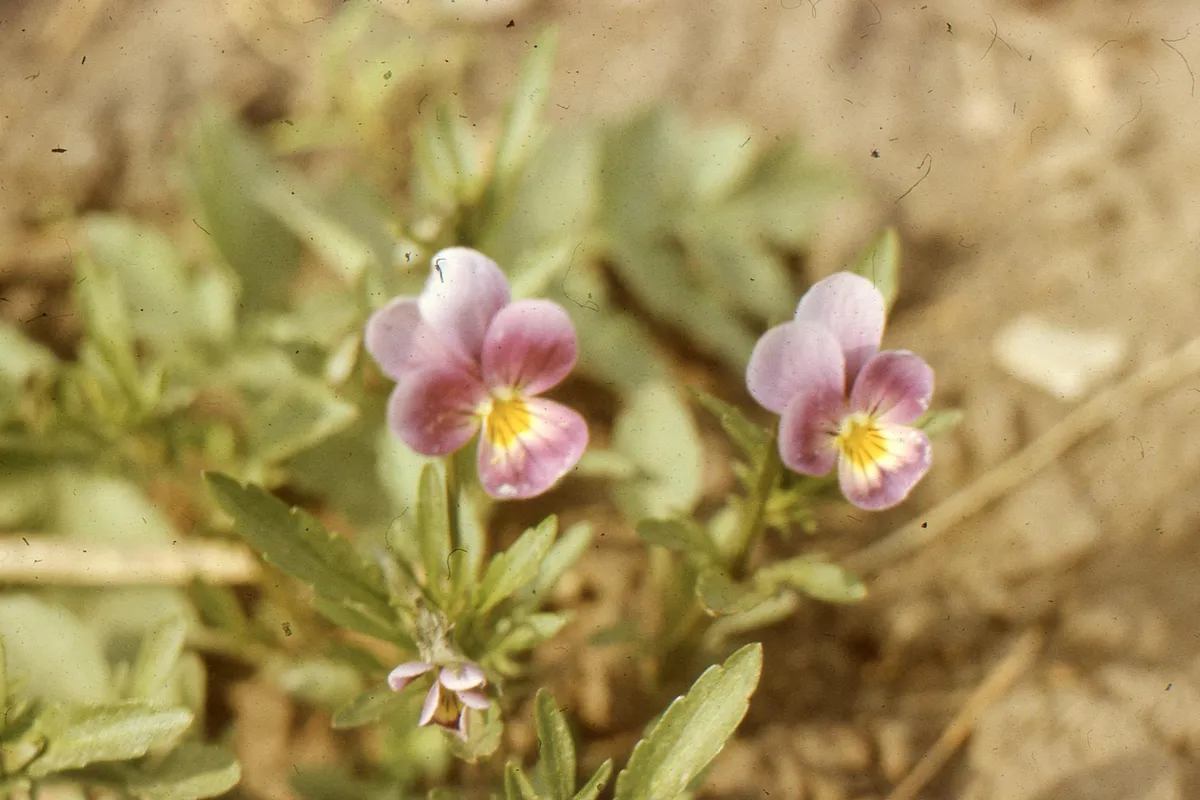
What’s the absolute best way to kill wild violets?
The best method combines a targeted, three-way broadleaf herbicide with stubborn persistence. Their waxy leaves often require a follow-up spray 10-14 days later to finish the job.
Will wild violets kill my other garden plants?
They won’t directly poison them, but they are greedy competitors, stealing water, nutrients, and sunlight. In your lawn or flower beds, they can absolutely weaken and crowd out the plants you’re trying to grow.
Can I kill wild violets in my fescue lawn without harming the grass?
Yes, absolutely. Choose a selective herbicide clearly labeled safe for tall fescue and apply it as a spot treatment. The key is hitting the violets in fall when they’re actively pulling nutrients down into their roots.
Can I just cover them with landscape fabric to smother them?
In your lawn, no-you’ll kill the grass too, creating a bigger problem. Smothering is only a viable strategy in a dedicated garden bed you plan to mulch over completely.
What specific “wild violet killer” should I buy?
Look for a liquid concentrate labeled for broadleaf weeds with active ingredients like 2,4-D, Dicamba, and Quinclorac. This “three-way” mix is formulated to tackle tough, waxy-leaved weeds while being gentle on grass. Pair this with proper lawn weed identification to ensure the right weed is targeted. When treatments align with the identified weed, results improve and lawn health stays strong.
Your Lawn, After the Violets
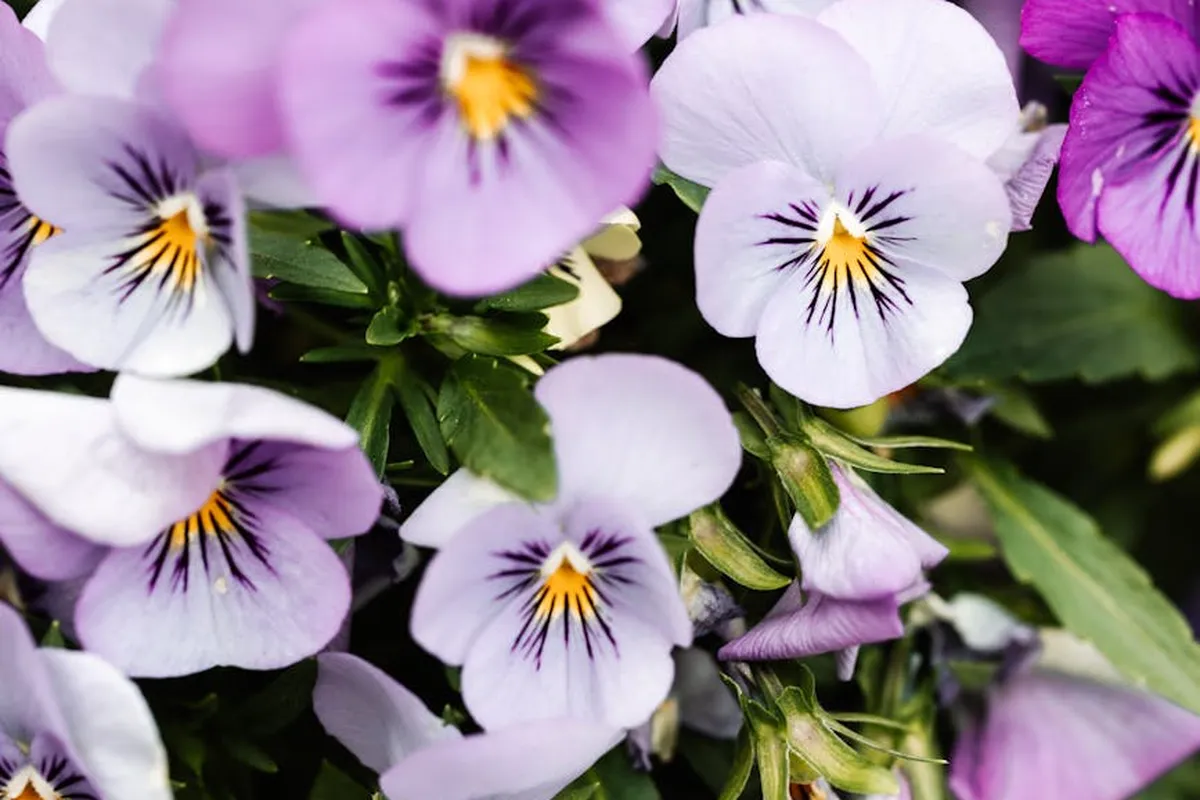
Stick with targeted spot treatments and a thick lawn; that one-two punch is how you win against wild violets for good. Stay vigilant, act when you first see them, and your grass will quickly fill in the gaps.
I always remind myself that a healthy lawn is part of a healthier backyard ecosystem, safe for pets and pollinators alike. I also think about how mowing height, irrigation, and fertilizer choices impact soil health and wildlife. Understanding these environmental impacts helps me choose greener, more sustainable lawn care. There’s always more to learn out here with Max and Sunny, and that’s what makes each season rewarding.
Related Guides and Information
- Best Way To Remove Wild Violets
- What Are Wild Violets and How Do I Get Rid of Them | The Family Handyman
- Kill Wild Violets: How To Get Rid Of Wild Violets In Lawn | Gardening Know How
- How to Get Rid of Wild Violets in Your Lawn
Written by Ria Carrington. Ria is an avid lawn care enthusiast and advisor. No lawn is unsalvagable when Ria is at work. She has helped countless homeowners breath new life into their dying lawns. She has a B.Sc in Agriculture and brings practical advice combined with knowledge of plant science and her decade worth of hands on experience.