
How Do You Stop Animals and Pets From Digging Up Your Lawn?
You step outside and see fresh craters in your grass, and that sinking feeling hits. I get it, and I’m here to help you take back your yard.
We will cover figuring out what’s digging, using pet-safe repellents, training strategies for dogs, and how to fix the holes for good.
I’ve patched more holes from my neighbor’s cat and my own overzealous pup than I can count, learning what works without harming them or the lawn.
At a Glance: Key Factors to Stop Digging
Before you get mad and fill in the holes, take a breath. You need to figure out the ‘why’ before the ‘how’ works.
- Figure out the culprit first. Is it your dog or a wild visitor? The fix is different.
- For pets, provide a better alternative, like a designated digging pit with soft sand.
- For wild animals, remove the food source. A grub-free lawn is less inviting.
- Use physical, pet-safe barriers like buried chicken wire or decorative rock borders in problem spots.
- Repellents can help, but you need to reapply them and they are a backup, not a solution.
Every method you choose must be safe for your family, your pets, and the bees and butterflies that visit your yard.
In my experience, one trick rarely fixes it for good. Think of it like mowing. You have to be consistent and use a mix of smart tactics to see real change.
Why Do Animals and Pets Dig Up Lawns?
They aren’t doing it to ruin your Saturday. Digging is a natural behavior with clear triggers. Think of it like your dog’s favorite chair. They return to it because it meets a need. Your lawn is meeting one of theirs.
If Your Pet is the Digger
Dogs, and sometimes cats, dig for reasons that make perfect sense to them.
They might be too hot and are trying to reach cooler soil underneath to lie in. I’ve seen my neighbor’s Lab do this in July, creating a perfect, cool body-sized crater under the oak tree.
Boredom and pent-up energy are huge factors. A dog left alone in the yard with nothing to do will find a job, and digging is a very satisfying one.
Some breeds are hardwired to dig. Terriers, for example, have a strong prey drive and will dig if they smell or hear something moving underground.
Then there’s the treasure factor. They might be hiding a favorite toy or bone, or trying to retrieve one they buried last week. It’s their personal security deposit box.
If Wild Animals are the Culprits
When you see fresh holes and know it wasn’t Fido, you’re dealing with a forager or a builder. People often search for ‘stop animal digging holes in yard’ when this happens.
Squirrels and chipmunks dig small, shallow holes to bury or retrieve nuts and seeds. Skunks, raccoons, and armadillos are looking for a meal. Their destructive, torn-up patches of turf are a big red flag. That kind of damage often means they’ve found a buffet of grubs or worms living in your soil.
Animals like groundhogs or foxes are different. They dig larger, deeper holes to create dens for shelter and raising young. This is major excavation work.
Your lawn’s health directly invites or discourages these visitors. A thick, healthy lawn with few soil pests offers less reward. A stressed lawn with a grub infestation is like ringing the dinner bell. Fix the lawn, and you take away the reason for the visit. Understanding the common lawn pests and the beneficial organisms that control them can guide your next steps toward natural management. This approach helps keep your lawn healthy while reducing the need for harsh chemicals.
How to Create a Dig-Proof Lawn: Practical Methods
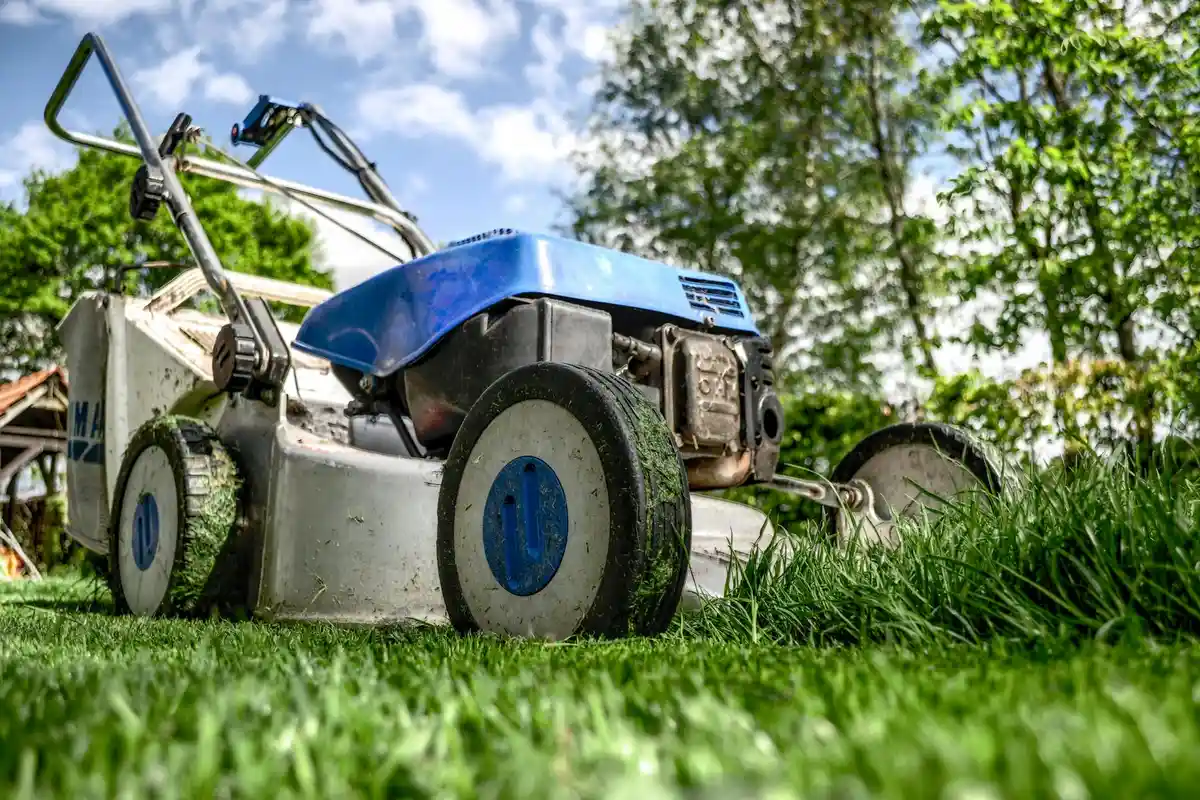
You can’t reason with a dog on a mission or negotiate with a midnight raccoon. Your best bet is a layered defense. Start with the most permanent fixes and add other tactics as needed.
Build Physical Barriers They Can’t Penetrate
This is the most reliable way to stop digging. It’s a weekend project, but the peace of mind lasts for years.
To stop animals from digging under an existing fence, you need to bury a barrier. I use galvanized hardware cloth. Dig a narrow trench about a foot deep along the fence line. Bend the hardware cloth into an “L” shape, with one part going down into the trench and the other facing outward along the ground. Backfill the trench. This creates an underground wall that even persistent diggers can’t get past.
For protecting specific areas, like a new seeding project or your garden beds, lay chicken wire directly on the soil. Peg it down securely with landscape staples. Grass will grow right up through it, and most animals hate the feel of it on their paws. Just remember to remove it before you try to dethatch your lawn with Max.
Choosing a fence depends on your foe. For dogs, a solid wood or vinyl privacy fence about 6 feet tall is best. It blocks the view of distractions. For rabbits, a simple wire mesh fence needs only to be 2-3 feet high, but you must bury the bottom 6 inches. The dog fence is a bigger investment and often needs pros. The rabbit fence is a classic, affordable DIY job you can do in an afternoon.
Use Scents and Taste Deterrents (The Safe Way)
This is where you can use stuff from your kitchen. The goal is to make your lawn smell or taste uninteresting, not to hurt anyone.
Citrus is a great starting point. Scatter fresh lemon, orange, or grapefruit peels around the edges of your garden or in digging spots. Most cats and dogs dislike the smell. A spray of diluted white vinegar (one part vinegar to three parts water) can work on perimeters. For a stronger taste deterrent, sprinkle cayenne pepper powder lightly around plants. Always test any spray or powder on a small, hidden patch of grass first to make sure it doesn’t cause damage.
Here’s the catch with scents. They fade fast. Rain and sun break them down quickly. You’ll need to reapply every few days, and always after a good rain. Think of it as a temporary fix while you work on a more permanent barrier or train your pet.
Employ Motion and Sound to Startle, Not Harm
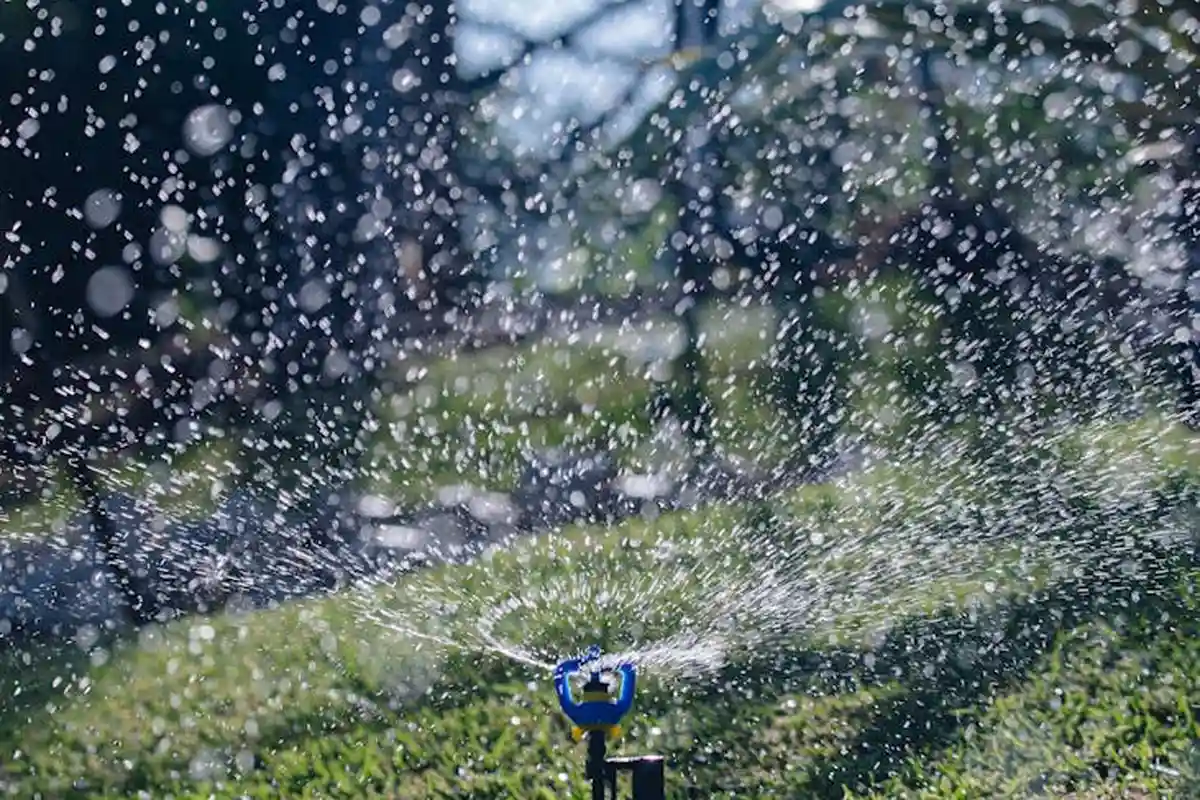
Animals are creatures of habit. A surprise can break that habit fast. I’ve had great luck with motion-activated sprinklers. They hook up to Sunny, my drip line, and use an infrared sensor. When a raccoon or cat wanders into the zone, it gets a short, harmless spray of water. They learn to avoid that area.
Placement is key. Aim the sensor at the habitual digging site. For me, that’s “Patch,” my shady problem corner that seems to attract every neighborhood cat. Ultrasonic devices that emit a high-frequency sound humans can’t hear can also work for dogs, cats, and rodents.
Adjust these devices carefully. You want to scare the diggers, not the robins pulling worms. Set the sensitivity so it triggers for a medium-sized animal, not a fluttering leaf.
Provide a Better Alternative: The Designated Dig Zone
Sometimes the best defense is a good offense. If your dog just loves to dig, give them a place where it’s okay. This redirects their natural behavior.
Building a dig pit is simple. Pick a corner of the yard your dog already likes.
- Mark out a 3×3 foot area.
- Dig down about 1-2 feet.
- Fill it with soft, clean play sand or a mix of sand and loose topsoil.
- Bury a few of their favorite toys or treats in the sand to spark interest.
When you see them start to dig in the lawn, gently lead them to their pit and encourage them there. Praise them when they dig in the right spot. This method works because you’re not fighting instinct, you’re giving it a safe outlet. It turns a lawn problem into a happy dog activity.
Animal-Specific Strategies: From Dogs to Raccoons
Different troublemakers need different tactics. Here’s how to handle the usual suspects.
How to Keep Dogs Off Your Lawn (And Happy)
If you’re wondering how to keep dogs off your lawn, start with training. A simple, firm “leave it” command is powerful. When your dog starts digging, use the command and immediately redirect them to a toy or their dig zone. Reward them for listening. Consistency is everything.
For physical boundaries, a secure fence is the ultimate answer. If a full fence isn’t possible, apply pet-safe repellent sprays along the property line. Spray it on decorative rocks or a mulch border, not directly on the grass, to avoid damage. These steps also help protect the lawn from pet urine and reduce the risk of vehicle damage near the boundary. They keep the area looking tidy and easier to maintain.
A tired dog is a well-behaved dog. Often, digging comes from boredom or pent-up energy. More walks, fetch sessions, and puzzle toys can solve the root cause better than any repellent. How do I keep dogs off my lawn? I make sure my own dog is too happily tired to care about digging up my hard work.
How to Keep Cats Off Your Lawn
Cats are often looking for a soft litter box or a sunny nap spot. To change their mind, you need to make the area unpleasant for their paws. Scatter sprigs of fresh rosemary or lavender around garden beds-many cats dislike these scents. There are also commercial, pet-safe granular repellents made with similar essential oils.
Texture is your friend. How do you keep cats off your lawn beds? Cover the soil in flower beds with rough, chunky mulch like stone or pine cones. They won’t want to walk on it, let alone dig.
If you have an outdoor cat, give them a better option. Create a sandy area in a quiet part of the yard, away from the main lawn, and plant some catnip in a pot nearby. They’ll prefer their own special spot.
Dealing with Raccoons, Skunks, and Other Night Diggers
When you see small, torn-up patches in the morning, you’ve had nighttime visitors. Do raccoons dig up lawns? Absolutely. Do skunks tear up lawns? Yes, and for the same reason. They’re hunting for grubs, the juicy beetle larvae living in your soil.
The long-term fix is eco-friendly grub control. Apply beneficial nematodes to your lawn in late summer. These microscopic worms seek out and kill grubs naturally. Remove their food source, and the digging stops. Also, secure your trash cans with bungee cords and never leave pet food outside. You’re removing the other half of their buffet. It’s all part of integrated pest management for lawns.
Handling Birds, Geese, and Other Foragers
Birds like crows and geese aren’t usually digging, but they can tear up a lawn looking for food.
Do crows tear up lawns? They can, especially when pulling up newly laid sod or seed to find insects. Protect fresh seed with a very light layer of straw or use floating row covers. Shiny reflective tape fluttering in the breeze can also scare them off temporarily.
How do you keep geese off your lawn? They prefer open spaces where they can see predators coming. Planting a tall, native grass border along pond edges or your property line makes them feel vulnerable and encourages them to stay in the water. Always use humane methods. The goal is to encourage them to move along, not to harm them.
Common Lawn Care Mistakes That Encourage Digging
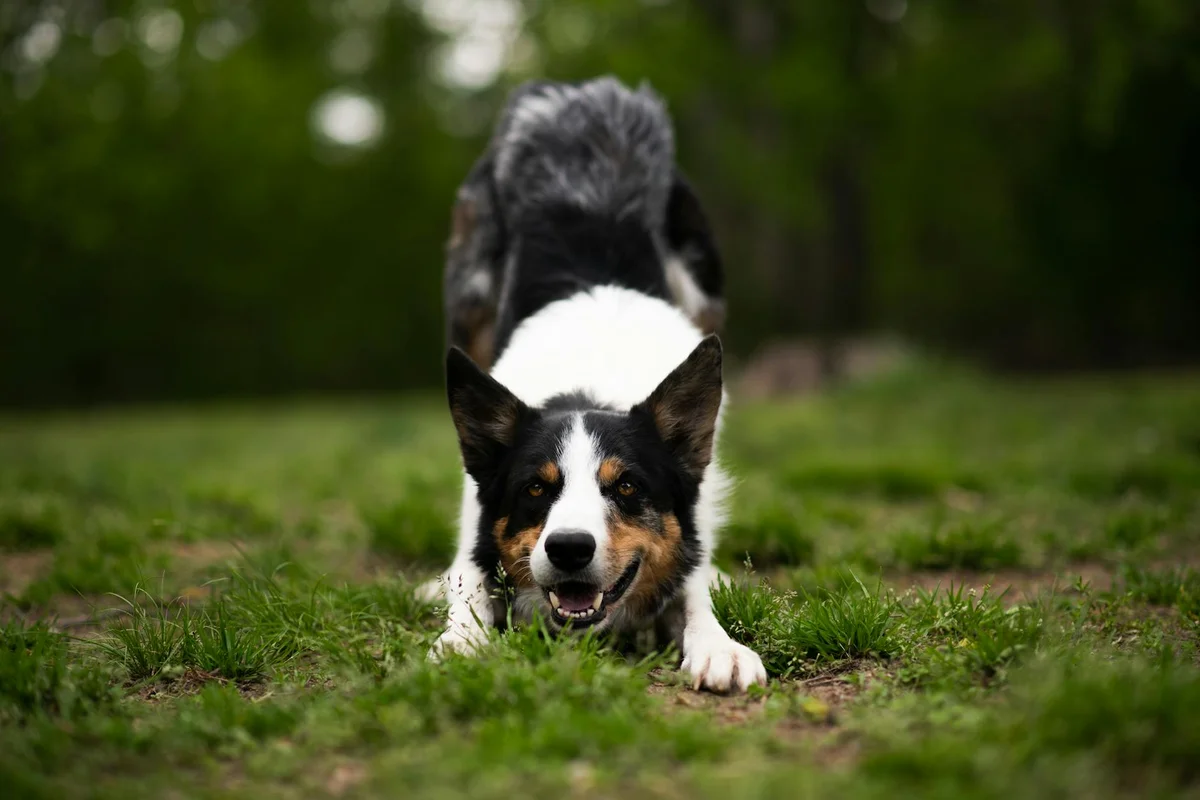
I’ve made most of these errors myself. It’s easy to do. The good news is, fixing them is often a simple weekend project that makes your lawn less inviting to diggers.
Mistake 1: Overwatering or Poor Drainage
Think of your soil like a sponge. A soaked sponge is easy to poke holes in. Overwatered, soggy soil is a dream for any animal with claws. It’s soft, cool, and requires minimal effort to excavate. I learned this the hard way with a leak in Sunny, my drip line, which turned a corner of the yard into a mud pit. It was like a welcome sign for every neighborhood cat.
The fix is to water deeply but less often, and only when your lawn shows signs of thirst, like footprints that don’t spring back. Next weekend, do a simple test. Push a screwdriver into your soil a few hours after watering. If it slides in like butter more than 6 inches down, you’re overdoing it. For chronic soggy spots, core aeration is your best friend.
Mistake 2: Leaving Out Buffets
You wouldn’t leave a sandwich on your porch and wonder why ants showed up. Pet food bowls, fallen fruit from trees, and open compost piles are a five-star meal for raccoons, possums, and even neighborhood dogs. They come for the easy food, and often stick around to dig for grubs or just for fun.
Remove the free food, and you remove a major reason for visitors to linger and dig. Your weekend task is a simple clean-up. Bring pet food in at night. Rake up any rotten apples or pears. Make sure your compost bin has a secure lid. This one change can cut down on nighttime diggers dramatically.
Mistake 3: Using Harsh Chemical Pest Controls
This one is counterintuitive. Harsh insecticides can wipe out everything in the soil, including the beneficial insects and microbes that keep it healthy. This can actually create an imbalance, sometimes leading to bigger pest problems later. More importantly, they can be dangerous for your own pets and local pollinators.
Switch to targeted, pet-safe solutions for common digging culprits like grubs. Next weekend, if you suspect grubs, peel back a square foot of turf in a damaged area. If you see more than 10 fat, white, C-shaped larvae, it’s time to act. Apply beneficial nematodes (microscopic worms that eat grubs) according to package directions. They’re safe for everything but the pest.
Mistake 4: Punishing Pets After the Fact
Scolding your dog for a hole they dug an hour ago only confuses them. They don’t connect the punishment with the action. It doesn’t solve the boredom, prey drive, or instinct that caused them to dig in the first place. It just damages your bond.
Provide an approved outlet for their digging instinct instead of punishing the behavior. This weekend, build a designated digging zone. Pick a corner of the yard and loosen the soil there. Bury some of their favorite toys or treats in it and encourage them to dig in that spot only. Praise them heavily when they use it. It redirects the energy positively.
Greedy Grass Pro Tip: The Long-Term Solution
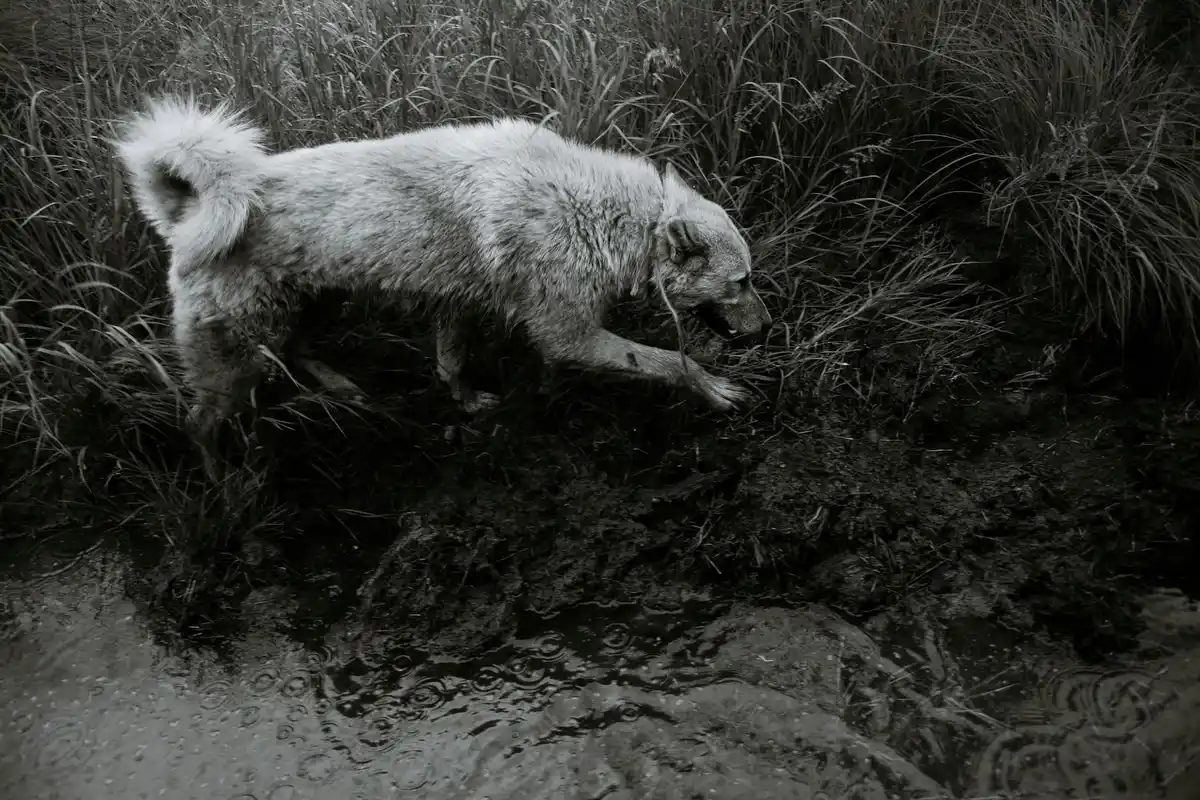
All the fences and sprays in the world are just a holding action. The real, lasting fix is under your feet.
The best defense against digging is a thick, healthy, and slightly dense lawn. Tough, interconnected grass roots form a mat that’s difficult and unappealing to break through. This is your core lawn care work. It’s why I’m always talking about mowing high, aerating in the fall, and overseeding thin areas. A lawn that’s strong simply doesn’t have many soft, bare spots for animals to target.
Always look for the root cause of the digging, not just the animal doing it. Is it grubs? Fix the grub problem. Is it a rodent burrow? Address the rodent issue humanely. Chasing off a raccoon night after night is exhausting. Eliminating the grub buffet they’re digging for solves the problem for good.
Be patient and layer your solutions. I recommend combining 2-3 methods. For example, remove outdoor food sources (Mistake 2), apply pet-safe grub control if needed (Mistake 3), and commit to overseeding that thin area this fall. This multi-angle approach is far more reliable than any single quick fix. And it keeps your lawn, your pets, and the local bees safe. That’s a win in my book.
Your Digging Dilemmas, Solved
1. Can I use coffee grounds to stop animals from digging?
Yes, used coffee grounds can help. Sprinkle them around the perimeter of garden beds; many pests dislike the smell and gritty texture.
2. How do I handle a neighbor’s pet digging under our shared fence?
First, have a friendly chat with your neighbor-they might not know it’s happening. For a quick barrier, temporarily pile large, smooth river rocks along your side of the fence line; it’s an un-diggable visual cue.
3. Are some types of grass better at resisting digging?
Grasses with dense, tough rhizomes like Bermuda or Zoysia form a tighter mat that’s harder to puncture. The ultimate defense, however, is always a thick, healthy lawn from proper mowing and overseeding.
4. How can I protect my patio potted plants from diggers?
Cover the soil in your pots with a layer of large, decorative pebbles or chunky mulch. This creates a physical and textural barrier that’s very unappealing for cats or squirrels looking for loose dirt.
5. What’s the first thing I should do if I find an active animal den?
Do not attempt to seal the hole while it’s occupied, as you could trap young inside. Instead, consult your local animal control or a wildlife expert for safe, humane relocation advice.
Keeping Your Lawn Lush and Undug
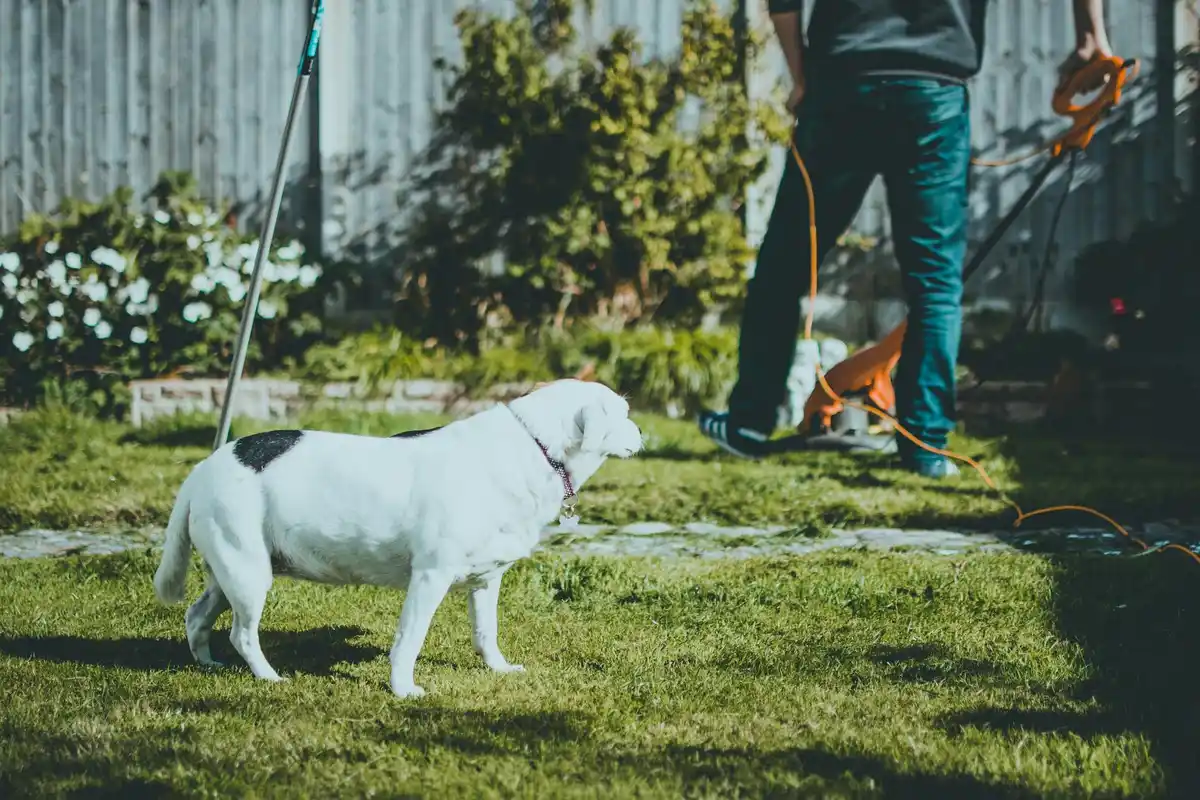
The most reliable fix is to tackle the reason for the digging first, whether it’s boredom, prey, or comfort. Once you know the ‘why,’ you can mix a few simple deterrents with positive reinforcement to guide paws and claws elsewhere for good.
I always opt for pet-safe, pollinator-friendly methods because a truly healthy yard works for everyone living in it. When you choose lawn fertilizers, opt for pet-safe formulations to keep curious paws and noses safe. Stick with it, learn what makes your own lawn tick, and you’ll find that patience, just like with my stubborn friend Patch, builds the greenest results.
Sources and Additional Information
- domestic animals – Is there anything I can put on my lawn to prevent my dog from digging? – Gardening & Landscaping Stack Exchange
- How to Get Your Dog to Stop Digging – Guide for Dog Owners
- How to stop dogs from digging up grass – Quora
Written by Ria Carrington. Ria is an avid lawn care enthusiast and advisor. No lawn is unsalvagable when Ria is at work. She has helped countless homeowners breath new life into their dying lawns. She has a B.Sc in Agriculture and brings practical advice combined with knowledge of plant science and her decade worth of hands on experience.