
How Do You Stop Dog Urine from Burning Your Lawn and Fix the Damage?
Seeing those ugly brown spots pop up after your dog does its business is a common headache for any pet-loving homeowner. I get it, and I’m here to tell you it’s a problem you can solve.
We will cover why dog urine causes those burns, step-by-step fixes for damaged grass, and smart, long-term strategies to prevent spots from coming back.
I’ve kept my own lawn thick and green for years with a playful dog in the mix, learning which remedies are worth your time and money.
At a Glance: Key Factors for a Dog-Friendly Lawn
Let’s cut to the chase. Those brown spots happen for two main reasons. The first is a massive overload of nitrogen. The second is a shift in your soil’s pH from the salts and compounds in the urine. It’s a double-whammy that fries the grass roots.
The only way to win is with a two-part plan: stop the burn before it happens and heal the soil gently when it does. Every tip here is built to keep your pup, your bees, and your lawn safe.
You can start making a difference this weekend. Here are your quick wins:
- Dilute on the spot. Keep a watering can or a hose by the door. When you see your dog go, follow up with a good drenching to wash the urine salts down through the soil.
- Train for a “potty zone.” Designate a mulched or gravel area, or a tough section of lawn, and reward your dog for using it. It saves the rest of your grass.
- Choose resilient grass. Some grasses handle abuse better. Perennial ryegrass and fescues often bounce back faster than delicate Kentucky bluegrass, which is what my trouble spot, “Patch,” is made of.
Why Does Dog Urine Create Those Ugly Brown Spots?
Think of it as the world’s worst, most concentrated fertilizer application. Your lawn needs nitrogen, but only in small, steady meals. A dog’s urine dumps a huge amount of nitrogen salts and other compounds in one tiny area. It’s like accidentally spilling an entire bag of plant food on a single square foot of grass. The result is a chemical burn.
You might notice female dogs often create more defined, dead spots, while males cause more generalized yellowing. That’s usually because females squat and release all their urine in one concentrated pool. Males tend to “mark” and spread it around more as they lift their leg.
So, will dogs peeing on grass kill it? Not necessarily. Healthy, well-watered grass can handle a little bit of this “fertilizer.” The damage happens when the concentration is too high or the grass is already stressed. A large dog, highly acidic urine, or a lawn in the middle of a summer drought is a recipe for those classic brown circles.
The Chemistry of a Burn: It’s Not Just Yellow Grass
The main culprit in urine is urea. When it hits the soil, it starts breaking down into ammonia and then nitrates. This process is harsh. It can temporarily make the soil more alkaline, which messes with the grass’s ability to take up nutrients and water properly.
Imagine your soil is a sponge. Water it, and the sponge absorbs it gently. Now, soak that sponge in a strong cleaning solution. It damages the sponge’s structure and anything living in it. That’s what concentrated urine does. It overwhelms the soil’s ecosystem right around the roots.
Grass that’s thirsty or heat-stressed is already on the edge. A urine burn pushes it over. This is why spots appear so much faster in July than in cool, damp October. Keeping your lawn consistently hydrated with my friend “Sunny,” the drip system, is one of your best defenses.
Spotting the Difference: Urine vs. Other Lawn Problems
You don’t want to treat for fungus when you have a pee problem. Urine spots have a classic look. You’ll usually see a brown, dead center where the concentration was highest. Around that, there’s often a ring of dark green, overly lush grass. That ring got a slightly diluted dose of nitrogen, just enough to act as fertilizer without the burn.
Fungus, like brown patch, often appears as irregular circles or patches with a smoky gray border. Insect damage might look more scattered and ragged. Drought spots are more random and aren’t paired with that telltale dark green ring.
When in doubt, get down on your knees. Give the brown spot a good sniff. If it smells faintly of ammonia or just “off,” especially a day or two after the fact, you’ve likely found your culprit. It’s not the most scientific test, but after a few summers with dogs, you’ll recognize the scent.
How Do I Keep My Dog From Ruining the Lawn? (Smart Prevention)
You want a thick, green carpet, and your dog just wants to be a dog. The good news is, you don’t have to choose. With a few smart habits, you can have a happy pup and a healthy lawn. It’s about working with their nature, not against it.
Train for a Designated “Potty Zone”
This is the most effective long-term solution. You’re giving your dog a clear job and saving your main lawn. I trained my last dog to use a back corner, and it saved my sanity.
The key is positive reinforcement. Every single time they go in the right spot, make it a party. A treat, praise, a quick game of fetch right there. They’ll connect that spot with good things fast.
Here’s a simple routine to start:
- Choose the spot. Pick a low-traffic corner that gets some sun.
- Lead them there on a leash after meals and naps, when they’re most likely to go.
- Use a command like “Go potty” while they’re in the zone.
- Reward immediately when they finish. Consistency is everything for the first few weeks.
To really spare the grass, surface that zone with something else. A bed of cedar mulch, smooth pea gravel, or even a patch of clover works great. It drains well, doesn’t burn, and is easy to rinse. My dog’s old gravel zone now grows a few wildflowers for the bees-a win for everyone.
Dilute and Flush: Your First Line of Defense
When your dog does hit the grass, speed is your friend. The damage comes from a concentrated dose of nitrogen and salts. Watering it down right away prevents the chemical burn before it starts.
I keep a 2-gallon watering can by my back door. It’s become as automatic as picking up the other waste. The moment my dog finishes, I give the spot a solid pour. If you have a hose with a sprayer handy, that works even better.
This isn’t a deep soak; it’s a quick, generous rinse to dilute and push the urine past the grass roots. Aim for about a half-gallon of water per incident. Make it a 30-second habit after every walk or yard time. You’ll see the difference. Those spots where you used to get a yellow circle will just stay a slightly darker green.
Diet and Hydration Adjustments
What goes in affects what comes out. Some dog foods, especially those very high in protein, can lead to more concentrated, nitrogen-rich urine. It’s not about “bad” food, but about finding the right balance for your pet and your grass.
Always talk to your vet before changing your dog’s diet. They can recommend a formula that maintains your dog’s health while potentially easing the impact on your lawn.
The simplest and safest adjustment is water. Encourage your dog to drink more. Fresh, clean water available all day helps naturally dilute their urine. I add a few ice cubes to the bowl in summer-my dog loves it and drinks more. A well-hydrated dog is healthier, and their urine is less likely to scorch the grass.
Physical and Scent Deterrents for Strategic Areas
Sometimes you need to protect a specific, prized area, like a new seeding spot or the border of a garden bed. For this, gentle, natural deterrents can be a helpful short-term aid.
Dogs often dislike certain smells. You can use this to steer them away without any harsh chemicals that would hurt the soil or pollinators.
- Citrus peels: Scatter fresh lemon or orange peels around the area’s edge.
- Vinegar spray: Mix white vinegar with water (a 50/50 ratio) and spray it on decorative rocks or a fence line. The smell fades for us in a day but lingers for them.
- Motion-activated sprinklers: These can startle a dog away from a zone without any scent at all.
Remember, these are temporary aids for protecting vulnerable spots, not a replacement for good training and the dilution habit. They help you guard “Patch” or a new garden while you manage the overall lawn routine. Avoid anything with harsh chemicals or pungent commercial repellents that could upset your dog or damage the soil life your grass needs.
How to Fix Brown Spots and Bare Patches From Dog Urine
You have two roads here. The first is a quick patch job for a few spots. The second is a full lawn renovation if your yard looks like a yellow and brown polka-dot quilt. I’ll walk you through both.
The quick patch is for when Max the mower would barely slow down over the spot. It’s a small, isolated dead patch. The full renovation is for widespread damage where entire sections are thin or gone. That process starts with these same repair steps but across the whole area.
Step 1: Assess and Prepare the Damaged Spot
First, take a close look. You’ll see the dead, straw-colored grass in the center. Run your fingers through it. Feel that brittle, crunchy texture? That’s dead thatch and grass you need to remove.
Grab a hand rake or a sturdy garden fork. Gently rake out all the dead material. You want to see bare soil. Now, take that fork and lightly poke and loosen the top inch or two of dirt in the spot. Don’t go crazy, just break it up.
This is where you check for compaction. If the soil underneath feels as hard as a sidewalk, that’s a problem. New grass roots can’t push through that. For a single spot, you’ve just loosened it with your fork. For a big renovation, you’d want to core aerate the whole zone. Good soil should feel soft and crumbly, like a moist chocolate cake.
Step 2: Neutralize the Soil (What Really Works)
This answers the big question: what can I put on my lawn to neutralize dog urine? The damage isn’t from acid. It’s from a concentrated salt and nitrogen burn. You need to break that down using pet-safe lawn care products.
Forget kitchen garden lime for this job. Lime changes pH, but urine salts are your main enemy. My go-to is gypsum (calcium sulfate). It safely helps flush salts from the soil without harming your grass’s pH. You can also find specialized enzymatic treatments designed to break down the urine compounds.
The method is simple:
- Sprinkle a light dusting of gypsum over the prepared soil.
- Water it in thoroughly. I mean a deep, slow soak.
This deep watering is key-it helps dilute and move those harmful salts down and away from the root zone where your new grass will grow. Think of it like rinsing a spill out of a carpet.
Step 3: Reseed or Sod for a Seamless Repair
Now for the fix. For seed, you want something tough and quick to germinate. Perennial ryegrass is a champion for patch repair because it sprouts fast. If you’re patching a Kentucky bluegrass or fescue lawn, use a quality blend that matches.
Here’s the process:
- Spread the seed evenly over the spot. Use a little more than the bag says for good measure.
- Add a very thin layer of compost or topsoil-just enough to barely cover the seeds and protect them from birds.
- Keep it moist. This is non-negotiable. Light watering multiple times a day for the first two weeks is the secret.
Fixing a urine spot is like mending a hole in your favorite jeans; you want the patch to blend, not shout. Gently tamp the seed and soil so it’s level with the rest of the lawn.
For immediate results, you can cut a piece of sod to fit. Just prepare and neutralize the soil the same way first. The absolute best time for any of this is early fall or spring, when the weather is cool and moist. That gives new grass the best shot to establish before summer stress or winter cold. If you’re working on an existing lawn, you can install sod over it after you’ve prepared and leveled the surface. In the next steps, we’ll show how to install sod over an existing lawn for a seamless upgrade.
Common Lawn Care Mistakes Dog Owners Make (And How to Avoid Them)
I’ve made most of these myself. When those ugly yellow spots first appeared in my own backyard, I panicked and reached for the wrong tools. Learning what not to do is just as important as knowing what to do. Let’s go over a few common missteps so you can skip the hard lessons.
Using Harsh Chemicals or Too Much Fertilizer
The first instinct is often to hit the burn spots with a heavy dose of synthetic fertilizer or a “weed and feed” mix to green things up fast. I get it. That bright green color is tempting. But that synthetic stuff is a salty, fast-acting chemical soup.
Those salts can wash off your lawn, seep into your soil, and even stain your driveway or patio, creating another problem like how to remove fertilizer stains from concrete. More importantly, they can harm the soil life your grass needs and aren’t great for your dog’s paws.
If you need to fertilize an area your dog frequents, choose an organic, slow-release option. These feed the soil microbes first, which then feed your grass gently and safely. It won’t give you an overnight miracle, but it builds a lawn that can handle stress better, including the occasional canine accident. For extra peace of mind, look for products labeled pet-safe or formulated for lawns with dogs. These options are designed to minimize risk to curious pets while nourishing your turf.
Ignoring Soil Health and Overwatering
Think of your soil like a sponge. A healthy, fluffy sponge soaks up water and nutrients. A compacted, hard sponge just lets liquid puddle on top and run off. Dog urine on compacted soil is a disaster-it sits in one concentrated spot and burns roots fast.
Core aeration once a year is your best defense, creating channels for air, water, and nutrients to reach the grass roots and helping the soil process urine salts more effectively. My stubborn area, Patch, improved dramatically after I started aerating it faithfully every fall. That’s why core aeration also boosts fertilizer effectiveness by improving nutrient access for roots. Healthier soil means fertilizer works more efficiently and the lawn stays resilient.
The other side of this is overwatering. Drenching the yard daily to “wash away” urine doesn’t fix the problem; it creates a new one. Soggy soil suffocates roots and invites fungal diseases. Your lawn needs deep, infrequent watering to grow strong roots, not a constant shallow flood.
Not Acting Quickly Enough on Fresh Spots
This is the biggest, simplest mistake. You see your dog squat, make a mental note to deal with it later, and then get distracted. I’ve done it while chatting with a neighbor over the fence. By the time you remember, the damage is already cooking.
The chemistry that burns the grass happens fast. The golden rule is to act within the first hour. Your only job is to dilute and flush the area with plain water. Keep a dedicated watering can or a hose with a gentle spray head near the door your dog uses.
Make it a non-negotiable habit. When you let the dog back in, grab the can. One minute of work now saves you weeks of repair later. I keep my reminder short and punchy: See a spot, water a spot. Do that, and you’ve already won half the battle.
Alternative Lawn Approaches for Dog-Friendly Yards
Sometimes, the best defense is a good offense. If you’re tired of constantly playing catch-up with yellow spots, you might consider a different playing field altogether. Choosing the right lawn type for a home with dogs is a balance of durability, maintenance effort, and safety for all your backyard visitors, from your pup to the pollinators.
You have three main paths: a reinforced traditional lawn, a living groundcover like clover, or a synthetic substitute. Each has its own rhythm for care and its own look underfoot.
The Hard-Wearing Traditional Lawn (With a Twist)
This is the route I take. My dog needs space to sprint, and I love the feel of real grass. The trick is building a lawn that’s resilient from the soil up.
For grass type, you want toughness. In the cool-season world, nothing beats a good turf-type tall fescue. Its deep roots and wide blades can handle paw traffic and bounce back from stress better than Kentucky bluegrass or perennial ryegrass. Think of it as the durable denim of grasses.
Your maintenance schedule shifts to support strength over sheer beauty. Mow high, keeping blades at 3 to 4 inches. This provides more leaf surface to absorb sunlight and develop a deeper root system that’s less shocked by nitrogen surges. I run Max at his highest setting, and the grass just looks thicker for it.
Feed gently with organic, slow-release fertilizers. They won’t give you that artificial, neon-green spike of growth that’s weak and thirsty. Instead, they build the soil food web, which naturally buffers the soil. My setup, Sunny the drip irrigation, delivers water deep and infrequently, which also trains roots to grow down, not stay shallow and vulnerable.
Clover or Mixed Groundcover Lawns
Clover is having a well-deserved comeback. For dog owners, its benefits are compelling. White clover, especially microclover varieties, fixes its own nitrogen from the air. This means it fertilizes itself and the grass around it, naturally reducing the burn potential from dog urine.
It stays green during summer droughts when grass wants to go brown, and its soft, broad leaves are gentle on paws. You will likely see fewer distinct yellow spots, though the area might still get a bit lush and dark green.
The one big consideration is that clover flowers attract bees, which is fantastic for the environment but requires awareness if you have pets or children who are allergic. Mowing regularly can keep flowering to a minimum.
Establishing a clover lawn is simple. You overseed it right into your existing grass in early spring or fall. Scratch up the soil in thin areas first, broadcast the tiny seeds, keep the area moist for a week or two, and let it grow. It blends beautifully, creating a lush, living mat that’s incredibly forgiving.
Low-Maintenance Synthetic Options: A Consideration
Let’s talk about synthetic turf. I see it as a last-resort option for a specific, high-traffic potty area that you simply cannot keep green, not a whole-yard solution.
The pros are obvious: no watering, no mowing, no brown spots. But the cons are significant. On a hot summer day, synthetic turf can get brutally hot for paws. Drainage must be perfectly engineered, or you’ll have a smelly, soggy mess. It also lacks the cooling effect and environmental benefits of real grass.
My advice is to focus all your energy on natural repair and prevention first. Work with Patch, your problem area, and try the tactics for a full season. If a small, designated spot still fails, then research premium, pet-specific synthetic turf with great drainage. But view it as a tactical patch, not the foundation of your backyard. The life and feel of real grass, even with its challenges, is usually worth the effort.
Your Top Questions on Dog Urine and Lawns, Answered
When you’re out there with Max, the mower, and notice those ugly brown spots, it’s easy to get frustrated. I’ve spent years figuring out what works and what’s just a waste of a Saturday morning. Let’s get straight to your biggest concerns with clear, actionable advice.
What’s the Best Home Remedy for Dog Urine Spots?
I’ve read all the forum posts, too. People swear by sprinkling baking soda or spraying dish soap. Here’s my take from trying to help Patch, my problem area, over the years.
Skip the baking soda. While it can neutralize acid, it can also throw your soil’s pH out of balance, creating a whole new problem for your grass roots.
Dish soap is for dishes. It might help break down oils on the surface, but it does nothing for the salts and nitrogen overload that’s burning your grass.
For a surface odor, a mix of one part white vinegar to three parts water can help. Spray it on the spot. But use this sparingly. Vinegar is acidic, and overusing it can also slowly alter your soil pH, so it’s not a long-term fix for the lawn itself.
The single most effective, completely free remedy is immediate action. When you see your dog go, grab the hose. Thoroughly diluting the urine with water right away washes the concentrated salts through the soil before they can “burn” the grass blades. This simple step prevents most damage before it starts. Plus, it helps protect the lawn from pet urine damage and vehicle-related wear near driveways. A hydrated, healthy lawn resists burns longer and stays looking better under daily use.
How Long Does It Take to Repair a Urine Burn?
You want a quick fix, but grass teaches patience. The timeline isn’t one-size-fits-all; it depends on the size of the spot, your grass type, and the season.
- A small, faint yellow spot caught early might green up again in 1 to 2 weeks with consistent watering.
- A classic dead, brown patch requires reseeding. In ideal spring or fall growing conditions, you might see new grass filling in within 3-4 weeks.
- A large, severely damaged area, or one you’re repairing in the heat of summer, could take a full growing season to look thick and uniform again.
Consistent care is what speeds recovery the most. Gentle, deep watering encourages new roots. A light feeding with a balanced, slow-release fertilizer gives the grass the energy to rebuild. I learned this with Patch. That shady corner didn’t improve in a week. It took a season of steady, gentle attention. Now, it’s not perfect, but it’s green and holds its own.
Can I Use Lawn Treatments Safe for Both My Dog and My Grass?
Yes, but you have to be a label detective. There are products designed for this. They are typically biodegradable formulas that contain natural soil microbes or enzymes to help break down the urine compounds.
When shopping, look for bottles that clearly state “pet-safe” or “safe for pets when used as directed.” This is non-negotiable. You must follow the label’s instructions for how long to keep your dog off the treated area, usually until the product dries completely. This keeps everyone safe.
Think of these treatments as a helpful supplement, not a magic cure. The best long-term treatment for dog urine damage is building healthy, resilient soil that can handle and recover from stress. Good soil biology helps process excess nutrients more efficiently. A strong lawn, fed by my setup Sunny with deep, infrequent watering, will always bounce back faster than a weak one.
Are There “Dog-Proof” Grasses or Legal Rules to Know?
I wish I could point you to a magical grass that laughs off dog urine. It doesn’t exist. Some grasses are more tolerant and recover faster than others, though.
Grasses like tall fescue and perennial ryegrass tend to be more resilient because they are bunch-type grasses and have deeper root systems. Even if a spot dies, the surrounding grass can fill in quicker. Bermudagrass can also recover fast due to its aggressive spreading growth. To keep bermudagrass thriving, proper fertilization at the right times helps. A fertilizer suited for warm-season grasses supports its recovery.
On the legal side, this is about being a good neighbor. Most local rules aren’t about your lawn, but about managing your pet in the community. You should check your local city or county bylaws for pet-related landscaping rules.
For example, an FAQ about “dog urine laws Singapore” typically points to broader public cleanliness or leash laws, not a law against urine on your own grass. Common ordinances require leashing in public and immediate cleanup of pet waste in parks or on sidewalks. Following these keeps the peace and keeps your focus where it should be: on growing great grass at home.
Your Greedy Grass FAQ: Straight Talk on Dog Spots
1. What’s the fastest, cheapest way to fix a single urine spot?
Rake out the dead grass, loosen the soil, and soak the spot deeply to flush salts away. Then, sprinkle matching grass seed, keep it damp for two weeks, and let your greedy lawn fill itself back in.
2. Do those “dog spot” treatments from the garden center actually work?
Pet-safe enzymatic treatments can help break down lingering compounds, but they’re a band-aid, not a cure. Your money is better spent on gypsum to amend the soil and quality seed for a permanent repair.
3. Why do I see more damage in the summer?
Heat-stressed, thirsty grass is already vulnerable, so the urine’s nitrogen salts hit it like a hammer. Your best summer defense is keeping the whole lawn deeply hydrated and diluting fresh spots immediately.
4. How can I be sure the brown patch is from my dog and not fungus?
Look for the classic “bullseye”: a dead brown center with a ring of dark green, overly-fertilized grass around it. If you’re still unsure, a quick sniff for ammonia a day later usually confirms it.
5. I saw “dog urine laws Singapore” online-is that a real thing?
There are no laws policing your own lawn, but Singapore’s strict public cleanliness laws reinforce being a good neighbor. Always leash in public and clean up solid waste-managing urine on your grass is just smart, greedy lawn care.
Keeping Your Lawn and Your Pup Happy
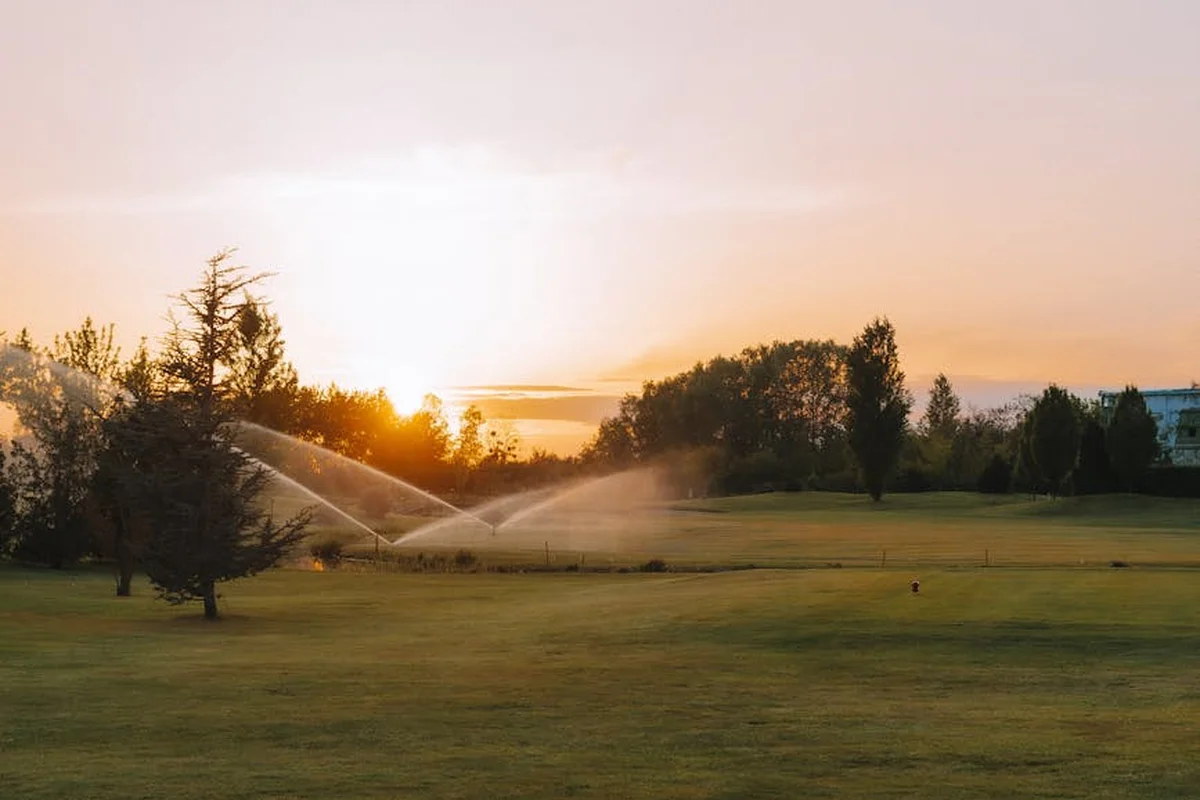
The best defense against urine spots is a simple, quick reaction: grab the hose and water the area right after your dog goes. Diluting the nitrogen is the single most effective thing you can do to stop the burn before it starts.
Remember, a healthy lawn is the best long-term solution, so choose gentle, pet-safe products for any repairs. Finding that happy balance between a green yard and a playful dog is all part of the journey.
Industry References
- r/gardening on Reddit: How to fix/prevent dog urine from destroying my lawn
- How To Keep Dog Pee From Ruining Your Lawn | PetMD
- Vet Q&A: How can I stop dog pee killing grass? – PDSA
- How Does Pet Waste Affect Your Lawn’s Health? | TruGreen
Written by Ria Carrington. Ria is an avid lawn care enthusiast and advisor. No lawn is unsalvagable when Ria is at work. She has helped countless homeowners breath new life into their dying lawns. She has a B.Sc in Agriculture and brings practical advice combined with knowledge of plant science and her decade worth of hands on experience.