
When Should You Fertilize Your Lawn and Garden for the Best Results?
Worried about missing the perfect feeding window or wasting money on fertilizer? Getting the timing right makes all the difference for a thick, healthy yard.
We will cover how to read your soil and grass cues, the exact seasonal schedules for cool-season and warm-season lawns, and the simple rules for trees, shrubs, and flowers.
I’ve honed this timing over five years of weekends with Max, my zero-turn mower, and Sunny, my drip system, saving cash and boosting growth.
Quick Snapshot: A Simple Fertilizer Schedule for Your Lawn
Think of feeding your lawn like feeding an athlete. You give a cool-season grass a big meal before its main growth season (fall) and a light snack before its second wind (spring). You feed a warm-season grass during its peak performance in the heat of summer. Calendar dates can lie, but soil temperature tells the truth.
The real trigger for feeding is soil temperature, not a date on the wall. I keep a simple meat thermometer stuck in the ground near Patch to check. Your local cooperative extension service often tracks this data online, which is a huge help.
| Grass Type | Key Feeding Windows | What to Watch For |
|---|---|---|
| Cool-Season (Fescue, Kentucky Bluegrass, Ryegrass) | Early Fall (Prime Time), Late Spring (Light Feeding), Sometimes Early Winter | Avoid summer feeding. It stresses the grass and feeds weeds. |
| Warm-Season (Bermuda, Zoysia, St. Augustine) | Late Spring through Summer (Prime Time), Very Light Early Fall | Don’t feed too early in spring or too late in fall. The grass is asleep. |
When Should I Fertilize My Lawn Grass? (Cool vs. Warm Season)
For my cool-season lawn, I think in pulses. The big pulse is in early fall, when the grass wakes up from summer stress and works on roots. A smaller pulse comes in late spring to help it finish strong before summer dormancy. Warm-season grasses are different. They hit their growth spurt when the heat is on, so that’s when they need consistent fuel.
A common question is, “What is the recommended timing for fertilizing lawn grass?” The answer is in the table above, but it starts with knowing your grass type. If you’re not sure, take a sample to a local garden center.
Your lawn will tell you when it’s hungry. Look for a pale, yellowish-green color instead of a deep green. Notice if the grass seems slow to recover after Max makes a pass, taking longer to “green up” the mower lines. Thin, patchy areas are often crying out for nutrients, too.
Seasonal Lawn Feeding: Your Action Checklist
Here is your straightforward, season-by-season plan. Treat your spreader like a kitchen measuring cup, follow the bag’s label rates for your grass type, and calculate the correct amount to spread. Then water it in with Sunny’s help.
For Cool-Season Grasses (Fescue, KBG, Rye)
- Spring (Late): Apply a light feeding of slow-release nitrogen as soil temps consistently hit 55°F. This supports leaf growth without a wild surge.
- Early Summer: This is a “watch and wait” period. Do not fertilize. Focus on proper mowing and deep, infrequent watering.
- Fall (Early): This is the most important feeding. Apply your main dose of fertilizer to fuel root growth and recovery. Do this about 6-8 weeks before your average first frost.
- Critical Stop Date: Do not fertilize within 6 weeks of your expected first hard frost. New growth will be too tender and get winter-killed.
For Warm-Season Grasses (Bermuda, Zoysia)
- Late Spring: Apply the first feeding only after the grass is fully green and actively growing, not just “waking up.” Soil temps should be reliably above 65°F.
- Summer: This is the main feeding window. Apply slow-release nitrogen every 6-8 weeks during peak growth. Water deeply after each application.
- Early Fall: Apply a final, lighter feeding to help with late-season recovery and winter carbohydrate storage. Stop feeding at least 6 weeks before the first frost.
Feeding Your Garden: Vegetables and Seasonal Crops
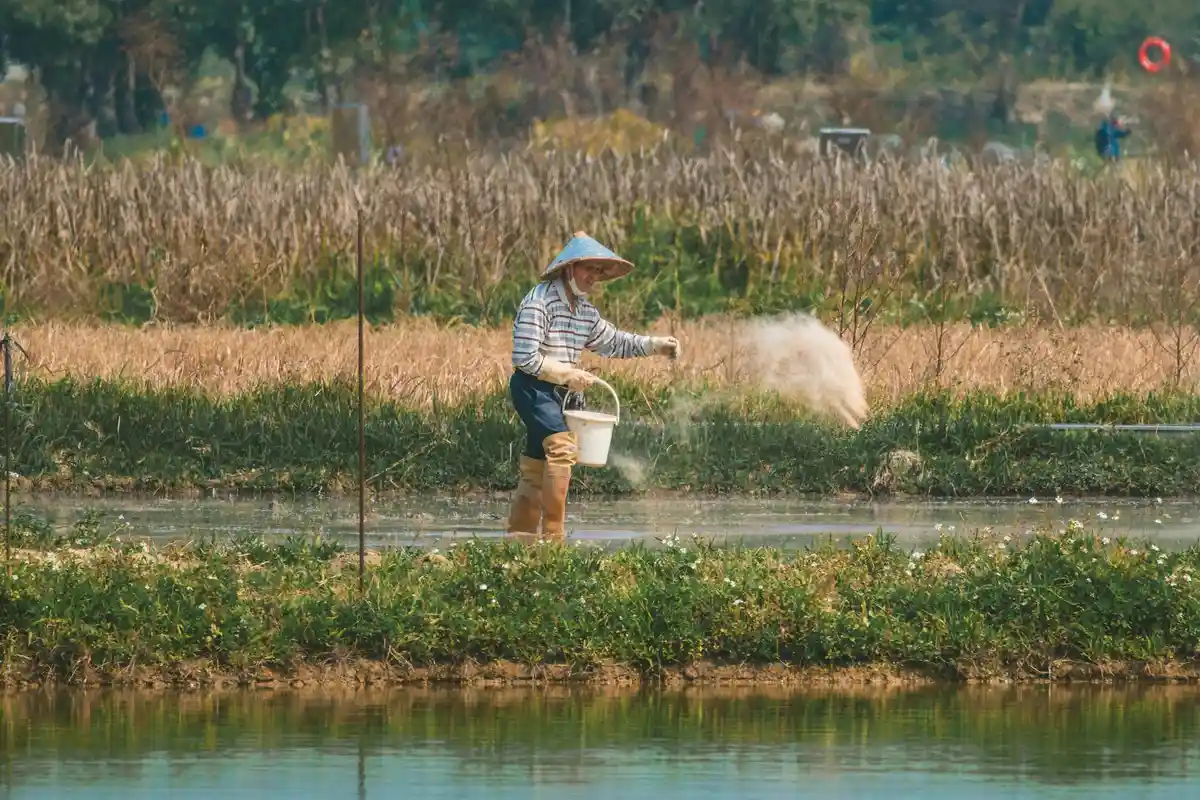
Your lawn has its own rhythm, and so does your vegetable patch. The most common question I get is, “What is the optimal fertilization schedule for vegetable gardens?” My answer is always the same: follow the plants, not the calendar.
Vegetables fall into two camps: the hungry ones and the thrifty ones. Knowing who is who saves you time, money, and keeps your soil balanced.
Heavy feeders, like tomatoes, corn, and broccoli, drain a lot of nutrients from the soil to produce their big fruits and heads. They need consistent fuel. Light feeders, such as beans, peas, and most root vegetables like carrots, are more self-sufficient. They fix nitrogen from the air or thrive in less-rich earth.
Timing is Everything: Starts and Sides
The “when” starts the moment you put plants in the ground. For transplants-think tomato seedlings or pepper starts-I always use a mild starter fertilizer. This gives them a gentle boost to establish roots without burning them. It’s like a welcome snack for their new home.
For established plants, the real magic happens with side-dressing. This means sprinkling a granular fertilizer in a shallow trench or ring a few inches away from the plant stem, then watering it in. You do this at key growth stages.
For heavy feeders, side-dress when they start to flower and again when the first fruits begin to form. You can literally see them shifting energy from leafy growth to making food, and that’s when they need a top-up.
Cool Season vs. Warm Season Crops
How does fertilization timing differ for cool-season and warm-season crops? It’s all about their active growing windows. For lawns, seeding timing and fertilization go hand in hand to help establishment. Timing fertilizer applications with the lawn’s growth window supports rapid germination and sturdy roots.
Cool-season crops (lettuce, spinach, kale) grow best in spring and fall. I feed them at planting and then maybe once more halfway through their harvest period if they look pale. They grow fast and are usually done before they need another meal.
Warm-season crops (tomatoes, peppers, cucumbers) are the marathon runners. They’re in the ground for months. I feed them at transplanting, at first flowering, and then every 4-6 weeks during peak production. When the heat of late summer hits and growth slows, I stop feeding to let them finish ripening.
When should I fertilize my garden? Watch for the plant’s cues: the first true leaves, the first flower buds, the first small fruits. These are your signals, more reliable than any date on a box.
Flowers, Bulbs, and Perennials: Timing for Blooms, Not Just Leaves
Flowers are different. With veggies, you feed for fruit. With flowers, you feed for next year’s show. The goal is strong roots and future blooms, not just a bushy plant right now.
The Bulb Rule: Patience Pays
What is the best time to fertilize spring-flowering bulbs? This one trips up almost everyone. You don’t feed them in the spring when you see the flowers. That’s too late.
The golden rule for daffodils, tulips, and irises is to feed them after they bloom, while the leaves are still lush and green. Those leaves are solar panels, sending energy down to the bulb to recharge it for next year. A light fertilizer meal at this time is an investment. I do it once, right as the petals fade.
Annuals vs. Perennials: Two Different Beats
What is the fertilization schedule for annual flowers? They live fast. Petunias, marigolds, and zinnias are in a constant state of bloom. For them, I use a “little and often” approach. A diluted, liquid fertilizer every two to three weeks keeps them pumping out color all season. It’s like keeping the snack bowl full for a busy guest.
What is the optimal timing for fertilizing perennials? These are your long-term residents. They need targeted help. I feed most perennials twice: once in early spring as new growth emerges from the soil, and again in early summer after their first big flush of blooms. The fall feeding is a myth for most; it can spur tender new growth that gets killed by frost.
What Perennials Not to Fertilize
Here’s a key secret: some of your best garden performers prefer to be left alone. Over-fertilizing makes them floppy and weak. Native perennials like Coneflower or Black-eyed Susan are adapted to local soils and often do worse with extra food. Mediterranean herbs like lavender, rosemary, and thyme thrive in poor, gritty soil. Fertilize them, and you’ll lose that wonderful intense fragrance and flavor.
A Note on Roses
When is the best time to apply fertilizer to roses? Roses are the classic heavy-feeding perennials. My schedule is simple. I give them their first meal as the leaf buds swell in spring. I feed again after the first glorious round of blooms is spent, to power up for the next wave. I make my last application around midsummer. Feeding too late in the season, like after early August for me, encourages new canes that won’t harden off before winter.
Trees, Shrubs, and Evergreens: The Slow-and-Steady Approach
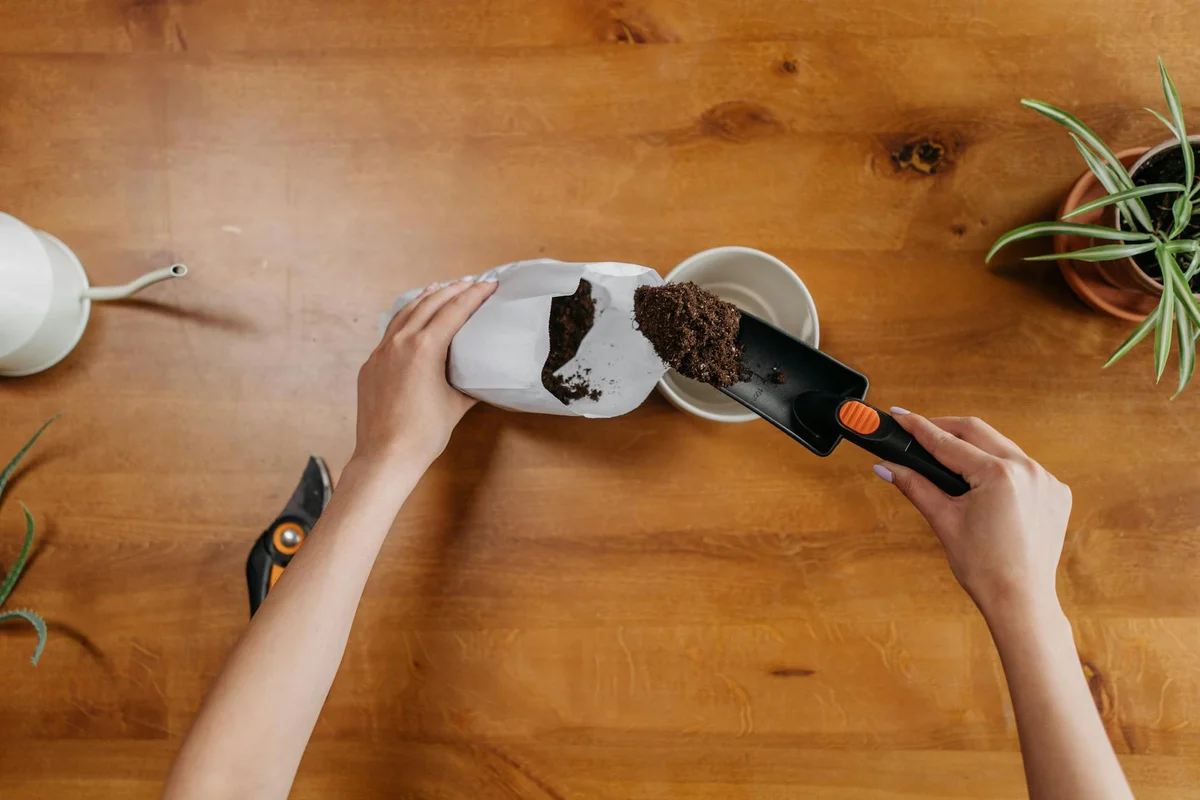
This is where a lot of us overthink it. I’ve been guilty of dumping food at the base of my maple, thinking I was giving it a treat. That’s usually a mistake.
For most established trees and shrubs, if they look healthy, they probably don’t need any extra fertilizer from you. They’ve spent years growing deep roots that forage for nutrients. Your main job is to mulch them and keep them watered during a drought. Even when you do fertilize ornamental shrubs and trees, it’s important to do so judiciously.
When should I fertilize fruit trees for maximum yield?
Fruit trees are the exception to the “leave it alone” rule. They’re working hard to produce a crop, so they appreciate a boost. The timing is everything.
Feed them in early spring, just as the buds are beginning to swell but before they actually open. This is when the tree is waking up and can direct those nutrients straight into bud development, flowering, and fruit set. Miss this window, and you’re just feeding the leaves.
How to Feed a Tree (The Right Way)
Never just sprinkle fertilizer around the trunk. A tree’s feeder roots, the ones that actually drink up nutrients, are out near the drip line. That’s the circle on the ground under the outermost leaves.
Imagine the root zone as a donut, with the trunk as the empty hole in the middle. You want to spread fertilizer in that donut of soil. I use a handheld spreader on a low setting and walk a few circles around the tree, starting a few feet out from the trunk. Then, water it in well.
When should I fertilize evergreen shrubs and trees?
The same early-spring rule applies here, right as new growth is about to start. But be extra careful. Evergreens like arborvitae or boxwood are often more sensitive. I use a half-strength, slow-release fertilizer meant for evergreens or acid-loving plants if my soil test calls for it. Less is always safer. If you’re planning your garden around fertilization, considering the best fertilizer tree species for your climate can guide which trees you plant. Knowing which tree species respond best to slow-release feeds helps you tailor your approach.
A Quick Word on Indoor Houseplants
This one’s simple but different. They don’t follow the outdoor seasons. Feed your indoor plants only during their active growing season, which is typically spring through summer. When daylight gets shorter in fall and winter, they slow down. Fertilizing then can burn their roots because they aren’t using the food. I give mine a diluted liquid fertilizer every other watering from April to September, and then I let them rest.
Greedy Grass Pro Tips: Rules to Feed By
Let’s boil all this down to a few rules I live by. Tape these to your shed door.
- Test your soil first. Guessing is a waste of money and can hurt your plants.
- Feed your lawn and most plants in the cool of early spring and early fall.
- For flowers and veggies, think “little and often” during their bloom and harvest time.
- When in doubt, use half the recommended dose on the bag. You can always add more later.
- Water any fertilizer into the soil. Leaving it on the surface is ineffective and can scorch plants.
What temperature is too hot to fertilize plants?
This is critical. When the thermometer consistently hits 85°F (29°C) or higher, put the fertilizer bag away. Applying it in extreme heat stresses plants. They can’t process the nutrients quickly, which often leads to fertilizer burn on the roots and leaves. It’s like forcing a big meal on someone running a marathon in the sun.
The best feeding program is a gentle one that builds healthy soil without harsh chemicals that can run off into waterways. I lean on slow-release organic options. They feed plants steadily, are safer for pets and kids playing on the lawn, and won’t harm the bees and butterflies visiting your flowers.
Finally, the best tip I can give you is to watch your own yard. Your plants will tell you what they need. Pale leaves, slow growth, poor flowering. Start with a soil test, follow these windows, and you’ll be ahead of 90% of the neighborhood. Trust me, Max the mower and I see it all every weekend.
Greedy Grass FAQ: Your Quick Feeding Questions, Answered
1. I just planted petunias and marigolds. How often should I really feed them?
For annual flowers, think “little and often” to keep the bloom party going. Hit them with a diluted liquid fertilizer every two to three weeks from planting until late summer.
2. My evergreen shrubs look a bit tired. When and how should I feed them?
Give them a single, light feeding in early spring just as new growth is about to begin. Use a slow-release fertilizer formulated for evergreens, as too much can do more harm than good. Proper timing is important when fertilizing evergreens.
3>What’s the one big difference between feeding my spring lettuce and my summer tomatoes?
Cool-season crops like lettuce need a meal at planting and that’s usually it. Warm-season crops like tomatoes are hungry all summer and need side-dressing at flowering and when fruits form.
4. How can I tell if my lawn is actually hungry and needs food right now?
Your grass will gossip if it’s hungry-look for a pale, yellowish color and slow growth after mowing. If it’s deep green and growing steadily, save your fertilizer for the next key feeding window.
5. What’s the biggest mistake people make when feeding indoor plants?
They fertilize on a calendar year-round. Only feed during the active growing season (spring-summer); in fall and winter, let your houseplants rest without extra nutrients.
Making Fertilization Work for You
The best fertilizer schedule is the one you create for your own yard, not a date on a calendar. It starts with knowing what you’re growing and what your soil needs, then feeding it at the right times to support its natural growth cycle. Understanding fertilizer requirements for healthy plants helps you tailor inputs to your yard’s specific needs.
Good lawn care means being a good neighbor to the whole ecosystem. I always check my spreader settings to avoid runoff and try to water with Sunny just enough to soak the food in, not wash it away. Keep notes on what you did and when, and don’t be afraid to adjust things next season if Patch tells you it’s not quite right. For easy lawn care maintenance tips, a simple seasonal checklist can help you stay on track.
Citations and Authoritative Sources
- When to Fertilize for a Greener Lawn | ScottsMiracle-Gro US
- r/lawncare on Reddit: When to Fertilize (Based on Your Grass Type and Soil Temperature)
- When and How to Fertilize Your Lawn
Written by Ria Carrington. Ria is an avid lawn care enthusiast and advisor. No lawn is unsalvagable when Ria is at work. She has helped countless homeowners breath new life into their dying lawns. She has a B.Sc in Agriculture and brings practical advice combined with knowledge of plant science and her decade worth of hands on experience.